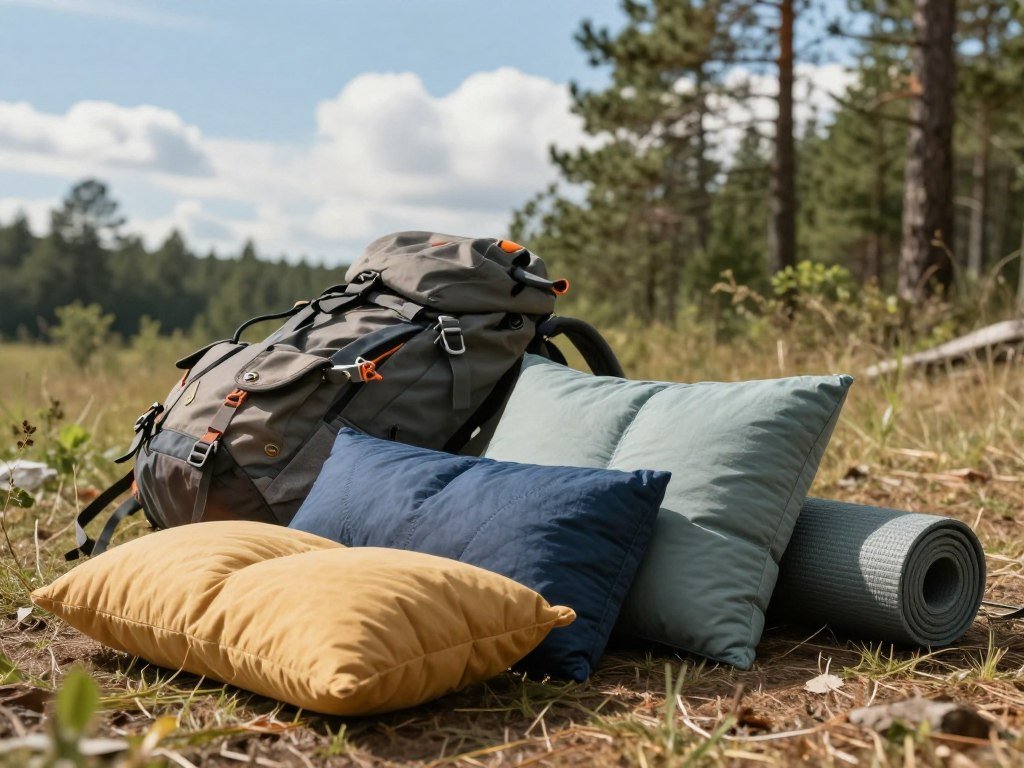
A camping pillow can make a night outdoors more comfortable, but the right pick changes when every ounce and inch of pack space matters. Your choice comes down to comfort versus packability, and the balance shifts between car camping and backpacking.
Side sleepers often need more loft than back or stomach sleepers. Loft is the usable height a pillow provides under your head. A pillow that feels cozy at home may take up too much space on a long hike.
These picks cover compact inflatables, cushioned hybrids, and roomy camp pillows. You can match one to your trip, sleep position, and gear without treating a single design as right for every camper.
Key Takeaways
- The NEMO Fillo is a versatile starting point for many campers.
- Inflatable pillows suit backpackers who need to keep pack weight low.
- Foam and larger pillows favor comfort when you camp by car.
- Side sleepers often need more stable height under their head and neck.
- Check both the sleeping surface and packed size before choosing.
If you camp by car, favor comfort and surface area; if you carry your sleep system, start with packed size and weight.
Best Camping Pillows: Quick Picks
For a single versatile pick, start with the NEMO Fillo; choose a different style when you prioritize minimum pack weight or a bed-like feel. The best camping pillows match your trip first, then your comfort needs.
The table compares each pillow’s construction and packed character, along with the trade-off you make. Use it to narrow your choices before weighing details like fit and support.
| Pillow | Construction | Best use | Packed character | Main trade-off |
|---|---|---|---|---|
| NEMO Fillo | Hybrid foam and air | Versatile camping, occasional backpacking | Compressible, awkward to return to stuff sack | Heavier than ultralight inflatables |
| Sea to Summit Aeros Ultralight | Inflatable | Weight-conscious backpacking | Very compact | Air-only cushioning |
| Therm-a-Rest Compressible Cinch | Compressible foam | Campground comfort and value | Takes pack space | Heavy for long-distance backpacking |
| Therm-a-Rest Air Head Down | Air bladder with down top | Soft cushioning without foam | Packs compactly | Costs more than basic options |
| HEST Camp Pillow | Compressible fill | Car camping, comfort-first use | Closes into a carry package | Bulky for backpacking |
For the best camping pillows for backpacking, the Aeros Ultralight favors low weight, while the NEMO Fillo gives you a softer hybrid feel. These three profiles can help you pick a starting point:
- General camper: NEMO Fillo for mixed trips and cushioned support.
- Ultralight backpacker: Sea to Summit Aeros Ultralight for a compact carry.
- Comfort-first car camper: HEST Camp Pillow for a broad sleeping surface.
Choose for the trip you take most: a compact pillow earns its place on a long hike, while a roomy one suits a car camp.
The right shortlist is the one that fits both your sleeping position and the space you can spare.
Which Pillow Type Fits Your Trip?
If your pack weight sets the rules, an inflatable is usually the simplest starting point; comfort-first campers generally benefit from added cushioning. Ultralight backpacking pillows commonly weigh about 1-4 ounces, but their loft and cushioning vary by design.
Construction affects how a pillow feels, packs, and supports your head. The right type depends on whether you carry it far or keep it near camp.
| Construction | Cushioning | Best fit | Trade-off |
|---|---|---|---|
| Inflatable | Air bladder | Backpacking | Less plush feel |
| Compressible foam | Foam fill | Car camping | Bulk and weight |
| Hybrid air and cushioning | Air bladder plus foam or down | Mixed-use trips | More parts and often more weight than a bare inflatable |
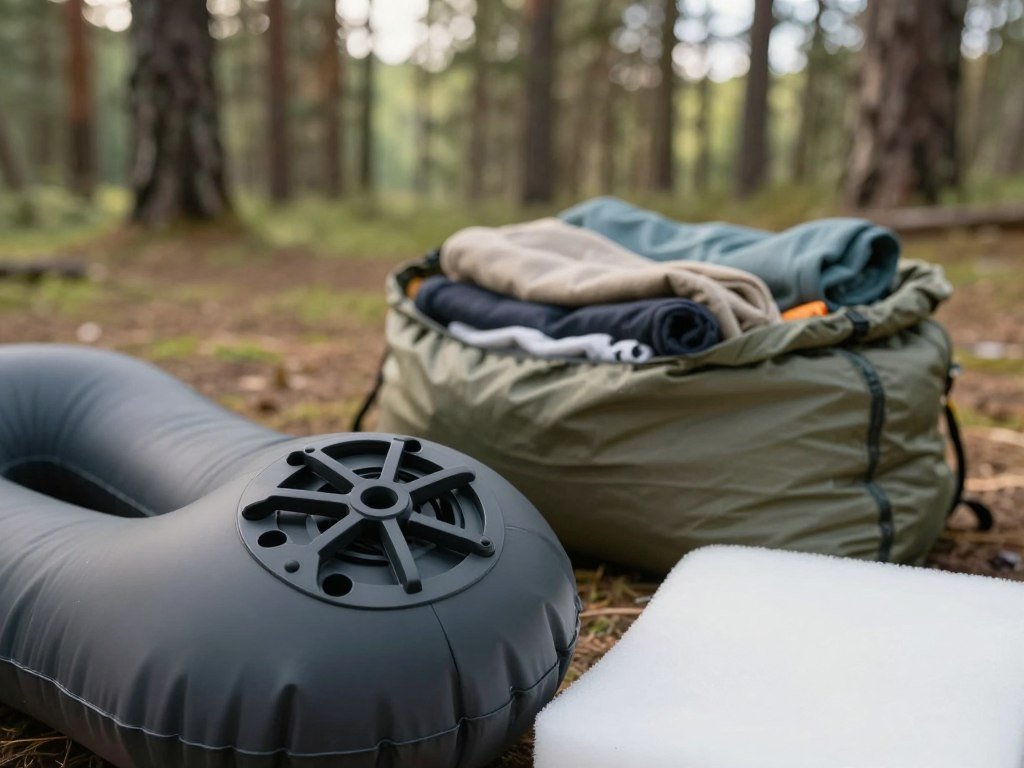
| Stuff-sack pillow | Clothes inside a fabric sack | Minimalists with spare clothing | Comfort depends on even stuffing |
When an inflatable camping pillow makes sense
An inflatable camping pillow is a strong fit when pack space and weight matter more than a soft, bed-like surface. The Sea to Summit Aeros Ultralight weighs 2.9 ounces, measures 18 by 12 inches, and reaches 5 inches thick.
Its valve lets you add air to raise the pillow or release some to lower it. The air-only feel can seem springy or firm compared with foam. In 2026 testing, the Aeros Ultralight scored 81 overall.
Why compressible foam suits comfort-first camping
The Therm-a-Rest Compressible Cinch uses upcycled foam that gives a pillow a familiar, soft feel. Foam fill compresses under your head and spreads support across a wider area than a bare air bladder.
That comfort comes with bulk. A foam pillow takes up more room in a pack, so it suits a campsite near your car better than a long hike.
How hybrid and stuff-sack designs split the difference
A hybrid pillow combines an air bladder with a cushioning layer, such as foam or down. The layer can soften the balloon-like feel of a bare inflatable while keeping the pillow easier to pack than solid foam.
A stuff-sack pillow turns spare clothes into a sleeping surface, so it adds little dedicated gear. Try these checks when choosing a design:
- Look at the packed size if you carry the pillow in a backpack.
- Choose added cushioning if an air-only surface feels too firm.
- Check whether spare clothing will be available for a stuff-sack pillow.
A stuff-sack pillow only works well when you have spare clothing left to put inside it.
Is the NEMO Fillo the Best All-Around Pick?
The NEMO Fillo is the most balanced pick for campers who want a cushioned feel without bringing a full-size pillow. Foam and air work together in its hybrid design, while an inflatable bladder lets you adjust firmness.
In 2026 testing, it scored 84 overall: comfort 8.7, weight 9.0, packability 8.4, support 8.3, and ease of use 7.5. At 8.8 ounces, it offers a cushioned feel but is not the lightest choice for backpacking.
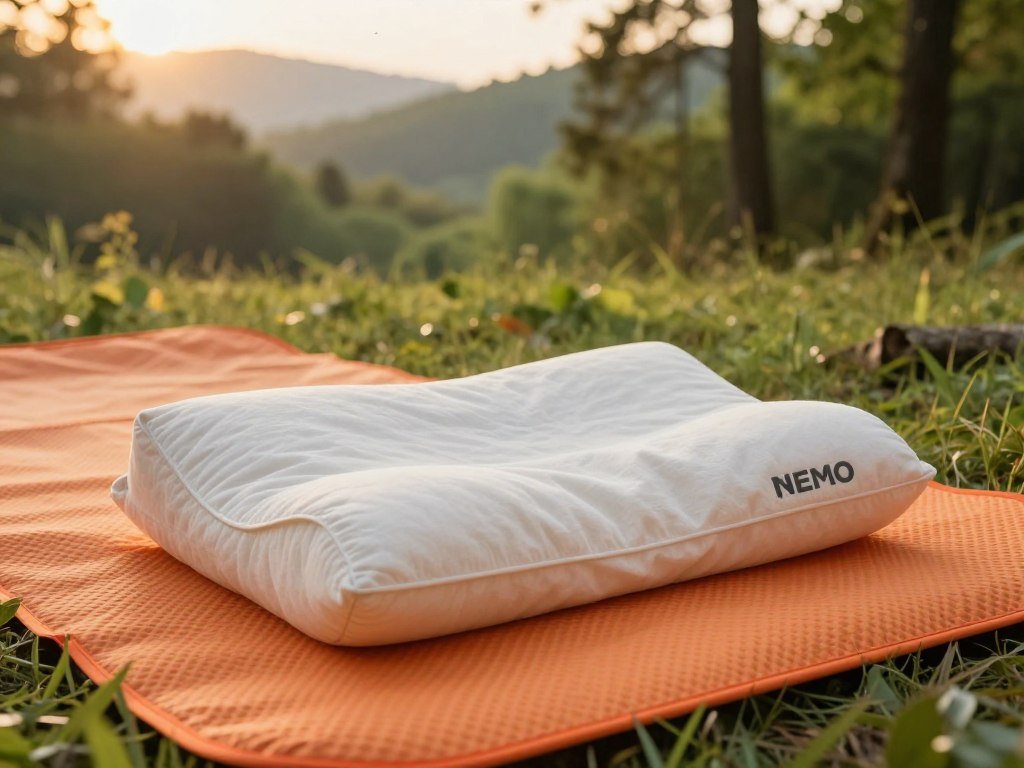
The pillow measures 16 inches long by 9.5 inches wide. Foam softens the feel of the air bladder, giving you more comfort than a bare inflatable without the bulk of a full foam pillow.
Adjustable firmness can help you find a height that works for your sleeping position. The separately washable pillowcase also makes routine care easier when the pillow picks up camp dust.
The stuff sack is attached, which is handy once the pillow is packed. Try rolling it lengthwise before packing if the attached stuff sack feels difficult to use.
Is the Sea to Summit Aeros Down a Good Ultralight Choice?
The Aeros Down is a strong choice when you want an ultralight pillow with a softer surface than a bare air bladder. A thin down layer sits over the inflatable air chamber and softens its feel against your face.
In 2026 testing, the Sea to Summit Aeros Down weighed 2.6 ounces. That small carry weight suits backpackers who want more surface comfort than a plain inflatable offers.
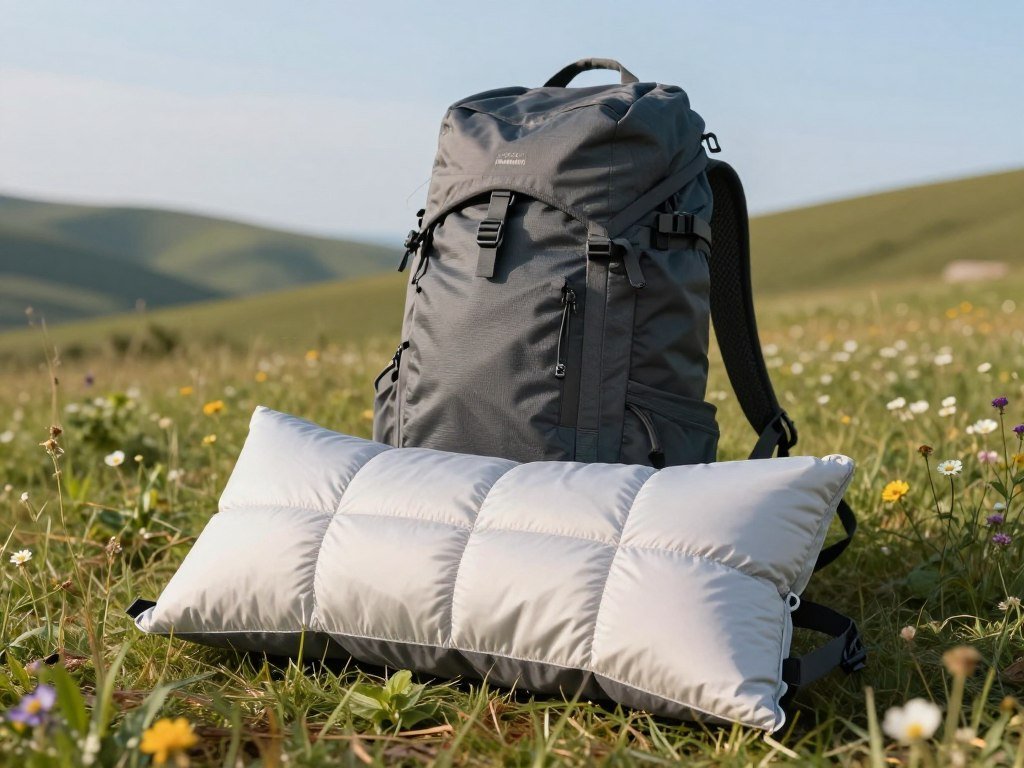
The down layer does not turn the pillow into a thick foam cushion. Its compact sleeping surface may feel limited if you move around often or want a broad place to rest your head.
That trade-off matters on longer hikes, where every ounce counts but comfort still affects sleep. The down top adds softness without bringing a full foam pillow along.
Choose it for its compact down-topped design, not for a wide, bed-like sleeping surface.
What Does the Sea to Summit Aeros Premium Add?
The Aeros Premium adds a memory-foam layer and adjustable firmness while keeping an inflatable core. Its padded top changes the feel of the air bladder without giving up the compact design of an inflatable.
The pillow can inflate to 12 centimeters thick, giving you room to adjust its height. The mix of air and memory foam offers a more cushioned surface than air alone.
The memory-foam layer helps reduce the direct feel of the air chamber. You can let out or add air to change the firmness, which gives you more control over how the pillow responds under your head.
Included 3M PillowLock System patches are intended to help keep the pillow in place on most camping mats. The fit is not universal, so your mat and pillow setup still matter.
Check that the attachment patches match your mat setup before relying on them to prevent movement.
Is the Therm-a-Rest Compressible Cinch Worth It?
The Compressible Cinch makes sense when a soft, easy-to-use pillow matters more than saving every inch of pack space. Its foam fill favors comfort at camp over a tiny packed shape.
In 2026 testing, the Cinch scored 78 overall, with comfort 7.5, weight 9.0, packability 7.8, support 6.0, and ease of use 9.0. It weighed 8.6 ounces and measured 15.5 inches long by 9.5 inches wide.
The Cinch uses upcycled foam and a polyester outer fabric. Its cord lets you adjust the pillow’s shape, which can help you make a fuller or flatter sleeping surface.
This is a better choice for car camping than long-distance backpacking. Its foam fill feels soft, but it needs more space in your gear than a small inflatable.
The separate Therm-a-Rest Compressible Pillow is a different model, not another name for the Cinch. It weighs 8 ounces in Small and 1 pound in Large, uses urethane foam, and has a machine-washable design.
Uncinch and fluff the foam after arriving so it can regain its shape before bedtime.
Who Should Choose the Therm-a-Rest Air Head Down?
Choose the Air Head Down when you want a down-softened inflatable and are willing to carry more than a minimalist air pillow. The quilted top softens the bare-plastic feel of the air bladder.
In 2026 testing, the pillow scored 78 overall, with comfort 7.5, weight 9.2, packability 8.9, support 7.0, and ease of use 6.0. The tested pillow weighed 7.4 ounces and measured 18 inches long by 12.5 inches wide.
A baffled air bladder helps hold its shape, while the quilted top uses 600-fill down. That layer adds a softer surface without the bulk of a solid foam pillow.
The curved shape is designed to sit around your neck and shoulders. Its tested size is still heavier than the smallest backpacking inflatables, so consider the added weight before a long hike.
It is a comfort upgrade for a pack, but not the lightest option for a long-distance hike.
Is the HEST Camp Pillow Best for Car Camping?
The HEST Camp Pillow is a comfort-first choice for car camping, where its generous size is easier to accommodate. Its broad shape brings a home-pillow feel, but it is not designed for a small backpack.
The pillow comes in three sizes. Small measures 10 by 15 inches in sleep mode and weighs 1.2 pounds; Medium measures 15 by 22 inches and weighs 2.2 pounds.
In 2026 testing, the HEST Camp Pillow scored 66 overall. It uses shredded memory foam and polyester fill, and you can adjust its loft through a zippered opening.
The contoured shape is designed to rest against your neck and help the pillow stay in place. A zippered cover protects the sleeping surface while packed, and the removable cover is machine washable.
HEST makes a third size as well, giving you another option for your sleeping area and storage space. The Small and Medium sizes show how quickly a broader surface adds carry weight.
Pick the smallest size that gives your neck enough room if storage space in the vehicle is limited.
Is the Klymit Drift the Most Comfortable Camp Option?
The Klymit Drift favors plush support and a broad surface over a small packed size. Its home-pillow feel suits campers who want room to shift during the night.
In 2026 testing, the Drift scored 72 overall, with comfort 9.9, weight 4.7, packability 3.2, support 9.5, and ease of use 8.1. It weighs 34.6 ounces and measures 21 inches long by 15 inches wide.
The pillow uses 70D polyester, jersey cotton, and shredded memory foam. Its broad surface and foam fill provide a plush place to rest, though they make it a bulky item to carry.
You can remove some fill to soften the pillow, and its pillowcase is machine washable. The cover helps shield the pillow from dirt and moisture, but it does not make the pillow compact.
Reserve it for trips where you can carry it from the vehicle rather than on your back.
Is the Teton Sports Pillow a Practical Budget Option?
The Teton Sports Pillow is a straightforward choice for occasional campouts when simple comfort matters more than fine-tuned support. Its brushed flannel feels soft against your face without complicated setup.
In 2026 testing, it scored 72 overall, with comfort 7.0, weight 8.8, packability 6.5, support 6.0, and ease of use 8.0. It weighed 10 ounces and measured 16 inches long by 9 inches wide.
SuperLoft Elite hollow fiber gives the pillow decent loft when you first lie down. Soft fill can compress under a heavier head, so the pillow may not keep the same support through the night.
The simple design can suit campers who want a soft surface without adjusting fill or air. Its washable design is practical after dusty trips, but basic softness does not match the steady support of an adjustable or hybrid model.
Consider a more supportive shape if you need steady loft through the night.
Which Camping Pillow Works for Side, Back, and Stomach Sleepers?
Side sleepers usually need the most loft, while stomach sleepers tend to be more comfortable with a flatter surface. Your sleep position shapes how much height and support your head and neck need.
Side sleepers generally need at least 4 inches of stable loft, while back sleepers can often use a lower profile. Stomach sleepers usually benefit from flatter support.
| Sleep position | Useful shape or loft | Suitable construction |
|---|---|---|
| Side | Stable height of at least 4 inches; shoulder notch or added padding | Hybrid or cushioned inflatable |
| Back | Lower profile that supports the neck without pushing it upward | Low-profile inflatable or hybrid |
| Stomach | Flatter, softer support | Loosely stuffed stuff sack or low-loft inflatable |
Side sleepers need stable loft and neck support
The best camping pillow for side sleepers is a stable, higher-loft pillow that fills the space between the head and shoulder. A shoulder notch or added padding can help keep your neck supported.
For the best backpacking pillow for side sleepers, favor a hybrid with an inflatable core and a pillowcase or spare clothing for added cushioning. Your body and sleep surface affect how much height feels right. A side-sleeping pillow fit guide can help you judge neck alignment and compression.
Back sleepers can usually choose a lower profile
Back sleepers often need less height than side sleepers. A lower-profile pillow should support the neck without tipping the head forward or forcing it upward.
Different sleep positions also affect your support needs beyond camp. A guide to mattresses for different sleeping positions can help you compare those needs at home.
Stomach sleepers may prefer a flatter surface
A flatter pillow can reduce the angle between your head and neck when you sleep on your stomach. A low-loft inflatable or loosely filled stuff sack lets you avoid excess height.
Check these details while lying down in your usual position:
- Shoulder width: does the pillow fill the space below your head?
- Neck alignment: does your head stay level with your body?
- Rolling: does the pillow support your head when you turn?
Reassess the fit in your usual sleeping position rather than judging a pillow only while sitting upright.
How Can You Keep a Pillow in Place and Build a Sleep System?
A pillow that slides off the pad can disrupt sleep even when its height and cushioning are right. Stable placement can come from a compatible attachment, a sleeping-bag hood, or a fitted pillowcase.
A pillowcase can add grip and hold spare clothing around an inflatable. The Zpacks Padded Pillowcase weighs 2.4 ounces, measures 15 by 11.5 by 4.5 inches, and can attach around a sleeping pad.
A fitted system keeps your pillow and pad working together instead of shifting apart. The Hyperlite Mountain Gear Stuff Sack Pillow weighs 1.7 ounces and measures 17 by 12 inches.
It also works as a waterproof storage sack, with a fleece-lined surface for your head. Try one of these three setups with the gear you already carry:
- Pair an attachment-compatible pillow with a mat designed to fit it.
- Put an inflatable inside a pillowcase with spare clothes or a puffy jacket.
- Turn a suitable stuff sack inside out, then fill it with clothing.
A clothes-filled sack offers a simple pillow without another inflatable part. Its comfort depends on even stuffing and on having spare clothing available.
If you use an overnight hammock, a camping hammock setup guide can help you consider the pad or underquilt and other sleep gear.
Test the full pillow-and-pad arrangement at home before relying on an unfamiliar attachment in camp.
What Pillow Size and Packed Dimensions Should You Choose?
Choose the smallest surface that lets your head stay supported without forcing your shoulders into an awkward position. Size affects both sleep space and carry weight, so compare the inflated shape with its packed volume.
The Aeros Premium comes in three sizes, from a compact Regular to a wider XL. The larger sizes offer more sleeping surface but take up more room and weigh more.
| Aeros Premium size | Inflated dimensions | Weight | Packed dimensions |
|---|---|---|---|
| Regular | 13 × 9 × 4 in | 3.5 oz | 4 × 3 × 3 in |
| Large | 17 × 12 × 5 in | 5.3 oz | 5 × 4 × 4 in |
| XL | 22 × 14 × 5 in | 8.8 oz | 6 × 4 × 4 in |
The Sea to Summit Aeros Down also comes in Regular, Large, and XL. Regular measures 13 by 9 by 5 inches and weighs 2.5 ounces; Large measures 17 by 11 by 5 inches and weighs 3.2 ounces.
The Down XL measures 23 by 15 by 5 inches and weighs 6.2 ounces. Each size offers a different balance between the surface for your head and the weight you carry.
Measure the space on your sleeping pad and check your pack before choosing a larger model. Compare both the unpacked sleeping surface and the packed volume, since the larger size affects each.
How Should You Clean and Store a Camping Pillow?
Start with the care label, because a washable cover does not mean the entire pillow can go in the washer. Care depends on the cover and fill, and an inflatable bladder needs its own handling.
Use these steps to clean and store your pillow without damaging its materials:
- Check the care label for the cover and inner fill.
- Separate a removable cover only when the label allows it.
- Clean the fill only by its stated method.
- Air-dry every component completely before packing.
- Store the pillow dry and uncompressed where its instructions allow.
Do not machine-wash an inflatable bladder unless its care instructions explicitly allow it. Foam and fabric can hold moisture when packed away damp, while a wet bladder may also raise odor and damage concerns.
Let each piece dry fully, including seams and covered areas that may hold moisture. Never pack a pillow away until its cover and inner components are completely dry.
How Much Should You Spend on a Camping Pillow?
Spending more makes sense only when the added cushioning, adjustability, or sleeping surface solves a real problem for your trip. Price alone does not promise better sleep; construction and use matter just as much.
The lower-cost options include the Teton Sports Pillow at $18 and the Therm-a-Rest Compressible Cinch at $35. The separate Therm-a-Rest Compressible Pillow lists for $34.95-$49.95.
Lower-cost compressible options
The Teton Sports Pillow offers a simple soft surface for occasional campouts. The Compressible Cinch costs more but adds foam fill and a cord for shaping the pillow.
Do not confuse the Cinch with the separate Compressible Pillow model. That model’s price range varies by size, while the Cinch has its own listed price.
Higher-priced and hybrid options
The NEMO Fillo was listed at $50 in 2026. The Sea to Summit Aeros Ultralight lists at $55, while the Aeros Premium ranges from $54.95-$69.95.
The Aeros Down lists for $64.95-$84.95, and the Therm-a-Rest Air Head Down was listed at $65. The Klymit Drift was listed at $45 for its broad, foam-filled comfort.
The HEST Camp Pillow costs $79.00-$129.00, which suits a larger, comfort-first setup. These listed prices are not guaranteed checkout offers, and a higher price does not ensure better sleep.
The best value depends on what your trip needs: a packable inflatable, a hybrid surface, or a large comfort-first pillow.
Set a maximum spend after deciding whether comfort, low pack weight, or a broad sleep surface matters most.
Conclusion
Start with the trip you take most often, then choose the pillow that fits its space and comfort limits. The NEMO Fillo is a strong all-around starting point when you want cushioning without a full-size pillow.
For weight-conscious backpacking, consider the Sea to Summit Aeros Ultralight or Down. The HEST Camp Pillow or Klymit Drift fits car campers who want more room and a softer, home-like feel.
Before buying, measure the space on your sleeping pad and decide how much weight you are willing to carry.
FAQ
What type of pillow is best for camping?
Are camping pillows worth it?
What do people use as pillows when camping?
What is the best camping pillow?
How do I keep my camping pillow from sliding off my sleeping pad?
Can camping pillows be machine washed?