Transparent Labs BULK is the strongest all-around starting point for most gym-goers choosing a pre gym supplement, while the best fit changes with your training goal and stimulant tolerance. You may want more energy for an early session, better focus, or a formula that leaves caffeine out. Your schedule and budget matter, too.
A pre-workout is optional, not a requirement for a good workout. Food, water, and steady training can support your goals without a scoop, and a supplement cannot replace those basics. This roundup offers practical options for muscle-building goals, lower caffeine, caffeine-free training, and tighter budgets.
Use the product table to narrow your choices, then check the ingredient amounts and serving directions. If you train late or react strongly to stimulants, that may matter more than a promise of intense energy. A clear label and a dose that fits your day matter more than the longest ingredient list.
Key Takeaways
- Transparent Labs BULK is the all-around starting point for many gym-goers.
- Match the formula to your goal, schedule, and stimulant tolerance.
- Compare ingredient amounts, not just scoop size or marketing claims.
- A caffeine-free formula may suit late workouts or sensitive users.
- Supplements are optional; food and consistent training still count.
How Do You Choose a Pre-Workout?
Start by deciding whether you want more alertness, support for repeated hard efforts, or a stimulant-free option. The best formula for you depends on the goal and how your body responds. Start with function, not a flashy label.
Ingredients can support different parts of training, but marketing terms such as “explosive” do not explain what a formula does. A proprietary blend is a grouped ingredient list that does not disclose each ingredient’s individual amount. Full amounts let you compare products and judge what you will actually take.
Match the formula to your goal
For alertness, check caffeine and other stimulants. For focus, look at named ingredients and their amounts rather than a broad promise. For pumps, compare the ingredients meant to support blood flow, such as citrulline.
Strength and repeated hard efforts involve more than a pre-workout. Creatine may support training when used regularly, while beta-alanine can help some high-intensity efforts after consistent use. No formula replaces a suitable training plan.
Check the stimulant and serving fit
Compare caffeine per serving, serving size, and every named stimulant source. Check for added stimulants such as yohimbine and theobromine, especially if you already use coffee or energy drinks.
Garage Gym Reviews weighs formulation, taste, effects, solubility, third-party testing, customer experience, and customer reviews. Its team prefers about 200 mg of caffeine per serving and checks for extra stimulants. Its product review criteria can help you see how those factors fit together.
A larger scoop does not mean a stronger or better formula. A dramatic label claim also cannot tell you whether the doses suit your needs.
- Goal: Choose the effect you want from the formula.
- Full doses: Check each ingredient amount.
- Total stimulants: Count all named sources.
- Independent testing: Look for a clear testing mark.
Skip a formula whose label hides the amounts you need to judge its stimulant load.
Serving directions matter because a scoop may not match a full serving. Read the panel before comparing products, and skip any formula that makes the amount unclear.
Best Pre Gym Supplement for Most Gym-Goers
Transparent Labs BULK is the best all-around option here for readers who want a moderate caffeine dose and a tested, clearly labeled formula. It provides 200 mg of caffeine per serving and suits many people looking for a middle ground. It is a starting point, not a rule for everyone.
Good gym options include products matched to your goals and tolerance, not one universal formula. The five products below cover muscle-building ingredients, lower caffeine, stimulant-free training, and budget needs. Choose by your own use case, not by a single winner label.
| Product | Best fit | Caffeine per serving | Distinguishing feature |
|---|---|---|---|
| Transparent Labs BULK | All-around use | 200 mg | Third-party-tested formula |
| 1st Phorm Project-1 | Muscle-building ingredients | 200 mg | Includes creatine |
| Pre Lab Pro | Lower-caffeine choice | 80 mg | Smaller caffeine amount |
| Legion Pulse Stim-Free | Caffeine-free training | 0 mg | No caffeine |
| Nutricost Pre-X | Budget-conscious shoppers | 300 mg | Lower listed cost per serving |
1st Phorm Project-1 may fit if you want several training ingredients in one serving. Pre Lab Pro offers a lower-caffeine option, while Legion Pulse Stim-Free leaves caffeine out entirely.
Nutricost Pre-X may appeal if the serving cost matters most, but its caffeine amount is higher than the all-around pick. Think about your full day, not just the container in your hand.
The product that looks strongest on a label may not feel best during your workout. Your chosen pre-workout should fit your training, comfort, and routine.
Choose the lower-caffeine or caffeine-free option when the all-around pick does not fit your tolerance or training time.
Which Pre-Workout Is Best for Muscle Gain?
For a pre-workout that includes creatine, 1st Phorm Project-1 provides 5 g of creatine monohydrate per serving. That makes it a convenient option if you want creatine and other training ingredients in one scoop. Convenience is the main appeal, not an instant muscle-building effect.
Creatine supports training through consistent use over time. One serving before a workout does not build muscle on its own, and the rest of your training routine still matters. Count regular use, not one pre-workout moment, when judging creatine.
Project-1 also contains 3.2 g of beta-alanine and 6 g of citrulline per serving. Each serving includes 300 mg of alpha GPC and 300 mg of L-theanine. Those ingredients serve different roles, so their presence does not make them interchangeable.
Beta-alanine can cause tingling, often felt in the skin. The feeling is a known response to the ingredient, but it does not show that the workout is working better. Some people find the sensation distracting.
The formula can simplify a routine if you prefer a pre-workout with creatine included. If you already take creatine separately, check your total daily routine before adding another source.
Muscle gain also depends on progressive training, enough food, and recovery. A supplement can support a routine, but it cannot make up for missed sessions or poor sleep.
Count the included creatine toward your overall daily routine rather than treating it as an extra dose by default.
How Much Caffeine Should a Serving Contain?
Caffeine recommendations for high-performance athletes scale with body weight, so a fixed scoop is not a universal dose. The International Olympic Committee recommends 3-6 mg per kilogram of body weight about an hour before exercise for those athletes. That range is not a target for everyone.
Doses of at least 9 mg per kilogram have not been shown to improve performance and may cause nausea, anxiety, or insomnia. Consider a serving alongside coffee, tea, energy drinks, and medications. The total matters more than the number printed on one tub.

Body weight is only one part of the decision. Your past response, the workout, and other caffeine that day also shape whether a serving feels manageable. A product with a moderate amount can still feel strong if you are sensitive.
Use this quick check before mixing a serving:
- Caffeine in one serving: Read the product panel.
- Other sources that day: Include coffee, tea, and energy drinks.
- Body-weight context: Keep athlete guidance in perspective.
- Personal tolerance: Consider how you usually respond.
Do not stack multiple stimulant products just because each serving seems moderate on its own. A pre-workout, energy drink, and caffeine pill can add up quickly.
If you take medication, check its label and ask a qualified clinician or pharmacist about possible stimulant effects. This is especially useful when a medicine already affects alertness or heart rate.
If a formula already supplies the amount you tolerate, do not add another stimulant for the same workout.
Are Canned Energy Drinks a Good Pre-Workout?
A canned energy drink can serve as a convenient pre-workout, but its caffeine total and serving size deserve a label check. A can may be easy to grab, yet it is not always designed like a performance-focused powder. Convenience does not guarantee a suitable dose.
For a gas-station purchase, check caffeine per container, serving count, sugar, and other stimulants before drinking it. Do not assume the whole can is one serving. Read the full container amount before you start drinking.
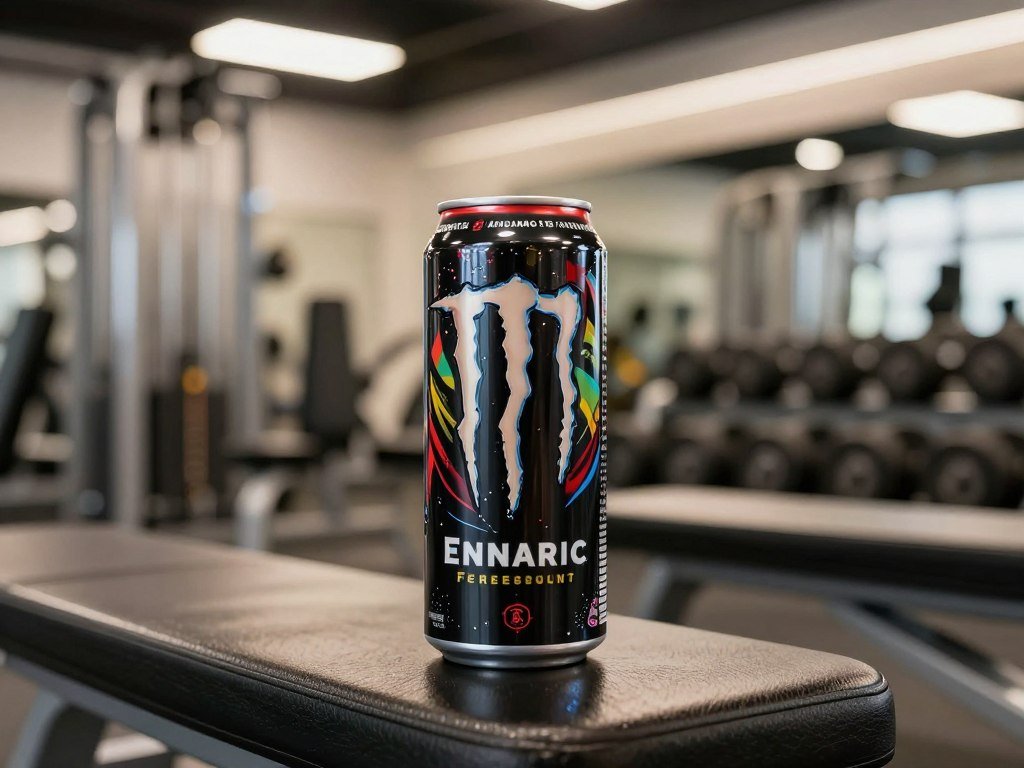
Energy drink shots may contain 40-69 mg of caffeine per fluid ounce. The American Heart Association notes that caffeine levels in energy drinks, including shots, may raise the risk of high blood pressure or an irregular heart rhythm.
A can may also include ingredients that differ from a powder’s formula. Compare the panel with your usual drink choices, especially if you plan to take other caffeine later.
Some cans contain added sugar, while others do not. Check the amount instead of assuming all energy drinks have the same nutrition profile.
A ready-to-drink product can work when the serving and ingredients suit your needs. It may be less flexible than a powder, since you cannot easily adjust the amount inside a sealed can.
A shot can look small while holding a concentrated dose. Keep its volume and total caffeine in mind when you compare it with a full can.
Avoid combining a high-caffeine can with a separate pre-workout shot or powder.
Which Pre-Workout Works Without Stimulants?
Legion Pulse Stim-Free is a straightforward choice if you want a pre-workout formula without caffeine. It suits people who avoid caffeine or train later in the day. Stimulant-free does not mean effect-free, and it does not make a product right for everyone.
A caffeine-free pre-workout may support a routine without caffeine’s alertness effect. If you rely on caffeine to feel more awake, you may notice that difference during training. Choose it for the formula, not for a caffeine-like boost.
Check the ingredient panel even when the product has no caffeine. Other ingredients can still cause tingling, digestive discomfort, or an unwanted response for some users.
Stimulant-free formulas may appeal to people who feel jittery after caffeine. They can also suit a late workout when you want to avoid a caffeine-related change in alertness or sleep.
Some products use “energy” to describe more than caffeine. That wording does not mean the formula will create the same feeling as coffee or an energy drink.
If you are sensitive to a particular ingredient, read the full list and start only as directed. A caffeine-free label does not remove the need to consider the rest of the formula.
Check the rest of the formula for ingredients that may still cause tingling or digestive discomfort.
What Do the Main Pre-Workout Ingredients Do?
The key distinction is whether an ingredient is intended to work around one workout or through repeated use over time. Creatine and beta-alanine rely on regular use, while citrulline is usually taken before a session. Timing changes what you can expect from each ingredient.
Typical study amounts can help you compare formulas, but products and study methods differ. Citrulline malate amounts also depend on the product’s ratio of citrulline to malate. A listed ingredient does not guarantee a specific result.
Acute ingredients for a single session
Citrulline malate is commonly studied at 6-8 g about 40-60 minutes before resistance exercise. Research results are mixed, and product ratios vary, so a serving weight may not equal the same citrulline amount across brands.
Ingredients that work through daily use
Creatine monohydrate is commonly used at 3-5 g daily. Beta-alanine is often studied at 4-6 g per day for 2-4 weeks, rather than as a one-time pre-workout dose.
| Ingredient | Typical study amount | Timing pattern | Likely training use |
|---|---|---|---|
| Creatine monohydrate | 3-5 g daily | Repeated daily use | Training support over time |
| Beta-alanine | 4-6 g daily for 2-4 weeks | Repeated daily use | High-intensity efforts lasting 1-4 minutes |
| Citrulline malate | 6-8 g | About 40-60 minutes before exercise | Resistance exercise support |
Beta-alanine can cause paresthesia, a tingling feeling in the skin. Taking 1.6 g doses or using a sustained-release formula can reduce this effect, though smaller doses may change how you take the full daily amount.
A review of common pre-workout ingredients from Texas Health’s supplement overview notes possible short-term benefits and limits in long-term safety research.
Do not use tingling or a strong sensation as proof that an ingredient improved performance.
When Should You Take Pre-Workout?
About an hour before exercise is a common timing reference for caffeine from coffee, though the effect’s pace varies. Coffee caffeine often reaches its peak level within an hour. Your own response may be faster or slower because of genetics, age, metabolism, and past caffeine use.
The 2023 International Society of Sports Nutrition position stand describes about two to four cups of coffee as a way to provide 3-6 mg per kilogram about 60 minutes before exercise. That guidance should be adjusted for body size and sensitivity. Follow the supplement label and your own response.
Use this short sequence when trying a product:
- Check the label for its serving directions.
- Choose an amount you can tolerate.
- Take it with enough lead time before training.
- Note how your workout and sleep feel afterward.
A powder may have directions that differ from coffee guidance, so use its label rather than assuming every source acts at the same pace. Starting with a lower amount can help you learn how it feels.
Evening trainees should pay close attention to sleep. A dose that feels fine during a workout may still make it harder to fall asleep later.
Record the time, amount, and how you felt after training. A brief note can help you spot a pattern without relying on memory.
Move the dose earlier or reduce it if it interferes with falling asleep.
What Can You Eat or Drink Before Training?
A banana and coffee can provide a simple homemade pre-workout for someone who tolerates caffeine. For a caffeine-free choice, try fruit and water. Simple fuel can be enough for a regular training session.
A balanced meal with carbohydrates and protein works well about 2-3 hours before exercise. Closer to training, fruit offers an easily digested carbohydrate source about 30-60 minutes beforehand. Choose the meal or snack based on how much time you have.
A banana with peanut butter can work if you want a snack with both carbohydrate and some protein or fat. Keep the portion comfortable, since a large snack may feel heavy during exercise.
Fruit and water make a lighter option when you are training soon. You can choose an apple, banana, or another fruit you already know sits well.
A home-made drink does not need a long ingredient list. Coffee offers caffeine, while water helps you drink enough before moving; you can leave out either one if it does not suit you.
For more snack ideas, compare protein bars for different gym goals with whole-food choices. A bar can be convenient, but its calories, sugar, protein, ingredients, and dietary fit still matter.
Food can support a session, but it is not guaranteed to create a stronger pump. A pump depends on more than one snack or drink.
Choose the snack size and timing that leave your stomach comfortable during training.
Is Pre-Workout Safe to Use Daily?
Daily use is not automatically appropriate just because a product’s serving follows its label. The FDA cites 400 mg of caffeine per day as an amount not generally linked to negative effects for most adults. That is a general reference, not a personal target.
Caffeine from coffee, tea, energy drinks, and supplements all counts toward your daily total. People differ in sensitivity and how quickly they clear caffeine. Some adults may feel unwanted effects below that general amount.
Keep track of total caffeine
A daily log can help you keep track of drinks, powders, and other products. Rapidly consuming around 1,200 mg of caffeine can cause toxic effects, including seizures, so avoid taking large amounts at once.
The American Heart Association explains how caffeine affects cardiovascular health and why people can respond differently. Its caffeine and heart health overview also puts daily use in context.
Consider health conditions and medications
Ask a qualified clinician or pharmacist before using a supplement if you have a health condition, take medication, are pregnant or breastfeeding, or have a history of stimulant sensitivity. They can help assess your personal situation and possible interactions.
Take these issues seriously:
- Persistent palpitations
- Marked anxiety
- Repeated sleep disruption
- Severe digestive symptoms
Chest pain, fainting, or trouble breathing calls for urgent medical attention. Do not try to manage severe symptoms by taking another dose or waiting for the product to wear off.
Stop using a product that repeatedly causes troubling symptoms and get qualified medical advice.
How Can You Check a Pre-Workout Label?
Start with the Supplement Facts and ingredient list, then confirm that the serving matches the amounts you intend to take. Check each ingredient and every named stimulant source. Clear amounts make a real comparison possible.
The FDA does not review workout supplements for safety or effectiveness before sale. Caffeine added as a standalone ingredient must appear in a packaged food’s ingredient list, while caffeine amounts in foods and dietary supplements are often provided voluntarily. Do not assume every label reports caffeine the same way.
Read the full ingredient amounts
A proprietary blend groups ingredients without disclosing each amount. That makes it harder to compare the formula with products that list full doses, and harder to tell how much of a stimulant you will take.
Check the serving size as well as the ingredient list. A container may show amounts for more than one scoop, so make sure the directions match the serving you plan to use.
Look for independent sport certification
NSF Certified for Sport checks and certifies sports supplements for quality, purity, and safety, including banned-substance testing. The program is recognized by USADA, Major League Baseball, the NHL, and the CFL.
Certification can reduce some contamination and banned-substance risks, but it does not prove a product works. The Cleveland Clinic’s pre-workout ingredient and safety overview also explains why product quality and effects are separate questions.
Use this label check before choosing a formula:
- Full ingredient amounts: Look for a number beside each ingredient.
- Stimulant sources: Read the full ingredient list.
- Certification mark: Confirm the sport-testing program.
- Serving directions: Match the panel to the amount you will use.
Treat certification as a quality check, not a promise of better results.
What Does a Pre-Workout Cost per Serving?
Compare the price per serving rather than judging a tub by its checkout price alone. Listed 2026 prices range from $0.63 to $2.95 among these four products. Serving cost makes unlike containers easier to compare.
Nutricost Pre-X has the lowest listed per-serving price, while Pre Lab Pro has the highest of the four. Container size and serving count can change the cost you actually pay.
| Product | Listed price per serving | Likely fit |
|---|---|---|
| 1st Phorm Project-1 | $2.85 | Wants creatine in a pre-workout |
| Transparent Labs BULK | $1.67 | All-around formula shopper |
| Pre Lab Pro | $2.95 | Lower-caffeine preference |
| Nutricost Pre-X | $0.63-$0.83 | Budget-conscious shopper |
These listed prices are from 2026 and reflect different package sizes. Nutricost Pre-X falls within a range because the container size changes its cost per serving.
The tub price can hide differences in how many servings you get. A larger container may cost more at checkout but offer a lower serving price.
Subscription terms can also change the effective purchase cost. Check whether the price depends on recurring orders before comparing it with a one-time purchase.
Recheck the current serving count and price before deciding that a product is the better value.
Should You Choose a Can or a Powder?
A can is convenient and pre-portioned, while powder gives you the format of a mix-at-home serving. Cans are ready to drink, while powders require water and mixing. The right format depends on your routine.
1st Phorm Energy and Legion Energy Drink offer canned servings, while Pre Lab Pro comes as a powder. Check the caffeine amount for the full serving you plan to use.
| Product and format | Package or serving size | Caffeine per serving | Distinguishing detail |
|---|---|---|---|
| 1st Phorm Energy, can | 16 oz | 200 mg | 0 g sugar |
| Legion Energy Drink, can | 12 oz | 150 mg | Taurine, L-theanine, citicoline, and B vitamins |
| Pre Lab Pro, powder | 13 g serving | 80 mg | Mix-at-home powder |
A ready-to-drink can gives you a fixed portion without mixing. That may help when you need something portable, but you cannot adjust its contents once opened.
Powder lets you follow the labeled serving directions and mix your drink when you need it. It takes a shaker or cup and some water, and careful measuring matters.
Packages can list more than one serving, so compare caffeine by serving rather than by container size. That makes it easier to track your intake across different formats.
Choose the format that makes it easiest to track your total caffeine and stick to one labeled serving.
Do Men and Women Need Different Pre-Workouts?
Most people do not need a separate pre-workout formula solely because they are men or women. Caffeine, creatine, citrulline, and beta-alanine appear across formulas for many users. Gender alone is a weak guide to choosing one.
Your goal, body size, response to stimulants, and training time offer more useful ways to compare products. Look at ingredients and serving amounts instead of gendered packaging.
Both men and women may want more alertness, support for strength training, or a formula without stimulants. Those goals can point to different ingredients, but they do not belong to one gender.
A smaller body size can affect how a serving feels, while stimulant sensitivity can change your comfort level. A late workout may also make a high-stimulant formula less appealing, no matter who uses it.
Compare the full ingredient amounts and serving directions on each label. A product with bright colors or gendered wording does not tell you how much of each ingredient it contains.
Labels aimed at men or women may use different flavors or marketing claims. Those details do not show that the core formula better suits one group.
The same practical rule works for an energy drink or a powder. Pick the ingredients and amount that fit your own needs, rather than relying on the package design.
Choose by the label and your own response, not by a gendered product name.
What Should a Pre-Workout Boost Feel Like?
A caffeine-containing pre-workout may make you feel more alert, but it should not be treated as a prescription stimulant. The change may feel mild or strong depending on the person and the formula. Alertness is not the same as medication.
Caffeine is a stimulant, while Adderall is a prescription medication containing amphetamine salts. Feeling alert or jittery does not make a pre-workout equivalent to Adderall. Do not use a supplement as a substitute for prescribed treatment.
Some ingredients can create a noticeable sensation without proving that performance improved. Beta-alanine, for example, can cause tingling. That feeling is not a reliable measure of strength, focus, or workout quality.
People may feel alert, more ready to move, or slightly jittery after caffeine. A strong racing feeling is not a goal to chase by adding more scoops.
Do not combine a pre-workout with medication without first checking with a clinician or pharmacist. They can review the ingredients and your medication list for concerns.
If the effect feels unexpectedly intense, stop taking more and discuss the ingredients with a qualified clinician.
Keep the container or a photo of its label if you need to discuss the formula. Exact ingredient names can help a health professional assess what you took.
Conclusion
A useful pre-workout is the one that fits your training and your day without adding ingredients you do not need. Match the formula to your goal, stimulant tolerance, and workout schedule. A supplement is optional, even if a product fits those needs.
Start with one clear label and a serving you can track. Before your next workout, compare one product’s full label with your caffeine intake and decide whether you need a supplement at all.
FAQ
What is the most healthy pre-workout?
Is preworkout safe daily?
Is preworkout safe for kidneys?
Which is the no. 1 pre-workout?
Do pre-workout supplements really work?
Is there a downside to pre-workout?
What to eat to get a crazy pump?
Does preworkout feel like Adderall?