
A comfortable daily pair should feel secure on your usual routes, not just soft during a quick try-on. Your feet need room to move, and the shoe should suit the surfaces you cover most often. A plush feel alone cannot promise a steady step.
This guide offers a daily-use pick, plus alternatives for long walks, travel, stability, concrete, and wet or mixed terrain. A well-fitting running shoe can also work for walking, so you do not need to limit your search to shoes labeled for walking. The best match depends on your route, fit, and support needs.
Key Takeaways
- Start with the New Balance Ellipse for everyday pavement walks.
- Choose the Saucony Triumph 24 if impact protection matters most on long walks.
- Consider the HOKA Transport 2 for sidewalks and light trails.
- Look at the Brooks Adrenaline GTS 25 for guided stability.
- The Nike Revolution 8 is a lower-cost choice for routine, shorter walks.
- A good fit matters more than a soft feel during a quick try-on.
Start by matching your most common walking surface to the feature you value most.
How to Choose the Best Walking Shoes for Men
A useful comparison weighs how the shoe feels over miles against how it fits your foot. For everyday use, look for comfort, stable footing, fit, traction, and durability that suit your real routes.
A shoe that works well on your usual walk is a stronger choice than one with impressive numbers alone. The 2026 test list evaluated 40 pairs, with walking days reaching at least 20,000 steps.
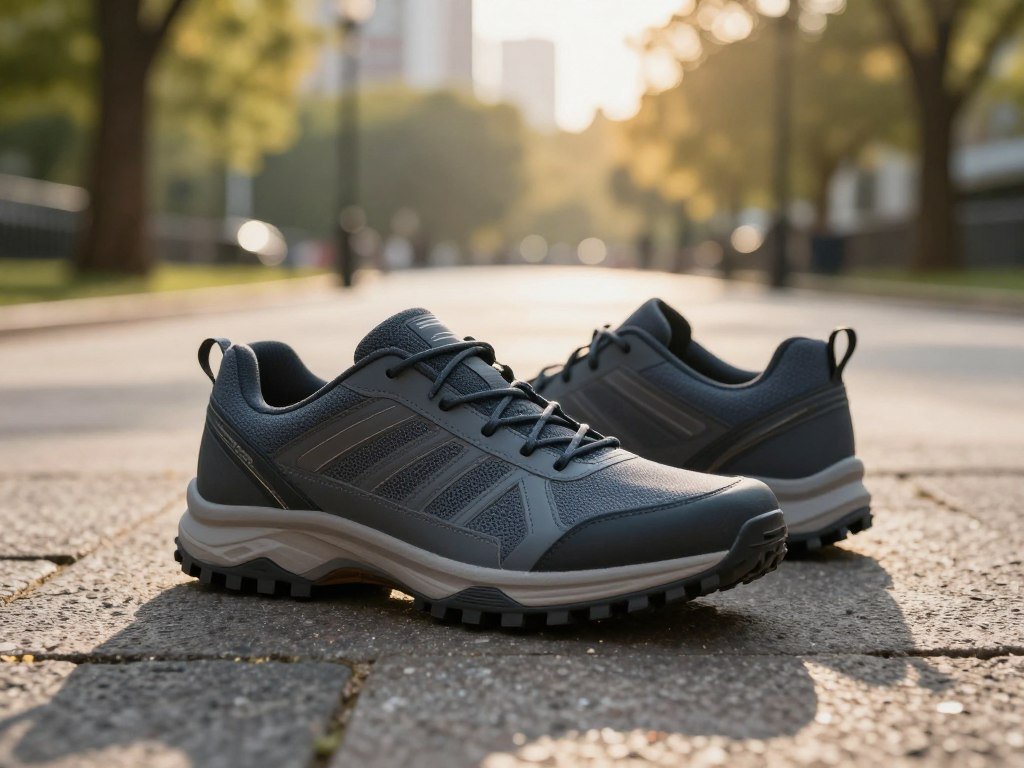
What the testing checks
Testing paired lab measurements with repeated walks. Lab checks covered more than 20 details, including impact protection, flexibility, breathability, and toe-box width.
Repeated walking can reveal rubbing or a loose heel that a quick try-on misses. It can also show whether cushioning and grip remain useful after many steps.
A review of footwear testing methods covers compression, bending, twisting, and impact checks. Those tests help compare design features, though they cannot predict every person’s comfort.
Use this checklist before choosing among the options:
- Check fit after your feet warm up.
- Look for a platform that feels stable underfoot.
- Choose cushioning that suits your walking distance.
- Match outsole grip to your route.
- Consider upper ventilation for warm weather.
How to read a shoe’s measurements
Stack height describes the material underfoot, measured at the heel or forefoot. The heel-to-toe drop is the difference between midsole height under the heel and under the forefoot.
Shock-absorption results help compare impact protection, but neither stack height nor a lab result guarantees comfort. Fit, pace, and personal preference still shape the walking experience.
Treat a measurement as a comparison point, then confirm that the shoe feels secure on your own walk.
Measurements help you compare similar shoes, while your own route shows how the shoe behaves in daily use.
Which Walking Shoes Stand Out at a Glance?
For most daily pavement walks, start with the New Balance Ellipse, then adjust for your route or support needs. It offers a cushioned, lightweight feel for regular use, while other shoes fit more specific needs.
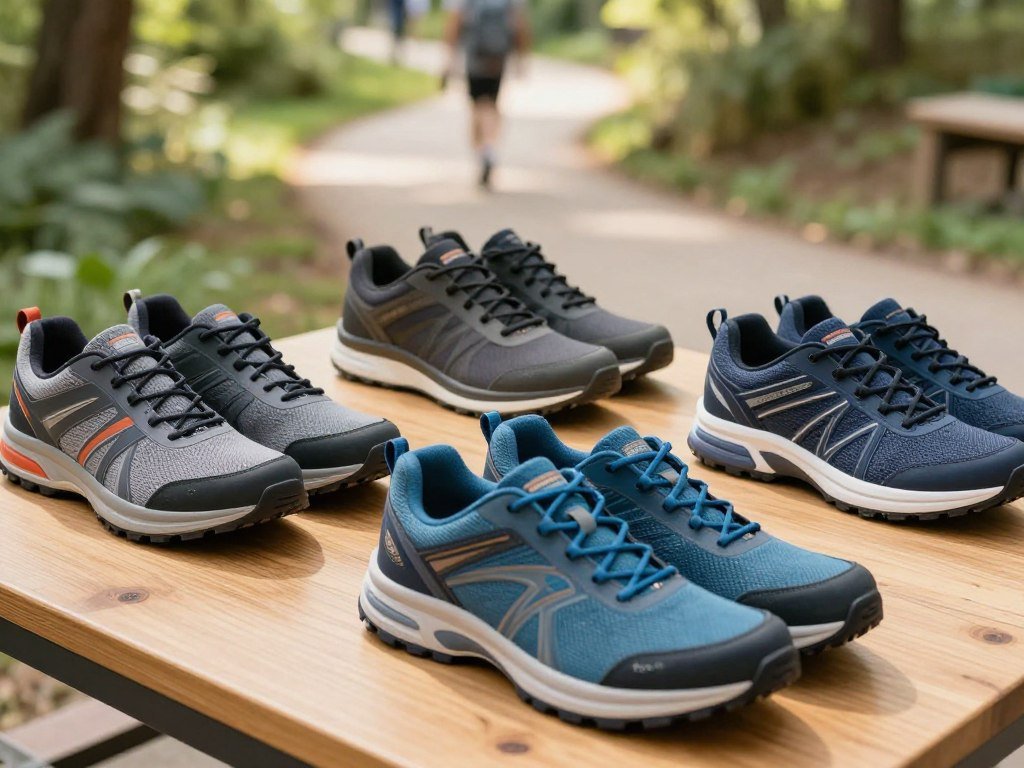
These five walking shoes cover daily comfort, long-distance cushioning, mixed surfaces, stability, and price. Use the main trade-off to decide which pair deserves a closer fit check.
| Model | Best for | Standout feature | Main trade-off |
|---|---|---|---|
| New Balance Ellipse | Overall daily walking | Cushioned, lightweight feel | Limited stability |
| Saucony Triumph 24 | Long-distance cushioning | High impact protection and wet grip | Noticeably stiff ride |
| HOKA Transport 2 | City-to-trail use | Lugs and Vibram outsole | Limited breathability |
| Brooks Adrenaline GTS 25 | Arch support and stability | GuideRails | Snug toe box |
| Nike Revolution 8 | Lower-cost everyday use | Light, flexible build | Less forefoot cushioning |
Price matters, but a low price may come with less cushioning or fewer support features. A higher price does not ensure that a shoe will fit your foot.
Use this table to narrow the field, not to override a poor fit.
Is the New Balance Ellipse the Best Everyday Pick?
The Ellipse combines a substantial cushion with a tested-sample weight of 9.2 oz. It is a strong daily choice if you want pavement comfort without a heavy feel.
In 2026 lab testing, the sample measured 36.9 mm at the heel and 27.4 mm at the forefoot. It scored 146 SA in heel shock absorption and 113 SA in forefoot shock absorption.
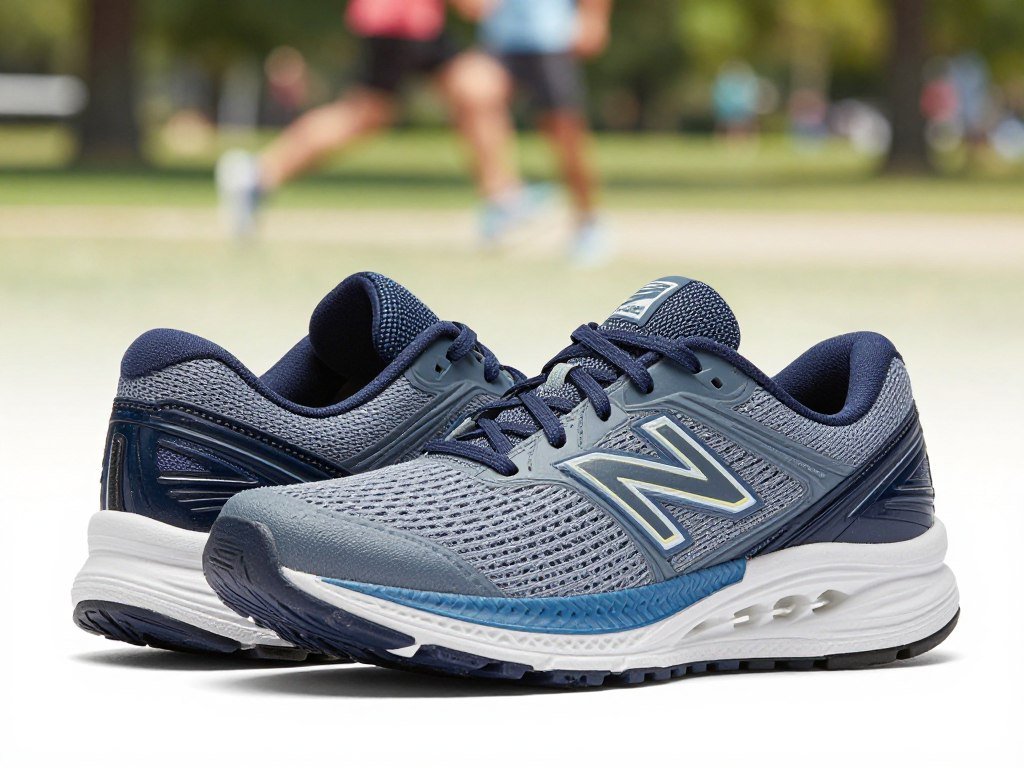
Those results point to useful impact protection for everyday walks. The tested sample weighed 261 grams, giving you a reference point rather than a promise about every shoe size.
The 146 SA heel result helps compare its impact protection with other tested models. A soft feel can still be a poor match if you want more stability.
The roomy toe box gives your toes space, and the breathable upper can feel more comfortable in warm weather. Its lifestyle-oriented look may not suit every taste.
The listed price is $145. Your comfort depends on how the fit feels across the heel and forefoot, not just the cushioning score.
Try it in your usual walking socks and check that your toes can spread without the heel lifting.
Which Shoe Offers the Most Cushioning for Long Walks?
For long walks where impact protection comes first, the Saucony Triumph 24 is the strongest cushioning match in this lineup. Its high heel and forefoot stacks pair with strong heel shock absorption.
The Triumph 24 measured 41.6 mm at the heel and 33.6 mm at the forefoot in 2026 testing. Its heel shock-absorption score was 152 SA, a useful comparison for walkers who want more protection underfoot.
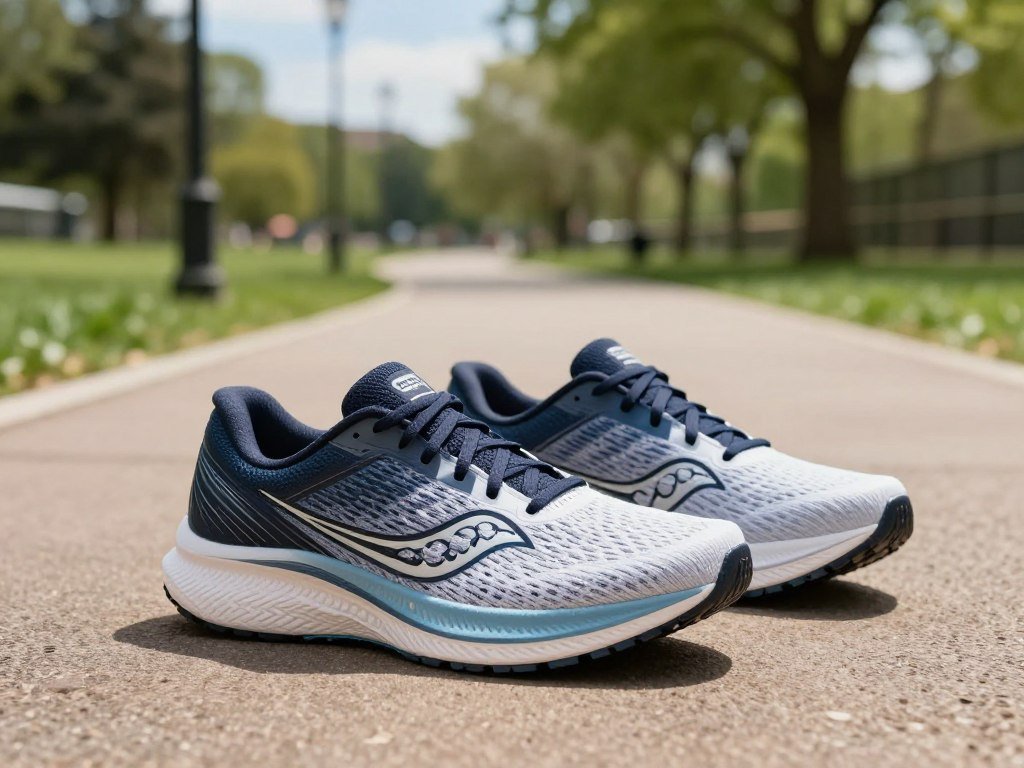
The tested sample weighed 9.1 oz, or 258 grams. That gives the shoe a substantial midsole without a high tested-sample weight.
Its traction score was 0.86 in a 2026 test. That result offers a comparison for wet conditions, but no score makes every slick surface safe.
The thick midsole can feel stiff, so the shoe may not bend as easily as a more flexible walking shoe. A snug fit can also cause trouble if your foot needs more space.
Consider how the foam and stack feel at your own walking pace. A high heel can feel protective to one walker and awkward to another.
Choose it only if its firmer, less flexible ride feels natural at your walking pace.
Can the HOKA Transport 2 Handle Pavement and Trails?
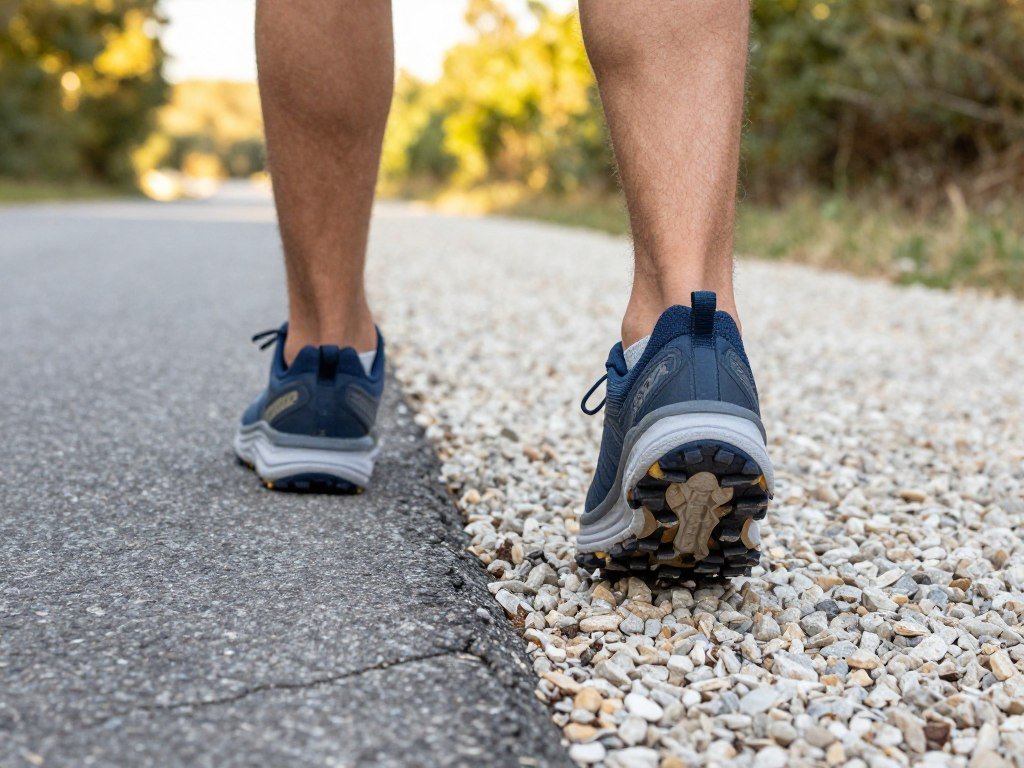
The Transport 2 is the best fit here for people who move between sidewalks and light trails. Its lugged outsole adds grip on varied ground, and its quick-lace system makes adjustments simple.
Choose it for grip and route range, not for low weight or hot-weather airflow. The Vibram EcoStep Recycle outsole scored 36% above average in a 2026 wet-condition traction test.
| Surface | Transport 2 feature | What it helps with | Limit to keep in mind |
|---|---|---|---|
| Concrete and asphalt | Lugged outsole | Everyday paved walking | Grip does not replace care on slick surfaces |
| Loose gravel | Lugs | More secure footing on light paths | Not a technical hiking shoe |
| Snow | Lugs and Vibram outsole | Added surface grip | Upper breathability remains limited |
The heel measured 38.0 mm and the forefoot 26.8 mm in 2026 testing. Heel shock absorption scored 124 SA, giving you a point of comparison for impact protection.
At $155 and 11.9 oz per shoe, it is heavier than the tested samples of some pavement-focused options. The roomy toe box can help with comfort, while limited breathability may feel warm.
The lugs help on concrete, asphalt, snow, and loose gravel, though they do not turn the shoe into a hiking boot. Its water-resistant treatments can add some weather protection.
Skip it for hot-weather walks if your feet tend to overheat.
Is the Brooks Adrenaline GTS 25 Right for Stability?
Choose the Adrenaline GTS 25 if you want a familiar stability design rather than a purely neutral ride. Its GuideRails feature helps guide movement without making that kind of support necessary for every foot.
The measured platform is broad, with a heel width of 117.7 mm and a forefoot width of 100.7 mm. Its heel shock absorption scored 138 SA in 2026 lab testing.
The shoe measured 36.1 mm at the heel and 25.9 mm at the forefoot. Together, the broad base and cushioning can give some walkers a more planted feel.
GuideRails are a support feature, not a rule for how every person should walk. Compare the feel with a neutral shoe if you do not want movement guidance.
The outsole showed a 0.5 mm dent in a 2026 Dremel durability test. That is one specific wear result, not a promise about how long your pair will last.
The HOKA Gaviota 6 is another stability option. It uses H-frame technology and weighs 12 oz per shoe.
Check forefoot room carefully, since its toe box is snug.
Is the HOKA Clifton 11 a Comfortable Daily Trainer?
The Clifton 11 suits walkers who want a cushioned ride with a smooth heel-to-toe transition. Its rocker shape can help the foot roll forward during each step, including on inclines.
In 2026 testing, the Clifton 11 measured 41.4 mm at the heel and scored 146 SA in heel shock absorption. Its forefoot measured 29.7 mm and scored 117 SA.
The tested sample weighed 9.4 oz, or 266 grams. The Clifton 11 cost $155 when it was released in July 2026.
Its tapered toe box is narrow, which can press against some forefeet. That fit detail matters even when the cushioning feels comfortable elsewhere.
The Bondi 9 offers a higher-volume option, with a 41 mm heel stack and a weight of 12 oz per shoe. Its curved Meta Rocker is designed to roll the foot forward during each step.
The Clifton may suit you if you prefer a lighter feel than the Bondi 9. The measured stack and cushioning still need to feel natural at your pace.
Try the toe box at the end of the day, when your feet have had time to swell.
Which Walking Shoe Has the Best Slip Resistance for Work?
For shifts on smooth floors, the HOKA Bondi SR is the clearest slip-resistant pick in this guide. It scored 0.77 in wet-friction testing, with traction 67.4% stronger than average.
That wet-friction result makes the Bondi SR a useful option for smooth work floors, not a guarantee for every workplace. Floors vary, and oil, soap, or other spills can change footing.
The score gives you a way to compare wet grip with other tested shoes. It does not mean the outsole will prevent every slip during a long shift.
The Bondi SR has 11.1 mm of tongue padding. That extra padding can feel more comfortable where the laces press during hours on your feet.
Workplaces set different rules for footwear, and their floors may have different surfaces. Check that the shoe suits your employer’s requirements before relying on it at work.
Do not treat a walking shoe’s general outsole as workplace approval. A shoe can grip one smooth surface and behave differently on another.
Match the outsole to the actual floor and workplace rules before relying on it during a shift.
Is the On Cloud 6 a Good Shoe for Travel?
The Cloud 6 makes most sense for travel when a low-profile, easy-moving shoe matters more than plush cushioning. Its lower profile can feel nimble and flexible for days with varied plans.
The Cloud 6 costs $160 and scored 106 SA in heel shock absorption. That is less heel impact protection than the cushioning-first picks in this lineup.
It measured 28.3 mm at the heel and 19.5 mm at the forefoot. The tested sample weighed 9.7 oz, or 274 grams.
Its construction was 7.9% more pliable than average in testing. That flexibility can suit a traveler who likes a less rigid feel, though it is not a substitute for fit.
For fashionable walking shoes for men or stylish walking shoes for travel, choose a silhouette you will wear beyond the walk. A versatile pair can make packing easier without forcing you into an unfamiliar shape.
Use this four-point travel checklist before a trip:
- Choose a familiar fit.
- Allow enough toe room after a long day.
- Make sure the heel stays secure.
- Match traction to your planned surfaces.
Do not make an unfamiliar pair your only shoe for a trip with long walking days.
Is the Nike Revolution 8 a Good Budget Pick?
The Nike Revolution 8 is the straightforward budget option, listed at $70. It can suit routine, shorter walks if you prefer a light, flexible shoe.
The tested sample weighed 9.3 oz and was 33% more flexible than average. Its heel energy return score was 57.1%.
The flexible build can feel easy to move in, but the ride is simpler and less cushioned than the premium options. The forefoot has limited cushioning, which may matter on longer walks.
The fit runs narrow, so the shoe may not suit a wider forefoot. A low price does not make it the right choice for every walking distance.
Think about your daily mileage before choosing it. A brief walk may feel different from several hours on your feet.
Walk in it long enough to check forefoot comfort before choosing it for daily mileage.
Which Shoes Work Best for Walking on Concrete All Day?
For mixed standing and walking on concrete, begin with the Brooks Ghost; for long distances, consider the ASICS Gel Nimbus. The right shoe depends on how much of your shift you spend standing, walking, or covering distance.
The ASICS Gel Nimbus is the named long-distance option, while the Brooks Ghost suits a mix of standing and walking. Cushioning can help comfort, but it cannot make long hours on hard floors effortless.
Match the shoe to the kind of shift
| Work pattern | Model | Why it fits |
|---|---|---|
| Standing-heavy shift | HOKA Bondi | Cushioning for upright hours |
| Mixed standing and walking | Brooks Ghost | Balanced use across both |
| Long walking distances | ASICS Gel Nimbus | Distance-focused recommendation |
| Wide feet | New Balance Fresh Foam 1080 | Wide-foot option |
| Tighter budget | Skechers Max Cushioning | Budget cushioned option |
Choose cushioning for distance, width, or budget
The New Balance Fresh Foam 1080 is a wide-foot option, while Skechers Max Cushioning offers a budget choice with cushioning. These roles can help narrow the field before you try shoes on.
The Brooks Ghost Max 4 differs from the standard Ghost recommendation. It has a wide forefoot and heel platform, plus a DNA Loft V3 midsole.
Those details may suit you if you want a broader base underfoot. The standard Ghost remains the suggested choice for a shift with both standing and walking.
For a long shift, prioritize a fit that stays comfortable after several hours rather than a soft first step.
Are Running Shoes Good for Walking and Standing All Day?
Yes, a daily running trainer can work for walking and standing if it feels stable at your slower pace. Many running shoes share cushioning and a forward-moving design with walking shoes.
Choose a balanced daily trainer over a race-day shoe for slow walks or all-day standing. The shoe should feel steady, with an upper that stays comfortable as you move.
When a running shoe works for walking
A daily trainer can be a good option if its platform feels stable and the upper fits well. The most useful shoe is one that feels comfortable at walking pace, not only while running.
Drop is the difference between midsole height under the heel and under the forefoot. Many walking and running shoes have a drop of 6-10 mm.
A traditional drop range is 10-12 mm, while a more recent range is 8-10 mm. The ranges reflect different descriptions of common shoe designs, rather than one rule for every model.
Running-shoe designs to avoid for slow paces
Very soft foams, carbon plates, cutouts, and aggressive geometry can feel less steady when you move slowly. Those features aim at running performance and may feel awkward during a walking day.
Use these three checks when comparing running shoes:
- Consider how the shoe feels at walking pace.
- Avoid race-day designs for all-day standing.
- Test the shoe on the surfaces you use.
Choose the shoe that feels controlled while walking, not the one that feels fastest while running.
How Should a Walking Shoe Fit?
A good fit leaves the heel secure and gives the toes room without letting the foot slide around. The right shape can vary, so compare the shoe with your own foot rather than a general fit label.
Toe room, heel hold, and comfort while walking matter more than a perfect fit in a quick seated try-on. Test shoes in the socks you plan to wear.
Check toe room and width
| Fit need | Useful comparison | What to check |
|---|---|---|
| Wider feet | New Balance 990 or 860 | Choose a width that lets the forefoot sit naturally |
| Toe splay | Altra Experience Flow 3 | Check room across the toes |
| Average-width foot | On Cloud 6 | Confirm comfort after walking |
| Narrow forefoot | Clifton 11 | Check for pressure from its tapered toe box |
New Balance 990 and 860 shoes come in multiple widths. The Altra Experience Flow 3 has a roomy toe box, while its listed 4 mm drop may take time to get used to.
You can also compare walking-shoe fit advice for shared details such as toe room, heel security, and surface choice.
Match drop and rocker to your movement
A low drop can ask more of your calf and ankle motion. A rocker can smooth the step, though the curved feel may seem unnatural to some walkers.
Use this four-point check during a try-on walk:
- Keep the heel held in place.
- Leave clear space for your toes.
- Avoid pinching at the ball of the foot.
- Wear your usual walking socks.
Reject a pair that creates pressure or rubbing during the try-on walk.
What Should You Know About Waterproofing, Weather, and Style?
For light rain, the waterproof version of the On Cloud 6 is the clearest weather-specific option here. The HOKA Transport 2 has water-resistant treatments, which describe a different level of protection.
Neither a water-resistant treatment nor a waterproof label guarantees comfort in prolonged, heavy rain. Check the exact version before buying, since materials and protection can differ.
Match weather protection to the forecast
Breathable mesh can feel more comfortable in warm weather, while a more protective upper may feel warmer. Choose based on the weather you face most often, not only a rare storm.
The Cloud 6 waterproof version handles light rain. The Transport 2’s water-resistant treatments can help with some moisture, but neither description covers every weather condition.
A waterproof shoe may feel less airy than an open mesh upper. Check the exact version’s details so you know which materials and treatment it uses.
Pick a look you will wear often
Pick a color and silhouette that you would wear for regular errands as well as walks. A shoe that works for more than one part of your day is easier to keep in regular use.
Style is personal, so focus on what you enjoy wearing rather than chasing a trend. Make sure the shape still suits your walking needs.
For heavy rain or long exposure, check the exact model’s stated protection before relying on it.
When Should Foot Pain or Mobility Needs Change Your Choice?
A comfort preference is one thing; pain that limits daily life or a mobility restriction deserves more tailored advice. Shoe features matter, but movement and balance needs can change what feels safe.
Get a foot-pain evaluation if pain lasts longer than 1-2 weeks or affects daily life. The right next step depends on how pain and movement affect your routine.
Account for mobility and balance
Walking calls for 15-25 degrees of hip extension and knee extension within 5 degrees of full extension. It also needs 10 degrees of ankle dorsiflexion and 4-6 degrees of ankle eversion.
The great toe needs 60 degrees of extension during walking. A mobility limit may mean your footwear needs to accommodate a specific movement range.
A physical therapist can offer individualized guidance about footwear and movement needs. People with mobility limits can discuss shoes that accommodate them.
A smooth, dedicated track or walking path can be safer for impaired balance or mobility than uneven trails or damaged sidewalks.
Get help when pain persists
HOKA Bondi and Clifton models are examples for cushioning and a rocker bottom. Brooks Ghost and Adrenaline models offer support examples, while New Balance 990 and 860 shoes include stability and width options.
These shoe families serve as examples of different features, not medical prescriptions. Share practical details when you speak with a professional:
- Where the pain occurs.
- How long it has lasted.
- Which surfaces make it worse.
- Whether balance or movement feels limited.
Arrange an evaluation if pain lasts beyond 1-2 weeks or interferes with everyday activities.
Bring your regular walking shoes to an appointment if you want to discuss how they feel during daily use.
Conclusion
For most everyday pavement walks, begin with a comfortable, secure-fitting daily shoe rather than choosing by stack height alone. The New Balance Ellipse is a useful starting point for many walkers.
If you need more cushioning, stability, or mixed-surface grip, choose the shoe type that fits that need. A feature only helps when the fit works for your foot.
Try your leading pair on your usual route and keep it only if it stays comfortable as the walk goes on.
FAQ
How often should walking shoes be replaced?
Can you provide a review of the HOKA Transport 2 walking shoes?
What are the most comfortable athletic shoes for men?
What is the #1 walking shoe?
What are the best men’s shoes for walking all day?
What shoes do doctors recommend for walking?
What are the downsides of Hoka shoes?
Which brand of shoes is best for walking?