The best choice is the one whose disclosed ingredients and caffeine level match your training and tolerance, not the one with the loudest label. The right pre-workout can support energy, strength, or focus, but the best pre workout for men still depends on your body and routine.
This roundup compares formulas for strength training, a pump-focused session, moderate stimulation, and stim-free use. You will see how to weigh clear ingredient amounts against caffeine, serving size, and your own goals before you buy.
A supplement is optional. It does not replace consistent training, balanced food, hydration, or sleep, and no label can promise progress on its own.
Key Takeaways
- Transparent Labs BULK is the overall choice for disclosed doses and moderate caffeine.
- Kaged Pre-Workout Elite includes creatine, while Nutricost Pre-X is the budget pick.
- Stimulant-free formulas suit people who want to avoid caffeine.
- Check the full serving label, not just the product’s front panel.
- Treat any pick as a tool for a workout, not a shortcut to progress.
Best Pre Workout for Men by Goal
Transparent Labs BULK is the strongest all-around match for a lifter seeking a disclosed, moderate-caffeine formula, while other goals point to different picks. The best pre-workout depends on what you want from the product, so use this shortlist as a starting point.
Match the product to your goal and stimulant preference before comparing extras. Prices and formula details can change, so the table gives each option’s role without promising a particular result.
| Goal | Pick | Caffeine style | Why it stands out |
|---|---|---|---|
| Overall | Transparent Labs BULK | Moderate | Disclosed formula with 200 mg caffeine |
| Creatine included | Kaged Pre-Workout Elite | High | Includes 5 g total creatine per serving |
| Budget | Nutricost Pre-X | 300 mg per serving | Budget option with a low listed serving cost |
| Moderate stimulation | Bucked Up traditional pre-workout | 200 mg per serving | Moderate caffeine and a disclosed formula |
| No caffeine | 1st Phorm Endura-Formance | Caffeine-free | Option for readers avoiding stimulants |
Choose by goal first, then make sure the caffeine style fits your day.
These products serve different needs, and one formula cannot be the right fit for every training plan. A caffeine-free choice can still fit a pre-workout routine, while a creatine-containing product may help simplify your supplement schedule.
Use the category match as a shortlist, then check the label against your own caffeine intake.
Which ingredients and label details matter most?
A useful label lets you see the amount of each active ingredient in one serving and calculate the full stimulant dose. Exact amounts make pre-workout supplements easier to compare than a proprietary blend that hides individual doses.
Start with serving size, ingredient amounts, and total caffeine. A blend may list several ingredients without showing how much of each one you get, so you cannot compare its formula with a dose benchmark.
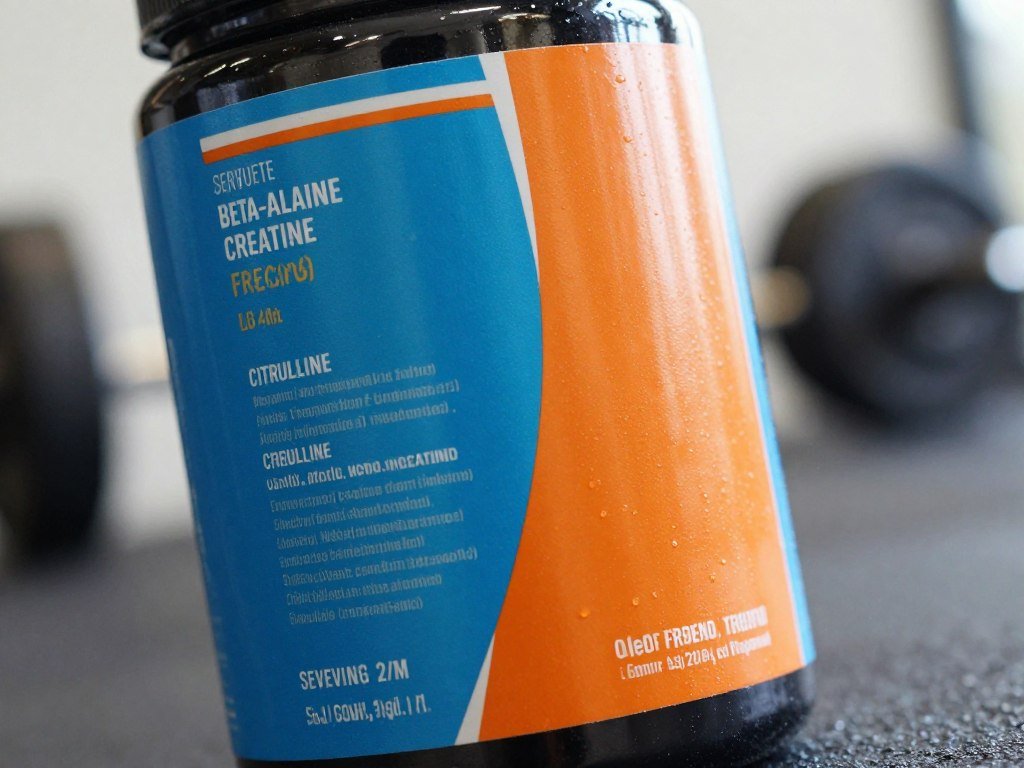
Compare disclosed doses with useful benchmarks
Garage Gym Reviews’ formulation benchmarks include at least 200 mg caffeine, 3 g creatine, and 6 g citrulline. Its benchmarks also include 6-8 g citrulline malate and 3 g beta-alanine.
These are comparison points, not proof that every person needs those amounts. A product may use a different formula, and your goal and tolerance still matter.
- Check the serving size and whether the label describes one scoop or multiple scoops.
- Look for exact amounts of each active ingredient.
- Add caffeine from the full serving to the rest of your day.
- Check the ingredient form, such as citrulline or citrulline malate.
- Look for independent testing or sport certification when relevant.
When pre-workout shots make sense
Pre-workout shots can be convenient when carrying a tub and shaker is not practical. That ease does not show that a shot has an effective dose, or make its total caffeine obvious.
Read the full label before using a shot, including its serving size and stimulant total. The small container can make it easy to miss that one bottle contains more than one serving.
Do not judge a formula by how many ingredients appear on its front label.
How much caffeine fits your body and routine?
Count the caffeine in your pre-workout alongside coffee and any other caffeinated products you use that day. Your total can include energy drinks, medications, and supplements, not just the scoop you take before training.
A product’s full serving is not automatically the right starting dose for you. Pre-workout formulas can contain up to 500 mg caffeine per serving, while an 8-ounce cup of coffee contains 95 mg.
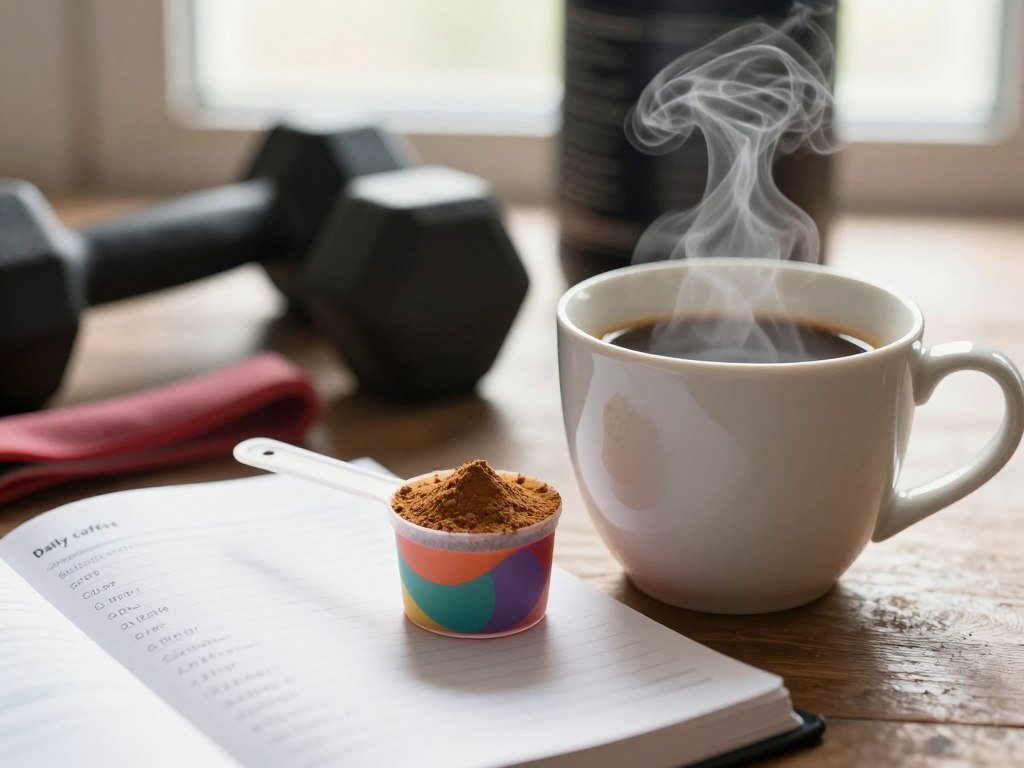
Count caffeine from every source
Write down the caffeine you use across the day before adding a new formula. The same pre-workout can feel different after coffee or an energy drink, even when its label stays the same.
Caffeine is commonly taken about 30-60 minutes before exercise. Your workout time and bedtime matter, since a late serving may affect sleep.
Start low and assess your response
Try a small amount on a training day when you can notice how your body responds. Beginning with a small dose and gradually increasing can help identify an individually tolerable amount.
A smaller first dose gives you a clearer read than starting with a full serving. Note your energy, focus, and sleep afterward, then decide whether the amount suits your routine.
If even a small dose affects sleep or causes uncomfortable symptoms, use less or choose a caffeine-free formula.
Which ingredients support strength, blood flow, and endurance?
Creatine and beta-alanine are not instant energy ingredients, while caffeine and citrulline are more often taken around a workout. Daily use matters for some ingredients, while others are included for a possible effect during exercise.
Citrulline malate is a combination of the amino acid citrulline and malate, commonly included in pre-workout formulas for a possible effect on muscular endurance. The amount and the rest of the formula help you judge whether a product fits your goal.
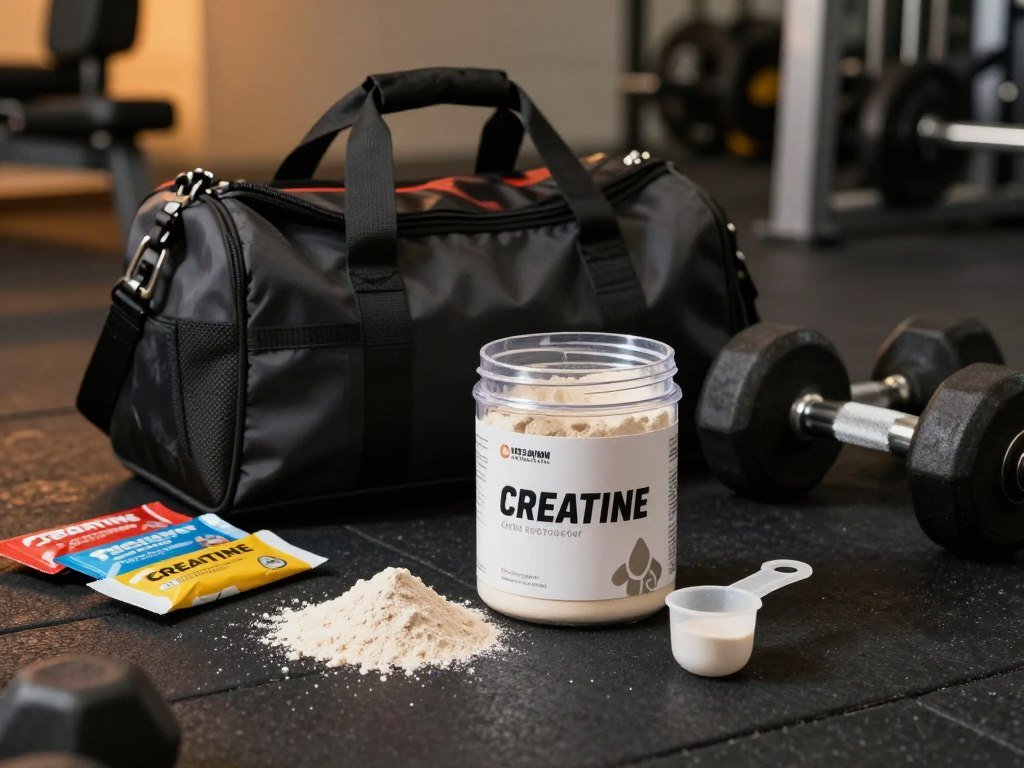
Creatine works through consistent daily use
Creatine supports repeated high-intensity work by building muscle stores over time, not through an immediate stimulant effect. A common loading plan uses 5 g four times daily for 5-7 days, followed by 3-5 g daily.
You can also take 3 g daily for 28 days instead of loading. Creatine can cause weight gain linked to water retention in muscle, which is not the same as gaining body fat.
For muscle repair and growth, total daily protein and regular meals matter alongside resistance training. A convenient protein bar for the gym can fit a snack plan, but it does not replace a balanced diet.
Beta-alanine and citrulline have different roles
Beta-alanine may support high-intensity exercise when used consistently, rather than as a last-minute dose. A daily amount of 1.5-6.4 g may improve performance and reduce fatigue, though results vary.
Beta-alanine can cause tingling in the hands and feet. Dividing a 4 g daily amount into doses of about 1.6 g may reduce that feeling, but tingling does not prove the formula works.
Citrulline may support blood flow and muscular endurance, but a larger pump is not guaranteed. Citrulline malate is commonly recommended at 6-8 g, while some products provide less.
Choose the ingredient for the outcome it may support, rather than treating every item on a label as a same-day effect.
Why is Transparent Labs BULK the best overall pick?
Transparent Labs BULK is the best all-around pick for a lifter who values disclosed amounts and a moderate caffeine serving. Its formula combines 200 mg caffeine with 8 g citrulline malate per serving.
BULK provides 4 g beta-alanine and no creatine. That mix may suit lifters who want moderate stimulation and a full citrulline malate serving, while keeping creatine as a separate daily supplement.
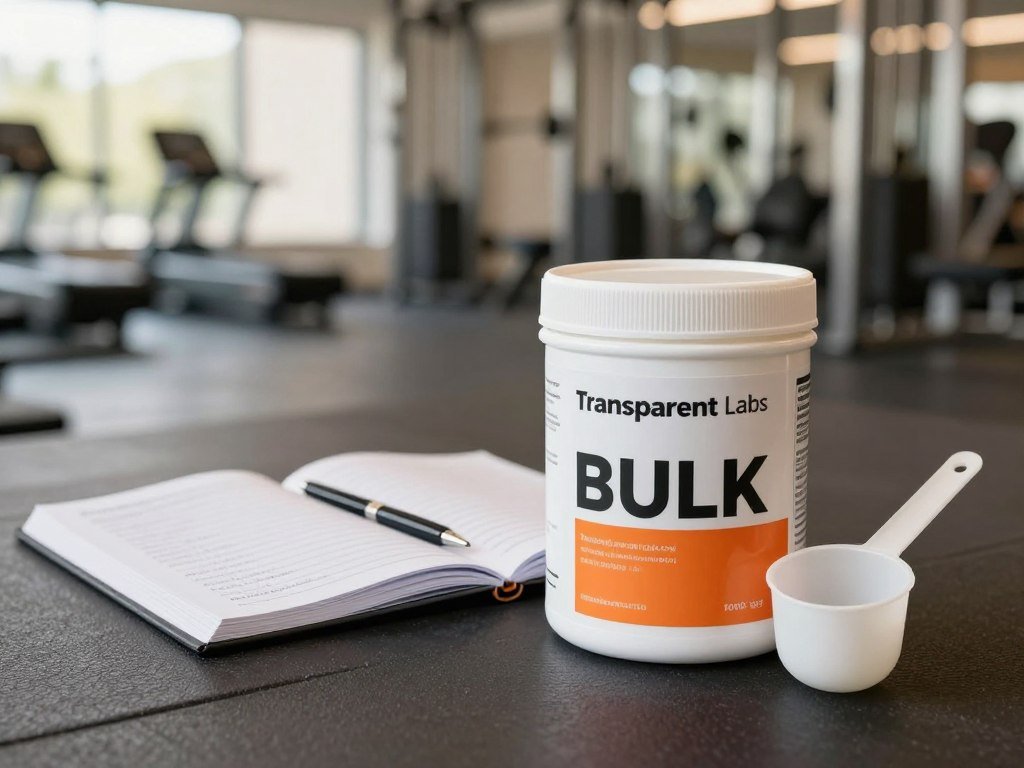
In October 2026, Garage Gym Reviews named it its best overall pre-workout for men after its testers evaluated more than 80 pre-workout supplements. BULK was listed as third-party tested by Informed Choice during that month.
It cost $1.67 per serving in October 2026, or less with a subscription. The listed price and testing status do not guarantee effectiveness or safety for every person.
A separate creatine routine may suit you if you want that ingredient without changing your pre-workout. Review the serving label so your daily intake reflects both products, rather than counting only the scoop.
Choose another option if avoiding stimulants or combining pre-workout and creatine in one product matters more.
Which pre-workout is best with creatine?
Kaged Pre-Workout Elite suits someone who wants a full creatine serving in the same formula, while Optimum Nutrition offers a lower listed sale price with less caffeine. The tradeoff is that Kaged’s caffeine serving is much higher.
Kaged provides 5 g total creatine per serving, compared with 3 g in Optimum Nutrition Gold Standard Pre-Workout. Consider the caffeine and cost alongside that difference.
| Product | Creatine per serving | Caffeine and cost context |
|---|---|---|
| Kaged Pre-Workout Elite | 5 g total | 388 mg caffeine; $3 per serving in October 2026 |
| Optimum Nutrition Gold Standard Pre-Workout | 3 g | 175 mg caffeine; listed at $0.97 per serving on sale |
Kaged also provides 3.2 g beta-alanine and 10 g citrulline malate per serving. Its creatine may save you from mixing another powder, but its higher listed serving price and caffeine level are clear tradeoffs.
Optimum Nutrition’s sale price is a listing, not a guaranteed current price. The product has less caffeine than Kaged and includes less creatine per serving.
Compare the creatine amount with your usual daily intake so you do not accidentally double up.
What is the best budget pre-workout?
Nutricost Pre-X is the budget choice for someone who wants a caffeinated formula without paying a premium serving price. Its listed cost was $0.83 per serving in October 2026.
Each serving provided 300 mg caffeine, 2 g beta-alanine, and 4 g citrulline. That caffeine amount may be too much for a caffeine-sensitive user, even when the serving price looks appealing.
Its beta-alanine amount is below the 3 g benchmark, and its citrulline amount is below the 6 g benchmark. Those figures help you compare the formula, but a lower amount does not tell you how a workout will feel.
A low serving cost can make a product a strong value for one person and a poor fit for another. Your training goal, preferred stimulant level, and ingredient needs all shape that choice.
Check that the full serving’s caffeine fits your tolerance before choosing by price alone.
How does Bucked Up compare with other moderate-stim options?
Bucked Up’s traditional formula provides moderate caffeine and a substantial citrulline serving, while Woke AF is a much higher-caffeine choice. The traditional scoop contains 200 mg caffeine in a 10.3 g serving.
One Garage Gym Reviews tester rated its effects 4.5/5, reporting strong mental focus but an average pump. That is one person’s experience, not a promise about your workout.
The traditional Bucked Up pre-workout provides 2 g beta-alanine and 6 g L-citrulline per serving. It costs $1.67 per serving, contains no creatine, and is not third-party tested for sport.
Woke AF provides 333 mg caffeine per serving, compared with 200 mg in the traditional formula. The names may look related, but the caffeine amount makes them different choices.
Jacked Factory Nitrosurge offers a lower-caffeine comparison: in October 2026, it cost $1 per serving and provided 180 mg caffeine, 1.6 g beta-alanine, and 3 g L-citrulline.
Readers who need sport certification should verify the exact product and certification before use.
Which pre-workout suits lean-training goals?
Transparent Labs LEAN may suit someone who wants a lower-caffeine formula, but its name is not evidence of fat loss. The label describes a workout product, not proof that it changes body composition.
In October 2026, LEAN provided 180 mg caffeine, 2 g beta-alanine, and 6 g citrulline malate per serving. Its listed price was $1.67 per serving during that period.
The citrulline malate amount reaches the lower end of the common 6-8 g range. Its 2 g beta-alanine amount sits below the 3 g benchmark used for label comparisons.
Those amounts can help you assess the formula, but they do not show that it will reduce body fat. A supplement marketed for lean training cannot replace a steady eating and exercise plan.
Pair any supplement with a training and nutrition plan rather than expecting it to change body composition by itself.
Which formulas suit high-stim and pump-focused training?
Legion Pulse offers the largest citrulline malate serving among these three, while Legion Pulse and El Jefe also bring higher caffeine servings. The listed amounts show different balances of stimulation and citrulline.
Legion Pulse has 350 mg caffeine and 8 g citrulline malate per serving. A listed dose does not guarantee a noticeable pump or a performance result.
| Product | Caffeine | Citrulline form and amount | Price per serving |
|---|---|---|---|
| Legion Pulse | 350 mg | 8 g citrulline malate | $2 |
| El Jefe Pre-Workout | 300 mg | 4 g citrulline | $2.75 |
| JYM Pre JYM | 300 mg | 6 g citrulline malate | $1.67 |
These prices and amounts reflect the October 2026 listings. Legion Pulse also provides 3.6 g beta-alanine, while El Jefe and JYM Pre JYM each provide 2 g.
A higher listed dose cannot promise a stronger pump or better training result.
Legion Pulse and El Jefe may be a poor fit for caffeine-sensitive users. Pick a higher-stimulation formula only if its total caffeine fits your day and your tolerance.
What are the best stimulant-free options?
Transparent Labs Stim-Free is the direct match for someone seeking a caffeine-free pre-workout, with 1st Phorm Endura-Formance as another listed option. Both choices list 0 mg caffeine.
In October 2026, 1st Phorm Endura-Formance cost $1.57 per serving, while Transparent Labs Stim-Free cost $1.67. Those listed costs help compare the two products without treating their formulas as identical.
Stim-free means avoiding caffeine, not that every ingredient is inert or free of possible side effects. Check the ingredient list and serving size, since products can differ beyond their caffeine amount.
You might choose a caffeine-free formula to keep a training routine or pursue a pump-focused goal. The effects of one product should not be assumed to match another just because both are stim-free.
Check the entire label for other stimulants if caffeine avoidance is the reason for choosing this category.
What side effects should you watch for?
A strong sensation is not a reliable sign that a pre-workout is improving your workout. Discomfort can be an unwanted effect, not evidence that a formula is working.
Caffeine can cause jitteriness, insomnia, nausea, a faster heart rate, headaches, anxiety, and restlessness. Bucked Up’s traditional formula has 200 mg caffeine, and individual response can still include jitteriness, nausea, or sleep disruption.
Stimulant effects and niacin flushing
Niacin can cause a warm, red skin flush at doses of 500 mg or more. A 2021 study found that 1,000 mg niacin before aerobic exercise impaired performance.
Beta-alanine can cause tingling in the hands and feet. A tingle does not show that you are gaining strength or getting better results from your workout.
- Watch for jitteriness, anxiety, restlessness, or a racing heartbeat.
- Note nausea or headaches after taking a product.
- Check whether niacin or beta-alanine could explain flushing or tingling.
- Ask a qualified clinician about supplement use with a health condition or medication.
Reduce avoidable digestive and tingling discomfort
Mixing pre-workout with 8-12 ounces of water may help reduce digestive side effects. Keep your serving measured, since extra scoops also raise the amount of every active ingredient.
Stop using a product and seek medical help for severe symptoms such as chest pain, fainting, or trouble breathing.
Can pre-workout help with running?
Caffeine can improve some endurance outcomes, but a formula that causes anxiety or stomach distress can undermine a run. For running, a modest, familiar caffeine dose may suit you, while a sensitive runner may prefer no stimulant.
A 2018 meta-analysis of 46 studies found 3-6 mg/kg caffeine improved time-trial completion time by 2.22% and mean power output by 3.03% versus placebo. A running pre-workout supplement is optional.
Best pre-workout for running and stamina
The best pre-workout for running is one with a familiar amount of caffeine that you tolerate, or no stimulant if caffeine bothers you. Caffeine doses of 300 mg or more, yohimbine, or multiple synephrine compounds can raise heart rate and anxiety.
Those high-stimulant combinations can also increase digestive distress during a run. A product that feels fine during lifting may not suit a long run, where stomach comfort matters.
Running pre-workout food and fluids
Use familiar, easy-to-tolerate running pre-workout food and fluids. Scale your meal and fuel to the run rather than trying a new snack on race day.
- Eat a pre-run meal 1-4 hours before running, with about 1-4 g carbohydrate per kg.
- For a small snack, choose mostly carbohydrates 45-60 minutes before the run.
- Drink 500-600 mL water 2-3 hours before running, then 200-300 mL just before starting.
- Runs under 60 minutes generally do not require food during the run.
- For runs of 1-2.5 hours, take 30-60 g carbohydrate per hour, spaced 10-15 minutes apart.
- For runs longer than 90 minutes, carbohydrate loading can span 36-48 hours beforehand; runs under 90 minutes call for 7-12 g carbohydrate per kg during the prior 24 hours.
Test any new supplement or fueling routine on an ordinary training run, not on race day.
How can you verify testing and value?
Independent certification can reduce uncertainty about quality or banned-substance risk, but it does not prove a formula improves performance. Testing has limits, so read the program’s scope and the product’s serving details.
Certification can check product quality, purity, contaminants, or banned substances. It does not establish that an ingredient will help your training or that a formula suits your body.
| Program | What it checks | What certification does not establish |
|---|---|---|
| NSF Certified for Sport | Quality and banned-substance risk | Better performance or personal fit |
| Informed Choice/Sport | Quality and banned-substance risk | Effectiveness for a training goal |
| Banned Substance Control Group | Banned substances and product quality | That every user will tolerate the formula |
Labels and certification programs answer different questions. The product label shows what the company says is in a serving, while independent testing can add checks for quality or banned substances.
- Compare serving cost, not just the tub price.
- Check the exact amounts of disclosed ingredients.
- Add the full stimulant total across products you use.
- Confirm how many scoops make one serving.
Compare the amount and type of ingredients you will actually use, not the tub price alone.
The details matter most when a tub contains many servings or a label defines one serving as multiple scoops. Compare products by the amount and type of ingredients you will actually use, not the tub price alone.
Conclusion
For a straightforward starting point, choose the formula that matches your caffeine tolerance and training goal. Transparent Labs BULK is the overall choice for a typical lifter who wants disclosed doses and moderate caffeine.
If you want creatine in one serving or prefer to avoid caffeine, another formula may suit you better. The best pre-workout is a practical choice, not a requirement for progress.
Before buying, check the serving label and compare its caffeine with everything else you use that day.
FAQ
How much caffeine is in Bucked Up?
Does pre-workout help build muscle?
What drink is best before a workout?
Is pre-workout increase testosterone?
How long before a workout should you take pre-workout?
Can you take pre-workout every day?