A particular bag suddenly seems to be everywhere. You notice it in a campaign, on an actor, outside a runway show and eventually in your own shopping searches. Who sets luxury fashion trends—and how did that one design become so difficult to ignore?
No single person or organization sets luxury fashion trends. Designers and fashion houses propose ideas; material suppliers and forecasters help develop directions; buyers decide what reaches stores; editors, stylists and public figures shape visibility; and customers influence whether a look gains lasting demand.
The process moves in several directions. A runway can introduce an idea, but so can a music scene, a vintage discovery or a way people are already dressing.
Luxury trends emerge through that exchange—not through one universal decision about what everyone should wear.
The Short Answer: Influence Is Shared, but Uneven
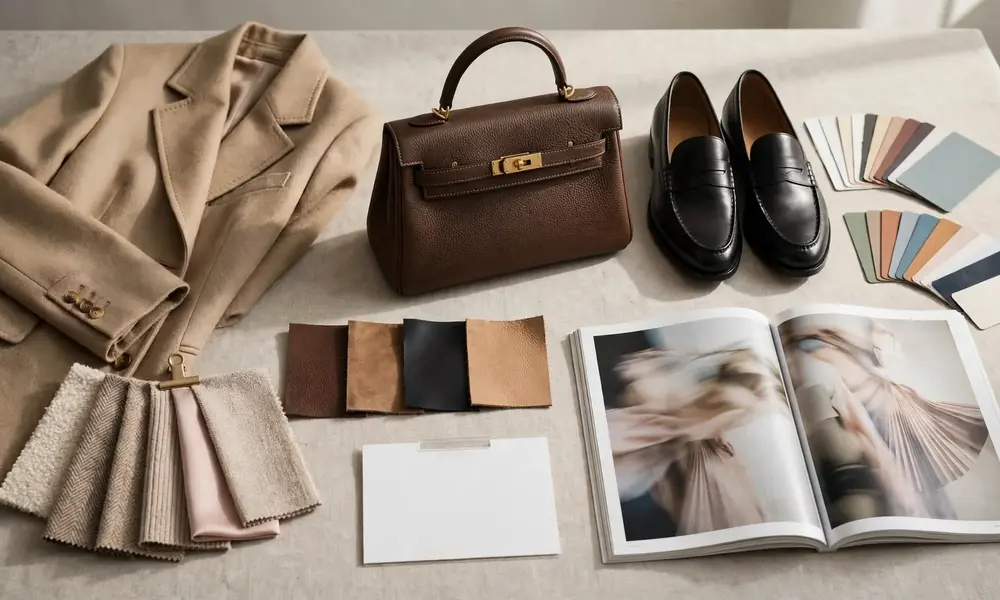
Different participants have power at different stages.
A designer may shape the silhouette. A buyer may determine whether customers can find it locally. A stylist may place it in a widely seen image.
None of those roles is the same as persuading people to keep wearing it.
| Participant | Main source of influence | What that influence cannot guarantee |
| Designers and creative teams | Propose products, silhouettes and styling | That customers will adopt them |
| Textile mills and suppliers | Develop materials and production possibilities | That every innovation becomes fashionable |
| Trend forecasters | Interpret cultural and consumer signals | That a prediction will happen |
| Retail buyers and merchandisers | Select and present the assortment | That stock will sell |
| Editors and critics | Interpret and publicize ideas | That coverage represents universal agreement |
| Stylists and public figures | Show products in influential contexts | Lasting demand |
| Creators and communities | Adapt looks and spread new uses | That online visibility becomes purchasing |
| Customers | Buy, wear, repeat, reject and reinterpret | Equal influence for every individual |
The balance changes by product, market and moment. A red-carpet dress and an everyday luxury sneaker may travel through very different paths.
1. Designers Set a Direction—Not a Universal Rule
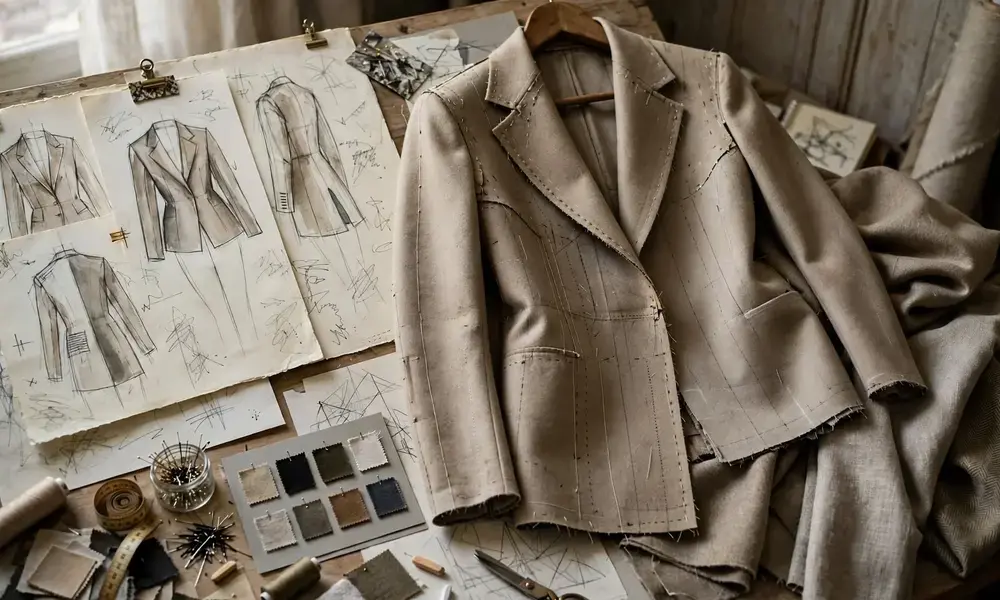
Designers and creative teams have an important starting role because they make ideas visible in products.
They choose proportions, materials, colors and combinations. A collection can suggest a different way to wear familiar pieces or introduce something less expected.
A runway gives that proposal a concentrated setting: clothing, casting, styling, sound and staging work together to present a point of view.
Why Major Houses Attract Attention
An established house brings an existing audience and a recognizable identity.
That makes its collections useful reference points for buyers, editors and customers, even when opinions differ about the result.
However, a collection’s visibility should not be confused with complete control over fashion.
A widely discussed show may generate little interest in a particular product. A quieter release may find customers because it serves their needs.
Our guide to major luxury fashion houses introduces businesses whose collections participate in this wider conversation.
The Creative Director Is Not Working Alone
A collection involves design teams, technical specialists, material development and commercial decisions.
Attributing every detail to one famous name can hide that work.
Creative leadership matters, but the finished proposal is produced through an organization.
2. Textile Suppliers Help Shape Trends Before the Runway

Some trend development happens before there is a finished garment to photograph.
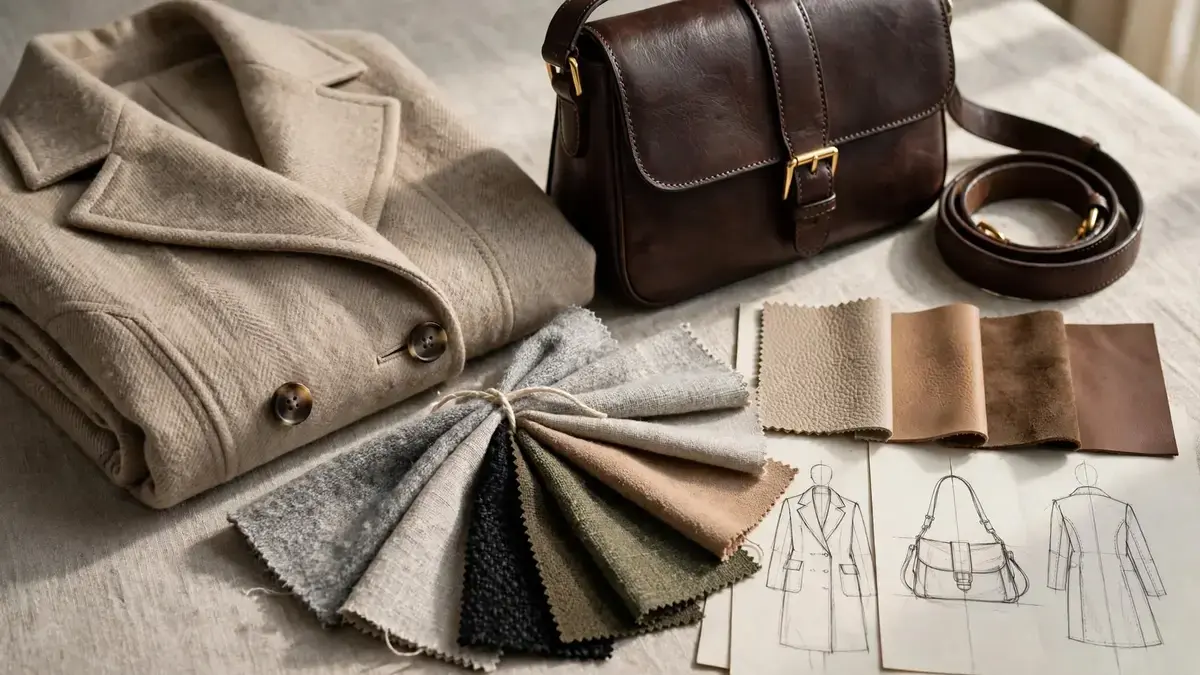
Fabric and leather suppliers develop surfaces, colors, yarns and production techniques. Designers work with those possibilities when deciding what a collection can become.
A new material can enable a different shape or make an established idea practical in another form.
Première Vision Shows the Collaborative Process
Première Vision describes its seasonal work as a collective process involving experts, creatives, market specialists and manufacturers.
Its trend directions develop through contact with collections in progress, emerging materials and market needs. They are then communicated through product selections, seminars and other industry channels.
This complicates the idea that trends begin only when a designer sends a look down a runway.
Some begin in a material sample or a conversation about what can be made.
3. Forecasters Identify Signals and Influence Decisions

Trend forecasters investigate what may matter in future markets.
WGSN describes its work through consumer emotions, cultural changes, product opportunities and other signals.
The output can help businesses decide where to focus development.
Forecasts Are Inputs, Not Instructions
A forecast does not require every company to make the same product.
Businesses interpret information through their own customers, resources and creative identity. Some follow a direction, some adapt it and others choose a different path.
Nor does a forecast become a fact simply because it was published.
For readers, the distinction is straightforward:
- A forecast describes an expected direction.
- A collection presents products or ideas.
- A trend report may describe what an observer sees.
- Demand evidence indicates some form of customer response.
Those stages should not be treated as interchangeable.
4. Buyers Decide Which Runway Ideas Reach the Shop Floor
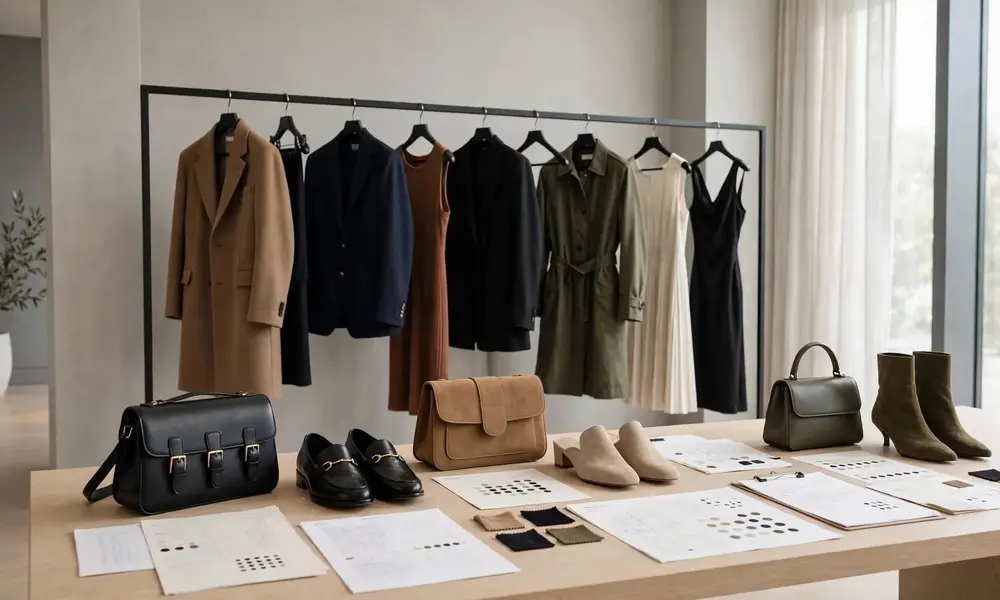
A runway show can contain looks that customers never encounter in the same form.
Retail buyers select products for their businesses. Their choices help determine which parts of a collection become available to particular audiences.
Fashionista’s buyer reporting illustrates this role through interviews following shows and market appointments.
Availability Is a Form of Influence
Imagine two designs receive similar press attention.
One becomes available through several retailers in a range of sizes. The other is difficult to find.
Customers do not face an identical opportunity to adopt them.
Selection, stock and presentation can therefore affect what appears successful.
A Store’s Assortment Is an Interpretation
A retailer may emphasize one part of a collection and leave another aside.
That means the “season” a shopper sees in one store can differ from what another retailer presents.
The buyer is not simply passing along a designer’s message unchanged. The assortment is another creative and commercial filter.
5. Editors Turn Collections Into a Shared Conversation
Fashion editors and critics help people understand what they are seeing.
They compare collections, identify recurring ideas and explain relationships to culture or fashion history.
This can give an emerging direction a name that makes it easier to discuss.
Dior’s New Look Shows the Interaction
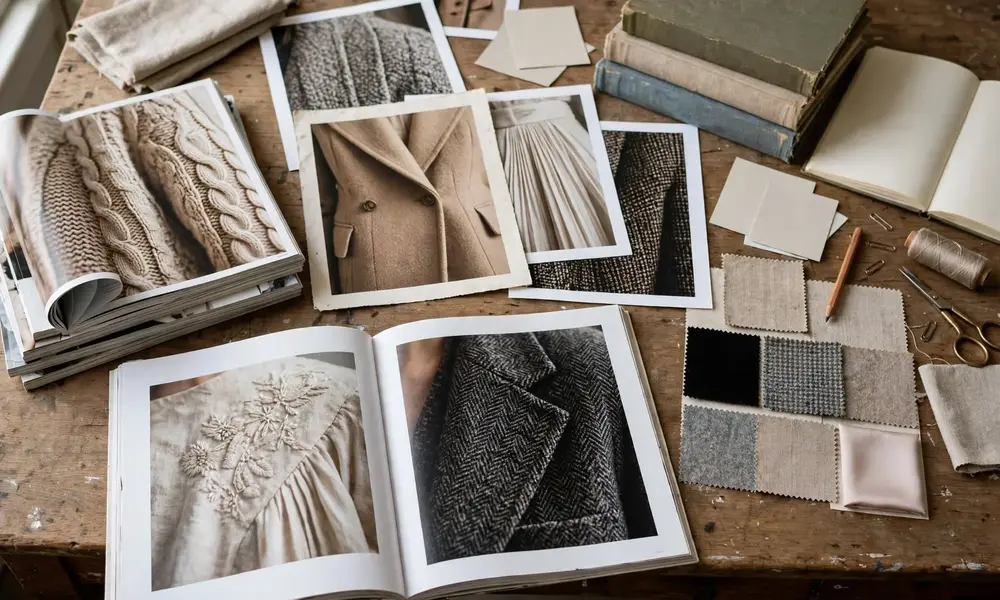
Christian Dior presented his first collection in 1947. Its silhouette became known as the New Look, a name associated with Harper’s Bazaar editor Carmel Snow.
Museum accounts describe the relationship between the design and its editorial reception.
The example shows why separating “who created it” from “who made it influential” can be difficult. A designer proposes something; commentary helps establish how it is recognized.
It does not mean every editorial phrase produces an equivalent cultural change.
6. Stylists and Public Figures Give Products a Context
A bag on a product page and the same bag in a compelling outfit can create different impressions.
Stylists help build those images. Public figures provide occasions and audiences in which the clothes are seen.
A photograph may introduce someone to a product they would otherwise never search for.
Visibility Has Different Sources
An appearance may involve a purchase, a loan, a gift, a commercial relationship or another arrangement.
The image alone does not establish which.
For readers, the practical response is to evaluate the product separately from the person carrying it. An appealing photograph does not tell you about comfort, construction or suitability.
Attention Is Not the Same as Adoption
A memorable appearance can generate conversation without producing long-term demand.
To judge whether an item is becoming a broader trend, look for more than one image: repeated styling, wider availability and sustained interest are more informative.
Even then, avoid claiming a particular appearance caused sales unless evidence supports that connection.
7. Communities and Street Style Can Change the Direction
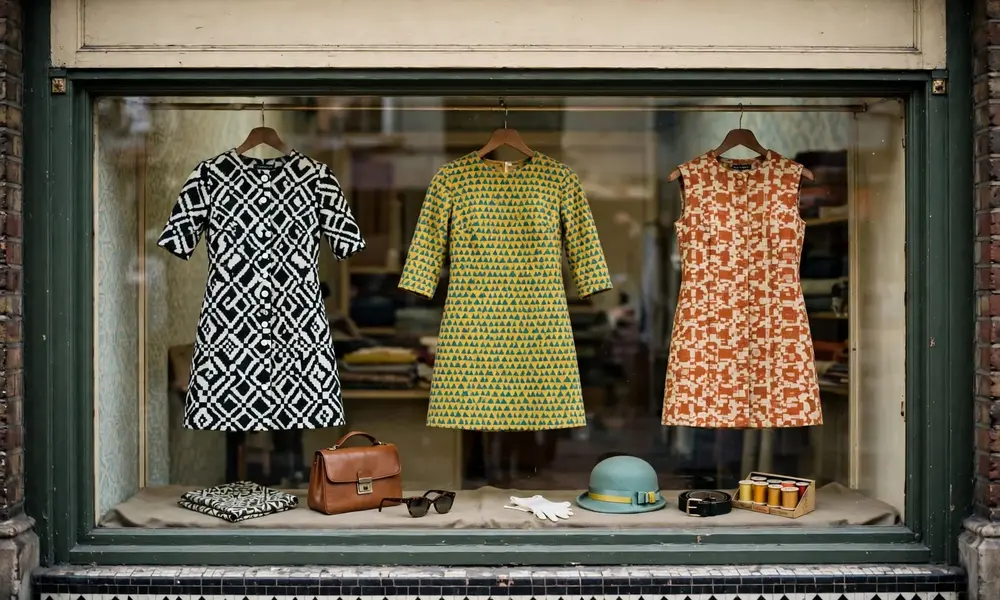
Fashion does not move only from expensive collections toward everyone else.
People develop ways of dressing through music, work, nightlife, sport, local communities and personal experimentation.
Designers may notice, reinterpret or collaborate with those ideas.
Youth Fashion Challenged Established Authority
The V&A’s account of 1960s fashion describes how boutiques and designers such as Mary Quant helped challenge the dominance of established fashion structures.
Its Quant collection also places her work within a youthful audience and a changing high street.
That history is a reminder that new influence can emerge outside traditional luxury institutions.
Luxury Interpretation Does Not Prove Original Invention
A house may bring an existing idea to a different market or execute it through different materials.
That contribution can be significant without establishing that the house invented the style.
When reading trend claims, ask whether the evidence concerns origin, reinterpretation or popularization.
Those are different achievements.
8. Digital Platforms Help Determine What You See

Online visibility adds another layer between a product and its audience.
People share images, compare purchases, explain styling and create names for emerging aesthetics. Shopping and discovery platforms then organize some of those signals.
Your own feed is one view of that activity, not a complete map of fashion.
A look appearing repeatedly in your recommendations may be important to your interests without being equally prominent everywhere.
Our article on social media and fashion trends explores this part of the conversation further.
Treat Rankings as Measurements With Boundaries
The Lyst Index offers a useful example.
Its published Q3 2026 methodology combines platform demand data with selected signals across social, search, editorial and other discovery channels.
That provides information about activity within its measurement system. It is not a vote by every fashion customer or a definitive ranking of product quality.
Before repeating a ranking, check what it measures.
How a Luxury Trend Can Develop
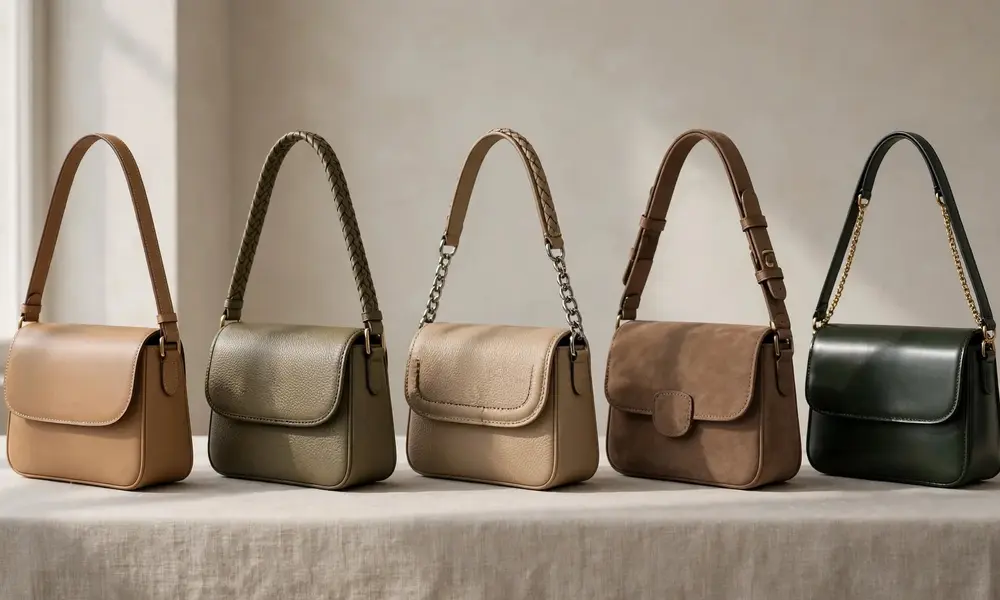
There is no mandatory sequence, but a hypothetical example makes the interaction easier to follow.
Suppose compact, structured shoulder bags begin attracting attention.
| Stage | Possible development | Question to ask |
| Emergence | Designers and existing communities use related shapes | Is the idea new, revived or reinterpreted? |
| Selection | Buyers choose versions for their customers | Which products actually reach stores? |
| Visibility | Editorial images and public appearances increase exposure | Is attention broad or concentrated? |
| Adaptation | Creators and customers show different ways to wear them | Are people making the idea useful? |
| Response | Searches, purchases or repeat use provide further signals | What does the available evidence measure? |
| Continuation | Brands develop further versions | Is interest sustained beyond one release? |
This is an explanatory example, not a documented account of a particular product.
Real trends can skip stages, move backward or develop through several routes at once.
Does a Viral Product Prove a Trend Exists?
It proves attention only to the extent supported by the available evidence.
A widely shared image, search growth and sales are different signals.
| Signal | What it can indicate | What it cannot establish alone |
| Social engagement | People are reacting or sharing | Purchase or satisfaction |
| Search interest | People want information | Completed transactions |
| Sales | Purchases occurred | Long-term use or satisfaction |
| Sellout | Available inventory was purchased | The size of the original stock |
| Repeated wear | A product remains useful to observed owners | Universal adoption |
This distinction matters because a small product release can sell out quickly without becoming a large-scale fashion movement.
A claim becomes stronger when several relevant signals agree.
Who Has the Most Power?
There is no permanent winner.
A designer may have exceptional creative influence while a retailer controls access to a particular customer. A public figure can create attention, while buyers decide whether to replenish stock.
Material availability, production capacity and price also affect what businesses can offer.
Customers then respond within those conditions.
Luxury trends are jointly shaped, but participants do not have equal resources, reach or control.
That is more accurate than saying either “designers decide everything” or “customers decide everything.”
How to Follow Luxury Trends Without Buying Every One
Understanding the system can make shopping easier.
Identify What You Actually Like
Describe the feature rather than only the name.
Perhaps it is a shoulder shape, trouser length, color pairing or way of layering. That gives you something specific to try with what you own.
Separate Interest From a Purchase Need
You can enjoy a collection without buying it.
A trend may be visually exciting and still have no useful role in your wardrobe.
Check the Product Independently
Examine material, construction, fit, function and care.
The reason an item became visible is not necessarily the reason it will work for you.
Give the Idea Time
Try a similar combination with existing clothes before shopping.
If the interest remains and the item fills a real gap, the decision becomes clearer.
For more on creative approaches behind collections, explore our guide to fashion designers and their work.
Frequently Asked Questions
Who Sets Luxury Fashion Trends?
Designers, houses, suppliers, forecasters, buyers, editors, stylists, public figures, communities and customers all contribute. Their influence operates at different stages.
Do Fashion Designers Decide What Everyone Wears?
No. fashion designers propose collections, but availability, publicity, price, cultural context and customer response affect adoption.
Do Luxury Trends Always Start on the Runway?
No. Ideas can emerge through communities, earlier styles, materials, practical needs and other cultural activity. Runways can introduce, reinterpret or amplify them.
Can Celebrities Create a Fashion Trend?
A public appearance can increase visibility. Establishing wider or lasting influence requires evidence beyond the appearance itself.
Does Selling Out Mean a Product Is a Major Trend?
Not necessarily. A sellout describes demand relative to available inventory. Without knowing stock levels and broader response, it cannot establish the scale of adoption.
Final Verdict: Designers Propose, but Influence Travels
Luxury fashion trends take shape through a network of creative proposals, commercial choices, cultural exchange and customer response.
The runway is an important part of that process, but it is not the whole system. A material developer, buyer, stylist or community can change the direction before a shopper ever sees the finished product.
Understanding who brought an idea to your attention helps you assess it more clearly. The decision to make it part of your wardrobe can remain your own.
Disclaimer: This content is for informational purposes only and reflects our personal opinions and experiences. We just love to write and share what we know and research.