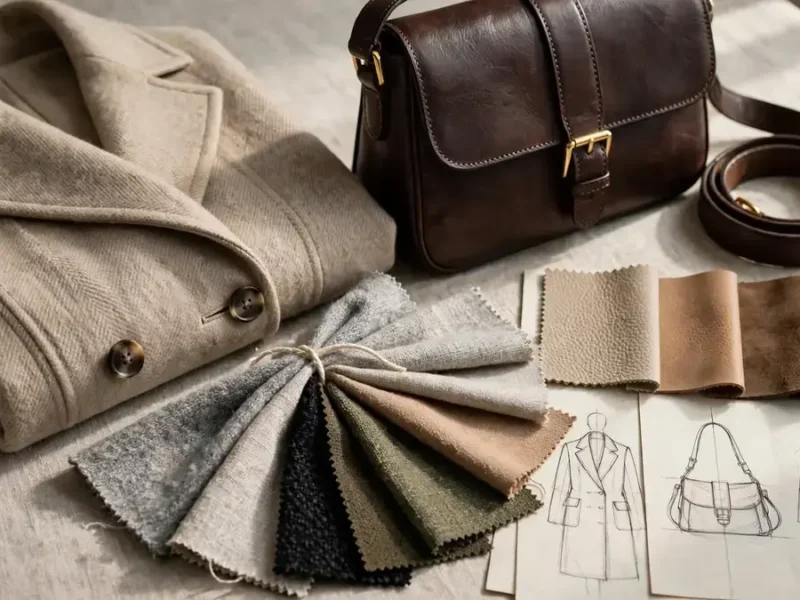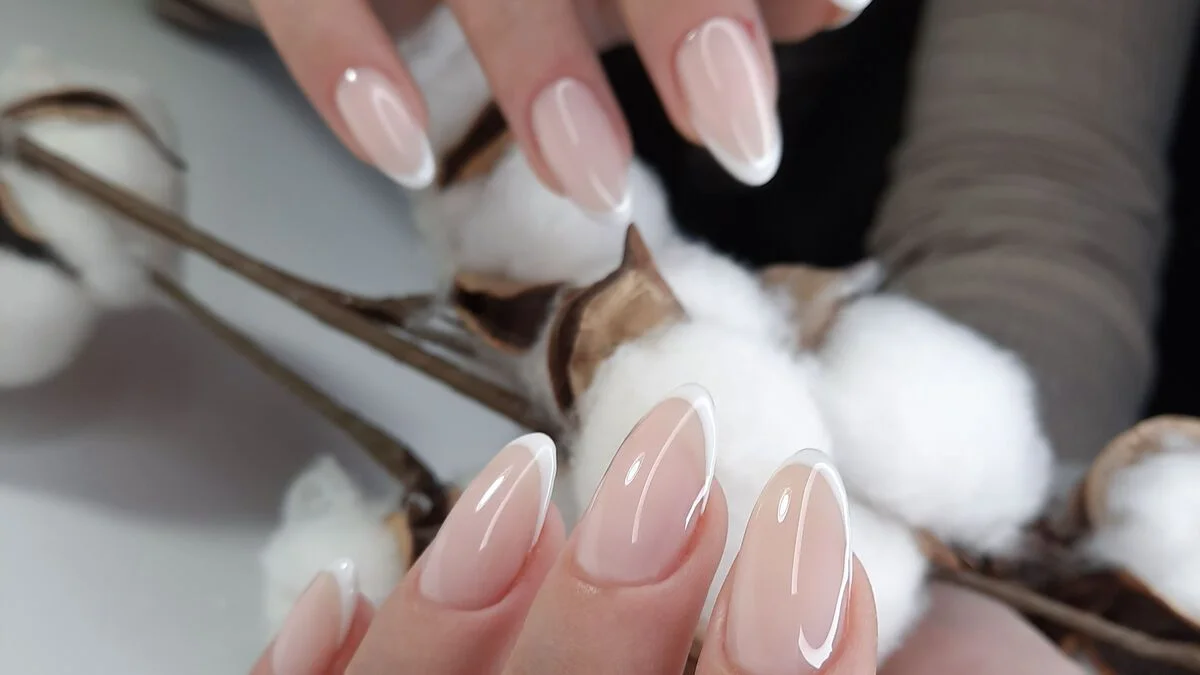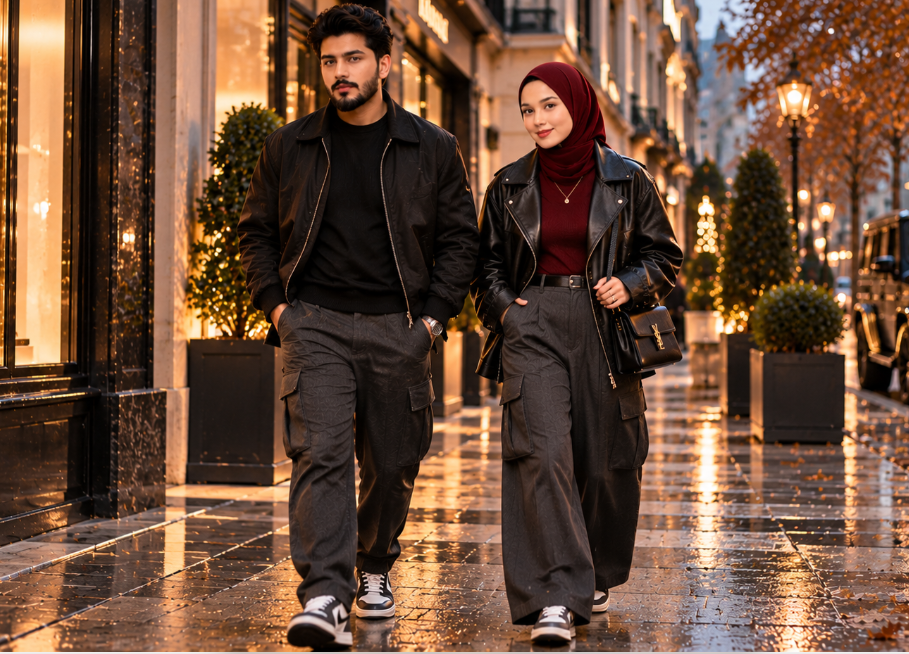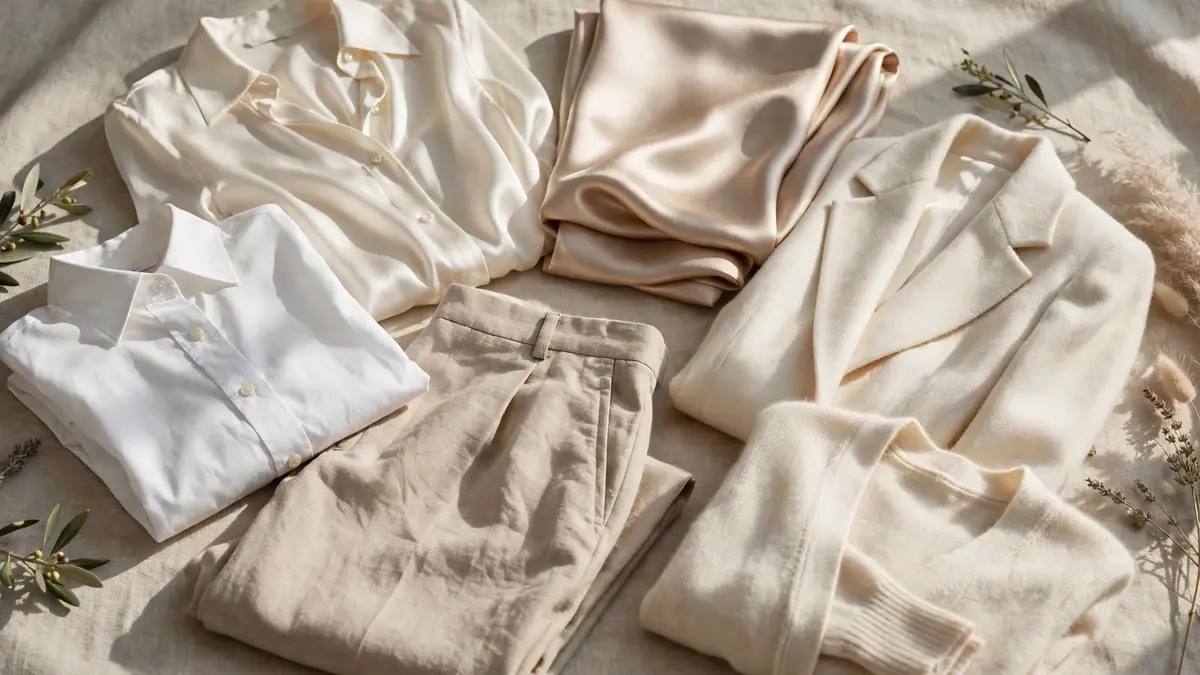
The first mild afternoon makes a heavy coat feel unnecessary, yet the evening still calls for another layer. That changeable weather explains what luxury fabrics define a high-end spring wardrobe: materials that balance lightness, movement and enough structure or warmth for the day.
Silk, fine cotton, linen, lightweight wool and fine-gauge knitwear form the strongest foundation. Silk organza, textured weaves and carefully chosen blends can add interest. The defining quality is not the rarity of the fiber, but how well the finished fabric suits the garment, climate and wearer.
A crisp shirt, fluid skirt and softly structured jacket can create a refined wardrobe without requiring every piece to carry an extravagant label. The fabric choices make the pieces work together.
Spring Luxury Begins With Balance
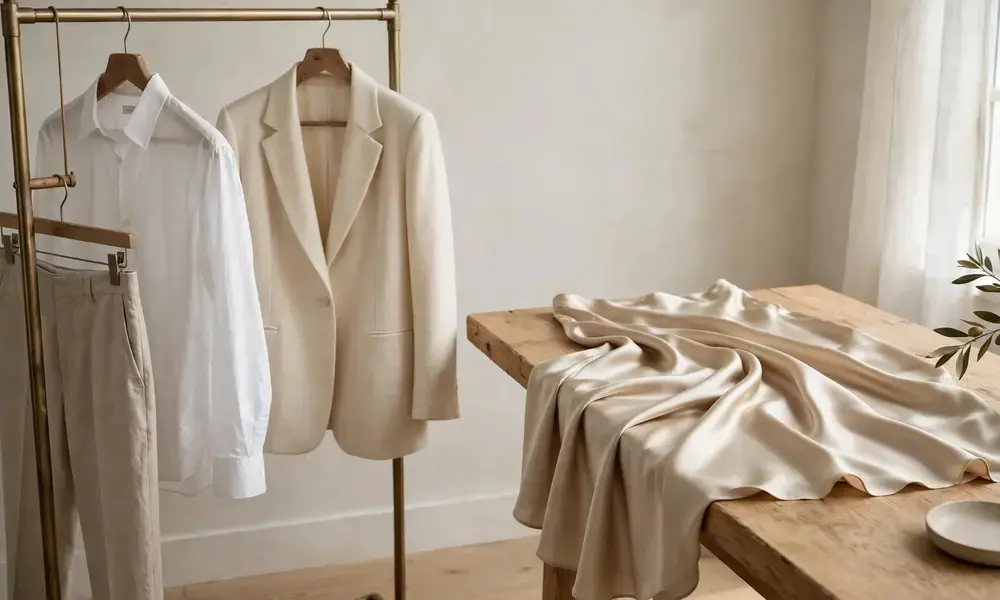
Spring dressing asks more of a wardrobe than a simple switch from heavy to light clothing.
A shirt may need to sit comfortably beneath a jacket in the morning and look finished on its own later. Trousers need enough substance to hang well without feeling unnecessarily heavy. A knit should be useful when the temperature drops and easy to remove when it rises.
That is why fiber names alone are not enough.
A dense silk fabric and a sheer silk fabric serve different purposes. Wool can be made into lightweight cloth as well as winter coatings. Cotton can feel crisp, fluid, substantial or almost weightless depending on its construction.
Build around the behavior you need, then choose the material that delivers it.
The Luxury Spring Fabric Edit
These are useful starting points rather than a universal ranking.
| Fabric or construction | What it contributes | Best wardrobe role | What to check |
| Silk crepe de chine | Fluidity with a relatively restrained surface | Blouses, dresses and soft separates | Opacity, movement and care |
| Silk satin | A smooth face and reflected light | Skirts, evening tops and occasionwear | Snags, fit and visible pulling |
| Fine cotton poplin or lawn | Crispness or lightness, depending on construction | Shirts, dresses and layering pieces | Transparency and finishing |
| Linen | Texture and a relaxed appearance | Trousers, shirts and unstructured jackets | Creasing, weight and lining |
| Lightweight wool | Tailoring options without winter bulk | Trousers, blazers and suits | Weave, weight and complete construction |
| Fine-gauge Merino or cashmere | A removable layer for cooler conditions | Cardigans, pullovers and light wraps | Knit stability and care |
| Silk organza | Sheerness and shape | Occasionwear and decorative layers | Composition, seams and underlayers |
| Considered blends | A balance of material characteristics | Tailoring, knitwear and dresses | Full composition and actual performance |
You do not need every category. Choose the ones that fit the way you spend spring.
1. Silk: Movement That Changes an Outfit
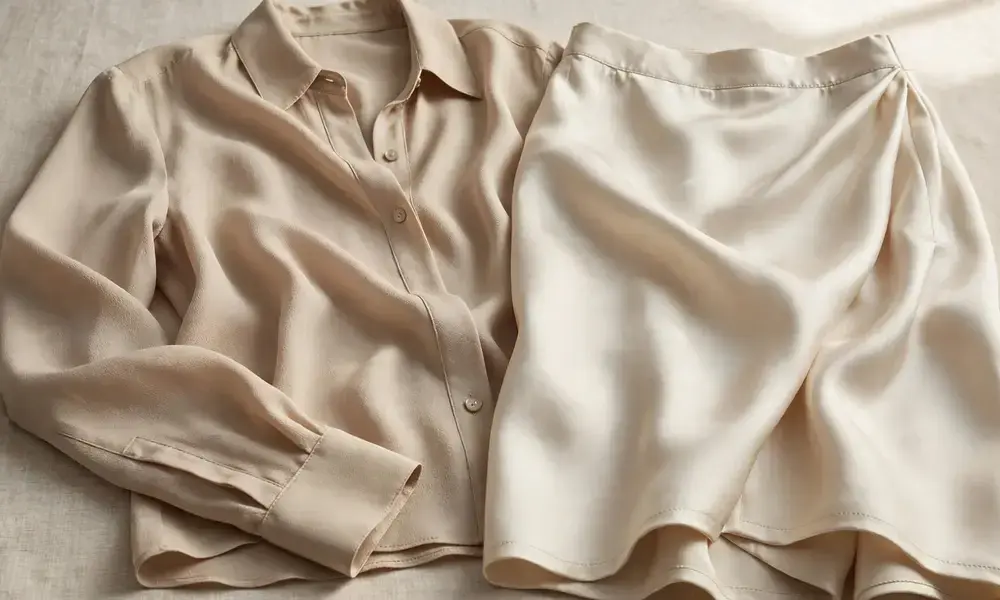
Silk is especially useful when you want a garment to introduce movement rather than additional bulk.
However, silk is a fiber, not one standardized fabric. Liberty’s silk range, for example, includes satin, twill and crepe de chine. These constructions create different visual and tactile effects.
Crepe de Chine for Everyday Refinement
A silk crepe blouse can be a useful alternative when you want a fluid garment without making shine the focus of the outfit.
Pair one with tailored trousers or a simpler skirt. The interest comes from how the fabric falls rather than from elaborate decoration.
Before buying, check the blouse in clear light. Look at opacity, the button area and whether the fabric pulls across the shoulders or chest.
A fluid textile cannot compensate for a restrictive cut.
Silk Satin for a More Luminous Finish
Silk satin can introduce reflected light to an otherwise restrained outfit.
A satin skirt with a cotton shirt, for example, creates contrast between a smooth surface and a crisper one. That contrast is often enough; the outfit does not need several competing textures.
Check the composition carefully. Satin describes a fabric construction, not proof that the fiber is silk.
Also inspect the surface for snags and try the garment in motion. Decide whether you are comfortable with how it follows the body.
2. Fine Cotton: The Foundation That Makes Other Fabrics Easier to Wear
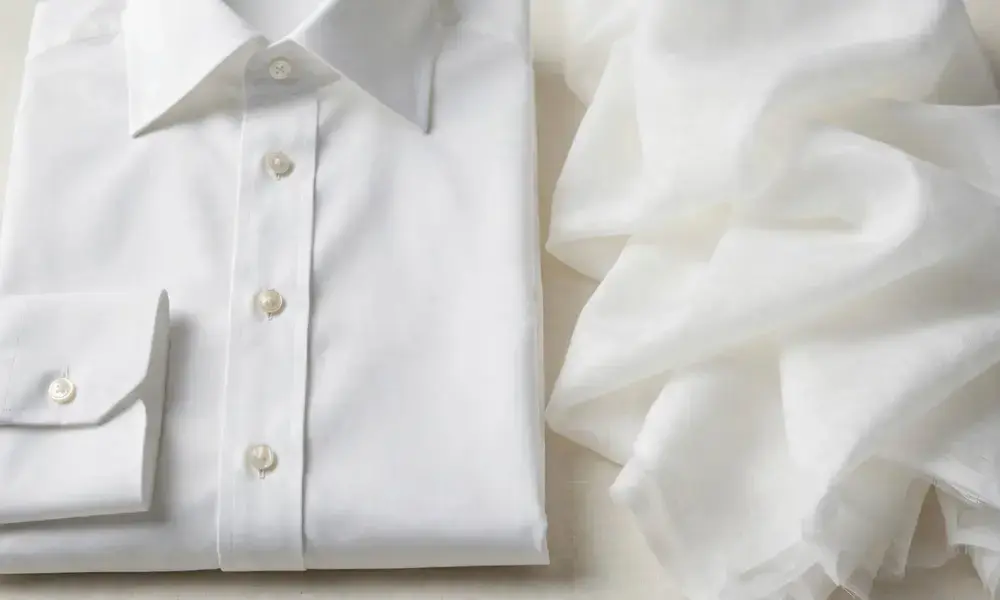
A high-end spring wardrobe needs useful foundations as much as special pieces.
Fine cotton shirting is one of them.
A well-chosen shirt can work with linen trousers, a silk skirt or a lightweight wool suit. It provides a clear visual counterpoint to softer or more textured materials.
Poplin for a Defined Silhouette
Cotton poplin is worth investigating when you want a shirt or dress with a crisp appearance.
Check whether the fabric supports the design without feeling uncomfortable. Pay attention to the collar, cuffs, button placket and how the body hangs.
White fabric deserves particular attention under clear lighting. Transparency may be intentional, but it should not be a surprise after purchase.
Lawn for a Lighter Layer
Cotton lawn offers another option when you want a finer, lighter-looking textile. Liberty’s fabric range distinguishes lawn from poplin rather than treating all cotton fabrics as interchangeable.
The right choice depends on the garment you want.
A light shirt beneath a jacket has different requirements from a standalone dress.
What Makes Cotton Feel Worth Paying For?
Look for a combination of comfortable fabric, controlled finishing and a suitable cut.
“100% cotton” confirms composition. It does not establish exceptional yarn quality, colorfastness or durability.
For a closer inspection method, read our guide to identifying luxury fabrics.
3. Linen: Texture With a Relaxed Character
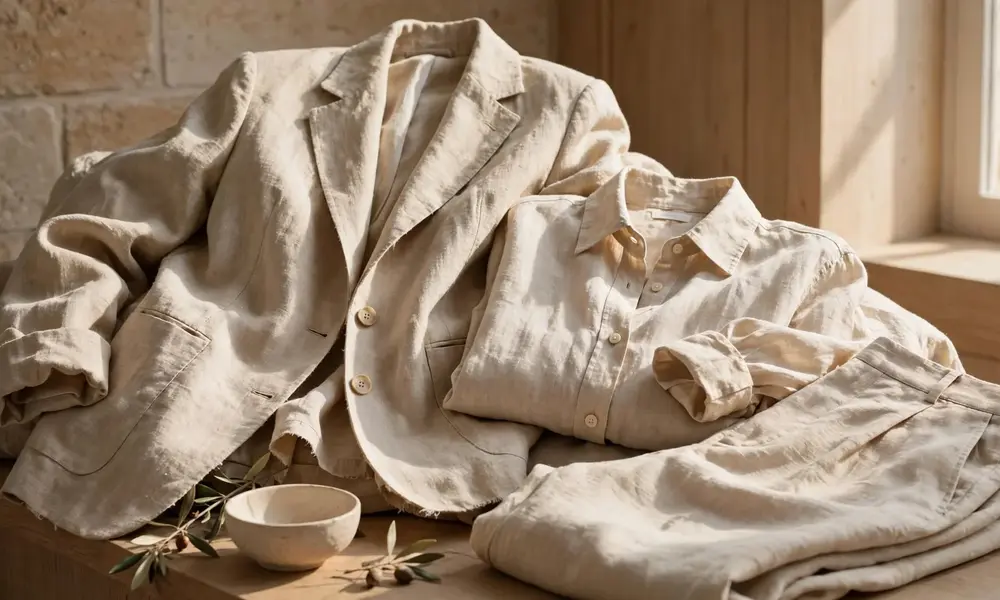
Linen brings a different mood to spring clothing.
Its appeal is not that it remains perfectly pressed. It is that its texture can make a simple garment feel less formal and more relaxed.
A linen shirt, trouser or jacket can work well when that appearance suits your wardrobe.
Choose the Weight for Your Climate
Spring varies substantially by location.
A fabric that works for a warm afternoon may be insufficient for a cold commute. Consider what you will wear beneath or over the linen garment, rather than expecting one fiber to solve every temperature.
Inspect the lining, too. It changes the experience of the finished piece.
Treat Creasing as Part of the Decision
Do not buy linen while hoping it will behave like a different material.
Sit down in the trousers or bend your arms in the jacket. Decide whether the resulting appearance feels right for you.
A crease is not automatically a quality fault. The relevant question is whether the garment looks and feels the way you want to wear it.
Ask What Traceability Claims Cover
For shoppers interested in provenance, the Alliance for European Flax-Linen & Hemp operates certifications including Masters of FLAX FIBRE and Masters of LINEN.
Those claims can provide sourcing information within their scope. They should not replace checking the finished garment’s weight, construction and suitability.
4. Lightweight Wool: The Spring Fabric Often Overlooked
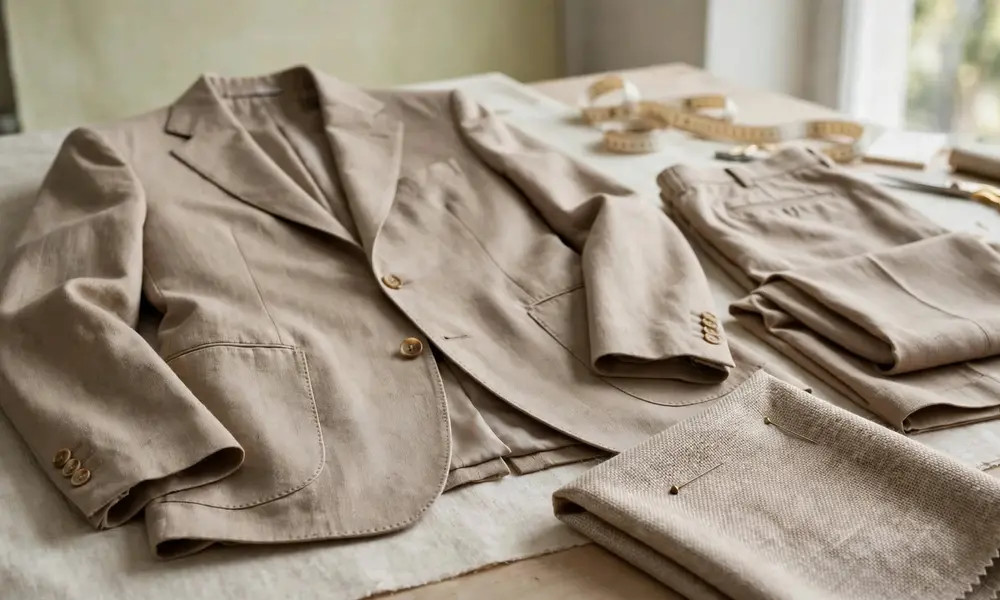
Wool should not be dismissed as exclusively winter material.
Woolmark’s Cool Wool program specifically addresses lightweight Merino fabrics and garments for warmer conditions. Textile manufacturers also offer tropical worsted and high-twist wool cloths for spring and summer tailoring.
These are different propositions from a heavy wool coat.
Tropical and High-Twist Cloth for Tailoring
Alfred Brown describes a spring–summer tropical worsted collection using open construction and high-twist yarns, with breathability and crease recovery among its stated features.
That is a useful example of how yarn and weave matter alongside fiber.
For a buyer, the practical test is the finished garment. Try the trousers seated as well as standing. Check how the blazer moves and whether its lining adds more warmth than you want.
Do Not Shop by Fineness Alone
A finer wool specification is not a complete quality or suitability score.
Ask about fabric weight and construction. Consider whether the cloth is intended for the frequency of wear you expect.
The best spring tailoring fabric is the one that supports the shape you want while remaining comfortable in your conditions.
5. Fine-Gauge Knitwear: A Layer You Can Remove
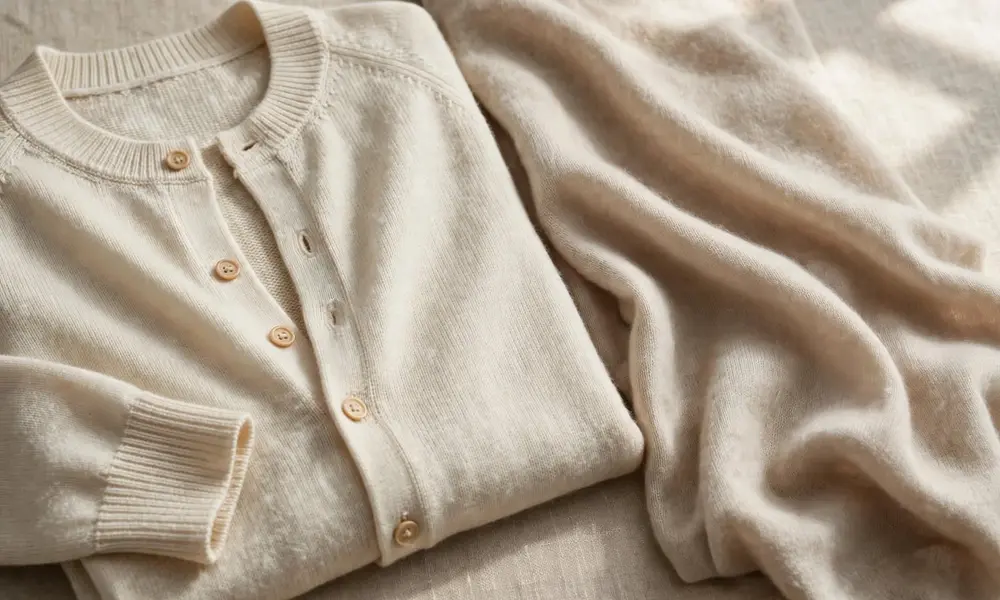
A spring knit earns its place by being useful when the day changes.
Fine-gauge Merino, cashmere and suitable blends can provide options without the volume of a heavy winter sweater. The exact warmth and weight still depend on the garment.
A Cardigan Can Be More Useful Than Another Coat
Consider how you move through your day.
A cardigan that works beneath a jacket may give you more flexibility than another substantial outer layer. A lightweight pullover may be preferable if you dislike carrying additional pieces.
Buy for that routine rather than for an imagined version of the season.
Inspect the Knit, Not Just the Softness
Check cuffs, neckline and the fabric’s overall stability. Look for unintended loose stitches or damage.
Try the garment over the shirt or top you would normally wear beneath it.
A beautiful knit is less useful if the layers catch awkwardly or the fit becomes restrictive.
6. Silk Organza: A Special Piece, Not a Wardrobe Requirement
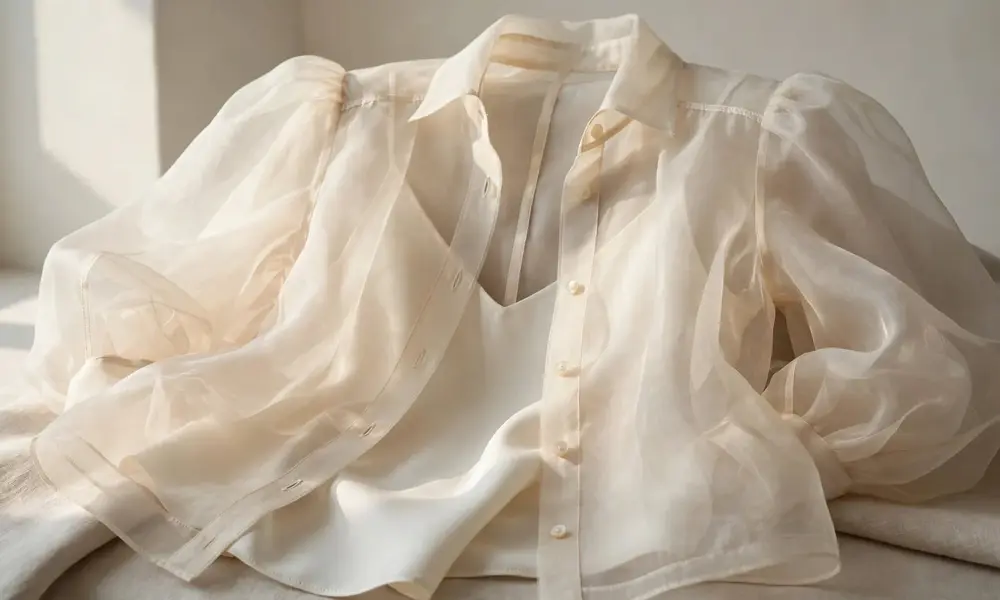
For spring occasions, silk organza can add a sheer, more structured layer.
Its role is different from the fluidity you might seek in a crepe blouse. Think of it as an option for shape, transparency and decorative layering.
Let the Construction Carry the Interest
An organza blouse or dress may need a carefully chosen underlayer. Inspect seams and finishing because sheer fabrics reveal more of the garment’s construction.
Check the actual fiber composition: “organza” alone does not establish silk.
This category is worth considering when your calendar includes occasions that justify it. A practical spring wardrobe does not need an elaborate fabric merely to qualify as high-end.
7. Blends: Where a Thoughtful Wardrobe Becomes More Flexible
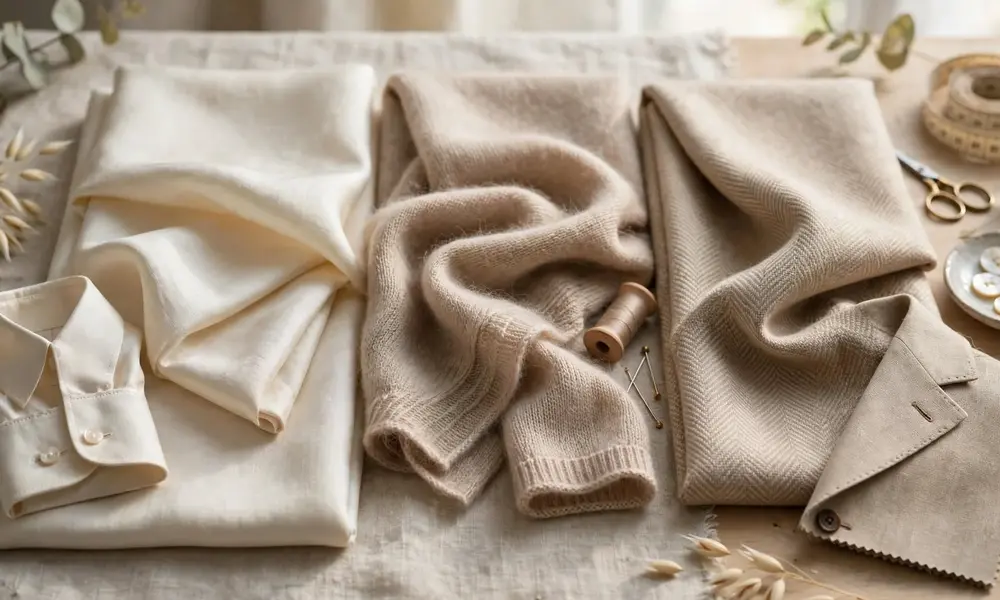
A blend should be assessed by what it achieves.
It is not automatically a compromise beneath a pure-fiber alternative.
Luxury manufacturers use combinations such as silk and cotton or cashmere and silk in spring–summer collections. Loro Piana’s published range provides examples of both.
Choose the Result, Not the Longest Material Story
A blend may appeal because of its movement, feel, texture or weight.
Read the proportions, try the garment and ask what makes it suitable for you. Do not assume the presence of a small amount of an expensive fiber establishes the quality of the whole fabric.
For a wardrobe, the useful question is whether the combination improves the piece.
Build the Wardrobe Around Fabric Roles
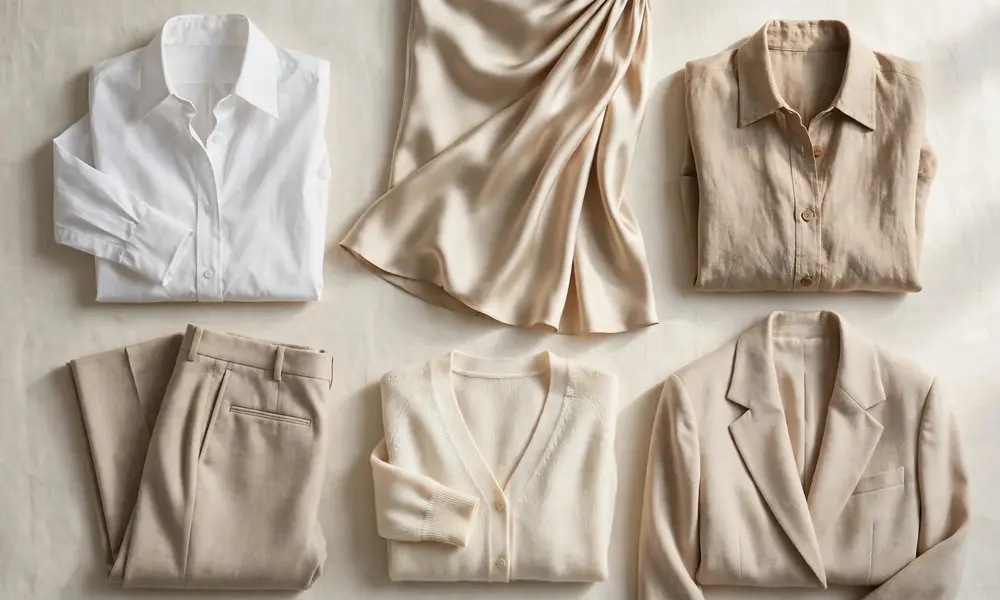
You can create a coherent spring wardrobe with a small number of complementary materials.
Rather than buying one garment from every fiber category, cover the roles you need.
| Wardrobe role | Suggested starting point | Why it belongs |
| A crisp foundation | Cotton shirt | Works with softer and more textured pieces |
| A fluid element | Silk blouse or skirt | Adds movement |
| A tailored base | Lightweight wool trousers | Supports a polished outfit |
| A relaxed option | Linen shirt, trousers or jacket | Introduces texture |
| A removable layer | Fine-gauge knit | Helps accommodate changing conditions |
| An occasion piece, if needed | Silk satin or organza | Serves specific events |
This is an editorial selection, not a mandatory shopping list.
Begin with what you already own. Our spring capsule wardrobe guide offers outfit ideas for putting versatile pieces together.
The Fabric Pairings That Make Simple Outfits Interesting
Refinement often comes from relationships between fabrics rather than from one rare material.
Crisp Cotton With Fluid Silk
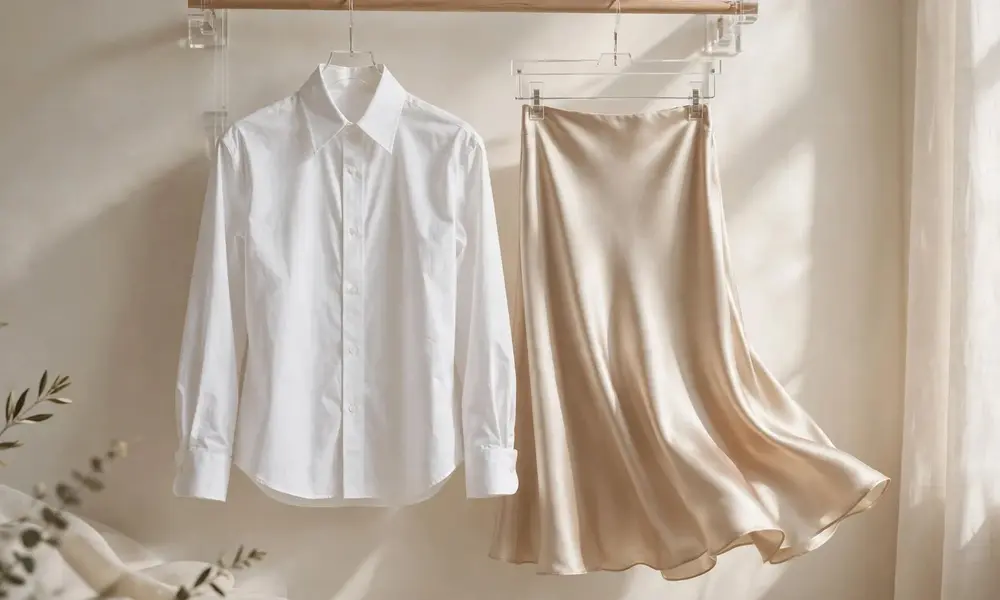
Try a defined cotton shirt with a silk skirt or fluid trousers.
The contrast gives the outfit variation without requiring more decoration.
Linen With a Fine Knit
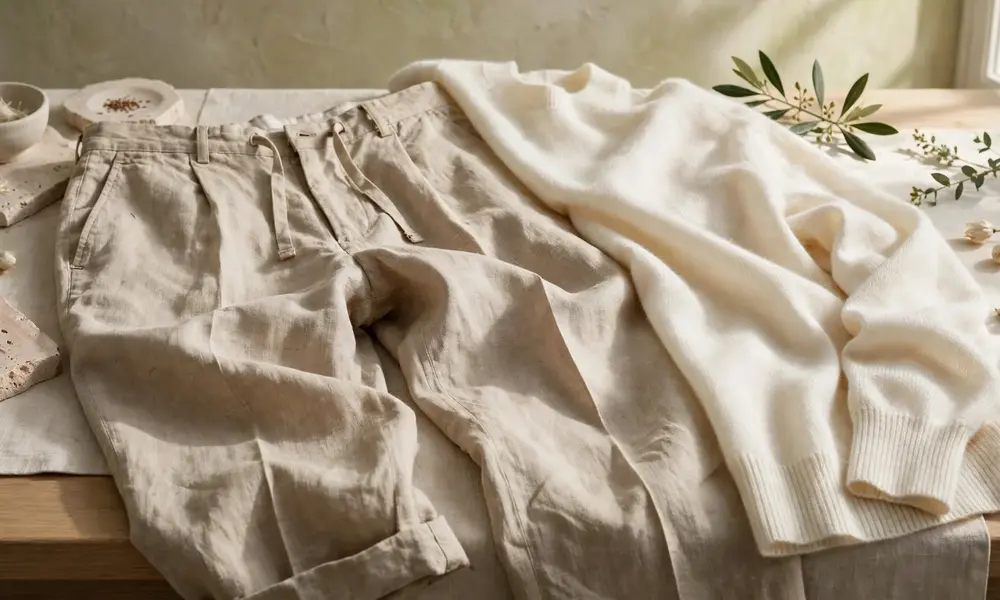
A linen trouser and a lightweight knit can balance texture and a softer surface.
Test the proportions and temperature suitability rather than assuming the combination works in every climate.
Lightweight Wool With Silk
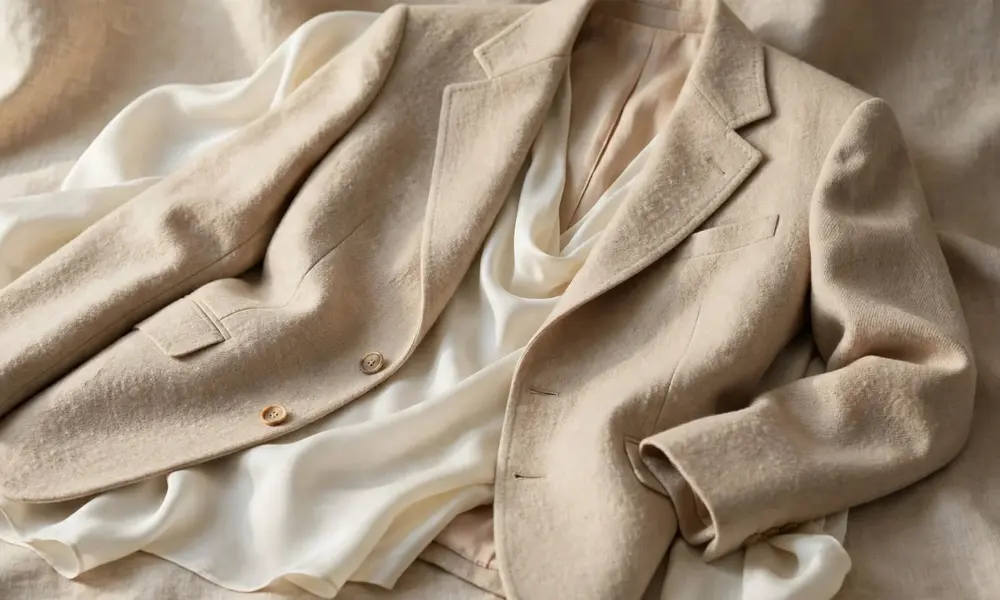
A silk blouse beneath a spring-weight wool jacket offers another way to combine movement with structure.
Check the complete outfit for comfort. The jacket’s lining and the blouse’s fit matter as much as the fiber names.
What Makes a Spring Fabric Look High-End?
A suitable fabric is supported by good execution.
Before paying, check:
- Whether it hangs as the design intends.
- Whether the surface is free from unintended damage.
- Whether seams lie properly.
- Whether lining and underlayers work with it.
- Whether it remains comfortable when you move.
- Whether the care requirements fit your routine.
Our broader guide to luxury fabric characteristics introduces other materials to investigate. No list, however, can replace examining the actual garment.
Avoid These Buying Shortcuts
“It is natural, so it must be better.”
Origin does not establish complete performance.
“It is heavier, so it must be more luxurious.”
Lightness may be exactly what makes a spring fabric useful.
“It is silk, so it should be shiny.”
Silk comes in different constructions and finishes.
“It costs more, so it will last longer.”
That requires evidence rather than an assumption.
Care Is Part of the Purchase
A spring wardrobe should be enjoyable to maintain as well as wear.
Read each garment’s care instructions before checkout. Similar fiber compositions do not guarantee identical washing or ironing requirements.
Consider how often the item needs attention to maintain the appearance you prefer.
If you want easy rotation through a busy week, prioritize garments whose routines you can realistically follow. An exceptional textile can still be an unsuitable purchase.
Frequently Asked Questions
What Luxury Fabrics Are Best for Spring?
Silk, fine cotton, linen, lightweight wool and fine-gauge knitwear are useful foundations. Choose their weight and construction for your climate, with specialty fabrics added for specific occasions.
Can You Wear Wool in Spring?
Yes. Lightweight wool fabrics and fine knits are distinct from heavy winter woolens. Check the weave, weight, lining and fit of the finished garment.
Is Linen More Luxurious Than Cotton?
Not automatically. Both can be made into refined or ordinary fabrics. Yarn quality, construction, finishing and suitability matter more than a universal ranking.
Are Blended Fabrics Suitable for a High-End Wardrobe?
Yes. Assess what the combination delivers and read the full composition. A well-chosen blend can be more suitable than a pure-fiber fabric for a particular garment.
Which Fabrics Should You Buy First?
Start with the gaps in your wardrobe. For many wardrobes, a suitable cotton shirt, tailored trouser and removable knit will be more useful than an elaborate occasion fabric.
Final Verdict: A High-End Spring Wardrobe Needs Variety, Not Excess
Silk, fine cotton, linen, lightweight wool and fine-gauge knitwear define a strong spring wardrobe because they offer different ways to manage movement, texture, structure and changing temperatures.
Choose the construction as carefully as the fiber. Add specialty fabrics only when they serve the way you dress.
The most successful wardrobe is the one in which a morning layer, an afternoon outfit and an evening adjustment all feel considered—and none feels complicated.
Disclaimer: This content is for informational purposes only and reflects our personal opinions and experiences. We just love to write and share what we know and research.