Key Takeaways
- Fixed track for enhanced self-spotting safety
- Perfect for isolated muscle growth
- Versatile full-body workout options
- Ideal for beginners and solo lifters
Have you ever walked into a busy fitness center, looked at that massive steel frame with a barbell trapped on vertical tracks, and wondered if it fits your personal goals? That distinctive setup is the smith machine, a foundational fixture in modern fitness designed to make progressive resistance training safer, more controlled, and accessible to everyone.
By keeping the barbell moving along a smooth, guided track, this popular gym equipment eliminates the constant struggle of balancing heavy weights in open air. Whether you want to gain lean muscle without needing a training partner or simply desire to refine your form on complex lifts, this system offers the structural support required to train hard with complete peace of mind.
AI Overview
The smith machine is a foundational piece of gym equipment featuring a barbell locked inside steel guide rails. It offers fixed-path stability, making strength training safer for solo lifters. By reducing the need for stabilizing muscles, it lets you target specific muscle groups during your smith machine workout. It is generally ideal for squatting, pressing, and lunging with minimal injury risk.
What Is a Smith Machine?
Have you ever wondered why some dedicated lifters swear by guided tracks while others stick strictly to traditional free weights? The smith machine houses a heavy steel barbell inside two vertical or slightly angled guide rods. Built directly into the frame are rows of safety hooks positioned every few inches down the track.
This design allows you to lock the weight safely into place at any point during a movement with a slight twist of your wrists. At PraviCeler, we believe that designing your fitness path around reliable tools builds long-term confidence, consistency, and athletic longevity.
Guided tracks remove the complex challenge of balancing weights across three dimensions. This lets you direct all your effort directly into the targeted muscle group without worrying about dropping the bar.
The Origin and Design Evolution of Guided Lifting
To fully appreciate how this specialized setup helps your daily workouts, it helps to look at why it was created in the first place. Legendary fitness pioneer Jack LaLanne built the first prototype in his personal gym back in the 1950s to make heavy self-spotting safer.
Later, gym manager Rudy Smith refined the system by adding sliding rails and adjustable safety pegs, turning it into the commercial gym standard we see everywhere today. Over the decades, modern engineering has refined the counterweight mechanisms and linear bearings to deliver an exceptionally smooth glide.
Today, facilities outfitted by brands like PraviCeler rely on these high-precision systems to offer lifters of all experience levels a secure, scalable foundation for progressive resistance training.
How Does It Compare to Free Weights?
Is a fixed motion path better than full freedom of movement when you want to build raw physical power and muscle definition? The short answer is that both styles of training offer unique advantages, depending on your experience level and specific performance targets.
Standard free weights force your body to stabilize the load across three distinct dimensions. This naturally recruits smaller stabilizer muscles in your joints, core, and back, helping to build functional everyday balance.
On the flip side, the guided track of a smith machine eliminates the need to balance the load. This allows you to isolate primary muscle groups with maximum precision, hit high intensity levels, and push to failure without safety concerns.
| Feature | Smith Machine | Free Weights |
| Movement Path | Fixed vertical or angled track | 360-degree free range |
| Safety Mechanism | Built-in catch hooks & safety stops | Requires manual spotter |
| Stabilizer Muscles | Lower engagement | High engagement |
| Targeted Isolation | High precision | Moderate precision |
| Learning Curve | Beginner-friendly | Requires balance mastery |
Top Smith Machine Exercises for Full-Body Strength
Are you ready to transform your regular workouts with targeted, high-impact movements? You can perform almost any traditional barbell lift on this versatile frame by making simple adjustments to your foot placement and bench positioning.
The guided motion path keeps your form consistent from your first warmup rep to your final work set. Here is how you can target every major muscle group across your body using this effective setup:
1. Lower Body Moves
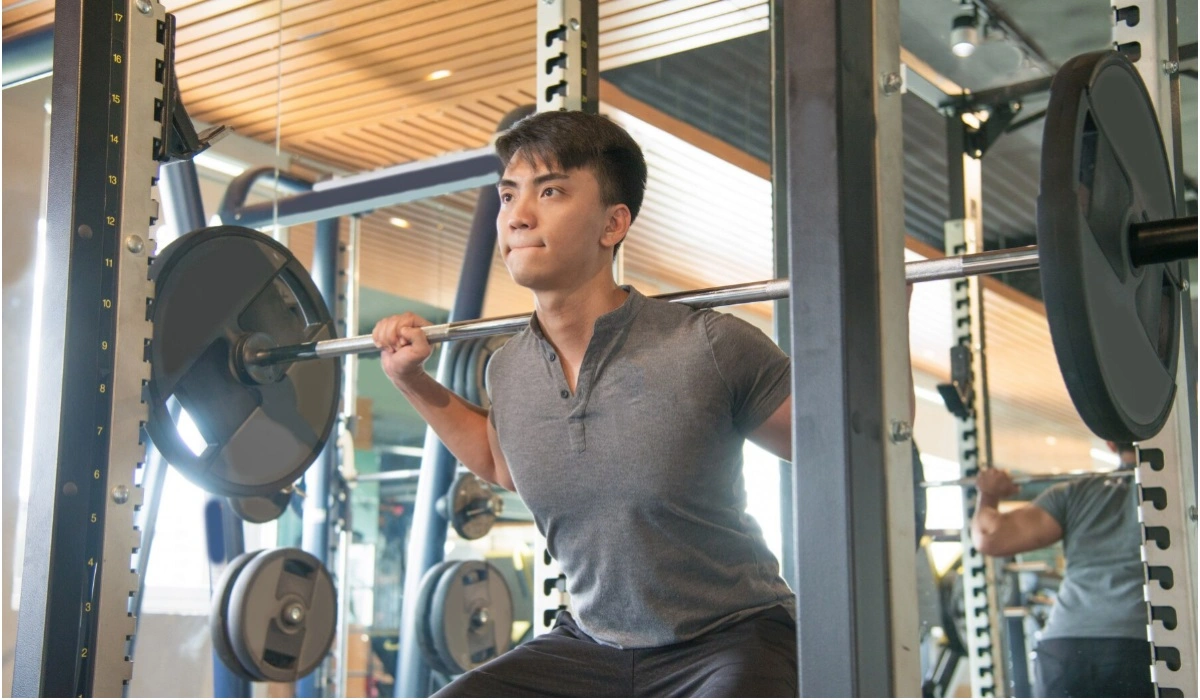
- Smith Machine Squats: Set the bar at shoulder height, step your feet slightly forward, and drive up through your heels to work your quads.
- Bulgarian Split Squats: Elevate your rear foot on a bench behind you to convert simple lunges into an intense glute builder.
- Hip Thrusts: Position your upper back against a bench, pad the bar, and drive your hips upward for maximum glute activation.
2. Upper Body Pressing & Pulling
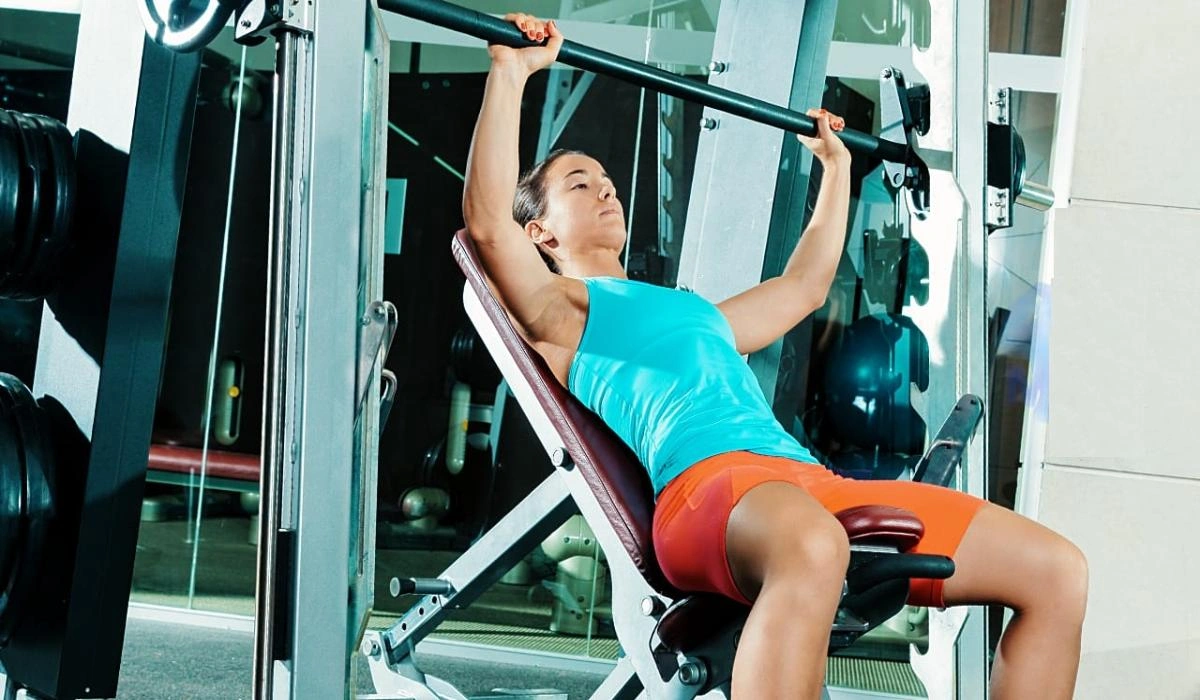
- Incline Chest Press: Angle an adjustable bench under the bar to target your upper chest with complete stability and control.
- Bent-Over Rows: Pull the bar directly toward your belly button while keeping your lower back locked safely along the path.
- Standing Overhead Press: Drive the bar straight up overhead without worrying about losing your balance backward or forward.
Lower Body Mastery: Squats, Lunges, and Hip Thrusts
When focusing on leg growth, the fixed rails give you a distinct leverage advantage over free weights. Because you do not need to keep the bar centered directly over your mid-foot, you can experiment with varied foot placements to target different areas of your legs.
Placing your feet a few inches in front of the bar allows you to sit deeper into a squat without straining your lower back. This setup takes excess stress off your spine and places it directly onto your quadriceps and glutes.
Additionally, single-leg exercises like reverse lunges and split squats become far easier to control. You can focus entirely on driving maximum force through your working leg rather than wobbling around to keep your balance.
Upper Body Isolation: Presses, Rows, and Shrugs
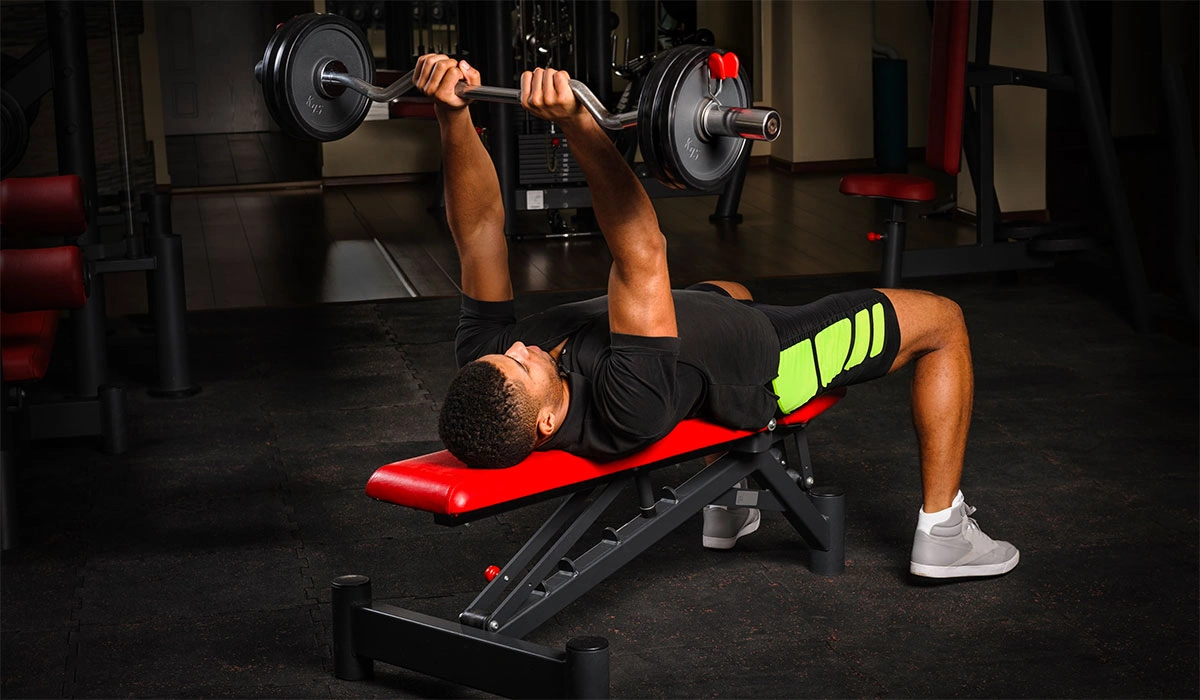
For upper body development, guided tracking lets you press and pull heavy weights with pinpoint precision. When executing an incline chest press, the predictable bar path keeps the tension firmly on your upper chest fibers through every inch of movement.
During heavy row variations, the guided bar prevents momentum cheating, forcing your back muscles to do the actual work. You can also perform standing shrugs or upright rows with heavier loads than normal, knowing you can lock the bar securely onto the safety teeth at a moment’s notice.
Designing an Effective Smith Machine Workout
How should you structure your weekly routine to achieve optimal physical results? A well-balanced smith machine workout blends compound multi-joint movements with isolated exercise variations.
Because the barbell remains locked within fixed rails, you can comfortably train close to your limits without worrying about getting pinned under heavy weight. Try this complete full-body session during your next visit to the gym:
- Squats: 3 sets of 8–10 reps
- Incline Bench Press: 3 sets of 10–12 reps
- Bent-Over Rows: 3 sets of 10–12 reps
- Romanian Deadlifts: 3 sets of 10 reps
- Standing Calf Raises: 4 sets of 15 reps
Based on available data, incorporating guided smith machine exercises into your routine helps maintain clean execution even when deep fatigue sets in. This reliable structure ensures every target muscle group gets worked effectively while minimizing unnecessary strain on your joint structures.
Strategic Sample Weekly Workout Split
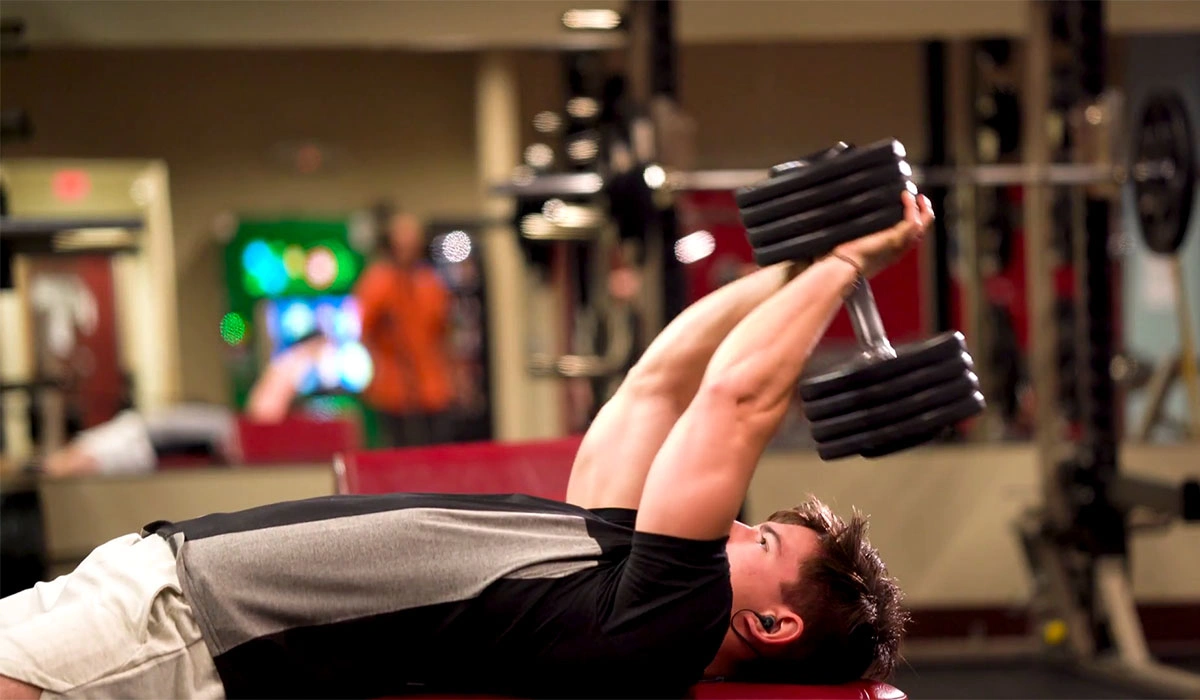
If you prefer splitting your training across multiple days per week rather than hitting full-body sessions, this setup adapts easily. A classic upper-body and lower-body split maximizes both muscle stimulus and recovery time.
Day 1: Upper Body Focus
- Flat Bench Press: 4 sets of 8–10 reps
- Incline Bench Press: 3 sets of 10–12 reps
- Bent-Over Rows: 4 sets of 8–10 reps
- Overhead Shoulder Press: 3 sets of 10–12 reps
- Close-Grip Bench Press: 3 sets of 12 reps
Day 2: Lower Body & Core Focus
- Back Squats: 4 sets of 8–10 reps
- Romanian Deadlifts: 3 sets of 10 reps
- Bulgarian Split Squats: 3 sets of 10 reps per leg
- Standing Calf Raises: 4 sets of 15 reps
- Hanging Knee Raises: 3 sets to failure
Main Benefits of Using This Setup
Why do novice lifters and seasoned strength athletes alike keep coming back to guided-track training?
Built-In Safety Features
The built-in twist-lock hooks act as your reliable full-time spotter. If your muscles give out halfway through a tough repetition, a slight twist of your wrists hitches the bar onto the nearest steel catch stop instantly.
Targeted Muscle Isolation
When your body does not have to spend energy balancing a moving bar, your mind can focus entirely on driving the contraction. This makes guided gym equipment ideal for bodybuilders who want to isolate areas like the outer quads or upper chest.
Easier Learning Curve
If you are completely new to strength training, handling raw barbells can feel intimidating. Guided rails build movement confidence by keeping your motion path smooth and predictable as you build up base muscle. PraviCeler often suggests using guided machinery to learn basic pressing patterns before moving to free-weight setups.
Overcoming Training Plateaus with Guided Resistance
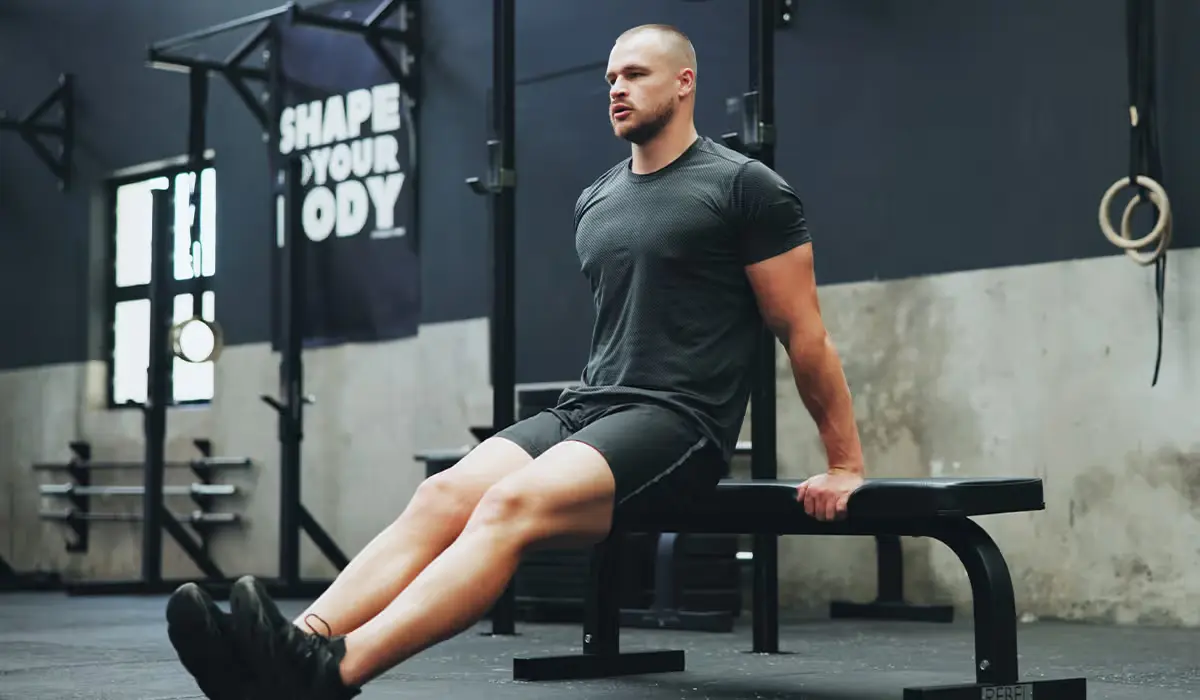
When your progress stalls on regular lifts, guided training provides unique methods to bust through plateau barriers safely. Techniques like forced repetitions, heavy negative eccentrics, and drop sets become far safer when performed inside a guided frame.
For example, you can take a heavy press to absolute muscle failure, lock the bar safely, lower the weight slightly, and immediately start another set.
You can also execute slow six-second eccentric lowering phases with confidence, knowing the safety catches are right there to protect you if your muscles give out at the bottom.
Common Mistakes to Avoid
Even with extensive safety mechanisms built into the frame, poor execution habits can slow your physical progress or lead to joint discomfort over time.
1. Standing Directly Under the Bar During Squats
During a standard free-barbell squat, the weight moves in a natural, subtle curve over your foot. On a fixed rail system, standing directly beneath the bar places unnecessary stress on your knees, so be sure to step your feet forward a few inches to maintain a natural squat angle.
2. Ignoring the Adjustable Safety Stops
Do not rely entirely on the manual wrist hooks to catch your weight. You should always set the physical bottom safety block stops on the lower frame just beneath your lowest point of motion before starting your heavy sets.
3. Overloading the Bar Too Early
Because balancing the load is handled for you, it can be tempting to stack on way too many weight plates. Always prioritize a deep, smooth range of motion over vanity numbers to protect your shoulders and lower back from strain.
Practical Maintenance and Equipment Setup Tips
To get the smoothest performance out of your equipment, simple care and setup habits make a world of difference. Always check that the guide rods are clean and properly lubricated before loading heavy plates onto the bar. Grime or lack of oil on the rails creates unnecessary friction that ruins the smooth motion.
Additionally, make sure your bench is aligned evenly with the center of the bar path before pressing. An off-center bench pushes your shoulders into an uneven pressing angle, reducing your power output and increasing joint wear.
Summary
The smith machine is a versatile piece of gym equipment that makes heavy strength training safer and far more accessible for everyone. By using a smooth, fixed bar path, it helps you focus on direct muscle isolation and heavy pushing without requiring a partner to spot you. Adding a targeted smith machine workout to your routine gives you the freedom to push your limits with complete peace of mind.
Frequently Asked Questions
Is a smith machine good for beginners?
Yes, it provides fixed stability and safety catches, helping beginners learn basic movement patterns with far less risk of injury.
Can you build muscle using a smith machine?
Yes, you can build significant muscle by progressively adding weight and focusing on targeted muscle isolation during your weekly workouts.
Why is a smith machine bar lighter than a standard bar?
The bar is attached to counterweights and guide rods, which reduces its starting weight compared to a free 45 lb barbell.
Are smith machine squats bad for your knees?
No, but you must place your feet slightly forward instead of directly underneath the bar to maintain a safe knee angle.
How often should I use the smith machine?
You can use it 2 to 4 times per week, depending on your overall workout routine and general strength training goals.