Key Takeaways
- Fun group exercises at home boost workout consistency and energy.
- Simple living room setups make partner workouts easy and accessible.
- Virtual fitness sessions help friends sweat together from anywhere.
- Shared health challenges create friendly accountability without high costs.
Have you ever tried working out alone in your living room and quit after five minutes?
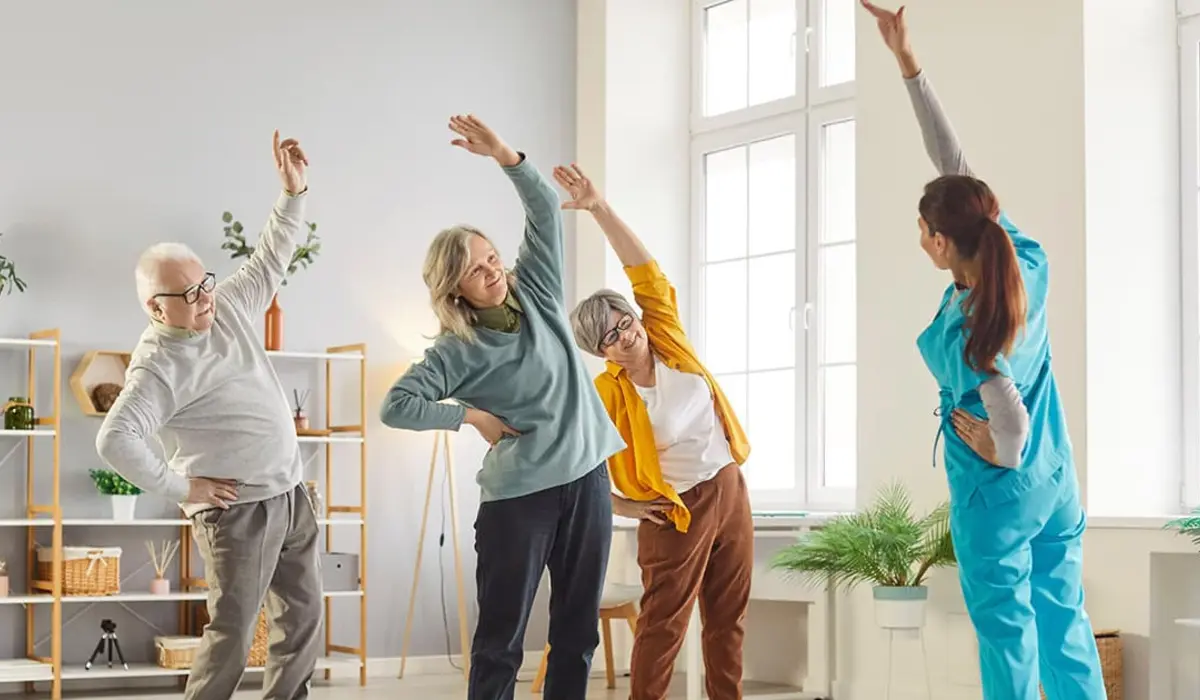
We have all been there! Moving your body gets so much easier when you turn fitness into a social event. Group Exercises at Home allow you to break a sweat, laugh off the fatigue, and stay consistent alongside your favorite people.
You do not need an expensive gym membership or fancy gear to get a great workout. Whether you are hosting a weekend living room session or jumping on a video call, training with others keeps energy high. At PraviCeler, we believe fitness should fit naturally into your everyday life, making at-home group workouts a perfect choice.
AI Overview
Group exercises at home bring people together for shared workouts in living rooms or through online video calls. Partner routines, bodyweight circuits, and virtual fitness challenges build social connection while boosting physical health. Exercising in a group keeps motivation high, improves consistency, and eliminates expensive gym costs. Anyone can easily start these simple routines using basic household items and natural body weight.
Why Group Workouts at Home Just Work Better
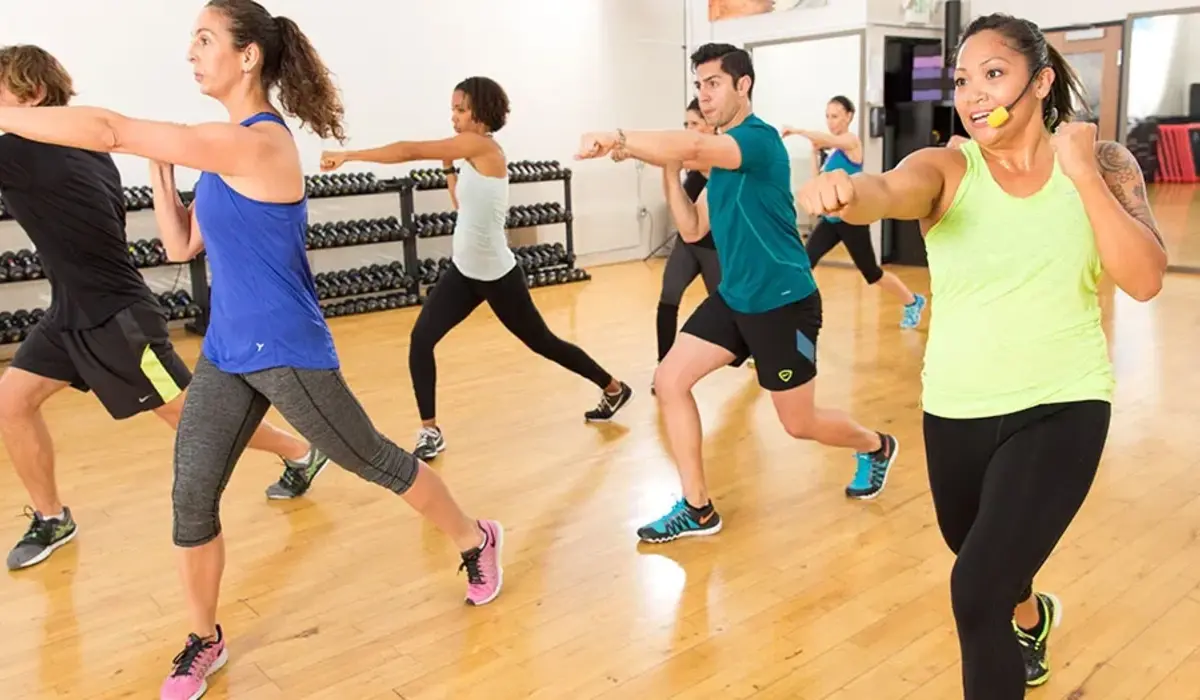
Working out alone often feels like a daily chore that is easy to skip. When you invite friends or family into the mix, the whole atmosphere changes completely.
Shared workouts create natural encouragement. You are far less likely to press snooze when a buddy is waiting for you in the living room or on screen.
The Power of Social Accountability
Knowing someone else is sweating next to you keeps your mindset locked in. In most cases, having a workout partner doubles your chances of sticking to a routine long-term.
When fatigue hits during a difficult set, a friend’s gentle nudge keeps you moving forward.
Laughing Through the Fatigue
Solo workouts can feel cold and repetitive. Group sessions let you share a laugh when someone loses their balance or misses a step.
That shared joy releases endorphins, which helps reduce physical stress and makes tough routines feel much easier.
Building Family and Friend Connections
Busy schedules make it tough to catch up with loved ones. Combining workout time with social time solves two problems at once.
You get quality bonding time while working toward your daily health goals right at home.
Preparing Your Home Space for Group Fitness
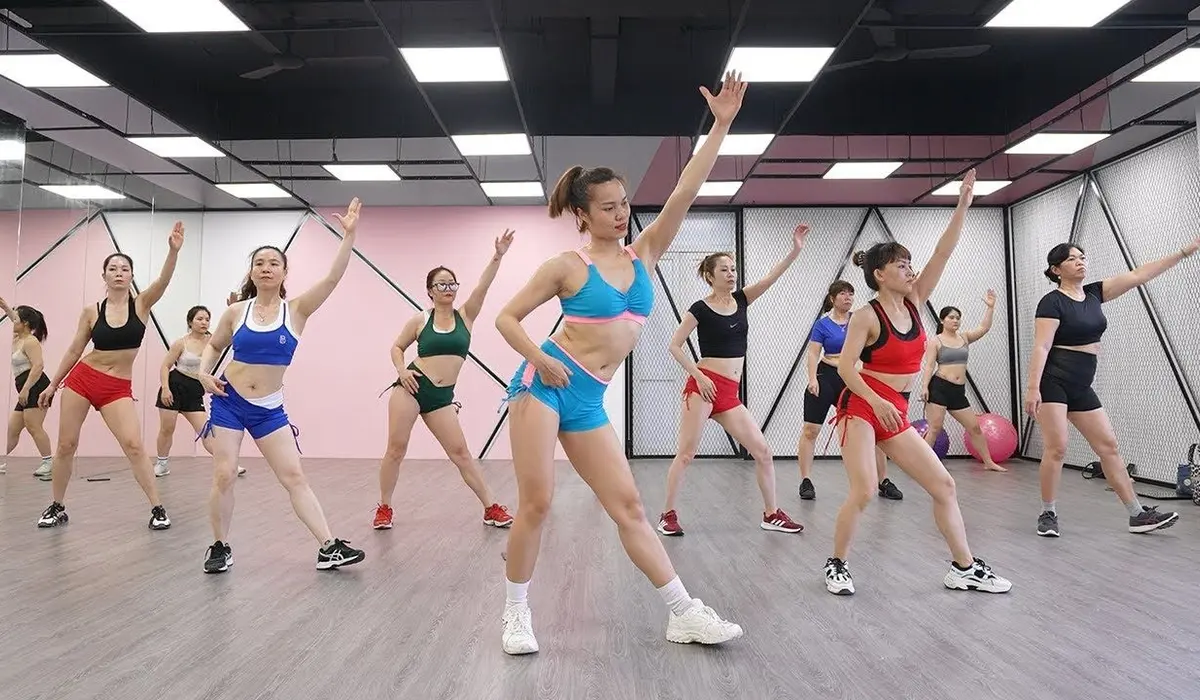
You do not need a massive home gym to host a group workout. A few smart adjustments will transform any living area into a functional studio.
Clearing out space keeps everyone safe while giving you full freedom to move.
Clearing the Living Room Floor
Move coffee tables, push back couches, and roll up loose rugs before starting.
Ensure every person has roughly a six-by-six-foot area. That gives enough clearance for jumping jacks, lunges, and stretched arms without hitting walls or furniture.
Safety Checks and Ventilation
Make sure your workout area has fresh airflow. Open a window or turn on a fan to keep room temperatures comfortable during intense routines.
Check for slippery spots on wooden floors and use grip socks or sneakers for stability.
Household Items to Use as Fitness Gear
You do not need complex gear to get started. Everyday household items work surprisingly well for group resistance moves.
| Everyday Item | Fitness Equivalent | Best Used For |
| Water Jugs / Cans | Dumbbells & Kettlebells | Squats, overhead presses, bicep curls |
| Backpack with Books | Weighted Vest | Lunges, push-ups, step-ups |
| Large Beach Towel | Exercise Mat | Abdominal crunches, floor stretches |
| Sturdy Chair | Weight Bench | Tricep dips, step-ups, incline push-ups |
Best Group Exercises at Home to Try Today
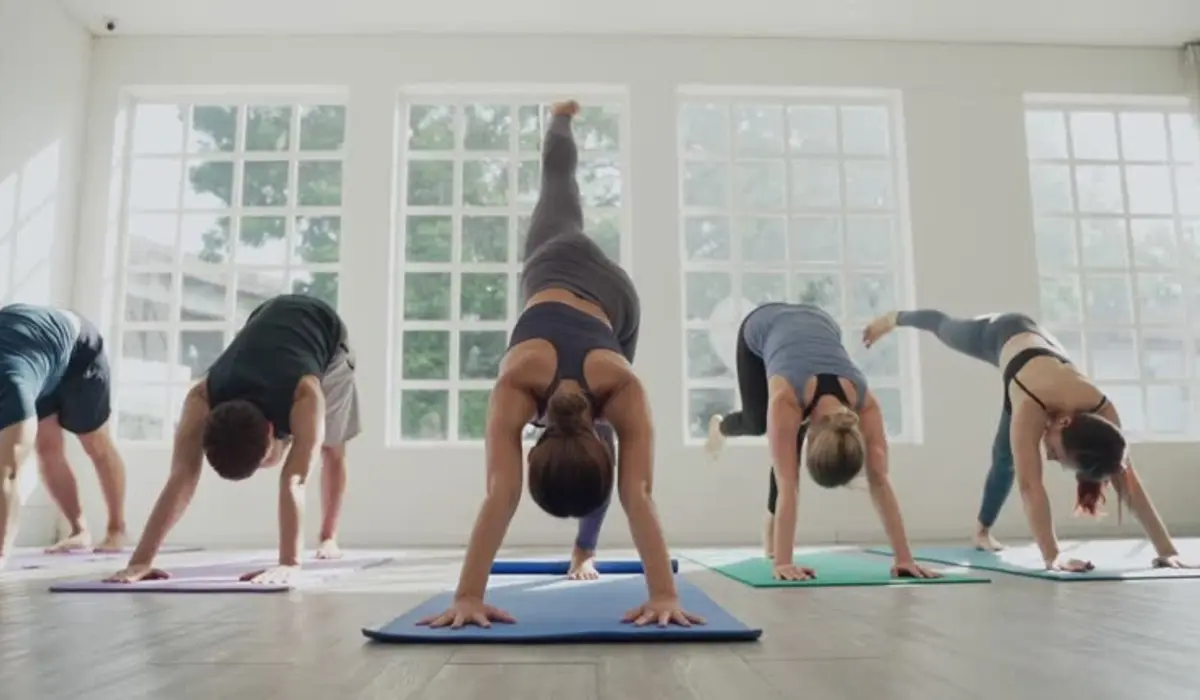
Now let us dive into the best movements for your home workouts. These exercises work well for all fitness levels and adapt easily to living room spaces.
Mix and match these routines to keep your sessions fresh, balanced, and engaging.
Partner Bodyweight Circuits
Partner exercises build teamwork and make simple bodyweight movements far more interactive.
- Partner Squat and High-Five: Stand facing your partner an arm’s length apart. Lower into a squat together, rise back up, and clap opposite hands at the top.
- Plank High-Fives: Hold a solid plank position facing each other. Tap right hands across, lower back down, then tap left hands.
- Wheelbarrow Push-Ups: One person holds their partner’s ankles while the other walks their hands forward and performs push-ups.
- Mirror Lunges: Stand opposite your partner and mirror their leg lunges in real time, keeping up with their tempo.
High-Energy Cardio Games
Cardio does not have to mean boring treadmill miles. Games make heart-pumping routines feel like playtime.
- The Relay Challenge: Set up two markers in your hallway or backyard. Pass an object back and forth while performing high knees or side shuffles.
- Deck of Cards Workout: Assign an exercise to each suit (Hearts = Jump Squats, Spades = Mountain Climbers). Flip cards together and complete the numbers shown.
- Freeze Dance Cardio: Play energetic music and move continuously. When the music pauses, everyone must hold an isometric squat or wall sit.
- Follow the Leader: One person performs five quick movements while others copy every step instantly.
Mindful Yoga and Stretch Flow
Not every group session needs to be intense. Slowing down together builds mobility and helps lower daily stress.
Gather your mats in a small circle so everyone can see and follow along comfortably. Smooth breathing and gentle holding patterns help calm nervous systems after a busy day.
Quick Comparison of Popular Home Group Formats
Different group styles bring different levels of energy and focus to your workouts.
Use this guide to decide which format fits your group’s current mood and fitness level:
| Workout Style | Intensity Level | Best Group Size | Primary Benefit |
| Partner Circuits | Moderate to High | 2 People | Strength & direct accountability |
| Cardio Game Night | High Intensity | 3 to 6 People | High calorie burn & teamwork |
| Virtual Group Calls | Customizable | 2 to 10+ People | Remote connection & flexibility |
| Group Yoga Flow | Low to Moderate | Any Size | Stress relief & flexibility |
Designing a Balanced Home Group Routine
Structuring your workout ensures everyone stays safe while getting an effective session. A simple plan keeps the energy moving without long awkward breaks.
Here is a quick overview of how to organize a 30-minute home group session:
| Workout Segment | Duration | Focus Area | Example Movements |
| Dynamic Warm-Up | 5 Minutes | Joint prep & heart rate | Arm circles, torso twists, march in place |
| Main Strength Circuit | 15 Minutes | Full-body muscle building | Partner squats, push-ups, wall sits |
| High-Energy Finisher | 5 Minutes | Friendly cardio game | Deck of cards challenge, freeze dance |
| Group Cool-Down | 5 Minutes | Flexibility & relaxation | Cat-cow stretches, deep breathing |
Managing Energy and Rest Breaks During Group Sessions
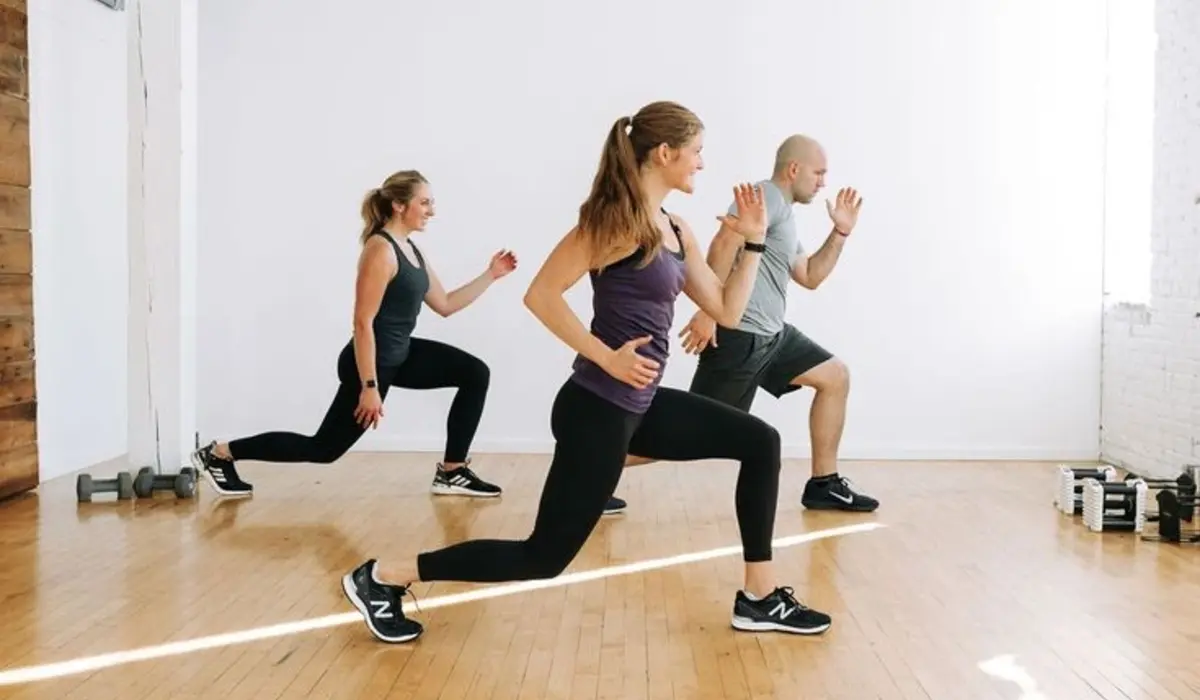
Rest timing is critical when multiple people exercise together. Different fitness levels mean recovery rates will vary among group members.
Structuring proper rest prevents early burnout and keeps performance high throughout the session.
Rest Intervals by Fitness Goal
Adjusting rest breaks keeps the entire group aligned during circuit training.
| Goal | Work Time | Rest Time | Focus |
| Endurance & Cardio | 45 Seconds | 15 Seconds | Keep heart rate elevated |
| Strength & Tone | 30 Seconds | 30 Seconds | Focus on control and proper form |
| Beginner Friendly | 20 Seconds | 40 Seconds | Build confidence without exhaustion |
Going Digital: Virtual Group Workouts with Friends
Distance does not have to stop you from training with your favorite people. Virtual sessions bring all the benefits of group fitness right into your home office or bedroom.
Setting up a video call takes just a few clicks, making remote fitness fast and simple.
Setting Up Your Virtual Room
Position your phone or laptop camera so your full body stays visible whether standing or lying down.
Check your room lighting so your partners can see your movement form clearly. Turning up a shared online playlist keeps everyone moving to the same beat.
Keeping Online Energy High
Virtual workouts need clear communication so no one feels left behind.
Call out encouraging words between sets or use simple hand signals. At PraviCeler, we love seeing friends build community online, proving that support travels easily across screens.
Keeping Everyone Motivated and Safe
Working out in a group should always feel welcoming and inclusive. People have different fitness levels, so flexibility keeps the experience positive for everyone.
Focusing on form first prevents injuries and ensures long-term progress.
Modifying Moves for Different Fitness Levels
Never force everyone to perform the exact same intensity. Offer simple alternatives for every movement so nobody feels pushed beyond their limits.
For example, if jump squats are too hard on someone’s knees, suggest standard bodyweight squats or calf raises instead.
Tracking Group Progress Together
Keep a shared notebook or group text chat to celebrate small wins.
Write down total squat reps, track workout streaks, or tally completed weekly sessions. Celebrating shared milestones keeps everyone eager to come back for the next workout.
Comparing Home Group Exercises vs. Solo Gym Workouts
Choosing between staying home with friends or heading to a traditional commercial gym depends on your goals and lifestyle.
This comparison highlights why many people prefer home group sessions:
| Factor | Group Exercises at Home | Solo Gym Workouts |
| Cost | Free (uses everyday items) | Monthly membership & travel fees |
| Convenience | Zero commute time | Requires travel & packing bags |
| Social Factor | High interaction and laughter | Often solitary and quiet |
| Accountability | Built-in from friends/family | Requires self-discipline |
| Equipment Access | Limited to basic/bodyweight items | Wide range of machines and weights |
Weekly Sample Schedule for At-Home Group Workouts
Consistency thrives on clear planning. Having a structured weekly schedule removes decision fatigue and makes fitness a natural routine.
Here is an easy four-day weekly routine you can follow with your group:
| Day | Focus Area | Recommended Format | Time Commitment |
| Monday | Full Body Strength | Partner Bodyweight Circuit | 30 Minutes |
| Wednesday | Cardio & Agility | High-Energy Cardio Games | 25 Minutes |
| Friday | Core & Balance | Partner Plank & Squat Session | 20 Minutes |
| Saturday | Active Recovery | Mindful Group Yoga & Stretch | 35 Minutes |
How to Stay Consistent Month After Month
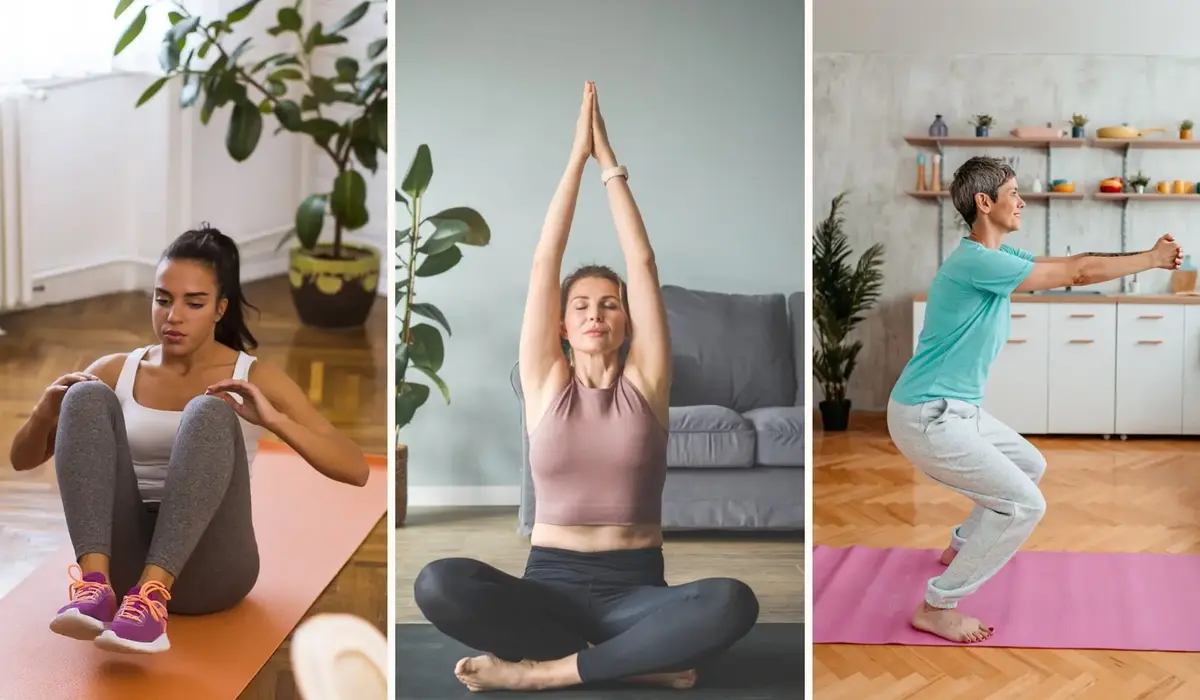
Starting a new routine is easy, but sticking with it takes a thoughtful approach. Small adjustments keep home workouts from feeling routine or boring.
Setting fixed weekly times creates a natural habit that easily fits busy schedules.
Pick Fixed Workout Days
Treat your group session like an important meeting. Pick two or three recurring days each week that work well for everyone involved.
Consistency builds fast when workouts become a predictable part of your weekly routine.
Rotate the Leader
Let a different person pick the music playlist and exercise routine each week.
This simple rotation keeps sessions fresh, brings new ideas to the living room, and gives everyone a sense of ownership.
Final Thoughts on Moving Together
Starting Group Exercises at Home is one of the easiest ways to make physical health enjoyable and sustainable.
By turning your living room into a shared space for movement, you trade boring solo routines for laughter, accountability, and real connection. Gather a partner, set up a video call, or invite family members into the living room today. PraviCeler encourages you to take that first simple step together because staying healthy is always better when shared!
Frequently Asked Questions
What are the best group exercises at home for beginners?
Partner squats, plank high-fives, wall sits, and gentle yoga flows work best for beginners because they are easy to learn and modify safely.
How much space do I need for home group workouts?
You generally need a clear six-by-six-foot area per person to allow safe movement without hitting furniture, walls, or workout partners.
Can group workouts at home help with weight loss?
Yes, combining dynamic partner circuits with consistent weekly routines burns calories effectively while helping you maintain healthy muscle mass.
What basic gear helps with group workouts at home?
Yoga mats, resistance bands, and simple household items like water jugs or backpacks filled with books work great for home workouts.
How do I stay motivated during virtual group sessions?
Play a shared music playlist, check in with partners verbally between sets, and track weekly workout streaks together to keep energy high.