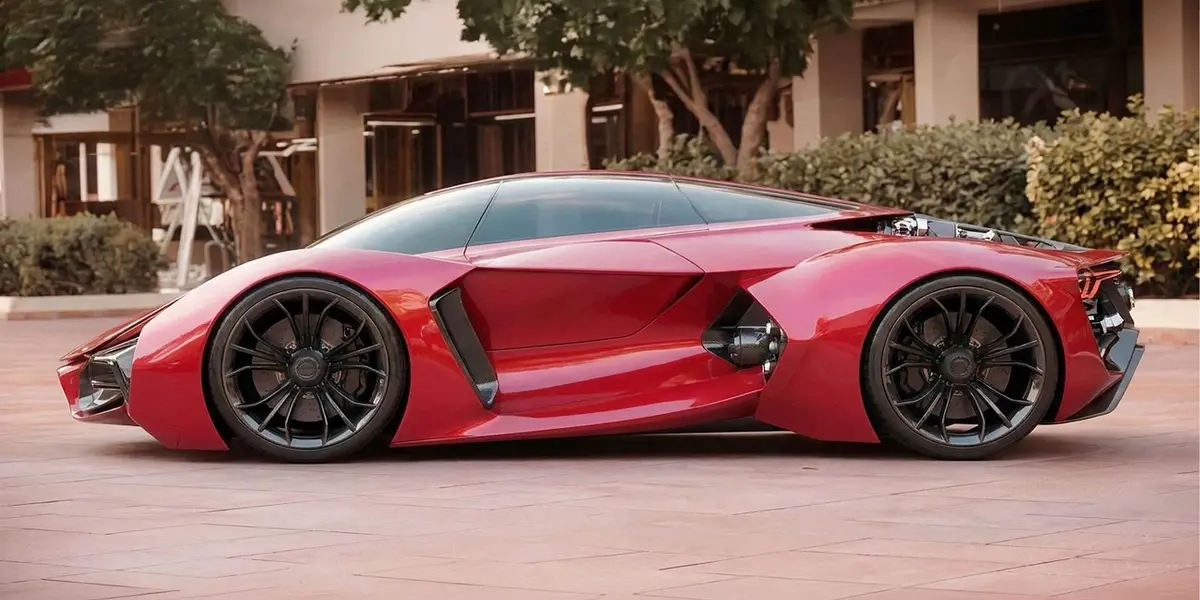
Key Takeaways
- Aerodynamics fighting against invisible walls of air
- Mind-blowing power-to-weight ratios
- Kinetic energy turning back into pure speed
- Downforce gluing tires directly to the tarmac
Have you ever looked at a car that costs millions of dollars and wondered what actually makes it worth that much? It is not just the plush leather or the fancy badges. The real magic boils down to how these machines rewrite the rules of speed using core physics fundamentals.
At its heart, a hypercar is a laboratory on wheels designed to push the absolute limits of nature. By mastering physics fundamentals, engineers can manipulate air, gravity, and thermal energy to achieve speeds that seem totally impossible.
In this guide, we will break down the mind-blowing science behind how hypercars work without the boring textbook jargon.
AI Overview
Hypercars use advanced physics fundamentals to shatter speed records. By combining extreme hypercar technology with smart hypercar aerodynamics, these vehicles manipulate airflow and energy. This luxury car science explains how hypercars work at the absolute limit, balancing massive horsepower with intense downforce to keep the car safely glued to the road.
The Invisible Wall: Hypercar Aerodynamics

When you are walking down the street, the air feels like nothing. But when you drive at 250 miles per hour, that same air turns into a solid wall of bricks. Dealing with this change is the first major lesson in how hypercars work.
Drag: The Ultimate Speed Killer
As a vehicle moves faster, air pushes against it with incredible force. In the world of luxury car science, this resistance is known as aerodynamic drag. The crazier part? If you double your speed, the air resistance does not just double, it quadruples.
To slice through this invisible wall, designers use slippery shapes. Every single curve on a hypercar has a job. Air is directed smoothly around the body rather than hitting it flat-on. Here at PraviCeler, we appreciate how clean body lines are actually functional tools to cheat the wind.
Creating Downforce Without the Drag
Getting a car to go fast is only half the battle. You also have to keep it from taking off like an airplane. This is where hypercar aerodynamics come into play. By shaping the car like an upside-down wing, engineers create a force called downforce.
This fluid dynamic pushes the tires firmly into the asphalt. The harder the air presses down, the more grip the tires have. This incredible grip allows the vehicle to tear through sharp corners at speeds that would send a normal sedan sliding right off the track.
Power-to-Weight and Physics Fundamentals
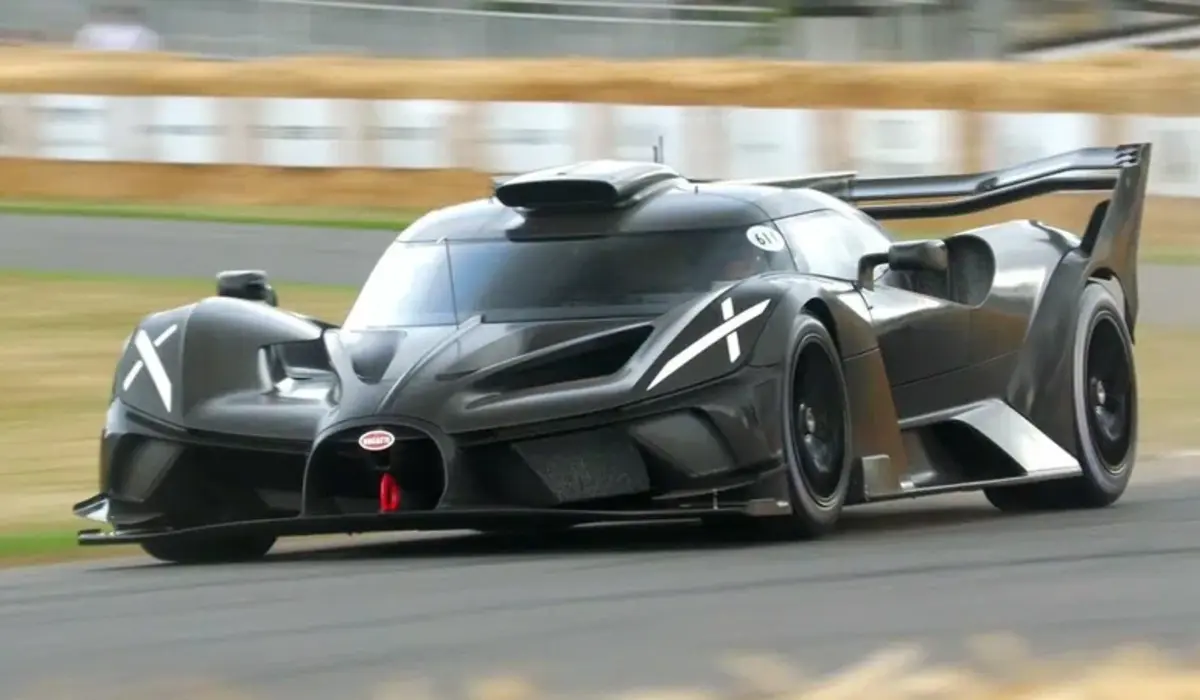
To fight against immense wind resistance, you need serious muscle. But massive power does not mean much if the vehicle is too heavy to move efficiently. Balancing these two factors relies heavily on basic physics fundamentals.
The Magic Ratio
If you want to understand how hypercars work, you have to look at the power-to-weight ratio. This is simply the amount of horsepower the engine makes compared to how much the car weighs.
- The Goal: Maximize the horsepower while cutting every single gram of extra weight.
- The Result: Mind-melting acceleration that can launch a driver from 0 to 60 mph in less than two seconds.
To make this happen, modern hypercar technology relies heavily on exotic materials like carbon fiber, titanium, and specialized alloys. These materials are incredibly tough but weigh next to nothing.
| Car Component | Standard Materials | Hypercar Materials | Weight Savings |
| Body & Chassis | Steel / Aluminum | Carbon Fiber Composite | Up to 60% lighter |
| Brakes | Cast Iron | Carbon Ceramic | Up to 50% lighter |
| Suspension | Heavy Steel Springs | Titanium & Pushrod Systems | Significant unsprung mass reduction |
The Heart of the Beast: Hypercar Technology

The engines inside these vehicles are masterpieces of engineering. Whether they burn gasoline, use electric motors, or mix both into a hybrid system, the goal remains the same: convert stored energy into forward motion as efficiently as possible.
Harnessing Thermal Energy
Internal combustion engines are essentially controlled air-and-fuel explosions. The physics challenge here is managing heat. Based on available data, a huge chunk of the energy created by burning fuel escapes as wasted heat.
Hypercars use advanced cooling channels, gold-lined engine bays, and massive radiators to keep temperatures stable. If the engine gets too hot, the air entering it expands, which actually robs the car of precious horsepower.
The Electric Revolution
Electric motors have completely changed the landscape of luxury car science. Unlike gas engines that need to build up RPMs to reach peak power, electric motors give you 100% of their power instantly.
Many modern hypercars combine both worlds. They use a traditional gas engine for high top speeds and electric motors to fill in the gaps during acceleration. This hybrid blend represents the absolute pinnacle of current hypercar technology.
Stopping Distance and Energy Transformation
Going incredibly fast is thrilling, but you eventually have to slow down. Stopping a two-ton machine traveling at insane speeds brings us right back to our core physics fundamentals: the law of conservation of energy.

You cannot simply destroy energy. You can only change it from one form into another. When a hypercar brakes, it takes all that kinetic energy (motion) and transforms it into thermal energy (heat) through friction.
Carbon Ceramic Brakes
Regular steel brakes would literally melt under the extreme pressure of slowing down a hypercar. That is why engineers use carbon-ceramic discs. These specialized rotors can handle temperatures well over 1,000 degrees Fahrenheit without losing their stopping power.
Regenerative Braking
In hybrid and electric hypercars, braking is also used to harvest energy. Instead of wasting all that kinetic energy as heat, the electric motors run backward during deceleration. The motors act as generators, slowing the vehicle down while sending fresh electricity back into the battery pack. It is a beautiful loop of physics working in perfect harmony.
Keeping Contact: The Science of Tires
Everything we have talked about, the aerodynamics, the massive engines, the advanced brakes—relies on four tiny patches of rubber touching the road. If the tires fail, the physics equation falls apart instantly.
Chemical Compounds and Friction
Hypercar tires are highly engineered chemical structures. They are designed to soften and get “sticky” as they warm up. This heat increases the coefficient of friction between the rubber and the road.
- The Softness Factor: Softer rubber molds directly into the microscopic imperfections of the asphalt for maximum grip.
- The Wear Tradeoff: Because the rubber is so soft, these tires generally wear out after just a few thousand miles of driving.
Managing Extreme Centrifugal Force
When a tire spins at over 250 miles per hour, centrifugal force tries to pull it apart. The tire wants to expand outward and transform from a flat shape into a pizza cutter. To prevent this dangerous deformation, hypercar tires are reinforced with layers of aramid fibers and high-tensile steel belts.
At Pravi Celer, we always stress that understanding these limits is what keeps drivers safe when testing the boundaries of speed.
The Future of Luxury Car Science
As we look ahead, the evolution of hypercars will continue to be driven by new discoveries in material science and power management. We are already seeing active aerodynamics, where a car can change its shape in real time based on how fast it is going. Computer systems adjust wings and flaps in milliseconds to optimize air balance.
Ultimately, these vehicles are much more than just expensive toys. They are the ultimate expression of human ingenuity testing the boundaries of reality. By respecting and mastering physics fundamentals, designers continue to build machines that turn wild science fiction dreams into breathtaking road realities.
Frequently Asked Questions
How do hypercars stay on the ground at high speeds?
Hypercars stay safely on the ground by utilizing advanced hypercar aerodynamics to generate massive downforce. The body of the car is carefully sculpted like an inverted airplane wing. As air rushes over the vehicle, it presses the chassis firmly into the road, which prevents it from lifting or losing traction at extreme speeds.
Why is carbon fiber used so much in hypercar technology?
Carbon fiber is a foundational element of hypercar technology because of its incredible strength-to-weight ratio. It is estimated to be five times stronger than steel while weighing a mere fraction of it. This weight reduction allows engineers to maximize the vehicle’s power-to-weight ratio for faster acceleration.
What is the difference between a supercar and a hypercar?
The difference generally comes down to performance limits, rarity, and price. While supercars offer exceptional speed, hypercars represent the absolute pinnacle of luxury car science. They utilize experimental tech, push past 1,000 horsepower, have limited production runs, and are designed using elite physics fundamentals.
How does air resistance affect a hypercar’s top speed?
Air resistance, or aerodynamic drag, acts like an invisible wall that grows exponentially harder to push through as speed increases. In most cases, a hypercar requires four times the horsepower just to double its top speed. This reality makes sleek styling and drag reduction absolutely vital for reaching record-breaking velocities.