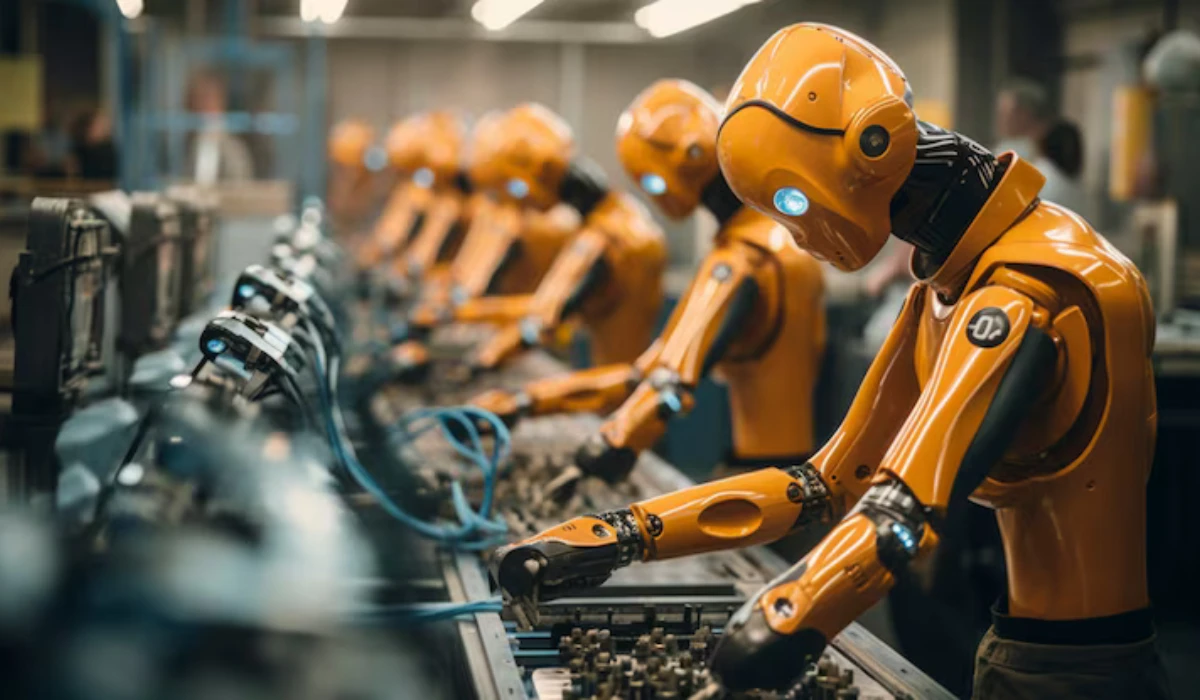
If you’ve come across the phrase Ponas Robotas online and wondered what it means, you’re not alone. The term has been quietly trending, appearing in tech blogs, AI discussions, and pop-culture conversations. This guide breaks down exactly what Ponas Robotas means, where it comes from, and why it has become a popular way to talk about the future of robotics and artificial intelligence.
What Does “Ponas Robotas” Mean?
Ponas Robotas is a Lithuanian phrase that translates directly to “Mr. Robot” in English.
The phrase is made up of two simple words:
– Ponas is a respectful title meaning Mr., Sir, or Gentleman
– Robotas, the Lithuanian word for robot
Put together, the phrase does something subtle but interesting: it gives a machine a polite, human title. That small linguistic choice reflects a much bigger cultural shift in the way people increasingly treat intelligent technology not as a cold tool, but as a helper, an assistant, or even a companion.
In short, Ponas Robotas isn’t just a translation. It’s a phrase that captures how our relationship with machines is changing.
The Origin of the Term
The word “robot” itself has deep roots. It was first introduced by Czech writer Karel Čapek in his 1920s play R.U.R. (Rossum’s Universal Robots), where robots were imagined as artificial workers built to serve humans. From there, “robot” spread into nearly every language on earth, including Lithuanian, as robotas.
For decades, the idea of a “robot” stayed mostly in science fiction. But as technology advanced, the world moved from imagination into everyday life. Today, robots vacuum our floors, assemble products in factories, and assist in hospitals. The phrase Ponas Robotas sits right at that meeting point between the old fictional dream and the modern reality.
Ponas Robotas and the TV Series “Mr. Robot”
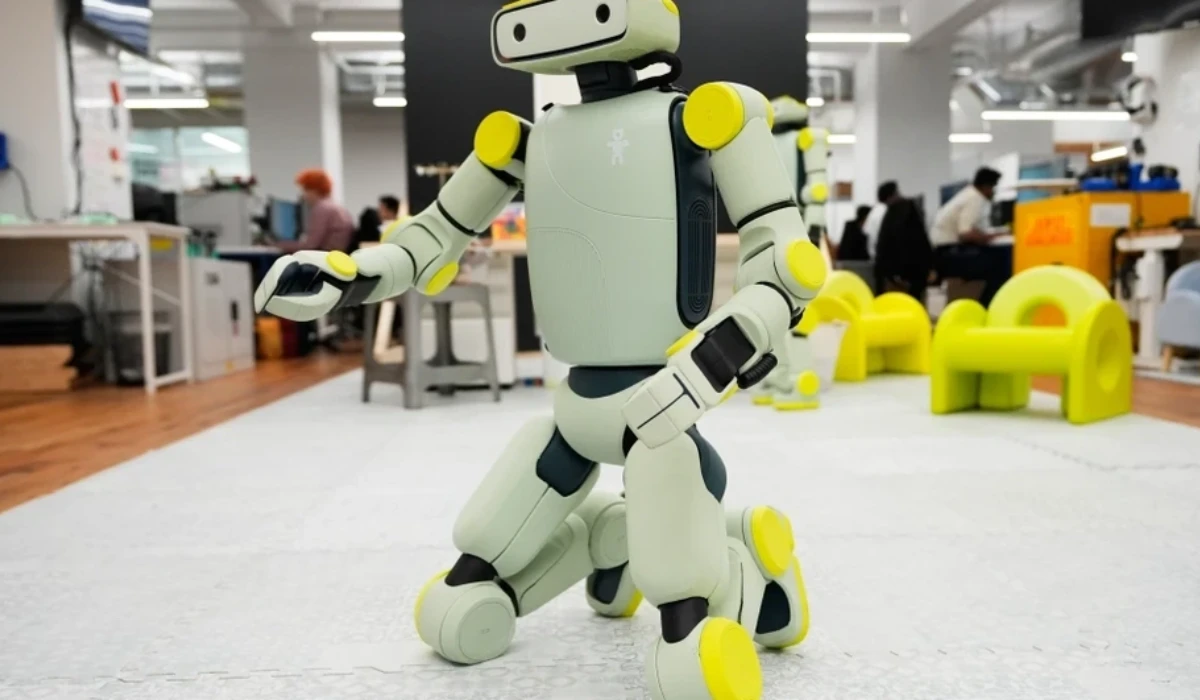
A big reason the phrase gained visibility is the acclaimed television series Mr. Robot, which aired from 2015 to 2019. In Lithuanian-speaking regions, the show is known by its localized title Ponas Robotas.
The series follows Elliot Alderson, a cybersecurity engineer who lives a double life: working for a security firm by day and operating as a hacktivist by night. Its themes, digital surveillance, data privacy, corporate power, and mental health struck a chord with audiences worldwide.
For Lithuanian viewers, “Ponas Robotas” became the recognized name for the show, and over time, the phrase took on a dual identity. It refers both to the gripping story of hackers and corporations and to the broader, real-world conversation about how much control technology has over our lives.
How “Ponas Robotas” Is Used Today
Here’s where things get interesting. The phrase has grown beyond its origins as a translation or a TV title.
Today, “Ponas Robotas” is increasingly used as shorthand for advanced, AI-powered robotic assistant machines that interact with people in natural, helpful, and almost “gentlemanly” ways. It captures the image of a robot that is polite, responsive, and genuinely useful, rather than a clunky industrial machine.
So when someone uses the term now, they might be talking about:
- The classic TV series and its cultural themes
- The literal Lithuanian translation of “Mr. Robot.”
- Modern intelligent robots and AI assistants that work alongside humans
This layered meaning is exactly why the phrase has become so popular; it bridges culture, language, and cutting-edge technology in just two words.
The Rise of Intelligent Robotics
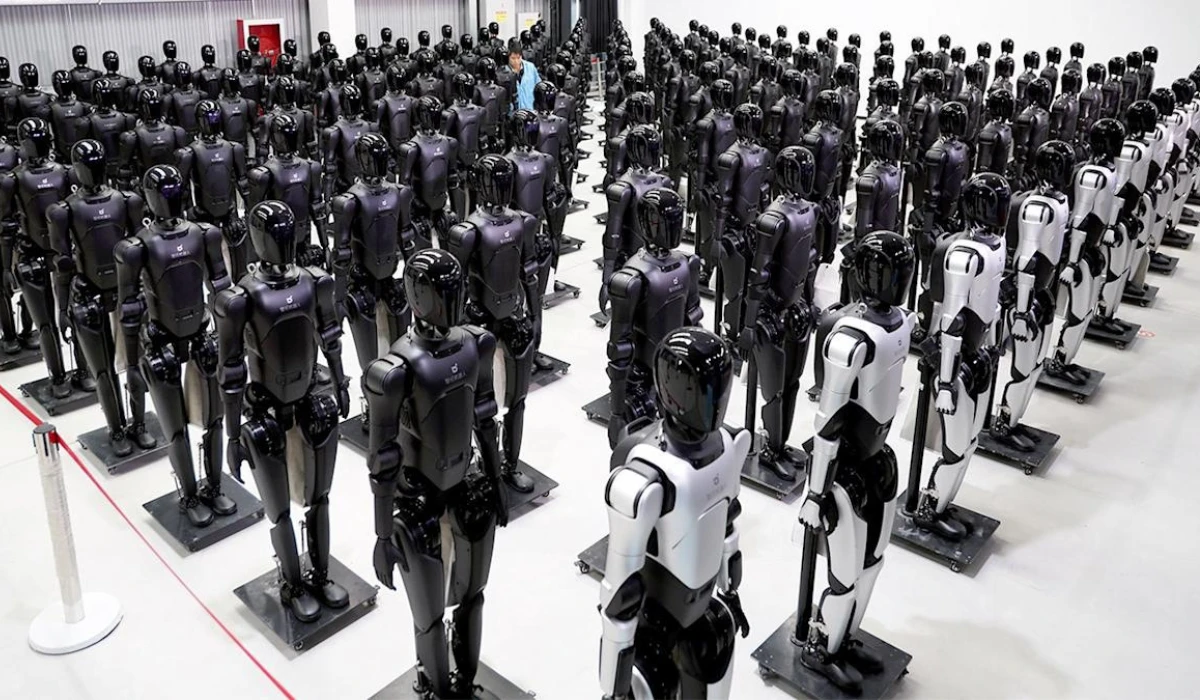
The reason Ponas Robotas resonates so strongly is that the technology it describes is no longer fiction. Smart robotics is becoming part of daily life.
Unlike older machines that simply followed fixed instructions, today’s intelligent robots can learn from their surroundings and adapt. They rely on a combination of:
– Sensors and cameras to understand their environment
– Artificial intelligence and machine learning to make decisions
– Cloud computing to process data and improve over time
This shift has produced robots that are sleeker, more affordable, and far more capable than their bulky predecessors.
Where You’ll See “Ponas Robotas” Technology

Intelligent robotic systems are already showing up in everyday settings:
– In the home: Robot vacuums that map your floor plan, smart assistants that manage schedules, and devices that help elderly users with reminders.
– In healthcare: Robots that assist with patient care, deliver supplies, and support medical staff.
– In industry and logistics: Robotic arms that predict maintenance needs and automated systems that streamline warehouses.
– In customer service: AI assistants that handle questions naturally and around the clock.
The common thread is collaboration, not replacement. The goal of this technology is to augment what humans can do when handling repetitive or complex tasks so people can focus on what matters most.
Why the Phrase Matters
“Ponas Robotas” works so well as a modern term because it reframes how we think about machines. Attaching a respectful, human title to a robot signals a deeper change in mindset: as AI becomes more conversational and intuitive, people naturally stop seeing it as a tool and start treating it as a partner.
It’s also a reminder that technology and culture are deeply connected. The same phrase that introduced a generation to hacker culture through a TV show now describes real machines learning from us every day. That’s a powerful linguistic bridge and a useful metaphor for the era we’re living in.
The Future of Ponas Robotas
Looking ahead, the technology behind the phrase will only become more capable. Expect to see:
– More natural communication between humans and robots
– Greater autonomy, with machines handling complex decisions safely
– Wider adoption across homes, hospitals, schools, and workplaces
– Stronger emphasis on ethics, privacy, and human oversight
That last point is important. As intelligent robots take on bigger roles, questions about data security, privacy, and responsible design, the very themes the Mr. Robot series explored, become more relevant than ever. The future of Ponas Robotas isn’t just about smarter machines; it’s about building trust between people and the technology they rely on.
Frequently Asked Questions
What does Ponas Robotas mean?
Ponas Robotas is a Lithuanian phrase that translates to “Mr. Robot.” Ponas means Mr. or Sir, and Robotas means robot.
Is Ponas Robotas the same as the TV show Mr. Robot?
Yes, Ponas Robotas is the Lithuanian title for the TV series Mr. Robot. The phrase is also used more broadly today to describe intelligent AI-powered robots.
Why is the phrase Ponas Robotas trending?
It has become popular shorthand for advanced, human-friendly robotic assistants, blending pop culture, language, and real-world AI technology into one memorable term.
Where is “robot” as a word originally from?
The word “robot” was coined by Czech writer Karel Čapek in his 1920s play R.U.R., where robots were depicted as artificial workers.
Are Ponas Robotas robots replacing human jobs?
The core idea behind modern intelligent robotics is collaboration, not replacement. These systems are designed to assist humans with repetitive or complex tasks rather than take over entirely.
Final Thoughts
Ponas Robotas began as a simple Lithuanian translation of “Mr. Robot,” but it has grown into something much bigger, a phrase that captures the exciting, fast-moving relationship between humans and intelligent machines.
Whether you discovered it through the acclaimed TV series or through discussions about AI and robotics, the meaning is clear: technology is becoming more human-friendly, more capable, and more woven into daily life. And “Ponas Robotas,” Mr. Robot is the perfect name for that future.
——————————————————————————————————————————————————————
This article is for informational purposes and reflects the cultural and technological meaning of the phrase “Ponas Robotas” as of 2026.