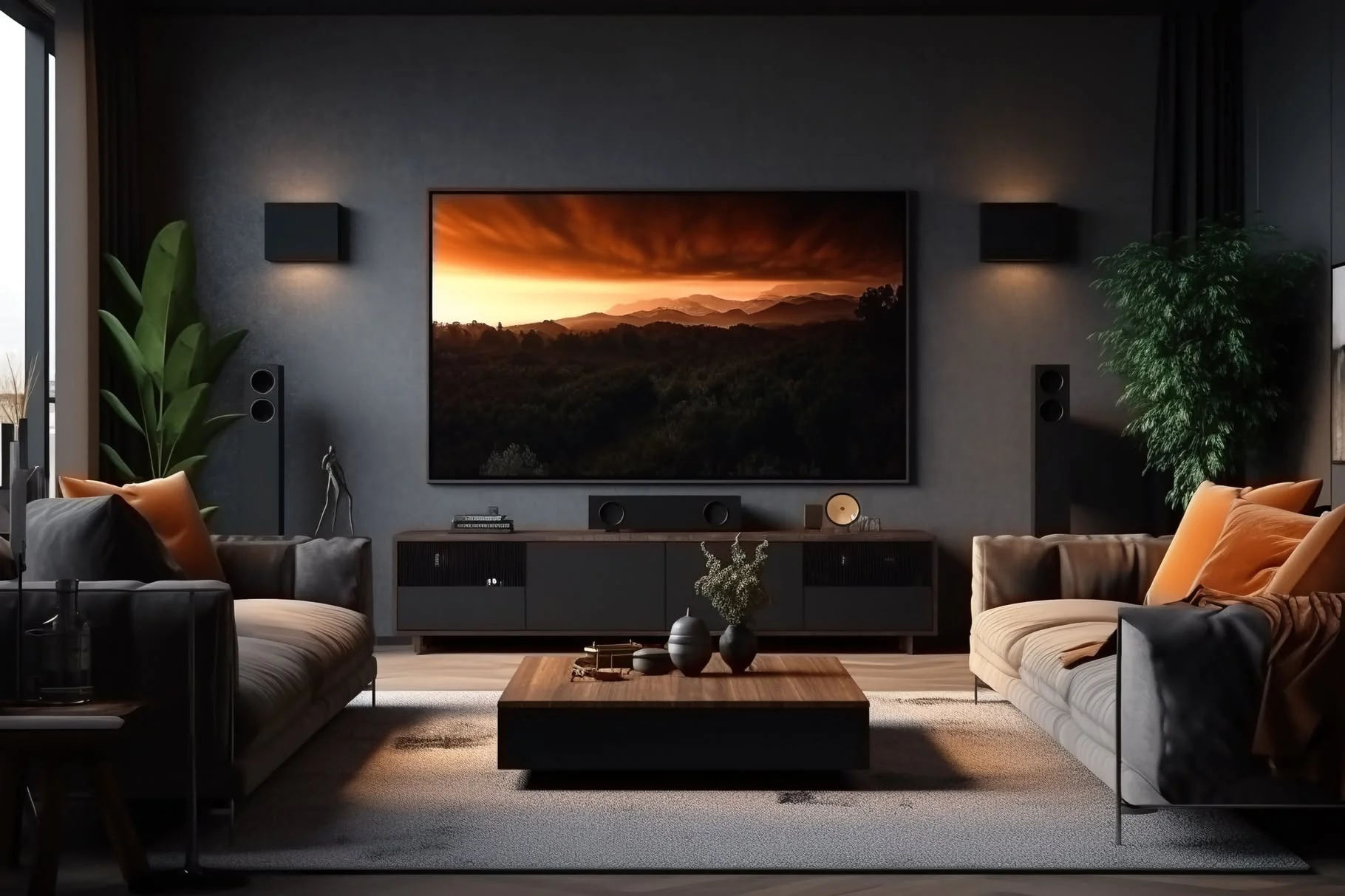
There is something strangely emotional about television. It is where a family gathers after dinner. Where you watch a film alone when you need a little escape. Where someone falls asleep halfway through a series.
Where the lights go down, the room gets quiet, and suddenly an ordinary Tuesday night feels like a small event. That is why choosing the best TV isn’t really about finding the television with the longest specification sheet.
It is about understanding the room, the way you watch, and the feeling you want when the screen comes alive. And in 2026, there are more choices than ever.
OLED remains a major force for contrast, motion and cinematic viewing, while Mini-LED has become increasingly sophisticated for bright rooms and large screens. Newer RGB Mini-LED technology is also entering the premium conversation. So before you fall in love with a beautiful television in a showroom, let’s talk about what actually matters.
The Best TV Starts With Your Room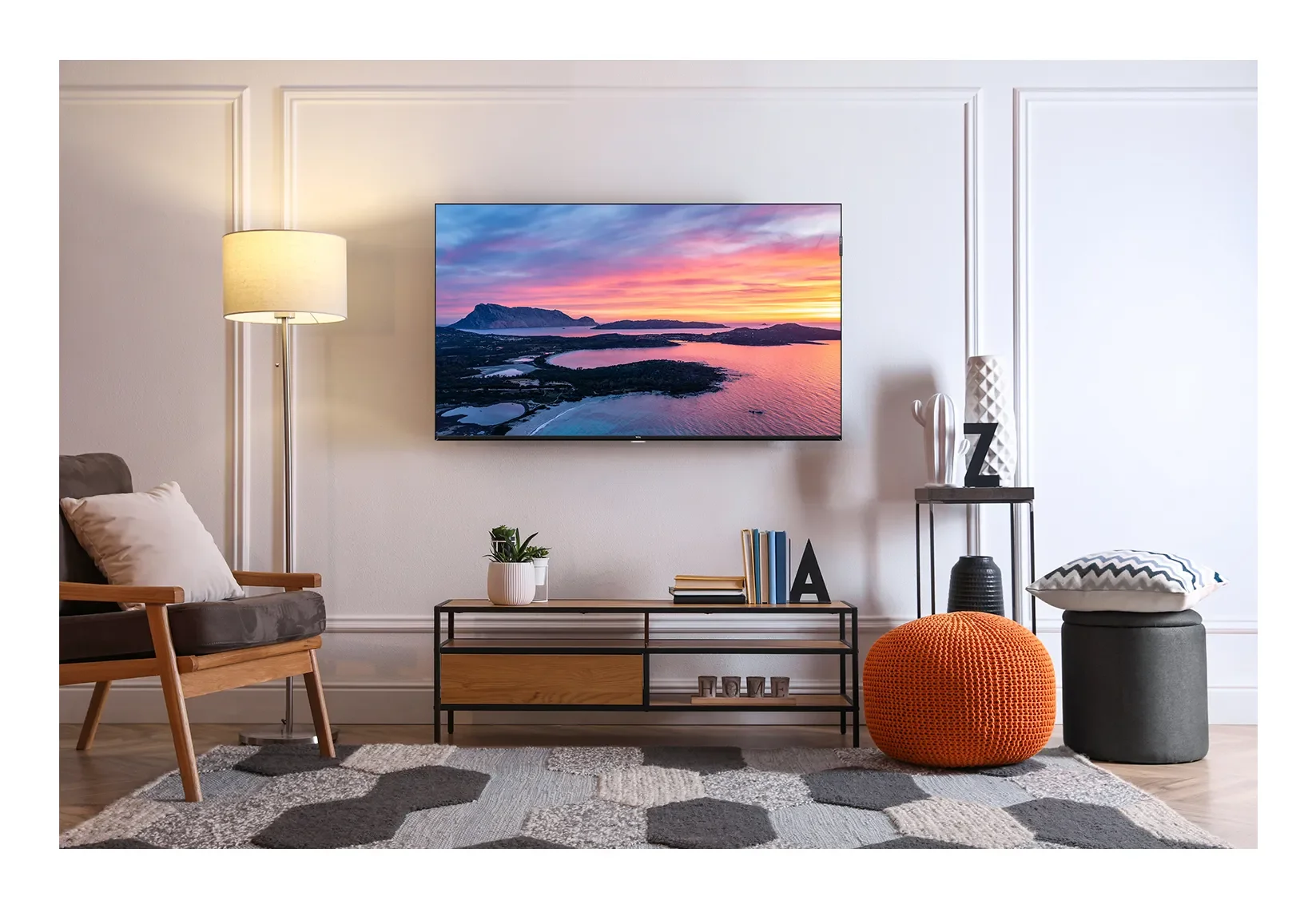
This is the question people often ask too late:
“Where will the TV actually live?”
A television can look extraordinary in a dark showroom and feel completely different in a bright living room with sunlight pouring through the windows.
If your room has lots of natural light, brightness and reflection handling become especially important.
If you mostly watch films at night, deep blacks and contrast may matter more.
If you sit directly in front of the screen, viewing angles may matter less than they would for a large family room. Your room is part of the television. Don’t ignore it.
OLED: For the Nights When You Want Cinema at Home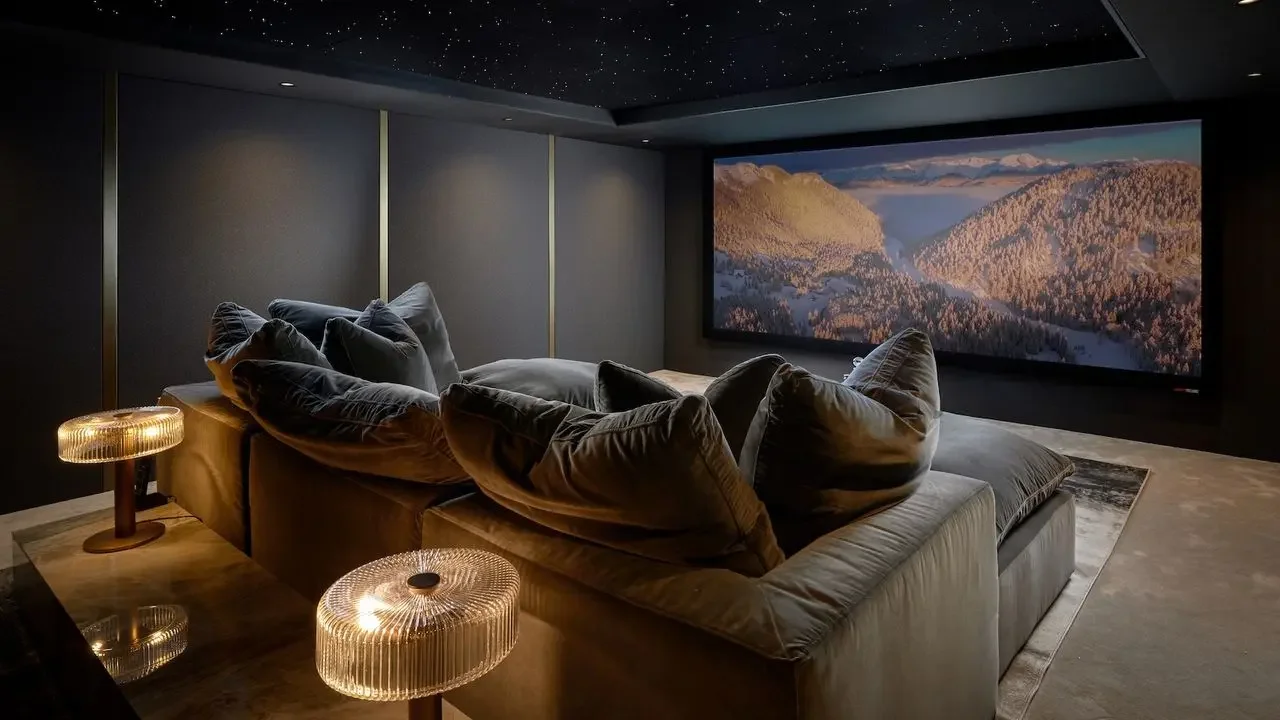
OLED has a particular kind of beauty. Turn the lights down. Put on a film. The black bars around the picture almost disappear into the darkness. Stars look like tiny points of light against an enormous black sky. That’s the magic of OLED.
Because each pixel can be controlled individually, OLED televisions can produce extremely deep blacks and excellent contrast. They also tend to deliver very fast response and strong motion performance.
Current 2026 OLED options include models such as the Samsung S95H, LG C6 and LG G6, although different independent testers reach different conclusions about which is most suitable for particular rooms and uses. And that last part matters. There isn’t one OLED that magically fits everyone.
Mini-LED Has a Different Kind of Beauty
Mini-LED is particularly interesting if you love a bright room. Instead of using individually lit OLED pixels, Mini-LED televisions use a very large number of smaller backlight LEDs divided into dimming zones.
The result can be impressive brightness and strong contrast, particularly when the television has sophisticated local dimming. The technology has also evolved quickly.
In 2026, RGB Mini-LED sets are appearing at the premium end, using separate red, green and blue LEDs in the backlight rather than relying on a conventional single-color LED arrangement. That doesn’t automatically make every Mini-LED better than every OLED. It simply gives shoppers another fascinating route.
What Size TV Should You Buy?
This is where people sometimes buy with their eyes instead of their room. A huge television sounds glamorous. Until you put it in a small room. Then you’re sitting three feet away wondering why the news anchor appears to be the size of a human building.
Instead of thinking only about the biggest screen you can afford, think about:
- Viewing distance
- Room size
- Seating arrangement
- Content quality
- Wall space
- Whether you’re mounting it
- How immersive you want films to feel
A larger screen can be wonderful when the viewing distance supports it. But bigger isn’t automatically better. The right size is the one that makes the picture feel immersive without making the room feel overwhelmed.
What If You Watch Mostly Netflix and Movies?
Then picture quality should probably sit high on your list. Look for strong contrast, accurate colors, good motion handling and support for the formats your streaming services actually use.
But here’s a question people rarely ask:
“Will I notice the difference from where I sit?”
That’s important. Television technology has reached a point where many good modern sets already look excellent.
You can spend considerably more for improvements that are visible when you know exactly what you’re looking for—but may barely matter during an ordinary Tuesday-night episode of your favorite show. Spend where your eyes will actually benefit.
What If You Love Sports?
Sports are different. A football match moves quickly. A tennis ball crosses the screen in a heartbeat. A Formula 1 car disappears around a corner before you’ve processed what happened.
Motion handling matters. Brightness matters if you’re watching during the day. Viewing angles matter if half the family is sitting around the room rather than directly in front of the screen.
This is one reason a television that looks wonderful with a slow cinematic film isn’t necessarily the perfect choice for every sports fan. The best TV for you depends on what you actually watch.
And Then There Are Gamers
Modern consoles and gaming PCs can demand much more from a television.
Look for features such as:
- HDMI 2.1
- High refresh rates
- Variable refresh rate
- Low input lag
- Strong HDR performance
- A useful gaming interface
Some current premium models support refresh rates beyond the traditional 120Hz range, while several 2026 televisions are being designed with increasingly serious gaming capabilities. But again, don’t buy a feature simply because it sounds impressive.
Ask:
“Will my console or PC actually use it?”
If not, you may be paying for a capability that sits quietly inside the television forever.
Does 4K Still Matter?
Yes but it isn’t the only thing that matters. Most serious modern televisions now target 4K resolution, and the quality of the processing, contrast, brightness, color reproduction and motion can make a bigger difference to the experience than simply seeing “4K” printed on the box.
A mediocre 4K television is still mediocre. A beautifully processed 4K image can be extraordinary. That’s why specifications should help you narrow the field, not make the final decision for you.
What About Sound?
This is the part I wish more people thought about before buying a beautiful television. A gorgeous picture with disappointing sound can make the entire experience feel strangely flat. Televisions have become remarkably thin. Beautifully thin.
Almost impossibly thin. But physics still exists. There simply isn’t much physical space inside an ultra-thin television for a huge speaker system.
If films matter to you, consider whether you’ll eventually want a soundbar or proper home-cinema setup. You don’t necessarily need one immediately. But it’s worth planning for.
Should You Buy a Premium TV?
Maybe. But here’s the uncomfortable question:
Are you buying better picture quality or simply buying the feeling of owning something expensive?
There is nothing wrong with wanting beautiful technology. A premium television can offer better processing, stronger brightness, more sophisticated panel technology, better construction and additional features.
But the difference between a $1,000 television and a $3,000 television isn’t necessarily three times the viewing pleasure.
Sometimes the middle of the market makes more sense. Sometimes you genuinely want the flagship. Both decisions can be sensible. The trick is knowing which one you’re making.
What Makes a Television Feel Luxurious?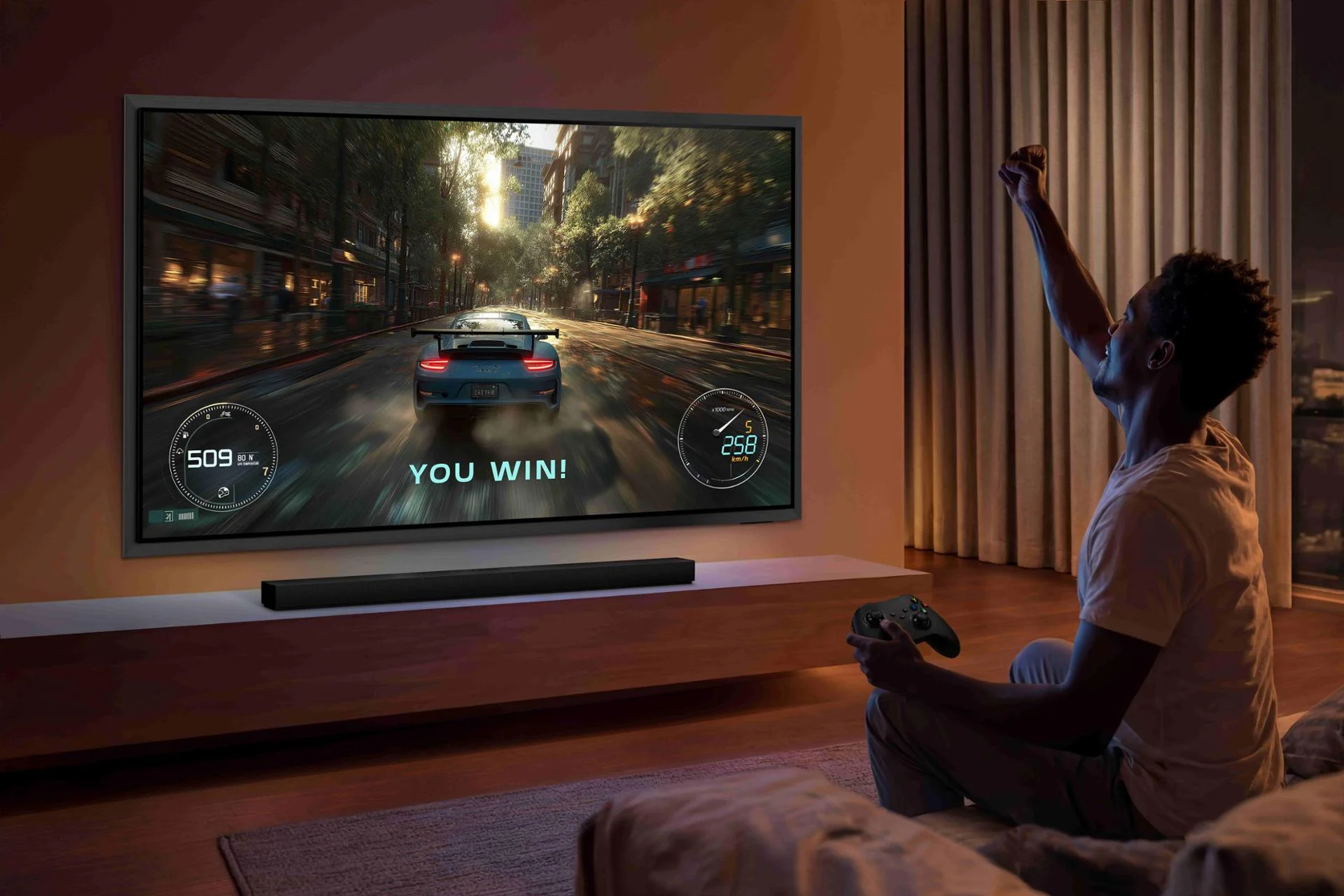
This is where technology starts touching lifestyle. A premium television isn’t only about the picture. It’s the way it sits against the wall. The thinness of the frame. The quality of the remote. The interface. The absence of clutter.
The way the screen looks when it isn’t even playing anything. The way it becomes part of the room rather than looking like a large black rectangle placed inside it. That matters in a beautifully designed home.
If you’ve spent time thinking about interiors, lighting, furniture and materials, the television shouldn’t suddenly destroy the atmosphere. It should belong.
The Television Brands Worth Watching
The premium television world currently includes familiar names such as LG, Samsung and Sony, alongside increasingly competitive brands including TCL and Hisense. But brand loyalty can become a trap.
A company can make an exceptional OLED and a less compelling budget television. Another may produce a spectacular Mini-LED while offering a different software experience.
Even within the same brand, different model lines can behave very differently. That’s why the model matters more than the logo.
Current independent testing reflects this variety, with different 2026 sets being recognized for different strengths rather than one technology dominating every category.
The Question Nobody Asks: How Long Will You Keep It?
This might be one of the smartest questions before buying. If you normally replace your television every three years, you may make a different decision from someone who wants to keep it for seven or eight years. Think about your habits.
- Are you upgrading because your current TV is genuinely limiting you?
- Or because a new model looks beautiful?
- Will you use the gaming features?
- Will you notice the brighter panel?
- Will the larger screen transform your movie nights?
- Will the design still make you happy years from now?
Technology changes quickly. Your living room doesn’t have to.
A Simple Way to Choose
Before you buy, write down five things:
- My room is: bright, mixed-light or mostly dark.
- I watch mostly: films, television, sports, gaming or a mixture.
- My ideal size is: based on viewing distance, not showroom excitement.
- I care most about: picture, gaming, brightness, design, sound or value.
- I want to keep it for: a few years or a long time.
That little exercise can eliminate a surprising number of televisions. And suddenly the decision becomes much less overwhelming.
So, What Is the Best TV?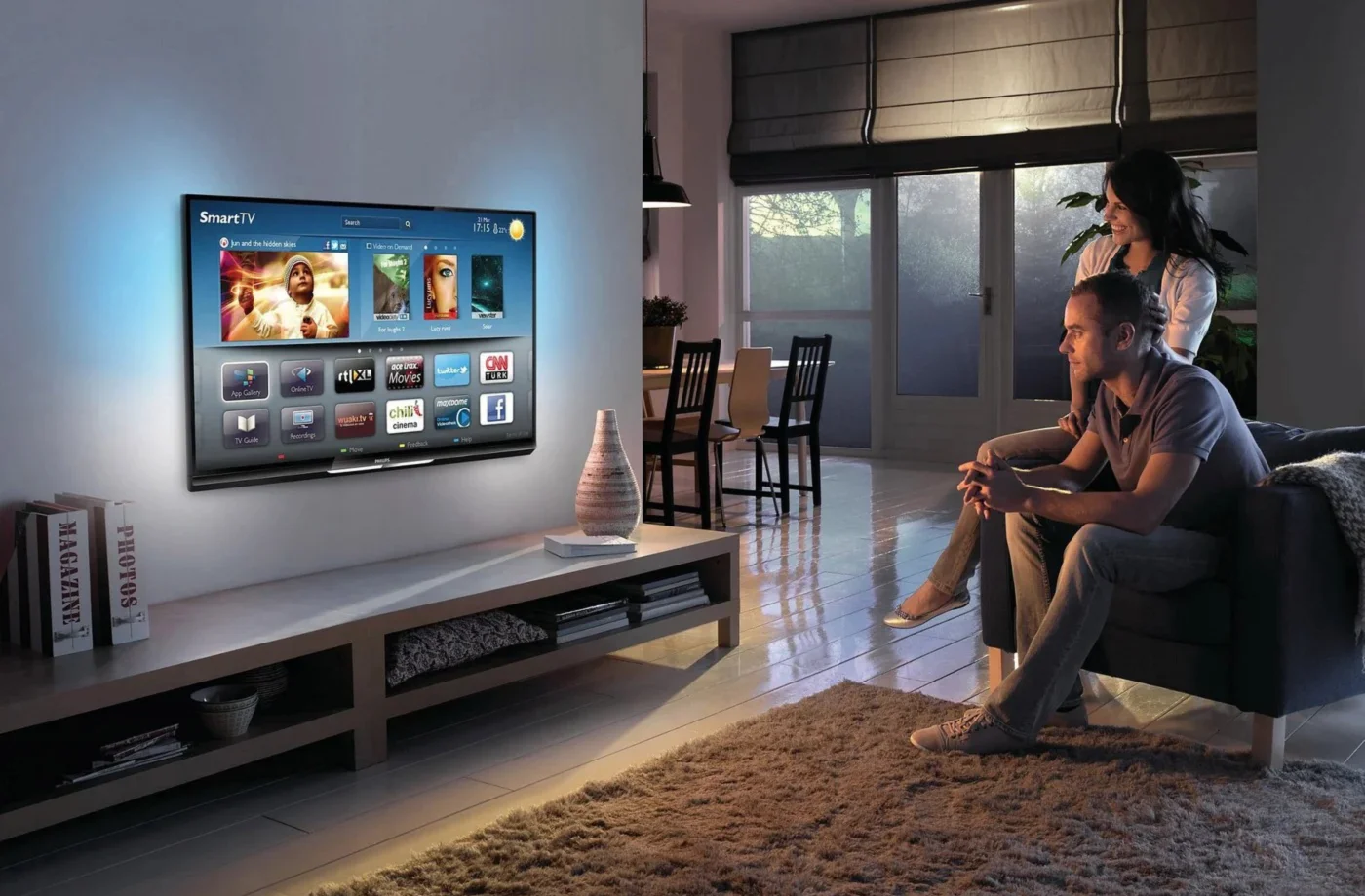
There isn’t one answer for every living room. Current 2026 testing shows OLED remains compelling for cinematic contrast and motion, while Mini-LED can make more sense in bright rooms and for shoppers who prioritize high brightness. New RGB Mini-LED technology is adding another premium option.
The better question is:
Which television makes sense for the way you live?
Maybe you want a beautifully balanced OLED for evening films. Maybe you need a bright Mini-LED because sunlight floods your room. Maybe you’re building a serious gaming setup.
Maybe you’re simply replacing an old television and want something that feels dramatically better without spending a fortune. There is no shame in any of those choices.
Because the best television isn’t the one that wins the specification battle. It’s the one that makes you reach for the remote, turn down the lights, settle into your favorite chair and forget, for a couple of hours, that you’re sitting at home.