It had passed through the collections of the great French luthier Jean-Baptiste Vuillaume. In the twentieth century, it was played by the legendary virtuoso Yehudi Menuhin.
By every measure the trade applies, it was as fine a Stradivari as survives. It was in perfect condition and had documented provenance. Musicians describe its sound in the vocabulary of wine.
When bidding closed at £9.8 million, roughly $15.9 million, the Lady Blunt became the most expensive musical instrument ever sold at auction. The price established the category’s paradox in a single number. The world’s finest objects for making music now command prices that ensure they are seldom played.
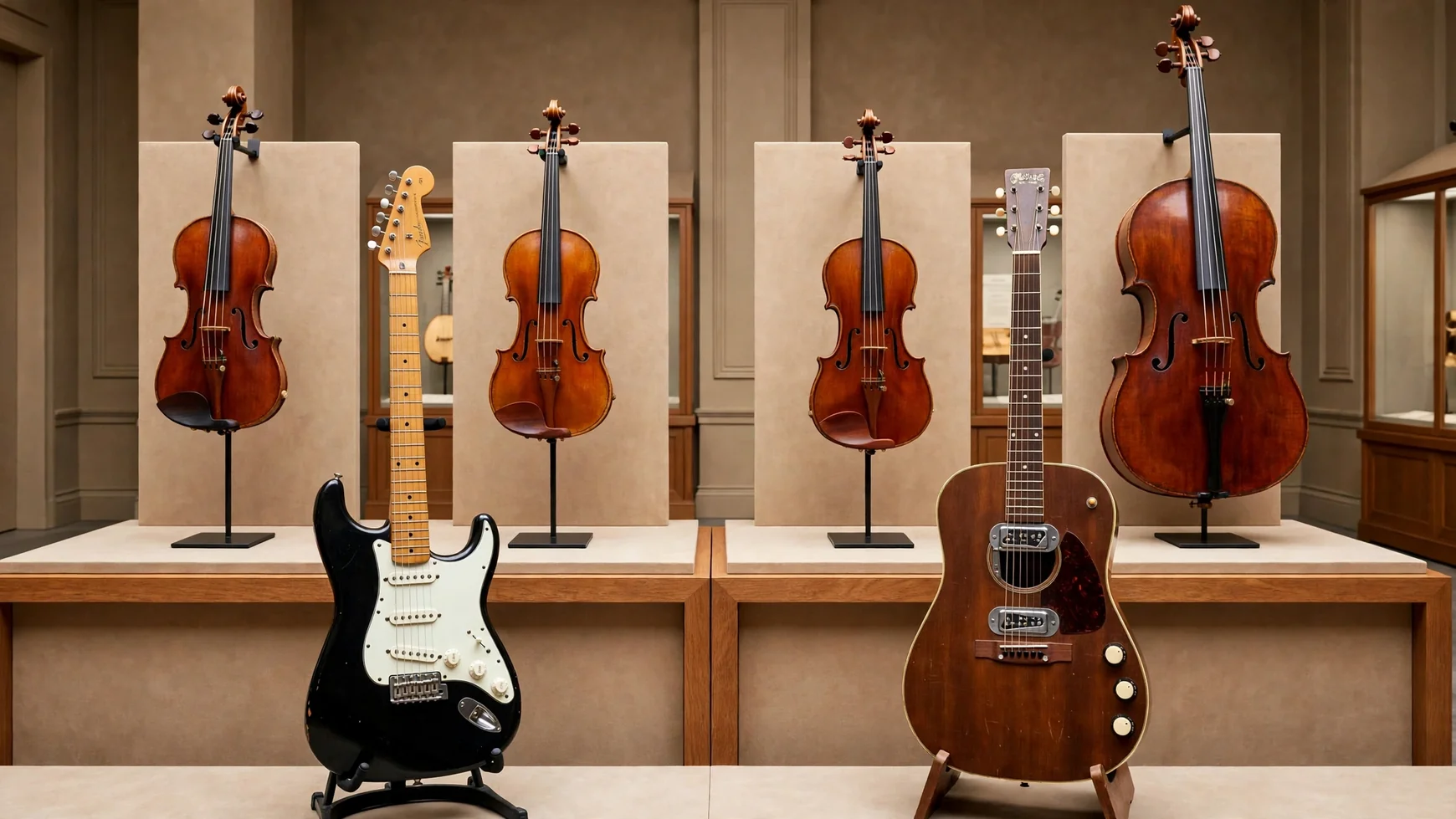
Here are the six instruments that define the summit, from the Cremona golden age to the electric guitar’s arrival as a collectible of the first rank.
1. The Vieuxtemps Guarneri del Gesù: Reported $16 Million, Private Sale
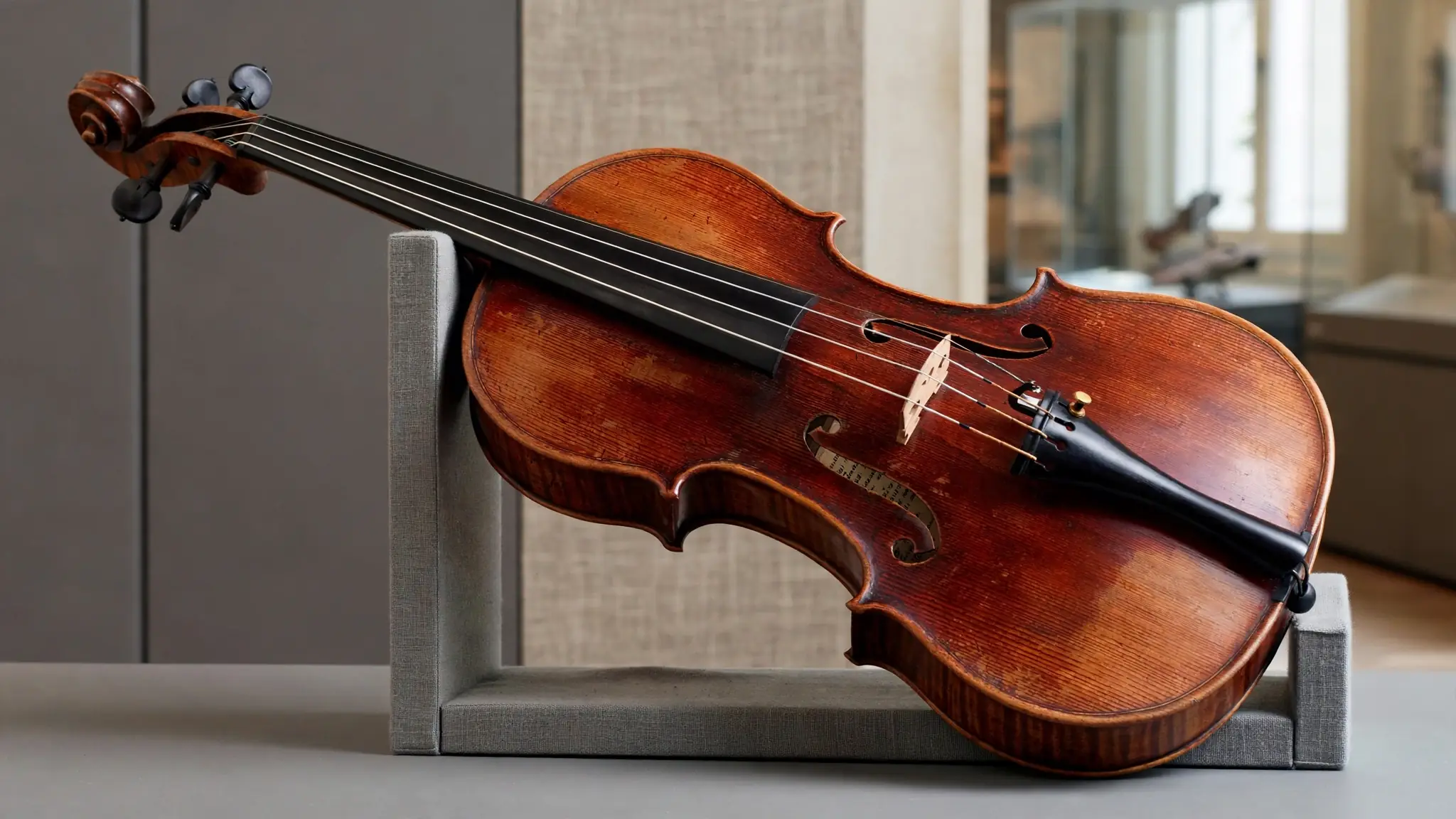
The most expensive instrument ever sold was a violin made in 1741 by Giuseppe Guarneri del Gesù. Its 2012 private sale was reported at around $16 million. Guarneri is the only luthier whose work rivals Stradivari’s.
The instrument is named for the composer Henri Vieuxtemps, and its provenance includes him. The sale’s structure was remarkable. The buyer, a collector, donated lifetime use of the violin to violinist Anne-Sophie Mutter.
This arrangement resolved the owner’s paradox. The instrument remained in concert while its value was transferred to an asset. Use for the artist, ownership for the vault, may be the category’s future.
2. The Lady Blunt Stradivari: $15.9 Million
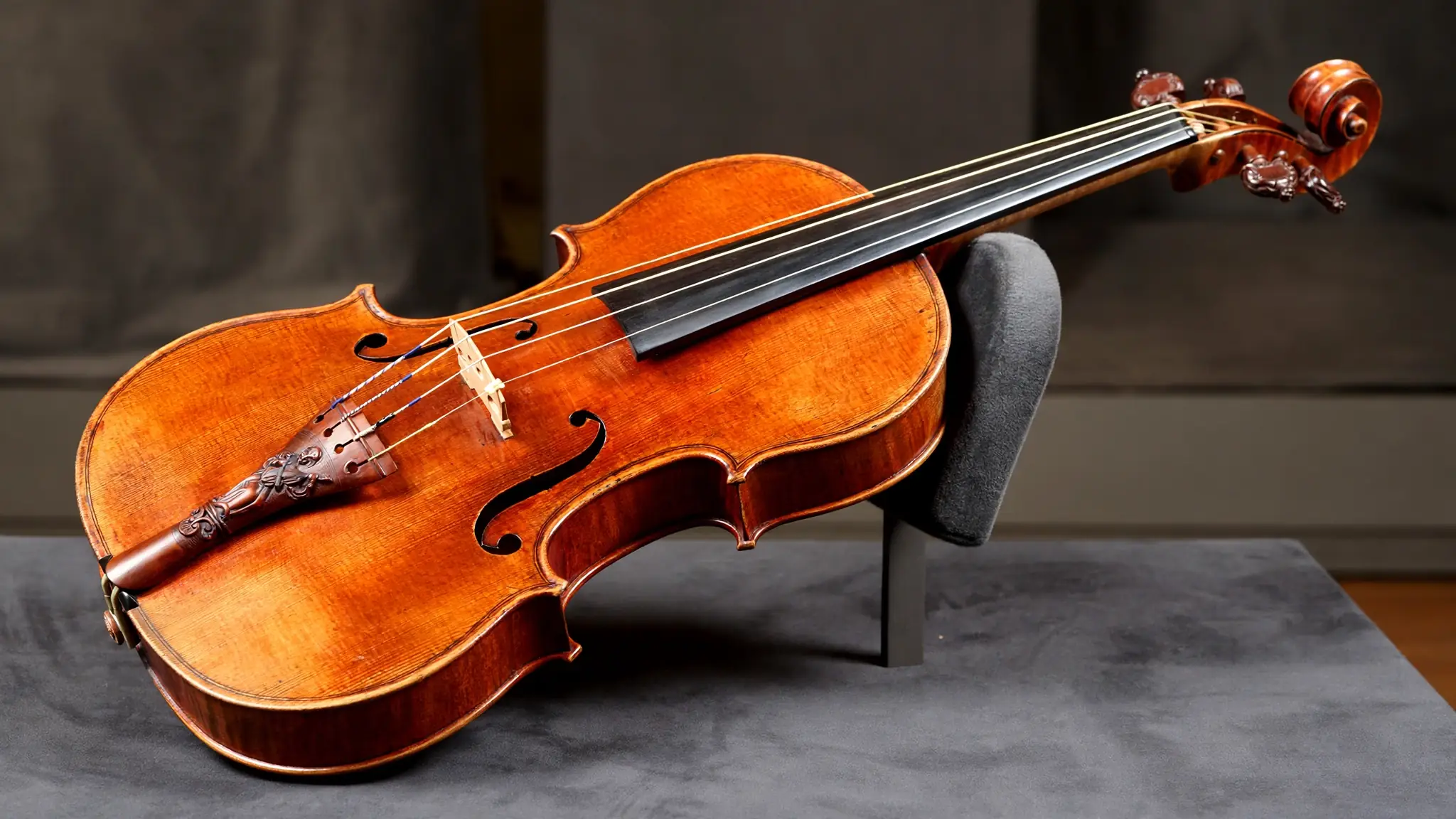
The auction record holder was sold by Tarisio in 2011 to benefit Japanese earthquake relief. This provenance detail amplified the result.
The Lady Blunt’s condition was the best of any surviving Stradivari, thanks to centuries of light use. Its connection to Menuhin added to its appeal. Together, these factors produced the perfect storm required by the trophy-instrument market.
Its price doubled the previous violin record. It also announced that instruments had joined the art market’s top tier, where eight figures are the entry ticket.
3. The Hammer Stradivari: $3.5 Million
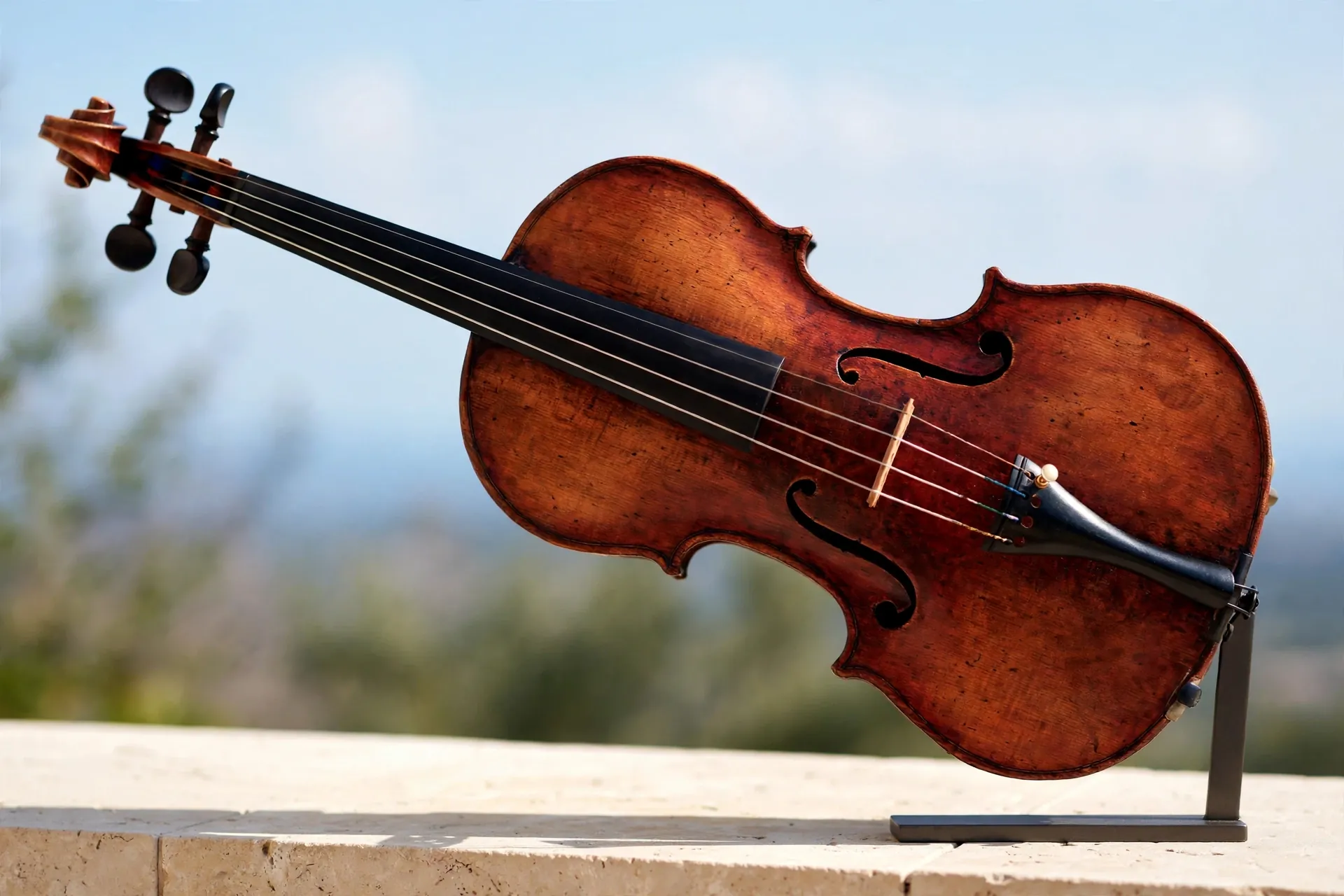
The previous record was set at Christie’s New York in 2006. It was a 1707 Stradivari from the collection of collector Christian Hammer. The violin was in fine condition and ready for concert use.
The Hammer’s price tripled expectations and established the modern instrument auction market. It proved that violins could sustain seven-figure prices as regularly as Impressionist paintings. Its sale launched two decades of appreciation that carried the category to the Lady Blunt’s record.
4. The MacDonald Stradivari Viola: $45 Million Offered
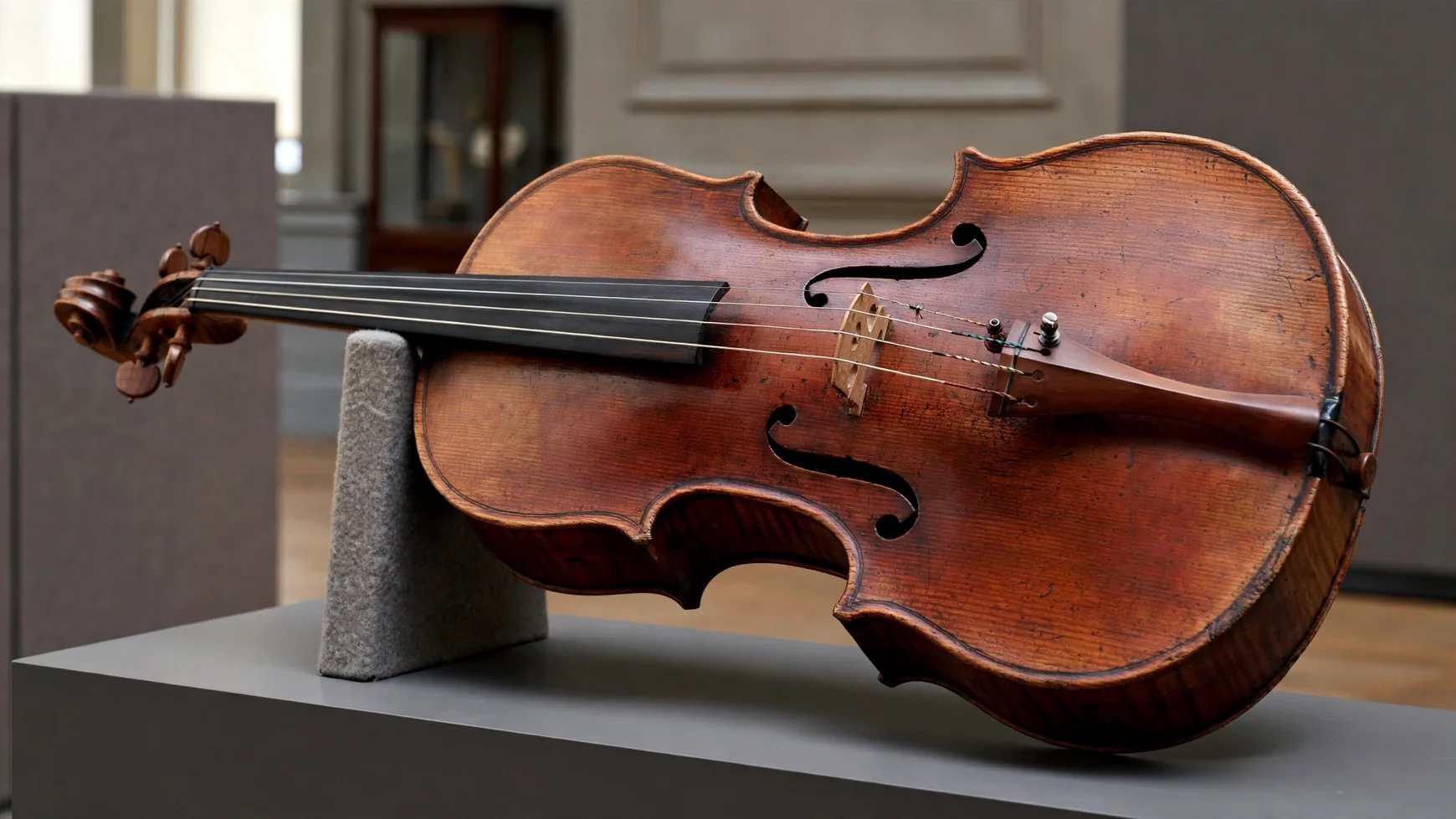
The string instrument category’s benchmark is a Stradivari viola from 1719. It is one of perhaps ten surviving examples. It was offered privately in 2014 for $45 million, but found no buyer at the time. The price still defines the ceiling the category aspires to.
The MacDonald’s story showed that violas could theoretically outvalue violins. It also illustrates the instrument market’s central tension. The price required to keep such an object is precisely the price that removes it from the concert stage forever.
5. David Gilmour’s Black Stratocaster: $3.9 Million
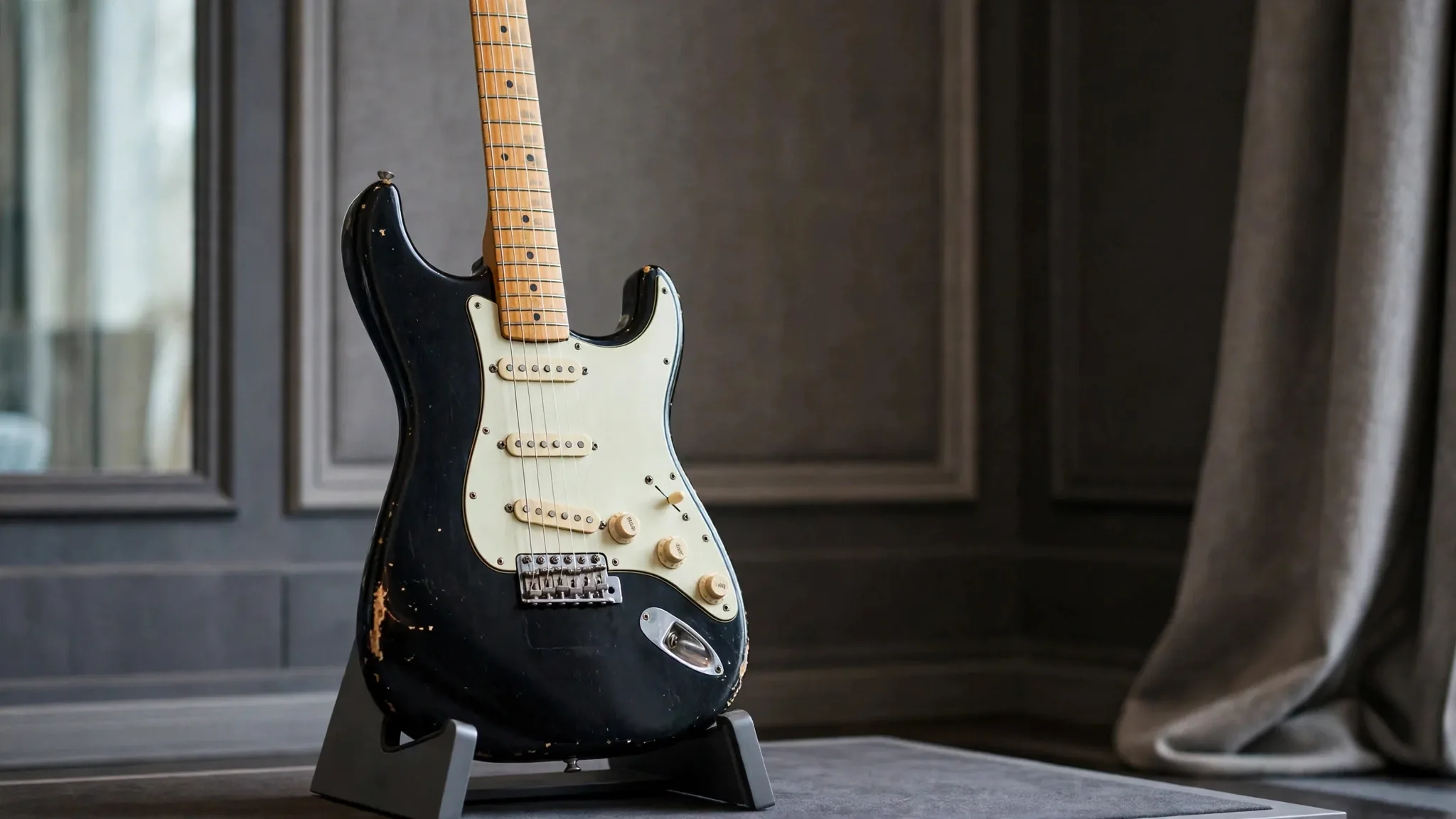
The electric guitar record was set at Christie’s New York in 2019, when the Pink Floyd guitarist sold his collection for charity. The Black Strat was the instrument behind “Comfortably Numb,” “Shine On You Crazy Diamond,” and the entire Dark Side of the Moon era.
It carried the provenance of rock’s most beloved guitar tones. Its sale established the electric guitar as a collecting category with a serious ceiling.
The charity provenance, with proceeds going to climate causes, amplified the result. But the price was the market’s own. The guitar was a cultural artifact: the machine that made the sound of a generation.
6. Kurt Cobain’s Martin D-18E: $6 Million
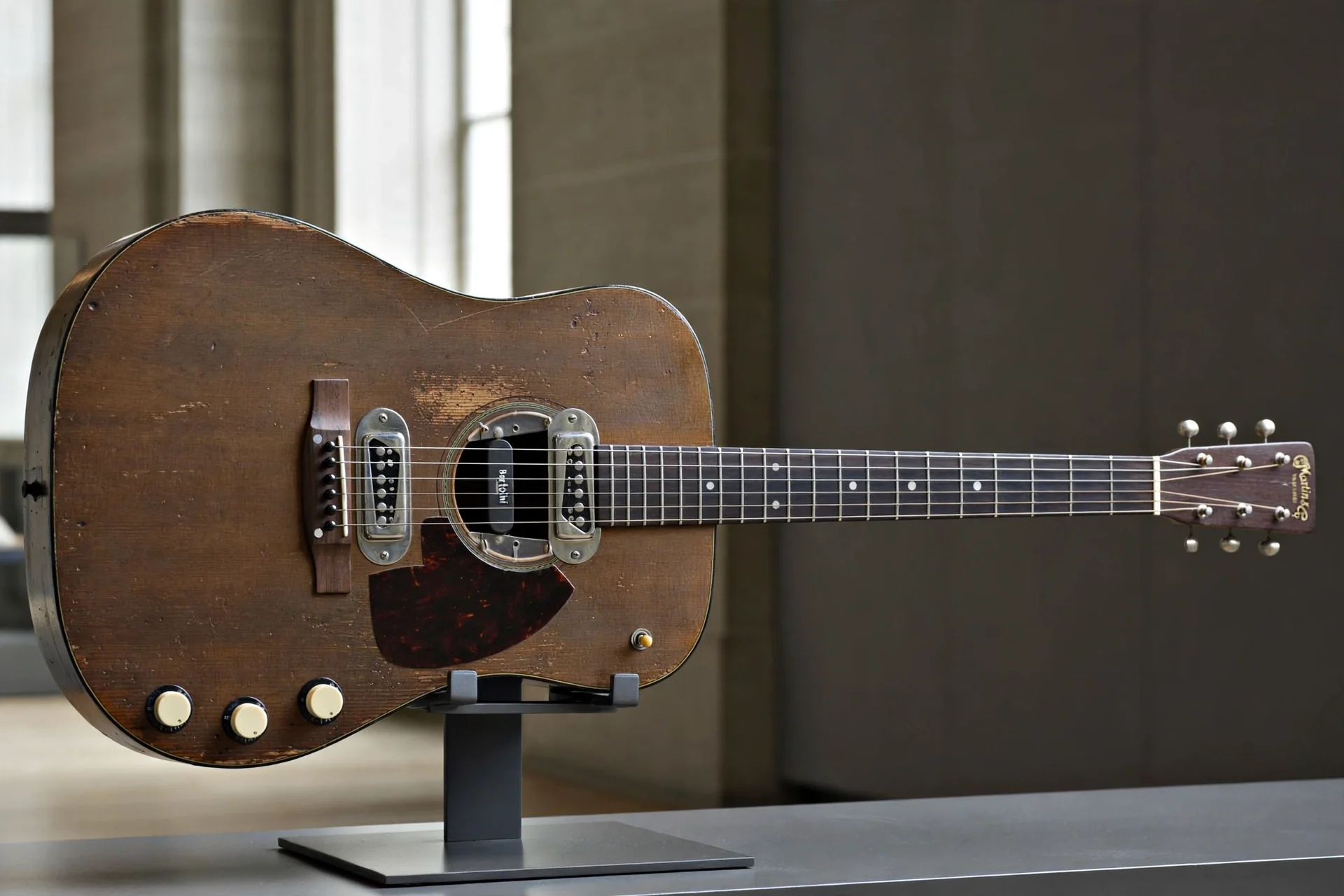
The acoustic guitar record was set at Julien’s Auctions in 2020. It was a 1959 Martin that Cobain played during Nirvana’s MTV Unplugged performance, the defining live recording of the 1990s.
The guitar had been modified for left-handed play. It also bore the wear of that final tour, making it a relic in the literal sense.
The price reflected the power of the memorial market in music collecting. An artist’s tragic ending can turn instruments into secular reliquaries.
What the Market Teaches
The six instruments reveal three observations.
The Cremona monopoly endures. Two centuries after Stradivari and Guarneri worked, their instruments still define the ceiling. No other craft category matches this completeness.
The artist’s hand now rivals the maker’s. Gilmour’s and Cobain’s guitars command prices that approach those of the classical masters. This proves that cultural authorship has entered the instrument market’s value logic.
The use paradox is deepening. The finest instruments are bought to be silent. Their music is transferred to memory while their value compounds in vaults.
The resolution proposed by the Vieuxtemps sale may be the only ending this market’s paradox permits: ownership to the collector, voice to the artist.
FAQs
What is the most expensive musical instrument ever sold?
The Vieuxtemps Guarneri del Gesù, in a 2012 private sale reported around $16 million, with lifetime use granted to Anne-Sophie Mutter. At auction, the Lady Blunt Stradivari holds the record at $15.9 million from 2011.
Why are Stradivarius violins so expensive?
Around 650 survive, perhaps 500 playable, and their tonal qualities, attributed to wood, varnish, and craft secrets lost to time, remain the benchmark three centuries later. Supply is fixed, provenance is documented, and the greatest examples approach the condition of the day they left Cremona.
Are the most expensive violins still played?
Increasingly rarely: at eight figure prices, insurance and risk keep the finest instruments in vaults. The Vieuxtemps arrangement, donor ownership with artist use, is the market’s emerging answer to the paradox.
What is the most expensive guitar?
Kurt Cobain’s Martin D-18E from the Unplugged performance, sold for $6 million in 2020, the acoustic record. David Gilmour’s Black Stratocaster holds the electric record at $3.9 million from 2019.
Do instruments appreciate as investments?
The top tier has appreciated steadily for two decades, with the violin market’s blue chip index among the most consistent of any collectible. The market is illiquid and expertise dependent, but the trajectory of the finest examples has rewarded patient capital.
What is the most expensive viola?
The MacDonald Stradivari of 1719, offered privately at $45 million in 2014, the ceiling the category aspires to. Its non sale at that price revealed the market’s outer limit at the time.
How are instruments authenticated?
Through dendrochronology, varnish and wood analysis, documented provenance, and the certification of the great dealers and auction houses. The finest instruments carry continuous histories from maker to present, and gaps in provenance destroy value.
Will the record be broken?
Likely: the Lady Blunt’s record has stood since 2011, longer than any previous benchmark, and the accumulated appreciation of two decades suggests the next great Stradivari or Guarneri to surface will test a new ceiling.