In 1914, six brothers named Maserati opened a workshop in Bologna to build racing components. One of them, Mario, designed the logo using inspiration from the fountain of Neptune in the city’s Piazza Maggiore. It featured a trident, the sea god’s weapon, promising power from the depths.
The brothers could not have known that their name would outlive nearly every Italian rival of their era. Nor could they have imagined that the trident would pass through more corporate hands than almost any marque in history, while never quite losing the identity those first Bologna years gave it.
Maserati is the great survivor of Italian motoring, a century old and still racing.
Here is the story of the Trident: the racing glory, the corporate odyssey, and the rebirth that has made Maserati the most interesting quiet story in the industry.
The Brothers and the Early Glory
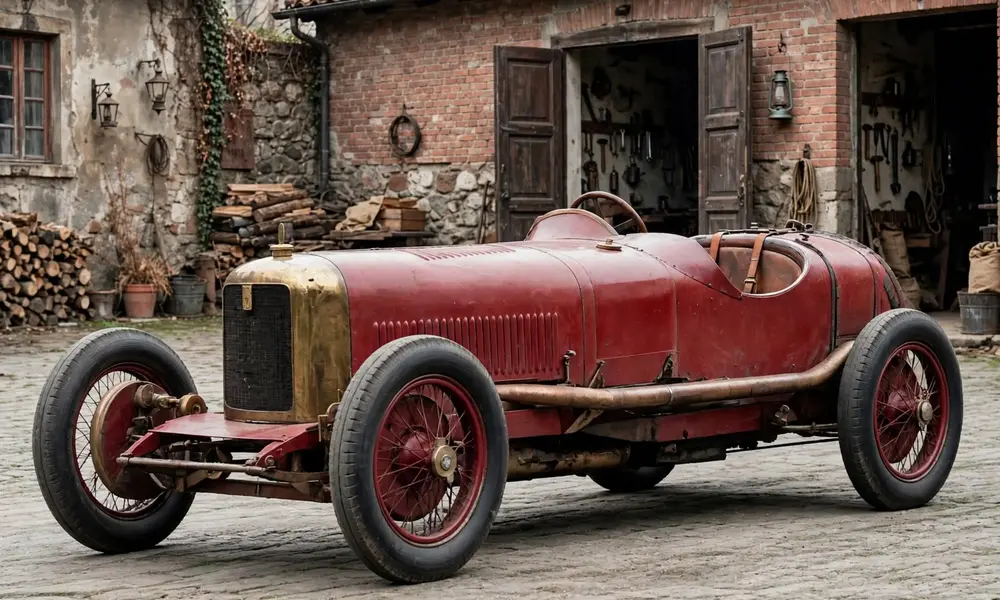
The Maserati brothers were engineers first, and the company’s early products were pure competition machines. The Tipo 26 of 1926, driven by Alfieri Maserati, gave the marque its first Grand Prix victory.
The 8CTF of the late 1930s, dubbed the Boyle Special after its American sponsor, won the Indianapolis 500 twice, in 1939 and 1940. This made Maserati the only Italian marque ever to win at the Brickyard.
The brothers sold the company to the Orsi family in 1937 and moved to Modena. There, they produced the A6 grand tourers, which established the postwar Maserati formula: racing engines wrapped in elegant grand touring bodies. This combination would define the marque’s road cars forever.
The Fangio Era
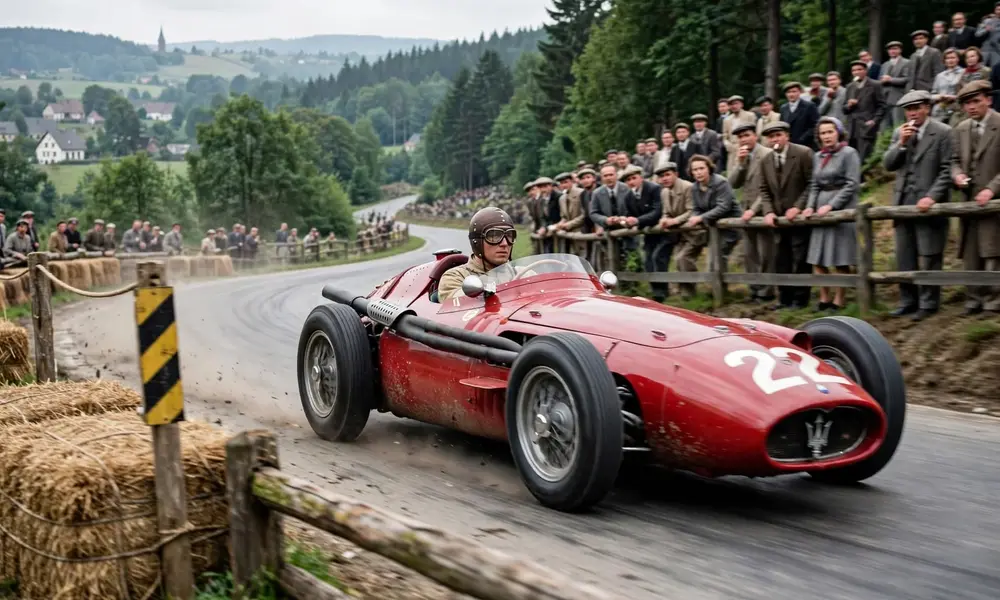
The 1950s produced Maserati’s golden age. The A6GCS and 300S sports racers competed at the world’s great circuits. The 250F Grand Prix car also became one of the most beloved racing machines ever built.
In 1957, Juan Manuel Fangio, the Maestro, won his fifth and final world championship in a 250F. The season included the car’s most famous drive at the Nürburgring. A botched pit stop dropped Fangio nearly a minute behind, but he fought his way back, unlapped himself, and set lap records to win. He later called it his greatest drive.
The 250F was the most available Grand Prix car of its era, with sales to privateers spreading the Maserati name across the world’s circuits. It established the template of the gentleman racer’s Maserati that the road cars would follow.
This racing heritage also connects with the story of Jaguar’s history and iconic racing legacy, another British marque shaped by its success on the world’s circuits.
The Grand Tourers and the Corporate Odyssey
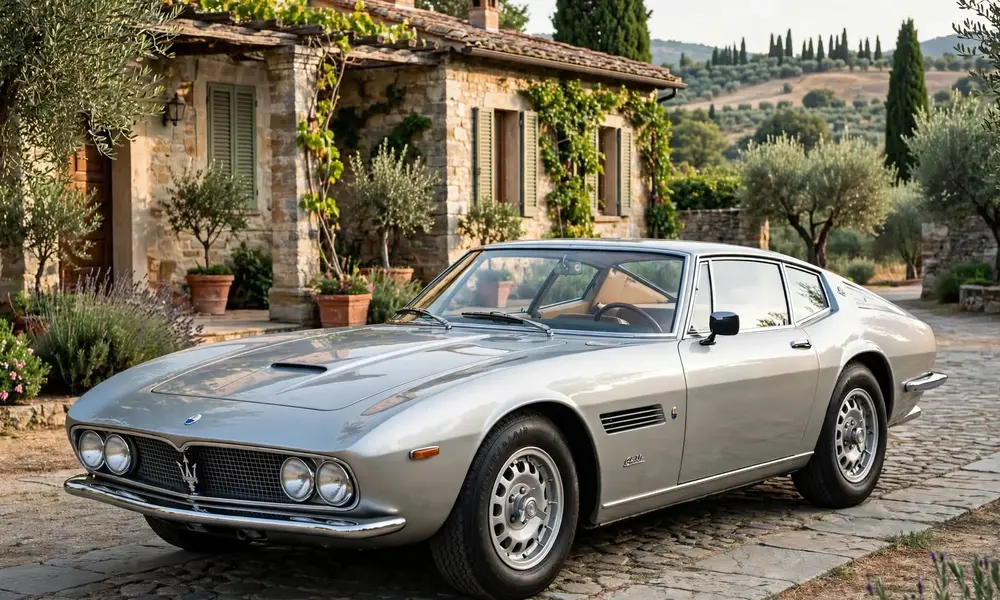
The road car tradition produced the 3500 GT of 1957, the marque’s first series-production grand tourer. It was followed by the Sebring, the Mistral, and the Ghibli of 1966, each a front-engined V8 coupe combining elegance and speed.
The Quattroporte of 1963 invented the super-sedan category. But the corporate history was far less straightforward.
Citroën took control in 1968, bringing hydraulic expertise and the SM experiment. The 1970s oil crisis bankrupted the partnership, and De Tomaso absorbed the company. Fiat took over in 1993, followed by Ferrari’s management from 1997. During that period, Maserati built the 3200 GT and the fifth-generation Quattroporte with Ferrari engines.
Since 2005, Maserati has sat within Stellantis, where its current rebirth is funded. Through every owner, the trident’s identity somehow survived each translation: a racing soul wrapped in grand touring elegance.
The Rebirth and the MC20
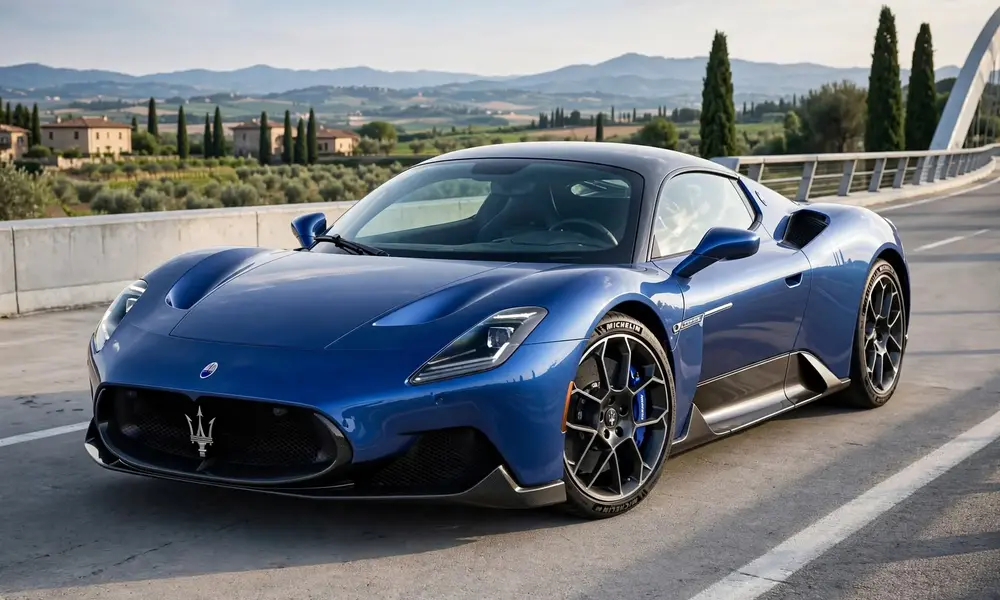
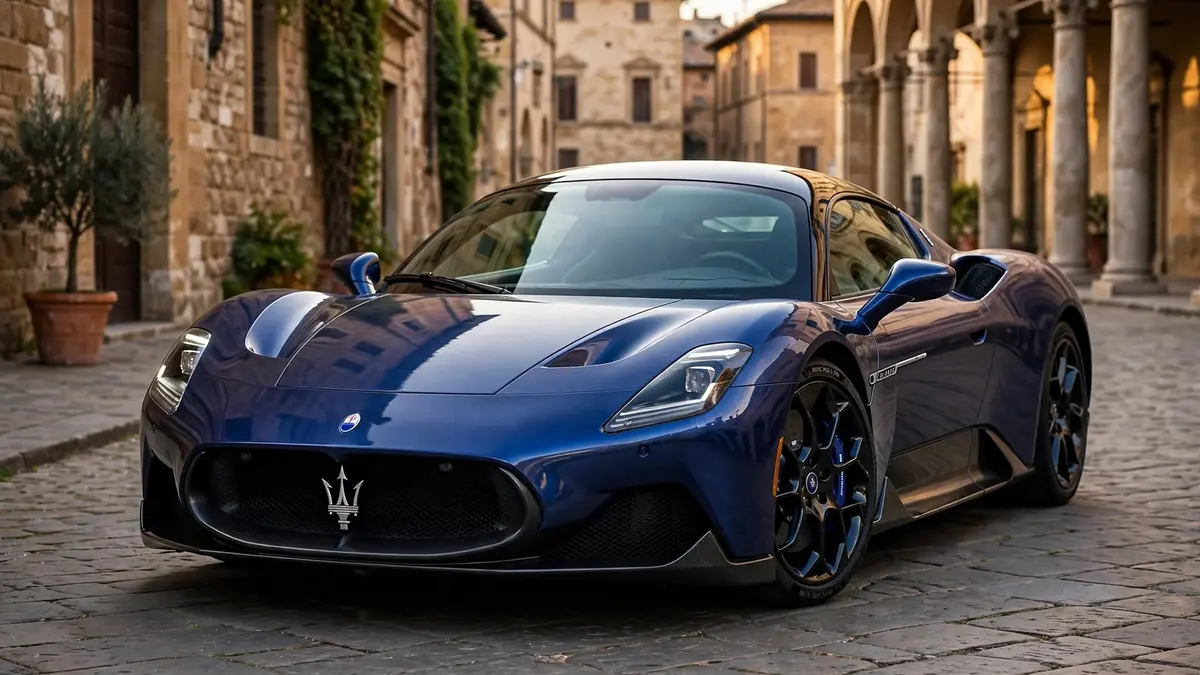
The modern Maserati has executed the cleanest reinvention in its history. The MC20 supercar of 2020, powered by a new Nettuno V6 engine with pre-chamber combustion technology derived from Formula 1 thinking, restored the marque to the supercar conversation after decades of sedan and SUV volume.
The Folgore electric line, beginning with the GranTurismo Folgore, carries the trident into the electric era. The return to Formula 1 as a power unit supplier, announced for the late 2020s, completes the circle to the brothers’ founding purpose.
A century after the Bologna workshop, Maserati is racing again and building supercars again. It is telling its story again, which is the only thing it has ever really known how to do.
FAQs
1. Who founded Maserati?
The six Maserati brothers, opening a Bologna workshop in 1914 to build racing components. Alfieri drove the company’s first Grand Prix winner, the Tipo 26 of 1926.
2. Why is the logo a trident?
Designed by Mario Maserati from the Fountain of Neptune in Bologna’s Piazza Maggiore, the trident references the sea god’s power and the city of the company’s birth.
3. What was the 250F?
The Grand Prix car of the 1950s, among the most beloved racing machines ever built, in which Juan Manuel Fangio won his fifth world championship in 1957, including his legendary comeback drive at the Nürburgring.
4. Has Maserati won Indianapolis?
Yes, uniquely among Italian marques: the 8CTF, the Boyle Special, won the Indianapolis 500 in 1939 and 1940, back to back victories that remain part of the race’s lore.
5. What is Maserati’s most famous road car?
The Ghibli of 1966 and the 3500 GT before it define the grand tourer tradition, while the MC20 of 2020 restored the supercar credentials. The Quattroporte of 1963 invented the super sedan category.
6. Who owns Maserati today?
Maserati operates within Stellantis, the group formed from the merger of Fiat Chrysler and PSA, after passing through Orsi, Citroën, De Tomaso, and Ferrari management across the 20th century.
7. Is Maserati returning to Formula 1?
The marque has announced a return as a power unit supplier for the new engine era of the late 2020s, completing a circle to the brothers’ founding racing purpose after more than sixty years away from Grand Prix racing.
8. What is the MC20?
The 2020 supercar powered by Maserati’s new Nettuno V6 with pre chamber combustion technology, the car that restored the trident’s supercar credibility and anchors the marque’s current rebirth.
Disclaimer: This content is for informational purposes only and reflects our personal opinions and experiences. We just love to write and share what we know and research.