
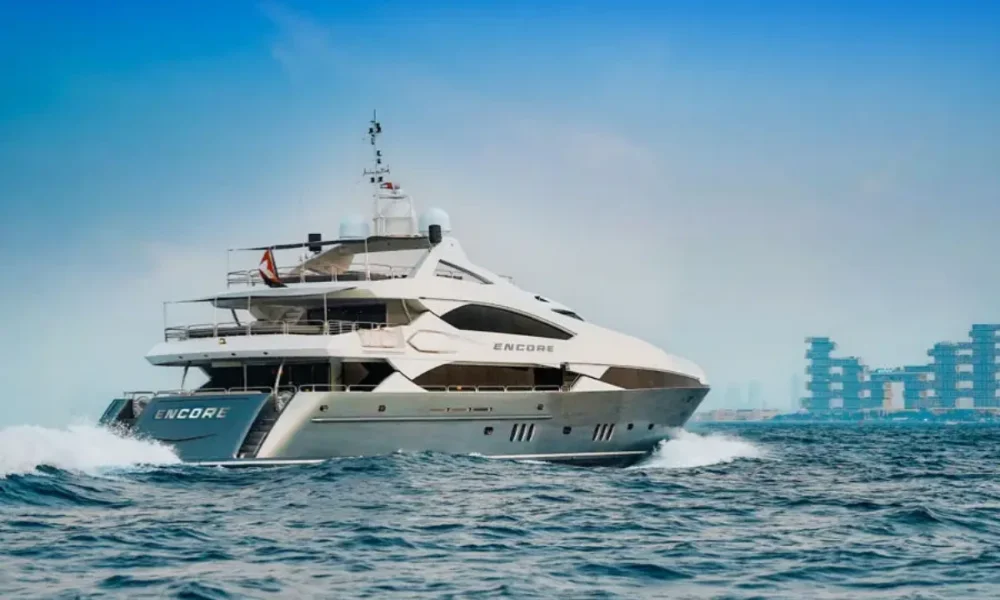
Nobody talks about the part that comes right before you book a superyacht charter to have a luxury yacht experience. The part where you have already spent fifteen years collecting the best of everything, and none of it quite does what you thought it would do. The Maldives overwater villa was stunning for about forty-eight hours before you realized the beach was a ten-minute boat ride away and they stopped serving dinner at ten. The cruise ship, the one you splurged on because someone called it ultra-luxury, had two thousand other people on it and a buffet that could seat four hundred.
That is when people start Googling things like “private yacht travel” and “luxury yacht experience” and stumbling onto numbers that make them close the browser immediately. A million dollars. For a week. On a boat.
Except it is not really a boat. And once you understand what that money actually buys, the number stops feeling offensive and starts feeling, to the right kind of person, almost logical. This article walks through the real breakdown, without the glossy brochure language, because you have read enough of those already.
The Honest Problem with Five-Star Everything
Here is something the hospitality industry does not love admitting: almost every luxury product you can buy is still a shared product. Your private villa has a concierge who is also fifteen other guests’ concierge. Your butler disappears at 10pm. The spa you wanted to book at 9am on Saturday was full by Tuesday of the previous week. The private beach is private in the same way that a business class cabin is private, which is to say, not particularly.
The luxury yacht experience breaks that pattern at the root. Not because yachts are flashier or come with nicer thread counts, but because the ownership model is completely different during your charter. For that week or two, the vessel belongs to your group. The captain works for you. The chef cooks for you. There are no other guests to diplomatically avoid at breakfast. Nobody is getting the better cabin because they booked three months earlier.
People who have done both, high-end resort travel and private yacht travel, almost always say the same thing afterward. The yacht felt like the first time they actually got what they were paying for. Not in a smug way. More like relief.
Yacht Charter Cost: The Real Math Behind the Million-Dollar Number
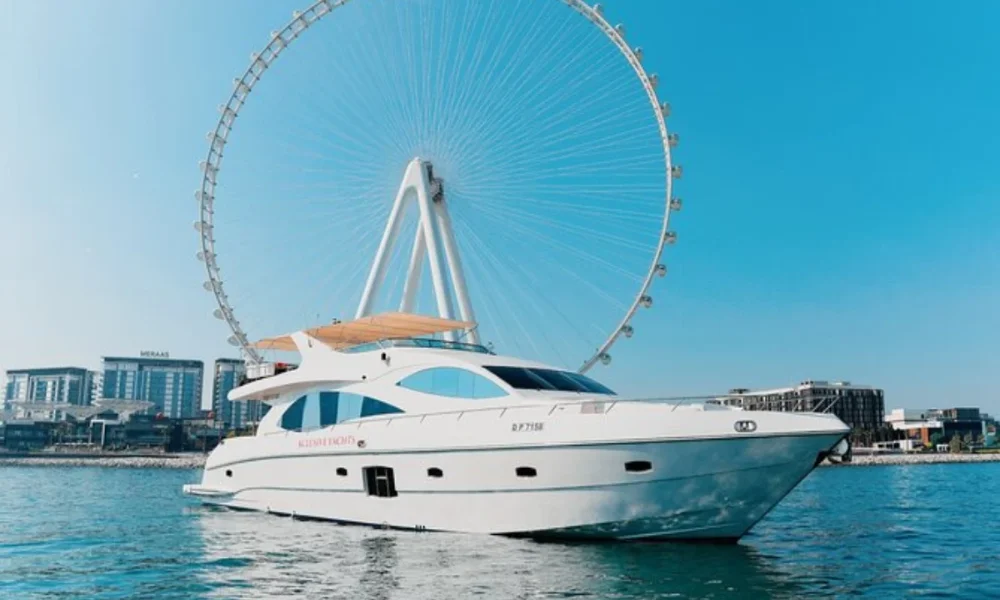
A million-dollar charter week typically puts you on a superyacht somewhere between 150 and 200 feet long, with a crew of twelve to eighteen, sleeping ten to twelve guests across five or six staterooms. That is the rough shape of luxury yacht experience. But the yacht charter cost breakdown is where most first-timers get caught off guard.
The Base Fee Is Just the Starting Point
Brokers quote something called the base charter fee, and it is genuinely just the base. The industry standard, set by the MYBA (Mediterranean Yacht Brokers Association), is that guests budget an additional 30 to 40 percent on top of that figure to cover what the contract calls APA, the Advance Provisioning Allowance. Think of APA as the operating budget for your trip, settled at the end based on what was actually spent.
A realistic breakdown of what eats into that additional 30 to 40 percent:
- Fuel, often the biggest single variable. A 180-foot motor yacht burning aggressively can go through $40,000 to $60,000 worth of diesel in a week if you are moving around a lot. Anchoring more and motoring less is one of the few places guests can meaningfully influence the bill.
- Port and marina dues in the Mediterranean, particularly in places like Monaco, Porto Cervo, or Capri, where a berth for a large superyacht can run several thousand euros per night.
- Food and drink provisions, built around your preference sheet. A group that drinks serious wine will spend more than a group that drinks beer. Neither is wrong, but the difference shows up clearly at settlement.
- Crew gratuity, which is not optional in luxury yacht experience practice even if it is not written into the contract. Industry standard is 15 to 20 percent of the base charter fee, paid at the end of the trip if the crew delivers.
- Water sports, communications, satellite internet, and any shoreside experiences the crew arranges on your behalf.
So a vessel listed at $680,000 for the week lands all-in somewhere between $900,000 and $1,050,000 depending on how you travel. A broker who leads with the base fee and mentions the rest only in footnotes is not someone who is working in your interest.
What the Yacht Actually Looks Like from the Inside
There is a version of this luxury yacht experience that reads like a hotel brochure, and then there is the version that actually tells you something. The master cabin on a superyacht at this price point is larger than a lot of New York apartments. Not figuratively. The king bed sits in the middle of a room with full standing headroom, a walk-in wardrobe on both sides, and an en-suite bathroom that usually has both a soaking tub and a separate shower, sometimes a sauna. Guest staterooms are smaller but not by as much as you would expect, each with its own private bathroom and enough storage that you never live out of your suitcase.
The common areas are where the vessel earns its money. There is typically a main salon for dining and evening socializing, a sky lounge or cinema setup one level up, a forward sun deck for reading or napping, an aft deck for outdoor dining, and a beach club at the stern where the water toys come out. Depending on the specific yacht, you might also have a jacuzzi, a proper gym, and a dedicated office or communications suite.
The Toy Garage: More Than a Marketing Term
Most guests who have not chartered before underestimate how thoroughly the water sports situation changes the shape of the day. A superyacht in this price range carries what crews call the toy garage, stored in a dedicated space in the hull and deployed whenever someone asks. The contents vary by vessel, but a well-equipped charter yacht at this level typically carries two or three tenders for shore trips, jet skis, paddleboards, kayaks, snorkel and dive gear, and often a certified dive instructor on the crew roster.
Higher-end vessels are now adding foiling hydrofoil bikes, electric surfboards, and in some cases, a two-person submersible. This is not something you negotiate for as an add-on. It comes with the boat. And it changes what a Tuesday afternoon at anchor looks like in a way that is genuinely difficult to communicate until you have been there.
The Crew: Why This Part Matters More Than the Hardware
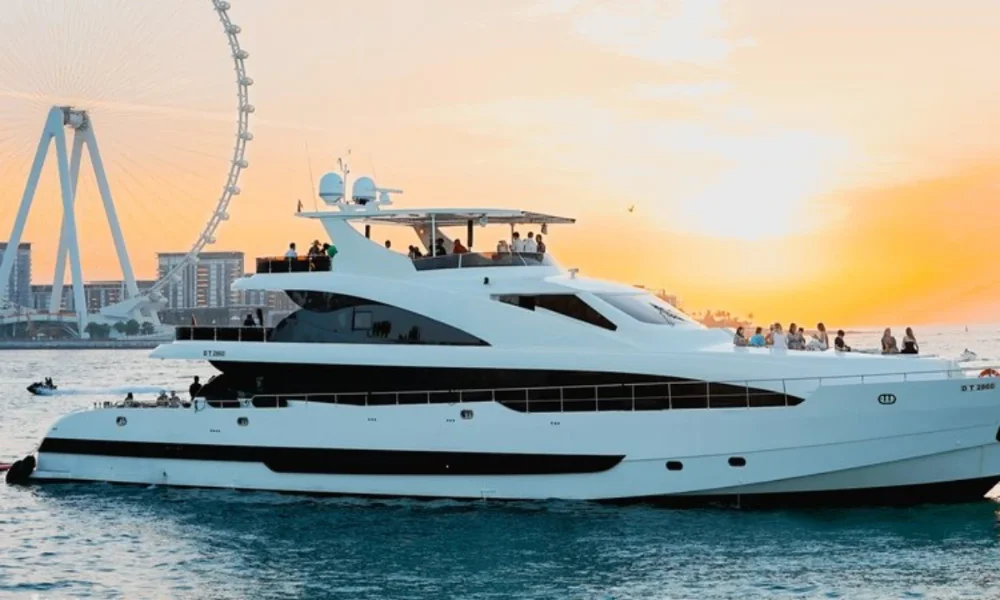
Read almost any superyacht article and the crew section gets half a paragraph, usually something about attentive service and professional staff. That framing undersells it by a significant margin. A crew of fifteen people serving twelve guests means you are operating at something close to a one-to-one ratio. For context, a five-star hotel considers a one-to-three staff-to-guest ratio exceptional. On a well-crewed superyacht, the ratio is inverted to luxury yacht experience.
The captain handles navigation and keeps you safe. The first officer assists. The chief engineer keeps the systems running without you ever knowing there were systems. The chief stewardess manages the interior and the other stewards. The deckhands handle the lines, the tenders, the dive equipment. And then there is the chef.
The Chef Situation, Which Deserves Specific Attention
Before your charter starts, you fill out a preference sheet. This document goes into more detail than most people expect when they first see it. Favorite cuisines. Dietary needs. The wines you drink at home. The breakfast you want on a slow morning versus the one you want when you are in a hurry to get in the water. Snacks the kids actually eat. The spirit you like at 6pm. The chef reads this document and then builds your entire week around it.
Breakfast comes when you want it, wherever on the boat you want it. Lunch at anchor in a quiet cove is standard procedure. If you spend the morning diving and come back hungry at 1:30, lunch is ready at 1:30. The chef is not waiting for a set service window. The chef is waiting for you. Evening meals on superyachts at this tier are genuinely comparable to serious restaurants, the kind you plan trips around. You are eating them in your swimwear with an anchorage view that no restaurant in the world can match.
Private Yacht Travel and the Itinerary Question
The most common misunderstanding people carry towards luxury yacht experience into their first superyacht inquiry is that a charter works like a cruise, meaning you follow a fixed route and stop where the schedule says you stop. Private yacht travel is built on a completely different logic. You agree on a general framework before departure, a rough collection of anchorages and ports that make sense for the time of year and the region you are in. Then the charter starts, and that framework becomes a suggestion rather than a contract.
You wake up somewhere beautiful and decide you want to stay another day. You stay. Someone in the group mentions a village on the next headland that they read about years ago and always wanted to see. The captain pulls up the charts. You go. The itinerary is a live document, not a printed boarding pass.
Where People Actually Go on Million-Dollar Charters
The Mediterranean from May through October is where most first-time charterers at this budget begin, and for good reason. The French Riviera, the Amalfi Coast, the Aeolian Islands, the Greek Cyclades, and the Croatian coast between Dubrovnik and Hvar all offer a combination of scenery, food culture, and port access that is hard to rival anywhere in the world. Late September into early October is often the best window: the water is still warm from the summer, the crowds have thinned out, and the prices come back down slightly from peak.
The Caribbean from November through April is the other anchor of the charter market. St. Barts, the BVI, Antigua, and the Grenadines each have loyal followings for different reasons. The Grenadines in particular, specifically the stretch from Bequia down to Tobago Cays, remains one of those places that feels genuinely remote even during peak season.
Southeast Asia, Raja Ampat in West Papua and the Mergui Archipelago in Myanmar in particular, is where the more adventurous charter guests have been heading in the last several years. The marine life is extraordinary in ways that the Mediterranean simply cannot match. The infrastructure is thinner, which means the experience requires more trust in your crew, but the reward for that trust tends to be memorable.
How to Choose a Yacht Without Getting This Wrong
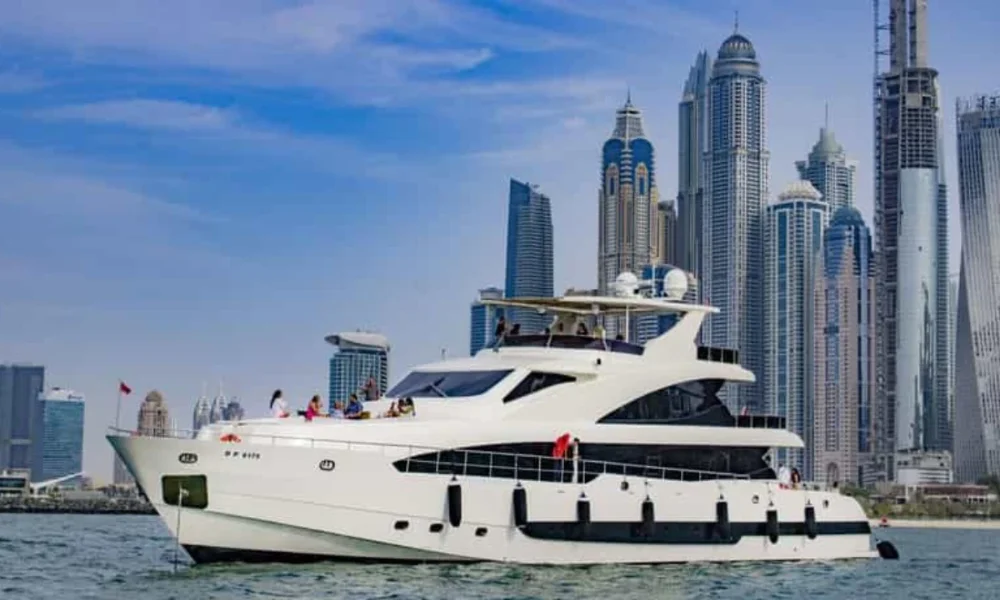
The superyacht charter market has no single governing authority, which means the quality spread between a good charter experience and a disappointing one is wider than it should be. The vessel matters. The crew matters more. And the broker is the piece that most people underestimate at the research stage.
Working with a MYBA-registered broker is worth treating as a baseline, not a differentiator. Beyond that, ask to see charter guest reviews specifically, not testimonials the owner wrote about the vessel, but reviews left by previous charter groups about the actual experience. Ask when the yacht was last refitted and what the scope of work covered. A ten-year-old vessel that came out of a major refit eighteen months ago can be a significantly better choice than a newer boat that has been run hard without attention.
Ask the broker what the diesel consumption rate looks like at cruising speed, because this number directly affects your fuel bill and nobody volunteers it unless you ask. Ask about the captain’s specific knowledge of the region you are targeting. A captain who has spent three seasons working the Greek islands knows things about anchorages, weather windows, and local suppliers that no guidebook captures. That knowledge changes the quality of the trip.
A Day on the Water: What It Actually Feels Like
Most people, when they try to imagine a charter week, picture the highlight reel: the arrival in port, the sunset drinks, the anchorage in some turquoise bay. What they do not picture is the ordinary Tuesday, which turns out to be the real argument for why the luxury yacht experience holds up the way it does.
You wake up without an alarm because nobody is knocking on the door to remind you that breakfast service ends at ten. Coffee appears because the stewardess knows you are awake, not because you called for it but because she pays attention to the sounds of the boat in the morning. The anchorage outside the porthole is somewhere between two headlands, chosen the night before because the captain knew it would be protected from the afternoon wind.
By mid-morning the tender is in the water with snorkel gear loaded. Two people take a jet ski out. The divemaster is gearing up in case anyone wants to go down. Lunch comes at anchor an hour and a half later. Nobody moved the yacht to get to a restaurant. The restaurant came to the yacht, more or less, because the chef spent the morning turning whatever was freshest into something worth sitting down for.
The afternoon stretches in the way that afternoons do not stretch anywhere else. Some people read. Some sleep. One person takes the kayak and paddles along the cliff line for a while. Around 4pm the engines turn over and the yacht moves to the next anchorage, which is maybe twenty minutes away or maybe two hours away depending on where you decided you wanted to wake up tomorrow. Sundowners happen on the bow. Dinner follows when the group is ready. Then the night, which on a superyacht at anchor is quieter than almost anywhere on land, because there is nothing out there but water.
That is the ordinary Tuesday. Multiply it by seven, with different anchorages and different moods and whatever specific thing your group cares about, and you start to understand why the people who do this once tend to come back.
For anyone still mapping out the broader landscape of yacht and cruise options before committing to a specific tier, the Yachts and Cruises guide at Pravi Celer covers the full range, from boutique sailing charters to full superyacht programs, with enough detail to help you figure out where on that spectrum you actually belong.
Questions People Actually Ask Before Booking
How much does a luxury yacht charter cost per week?
Entry-level crewed luxury yachts start around $50,000 to $80,000 per week before expenses. Mid-range superyachts run $200,000 to $500,000. At the million-dollar tier you are looking at vessels over 150 feet, crews of twelve-plus, and a guest capacity of ten to twelve people. Add 30 to 40 percent on top of the quoted base fee for fuel, provisions, port fees, and crew gratuity to get your actual all-in number.
What is the best time to charter a yacht in the Mediterranean?
June through September is the main season. July and August are peak in terms of both price and port congestion. Late May and September are the windows most experienced charterers prefer: the water is still warm, the Riviera and the Greek islands are noticeably quieter, and the rates come down by ten to twenty percent in some cases. For families with school-age children who are locked into August, the Greek islands and Croatia tend to handle the crowds better than the French Riviera.
What is actually included in a luxury yacht charter?
The base charter fee covers the vessel and crew salaries. Everything else, fuel, food, wine, port fees, water sports, communications, crew gratuity, goes into the APA. You deposit the APA estimate at the start of the charter and settle the difference at the end based on actual spend. A transparent broker will give you a realistic APA projection before you sign anything, factoring in the specific itinerary and your preference sheet.
Is a superyacht charter worth the money?
For people who have genuinely maxed out what land-based luxury can offer and are looking for something structurally different, yes. The value proposition is not about nicer furniture. It is about itinerary freedom, crew-to-guest ratios that no hotel can match, and an environment built entirely around your group’s preferences rather than an operational template. The guests who find it less transformative are usually the ones who approach it passively, treating the yacht as a floating hotel rather than a platform for a very specific kind of exploration.
Do you need any sailing experience?
None. A crewed charter means the captain and crew handle all navigation and vessel management. Your only real job in the first day or two is to get comfortable with the idea that you can ask for what you want and the crew will take it seriously. That sounds simple but it takes some guests half the trip to actually believe it.
The Part That Sticks With You
The guests who come back to superyacht charters, and the ones who come back do tend to keep coming back, rarely cite the hardware as the reason. They do not say it was the jacuzzi or the master suite or the toy garage, though those things contribute. They say it was the feeling of waking up somewhere specific, chosen by them, with a day that had no fixed shape, and a crew that made whatever they decided to do that day actually happen.
That is harder to photograph and harder to explain to people who have not done it. But it is the reason the luxury yacht experience earns the price of admission for the people it is built for, and the reason the research process is worth taking seriously before you commit to one.
