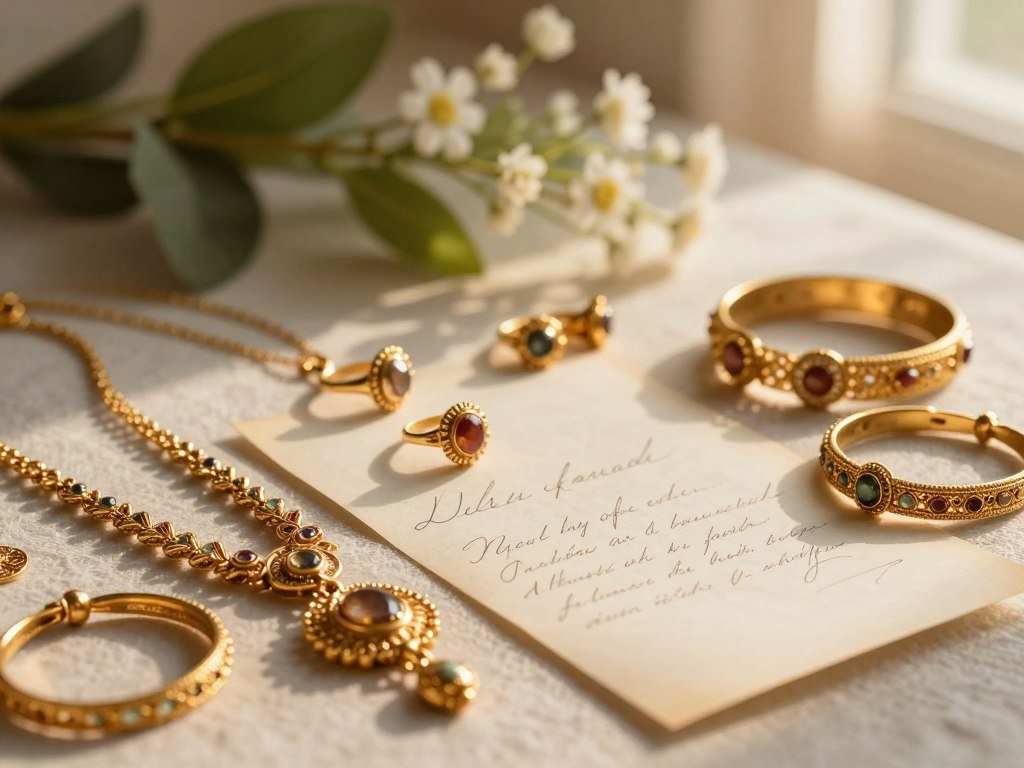
A well-chosen piece can become part of a milestone, a daily routine, and eventually a family story. A modern heirloom is a lasting, personally meaningful piece intended to be worn over time and passed on to another generation. You might be marking a birthday, choosing an engagement ring, or looking for something you will reach for every morning. The piece should feel like yours, not like a costume borrowed from someone else’s life.
This guide brings together long-established houses, contemporary designers, and independent studios. It offers collection inspiration and practical ways to match a designer’s style, materials, and craft to your personal style. You will find room for bold gold, quiet lines, colorful stones, and designs with a story behind them. Each can become meaningful when it fits the person who wears it.
Key Takeaways
- Start with how often you plan to wear a piece.
- Compare a designer’s signature motif with your own taste.
- Check metal, stone, setting, comfort, and care details.
- Consider independent designers alongside well-known houses.
- Choose a piece with meaning beyond its label.
The best starting point is a design language you would still enjoy wearing years from now.
How Do You Choose Luxury Jewelry Designers for Your Style?
Start with the piece you expect to wear most often, then narrow the field by silhouette and material. Intended use is the right starting point, not a designer’s fame. A pendant for daily wear needs a different feel from a ring reserved for special events.
Compare signature look, comfort, metal, and stone before you compare names. Notice whether a design uses clean lines, a recurring motif, or a large center stone. Think about weight, catches, and edges that might snag on clothing. A piece worn every day should feel comfortable through a full routine.
| Material | Fineness mark | Precious-metal content |
|---|---|---|
| 14-karat gold | 585 | 58.3% gold by mass |
| 18-karat gold | 750 | 75% gold by mass |
| Sterling silver | 925 | 92.5% silver |
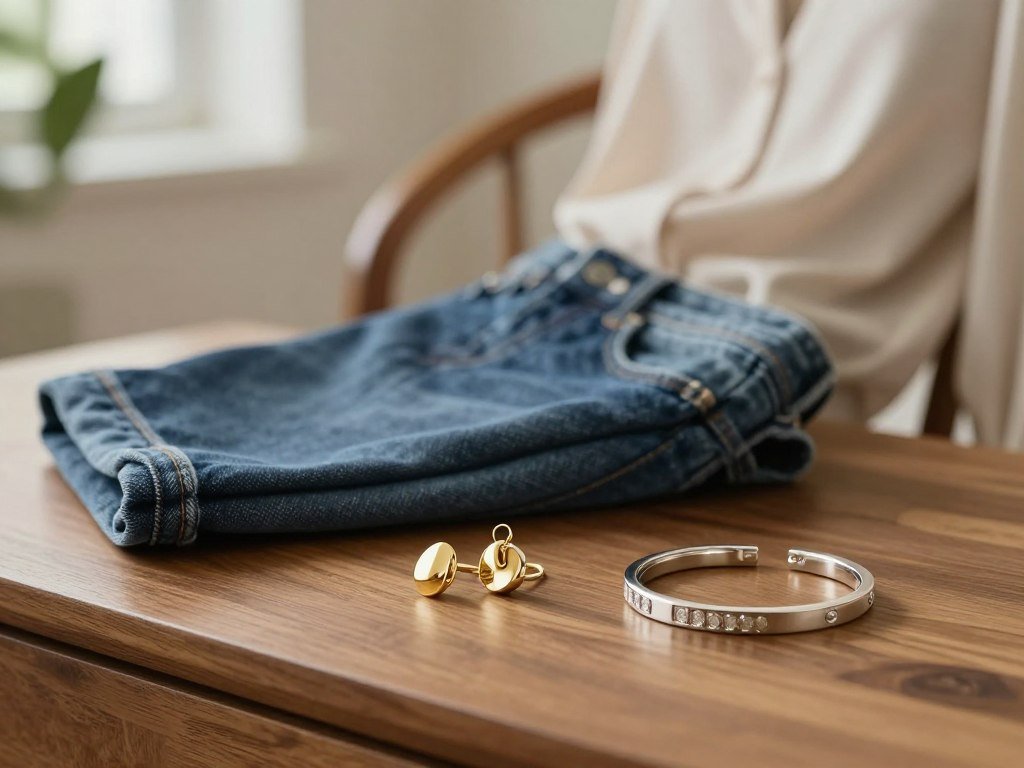
Gold can suit a warm, classic palette, while sterling silver offers a cooler look. Stones also change a piece’s mood: diamonds feel crisp, pearls look soft, and colored gemstones bring contrast. A design you already wear well can guide a wider search. If outfit planning matters, these designer heels and style ideas offer another way to think about comfort and occasion.
Choose a design that suits your routine before choosing a signature you admire from afar.
A design that suits your routine is a stronger first choice than a signature you admire but would rarely wear.
Which Top 20 Luxury Jewelry Brands Define Iconic Style?
Cartier and Tiffany & Co. are two familiar starting points for readers drawn to enduring house signatures. Cartier began in Paris in 1847, and its Panthère, Love, and Juste un Clou collections each have a clear visual identity. Recurring shapes help a wearer recognize a piece even without seeing its name.
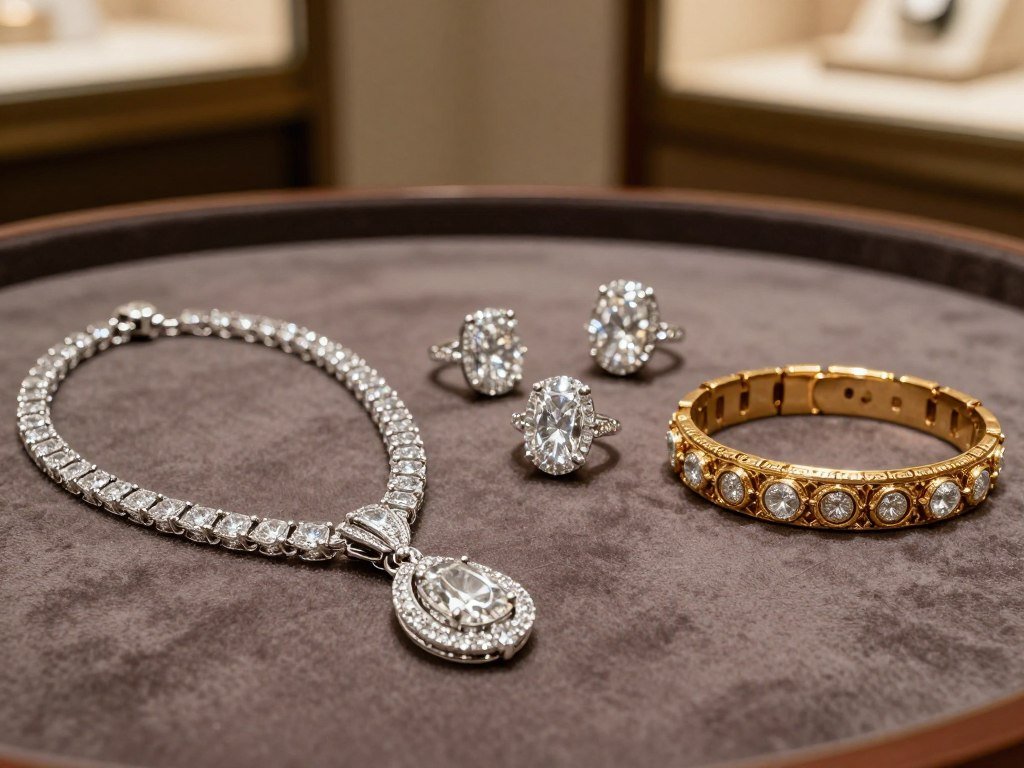
The top 20 luxury jewelry brands in this selection are Cartier, Tiffany & Co., Van Cleef & Arpels, Bulgari, Louis Vuitton, Chanel, Hermès, Chopard, Graff, David Yurman, Harry Winston, Boucheron, Chaumet, Messika, Buccellati, Pomellato, Mikimoto, De Beers London, Piaget, and Gucci. This is a field of recognizable names, not a revenue ranking. Each house offers a different design language and range of collections.
Cartier’s Recognizable Motifs
Cartier’s signature collections turn familiar forms into jewelry with strong, simple outlines. Panthère brings animal imagery, while Love and Juste un Clou use pared-back shapes that work across rings, bracelets, and other pieces. The designs can feel polished on their own or layered with less graphic jewelry.
That consistency gives Cartier a distinct place among fine jewelry houses. A Love bracelet, for example, makes its identity clear through its shape and fastening details. The wearer’s comfort with a recognizable design matters as much as the motif itself.
Tiffany & Co.’s American Signatures
Tiffany & Co. pairs modern collections with a long engagement-ring history. Its Tiffany T, HardWear, and Lock collections use bold forms that can read as either minimal or architectural. The pieces suit shoppers who like clean lines with a noticeable edge.
The six-prong Tiffany Setting engagement ring first appeared in 1886. Its raised setting lifts a diamond above the band, allowing light to reach the stone. For an engagement ring, compare the Tiffany Setting’s raised, six-prong profile with the wearer’s preferred stone and band proportions.
Look at how a setting changes the stone’s height and presence before choosing a ring. That detail can affect comfort when a ring meets pockets, gloves, or other bands. A familiar brand name does not replace a fit that works for the wearer.
Which Famous Jewelry Designers Are Known for Strong Signatures?
A clover motif, a coiling serpent, a gemstone-led cluster, and a bow each signal a different design sensibility. Van Cleef & Arpels, Bulgari, Harry Winston, and Graff each use a recognizable signature to shape the look of their jewelry. Visual language can help you find a house that feels like your own.
A gemstone-forward setting suits someone who wants the stone to lead, while a recurring motif makes a house instantly recognizable. The table gives a quick way to compare each house’s origins and visual cues.
| House | Founded and home | Recognizable signature |
|---|---|---|
| Van Cleef & Arpels | 1906, Paris | Alhambra clover motif |
| Bulgari | 1884, Italy | Serpenti and Roman-inspired forms |
| Harry Winston | 1932, New York | Winston Cluster settings |
| Graff | 1960, London | Butterfly and Tilda’s Bow |
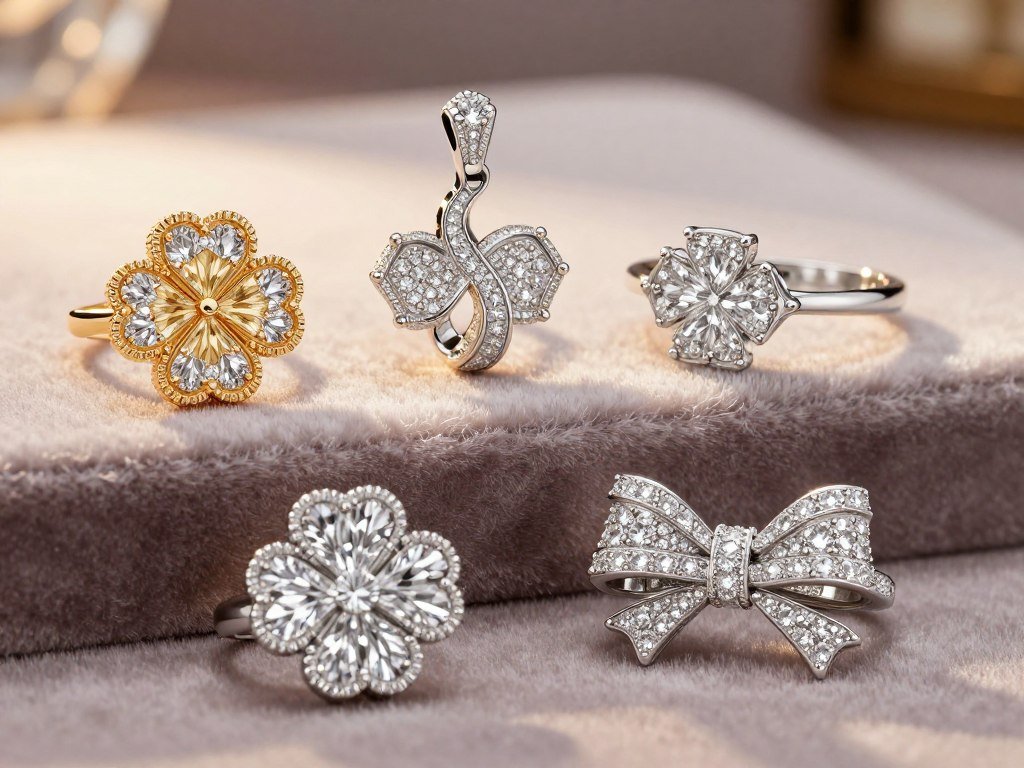
Van Cleef & Arpels and the Alhambra Motif
Van Cleef & Arpels began at 22 Place Vendôme in Paris in 1906. Its Alhambra motif takes the shape of a clover, a form that reads as soft and balanced. Repeated across a necklace or bracelet, the shape creates a pattern without making the piece feel overly ornate.
The motif may appeal if you want jewelry that is easy to identify but still works with everyday clothing. Look at the size of each element and the spacing between them. Small changes can make a repeated design feel delicate or bold.
Bulgari’s Roman-Inspired Forms
Bulgari draws on Roman architecture and the curves of ancient forms. Serpenti wraps a serpent shape around the body, while B.zero1 uses a more structured, circular look. These pieces suit someone who enjoys volume and a confident outline.
The difference is clear when you compare a coiling bracelet with a ring built from repeated bands. One moves around the wrist; the other makes its shape through layers. Both bring a strong design presence without needing many extra details.
Harry Winston’s Gemstone-First Settings
Harry Winston’s Winston Cluster design minimizes visible metal to emphasize gemstones. The effect puts the stones forward, making the setting seem light around a bright center. That approach can suit someone who wants the gem to draw the eye first.
Check the piece from several angles. A low, compact cluster can feel different on the hand from a tall setting, even when both focus on diamonds. The surrounding metal still matters for how the stones sit and how the piece wears.
Graff’s Diamond Motifs
Graff began in London in 1960 and is known for Butterfly and Tilda’s Bow collections. Butterfly forms bring a sense of movement, while bow shapes frame diamonds with a more decorative outline. These motifs can suit someone who likes a visible theme in fine jewelry.
Compare the motif’s size with the wearer’s usual pieces. A small bow can add detail without taking over, while a larger design may work as a single focal point. Choose the signature that feels personal to you, not simply the one that is easiest to recognize.
Which Heritage Houses Stand Out for Craft and Materials?
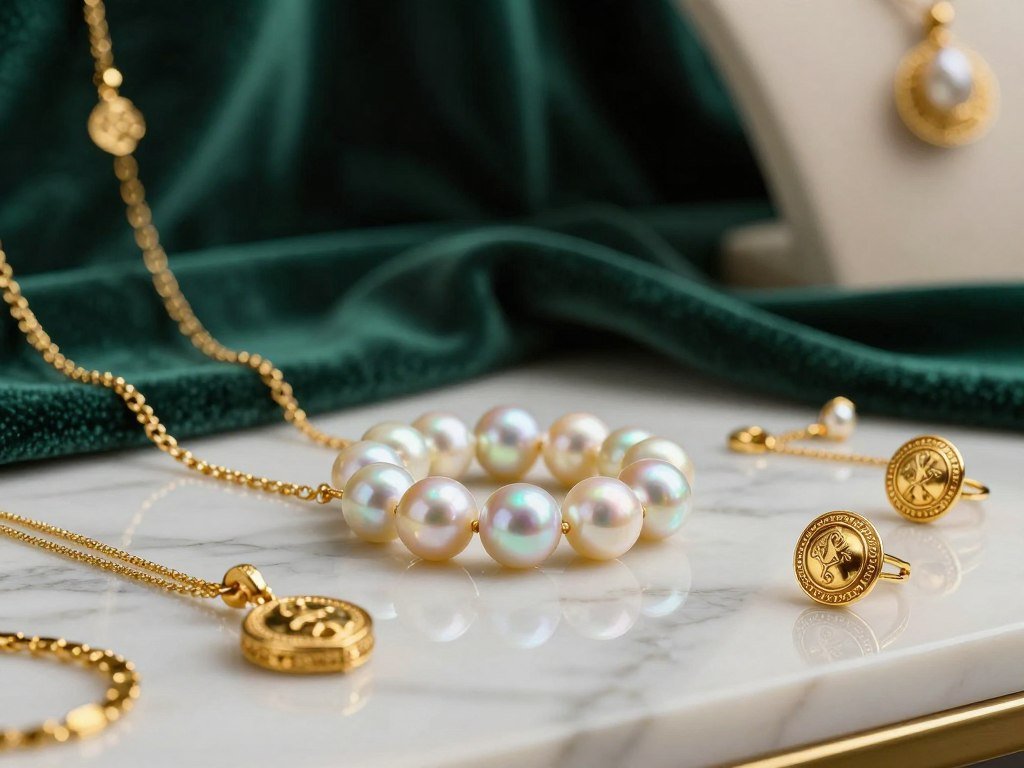
Look closely at the surface and material: a pearl’s glow and engraved gold make different impressions even in similarly sized pieces. Boucheron, Buccellati, and Mikimoto each stand out through a distinct approach to form and finish. Texture matters as much as color when you want jewelry with presence.
Choose among graphic motifs, engraved metal, or pearls by the kind of detail you enjoy seeing up close. These houses offer very different ways to bring craft into fine jewelry.
Boucheron’s Graphic Motifs
Boucheron began in 1858 and is known for Quatre and Serpent Bohème. Quatre uses strong bands and contrasting surface details to make a graphic pattern. Serpent Bohème brings a softer, rounded look through its drop shapes.
Those designs can suit someone who likes jewelry with visible structure. The contrast between sections gives Quatre a crisp feel, while the rounded drops of Serpent Bohème look more fluid. Try each shape with the clothing and jewelry you already wear.
Buccellati’s Engraved Metals
Buccellati began in Milan in 1919 and is known for hand-engraved gold and silver. Its lace-like surface gives metal a fine, detailed texture rather than a smooth shine. The effect can make a bracelet or ring feel richly worked without relying on a large stone.
Engraved metal and a luminous pearl create different kinds of presence. Buccellati’s surface catches the eye through its small lines and patterns. This approach may appeal if you enjoy craft that reveals more detail at close range.
Mikimoto’s Cultured Pearls
Mikimoto began in Japan in 1893 and is known for Akoya, Black South Sea, and White South Sea pearl collections. Pearls bring a smooth glow and a softer silhouette than engraved metal. A simple strand can feel formal, while pearl earrings can add a gentle highlight to daily clothes.
Think about whether you prefer a bright, even surface or the tiny variations that give a pearl character. The color can change how it sits beside skin, gold, or fabric. For pearl jewelry, compare the pearl’s color and surface in person under more than one kind of light.
Which Designers Make Fine Jewelry for Women and Men?
David Yurman is a strong choice for shoppers who want sculptural metalwork across women’s and men’s designs. The New York house began in 1980, with Cable, Crossover, and DY Mercer among its signature collections. Shared design cues make it easy to compare pieces across the range.
Compare scale and clasp as carefully as silhouette when shopping across gendered collections. The newer geometric Curb Chain designs bring a more architectural look to bracelets and necklaces. Thoroughbred links reinterpret the equestrian-inspired Buckle motif as sculptural clasps.
The established Cable line has a twisted shape, while Crossover uses intersecting forms. DY Mercer offers a different profile within the same house. These distinctions help you choose between a familiar texture and a cleaner outline.
Shoppers comparing luxury jewelry designers for women and luxury jewelry designers for men can look beyond the collection label. A bracelet may be slim or substantial; a ring may have a close, low profile or a wider band. Consider how a piece feels against other jewelry and clothing.
- Bracelets
- Rings
- Necklaces
- Earrings
Compare the scale and clasp of a piece as carefully as its overall silhouette.
What Makes Elizabeth Locke’s Pieces Feel Like Modern Heirlooms?
Elizabeth Locke is a natural fit for someone who prefers jewelry that feels discovered rather than strictly contemporary. For over three decades, Locke has turned antique finds into handcrafted 19-karat gold jewelry inspired by ancient history. Collected details give the designs a sense of age without making them old pieces.
Locke’s jewelry uses historic images and materials in designs made for modern wear. Venetian glass intaglios are made from antique molds, giving each carved image a layered look. Ancient coins and cabochon gemstones add other points of interest.
An intaglio carries an image cut into glass, so the design feels tactile and personal. A coin can bring a direct link to the past, while a smooth cabochon gemstone keeps the form simple. The mix can appeal if you like pieces that invite a closer look.
Buccellati is another option for readers drawn to old-world gold work. Its hand-engraved, lace-like metal texture differs from Locke’s intaglios and historic imagery. One emphasizes the surface of the metal; the other places a picture or stone at the center.
These pieces can become personal markers through the image or stone a wearer chooses. Their antique references do not make them antique jewelry. Check that the image, stone, and scale of an intaglio feel right to you before choosing one as a daily signature.
What Is Distinctive About Chopard’s Happy Diamonds Designs?
Happy Diamonds makes movement part of the design by allowing diamonds to glide freely. The concept debuted in 1976, with stones that move rather than stay fixed in place. Motion changes the sparkle as the wearer’s hand or wrist shifts.
The diamonds are part of the visual experience, not fixed settings. Chopard’s 50th-anniversary release includes Happy Sport The First watches in two case sizes. The pendants use a different form and offer several gold-color options.
The 26mm and 33mm watches come in Lucent Steel and/or ethical yellow gold. Anniversary pendants come in ethical yellow, rose, and white gold. They rework a rectangular 2006 design, leaving space for the moving diamonds.
- 26mm Happy Sport The First watch
- 33mm Happy Sport The First watch
- Rectangular anniversary pendant
- Ethical yellow, rose, and white gold pendant options
The watch measurements describe case sizes, while the three gold colors describe pendant-metal options. Try a moving-diamond piece in person to see how the stones shift as your wrist or hand moves.
Which Contemporary Collections Bring Fresh Shapes to Fine Jewelry?
Contemporary collections are a good place to look when you want familiar materials in less expected shapes. Sculptural bows, architectural settings, painterly lines, enamel, and crystal-based sparkle each create a different look. Shape can lead even when the materials feel familiar.
Check the stone type and finish as closely as the silhouette. A diamond, a lab-grown white sapphire, and Swarovski Zirconia are different materials, even when each catches the light.
Jessica McCormack’s Sculptural Bows
Jessica McCormack’s 2026 Bows collection has 21 pieces, including earrings, rings, and necklaces. The designs pair diamonds and pearls with sculptural bows. Their curved forms bring a soft detail to stones that might otherwise feel formal.
A bow can frame a pearl or diamond without hiding it. Look at the scale of the curve and where the piece sits on the body. A small bow on an earring has a different effect from a pendant with a larger outline.
Louis Vuitton and Mejuri’s Geometric Lines
Louis Vuitton’s Le Damier collection includes diamond-set hoops in yellow, white, and rose gold, plus ear cuffs and a sliding pendant. One cuff holds 120 diamonds. The geometric settings give the stones a crisp, architectural feel.
Mejuri’s 2026 Interconnected collection takes a lighter approach, pairing slender, painterly lines with lab-grown white sapphires. The flowing forms can feel less formal than tightly set diamonds. Both collections use line and shape to make a piece stand out.
Cece Jewellery and Swarovski’s Color and Sparkle
Cece Jewellery’s The Love Language of Flowers uses champlevé enamel, hand engraving, diamonds, and 18-karat gold across several jewelry forms. Enamel adds blocks of color and a smooth finish. The hand-engraved details bring texture around those bright areas.
Swarovski’s 29-piece Classica collection uses recycled sterling silver, 18-karat gold finishes, and Swarovski Zirconia. Zirconia is not diamond, and a gold finish is not the same as solid gold. Those distinctions matter when comparing shine, material, and price.
Compare the materials on the product details as well as the silhouette, especially when a design pairs more than one kind of stone or finish.
Where Can You Find Affordable Fine Jewelry at Different Price Points?
The most accessible listed starting points in this comparison are Gorjana at $45 and Catbird at $68. Mejuri starts at $78, while Brilliant Earth starts at $250 and VRAI at $295. Starting prices give a first look, not a like-for-like comparison.
Metal, stones, and construction change the price of the specific piece. The table shows listed starting points and material options for five brands.
| Brand | Listed starting price or range | Materials |
|---|---|---|
| Gorjana | $45 | Gold-fill and solid gold |
| Catbird | $68 | Recycled 14-karat gold |
| Mejuri | $78 | 14-karat solid gold, 18-karat gold vermeil, sterling silver |
| Brilliant Earth | $250 | 14-karat to 18-karat gold, platinum, recycled metals |
| VRAI | $295 | 14-karat to 18-karat solid gold, platinum |
Listed Starting Prices Under $100
Gorjana, Catbird, and Mejuri each have listed starting prices under $100. Their materials differ, so the entry point does not tell you what a gold ring or stone-set pendant will cost. A starting price may reflect a simple piece rather than the design you have in mind.
Catbird’s comparison includes recycled 14-karat gold, while Gorjana lists gold-fill and solid gold. Mejuri offers 14-karat solid gold, 18-karat gold vermeil, and sterling silver. Those terms describe different material choices and should not be treated as equal.
Solid-Gold and Recycled-Metal Options
Brilliant Earth lists 14-karat to 18-karat gold, platinum, and recycled metals. VRAI lists 14-karat to 18-karat solid gold and platinum. Haverhill lists a range of $125-$6,275+ for its 14-karat solid-gold jewelry.
Monica Vinader lists an approximate range of $95 to $750+ for most pieces. The broad range reflects a variety of designs and materials. Compare the item you want, rather than assuming that one brand’s entry price predicts another brand’s similar piece.
Higher Listed Ranges and Platinum
Platinum appears among the listed material options for Brilliant Earth and VRAI. It is a different choice from gold, and it may appear in designs with different stones or construction. Look at a specific ring or necklace to understand what the listed price covers.
Affordable luxury does not mean every design costs the same across brands. A plain silver pendant and a diamond-set gold ring are not comparable purchases. Compare the specific piece’s metal and gemstone details, not just a brand’s starting price.
How Do Independent Designers Use Responsible and Unusual Materials?
Material choices can be part of a designer’s visual identity as much as the shape of a setting. René Barnes’s Luce collection uses antique old European diamonds, while Juvetti uses recycled precious metals and lab-grown stones. Each term means something different about a piece’s history and making.
Lab-grown gemstones have the same chemical composition as their natural counterparts. A lab-grown gemstone is created in a laboratory, while an antique stone has been used before. Recycled precious metals are reused metal, not newly mined metal.
Juvetti uses lab-grown diamonds and colored gemstones in recycled silver and gold. Its stones are produced in laboratories powered by renewable energy. Ask which parts of a piece are recycled, since a brand may use recycled metal for some designs but not others.
ANJNA combines symbolic stones with intricate metalwork. The pieces are made in Thailand and designed by founder Anjna Kaur, whose heritage is Indian and Thai. These choices connect material, craft, and cultural meaning in the finished jewelry.
- Ask whether a stone is antique or newly produced.
- Check whether a gemstone is lab-grown or natural.
- Confirm which metal is recycled.
- Ask for the stone and metal details in writing.
Keep the written description of a stone and its metal with the piece’s purchase records.
Which Independent Designers Bring Artistry to Modern Jewelry?
Independent designers often make their point of view especially clear through a single material or sculptural idea. David Webb, Sophie Buhai, Spinelli Kilcollin, and Prounis each build a distinct look through form, texture, or craft. Shape tells a story before a maker’s name does.
Choose between bold motifs, substantial forms, linked construction, and warm-toned gold by the feel you want to wear. These designers offer very different ways to make a piece personal.
David Webb and Bold, Textured Forms
David Webb created his first animal bracelet in 1957. The designer’s work brings textured gold and animal forms together in pieces with a strong outline. Those designs can suit someone who wants a bold motif rather than a quiet accent.
Look at how the surface changes across a bracelet or ring. Texture can add depth even when the shape is easy to read from across a room. A large animal form may work best as the main piece in an outfit.
Sophie Buhai’s Sculptural Objects
Sophie Buhai launched her Los Angeles studio in 2015. Her sculptural approach spans jewelry and objects, making the line between adornment and design feel less strict. The forms can appeal if you prefer rounded, substantial shapes over fine detail.
Her work offers a different kind of presence from a small stone-centered piece. The shape itself can be the focus, with no need for a bright gemstone. Consider how a bold form will sit with the clothes you wear most.
Spinelli Kilcollin and Prounis on Form and Material
Spinelli Kilcollin began in Los Angeles in 2010 and is known for interconnected bands. The linked rings create a wearable construction that moves across fingers. Their connected form gives a simple band a more layered look.
Prounis was established in 2017 and is known for recycled 22-karat gold. The high-karat gold brings a warm tone, while the recycled metal adds a material choice to consider. Its appeal may suit someone drawn to ancient references and a rich gold color.
Compare these approaches by the role you want jewelry to play. A bold animal form makes a clear statement; linked bands build a layered shape. If you want a piece to become a personal marker, choose the designer whose shapes you would recognize without a logo.
What Jewelry Colors and Shapes Create a Polished Look?
A polished look usually comes from proportion and intention, not from wearing the most jewelry. A simple, well-proportioned piece can look refined when it suits the outfit and occasion. One clear focal point often gives an outfit room to breathe.
Navy and cobalt create strong contrast with yellow gold, while black, white, and jewel tones can work too. No pair of clothing colors must always be avoided. Personal taste, fabric, and the shade of the metal all change the effect.
Pure gold is naturally yellow, and 24-karat gold is approximately 99.9% pure. Its color can look more intense than lower-karat gold, which contains other metals. That does not mean all gold jewelry should use pure gold.
- Balance the scale of the jewelry with the outfit.
- Limit competing focal points.
- Match the piece to the neckline.
- Consider contrast with the metal.
These checks can help a statement necklace work with an open collar or a small pendant sit neatly with a higher neckline. For more outfit pairing ideas, explore ways to style designer heels with different occasions and colors.
Use the outfit’s color and neckline as a guide, then let one piece take the lead.
How Can You Check Whether Fine Jewelry Is Genuine?
A stamp is a starting point for verification, not a substitute for a clear description and close inspection. A hallmark is a stamped indication of metal fineness. Match the mark to the written metal description before you rely on it.
For a high-value stone, seek an independent jeweler’s inspection or a gemological report. A hallmark can be a useful clue, but it does not prove every claim about a piece. Keep the seller’s written details with the item.
The Federal Trade Commission’s Jewelry Guides cover accurate descriptions and disclosures for precious-metal and gemstone jewelry. Ask for clear details about treatments and whether a diamond is natural or lab-grown. A verbal assurance is not the same as a written description.
The Gemological Institute of America grades diamonds by cut, color, clarity, and carat weight, known as the 4Cs. These grades help describe a diamond, but they do not tell you how a particular setting will look on your hand. Inspect the stone and setting as separate parts of the choice.
For a significant purchase, keep the grading report, receipt, and written material description together.
Which Designers Suit Bridal and Milestone Jewelry?
For a ring meant to be worn every day, comfort and personal style matter as much as its appearance in a proposal photo. Sophie Ratner, Aaryah, Arielle Ratner, and Kinn offer different approaches to bridal and milestone jewelry. Daily wear comes first when the piece will stay on your hand.
Match the design to the wearer’s routine as well as the occasion. The table compares customization, stone choices, and everyday focus.
| Designer | Design focus | Personalization or wear approach |
|---|---|---|
| Sophie Ratner | 15 bridal silhouettes | Tailor metal, setting, band style, and stone cut |
| Aaryah | Unconventional cuts and settings | Bridal pieces made in New York City’s Diamond District |
| Arielle Ratner | Engagement rings | Designed for everyday wear |
| Kinn | Milestone jewelry | Los Angeles brand founded in 2017 |
Sophie Ratner’s 15 bridal silhouettes can be tailored through metal, setting, band style, and stone cut. That gives a couple several ways to shape one design around the wearer. Aaryah takes a less expected route with unconventional cuts and settings.
Arielle Ratner designs engagement rings intended for everyday wear. That focus makes proportions and comfort central to the choice. Kinn, founded in Los Angeles in 2017, offers another option for sentimental pieces tied to a milestone.
Custom choices can help a ring feel personal, while unusual stones make a stronger visual statement. A simple band may better fit a hands-on routine. Agree on the metal, setting, stone, and daily-wear needs before settling on a final design.
Where Can You Meet Independent Designers in California and Texas?
A studio visit lets you assess scale, finish, and comfort in a way a product image cannot. In California, Los Angeles-based Azlee and Retrouvai are studios to explore. In-person viewing can reveal how a piece feels when you move.
Confirm appointment details and the pieces available to view before traveling. Azlee began in Los Angeles in 2015 and uses recycled 18-karat gold. Retrouvai began in Los Angeles in 2016.
California Studios to Explore
Azlee and Retrouvai offer a starting point for shoppers looking at independent jewelry in California. A studio visit can help you compare scale across rings, earrings, and necklaces. Ask to see pieces similar to the kind you plan to wear.
Look at the finish in natural and indoor light. Check how a clasp opens and whether a ring turns as you move your hand. These small details are easier to judge in person than in a product image.
Texas Appointments and Showroom Visits
In Texas, check appointment availability and which pieces can be viewed before you make a trip. Do not assume a designer has a local showroom or stockist. A short call can clarify whether the visit will match what you want to see.
- Which pieces are available to view?
- Is an appointment required?
- What materials are used?
- Is custom work offered?
Bring a few questions about the designs you have shortlisted, along with the way you expect to wear them. A studio team can then show pieces that match your intended use. Confirm the appointment and the pieces you want to see before traveling.
Before you travel, confirm the appointment and ask which pieces will be ready to view.
Conclusion
A modern heirloom begins with a design that feels like yours and is made to suit the way you live. Choose a material and silhouette you will enjoy wearing, then weigh craft and care details alongside the designer’s name. A meaningful piece should feel right in daily life, not only in a photograph.
Your next step is simple: choose two designers and compare one specific piece from each. Arrange an in-person viewing or ask for written material details before deciding. Choose two pieces to compare, then decide which one you can imagine wearing for years.
FAQ
What designer brands make jewelry?
How can I tell if jewelry is real?
What jewelry brands are similar to Elizabeth Locke?
What jewelry makes you look classy?
What is the hottest jewelry right now?
What color does not look good with gold?
What color makes gold pop the most?
What color is 100% pure gold?