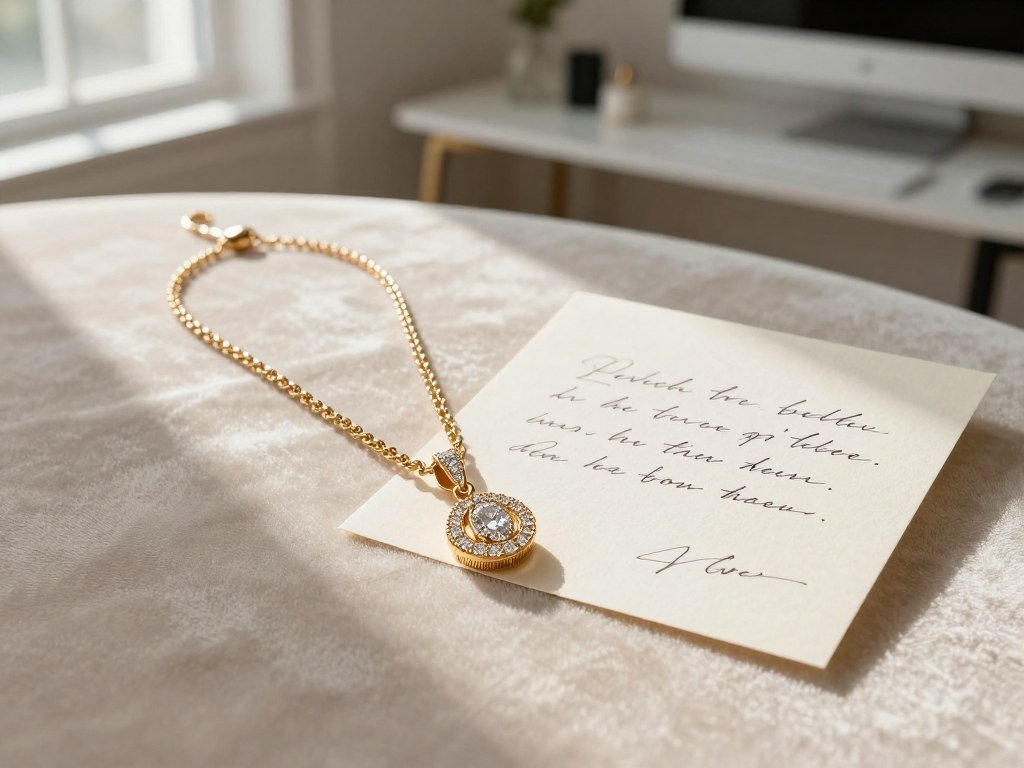
A memorable piece can be recognized by its shape or motif before its maker’s name is visible. For some people, the goal is a lasting signature piece; for others, it is a design-led choice for everyday wear. A gift may call for a set budget, a familiar look, or a detail that feels personal.
This guide offers a starting point for comparing heritage, design, materials, and spending options. It also considers how a piece fits into real life, since elegance means little if the wearer rarely reaches for it. The right choice is the one whose design and wearability fit the person who will keep it.
Key Takeaways
- Brand recognition can help you find a design, but it does not prove quality or fit.
- Estimated jewelry revenue shows business scale, not craftsmanship or personal value.
- Compare the materials and construction of the exact piece you plan to buy.
- Choose a signature motif that suits the wearer’s style and daily habits.
- Set a comfortable budget before comparing individual pieces.
How should you compare jewelry houses?
A brand’s sales scale can show its reach, but it cannot tell you whether a particular piece suits your life. A jewelry revenue estimate is an approximate sales figure for a brand’s jewelry business, not necessarily an audited jewelry-only result. Treat revenue as a scale indicator, not a score for craftsmanship, resale value, or personal fit.
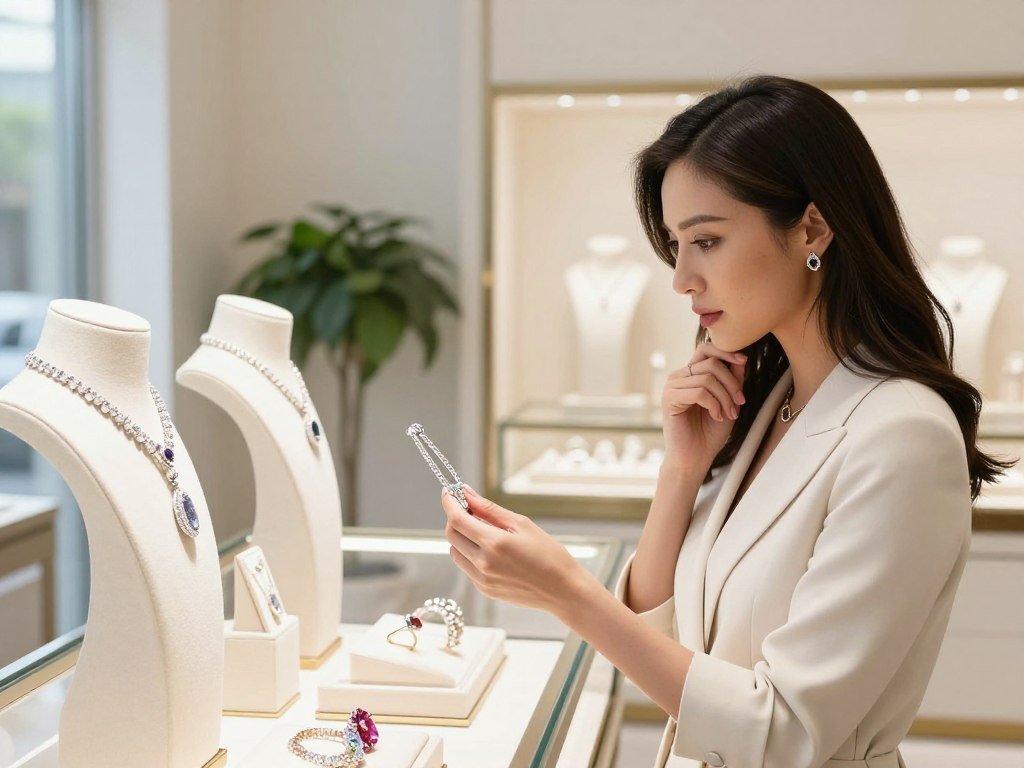
Bain & Company put the global luxury jewelry market above €31 billion in 2024, about $33.5 billion. Its luxury market report also describes jewelry as a strong area of luxury spending. Those market figures give the industry a sense of scale, not a reason to choose one piece over another.
- Design identity: Does the house make motifs or shapes you would recognize and enjoy?
- Materials and construction: What metal, stones, and setting does the exact piece use?
- How often you will wear it: Does it suit your regular clothes and daily routine?
Compare the object you would wear, not just the name on its box.
A smaller independent house may suit a collector better than a large company. Its designs may feel less familiar, or offer a more focused approach to materials and form. The right comparison starts with the piece’s role in your life.
Revenue can help explain why some jewelry brands have a wider reach across the world. It cannot tell you whether a piece feels comfortable, suits your style, or earns a place in your collection. Look closely at the object and its construction before weighing the name.
Which Luxury Jewelry Brands Lead by Estimated Jewelry Revenue?
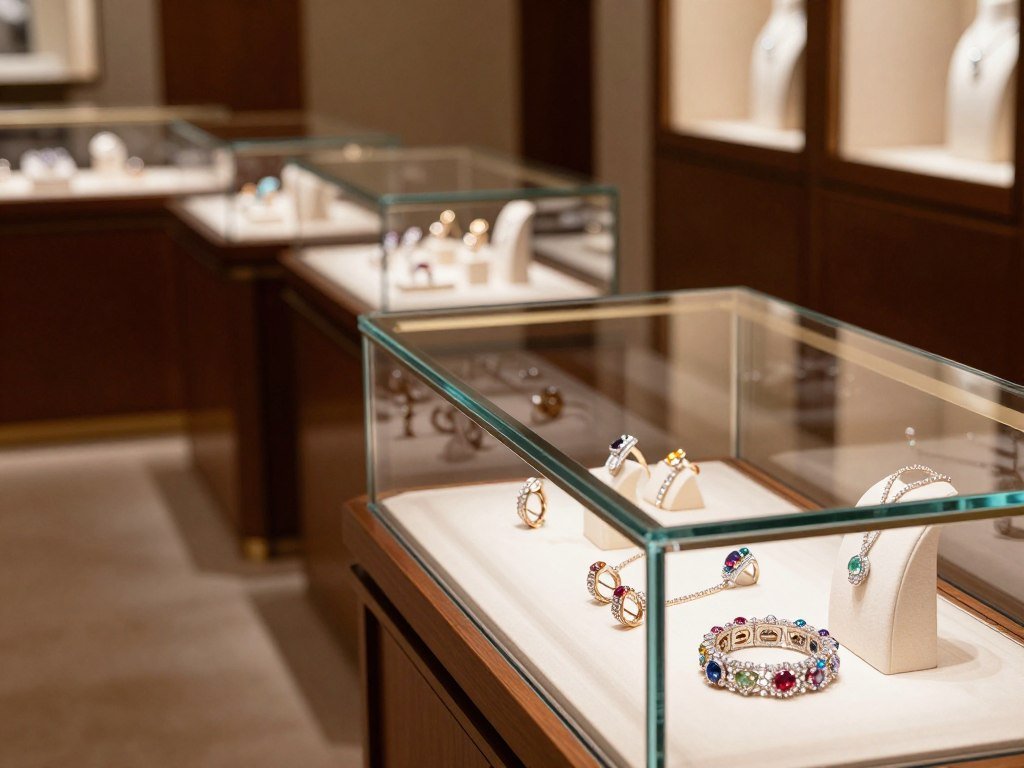
Cartier leads the estimated jewelry revenue figures at approximately $7.3 billion, followed by Tiffany & Co. and Van Cleef & Arpels. By these estimates, Cartier, Tiffany & Co., and Van Cleef & Arpels are the top three. The figures rank scale, not design quality.
| Brand | Estimated jewelry revenue | Notable collections |
|---|---|---|
| Cartier | Approximately $7.3 billion | Love, Juste un Clou, Clash de Cartier |
| Tiffany & Co. | Approximately $4.0 billion | HardWear, Lock, T |
| Van Cleef & Arpels | Approximately $3.7 billion | Alhambra, Frivole, Perlée |
| Bulgari | Approximately $3.2 billion | Serpenti, B.zero1, Bvlgari Bvlgari |
| Louis Vuitton | Approximately $1.17 billion | Empreinte, Color Blossom, Idylle Blossom |
For familiar high-end names, the top 10 include Cartier, Tiffany & Co., Van Cleef & Arpels, Bulgari, Harry Winston, Chopard, Graff, Boucheron, Hermès, and David Yurman. Fame and estimated jewelry revenue are related, but they are not the same measure.
These houses have distinct design histories and broad product ranges. A company may sell watches, leather goods, or other luxury items alongside jewelry. That mix can affect how its jewelry sales compare with another house’s totals.
Use the collection names as starting points when exploring the designs. One collection can include pieces with different metals, stones, and levels of detail. Treat the figures as estimates, especially when comparing houses with different product mixes.
What design signatures define five more leading houses?
These five houses pair recognizable signatures with very different design languages, from Chopard’s moving diamonds to David Yurman’s Cable motif. Their revenue ranges overlap, so the figures should not be treated as a precise league table.
| Brand | Estimated jewelry revenue | Notable collections |
|---|---|---|
| Chanel | Approximately $1.0-1.1 billion | Coco Crush, No. 5, Camelia |
| Hermès | Approximately $825-930 million | Chaîne d’ancre, Kelly, Clou d’H |
| Chopard | Approximately $850 million | Happy Diamonds, Happy Hearts, L’Heure du Diamant |
| Graff | Approximately $800-840 million | Tilda’s Bow, Butterfly, Laurence Graff Signature |
| David Yurman | Approximately $685-725 million | Cable, Crossover, DY Mercer |
Chopard’s Happy Diamonds designs let stones move within the jewelry. Chanel’s collections draw on the house’s fashion codes, while Hermès uses shapes linked to its wider design history. Graff centers much of its jewelry identity on diamonds.
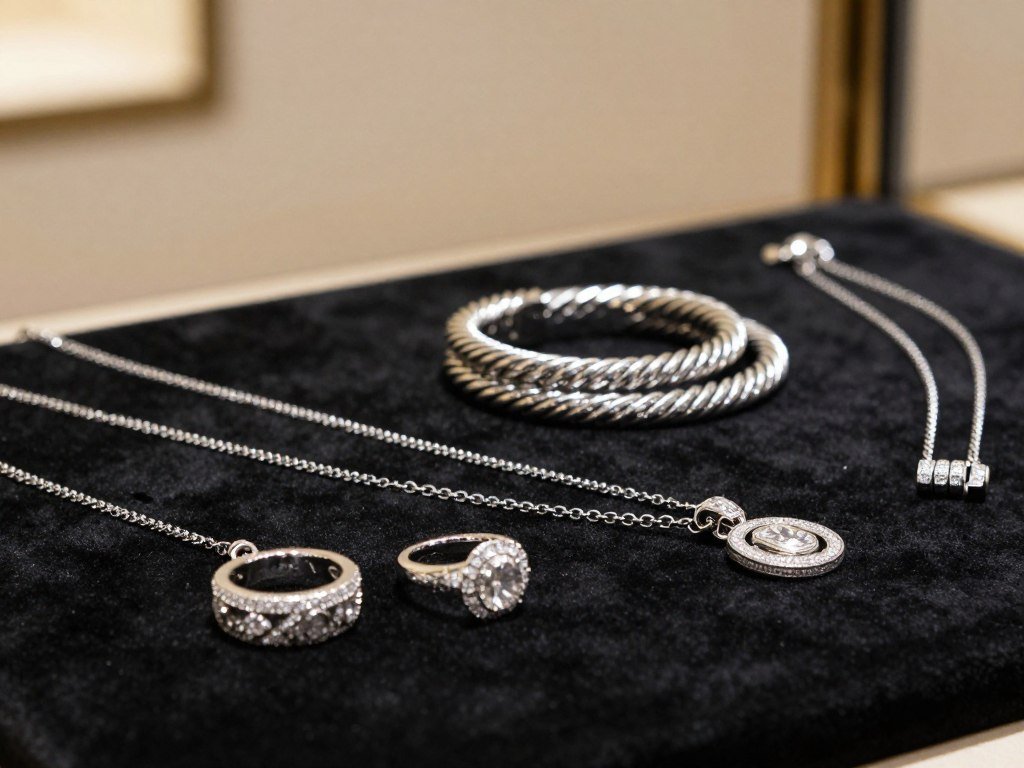
David Yurman’s Cable motif gives the New York brand a recognizable, twisted form. That signature can help a buyer find a style, but a collection name alone says little about a piece’s materials. A named line may include different metals, stones, and construction details.
Compare the material and construction of the individual piece before treating a collection name as a quality guarantee. A familiar motif helps you narrow the field, but it does not describe every detail of a particular ring or bracelet.
Which houses combine heritage with newer design?
Harry Winston and Boucheron illustrate how a storied name can signal very different design priorities. Harry Winston is known for a diamond focus, while Boucheron and Chaumet carry long-established Parisian identities. Heritage can take many forms.
| Brand | Estimated jewelry revenue | Notable collections |
|---|---|---|
| Harry Winston | Approximately $650-950 million | Lilly Cluster, Forget-Me-Not, Classics |
| Boucheron | Approximately $550-600 million | Quatre, Serpent Bohème, Animaux |
| Chaumet | Approximately $485-510 million | Bee, Josephine Aigrette, Jeux de Liens |
| Messika | Approximately $360 million | Move Classique, Move Uno, Move Noa |
| Buccellati | Approximately $340-360 million | Macri, Opera, Hawaii |
Messika gives diamonds a contemporary feel through its Move designs. The collection’s moving stones contrast with the established codes of Parisian houses. Buccellati, founded in Milan, is known for detailed goldwork and a softer, textured look.
These differences matter more to style than the order of estimated jewelry revenue. Harry Winston’s diamond focus does not make every item alike, and a brand’s heritage does not determine what you will enjoy wearing.
A revenue range is not a price guide for a house’s individual pieces. Use a collection’s signature as a style clue, then judge each piece on its own merits. Examine the actual design, metal, and stones rather than relying on a house’s name alone.
Which specialist houses complete this 20-brand selection?
A specialist house can be a stronger match than a bigger name when its materials or motifs speak directly to your taste. These five names complete the 20-brand selection, each with a distinct approach to jewelry. Scale is only one way to compare them.
| Brand | Estimated jewelry revenue | Notable collections |
|---|---|---|
| Pomellato | Approximately $250-300 million | Nudo, Iconica, Sabbia |
| Mikimoto | Approximately $225-285 million | Akoya, Black South Sea, White South Sea |
| De Beers London | Approximately $215 million | Enchanted Lotus, Talisman, RVL |
| Piaget | Approximately $188-283 million | Possession, Sunlight, Rose |
| Gucci | Approximately $205 million | Horsebit, Interlocking, GG |
Pomellato appeals to people who like colored stones, while Mikimoto is closely associated with pearls. De Beers London gives diamonds a central role. Piaget and Gucci bring playful gold forms and recognizable fashion motifs to their jewelry.
A broader list of the top 50 luxury jewelry brands can add Dior Joaillerie, JAR, Hemmerle, David Webb, and Verdura. The order changes with the chosen measure, such as revenue or design influence. The wider Gucci fashion identity also shapes how many shoppers read its jewelry; its place among global fashion brands provides useful context.
A list of 50 names can serve different needs, from sales research to design discovery. Choose a ranking method before treating any longer list as a definitive order. A specialist may matter more to your collection than a house with greater reach.
What makes an iconic jewelry design recognizable?
An enduring design usually has a visual cue that remains identifiable even when the maker’s mark is out of view. A repeated shape can become a house code without turning into a visible logo. Cartier and Van Cleef & Arpels show how motifs gain meaning over time.
Recurring motifs and house codes
Cartier began in Paris in 1847. Its Trinity design, conceived by Jean Cocteau, debuted in 1924 with three interlaced bands. Van Cleef & Arpels introduced its four-leaf clover Alhambra motif in 1968.
Both designs are recognizable through shape, not a large wordmark. Cartier’s Art Deco designs also helped establish a visual language built from clean lines and strong geometry. Repeated forms can make jewelry feel familiar while still working as a personal style choice.
Setting techniques that change a stone’s appearance
Van Cleef & Arpels introduced its Mystery Set technique in 1933. The setting hides the stone mounting, so no prongs show. This lets the gems form a smooth surface, though the method itself is not a logo or motif.
After Jacques Cartier visited India in 1911, Cartier used colorful rubies, sapphires, and emeralds in its designs. The stones brought vivid color to its Art Deco pieces. Look at the back and edges of a piece as well as its front to understand how its design is constructed.
Which modern designers favor sculptural or layerable pieces?
Contemporary designer jewelry can feel more individual through shape, proportion, and material than through a familiar logo. Agmes favors sculptural forms, while Jessica McCormack and Dorsey offer different approaches to layerable stones. Scale matters when pieces share space.
Sculptural forms and mixed materials
Agmes makes sculptural jewelry in pearl, sterling silver, gold vermeil, and glass. Its forms can feel like small objects rather than delicate ornaments. The range of materials changes the look and weight of each design.
Substantial shapes can make a strong focal point, while smaller pieces may sit close to the body. That difference affects how a necklace rests over clothing or beside another chain. Layering works best when each piece has enough room to be seen.
Layerable diamonds and color
Jessica McCormack designs wearable, layerable jewelry with diamonds and precious stones, and also makes engagement rings. Dorsey is known for rivière necklaces and drop earrings with lab-grown stones. Newer Dorsey designs add color to those familiar forms.
Lab-grown stones do not automatically make every design inexpensive. A piece’s scale, setting, and other materials still matter. Check the length and weight of each piece before planning a layered combination.
Where can you find approachable fine jewelry price points?
Several brands offer fine jewelry examples below $1,000, including a $98 Mejuri ring and $495 Brilliant Earth lab-diamond studs. Materials still matter at these prices, since solid gold and gold vermeil are different categories.
| Brand | Named piece and listed price | Material or useful qualifier |
|---|---|---|
| Brilliant Earth | Emerald-cut lab-diamond bezel stud earrings, $495; petite lab-diamond tennis bracelet, $995 | Lab-grown diamonds |
| Mejuri | Dôme Figure Ring, $98 | Mostly solid 14-karat gold, responsibly sourced diamonds, sterling silver, and 18-karat gold vermeil |
| Catbird | Tiniest Zodiac Charm, $98 | Jewelry made almost entirely from recycled gold and diamonds |
| Ana Luisa | Mini Flower Diamond Bracelet, $195 | Brand price range is $40-$1,000 |
| Monica Vinader | Heart Stacking Ring, $125 | Stacking ring design |
David Yurman’s Cablespira Flex Bracelet lists for $295. These examples show that fine jewelry can include rings, charms, and bracelets at prices below many luxury-house pieces. The material description still tells you more than the price alone.
Mejuri uses mostly solid 14-karat gold, responsibly sourced diamonds, sterling silver, and 18-karat gold vermeil. Ana Luisa states a price range of $40-$1,000. Gold vermeil and solid gold are different material categories, so compare construction as well as the price tag.
A low price does not tell you how a piece will hold up or feel. Confirm the metal and stone description on the exact piece, not just the brand’s general materials. Product details can vary within a single collection.
How high can luxury jewelry and bespoke experiences be priced?
The examples at the very top of the luxury market include a Graff ring from $31,500 and experiences priced in the hundreds of thousands. These are exceptional offers, not typical price points for jewelry. The table separates jewelry from a trip with a design session.
| Item or experience | Distinguishing detail | Listed price or retail price |
|---|---|---|
| Graff 3D Promise Cushion Cut Yellow Diamond Engagement Ring | Starting price on the United States site; excludes taxes | From $31,500 |
| Graff white-gold Tilda’s Bow Classic Diamond Rings | Listed on the United States site | $20,700 |
| Graff Tilda’s Bow Classic Diamond Drop Rings | Starting price on the United States site | From $24,500 |
| Neiman Marcus Legendary Style with Verdura, 2026 | Custom Maltese Cross cuff with emeralds, sapphires, pearls, and diamonds | Retailing for $515,000 |
| Neiman Marcus Grand Tour with Buccellati, 2026 | Six-day Venice, Florence, and Milan trip with a bespoke high-jewelry design session | Retailing for $860,000 |
The Verdura offer is a piece of jewelry: a custom Maltese Cross cuff with several precious stones. The Buccellati offer is a six-day trip that includes a design session, not a jewelry-only price. Neiman Marcus jewelry designers featured in these experiences include Verdura and Buccellati.
Diamond size, color, clarity, and cut affect how a diamond is evaluated. Those features help explain differences between stones, but the listed prices do not set a general market rate. A custom design session also adds an experience beyond the finished piece.
Separate the value of a bespoke experience from the value of the finished piece before comparing prices. The price of an individual jewel reflects its own stone and design, not every item from the same house.
What jewelry trends are shaping 2026?
The 2026 directions range from sculptural cuffs and vivid stones to pendants carried on unexpected cords. Strong shapes and color stand out across the season’s jewelry designs. A single striking form can change the feel of a simple outfit.
Sculptural scale, color and layered styling
ELLE’s 2026 trend report identifies sculptural cuffs, colorful gemstones, curated ring stacks, tassel details, bezel settings, and cocktail watches. Shoulder-duster earrings and supersized gemstone pendants also stand out. These designs bring attention to shape, length, and color.
At the 2026 Couture Jewelry Show, Marco Bicego shoulder-dusters ranged from three to seven stones in length. That span gives shoppers options from a modest drop to a longer, more visible line. A large pendant can serve as the main feature of an outfit.
Unexpected cords, beads and Western references
Leather, velvet, and rubber cords carried pendants and stones at the show, including oversized diamonds and emeralds on rubbery bracelets. Colorful strands of stone, pearl, and enamel beads are another 2026 summer direction. They bring texture and color without relying on a traditional chain.
Western-inspired designs include horseshoes with turquoise and opal, belt-buckle details, and cowboy-boot or cowboy-hat pendants. A bold cord or oversized pendant can be the focal point. Stacking several competing statement pieces may obscure their shapes.
Try one trend at a time if you want its shape or material to remain the visual focus. For personal styling ideas that include sculptural pieces, beads, and everyday wear, see these jewelry styling ideas.
What should you compare in a luxury engagement ring?
A luxury engagement ring is best compared by its diamond, setting, fit, and intended wear, not by the brand name alone. The setting changes the look of a stone and how it sits above the band.
Setting, diamond and design
Tiffany & Co.’s Tiffany Setting debuted in 1886 with six prongs that raise the diamond above the band. The raised setting lets the diamond stand apart from the ring. It is one example, not a rule for every design.
The 4Cs are cut, color, clarity, and carat weight. They give you a standard way to compare diamonds, though they do not describe the whole ring. Tiffany & Co., Cartier, Graff, and Harry Winston are popular luxury ring houses.
Fit, wear and long-term practicality
Fit and comfort matter when you plan to wear a ring often. Check whether the band feels right and whether the setting feels secure. A design that works with daily activities may be easier to wear than a taller style.
- Compare the 4Cs.
- Confirm the ring size.
- Inspect the setting.
- Consider whether the design suits daily wear.
Ask a qualified jeweler to check a setting if a prong looks bent or the stone feels loose. The ring should feel secure as well as beautiful on the hand.
How do men and women choose designer jewelry?
The most useful choice for any wearer is the piece that fits comfortably and suits how they actually dress. Personal fit comes first, whether you are choosing women’s luxury jewelry or men’s luxury jewelry.
Motifs and proportions for everyday wear
Women’s luxury jewelry brands can offer rings, bracelets, and pendants, while men’s luxury jewelry brands often present cuffs, chains, rings, and pendants in different proportions. Those categories do not set strict rules for who can wear a design.
David Yurman was founded in New York in 1980 and expanded into men’s jewelry. Its Cable motif is a twisted metal helix that appears across collections. The motif gives a bracelet or ring a visible texture, while other designs use simpler forms.
Making a piece your own
For a bracelet, consider wrist fit, clasp security, and whether you like to layer it. The wearer may prefer a visible motif or a quieter shape. Those choices matter more than a label on the display.
- Preferred metal
- Comfortable scale
- Ease of fastening
- Whether it works with existing jewelry
Let the intended wearer’s preferences, rather than a gender label, settle the final choice. A comfortable piece that suits their usual clothes is more likely to become part of their regular style.
How do materials and craftsmanship shape a piece?
The feel of a jewel depends on more than its gold color or the size of its stones. Surface and structure can change how jewelry catches light and rests against the skin.
Goldwork and surface texture
Buccellati was founded in Milan in 1919. Its Rigato, Telato, and Ornato techniques give metal a textured, engraved, or fabric-like surface. The finish can make gold look soft or finely lined rather than smooth.
These details come from the metalwork itself, not just from stones added to a setting. A close look can reveal whether the surface helps shape the whole design. That is one way to judge the work of a jewelry house.
Unusual materials and stone-led forms
JAR produces 70-80 jewels each year and uses materials such as colored titanium. Hemmerle, founded in 1893, works with unusual materials that include pebbles and ancient Egyptian faience. Their choices set them apart from houses focused mainly on gold and diamonds.
Sometimes a stone determines a jewel’s form instead of decorating a finished setting. Unusual materials may also need different care from gold and diamonds. Check the maker’s care guidance for the actual piece.
Jewelers of America’s guide to materials beyond precious metals describes options such as titanium and ceramic. Inspect the surface and setting closely to see whether the craft detail is integral to the design.
How should you care for fine jewelry?
Separate storage is one of the simplest ways to prevent harder stones and metal edges from scratching other pieces. Diamonds can scratch softer materials, so keeping all jewelry together is an avoidable mistake.
- Store pieces separately to reduce scratches.
- Keep pearls and softer stones away from rougher items.
- Remove jewelry before cleaning, swimming, or strenuous activity.
- Clean gently and check instructions for treated stones or delicate settings.
Gold karat describes the share of pure gold in an alloy. Fourteen-karat gold is 58.3% gold, while 18-karat gold is 75% gold. Alloy composition alone does not determine how to clean a finished piece.
A setting, surface treatment, or stone may call for its own care method. Follow the instructions for the exact design, especially when it combines different materials. Gentle handling helps prevent avoidable wear.
Have a jeweler inspect a frequently worn setting if a stone shifts or a clasp stops closing securely. A small change can affect how safely a piece stays in place.
How do you choose a jewelry brand for your budget and style?
Start with a spending limit and the way you expect to wear the piece, then use a brand’s signature as a filter. Your limit comes first, before a familiar name or collection catches your eye.
Start with the amount you want to spend
Set a comfortable maximum before browsing. Within that limit, compare the materials, stones, and construction of individual pieces. A brand name does not show how much gold or which stones a specific item uses.
Price depends on the materials, stones, construction, and design of the exact piece. A signature collection can help narrow your options, but it cannot establish an item’s value or suitability on its own.
Match the design to how you will wear it
Cartier’s Love, Van Cleef & Arpels’ Alhambra, and David Yurman’s Cable point to distinct signature styles. Think about how often you will wear a piece, how comfortable it feels, and whether its motif will still appeal over time.
- Set a spending limit.
- Choose a design and material.
- Compare the exact pieces and their care needs.
A familiar signature can narrow the search, but the exact piece must fit your budget and your life.
Check the item’s details rather than relying on its collection name. Before buying, confirm the exact metal, stones, fit, and return terms for the piece you have chosen.
Conclusion
A lasting jewelry choice begins with the wearer’s taste and ends with a piece that feels right in everyday life. A recognizable house name matters less than a design, material, and fit the wearer genuinely likes.
Shortlist two or three pieces within your chosen budget. Compare their exact specifications in person or through a detailed product description, including the materials and fit. Choose your shortlist, verify each piece’s details, and take time to decide which one you will enjoy wearing.
FAQ
What are some brands similar to Graff?
What are the most expensive jewelry brands in the world?
What are some popular luxury ring brands?
What are the top 20 luxury jewelry brands?
What are the top 50 jewelry brands?
What are classy jewelry brands?
What are trendy jewelry brands?
What is the most sold jewelry?