Luxury brands that never go on sale have discovered a paradox that the rest of retail still struggles to accept: the fastest way to destroy a price is to lower it. A veteran luxury executive once explained her industry’s deepest law to me over coffee in Paris. She said a discount is a confession.
It tells the customer that the original price was negotiable, that the product was not worth what was asked, and that patience will be rewarded over loyalty. The eight houses in this list have never made that confession.
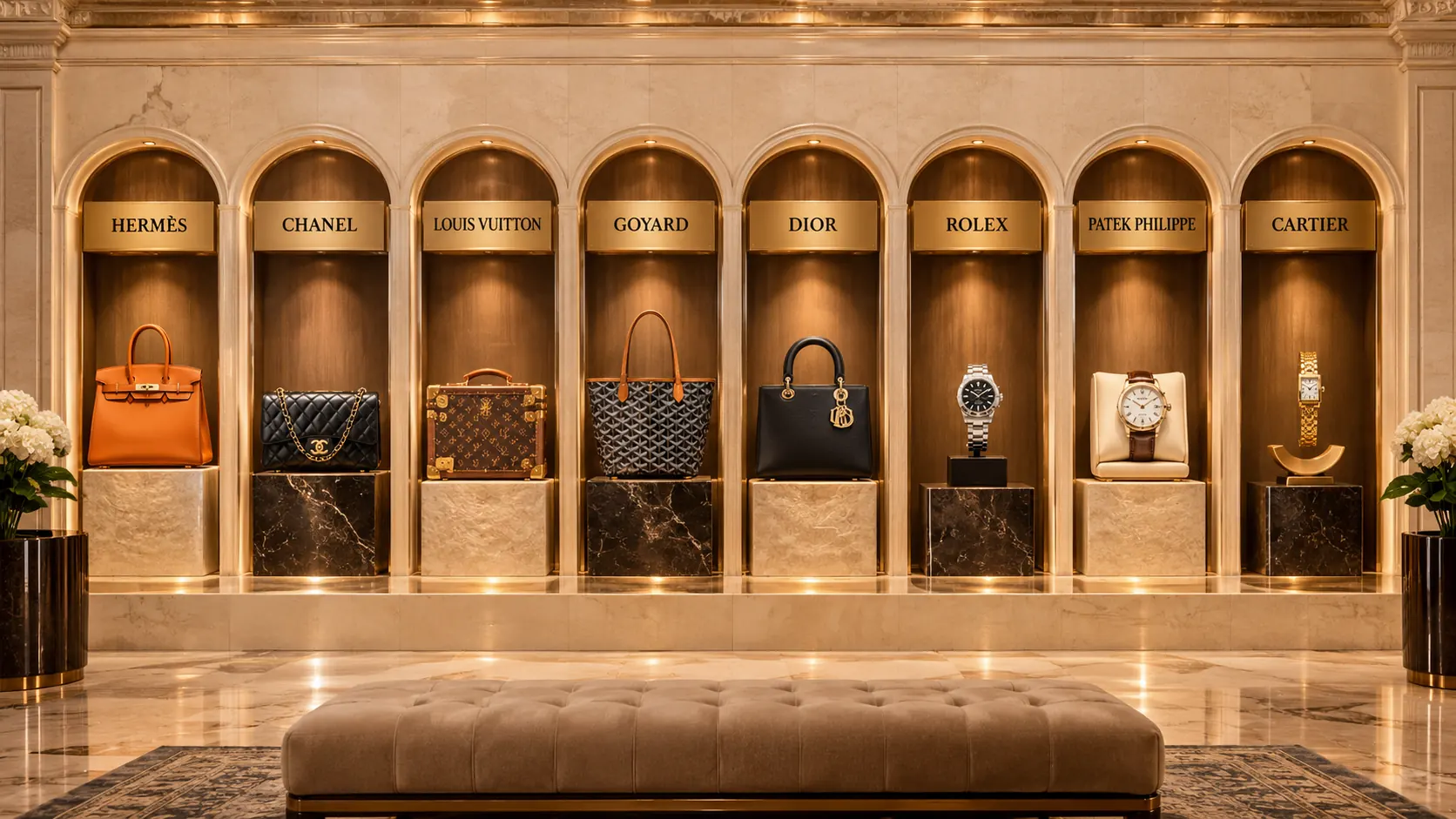
Across decades of recessions, fashion cycles, and retail upheaval, they have held their prices in public, absorbed unsold inventory in private, and raised prices on schedule like clockwork. The result is a group of brands whose products behave less like merchandise and more like assets. Here are the eight that never blink, and the strategy behind their resolve.
1. Hermès, The House That Waits You Out
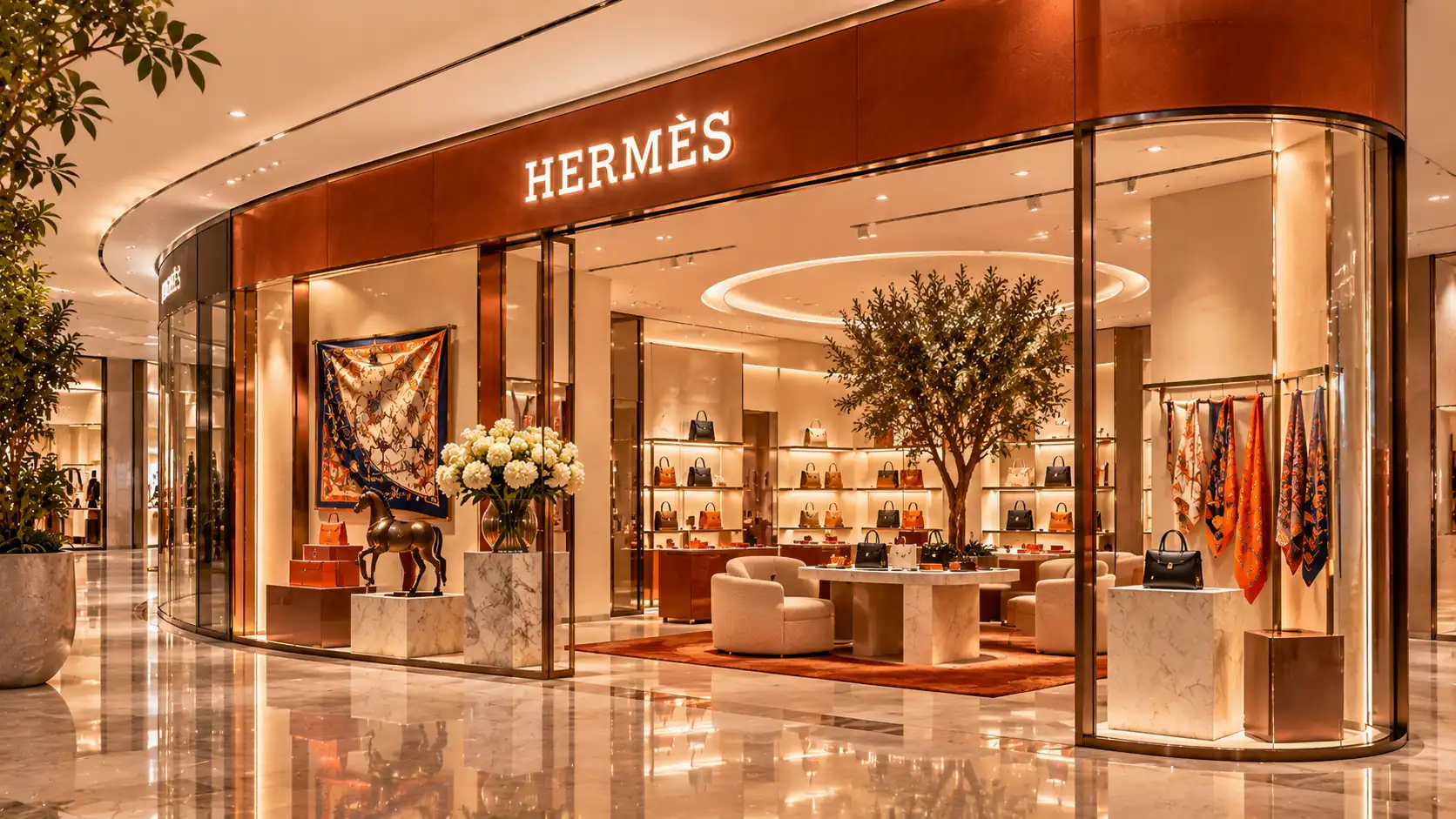
Hermès does not discount because Hermès does not need to sell you anything today. The house deliberately produces fewer Birkin and Kelly bags than the market demands, converts its boutiques into gatekeepers rather than showrooms, and famously destroys unsold inventory rather than let it reach an outlet rack at reduced price.
When a product line underperforms, it disappears quietly rather than appearing at forty percent off. The strategy requires iron discipline and private ownership structure to survive shareholder pressure, but the payoff is total: a Hermès bag purchased today is understood by buyer and market alike to be worth its price permanently.
The numbers validate the philosophy. Hermès bags routinely resell at or above retail on the secondary market, a phenomenon documented throughout the Hermès story, and the house’s revenue per store leads the luxury industry. Scarcity plus patience equals pricing power, and no house exercises it with more serenity.
2. Chanel, The Price That Only Rises
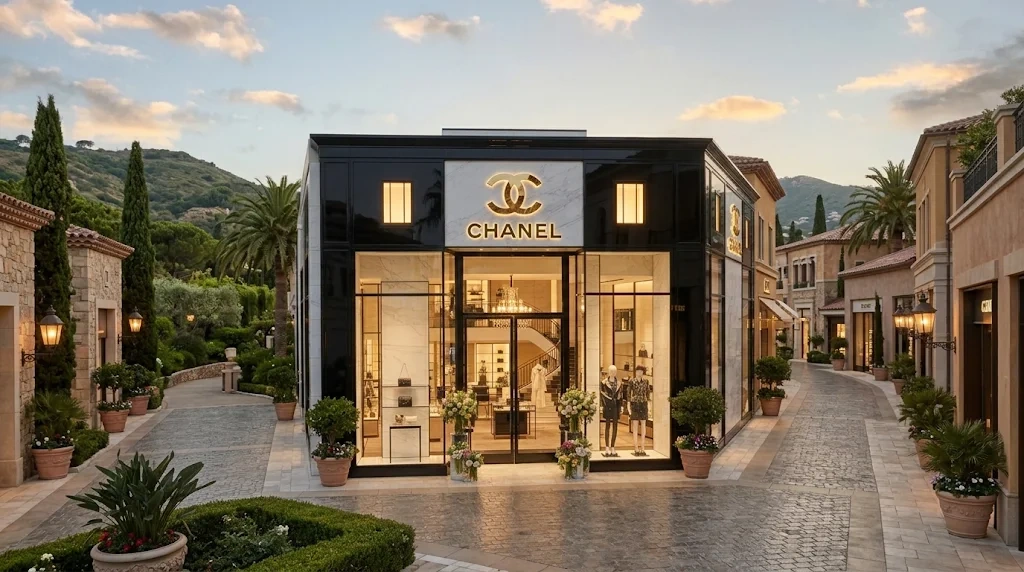
Chanel’s no discount policy is enforced with almost theatrical consistency, but what truly distinguishes the house is the direction its prices travel: upward, regularly, and significantly.
The Classic Flap bag has seen repeated price increases over the past decade, transforming each purchase into a defensive investment. Customers who bought five years ago hold bags worth more today at retail than they paid, a dynamic that converts hesitation into regret and loyalty into profit.
The house protects this system completely. Chanel operates no outlets, participates in no department store promotions, and limits distribution to its own boutiques and a handful of prestige doors. Even its beauty line, while broadly distributed, maintains price discipline that cosmetics competitors abandoned long ago.
The full mechanics of this discipline run through the Chanel story, where every strategic decision since Coco’s era points toward the same conclusion: the price is the brand.
3. Louis Vuitton, Scale Without Markdown
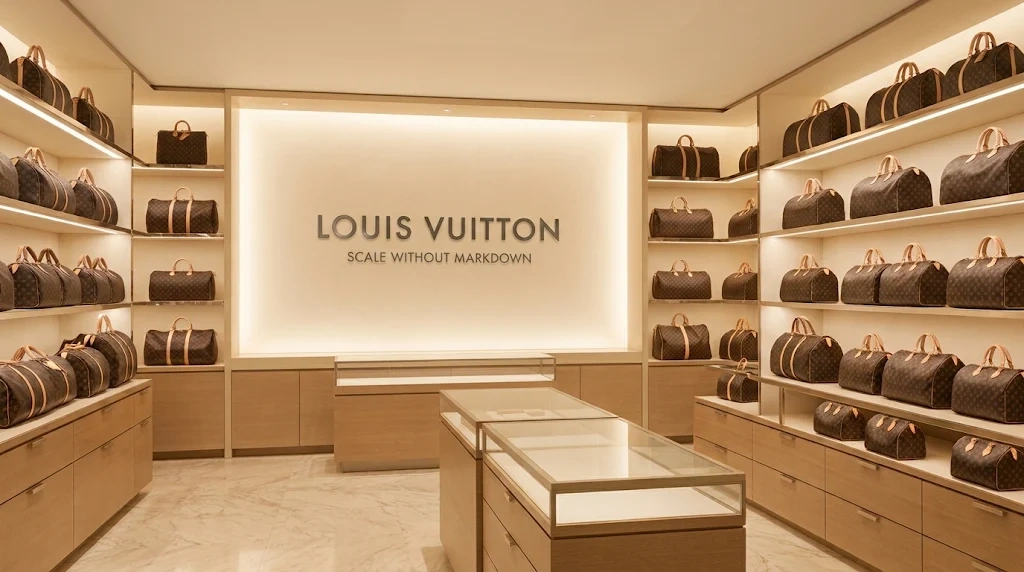
Louis Vuitton proves that refusing discounts is not merely a boutique strategy but one that works at the largest scale in luxury. As the world’s biggest luxury brand by revenue, Vuitton sells millions of products annually without a single authorized sale, outlet liquidation, or seasonal markdown of its core lines.
The house famously destroys unsold stock rather than discount it, a practice that draws periodic criticism and absolute commercial conviction.
The logic is circular and powerful. Because Vuitton never discounts, customers never wait for discounts. Because customers never wait, full price sell through stays high.
The strategy sustains the brand’s position in our guide to handbags worth the investment, where Vuitton’s core canvas pieces hold value with remarkable consistency precisely because no one ever bought them cheap.
4. Goyard, Silence as Strategy
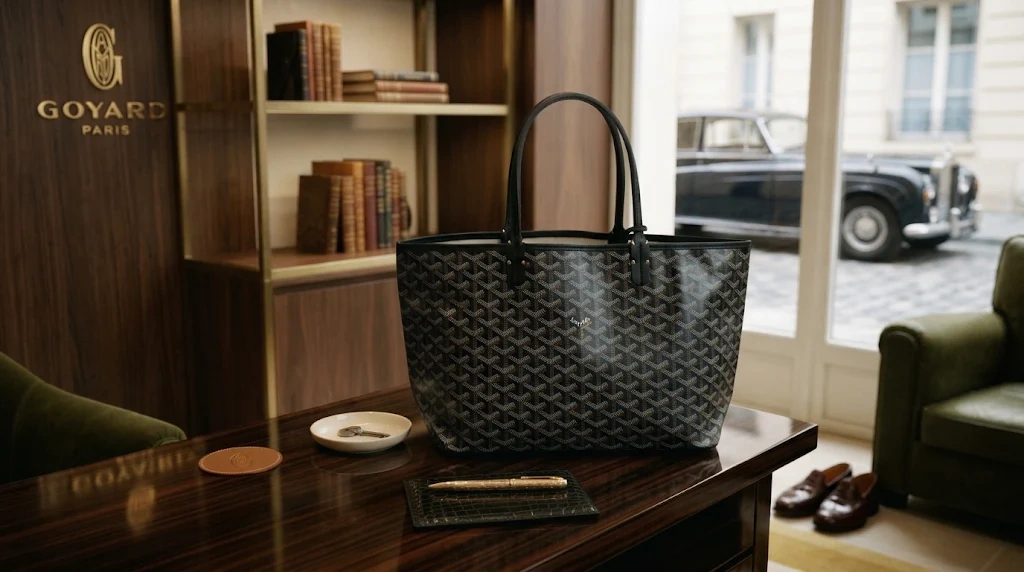
Goyard takes the no discount philosophy to its logical extreme by refusing nearly every tool of modern retail. No advertising, no e-commerce sales channel of its own, no celebrity seeding programs, no seasonal promotions, and a boutique network kept deliberately small. You cannot buy a discounted Goyard because, functionally, you can barely buy a Goyard at all without walking into one of a few dozen stores worldwide.
This manufactured rarity has produced an extraordinary outcome: a brand with minimal marketing spend whose Saint Louis tote carries waiting lists and whose resale values rival houses a hundred times its advertising budget. Goyard demonstrates that in luxury, the absence of noise can be the loudest signal of all.
5. Dior, Discipline Behind the Glamour
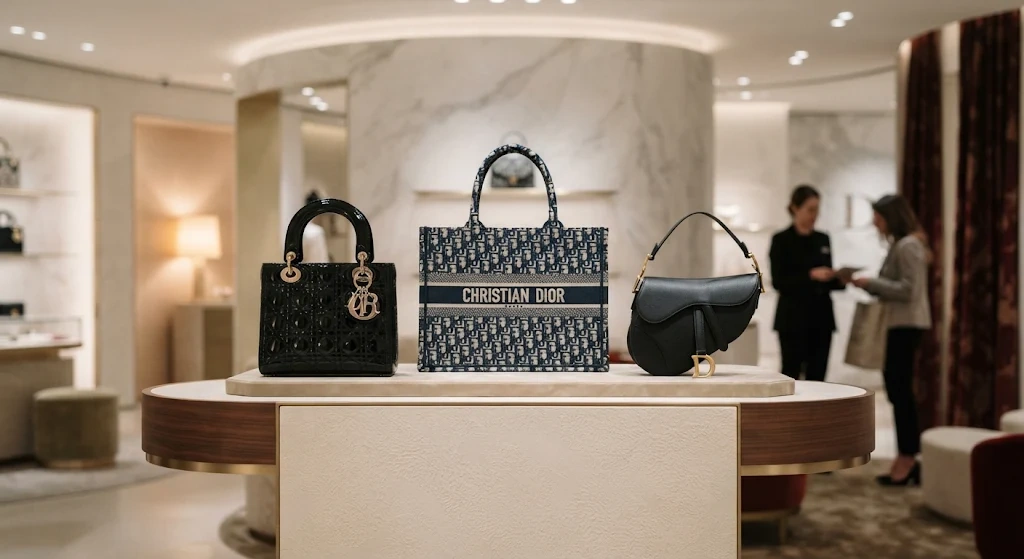
Dior’s red carpet glamour obscures one of the most disciplined pricing regimes in fashion. The house does not discount its core lines, does not operate outlet liquidation for its main collections, and manages its Lady Dior, Book Tote, and Saddle lines with the same scarcity instincts as its smaller rivals. Seasonal pieces exit quietly through private client channels rather than public markdowns, preserving the illusion, and largely the reality, of permanent value.
The strategy reflects the LVMH playbook at its most refined: invest heavily in image, distribute selectively, and treat the full price transaction as the only transaction that matters. Dior’s consistent pricing has helped its icon bags build secondary market depth that trend driven brands cannot replicate.
6. Rolex, The Waiting List as Policy
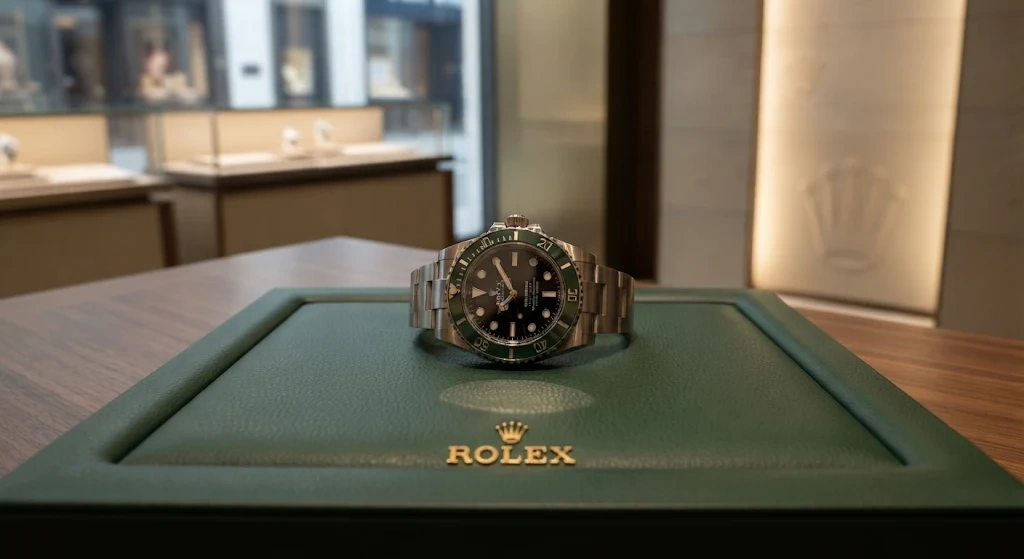
Rolex never discounts because Rolex never needs to. Demand for its steel sports models has outstripped supply for years, producing authorized dealer waiting lists measured in years and secondary market prices that have historically exceeded retail for the most coveted references.
An authorized dealer who discounted a Submariner would be committing commercial heresy against a product that sells itself at full price before it reaches the display case.
The discipline extends across the catalog and across decades, building the market confidence chronicled in the Rolex story. When a watch can be sold the day after purchase for what you paid, or more, the concept of a sale price stops existing. Among the most iconic luxury watches ever made, Rolex models dominate the value retention charts for exactly this reason.
7. Patek Philippe, The Multi Generational Price
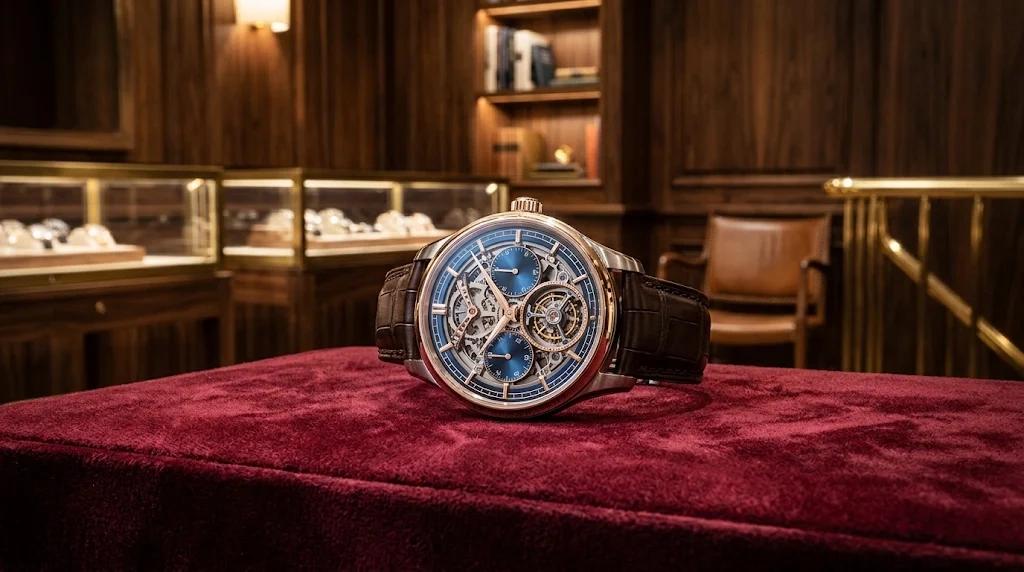
Patek Philippe’s famous advertising line, that you never actually own one but merely look after it for the next generation, is also its pricing philosophy. A watch intended to pass between generations cannot be discounted, because a discount would tax the past owner’s inheritance and the future owner’s expectation.
The house protects value with ruthless consistency, limiting production, controlling distribution, and treating every transaction as an entry in a ledger that will be read by grandchildren.
The auction market repays the discipline. Vintage Patek references anchor the watch collecting world’s price records, and modern pieces purchased at retail have historically proven among the safest stores of value in all of luxury. Discounting would not merely hurt the brand. It would violate the contract with every family that ever bought one.
8. Cartier, The Jeweler’s Immunity
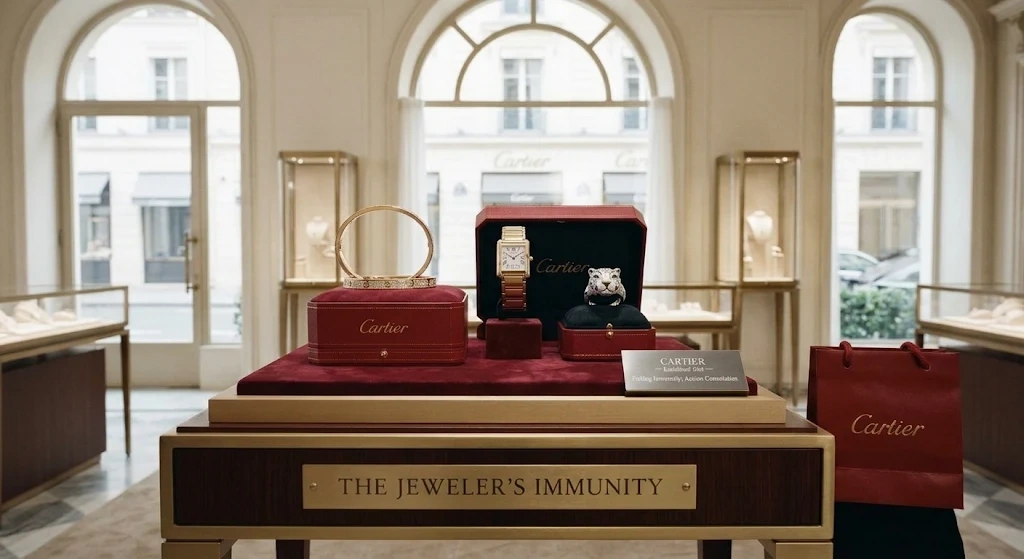
Cartier has spent over a century and a half building the kind of pricing immunity that only true maisons possess. The Love bracelet, the Tank watch, the Panthère collections: none has ever appeared at a sanctioned discount, and the house’s boutiques hold their price architecture through every retail season. Even during the deepest luxury downturns, Cartier adjusts production rather than price.
The result is a brand whose pieces function as family currency, gifted at weddings, graduations, and anniversaries with the confidence that today’s price protects yesterday’s gift. That confidence shows in the brand’s standing among the most prestigious jewelry houses in the world, where Cartier’s value retention is treated as a benchmark rather than an achievement.
The Lesson Behind the Discipline
Look across these eight houses and the pattern is unmistakable. Every one treats price as a promise rather than a number. Discounting, in their calculus, does not move merchandise; it spends trust, and trust is the only inventory that cannot be restocked.
The brands pay real costs for the discipline, destroying unsold goods, refusing short term revenue, absorbing the pressure of slow seasons, and they pay willingly because the return compounds across generations.
For buyers, the implication is practical. Full price purchases from houses on this list carry a hidden insurance policy: the brand itself works every day to defend the value of what you bought. In a retail world addicted to the red sticker, that may be the most luxurious service of all.
FAQs
Which luxury brands never have sales?
Hermès, Chanel, Louis Vuitton, Goyard, Dior, Rolex, Patek Philippe, and Cartier maintain strict no discount policies on their core products. None operate public sales or outlet liquidation for main lines, and all protect retail prices through controlled distribution and deliberate scarcity.
Why does Chanel keep raising its prices?
Chanel raises prices regularly to reinforce exclusivity, offset material and craftsmanship costs, and align its positioning with the most expensive tier of luxury. The increases have made earlier purchases appreciate, turning the Classic Flap into a product buyers treat as a defensive investment.
Does Louis Vuitton ever go on sale?
No. Louis Vuitton never discounts its products, operates no outlet sales for its core lines, and destroys unsold inventory rather than liquidating it at reduced prices. This policy has held for decades and is central to the brand’s value retention.
Do Rolex watches ever get discounted?
Authorized Rolex dealers do not discount, and demand for popular models has exceeded supply for years, creating multi year waiting lists. Secondary market prices for coveted steel sports references have historically traded at or above retail, eliminating any logic for markdowns.
What happens to unsold luxury goods if brands never discount?
Practices vary by house. Hermès and Louis Vuitton are known to destroy unsold core inventory rather than discount it. Others quietly retire underperforming lines, sell through private staff and client channels, or donate materials, all structured to keep markdowns invisible to the public market.
Is it worth buying luxury at full price?
From brands with strict no discount policies, yes, because the policy itself defends your purchase’s value. Hermès, Chanel, and Rolex products routinely resell at or near retail, and some appreciate. From brands that discount seasonally, patience usually beats immediacy.
Do these brands have outlets?
Hermès, Chanel, Louis Vuitton, and Goyard operate no outlet stores for their core products. Some luxury groups maintain outlets for secondary lines, but the eight brands on this list keep their icons strictly within full price boutiques and authorized dealers.
How does never discounting affect resale value?
It protects it directly. Buyers pay near full price on the secondary market precisely because no discounted primary supply exists. Hermès Birkins, Chanel flaps, and steel Rolex sports models have all historically resold at or above retail, a dynamic impossible for brands that run public sales.