There is a small moment that happens before almost every good outfit comes together.
You have the dress.
You like the dress.
Then you look down.
And suddenly the shoes have become the entire problem.
The relationship between ladies dresses and shoes is more important than it first appears. The same dress can feel relaxed with sneakers, refined with ballet flats, elegant with heels, or completely different with a pair of boots.
The trick isn’t owning endless options.
It is understanding proportion, occasion, color, texture and mood well enough to make the pieces you already love work together.
The Dress Usually Sets the Mood
Before choosing shoes, look at the dress itself.
Is it flowing or structured?
Minimal or decorative?
Short, midi or floor-length?
Daytime or evening?
A lightweight summer dress naturally suggests something different from a tailored black dress.
This doesn’t mean there are strict rules. Fashion becomes interesting precisely when those rules are bent.
But understanding the original relationship between the pieces makes it easier to break the rules deliberately.
Dresses With Sneakers
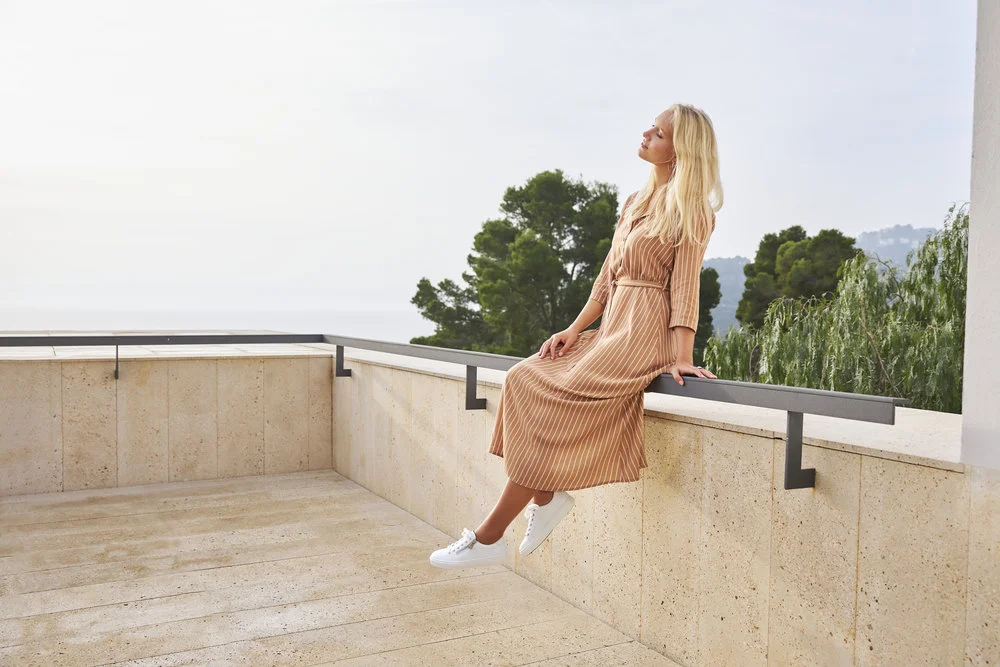
The combination of a dress and sneakers has become one of the easiest ways to make feminine dressing feel more relaxed.
A simple white sneaker can work particularly well with:
- Cotton dresses
- Shirt dresses
- Midi dresses
- Casual maxi dresses
- Minimal slip-style dresses
- Relaxed summer dresses
The appeal is contrast.
The dress brings softness.
The sneaker brings practicality.
Together, they create an outfit that feels modern without looking as though you tried too hard.
For travel days, this combination can be particularly useful. A comfortable shoe can make more sense than carrying a beautiful pair of heels through an entire city.
Dresses With Ballet Flats
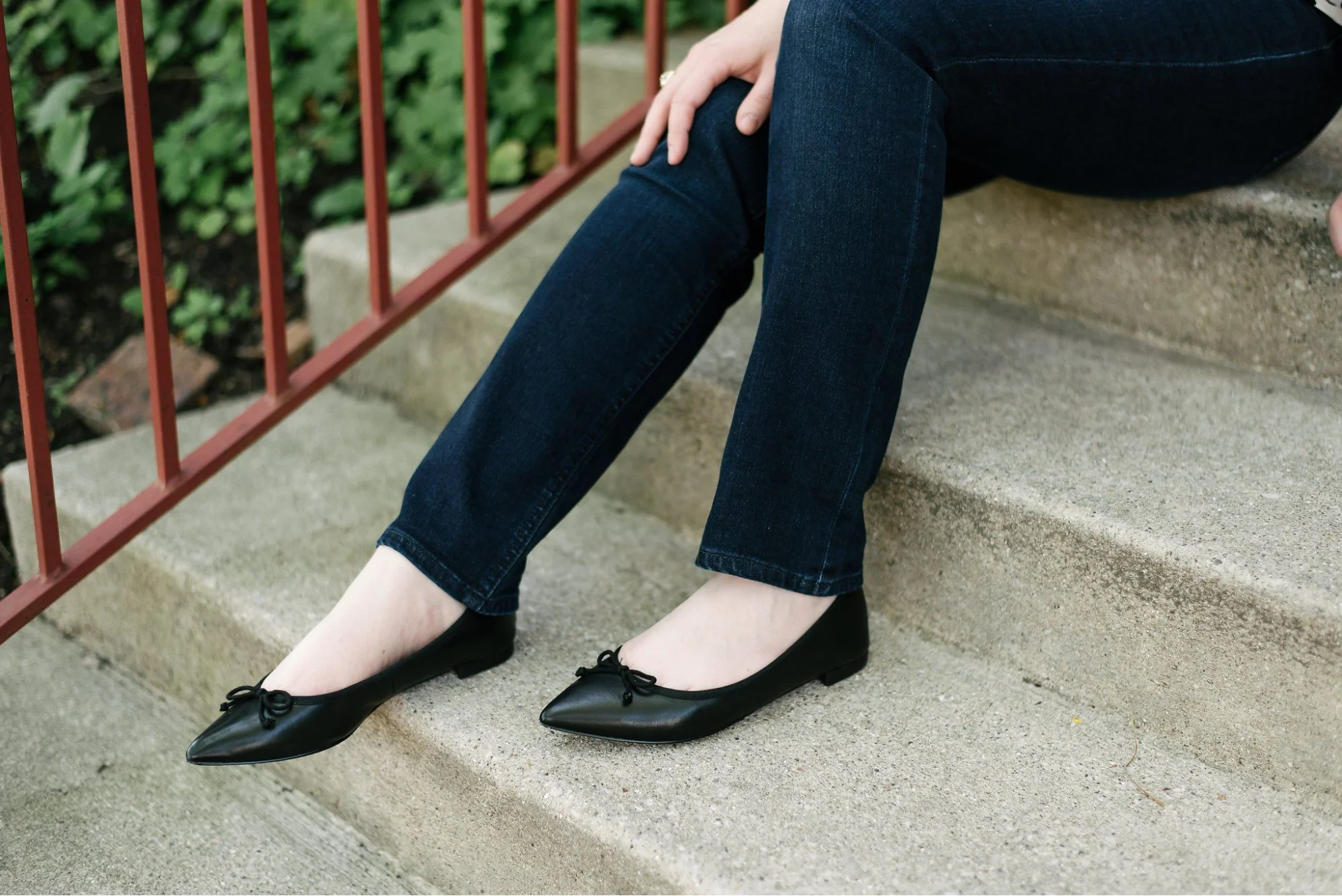
Ballet flats have returned repeatedly because they solve a surprisingly difficult styling problem.
They can make an outfit feel polished without making it formal.
Pair them with a midi dress for an understated daytime look, or use a simple flat with a more structured dress when you want the clothing to remain the focus.
Pointed flats can create a slightly sharper silhouette, while rounded shapes feel softer and more traditional.
Neither is better.
They simply create different moods.
Dresses With Heels

Heels change the architecture of an outfit.
Even a modest heel can alter posture and make a dress appear more elongated.
The important question isn’t simply whether heels look elegant.
It’s whether the heel belongs to the occasion.
A delicate heel can complement an evening dress beautifully, while a low block heel may make more sense for a daytime event where you will actually be walking.
The most elegant shoe is rarely the one you spend the entire evening wishing you could remove.
Dresses With Boots
This is where things become more interesting.
A floral or feminine dress with boots creates tension between softness and structure.
An ankle boot can make a summer dress feel appropriate for autumn.
A knee-high boot can give a shorter dress more visual weight.
Cowboy-inspired boots can introduce a Western reference without requiring the rest of the outfit to follow the same theme.
This is one of the easiest ways to make an older dress feel completely new.
You aren’t changing the dress.
You’re changing its context.
What Shoes Work With a Maxi Dress?
Maxi dresses already create a strong vertical line, so the shoe can either disappear beneath the hem or become an intentional part of the look.
For casual occasions, sneakers, sandals and flat shoes can keep the outfit relaxed.
For evening dressing, heels or elegant sandals can add height and structure.
The key consideration is the hem.
If the dress is very long, the shoe needs to work with its length rather than creating an awkward break.
A little practical tailoring can make more difference than buying another pair of shoes.
What Shoes Work With a Midi Dress?
Midi dresses leave more of the shoe visible, which makes footwear a larger part of the overall composition.
This is where proportions become especially important.
A sleek flat can create a delicate silhouette.
A sneaker makes the look more casual.
An ankle boot adds weight.
A heel creates more vertical movement.
The same midi dress can therefore become four very different outfits.
That versatility is one reason midi dresses remain so useful.
How to Match Shoe Color With a Dress
Matching doesn’t necessarily mean choosing identical colors.
In fact, exact matching can sometimes make an outfit feel too deliberate.
Instead, look for relationships.
A black shoe can anchor a patterned dress.
A neutral shoe can allow a strong-colored dress to remain the focus.
Metallic footwear can echo jewelry.
Brown or tan leather can complement earthy colors, denim and warm neutrals.
And sometimes the most interesting choice is contrast.
A bright dress with understated shoes can feel sophisticated because the eye knows exactly where to look.
Do Black Shoes Go With Everything?
Almost—but not literally everything.
Black shoes are useful because they provide visual weight and work naturally with darker colors, neutrals and many prints.
However, very light summer dresses can sometimes feel better with lighter footwear.
A pale linen dress paired with heavy black boots creates a completely different mood from the same dress worn with tan sandals.
Neither is inherently wrong.
The question is what story you want the outfit to tell.
The Forgotten Importance of Material
Color gets most of the attention.
Texture often does more.
Imagine two pairs of beige shoes.
One is glossy patent leather.
The other is soft suede.
They may be almost identical in color, but they communicate completely different things.
The same applies to dresses.
Silk, linen, cotton, velvet, leather and knit fabrics all interact differently with footwear.
A delicate fabric often benefits from a shoe with some visual lightness.
A heavier dress can handle a more substantial shoe.
Think of the materials as having a conversation.
How to Choose Shoes for a Formal Dress
Start with the dress’s level of formality.
A heavily embellished evening dress doesn’t necessarily need an equally dramatic shoe.
Sometimes a minimal sandal works better because it lets the dress remain the centerpiece.
With simpler formal dresses, footwear can play a larger role.
A sculptural heel, metallic finish or distinctive silhouette can become the detail that gives the outfit personality.
The goal is balance.
What About Dresses and Loafers?
Loafers have become one of the most useful bridges between traditionally feminine dressing and modern tailoring.
A dress with loafers can feel polished without becoming overly formal.
It works particularly well with:
- Shirt dresses
- Knit dresses
- Minimal midi dresses
- Tailored dresses
- Relaxed dresses
Add a structured bag or simple jewelry and the look can move comfortably between work, travel and dinner.
Building a Smaller Shoe Wardrobe
You don’t need twenty pairs of shoes to create a versatile wardrobe.
A carefully chosen collection might include:
A clean everyday sneaker for casual dresses and travel.
A refined flat for polished daytime outfits.
A versatile sandal for warm-weather dressing.
A simple heel for formal occasions.
A boot for cooler seasons and contrast styling.
From there, everything else becomes an addition rather than a necessity.
This is where wardrobe building becomes more enjoyable.
You’re buying pieces because they add something new—not because you are trying to fill every possible category.
The Question of Comfort
There is a strange habit in fashion of treating discomfort as evidence that an outfit is sophisticated.
It isn’t.
A shoe can be beautiful and still be the wrong choice for a particular day.
If you’re attending a wedding, walking through a city, traveling or spending several hours standing, comfort becomes part of the styling decision.
A polished flat can sometimes look far more elegant than a heel that leaves you walking painfully by the end of the evening.
Good style should survive real life.
The Most Interesting Combinations Aren’t Always Obvious
One of the pleasures of styling ladies dresses and shoes is discovering combinations that weren’t initially obvious.
A romantic dress with chunky loafers.
A tailored dress with minimalist sneakers.
A vintage dress with contemporary boots.
A simple black dress with sculptural flats.
A flowing maxi with understated sandals.
These combinations work because they introduce tension.
Fashion becomes memorable when everything isn’t saying the same thing.
Frequently Asked Questions
Should shoes match the dress exactly?
Not necessarily. Coordinating colors, materials or visual weight can create a more sophisticated relationship than matching the colors perfectly.
What shoes make a dress look more expensive?
There isn’t one universal shoe. Clean construction, appropriate proportions, quality-looking materials and a silhouette that complements the dress can make the overall outfit feel more refined.
Can you wear sneakers with an elegant dress?
Yes. The contrast can make formal-looking pieces feel contemporary and easier to wear during the day.
What shoes make your legs look longer with a dress?
A shoe that creates a relatively uninterrupted visual line can help. Nude or tonal footwear can have this effect, as can certain heels, but the length and shape of the dress matter just as much.
Can you wear boots with a summer dress?
Absolutely. Boots can give a lightweight dress more structure and make it easier to transition between seasons.
What shoes should you pack for a luxury vacation?
Think about the actual itinerary rather than packing only for photographs. A comfortable walking shoe, versatile sandal, polished evening option and one adaptable pair for unexpected plans can cover a surprising amount of ground.
How many pairs of shoes does a woman really need?
There is no meaningful universal number. A small wardrobe can work extremely well when each pair serves a distinct purpose and complements several outfits.
Why does the same dress look completely different with different shoes?
Because footwear changes the proportions, visual weight, formality and cultural references of an outfit. Shoes are not simply the finishing touch—they can change the entire character of a dress.
The Real Secret to Dresses and Shoes
The easiest way to think about ladies dresses and shoes isn’t as a matching exercise.
Think of them as two parts of the same sentence.
The dress establishes the mood.
The shoes finish the thought.
Sometimes they should agree.
Sometimes they should deliberately disagree.
A delicate dress with a heavy boot can feel unexpectedly modern. A simple dress with an elegant heel can become eveningwear. A favorite summer dress with sneakers can become the perfect travel outfit.
The most useful wardrobe isn’t the one with the most clothes.
It’s the one where the pieces keep finding new ways to belong together.