The best closet organization tips should help you find an outfit, not give you another collection of containers to maintain.
You know the scene: the trousers you want are somewhere beneath a sweater, the good belt has disappeared, and the shirt that would finish everything is waiting for a button. Meanwhile, three immaculate empty shoe boxes are enjoying an entire shelf. They seem very comfortable.
A better closet gives your clothes room to be useful. You can see what you own, put it away without negotiations and reach for something lovely on an ordinary morning.
Start by finding what interrupts that process. Then arrange the space around the clothes you wear, the care they need and the way you actually get dressed. The following 25 ideas combine practical storage guidance with simple experiments you can try before buying anything.
Key Takeaways
- Diagnose the repeated inconvenience before changing the whole closet.
- Make putting clothes away as straightforward as taking them out.
- Match storage to a garment’s construction; matching hangers are a secondary concern.
- Use outfit photos, clear action labels and a laundry-day check to find gaps in your system.
- Give luxury pieces appropriate care rather than treating every item as permanent open-shelf decor.
Where Should You Start Organizing Your Closet?
1. Photograph the Closet Before Tidying It
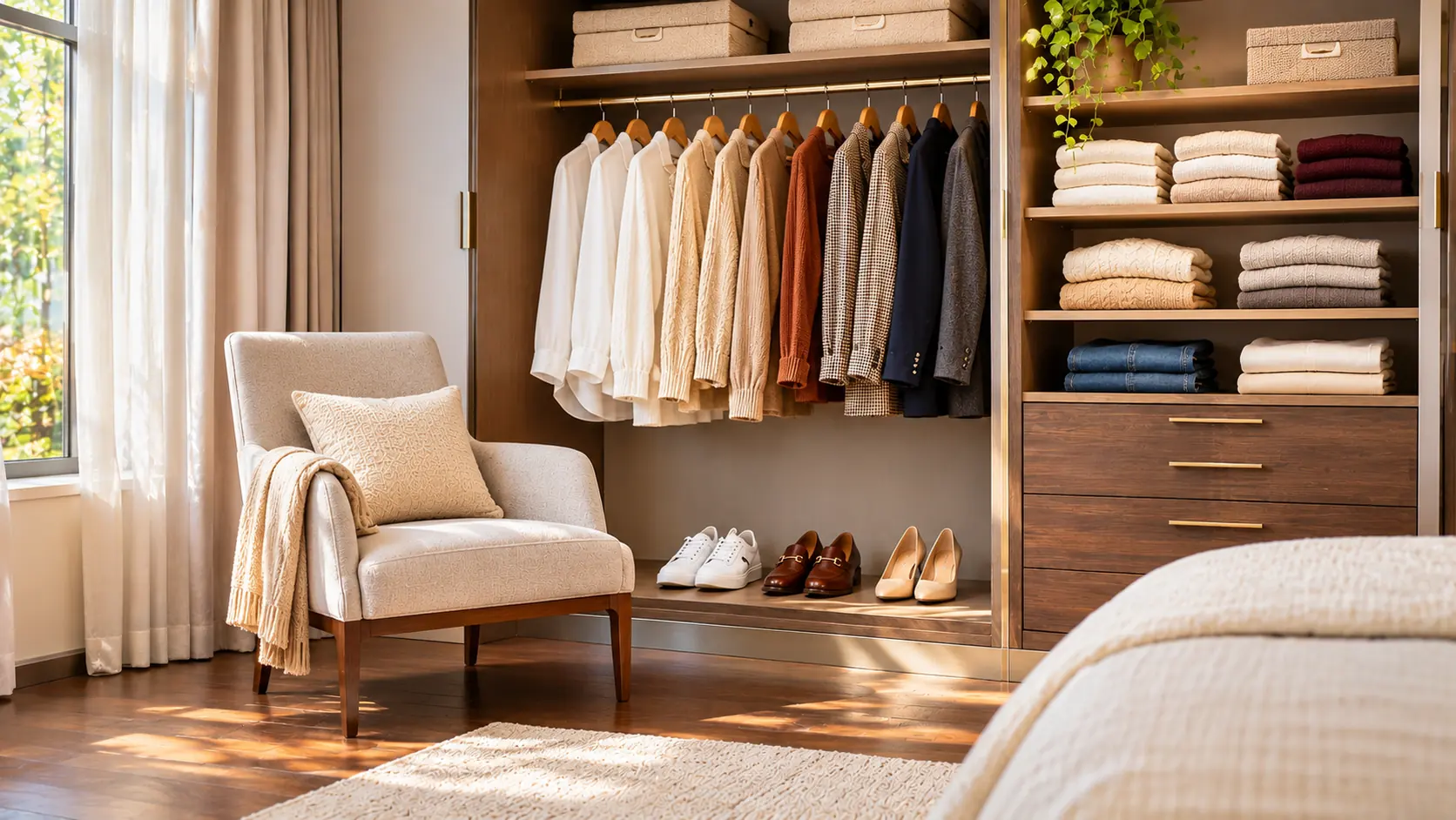
Take a picture exactly as it is. The interesting details are the clothes on the chair, the abandoned hangers and the corner you cannot reach.
Beside the photo, write three frustrations: perhaps finding trousers, putting away knitwear and locating the second earring. Those become your priorities. A beautiful arrangement that leaves all three unresolved has missed its brief.
2. Follow One Item From Laundry to Storage
Choose a frequently worn item and trace its route. Where does it wait after drying? What has to move before you can put it away?
If returning a T-shirt means removing a box, lifting a stack and reconstructing a fold, you have found a likely source of the chair pile. Give that category a simpler route home.
3. Work in Sections You Can Finish
Empty one drawer, one shelf or one short rail at a time. Finish the decisions and return what belongs before moving on.
This is especially useful if you share a bedroom or have limited time. You should be able to stop for dinner without negotiating with a mountain of clothes on the bed.
4. Label Decisions With Verbs
Use temporary labels such as wear, alter, clean, sell, donate and store. Each should describe an action you understand.
A pair of trousers needing a hem belongs with alterations, not among ready-to-wear clothes. Put the next step on a note: book tailor, measure against favorite pair, or request estimate. Vague intentions take up remarkably solid amounts of space.
5. Give Uncertainty a Reason and a Review Date
When you cannot decide about an item, write why: uncomfortable waistband, difficult color, sentimental value or no suitable occasion.
Then choose a sensible review point. An evening dress may need the next relevant invitation; everyday trousers may need one proper fitting session. The purpose is to resolve the question, not punish clothes for being seasonal or special.
How Can You Make More Outfits From What You Own?
6. Check What Is Missing Before Buying More Clothes
Take an unworn favorite and try to build an outfit around it using your existing wardrobe.
Perhaps it needs a different bra, a hem adjustment or a belt you already own. Perhaps the shoes are the problem. Identify the actual obstacle before deciding that another statement piece will solve it.
7. Photograph Complete Outfits
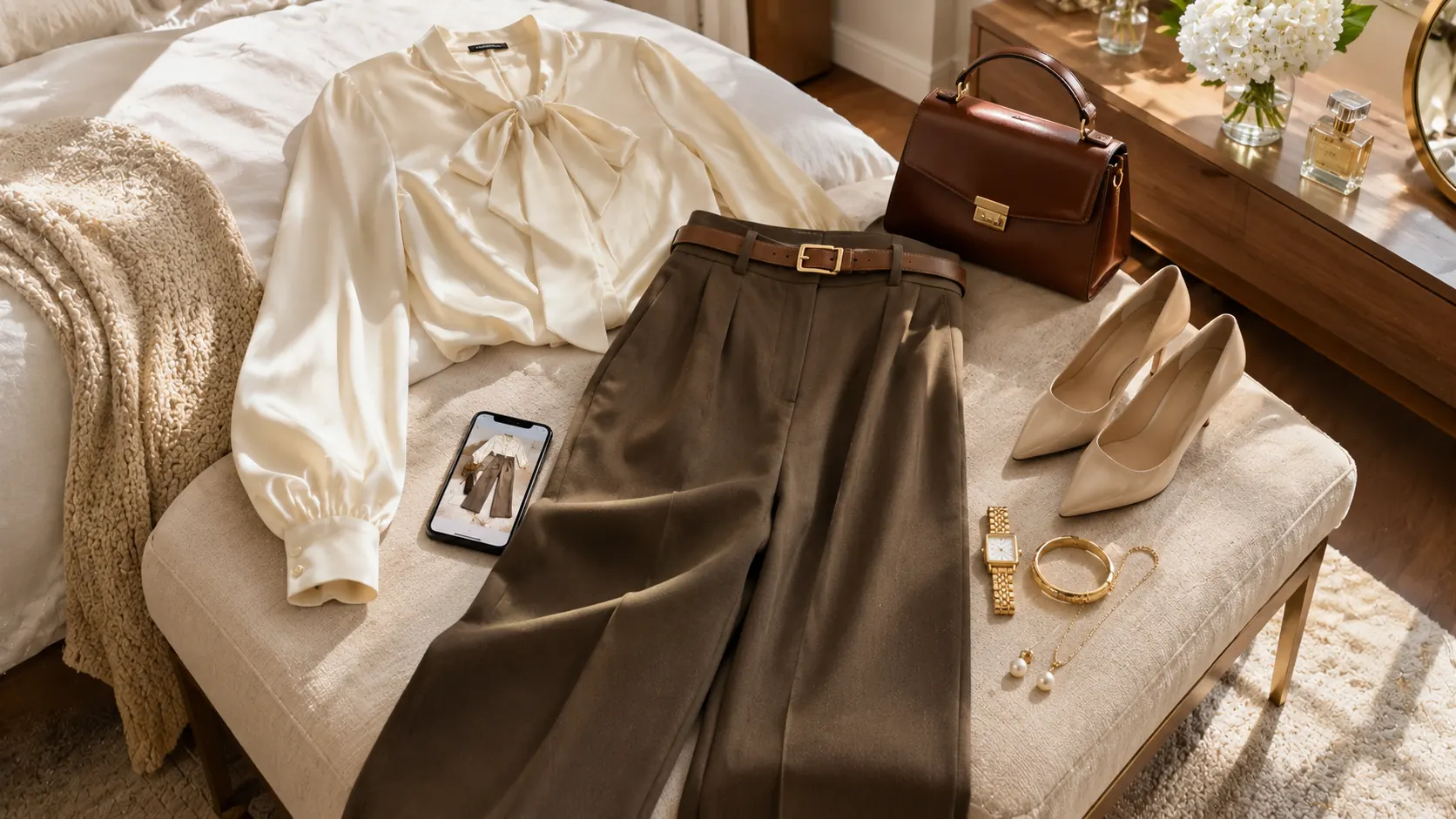
When a combination works, photograph the whole thing: clothing, shoes, bag and jewelry. Store the pictures in a phone album.
A photo preserves the proportion you liked, including the tucked shirt or rolled sleeve. It is particularly helpful for outfits assembled in a moment of inspiration that would otherwise vanish by Monday morning.
8. Give Reliable Pieces the Easiest Access
Place frequently used clothes where you can reach and return them comfortably. Let occasional pieces occupy less convenient space, provided their storage remains suitable.
Your daily knit should not require a step stool while an elaborate holiday hat occupies the easiest shelf. Access is a practical privilege, not an award for being the most glamorous object.
9. Reserve a Small Area for Rediscovery
Choose a few wearable pieces you genuinely want to revisit. Put them together temporarily and use them while planning outfits.
Keep this selection small enough to notice. If a piece still goes untouched, ask what prevented you from choosing it. Change the pairing, fit or storage—or accept that you prefer admiring it to wearing it.
10. Keep Occasion Information With Occasion Clothes
Record the undergarments, shoes, accessories and alterations that make a particular look work. A note on your phone is enough.
For packed-away garments, add a photo and storage location. Finding the dress should also help you find the rest of the outfit, rather than begin a second treasure hunt.
Which Storage Choices Actually Suit Your Clothes?
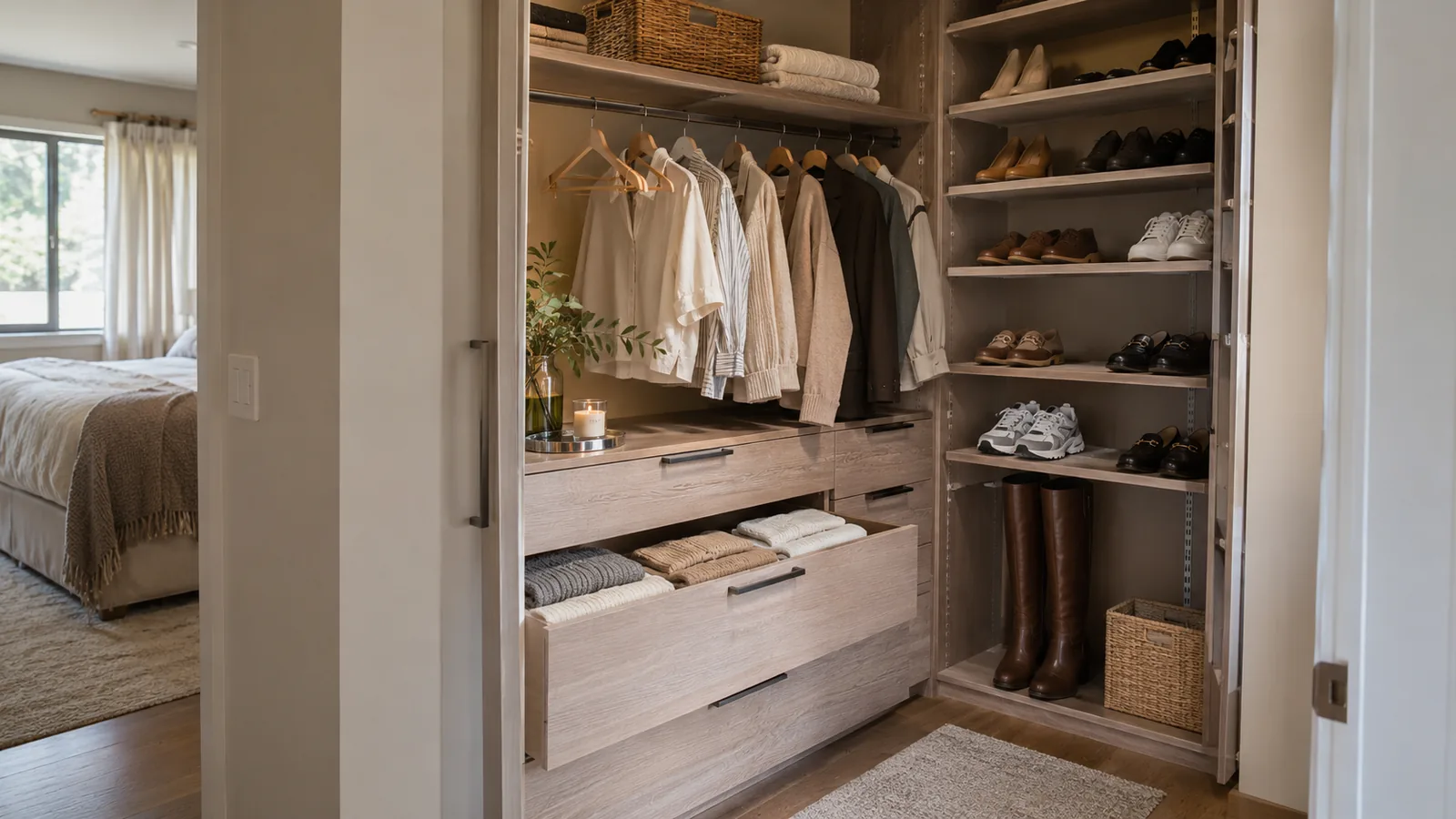
A clothing label or maker’s instructions should guide care decisions. These starting points help you choose the right questions.
| Item | Useful starting point | Detail to check |
| Knitted wool sweaters | Gently folded storage | Avoid crowding or hanging that distorts the shape |
| Woven wool jackets | Shaped or padded hangers | Support the shoulders appropriately |
| Heavy embellished or fragile garments | Supported flat storage may be appropriate | Weight and condition can make hanging unsuitable |
| Everyday T-shirts | Upright rows or manageable flat stacks | Choose the method you can maintain |
| Structured handbags | Maker-recommended support and dust protection | Avoid compression and inappropriate stuffing |
| Seasonal wool | Clean, completely dry, protected storage | Follow care instructions and inspect periodically |
11. Buy Hangers for the Garment, Not the Photograph
A consistent look is pleasing, but one hanger does not suit everything. Woolmark recommends shaped or padded hangers for woven wool and folded storage for knitted garments.
Keep the right supports where you need them. A jacket deserves proper shoulder support even if its hanger interrupts your perfectly coordinated rail.
12. Take Heavy and Fragile Pieces Off Automatic Hanging Duty
An embellished dress can place considerable weight on a small area. Fragile shoulders, knit construction and bias-cut fabric also deserve attention before hanging.
Conservation guidance identifies these as situations where hanging may be unsuitable. For valuable or delicate pieces, ask the maker, a specialist cleaner or a textile conservator about suitable support. Ordinary storage habits do not suit every exceptional garment.
13. Choose a Fold You Can Repeat
Upright rows can make sturdy basics easy to see. Short flat stacks may work better for soft or bulky pieces.
Try both with the same drawer before buying dividers. The useful method is the one that keeps clothes accessible after several uses, without forcing you to refold everything around the item you wanted.
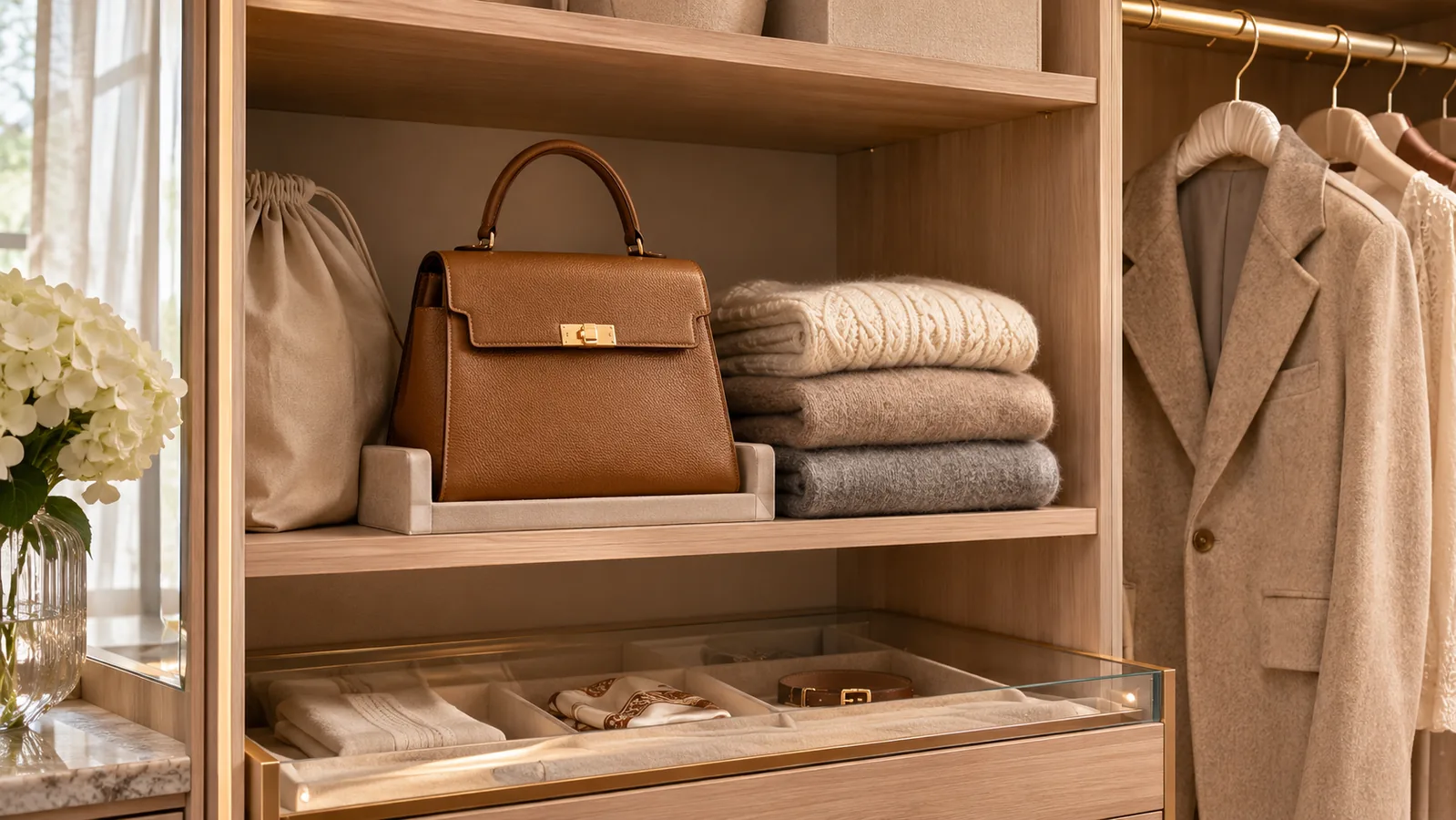
14. Give Handbags Support Without Stretching Them
Louis Vuitton advises lightly supporting a hand bag’s structure, using a breathable dust bag and avoiding prolonged hanging by its handles.
Treat that as guidance for checking the maker’s instructions for your own bag. Stuffing should preserve the intended shape rather than push it outward. A bag squeezed into its shelf has not been given a suitable home.
15. Match the Storage Environment to the Material
Leather and wool do not come with one universal storage rule. Hermès warns against excessive humidity and dryness and advises against moisture-absorbing sachets that can dry leather. Woolmark’s seasonal guidance allows sealed storage for clean, fully dry wool.
Keep material-specific instructions with your storage notes. A method suited to sweaters should not automatically become the system for every handbag beside them.
16. Leave Your Favorite Bag Out of the Sun
An open display can be beautiful, but position matters. Direct sunlight and heat are poor companions for leather storage, according to luxury-house care guidance.
If a shelf receives strong daylight, use another location for susceptible pieces. You can enjoy the bag while wearing it; it does not need to perform as a permanent sunlit exhibit.
How Do You Organize a Small Closet Without Making It Fussy?
17. Measure the Item and the Movement
Measure shelves and drawers, then check the space needed to remove things. Include door swings, drawer clearance and the height needed to lift a box.
A container that fits perfectly but cannot slide out is a very elegant obstruction. Test the movement with a cardboard box before placing an order.
18. Choose a Filling Level You Can Use Comfortably
Put your largest regularly stored item into the space, take it out and return it. If neighboring pieces come with it, reduce the contents or change the layout.
Use this physical test instead of chasing a fixed percentage of empty space. Different garments and shelves need different amounts of clearance.
19. Make High Shelves Predictable
Keep everyday items within comfortable reach. Use harder-to-access space for lightweight, less frequently needed belongings, with a suitable step stool available.
Label containers with specific contents. The label should answer whether retrieving that box is worth the effort. Heavy or awkward items belong where you can handle them safely.
20. Test Shoe Storage With Your Tallest and Bulkiest Pair
Before ordering stackers or adjustable shelving, check heel height, boot shafts, embellishments and the room needed to lift shoes out.
Start by testing one organizer. Make sure it does not press against an upper or catch a decoration. A theoretical increase in capacity is not useful if your shoes suffer for it.
21. Keep One Simple Space for Worn Clothes
A garment can need laundering, appropriate airing or a return to storage. Give clothes awaiting that decision a limited, clear place, such as a suitable hook or small rail.
Review it regularly and follow the garment’s care instructions. This space should help you finish a decision rather than become a second wardrobe quietly forming behind the door.
How Can You Keep the Closet Organized After the First Weekend?
22. Give Repairs a Departure Plan
Put garments needing attention together and attach a clear note to each. Decide when the tailor, cleaner or repair service will receive them.
Keep the holding area limited. When it fills, complete some work before adding more. A growing collection of repairable clothes offers very little help when you need something to wear tomorrow.
23. Store Packaging Separately From Daily Dressing
Decide which boxes, receipts and accessories you need to retain for protection, records or a potential future sale. Keep them organized away from frequently used clothing where possible.
Before discarding packaging, check whether it serves a specific storage purpose. The aim is to free useful space thoughtfully, rather than replace clutter with regret.
24. Let Laundry Day Test the System
Once the closet looks finished, put away an ordinary load of clean clothes. Note what fails to return easily.
Perhaps the denim stack collapses, the drawer catches or the correct hangers are elsewhere. Fix that one problem. Then observe what happens the following week. A working closet has to accept returning clothes as well as display the ones already inside.
25. Review Repeated Problems, Not Every Possession
Take five minutes for a small reset: return obvious strays, check the repair area and notice anything repeatedly left out.
If the same cardigan lands on the same chair, consider a more convenient home. If one drawer keeps jamming, revisit its contents or folding method. Repetition gives you a specific problem to solve, which is far more useful than deciding you are simply bad at being organized.
What Can You Do If You Have Only 30 Minutes?
Aim for one complete improvement. Here is a suggested schedule, not a deadline you have to beat:
- Spend five minutes choosing the problem that interrupts dressing most often.
- Spend ten minutes working through the relevant shelf, rail or drawer.
- Spend ten minutes returning clothes with better access and suitable support.
- Use the last five minutes to remove outgoing items and note the next action.
Leave the rest for another session. Finishing one useful area gives you something to enjoy immediately.
Should You Organize Clothes by Color or Category?
Begin with the distinctions you use when dressing. That might mean trousers together and shirts together, followed by smaller divisions for work, casual wear or fabric weight.
Color can be a helpful final layer. Test whether it makes items easier to locate; there is no need to maintain a rainbow that adds work without helping you choose.
Do You Need Expensive Closet Organizers?
No. Identify the problem, test a layout using what you own, and measure before purchasing.
An appropriate hanger or a divider that keeps useful categories separate can earn its place. An elaborate container without a clear job usually gives you another object to manage.
How Should You Organize a Luxury Closet?
Begin with garment and accessory care. Give pieces appropriate support, protection and space, then arrange them so you can use them comfortably.
The luxury is in reaching for the silk blouse you love and finding it ready, or returning a beautiful bag to a place that actually suits it. A well-considered closet makes those small pleasures easier to repeat.