Zara is not a luxury brand; it is a high-street retailer that makes trend-led clothing more accessible. Fast fashion is a retail model that quickly produces and turns over trend-led clothing.
For consumers choosing what to wear, the question matters because a polished style can come at many price points. A familiar runway shape or refined display may catch your eye, yet those details alone cannot tell you what a garment offers.
You can make a clearer choice by looking at price, quality, and the business model behind the item. Each offers a practical clue about whether a purchase fits your needs and expectations.
Treat a polished look as a styling choice, not proof of luxury-level materials or construction.
Key Takeaways
- The retailer belongs to the high-street market.
- A premium look does not set a brand’s category.
- Price and construction can differ from one item to another.
- Check what you plan to wear and how often.
- A thoughtful purchase starts with the garment itself.
Is Zara a Luxury Brand?
A luxury-looking silhouette can be available from a high-street retailer without making that retailer a luxury house. Appearance alone does not establish a brand’s place in fashion.
Luxury fashion often centers on exclusivity, skilled craft, and a distinct product position. Those features help explain the category, but no single luxury item follows one fixed standard.
What Luxury Fashion Offers Beyond a Designer Look
Luxury brands build their identity through more than shape or color. Their designers may rely on careful finishing, special materials, and a long-standing house history.
Exclusivity can also matter. A label may limit how widely an item is sold, while its product position speaks to a different kind of customer.
That does not mean every luxury garment is handmade or made from the same materials. The category includes varied products, prices, and methods of production.
Louis Vuitton and Dior are recognizable luxury fashion labels within LVMH. They offer useful examples of luxury houses, not a standard for judging every product or designer.
Zara, by contrast, is a Spanish fast-fashion retail subsidiary of Inditex. Its design can borrow cues seen across fashion brands, but the overall brand remains part of mass-market retail.
Where Zara Fits on the Retail Spectrum
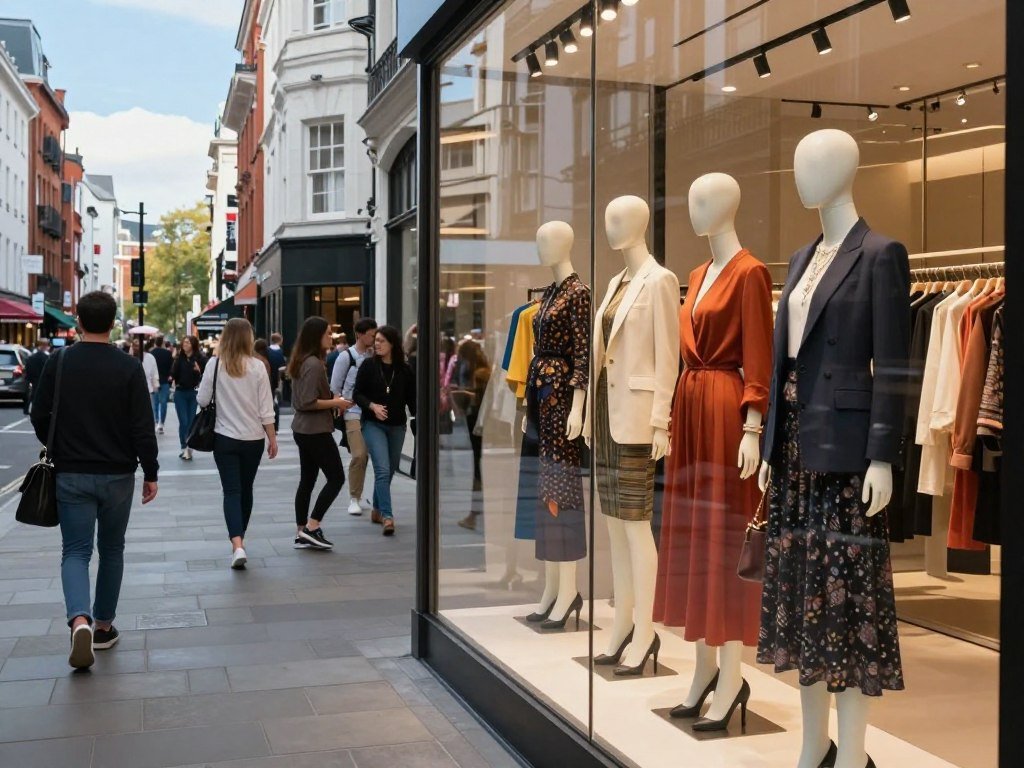
The high-street retailer makes trend-led products for a broad customer base. It offers clothing across many styles, rather than building its whole business around limited access or rare pieces.
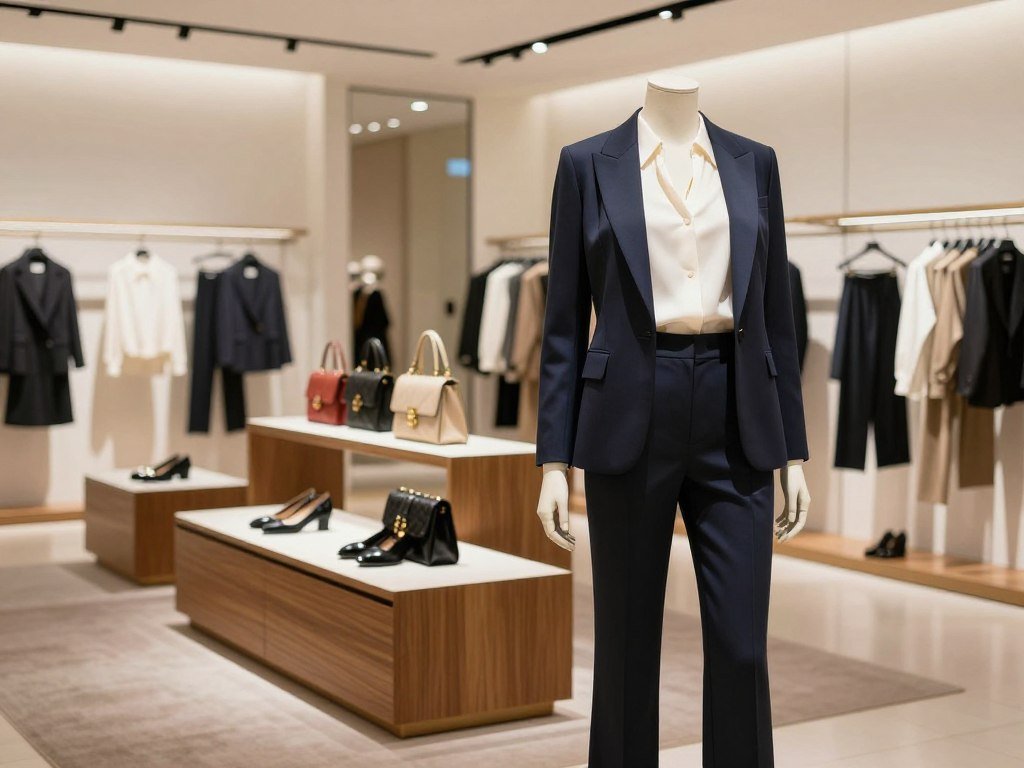
An elevated capsule collection can feel premium, and polished stores can shape that impression. Neither changes the retailer’s overall place in the market.
Classify a brand by its overall business and product position, rather than by one striking item or campaign.
A particular jacket may look like a designer piece in a photo. That look can make sense for your personal style without proving that the materials, finishing, or brand position match luxury expectations.
The distinction can help you judge an item without dismissing its appeal. For a closer look at the category, read this guide to Zara and luxury fashion.
Some collections may feel dressier than the retailer’s everyday range. The category still comes from the business as a whole, not from one piece that stands out.
How Zara’s Prices and Market Position Compare
Zara’s standard high-street position is more accessible than luxury fashion, though elevated collections can cost more than its everyday pieces. Capsule lines can sit above the usual offer.
Zara is not generally an expensive luxury brand. Its prices reflect a mass-market fashion retailer, not a luxury house.
Why Zara Is Not an Expensive Luxury Brand
Everyday prices and individual products differ, so the collection matters. Zara’s SRPLS line usually cost a little over $100 in the 2024 account.
That example shows why one price cannot describe every item. A special line can ask more than everyday pieces while staying within the retailer’s broader offer.
For your budget, compare the exact garment and its role in your wardrobe. A coat you wear often may justify a different spend than a trend piece for one event.
What the Market and Inditex Results Show
In 2025, Zara held 13% of the U.S. fast-fashion market, while Shein held 50%. The global fast-fashion market was valued at $150.82 billion that year.
Those 2025 U.S. market shares show the brands’ relative reach, not the quality of their products. Market share measures part of a business, not the fit or lifespan of an item.
Inditex, Zara’s parent company, reported €39.9 billion in 2025 sales. Sales rose 3.2% from 2024 and 7.0% in constant currency.
| Measure | 2025 result | Change |
|---|---|---|
| Inditex sales | €39.9 billion | Up 3.2% |
| Online sales | €10.7 billion | Up 4.8% |
| Net income | €6.2 billion | Up 6.0% |
The online sales and income figures also belong to Inditex, not Zara alone. The company’s 2025 gross margin was 58.3%, up 42 basis points.
Inditex’s 2025 annual report sets out the parent company’s results.
Check the collection and garment before assuming every Zara item sits at the same price level.
What to Expect From Zara’s Quality, Fit, and Range
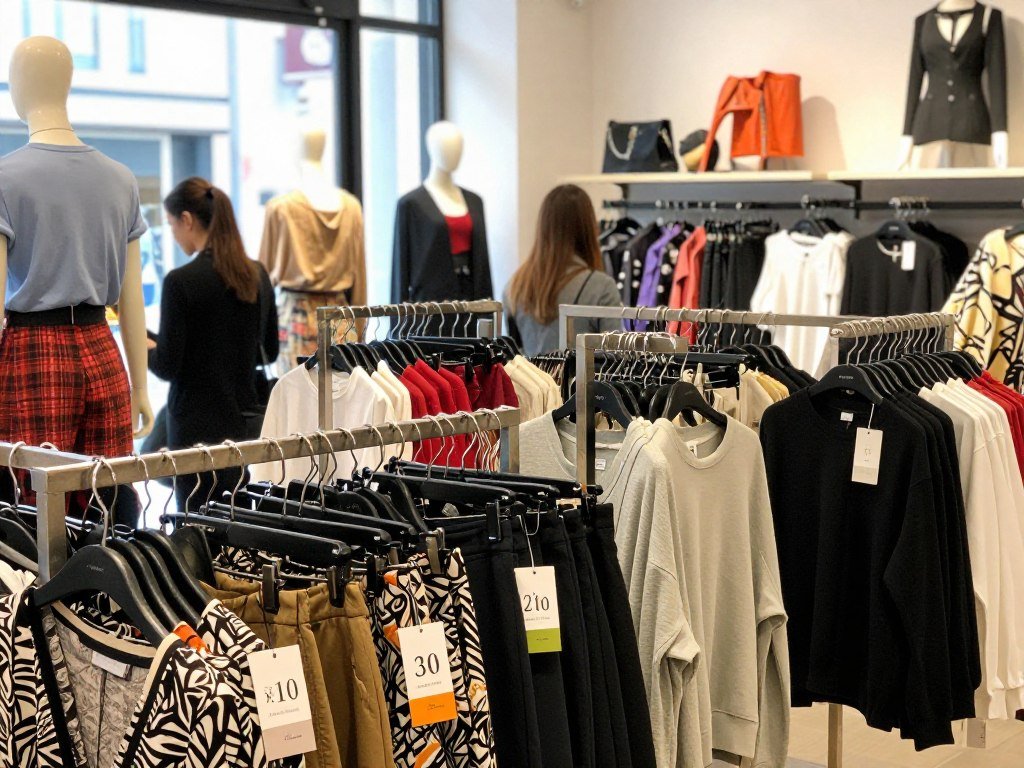
A Zara item can look polished and still vary in feel and durability from another garment in the same store. Quality depends on the fabric, construction, and intended use.
Inspect the specific product rather than treating quality as uniform across the range. Zara shoes also have no single dependable quality verdict across styles.
How Quality Can Vary by Garment
For shoes, look at sole attachment, seams, lining, and material on the pair you are considering. Those details can tell you more than a general label about the whole shoe range.
Zara’s women’s and men’s collections include clothing, shoes, bags, and accessories. The app also offers beauty and fragrance categories.
The U.S. app supports order tracking, returns, store locating, and in-store pickup for online orders. A QR code can link online and in-store purchases.
Zara Size Charts for Women’s and Men’s Medium
A Zara women’s medium top is listed as EU 38, while a men’s medium top is EU 48. Zara’s listed size measurements give a useful starting point.
| Garment | Listed size | Listed measurements |
|---|---|---|
| Women’s medium top | EU 38 | 35½-inch bust; 27½-inch waist |
| Men’s medium top | EU 48 | 37-38½-inch chest |
| Women’s jeans | EU 38 | 27½-inch waist; 38½-inch hips |
| Men’s trousers | EU 48 | 31½-33-inch waist |
These are listed measurements, not a guarantee that every item will fit the same. Cut and fabric can affect how a garment feels on your body.
Before buying, use this quick checklist:
- Inspect seams and closures.
- Check the fabric and lining.
- Compare body measurements with the relevant size chart.
- Review the return options in the app.
Use the garment’s own measurements and construction as your final fit-and-quality check.
How Zara’s Fast-Fashion Model Works
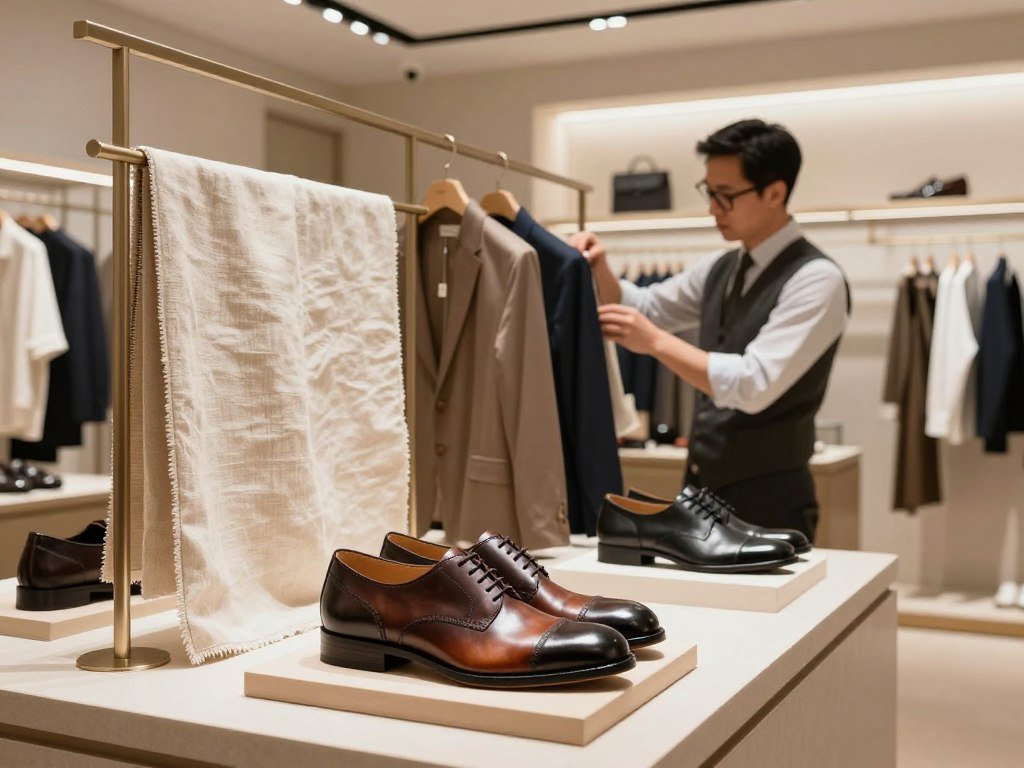
Zara’s fast-fashion case rests on rapid trend response, frequent newness, and a supply chain built to adjust within the season. Flexibility helps the retailer respond as styles catch on.
Zara counts as fast fashion because it quickly responds to trends and turns over products. Its use of nearby suppliers distinguishes parts of its model from online-led competitors.
How Zara Responds to Trends
In 2012, Zara could design, produce, and deliver a new garment in two weeks. That dated example shows a capability, not a timeline for every item today.
In 2025, Zara had 350 designers and relied on 1,800 suppliers worldwide. It distributed clothing to stores in 97 countries.
Just over half of Zara’s clothes were made in Spain, Portugal, Morocco, and Turkey in 2025. Basic staples were also made in Vietnam and Bangladesh.
Zara introduced new items weekly and used store sales data and customer feedback to adjust ranges during the season. That feedback can help the retailer respond to what customers choose.
What Makes Zara Different From Shein
Zara and Shein are both fast-fashion competitors, but their operating approaches are not identical. Zara combines stores, online retail, and proximity sourcing.
Inditex reported 5,460 stores at the end of FY2025 and operated stores in 41 markets during 2025. These are parent-company figures, not Zara-only counts.
Inditex’s inventory on January 31, 2026, was 2% lower than on January 31, 2025. The company described its model as using flexibility, responsiveness, and within-season proximity sourcing.
Inditex planned around €2.3 billion in ordinary capital expenditure in 2026, mainly for store optimization, technology integration, and online platforms. It expected annual gross space to rise around 5%, with positive net space contribution and strong online growth.
The company’s FY2025 results report describes its plans as future investment, not completed work.
A two-week turnaround describes Zara’s capability in 2012, not a promise that every current garment takes exactly two weeks.

What Shoppers Should Know About Zara’s Environmental and Labor Impact
The environmental cost of fast fashion is larger than the footprint of any one purchase, but repeated buying adds to the pressure. Fashion-wide figures describe the industry overall, not Zara alone.
Making and discarding clothing uses large amounts of water and sends much textile waste to dumps. One cotton shirt takes about 700 gallons of water to produce, while a pair of jeans takes about 2,000 gallons.
The Environmental Costs of Fast Fashion
The fashion industry causes about 10% of global carbon emissions and ranks as the second-largest water consumer among industries. Production and supply chains send 85% of all textiles to dumps each year.
In 2025, less than 1% of old clothes became new clothes. The United States generated an average of 15.8 megatons of textile waste each year and recycled over 2.5 megatons annually since 2017.
More than 11.3 megatons of textile waste ended up in U.S. landfills every year since 2017. The fashion industry’s water and waste impacts help show why clothing turnover matters beyond one closet.
Labor Concerns and More Considered Shopping
The U.S. Department of Labor found that 80% of garment contractors it examined violated minimum-wage and overtime laws. That finding applies to those contractors, and does not establish a Zara-specific violation.
Buying fewer pieces you expect to wear often is a practical way to reduce unnecessary turnover.
You can make more considered choices by asking whether an item will serve a real need and last in your wardrobe.
- Consider whether an item fills a real wardrobe need.
- Inspect the garment’s care and construction before buying.
- Wear, repair, or pass along clothing before replacing it.
Conclusion
Zara is best understood as a high-street fast-fashion retailer, not a luxury fashion house. A premium look, capsule collection, or individual garment does not determine the whole brand category.
Your best next step is to compare the specific garment’s material, construction, fit, and intended use before buying. Those details matter more to your decision than a polished display or a familiar design cue.
Before checking out, decide whether the item’s fit, construction, and likely use justify adding it to your wardrobe.
FAQ
What age group is Zara for?
What is Zara’s current market position?
What is Zara’s pricing strategy?
Does Zara count as fast fashion?
Is Zara cheap quality?
Is Zara better or H&M?
Who is Zara’s biggest competitor?
Is Zara the same as Shein?