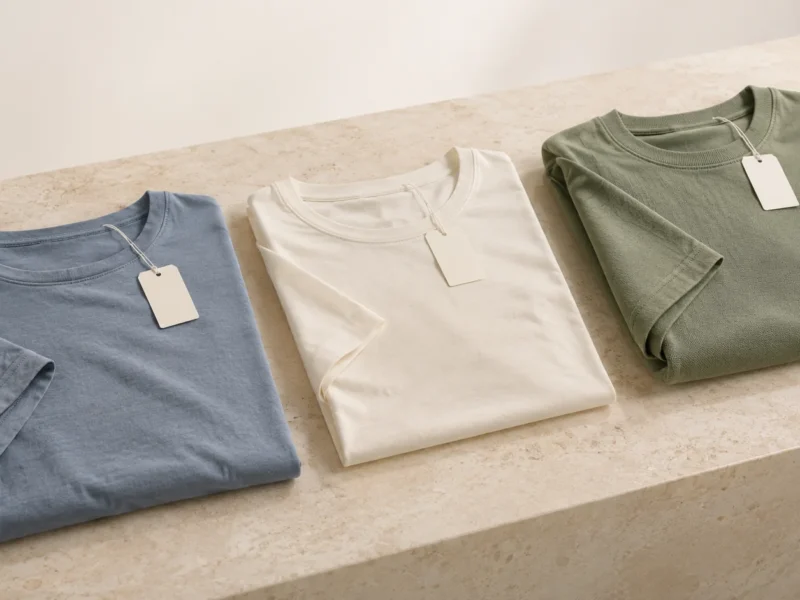
You walk into Uniqlo looking for one white T-shirt. The shelves are neat, the colors are easy to wear, and nothing looks as though it will become embarrassing next season. Then a question interrupts an otherwise simple purchase: is Uniqlo fast fashion?
Yes, Uniqlo is generally considered part of the broader fast-fashion industry because it produces affordable clothing in enormous quantities. However, its business differs from retailers that depend heavily on copying trends and constantly replacing their collections.
That difference explains why the answer feels confusing. Uniqlo sells clothes that can remain useful for years, but a timeless design does not automatically mean a sustainable business.
To understand the brand, you need to look at both the garment in your hands and the system that brought it to the shelf.
Why Uniqlo Feels Different From Other Affordable Brands
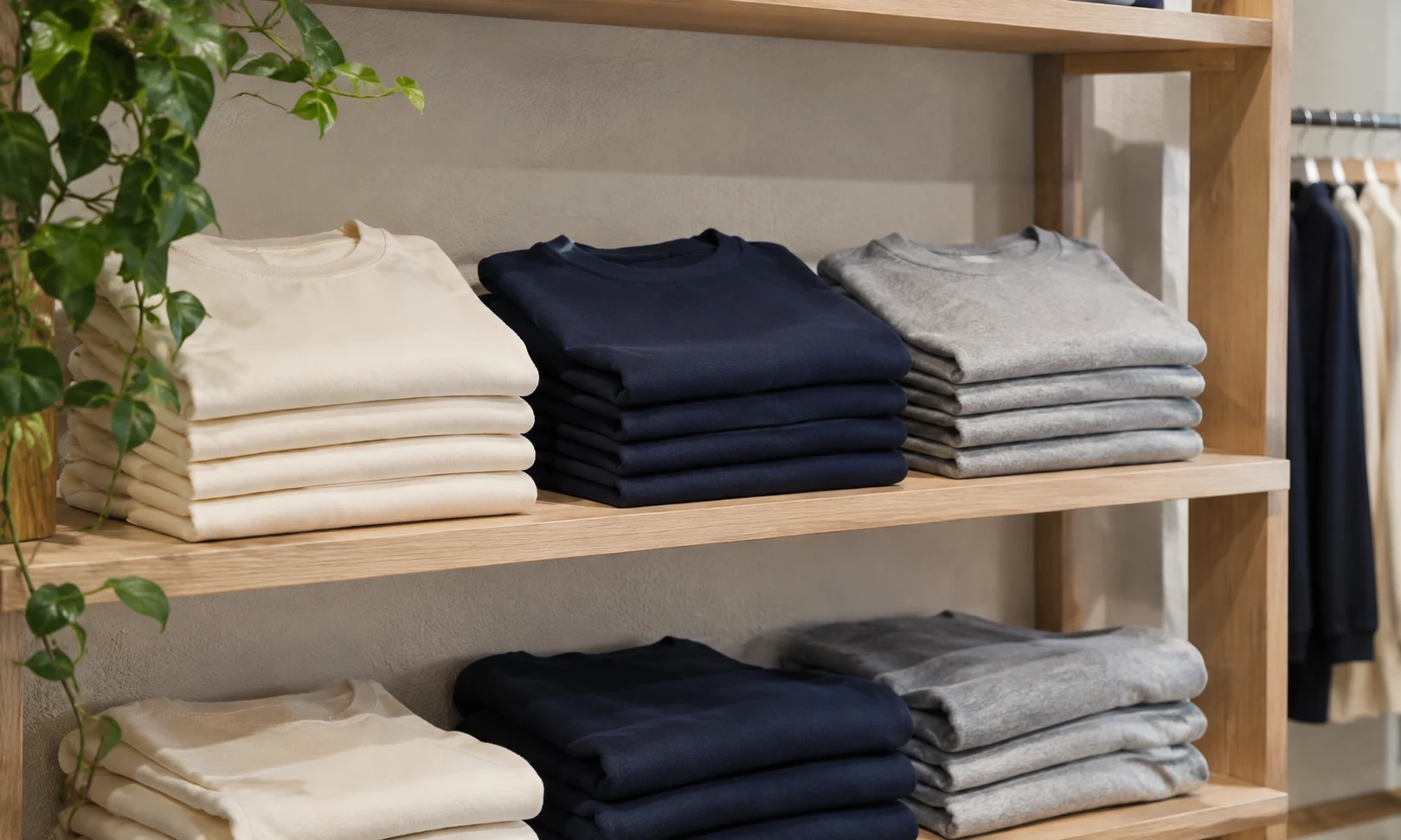
Most people do not need a completely new wardrobe every season. They need trousers for work, a comfortable shirt for the weekend, or a warm layer when the weather changes.
Uniqlo has built its identity around those everyday needs.
The Japanese retailer, owned by Fast Retailing, calls its clothing philosophy LifeWear. The idea centers on practical pieces that combine comfort, simplicity and accessible prices.
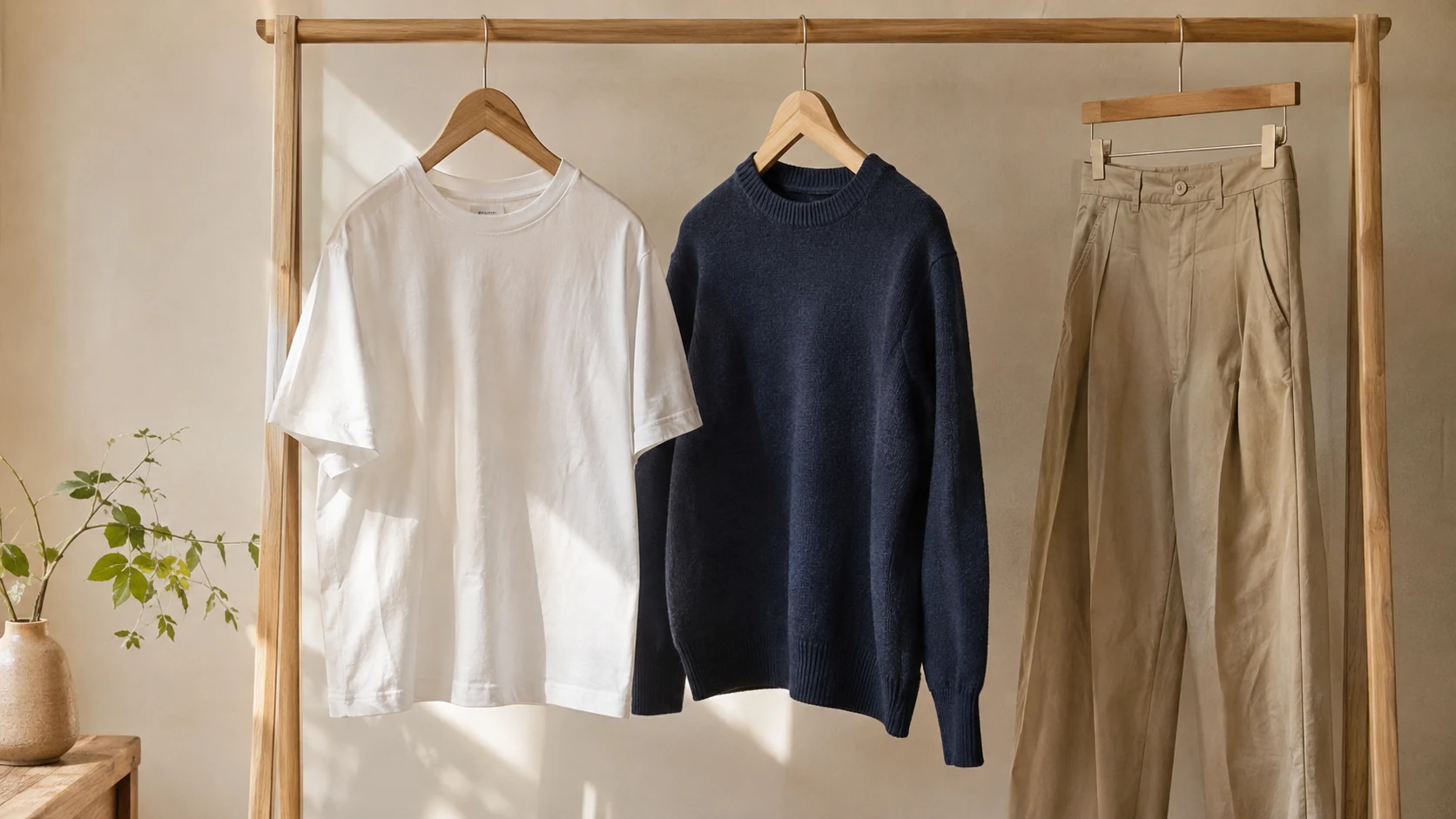
That makes shopping there feel different from browsing a store where every display reflects a passing trend. A plain sweater does not have an obvious expiry date. You can wear it with jeans today and beneath a coat several winters later.
This is a meaningful strength. Clothing that remains appealing gives its owner a reason to keep wearing it.
But design is only part of the story. A simple shirt still requires materials, manufacturing, transport and labor. Making millions of familiar basics raises questions that their understated appearance cannot answer.
What Makes Uniqlo Fast Fashion?
The disagreement starts with what people mean by “fast fashion.”
Some use the term specifically for the rapid movement of trends into inexpensive clothing. Others use it more broadly to describe a system built around high production volumes, accessible prices and repeated consumption.
Uniqlo fits the broader definition more clearly.
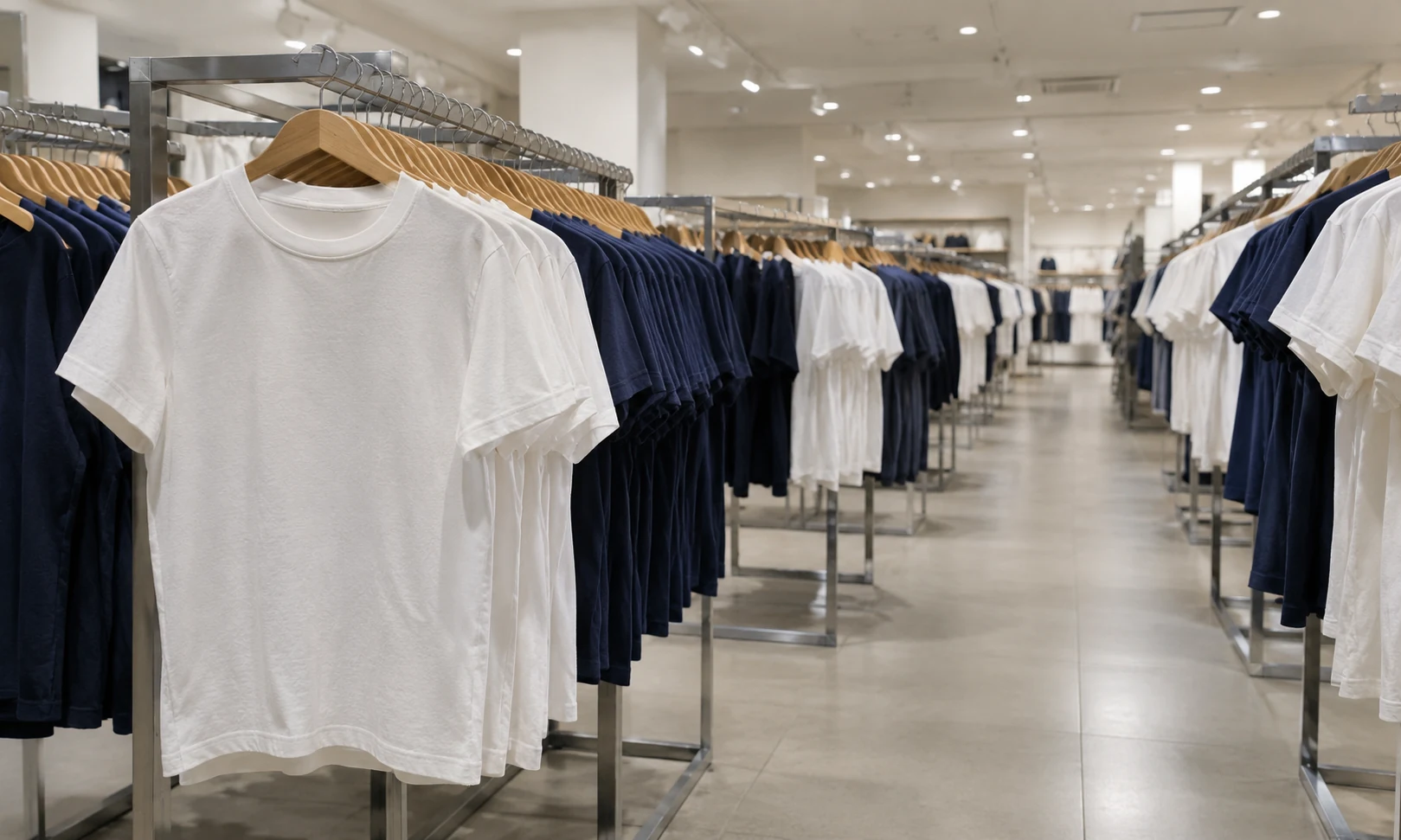
It makes clothing in very large quantities
Fast Retailing’s business-model description says many Uniqlo products are manufactured in lots of roughly one million units.
Large orders help explain the prices. Buying materials in substantial quantities gives the company negotiating power and allows development costs to be spread across many garments.
This is one reason an affordable item can feel better made than its price suggests. Low cost does not always mean the cheapest possible construction; sometimes it reflects the economics of scale.
The environmental question remains, though: how much material and energy does the business require when that approach is repeated across its ranges?
Its development process is not always especially fast
Uniqlo also describes seasonal concept meetings taking place approximately a year before products launch.
That is an important distinction. It would be misleading to suggest that every Uniqlo garment is designed and delivered within a few days of a trend appearing online.
The company combines advance planning with adjustments to production as sales develop.
Uniqlo’s defining contradiction is that it can develop clothing slowly while manufacturing it at enormous scale. The first fact helps explain its difference from trend-led retailers. The second keeps it within the wider fast-fashion debate.
Our guide to luxury versus fast-fashion brands explores why price, production and craftsmanship need to be considered separately.
Is Uniqlo Slow Fashion?
Uniqlo’s focus on familiar basics does not automatically make it slow fashion.
Slow fashion usually involves a wider commitment to considered production, longer use, responsible sourcing and transparency. A garment’s appearance cannot establish those conditions.
A plain sweater can be produced through the same resource-intensive processes as a fashionable one. Equally, a colorful or unusual garment can remain useful for years if its owner loves wearing it.
The distinction is easier to see when the questions are separated:
| Question | What it tells you |
| Will this design still appeal to me next year? | Whether the style suits your lasting preferences |
| Is this garment well constructed? | Whether its finishing supports regular use |
| How was it produced? | What evidence exists about environmental and labor practices |
| Do I need it? | Whether the purchase serves a real purpose |
Uniqlo’s restrained designs may help with the first question. Buyers still need answers to the others.
Is Uniqlo Good Quality?
Uniqlo can offer useful everyday clothing, but quality varies between garments. There is no reliable reason to assume that every shirt, sweater and pair of trousers will perform equally well.
The better approach is to inspect the piece you intend to buy.
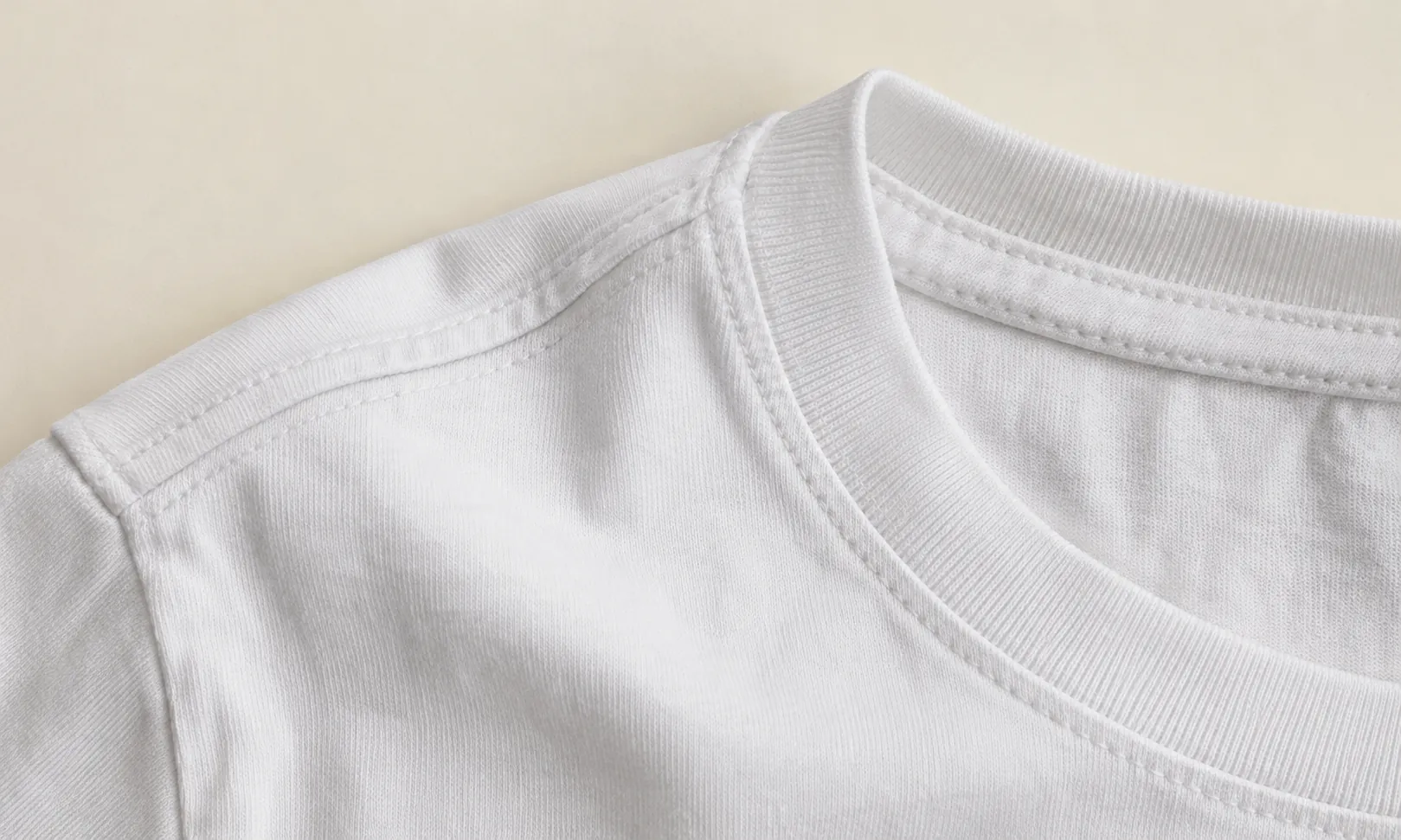
For a T-shirt, look at the neckline, seams and fabric weight. Try it in the lighting where you can judge whether it is more transparent than you want. For trousers, sit down and check whether the waistband or thighs pull uncomfortably.
With knitwear, read the care instructions before deciding that a soft sweater will be easy to own. A garment that needs more attention than you can realistically give it may become an expensive mistake at any price.
Fit matters, too. Clothing can be technically well made and still spend most of its life unworn because the shoulders feel wrong or the sleeves keep bothering you.
The most useful quality question is specific: will this garment work well in my actual routine?
Read the Fabric Label, Not Just the Product Name
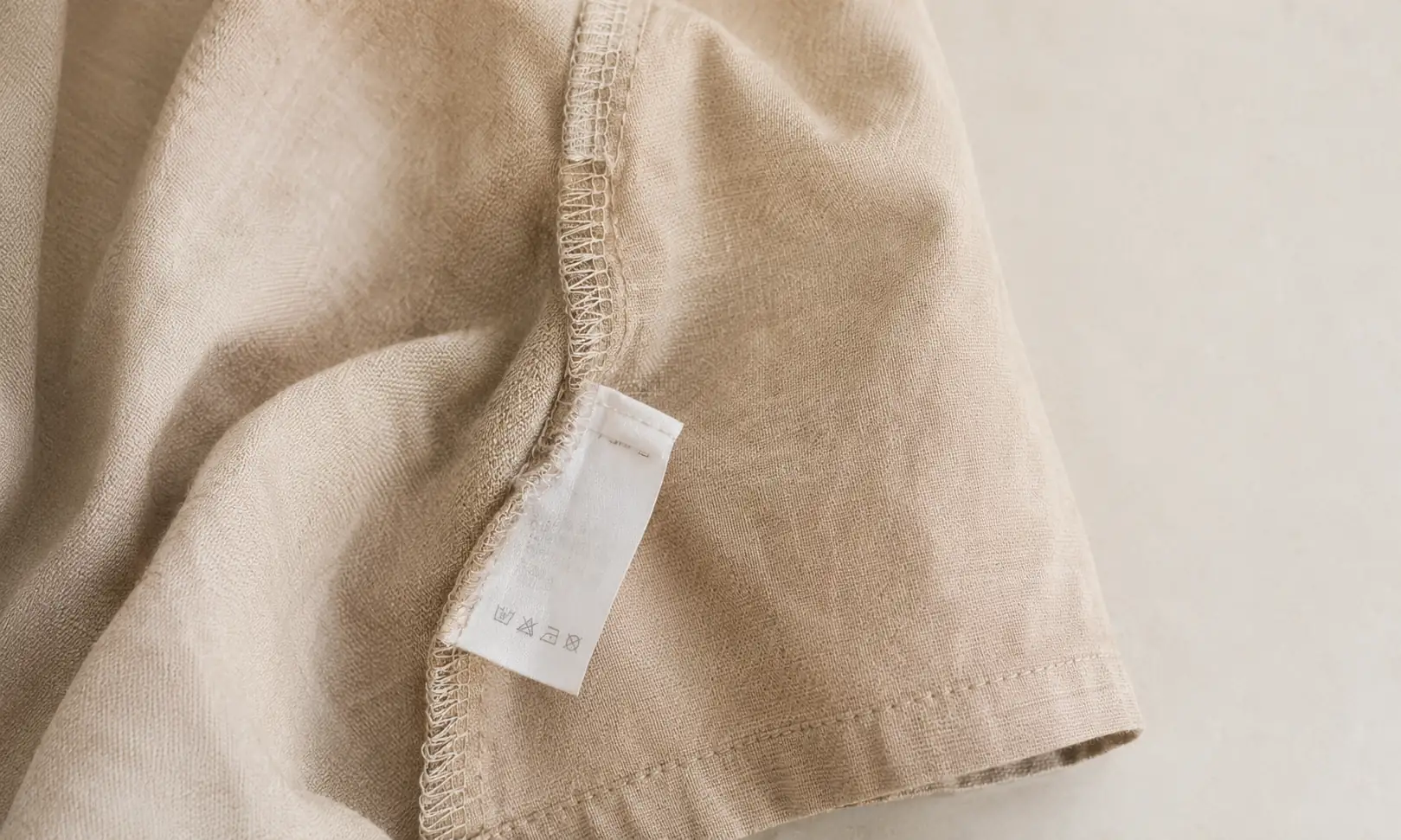
Uniqlo’s recognizable ranges make shopping easier, but their names do not tell you the complete composition.
AIRism, for example, covers different products rather than one identical fabric. A listed women’s AIRism Cotton T-shirt contains 70% cotton and 30% polyester. A listed men’s version contains 71% cotton, 25% polyester and 4% spandex.
Those figures belong to those particular products. They should not be applied to the whole range.
The lesson is straightforward: “cotton” in a product name does not necessarily mean 100% cotton.
A blend may be exactly what you need. You might prefer its stretch, feel or drying characteristics. The important thing is choosing it knowingly.
Check the specific product’s composition and care instructions, especially when ordering a replacement for something you bought in a previous season.
Is Uniqlo Sustainable?
Uniqlo’s environmental record includes measurable improvements, but those improvements need context.
Fast Retailing reported a 90.3% reduction in emissions from its own operations, including stores and major offices, in FY2025 compared with FY2019.
That is substantial progress. It is also easy to misunderstand.
It does not mean that the complete environmental footprint of Uniqlo’s clothing fell by 90.3%.
For the specified emissions associated with raw materials, fabric and garment production for Uniqlo and GU, the company reported a smaller reduction: 19.9% over the same baseline.
| Area covered by company reporting | FY2025 reduction from FY2019 |
| Direct operations, including stores and major offices | 90.3% |
| Specified raw-material, fabric and garment production for Uniqlo and GU | 19.9% |
These figures describe different parts of the business. Neither should be presented as the reduction across every aspect of Uniqlo’s environmental impact.
Fast Retailing’s FY2030 target for the specified production emissions is a 30% reduction from FY2019. That remains a target, rather than a completed result.
A fair assessment can recognize progress while asking how the company’s continuing production affects its overall footprint.
What About Workers and Ethical Production?
Environmental improvements cannot answer questions about workers’ pay and conditions.
Good On You’s June 2026 assessment rated Uniqlo “It’s a Start” overall. Its assessment of people was stronger, at four out of five, recognizing initiatives including an accredited social auditing program.
However, the assessment also identified insufficient evidence that living wages are ensured across most of the supply chain.
That wording matters. It does not establish the pay of every worker. It means the available evidence does not justify a broad assurance.
For buyers, the distinction is between a company having a policy and demonstrating what that policy achieves.
Supplier rules, inspections and improvement programs can matter. A convincing ethical record also needs evidence about outcomes for the people making the clothes.
Do Uniqlo’s Repair Services Help?
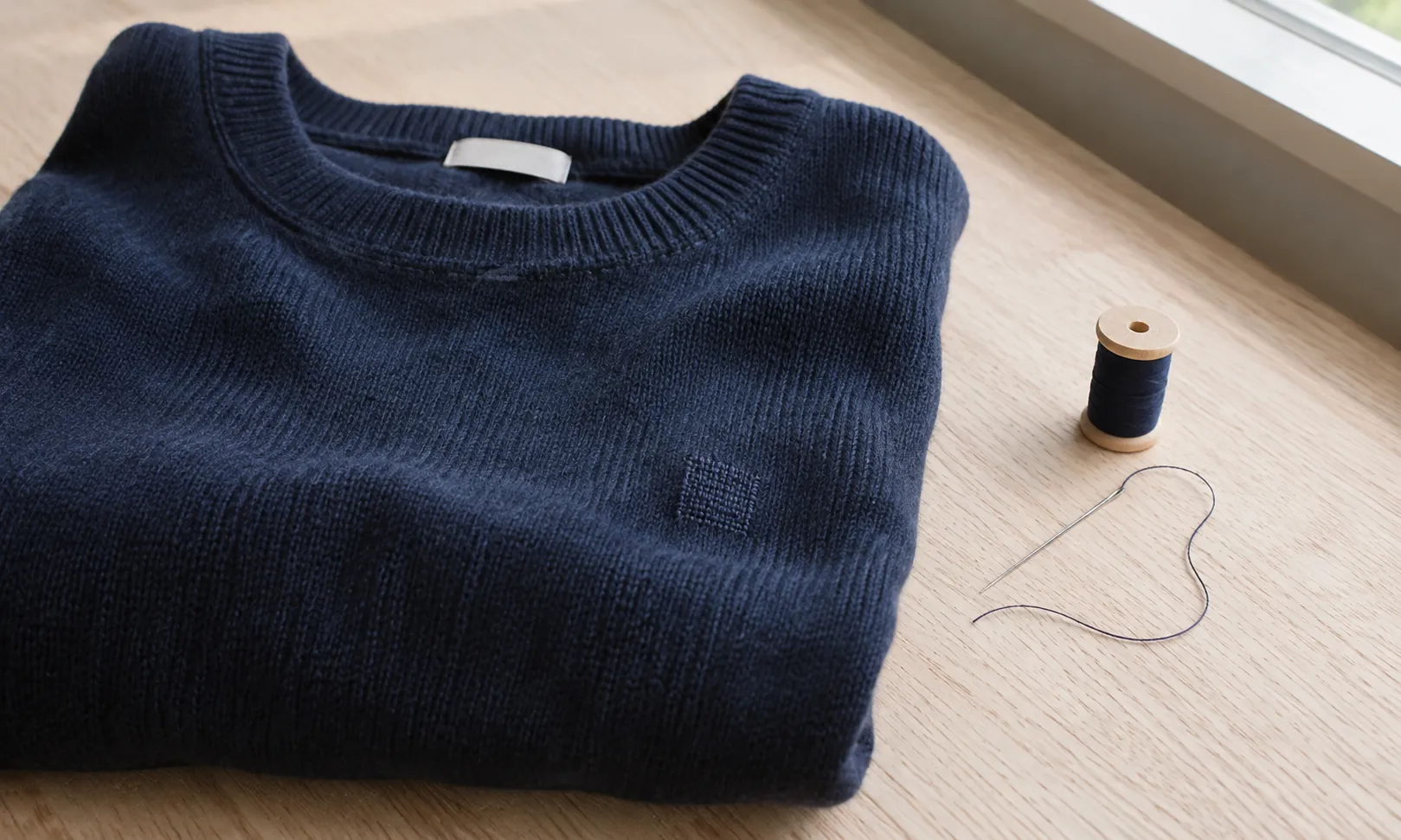
Repair services can make a practical difference to an individual garment.
Through RE.UNIQLO STUDIO, the company offers repair and remake services at selected locations. Its FY2025 reporting recorded 63 studios across 22 countries and regions by the end of August 2025.
Services and availability vary, so check your local store before visiting.
These initiatives give customers another option when a favorite piece becomes damaged. A small hole or opened seam does not always require a replacement.
However, the existence of a repair service does not establish how much of the company’s overall production stays in use longer. Clothing collection also needs to be distinguished from confirmed recycling into new garments.
For your own wardrobe, the immediate decision is simpler: can the item you already own be made useful again?
Our guide to repairing and refreshing clothing offers ideas for giving existing pieces more time in your wardrobe.
Is Uniqlo Worth Buying?
A useful purchase begins before you enter the store.
Perhaps your work trousers no longer fit. Perhaps your winter base layer has worn out. In those cases, an affordable replacement that fits properly can serve a clear purpose.
The decision changes when you already own several similar pieces and buy another because a new color looks appealing.
The brand has not changed. Your reason for buying has.
That is why “Is Uniqlo worth it?” cannot be answered entirely at company level. The individual purchase matters.
Consider this hypothetical example:
| Item | Purchase price | Number of wears | Cost per wear |
| A shirt you regularly choose | $30 | 100 | $0.30 |
| A discounted shirt you rarely wear | $15 | 5 | $3.00 |
These are illustrative figures, not current Uniqlo prices or durability predictions. Cost per wear measures financial use; it does not measure environmental impact or working conditions.
It does reveal something useful: the cheaper purchase can deliver less value when it never becomes part of your life.
How to Make a Better Purchase
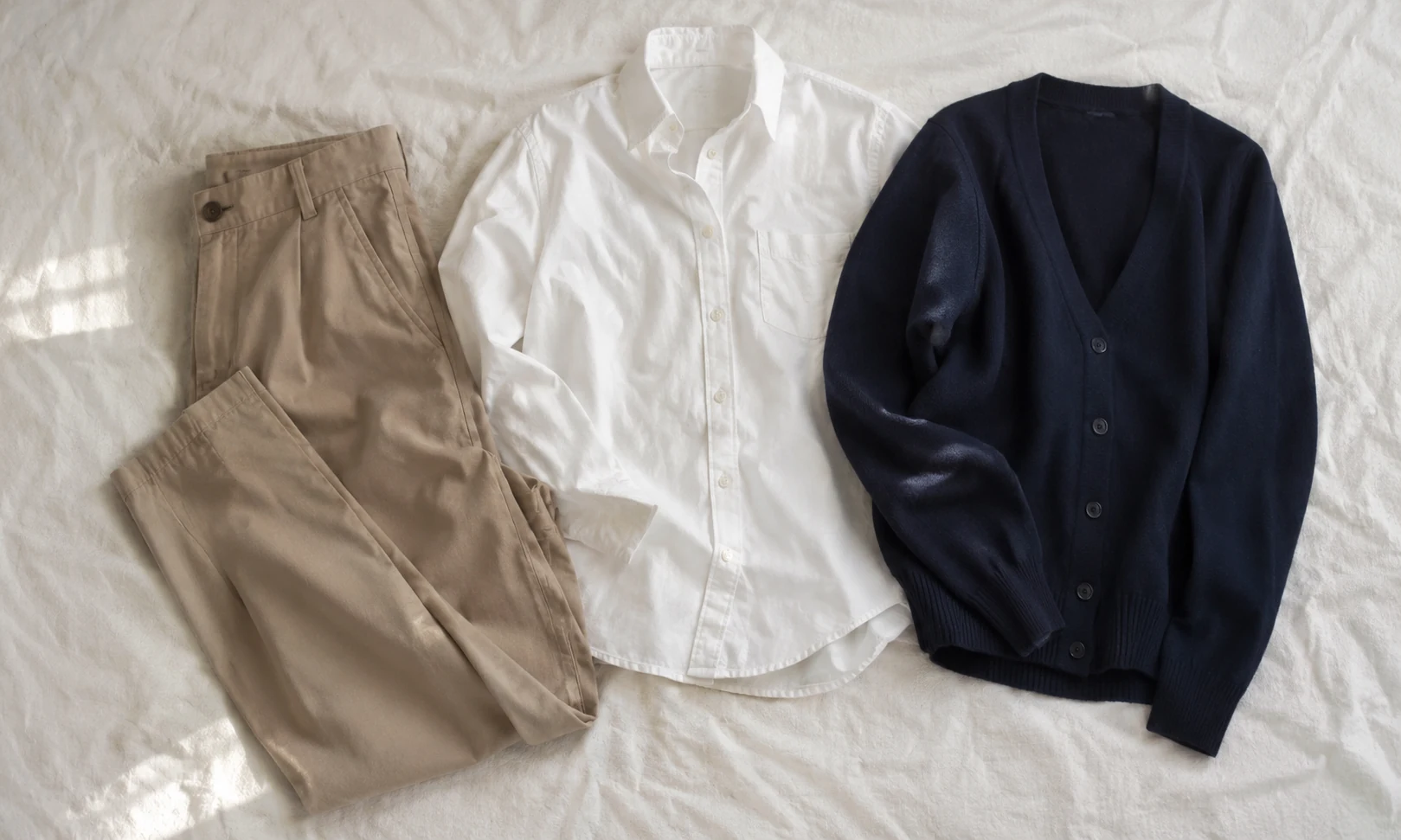
Start by naming the gap in your wardrobe. Then check whether the garment fills it.
Try one unfamiliar style before buying several colors. Wear it, wash it according to the label and see whether you still reach for it.
Treat discounts as lower prices rather than reasons to buy. A sale cannot make an uncomfortable shirt fit better or create a need for another sweater.
And keep using the Uniqlo clothing you already own if it works for you. Learning more about fast fashion does not require clearing out a serviceable wardrobe.
A considered approach can begin with the next decision.
Frequently Asked Questions
Is Uniqlo fast fashion or slow fashion?
Uniqlo is generally considered part of the broader fast-fashion industry because of its affordable, high-volume business. Its longer planning and focus on basics distinguish it from rapid trend replication, but do not establish it as slow fashion.
Why does Uniqlo not look like fast fashion?
Its ranges emphasize practical shapes and familiar wardrobe staples. That makes many pieces look less tied to a passing trend, although appearance does not reveal production volume or sourcing conditions.
Does Uniqlo clothing last longer than other affordable brands?
There is no verified brand-wide lifespan comparison established here. Durability depends on the garment, its construction, how often it is worn and how it is cared for.
Does recycled material make Uniqlo sustainable?
Recycled content is one factor. It does not settle questions about the whole product, production volumes, working conditions or what happens after use. Read the exact claim attached to the garment.
Should I stop wearing the Uniqlo clothes I own?
Continue wearing pieces that are useful and comfortable. For future purchases, consider need, fit, fabric, care requirements and the available evidence about production.
The Verdict: Useful Basics Within a High-Volume Business
Uniqlo deserves a more precise assessment than either “all fast fashion is identical” or “timeless clothes must be sustainable.”
Its practical designs and advance development make it different from retailers driven mainly by rapid trend changes. Its enormous production scale keeps it within the broader fast-fashion system.
You can find an individual garment useful while still questioning the business behind it.
Back at the shelf, the white T-shirt has a simpler test to pass: does it fill a real need, fit comfortably and work with what you own?
Its value becomes clearer after the shopping bag is gone—when you keep choosing it on ordinary mornings.
Disclaimer: This content is for informational purposes only and reflects our personal opinions and experiences. We just love to write and share what we know and research.