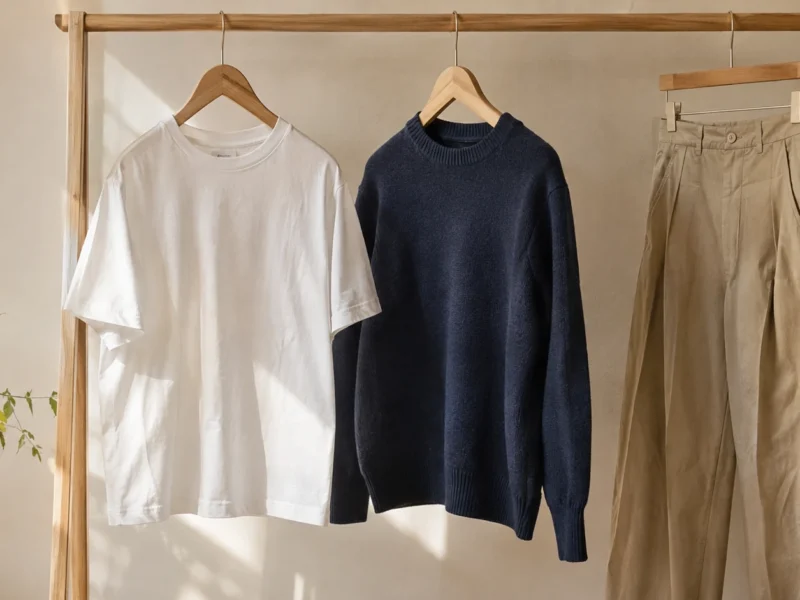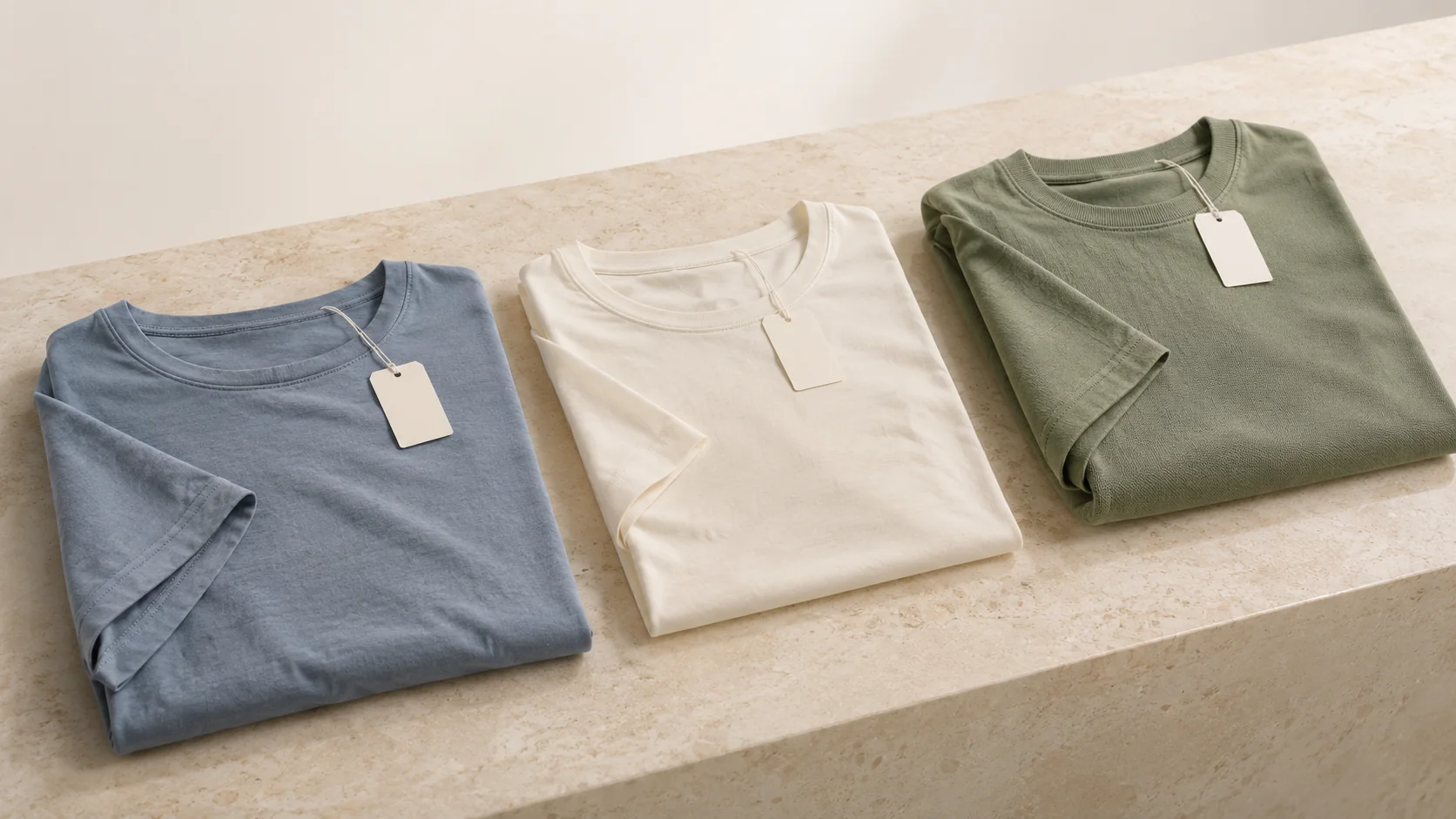
A plain white T-shirt should be an easy purchase. Then you find one at H&M for less than $10 and another at Uniqlo for more than $20. Is Uniqlo better than H&M, or are you simply paying more for a different label?
Uniqlo is a sensible starting point for practical everyday clothing, while H&M offers a lower entry price on selected basics. However, there is no verified brand-wide evidence here that Uniqlo consistently lasts longer or provides better value across every category.
The useful comparison goes beyond reputation. It asks what the extra money buys, whether you need those differences and how the garment fits into your daily life.
Uniqlo vs H&M: The Main Differences
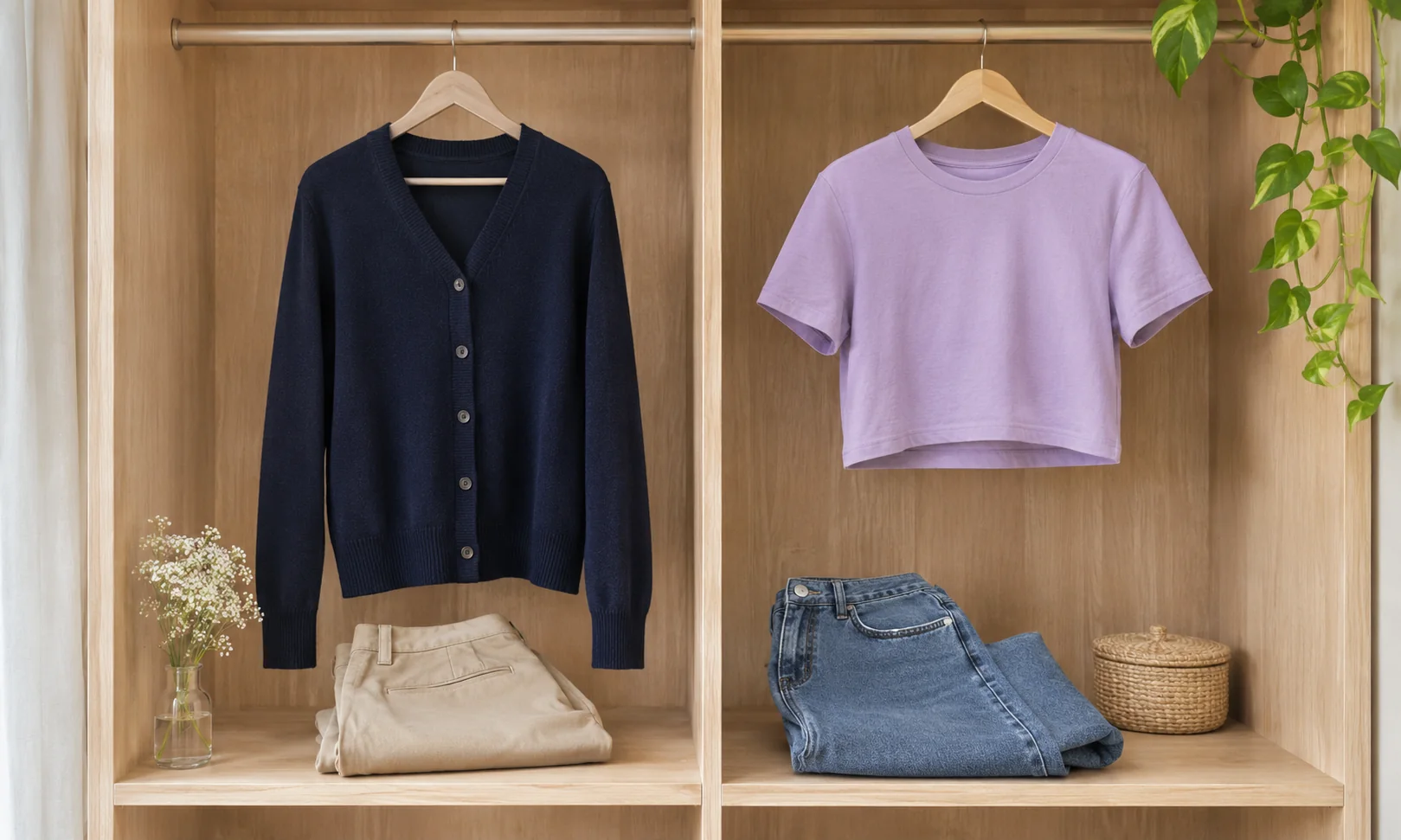
Uniqlo, owned by Japan’s Fast Retailing, organizes its identity around LifeWear: everyday clothing developed with simplicity, comfort and practical use in mind.
H&M, owned by Sweden’s H&M Group, offers clothing at several price levels. Its range includes inexpensive basics and products under its Premium Selection label.
That second detail matters. Comparing Uniqlo only with H&M’s cheapest T-shirt overlooks part of H&M’s own range.
| Shopping priority | What to consider |
| Lowest upfront price | H&M has inexpensive basic options in the reviewed US listings. |
| Practical everyday clothing | Uniqlo’s stated LifeWear approach makes it a useful starting point. |
| Function-focused layers | Investigate Uniqlo ranges such as AIRism, then check the specific product. |
| Fabric quality | Compare exact compositions and fabric characteristics. |
| Durability | Neither retailer guarantees the same performance across every item. |
| Sustainability | Both received the same overall independent rating, with a difference in the people category. |
These distinctions help you decide where to browse. They do not replace inspecting what you plan to buy.
For a wider view, our comparison of Zara, H&M and Uniqlo examines how all three retailers approach accessible fashion.
Is Uniqlo More Expensive Than H&M?
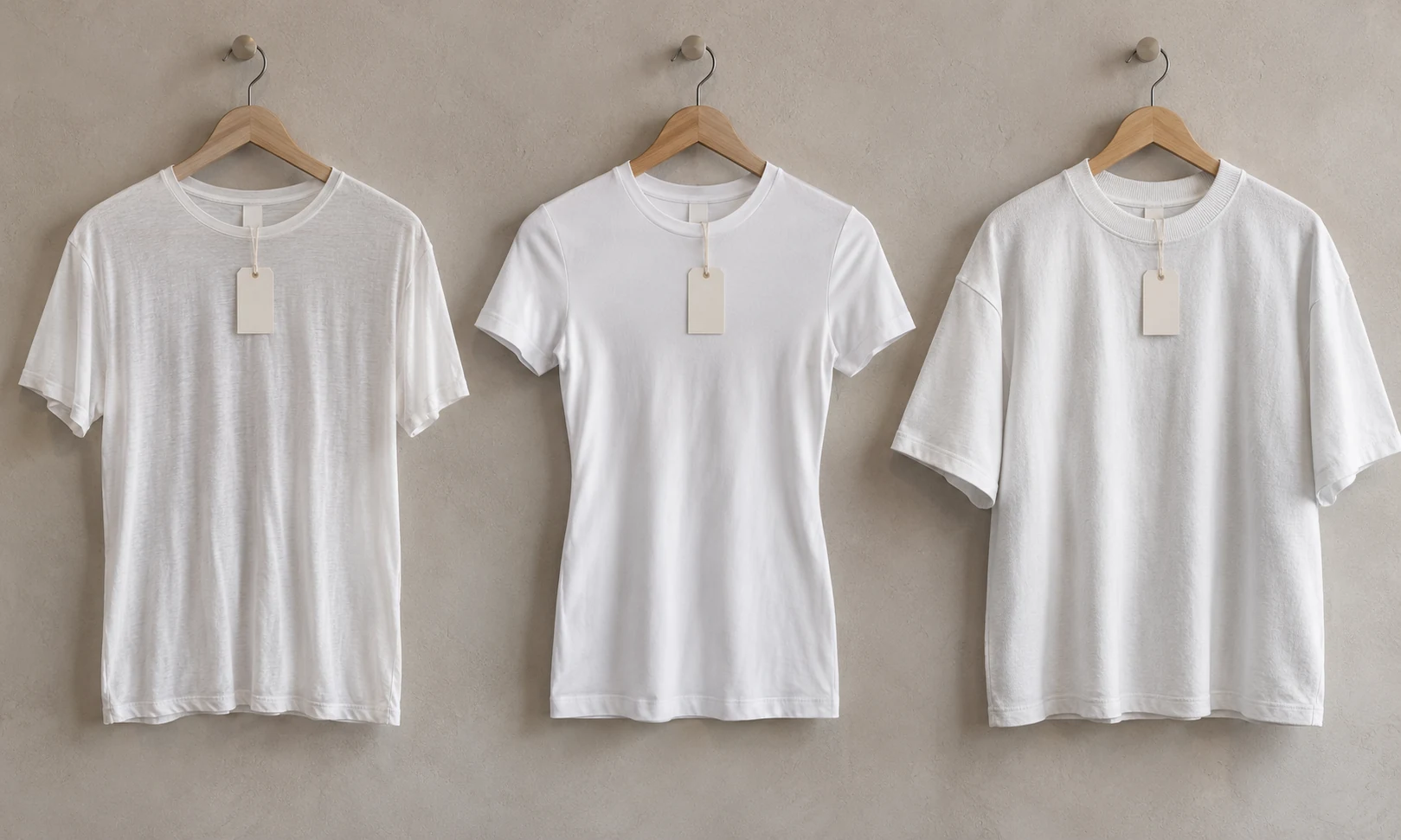
For the selected basics reviewed here, Uniqlo had the higher advertised price.
The following examples come from US listings checked during research:
| Product | Advertised price |
| H&M Regular Fit T-shirt | $7.99 |
| H&M Premium Selection Slim Fit Pima Cotton T-shirt | $19.99 |
| Uniqlo SUPIMA Cotton T-Shirt | $24.90 |
These are selected product prices, not brand-wide averages. Promotions, availability and prices in other countries can differ.
The Uniqlo shirt costs $16.91 more than H&M’s entry-priced example. Against H&M’s Pima Cotton option, the difference narrows to $4.91.
That changes the question.
Instead of asking whether Uniqlo is worth “three times as much,” you may be deciding whether its fit, fabric or finish is worth roughly $5 more than another cotton option.
Compare Equivalent Products Before Comparing Brands
A fair comparison starts with garments intended to do a similar job.
Look at:
- Fabric composition and weight.
- Fit and garment measurements.
- Neckline and sleeve shape.
- Finishing details.
- Washing instructions.
A lightweight shirt for layering and a substantial shirt for wearing alone can both be useful. Their suitability depends on your needs.
A price difference becomes meaningful when you know what differs between the products.
Is Uniqlo Better Quality Than H&M?
Uniqlo’s practical-clothing focus gives shoppers a reason to investigate its basics. It does not establish that every item is better made than an H&M equivalent.
Quality is easier to judge when you separate fabric, construction and fit.
Fabric: Check What You Are Actually Buying
The reviewed Uniqlo SUPIMA Cotton T-Shirt is listed as 100% SUPIMA cotton. Uniqlo describes it as having a fine, smooth texture.
H&M also lists a Pima Cotton T-shirt within its Premium Selection range. That means shoppers have a closer alternative to consider than its lowest-priced basic.
The product names alone do not settle the comparison. Check the complete specification of the version you intend to order.
For a white shirt, consider transparency. For a layer beneath office clothing, consider bulk. For something you will wear alone, examine how it hangs.
A fabric is useful when its characteristics suit the garment’s purpose.
Construction: Inspect the Details That Receive Regular Use
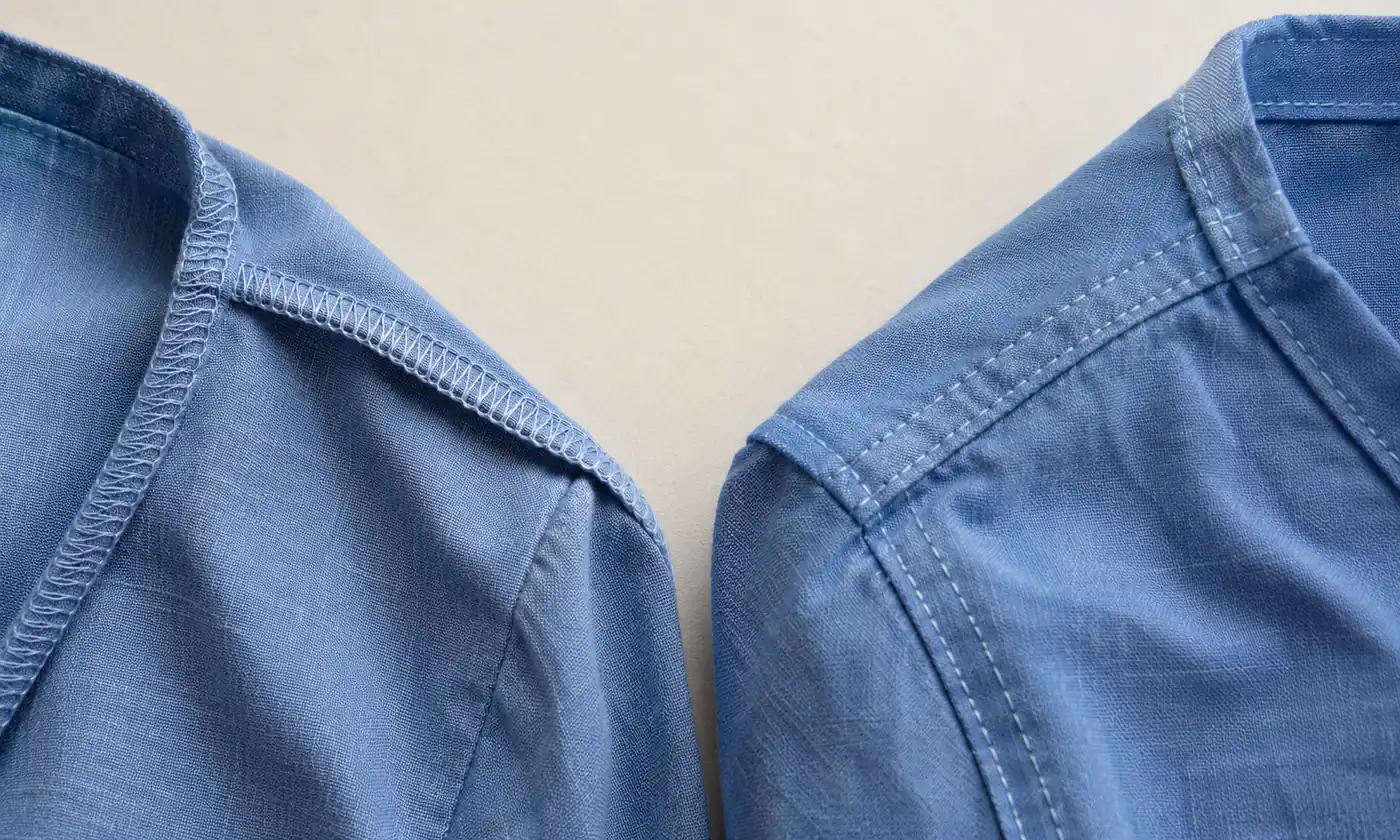
Check the neckline, shoulder seams, hems and any fastenings.
Look for stitching that has already opened or fabric that pulls unexpectedly around a seam. Gently check whether buttons feel secure and zippers move smoothly.
Turn the garment inside out where practical. The finishing should make sense for the way you expect to wear it.
These observations give you evidence about the item in front of you. A general claim that one retailer is “higher quality” cannot do that.
Fit: Buy for Your Body and Routine
A well-finished shirt can still be a disappointing purchase if the neckline bothers you or the shoulders feel restrictive.
Reach forward. Sit down. Check whether the hem rises more than you want.
Use measurements rather than assuming the same size will fit equally across both retailers—or across different styles from one retailer.
Comfort is part of value. Clothes that remain at the back of a drawer cannot justify their price through construction alone.
Does Uniqlo Clothing Last Longer Than H&M?
No representative brand-wide durability comparison was established for this article.
That does not mean all garments perform equally. It means an exact claim about which company’s clothes last longer requires stronger evidence than a few purchases or customer anecdotes.
A meaningful comparison would need similar products tested under comparable conditions, including washing, drying and wear.
Without that evidence, statements such as “Uniqlo lasts twice as long” should not be treated as facts.
What Can You Check Before Buying?
You cannot predict an exact lifespan in a fitting room, but you can avoid obvious problems.
Inspect existing seam damage, check that the fit does not strain the fabric and read the care instructions. Consider whether the garment suits the frequency and conditions in which you will use it.
A delicate item may be an unsuitable choice for someone who needs easy-care clothing, regardless of the retailer.
Is Uniqlo Better for Everyday Basics?
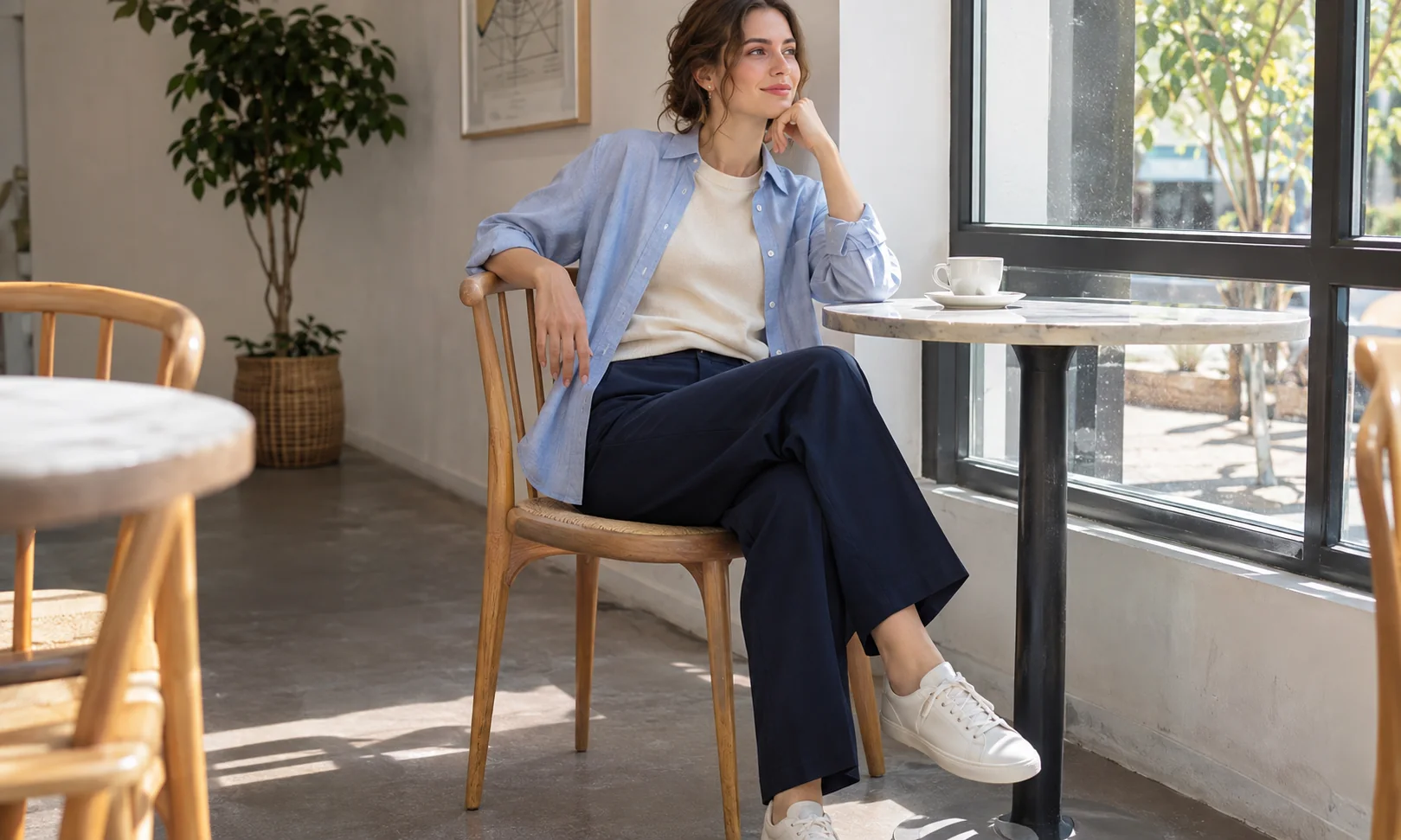
Uniqlo is a reasonable first stop for everyday staples because practical clothing is central to its stated approach. H&M remains worth comparing when budget or a particular fit is the priority.
Fast Retailing describes seasonal concept meetings approximately a year before products launch. Its business-model page also discusses improving products through customer feedback and producing many items in large quantities.
This helps explain Uniqlo’s emphasis on developing and refining familiar clothing.
It is business context, rather than proof that every shirt will outperform a competitor.
For shoppers, the practical approach is to begin with one item. Wear it, wash it according to its instructions and decide whether you want another.
Buying several colors before trying a new style turns an assumption into a larger expense.
What Do AIRism and Other Functional Ranges Offer?
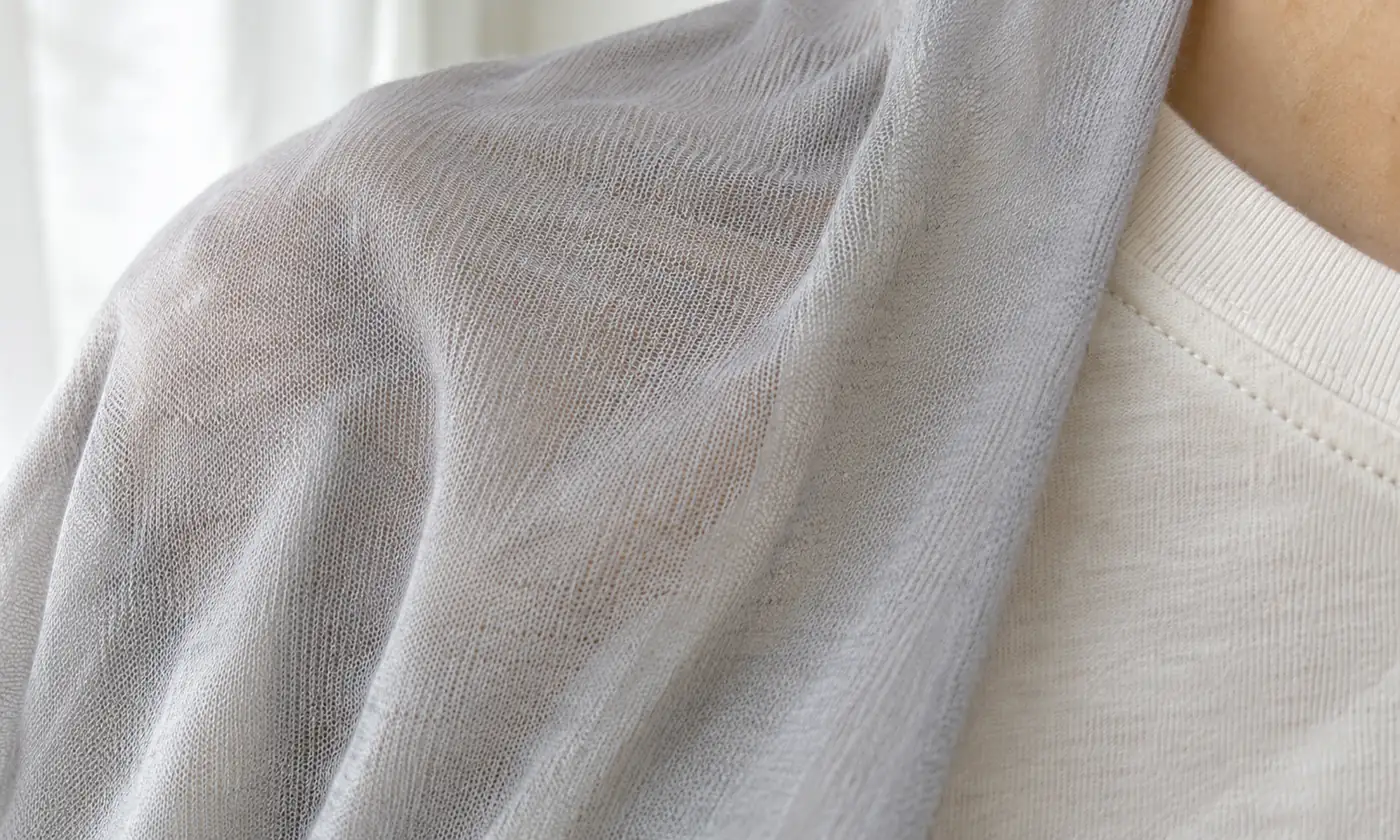
Uniqlo makes it relatively straightforward to browse by a clothing function.
Its AIRism guide describes moisture-wicking and quick-drying properties intended to improve comfort in heat and humidity.
These are manufacturer-described features. No independent comparison with H&M was performed for this article.
They still give you something specific to investigate. If you need a layer for a warm commute, moisture management may matter more than a particular fashion detail.
Read the Specific Product Label
A named range does not necessarily use one identical fabric across all its products.
Check the composition, fit and care instructions of the exact item. Decide whether those details suit your climate and how you intend to wear it.
The important question is whether the function improves your everyday experience enough to justify the price.
When Is H&M the Better Choice?
H&M can be the more sensible purchase when its garment meets your needs at a lower total cost.
A limited budget is a real consideration. Paying extra requires a benefit you can identify.
That benefit might be better comfort, a preferred fabric or a fit that avoids alterations. If you cannot find a meaningful difference between two suitable options, the lower price deserves consideration.
H&M’s range also makes it important to compare within the brand. Its entry-priced basics and Premium Selection products should not be treated as one uniform standard.
Choose the item that works for you rather than assuming the cheapest or most expensive option must be the best.
Is Uniqlo More Sustainable Than H&M?
The independent assessments reviewed here show a specific difference, but not an overall winner.
Good On You rated both brands “It’s a Start” overall.
| Assessment category | Uniqlo: June 2026 | H&M: January 2026 |
| Planet | 3/5 | 3/5 |
| People | 4/5 | 3/5 |
| Animals | 3/5 | 3/5 |
| Overall rating | It’s a Start | It’s a Start |
Uniqlo received the higher people score. The other category scores and overall rating matched.
Because the assessment dates differ, this is a comparison of the published ratings reviewed, rather than a simultaneous audit.
Does the Higher People Score Settle the Ethical Question?
It provides a relevant distinction, but it should not become an assurance about every worker.
Good On You’s Uniqlo assessment recognizes labor initiatives while also identifying insufficient evidence that living wages are ensured across most of its supply chain.
A company-level rating summarizes many issues. It cannot describe the conditions behind every garment.
The balanced conclusion is that Uniqlo scored better on people in these assessments, while neither brand earned an unqualified overall sustainability endorsement.
Is Uniqlo Worth Paying More For?
The clearest answer comes from asking what would need to happen for the higher price to deliver better financial value.
Using the selected listed prices:
- Uniqlo SUPIMA Cotton T-Shirt: $24.90
- H&M Regular Fit T-shirt: $7.99
- H&M Premium Selection Pima Cotton T-shirt: $19.99
The Uniqlo shirt would need approximately 3.12 times as many wears as the entry-priced H&M example to match its cost per wear.
Against the $19.99 H&M option, it would need approximately 1.25 times as many wears.
These are calculations from advertised prices—not predictions about durability. They exclude tax, delivery and other ownership costs.
For illustration, if a $19.99 shirt received 40 wears, its cost per wear would be about $0.50. A $24.90 shirt would need roughly 50 wears to reach a similar figure.
The lesson is useful: the claim that Uniqlo offers better long-term value becomes much harder to support when it is compared with the cheapest H&M item.
A closer product comparison may produce a much smaller financial difference. Fit and comfort can then become the deciding factors.
Cost per wear measures financial use. It does not measure environmental impact or labor conditions.
How to Choose Between Uniqlo and H&M
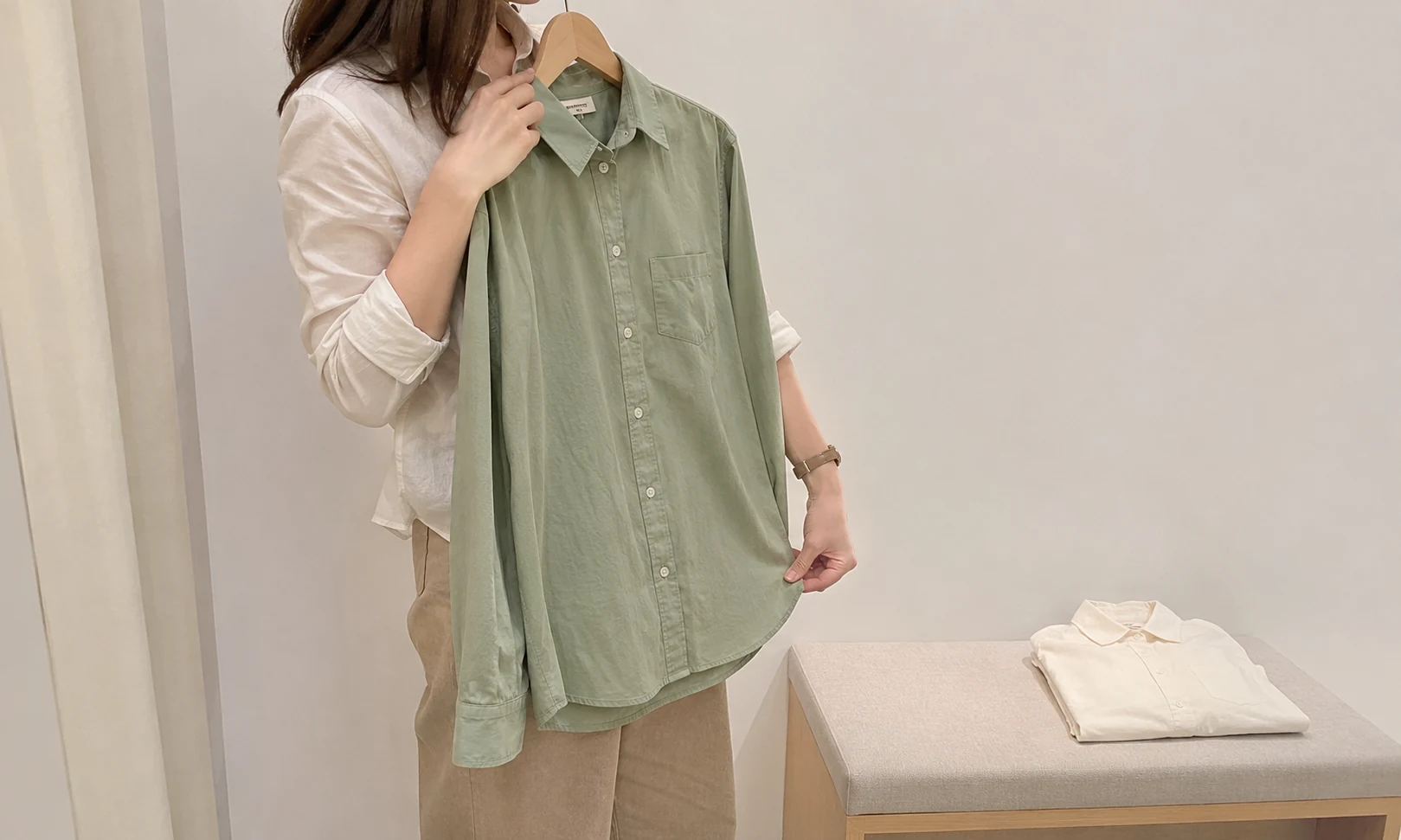
Before checkout, answer four questions.
What do I need this garment to do?
A work layer, a weekend shirt and a warm-weather top may require different characteristics.
What does the extra money buy?
Identify the advantage in the actual garment: fit, fabric, finishing or function.
Can I follow the care instructions?
Choose something you can realistically maintain.
Will I choose it over what I already own?
Think about complete outfits and ordinary days, not just the fitting-room impression.
If an existing garment needs only a minor repair, consider that before replacing it. Our guide to repairing and refreshing clothing explores ways to keep useful pieces in use.
Frequently Asked Questions
Is Uniqlo Better Than H&M for Quality?
Uniqlo is worth considering for practical basics, but no representative evidence established that its entire range is better quality. Compare individual garments’ fabrics, finishing, fit and care requirements.
Is H&M Cheaper Than Uniqlo?
The selected H&M US T-shirt listings were cheaper than the reviewed Uniqlo SUPIMA shirt. That does not establish the price difference across every category, country or promotion.
Do Uniqlo T-Shirts Last Longer Than H&M T-Shirts?
No brand-wide lifespan advantage was verified here. Exact durability claims require comparable testing. The performance of one shirt cannot establish the performance of an entire retailer.
Is Uniqlo Better for a Capsule Wardrobe?
Uniqlo is a sensible place to investigate everyday staples. H&M can also provide suitable pieces. Choose clothes that fit, work together and suit your routine rather than building the wardrobe around one retailer.
Is Uniqlo More Ethical Than H&M?
Uniqlo scored higher for people in the Good On You assessments reviewed. Their overall rating, planet score and animal score matched. This supports a specific labor-assessment distinction rather than a universal ethical ranking.
Final Verdict: Is Uniqlo Better Than H&M?
Choose Uniqlo when its fit, fabric or practical features provide a clear benefit. Choose H&M when its garment meets the same need at a more suitable price.
Uniqlo’s focus makes it a sensible starting point for everyday clothing. H&M’s lower entry prices and different product tiers make it worth a careful comparison.
The evidence does not justify assuming Uniqlo always lasts longer or automatically offers better value. Paying extra should be a decision about the item you will own.
For that plain white T-shirt, the right choice is the one that fits comfortably, serves its purpose and earns regular wear.
Disclaimer: This content is for informational purposes only and reflects our personal opinions and experiences. We just love to write and share what we know and research.