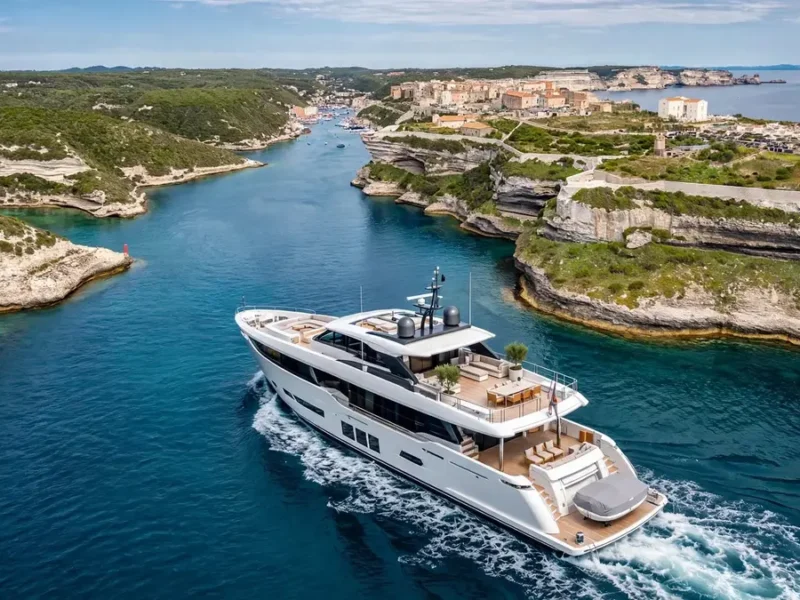
Explorer yachts represent the fastest growing philosophy in the superyacht world, and the shift tells you everything about how the wealthiest travelers now define luxury. For decades, the dream was static: a gleaming white yacht at anchor off St. Tropez, a tender ride to a beach club, a table where one could see and be seen.
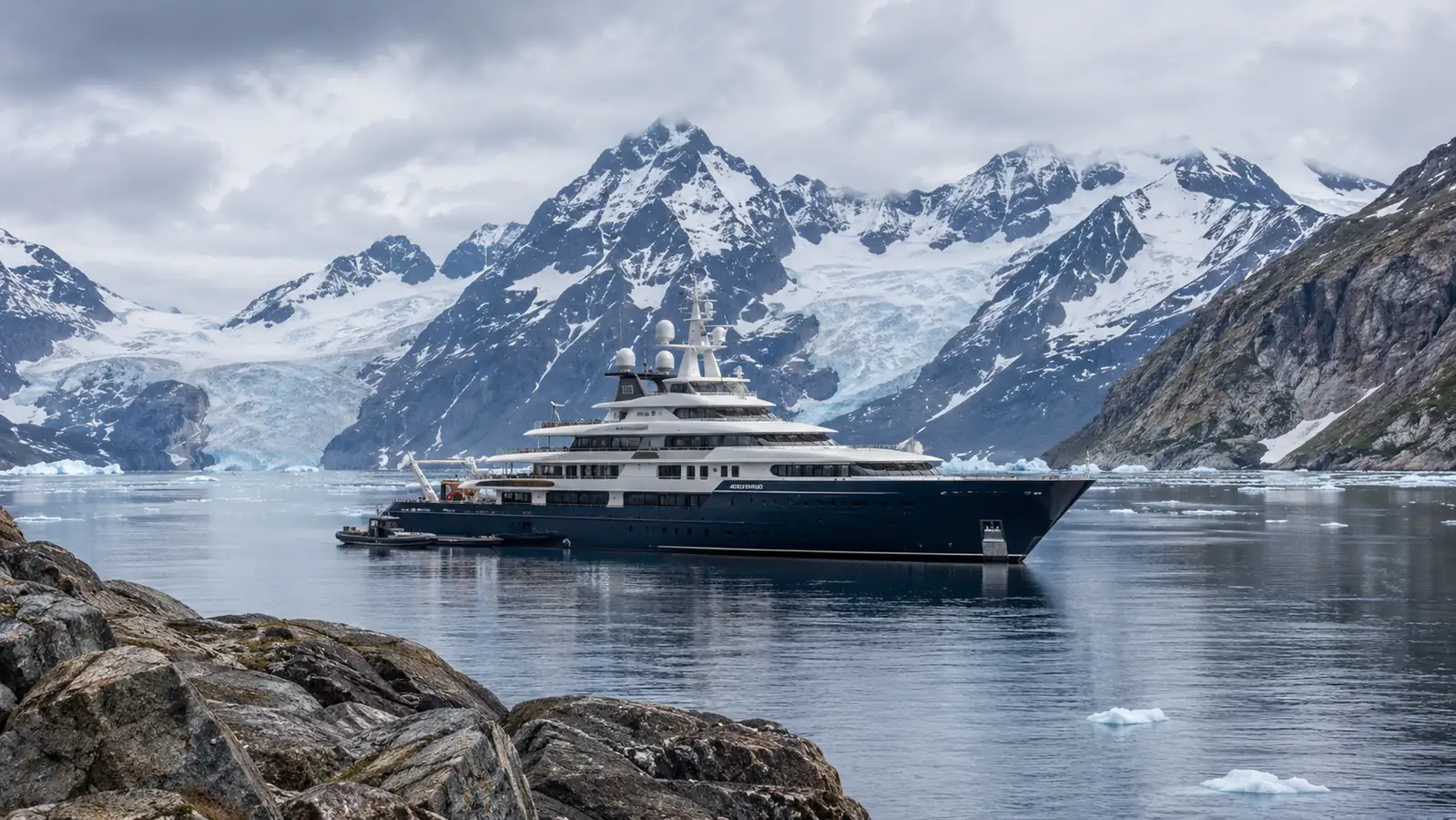
A new generation of owners looked at that picture and asked a different question entirely. What if the yacht could go where no yacht has business going, through Antarctic ice, across the Northwest Passage, up rivers in Borneo, without surrendering a single degree of comfort?
The explorer yacht is the answer: a vessel with the range of a commercial ship, the toughness of an icebreaker, and the interior of a penthouse. The result has quietly become the most coveted category in modern superyacht building, and it is rewriting where the world’s finest yachts go and what they do when they get there.
From Workboat Bones to Luxury Souls
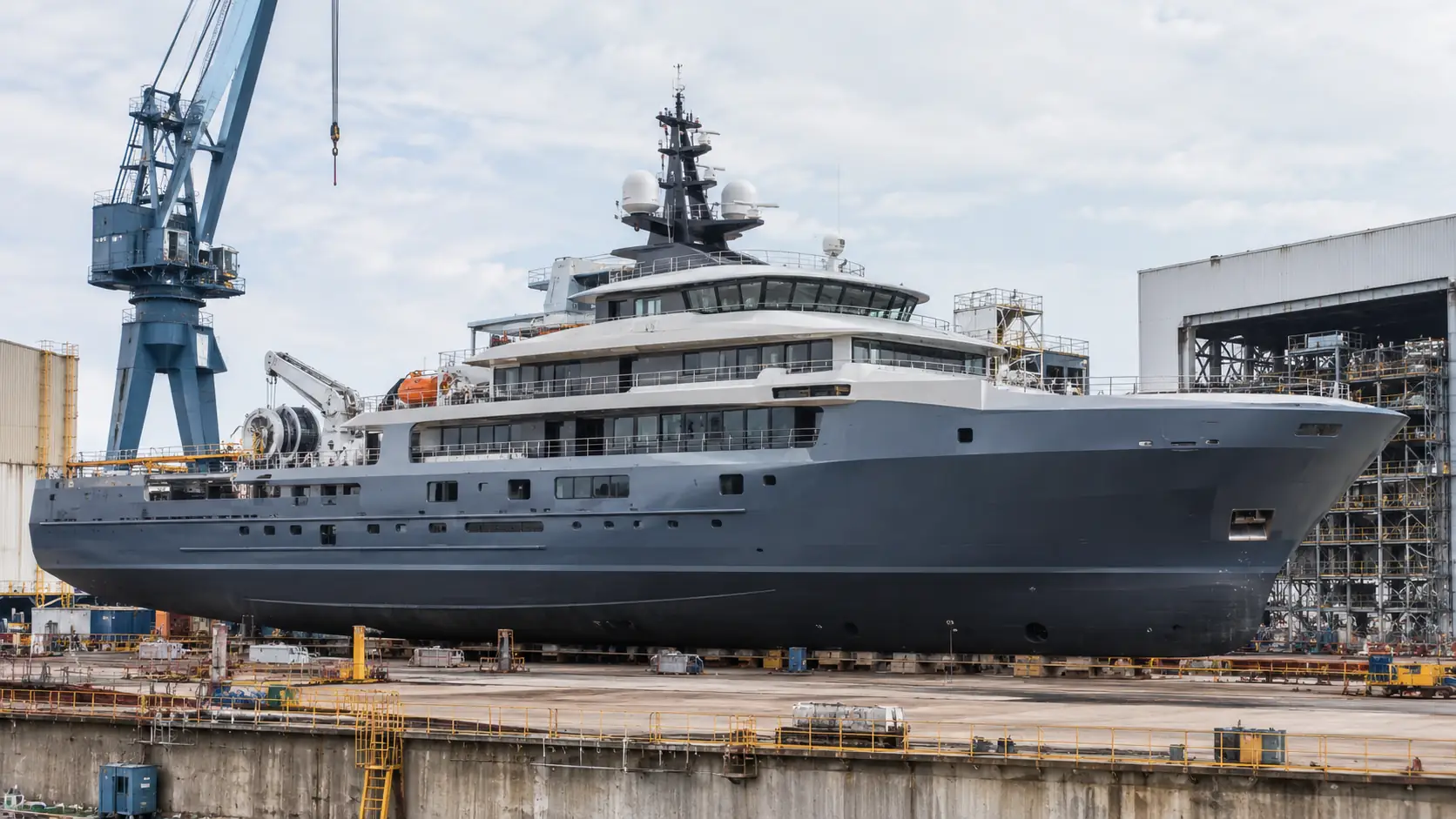
The explorer concept begins with hulls that mean business. Where conventional superyachts are optimized for Mediterranean and Caribbean conditions, explorers are built on commercial or naval architecture: full displacement steel hulls, ice class ratings where specified, enormous fuel capacity delivering ranges of 5,000 to 7,000 nautical miles, and storage for weeks of provisions.
Many of the most striking explorers began life as offshore supply vessels or research ships before conversion into luxury yachts, a transformation that turns industrial bones into extraordinary private vessels at a fraction of new build cost.
The aesthetic followed the function. Explorer yachts wear their capability proudly: high bows, vertical windows, sturdy deck cranes, and a purposeful stance that stands apart from the white hull elegance of the traditional fleet. Inside, the contrast is the point. Owners discovered that the juxtaposition, breakfast in a marble lined saloon while pack ice drifts past the hull, delivers a thrill no conventional cruising ground can match.
The Legends of the Category
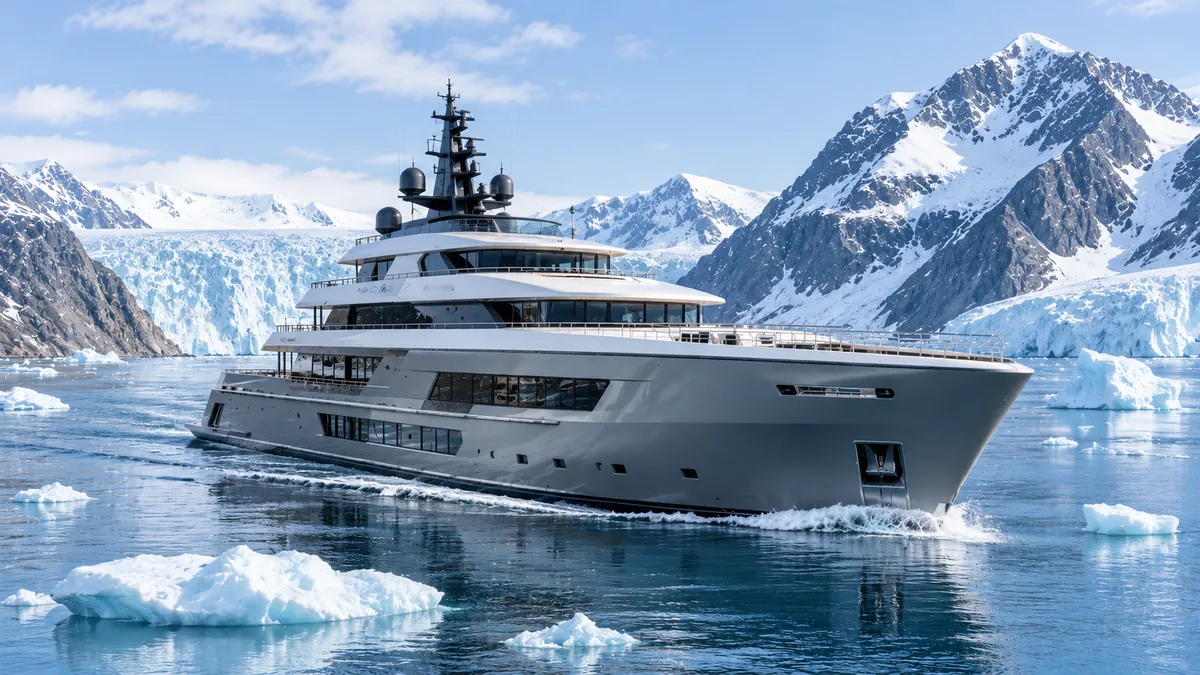
The modern explorer movement traces much of its DNA to Octopus, the 126 metre giant built by Lürssen in 2003 for Microsoft co-founder Paul Allen. Octopus carried two helicopters, a submarine, a remote operated vehicle, and a professional research capability that found actual shipwrecks, including the discovery of the USS Indianapolis in 2017.
She demonstrated that a private yacht could be a genuine instrument of exploration and science, and her example shaped everything that followed.
Today’s category leaders push the formula further. Purpose built explorers from yards like Damen’s SeaXplorer range, Bering, and Arksen arrive with ice class certification, laboratory space, and toy inventories that include submarines, snowmobiles, and the helicopters discussed in our guide to yacht helideck operations.
Converted legends like Ragnar, a former icebreaking supply vessel reborn as a luxury explorer, and vessels operating with National Geographic style research programs show the category’s range. The common thread is intent: these are yachts built for owners who want stories, not just seasons.
What Explorer Ownership Really Involves
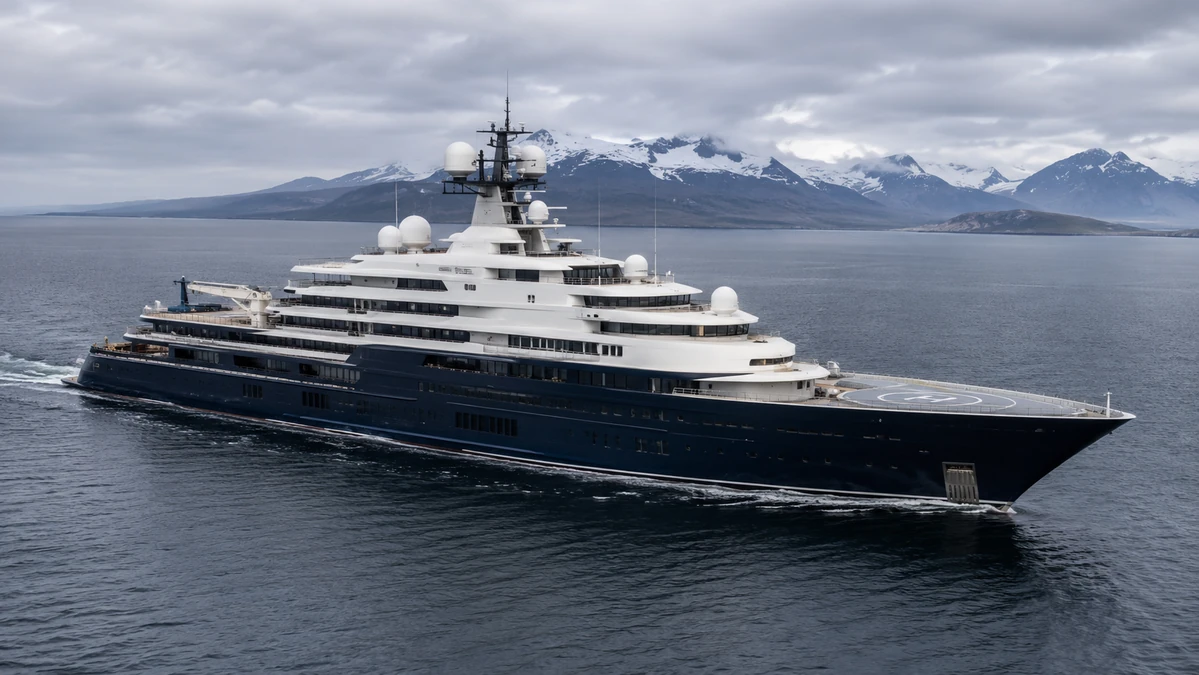
Explorer yachts demand more of their owners and return more in exchange. Operating at genuine expedition scale requires larger crews with specialist skills, ice pilots, dive masters, helicopter pilots, and expedition leaders, plus regulatory preparation for remote cruising that Mediterranean summers never require.
Provisioning for a month in the Arctic differs from a week off Sardinia in kind, not just degree. Insurance, flag state requirements, and environmental regulations in protected polar waters all add layers of planning.
The rewards justify the complexity. Explorer owners describe experiences unavailable at any price through other means: kayaking among humpbacks in Antarctic bays, heli-skiing Greenland couloirs directly from the yacht, diving untouched Pacific atolls, and anchoring where no charted anchorage exists.
The resale market has noticed. Quality explorers hold value with unusual strength because supply remains limited and demand keeps growing, a dynamic consistent with the principles in our superyacht valuation guide.
The Charter Revolution at the Ends of the Earth
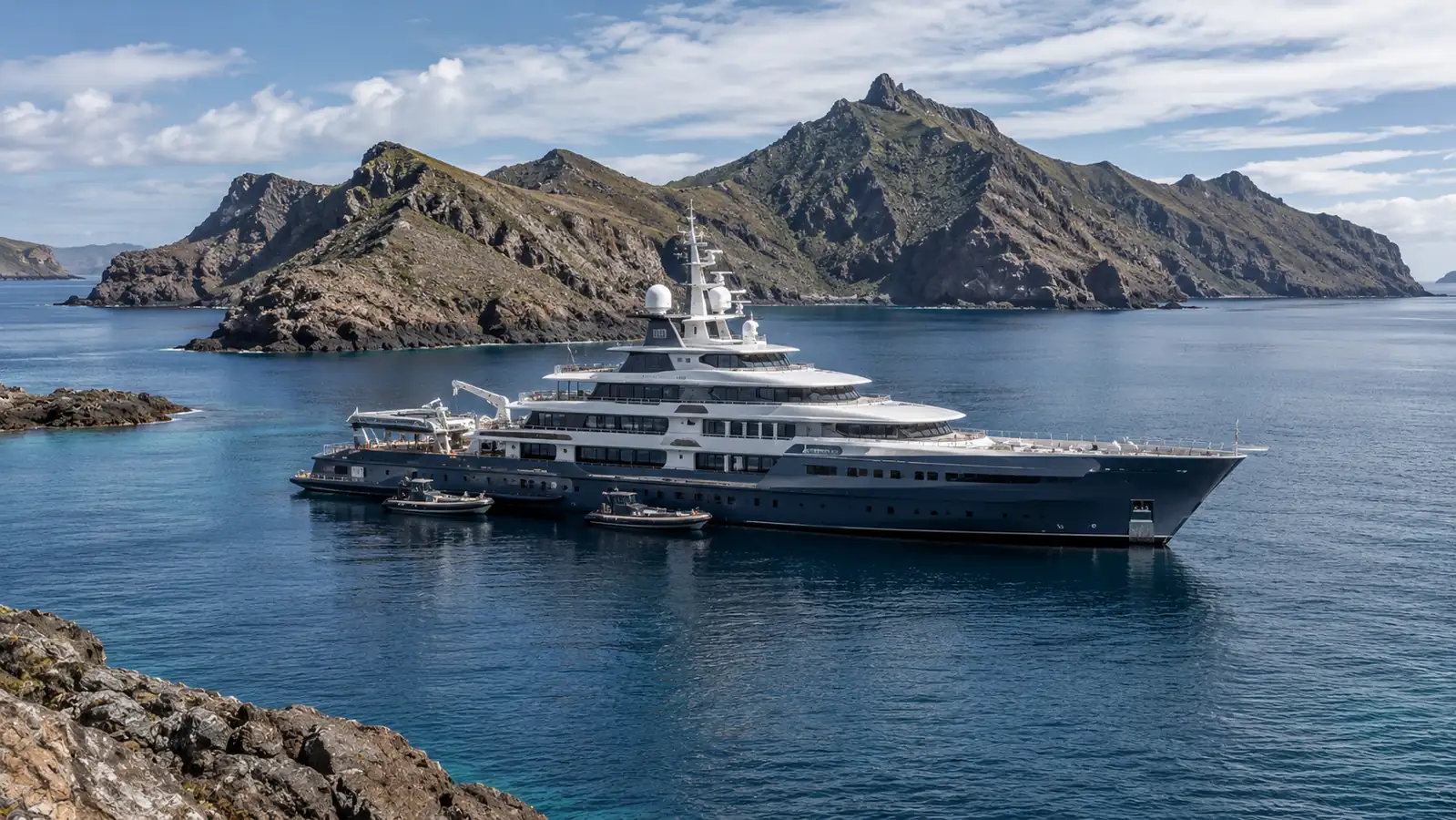
For those not ready to own, explorer chartering has opened the world’s last frontiers to luxury travelers. Explorer yachts now charter in Antarctica, the Arctic, the South Pacific, and the remote Pacific islands, with weekly rates typically running from several hundred thousand dollars to over a million for the largest vessels, plus expedition costs.
The experience differs fundamentally from a classic Mediterranean charter: itineraries flex with weather and wildlife, expedition leaders replace beach club reservations, and the daily rhythm follows nature rather than social calendars.
Chartering an explorer has become the connoisseur’s answer to the question of what comes after a traveler has done everything. Guests who have exhausted the finest yacht charter grounds in US waters and the Mediterranean discover that the explorer category offers not another destination but another dimension, the difference between visiting the world and expeditions into it.
Why the Revolution Is Permanent
Industry observers initially dismissed explorer yachts as a fashion, and the order books have answered. The category keeps growing because it aligns with durable shifts: owners skew younger and more experience hungry, climate consciousness favors efficient full displacement hulls, and the pandemic era taught the wealthy that self sufficiency is the ultimate security.
A yacht that can disappear into the Pacific for two months, generating its own water, powering silently at anchor, and carrying its own aircraft, answers a desire for independence that conventional luxury never addressed.
The explorer revolution also carries a quieter virtue. Many expedition yachts host scientists, contribute bathymetric data to ocean mapping efforts, and operate under strict environmental protocols, making their owners participants in discovery rather than mere consumers of scenery. In the history of yachting, the explorer era may be remembered as the moment the industry’s greatest vessels acquired a purpose beyond pleasure, while somehow delivering more pleasure than ever.
FAQs
What is an explorer yacht?
An explorer yacht is a superyacht built for long range, self sufficient cruising in remote and demanding environments. Features include full displacement steel hulls, ranges of 5,000 nautical miles or more, ice class ratings where specified, and storage for extended voyages, combined with full superyacht luxury interiors.
How far can an explorer yacht travel?
Most explorer yachts deliver ranges between 5,000 and 7,000 nautical miles at economical speed, enough to cross the Pacific or cruise polar regions for weeks without refueling. Some designs exceed these figures, and efficient full displacement hulls keep fuel consumption remarkably low for their size.
What was the Octopus yacht?
Octopus was the 126 metre explorer yacht built by Lürssen in 2003 for Microsoft co-founder Paul Allen. Carrying two helicopters, a submarine, and research equipment, she discovered historic wrecks including the USS Indianapolis in 2017 and defined the modern explorer yacht concept.
How much does an explorer yacht cost?
New purpose built explorers typically start around 30 to 50 million dollars for smaller examples and exceed 200 million for the largest custom builds. Conversions of commercial vessels can deliver explorer capability for less, and annual operating costs follow the standard rule of roughly ten percent of vessel value.
Can you charter an explorer yacht to Antarctica?
Yes. A small fleet of explorer yachts offers Antarctic and Arctic charters, with weekly rates from several hundred thousand dollars to over a million plus expedition costs. Voyages run during the polar summer seasons and book far in advance due to limited supply and permit requirements.
What is ice class certification?
Ice class is a classification society rating certifying that a vessel’s hull, machinery, and systems are strengthened for navigation in ice. Ratings range from light first year ice capability to serious polar operation, and the rating determines where a yacht may safely and legally cruise.
What toys do explorer yachts carry?
Typical inventories include submarines, helicopters in hangars, dive centers with compressors and rebreathers, tenders for fishing and exploration, snowmobiles, and landing craft. The toy garage is central to the explorer concept, turning the yacht into a base camp for adventure.
Are explorer yachts environmentally responsible?
Modern explorers increasingly emphasize efficiency: full displacement hulls burn less fuel, hybrid systems enable silent emission free anchoring, and many yachts host research programs and contribute ocean data. Polar operators follow strict environmental protocols, and the category leads the industry in sustainability technology.