Key Takeaways
- Authentic French grape spirit
- Strict oak barrel aging
- Distinct VS to XO tiers
- Rich, velvety sipping experience
Have you ever settled into a comfortable chair after a long week, poured a splash of golden amber liquid into a glass, and wondered what actually makes that sip taste so remarkably smooth?
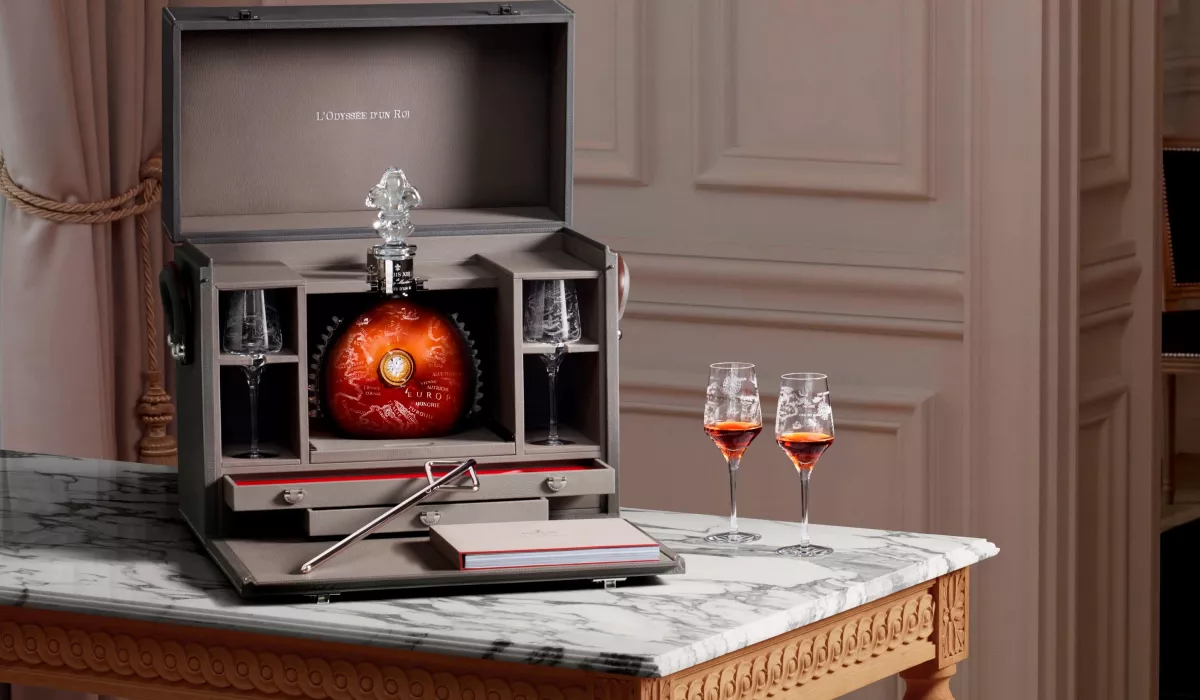
If you are sipping authentic cognac, you are experiencing centuries of French craftsmanship poured right into your glass. Understanding this world is far easier than it seems, and it unlocks a whole new level of appreciation for fine spirits.
Whether you want to pick out a great bottle for a gift or simply want to know what separates top-shelf bottles from standard tavern liquor, getting to know French cognac is a delightful journey for your palate.
AI Overview
Explore the refined universe of cognac, France’s world-famous grape spirit. This complete guide covers strict aging standards, production methods, and how to tell the difference between ordinary options and the best cognac bottles on the market. PraviCeler breaks down classic age ratings, production secrets, and iconic producer houses into simple, everyday language for every enthusiast.
What Exactly Is Cognac?
At its core, this iconic drink is a specific type of high-end grape brandy crafted under strict regional laws in southwestern France.
While all cognacs belong to the broader brandy family, not all brandies can ever carry this prestigious name on their label.
The Strict Rules of Origin
French law governs every single step of making this spirit to guarantee uncompromised quality across every bottle shipped worldwide.
- Geographic Boundaries: The grapes must grow exclusively within the designated Charente region surrounding the historic town of Cognac.
- Specific Grape Varieties: Over 90 percent of the wine used must come from Ugni Blanc, Folle Blanche, or Colombard grapes.
- Double Distillation: The fermented grape wine must undergo double copper pot distillation during a strictly regulated winter timeframe.
- French Oak Aging: The resulting clear spirit, known as eau-de-vie, must rest inside French oak barrels for a minimum of two full years.
Cognac vs Brandy: Clearing Up the Confusion
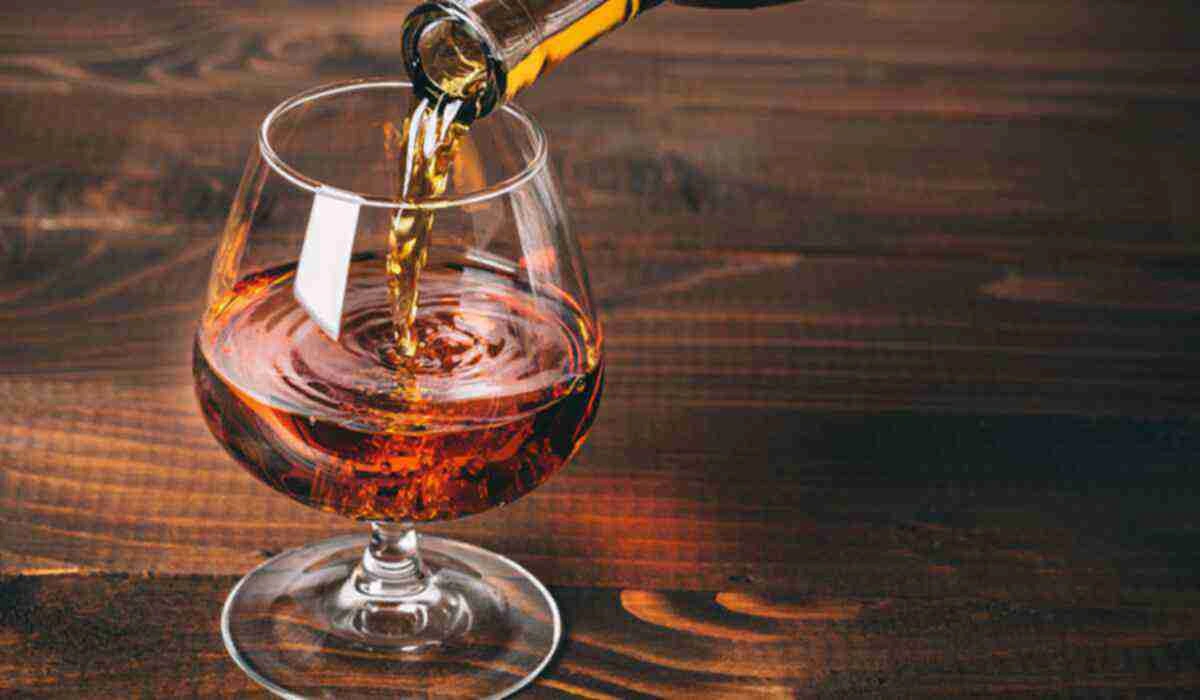
A common question people ask when browsing the liquor store aisle is what sets cognac vs brandy apart from one another.
Think of it like champagne versus sparkling wine; any region can distil fruit wine into brandy, but only one region produces true cognac.
| Feature | Standard Brandy | French Cognac |
| Origin | Produced anywhere globally | Strictly made in Cognac, France |
| Base Fruit | Grapes, apples, pears, or berries | Primarily Ugni Blanc grapes |
| Distillation | Column or pot stills | Double distilled in copper pot stills |
| Aging Rules | Varies widely by country | Minimum 2 years in French oak barrels |
| Flavor Profile | Ranges from sweet to fruity | Complex notes of oak, fruit, and spice |
Why Regional Terroir Matters
The chalky soil and mild Atlantic maritime climate in southwestern France give the grapes a high acidity and low alcohol content.
This unique combination might make for a mediocre table wine, but it creates the perfect foundation for concentrating rich, aromatic flavors during copper distillation.
At PraviCeler, we love pointing out how local soil, weather, and old-world barrels completely transform simple fruit juice into a masterpiece over several years.
Decoding the Label: VS, VSOP, XO, and XXO
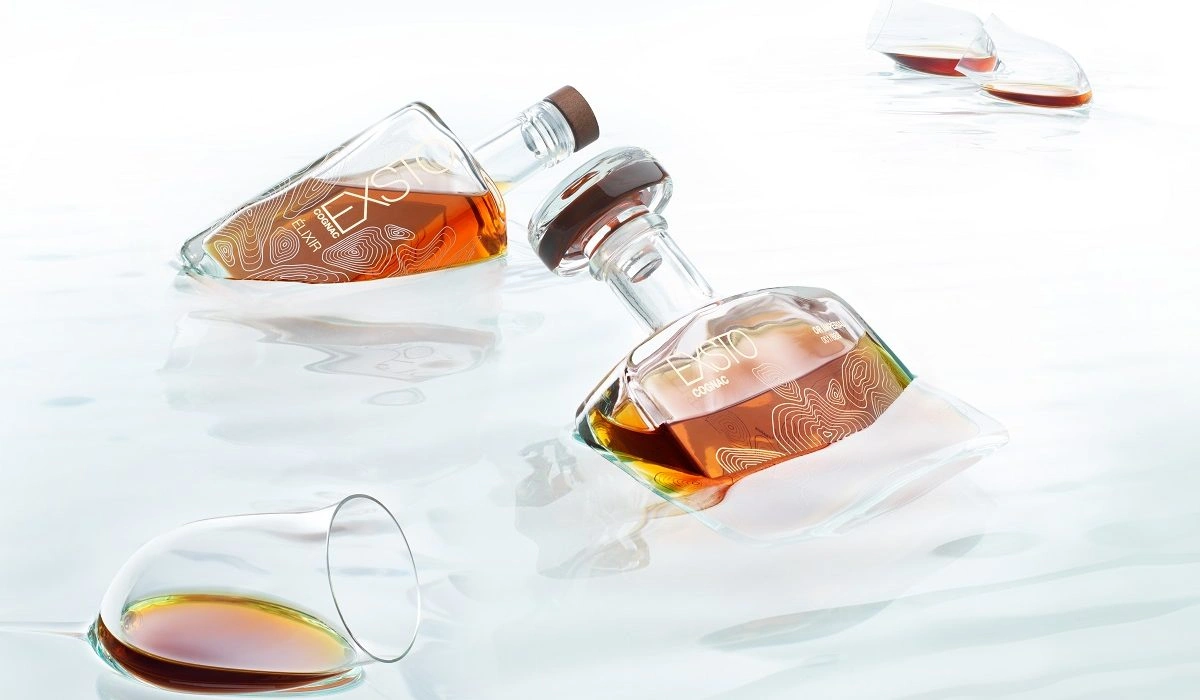
When you inspect a bottle of French cognac, you will notice dynamic letter codes printed boldly across the front label.
These letters tell you the exact minimum age of the youngest component blended into that specific bottle.
Understanding the Official Age Tiers
The Bureau National Interprofessionnel du Cognac regulates these designations to ensure you always know what you are buying.
- VS (Very Special): Aged for at least two years in oak. It offers a lively, fruit-forward taste that works brilliantly in modern mixed cocktails.
- VSOP (Very Superior Old Pale): Aged for a minimum of four years. It hits a wonderfully smooth balance between vibrant fruit and soft vanilla wood tones.
- XO (Extra Old): Aged for a minimum of ten years in oak. Expect deep amber hues, rich notes of dried plum, dark cocoa, and lingering warm spices.
- XXO (Extra Extra Old): A modern classification reserved for rare expressions aged for at least fourteen years, delivering incredible depth.
Older bottles often contain blends featuring spirits aged far longer than these legal minimum requirements, adding exceptional richness.
Exploring Luxury Cognac Brands
The world of premium spirits is anchored by iconic producers known around the globe as the Big Four houses.
These historic producers have refined their distillation and blending techniques across multiple generations to define what luxury cognac brands represent today.
The Big Four Houses
Each major house relies on its own secret blending style and wood barrel preferences to build its signature flavor profile.
- Hennessy: The world’s largest producer, famous for bold, consistent flavor profiles that appeal to both new drinkers and long-time collectors.
- Rémy Martin: Focuses exclusively on grapes from the top two growing zones, creating incredibly rich, floral, and harmonious spirits.
- Martell: The oldest of the major houses, known for using clear wines without lees to yield a lighter, remarkably elegant body.
- Courvoisier: Renowned for complex, fruit-accented profiles and a rich history tied closely to French royal heritage.
Craft Artisanal Producers
Beyond the famous global names, smaller craft houses offer exceptional hidden gems for curious drinkers exploring the best cognac options available.
Independent houses like Hine, Delamain, and Camus focus heavily on single-estate bottles, floral notes, and unblended vintage releases that reflect specific harvest years.
How to Sip and Enjoy Like a Pro
Unlocking the full potential of a fine spirit comes down to simple glassware, ideal room temperatures, and a little bit of patience.
You do not need fancy ritual steps to enjoy a glass after dinner, but a few small adjustments can completely transform your tasting experience.
Choosing the Right Glass
While classic tulip-shaped snifters look stylish in vintage movies, a narrow-necked tulip glass is actually superior for tasting.
The flared base lets the spirit breathe while the tapered rim concentrates subtle aromas directly toward your nose without overwhelming you with alcohol vapor.
Pouring and Tasting Steps
Pour a small shot of your chosen bottle into your glass and let it sit at room temperature for two to three minutes.
Gently swirl the glass to coat the inner walls and observe the warm golden amber color glowing in the light.
Take a gentle sniff before taking a small sip, letting the liquid roll over your tongue to appreciate layers of vanilla, candied orange peel, and warm oak spice.
Pairing Fine Spirits with Food
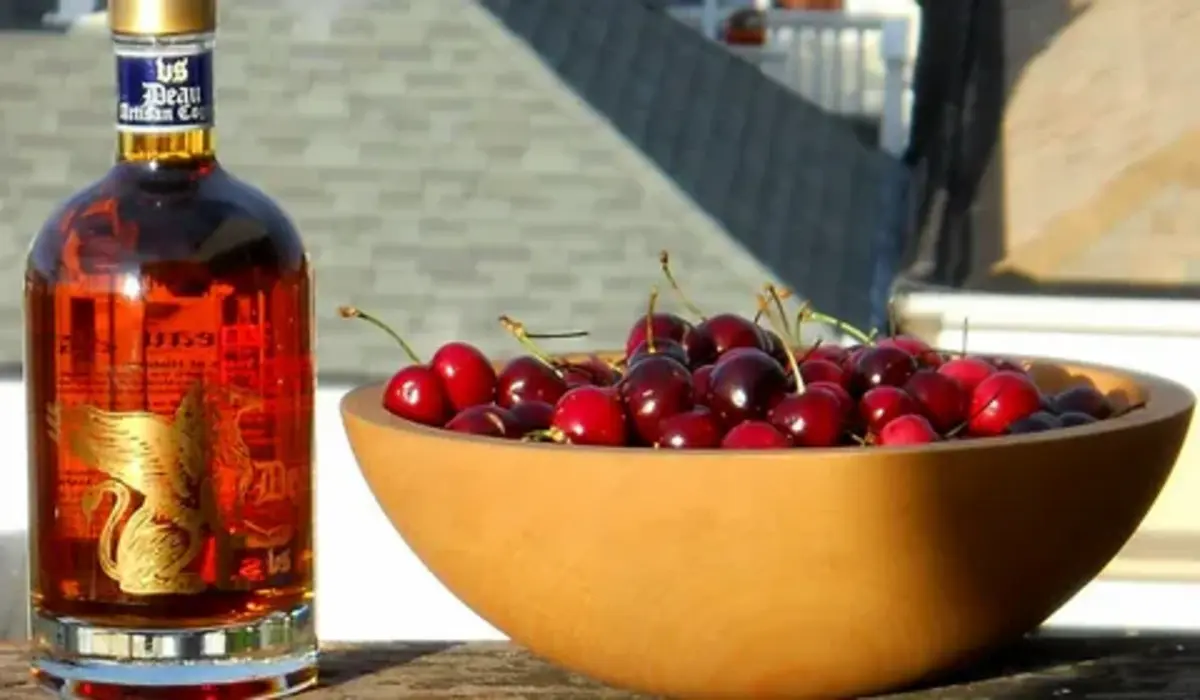
pairing rich grape spirits with complementary snacks elevates both the food and the drink to a whole new level.
At PraviCeler, we believe that simple food pairings turn a casual evening drink into a memorable social event with friends.
| Food Pairing | Best Cognac Match | Why It Works |
| Aged Gouda or Roquefort | VSOP Tier | Salty fat cuts through smooth oak tannins |
| Dark Chocolate (70%+) | XO Tier | Bittersweet cocoa highlights deep dried-fruit notes |
| Seared Foie Gras or Duck | XO or XXO Tier | Rich savory fats match the spirit’s complex body |
| Fresh Tarts & Berries | VS Tier | Bright fruit acids echo the lively young spirit profile |
Creating Modern Cocktails
While high-end bottles belong in a glass neat, younger bottles shine brilliantly as the base spirit in classical mixed drinks.
Swapping out whiskey for a lively young spirit in a Sidecar, French 75, or Sazerac adds a smooth, fruit-driven elegance that modern cocktail lovers adore.
How to Store and Preserve Your Bottles
Unlike fine wine, spirits stop aging once they are drawn from oak barrels and sealed inside glass bottles.
A bottle of cognac sitting on your shelf for ten years will taste exactly the same as the day it was corked, provided you store it properly.
Essential Storage Guidelines
Keep your bottles stored upright in a cool, dark place away from direct sunlight and dramatic heat fluctuations.
Storing bottles upright prevents high-proof alcohol from slowly eroding the natural cork over long periods.
Once a bottle is opened and half empty, try to finish it within a year or two before air exposure gradually softens its crisp aromatic notes.
Final Thoughts
Exploring the rich heritage behind every bottle of cognac opens the door to incredible flavors, fascinating French history, and luxurious relaxation. From versatile young spirits perfect for weekend cocktails to deep, complex bottles meant for quiet late-night sipping, there is a perfect option waiting for every preference. Pick up a bottle, pour a glass with friends, and enjoy the timeless art of fine French spirit making.
Frequently Asked Questions
Does cognac get better with age inside the glass bottle?
No, spirits only age while resting inside wooden oak barrels, so bottle age does not change the spirit inside once sealed.
What is the best way to drink cognac for beginners?
Starting with a smooth VSOP served neat or over a single large ice cube offers an approachable, delicious entry point.
Why is French cognac generally more expensive than other brandies?
Strict regional laws, double copper pot distillation, and long oak barrel aging requirements naturally drive up production costs.
Can you use young cognac in everyday cocktails?
Yes, vibrant young VS bottles are crafted specifically to bring bright fruit notes and depth to classic mixed drinks.