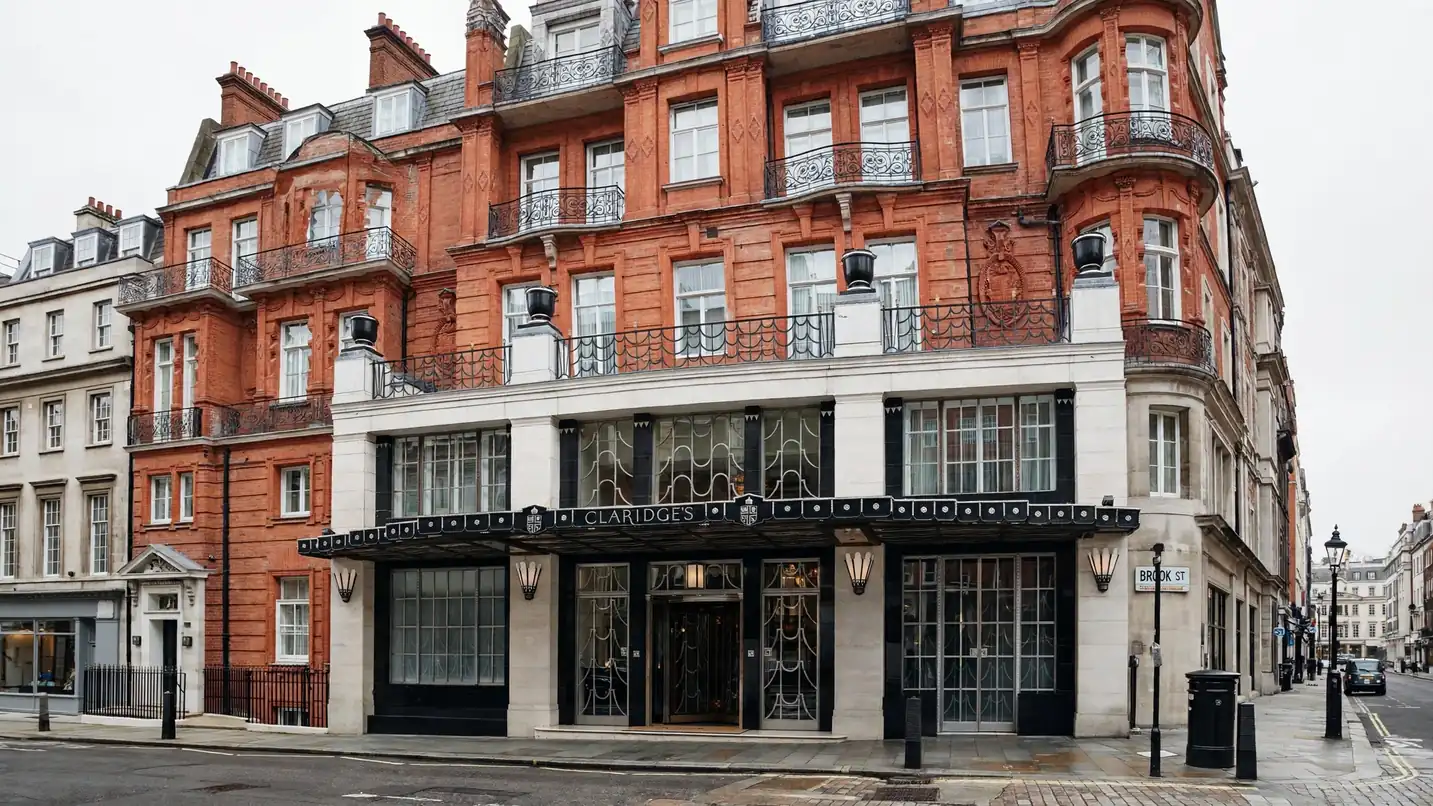
There is a phrase in the vocabulary of European royalty, “staying at Claridge’s.” It functions as a statement of rank. The hotel has spent two centuries earning the weight of it. Emperors in exile have slept here. Queen Victoria reportedly visited the then prince’s rooms to approve them before he moved in.
The hotel’s staff has handled requests that range from the reasonable to the operatic with the same expression. It is the one that made the expression famous. Claridge’s is not London’s grandest hotel, nor its largest, nor its most famous to tourists. It is the one that the people who could stay anywhere choose. That is a different and more difficult summit.
Here is the story of the address on Brook Street. It traces its Regency beginnings to the Art Deco jewel that anchors Mayfair today.
The Clarke’s Hotel Beginnings
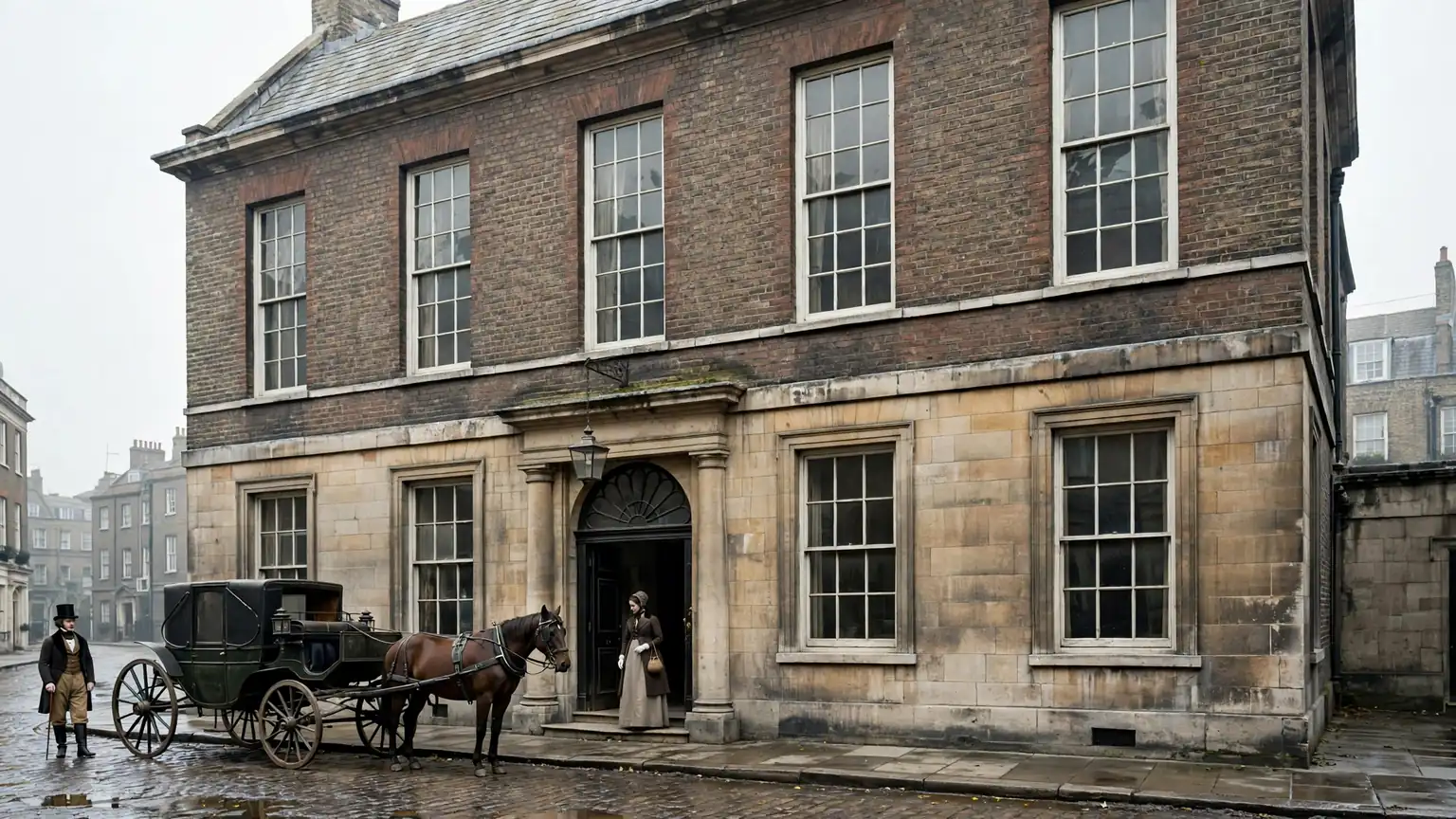
The story begins in 1812, when James Mivart opened a hotel on the site. A butler named Mr. Claridge, employed at Mivart’s, became so identified with the house’s standards that the business eventually took his name. Through the 19th century, Claridge’s grew into the preferred London address of European monarchs. Its suites expanded and redecorated as royal clientele demanded ever more.
The Empress Eugenie of France made it her London base in exile. The hotel’s tradition of discretion, of treating the world’s most photographed people as private guests, was established in these decades and never abandoned.
The Art Deco Miracle
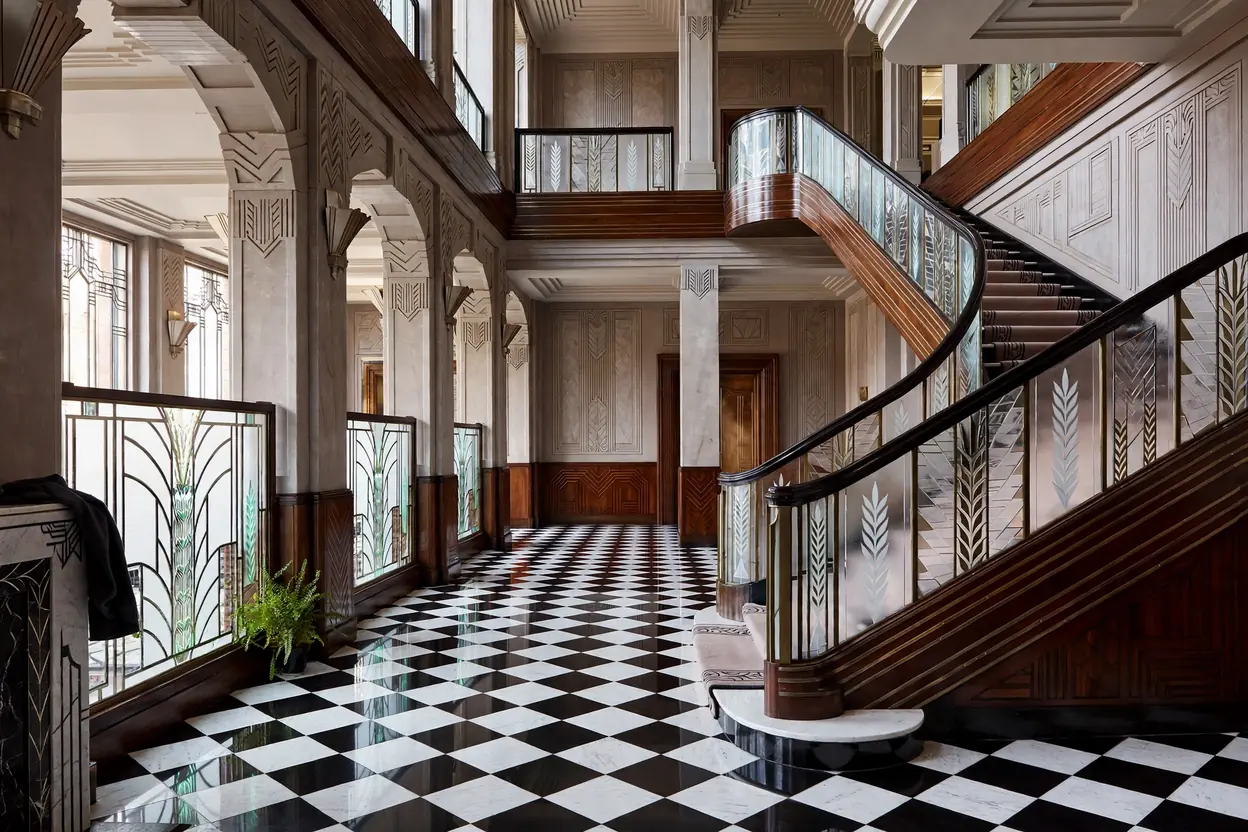
The building that defines Claridge’s today rose in the late 1920s. The hotel was rebuilt behind the retained facades to designs by Oswald Milne and the Basil Ionides partnership.
The result, completed in phases through the 1930s, is the finest Art Deco hotel interior in Britain. It features the black and white marble lobby, the Lalique glass of the foyer’s columns, the sweeping staircase, and the suites of such coherent design that the hotel functions as a single, unified work of decorative art.
The Deco Claridge’s opened in the same years as New York’s great towers. Its preservation through the following century, when so many Deco interiors were gutted, is the hotel’s second achievement.
The Wartime and the Crown
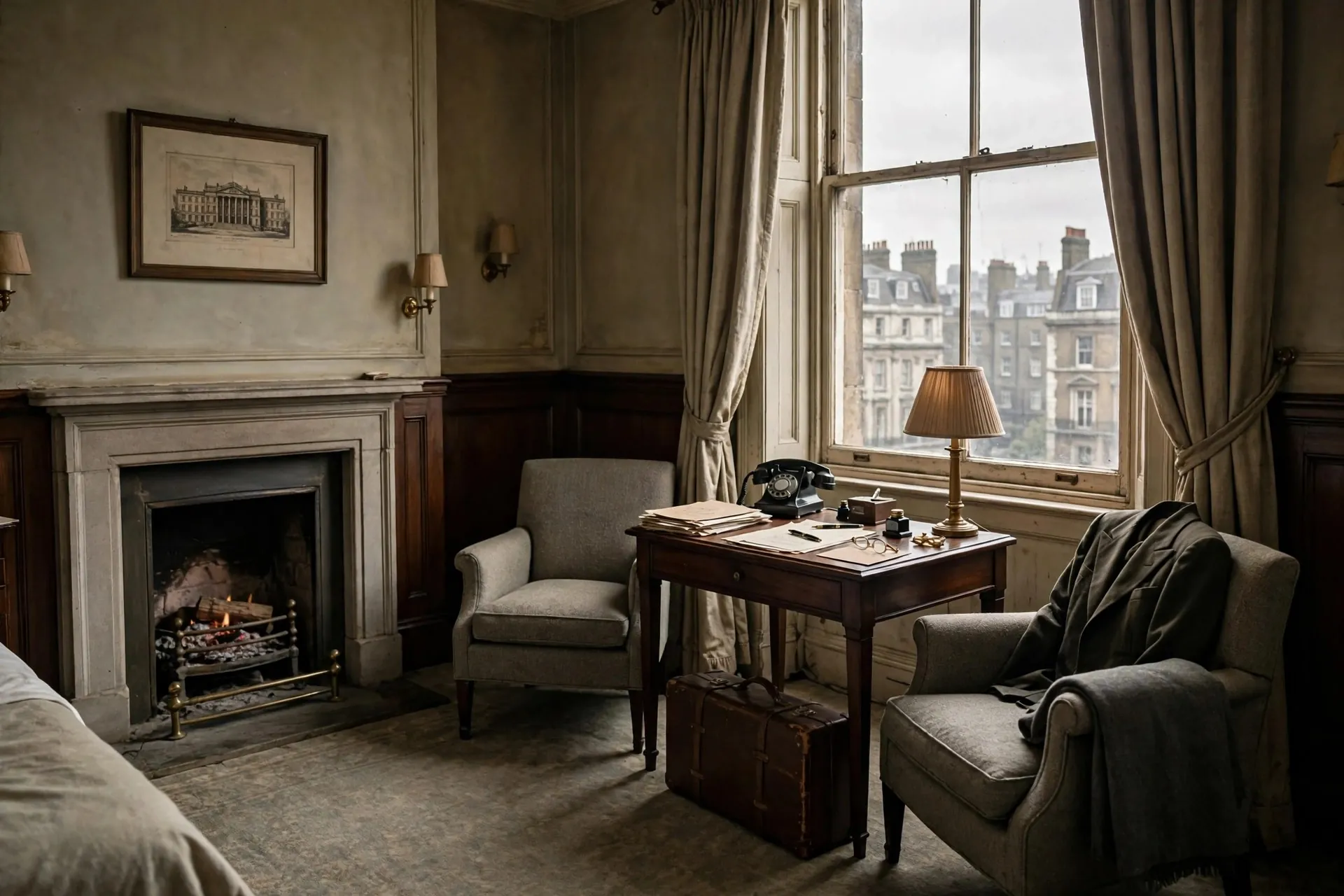
The Second World War sealed Claridge’s royal identity. The hotel served as a refuge for European courts in exile. The Norwegian, Dutch, Greek, and Yugoslav royals operated their governments in waiting from its suites. The most storied episode concerns the Yugoslav regency.
A suite was declared temporarily Yugoslav territory by the British government so that a prince could be born on his own soil. The declaration was reportedly arranged by Winston Churchill himself.
Whether every detail of the legend is documented or embellished, the story captures the truth the hotel embodies. Claridge’s has functioned, for two centuries, as a piece of sovereign territory in the middle of London. It has been available to those the hotel accepts.
The Modern Claridge’s
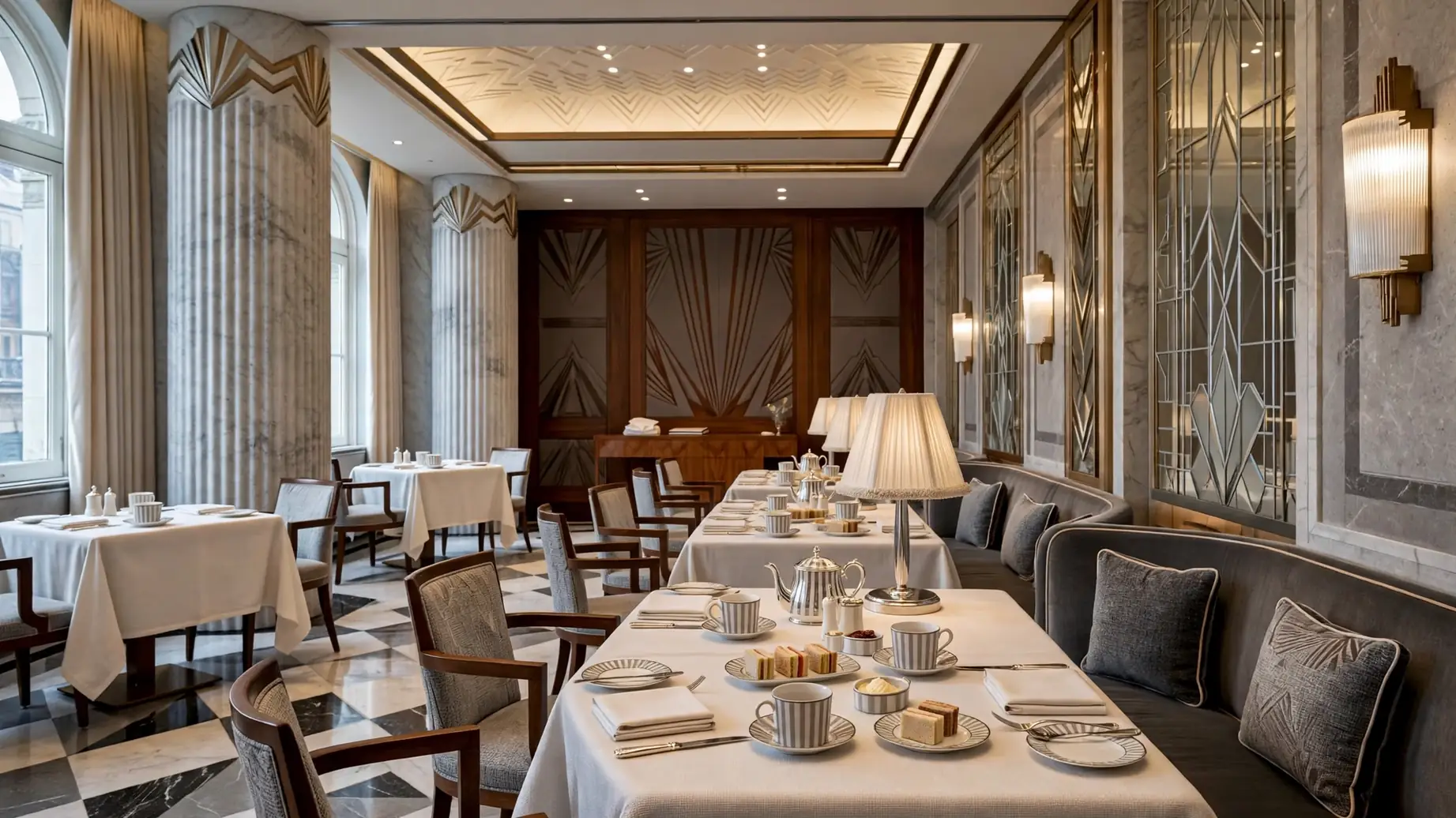
The modern era brought the restaurants that kept the address at the center of London’s culinary life. These included the Gordon Ramsay at Claridge’s years, the Fera chapter, and the current dining program under celebrated chefs.
The suites were renewed through the 2010s with a reverence for the Deco fabric that the market rewarded. The hotel’s afternoon tea, taken in the foyer beneath the Lalique glass, remains the most requested table in the country.
Claridge’s stands today where it has always stood: at the intersection of fashion, royalty, and money. It serves all three with the same expression. For the wider canvas of London’s grand hotel tradition, our feature on the world’s great suites places the Claridge’s penthouses in the global hierarchy.
FAQs
Why is Claridge’s called an annex to Buckingham Palace?
The nickname reflects two centuries of royal patronage, from Empress Eugenie’s residence to the courts in exile of the Second World War, and the hotel’s tradition of hosting the royal family’s guests when the Palace could not accommodate them.
What is special about Claridge’s design?
The finest Art Deco hotel interior in Britain, created in the late 1920s rebuild under Oswald Milne, with the marble lobby, Lalique glass columns, and unified suite designs preserved as a single coherent work of decorative art.
What happened during the Second World War at Claridge’s?
The hotel housed the exiled Norwegian, Dutch, Greek, and Yugoslav royal courts, functioning as government in waiting, and the famous episode of the Yugoslav territory declaration allowed a prince’s birth on technically sovereign soil.
When was Claridge’s founded?
The site has hosted a hotel since 1812, opened by James Mivart, with the Claridge’s name arriving later in the 19th century when the house became identified with its celebrated butler, Mr. Claridge.
What are Claridge’s most famous rooms?
The penthouse suites, particularly those with the Deco interiors, the Foyer for afternoon tea beneath the Lalique glass, and the ballroom, one of London’s great party rooms since the 1930s.
Who owns Claridge’s today?
Claridge’s is part of Maybourne Hotel Group, the Qatari backed owner that has invested heavily in the hotel’s restoration and that also owns the Connaught and the Berkeley, London’s other great addresses.
Is Claridge’s Art Deco original?
Largely yes: the 1920s and 1930s interiors survived the century’s renovations with remarkable integrity, and the modern restorations have treated the Deco fabric as the hotel’s primary asset.
Why do fashion figures love Claridge’s?
The address sits at the intersection of fashion, royalty, and money that Mayfair has always represented, and its discretion, the staff’s famous expression, serves the industry’s need for public glamour and private refuge simultaneously.