Key Takeaways
- Everyday reliability versus luxury appeal
- Real-world rating breakdowns by vehicle class
- Smart buying tips to avoid hidden maintenance costs
- Forward-looking EV and hybrid dependability insights
Introduction
Ever found yourself staring at a crowded parking lot, wondering how on earth people choose between so many different car brands? You are definitely not alone! Buying a vehicle is a major life decision, and the massive sea of badges, logos, and trim options can quickly get overwhelming.
Whether you need a rock-solid daily commuter, a spacious family haul vehicle, or a sleek weekend cruiser, picking the right badge makes all the difference. In this comprehensive guide, we are going to break down the auto market together in plain, simple terms so you can shop with total confidence.
AI Overview
Searching for a straightforward breakdown of auto manufacturers? Here is your quick guide. We evaluate top car brands across reliability, long-term ownership value, safety scores, and driver satisfaction. From bulletproof Japanese daily drivers to plush European luxury sedans and modern electric vehicles, this quick guide gives you the unbiased clarity needed to make a smart buying decision.
Choosing the Right Car Brands for Your Daily Drive
Finding a vehicle that fits your lifestyle does not have to feel like solving a complex calculus equation. When you start comparing options, it helps to narrow down what matters most to you right now. Are you looking to keep monthly repair bills at zero, or are you chasing cutting-edge cabin tech and high-end materials?
At PraviCeler, we always suggest looking at how a car fits into your actual daily routine rather than just looking at shiny showroom paint. Let us dive deep into how different vehicle classes perform on real everyday roads!
Japanese Reliability Champions
When drivers talk about vehicles that simply refuse to quit, Japanese automakers always lead the conversation. These manufacturers have built global reputations around engineering simplicity, low maintenance costs, exceptional resale value, and bulletproof mechanical designs.
Toyota & Lexus
Toyota remains the undisputed global benchmark for long-term mechanical reliability. Legendary models like the Camry, Corolla, and RAV4 consistently run well past 200,000 miles with basic routine maintenance and minor fluid changes.
If you want those exact same dependable mechanics paired with ultra-quiet cabins and premium leather finishes, Lexus offers that bulletproof engineering wrapped in pure luxury.
Honda & Acura
Honda focuses heavily on crisp road handling, clever interior space utilization, and energetic fuel-efficient engines. The Civic and Accord remain absolute legendary choices for everyday commuters who want reliable driving without sacrificing fun.
Acura takes those exact reliable underpinnings and adds aggressive exterior styling, sharper steering response, and premium cabin technology features.
Mazda, Subaru & Nissan
Mazda has pushed hard into the near-luxury space with sleek interiors and responsive steering dynamics. Subaru owns the traction market with standard all-wheel drive, making it a favorite for rainy climates and snowy winters. Nissan continues to offer budget-friendly entry points for drivers seeking affordable transportation.
Car Brands: Complete List with Ratings & Reviews
To give you a clear picture of how popular vehicle lineups measure up on real roads, we have put together this straightforward breakdown based on recent owner feedback, safety scores, and general market data.
| Automaker | Overall Rating (Out of 5) | Top Strength | Average Annual Maintenance |
| Toyota | 4.8 | Exceptional Reliability | Low ($400 – $550) |
| Honda | 4.7 | Great Handling & Resale Value | Low ($450 – $600) |
| Mazda | 4.6 | Premium Interiors & Driving Dynamics | Low to Medium ($450 – $650) |
| Subaru | 4.5 | Standard All-Wheel Drive | Medium ($550 – $700) |
| Hyundai / Kia | 4.4 | Feature Tech & Long Warranty | Low to Medium ($450 – $650) |
| BMW | 4.3 | Performance & Driving Dynamics | High ($900 – $1,400) |
| Lexus | 4.8 | Luxury Comfort with High Reliability | Medium ($550 – $750) |
| Audi | 4.2 | Tech Features & All-Weather Traction | High ($950 – $1,350) |
| Ford | 4.3 | Towing Capability & Truck Variety | Medium ($600 – $800) |
European Engineering & Modern Luxury
European automakers focus heavily on precision engineering, highway stability, high-speed control, and high-end cabin materials. If you love a firm, engaging drive on open highways, these badges will likely catch your eye immediately.
German Performance Icons
Mercedes-Benz, BMW, and Audi represent the classic trio of German premium luxury. Mercedes prioritizes smooth highway cruising, whisper-quiet cabin insulation, and executive comfort. BMW focuses squarely on driver engagement with balanced weight distribution and highly responsive steering response. Audi delivers clean exterior design paired with legendary all-wheel-drive confidence.
Keep in mind that while these vehicles drive like a dream, ongoing routine maintenance typically costs significantly more than standard domestic or Asian alternatives.
Style Meets Utility: Volvo & Volkswagen
Volkswagen brings solid European road manners down to an accessible price point with popular daily drivers like the Jetta, Golf, and Tiguan.
Volvo, on the other hand, stands tall as an undisputed industry leader in passenger safety, offering Scandinavian interior design paired with top-tier crash protection scores and child safety innovations.
American Muscle, Trucks, and Family Cruisers
American auto makers continue to dominate global auto markets when it comes to full-size pickup trucks, spacious family haulers, and iconic performance cars.
Ford & Chevrolet
Ford dominates the truck segment with the iconic F-150 lineup, while keeping muscle car enthusiasts happy with the Mustang. Chevrolet offers a massive range of practical options, from budget-friendly crossover SUVs to heavy-duty Silverado pickups and high-performance sports cars.
Dodge, Jeep & RAM
If you love off-road trail adventures, Jeep remains the ultimate go-to brand for trail-rated capability and outdoor freedom. RAM delivers ultra-plush truck interiors with smooth coil-spring suspensions, while Dodge focuses purely on bold aggressive design and muscle car attitude.
Car Brands: Complete List with Ratings & Reviews Comparison
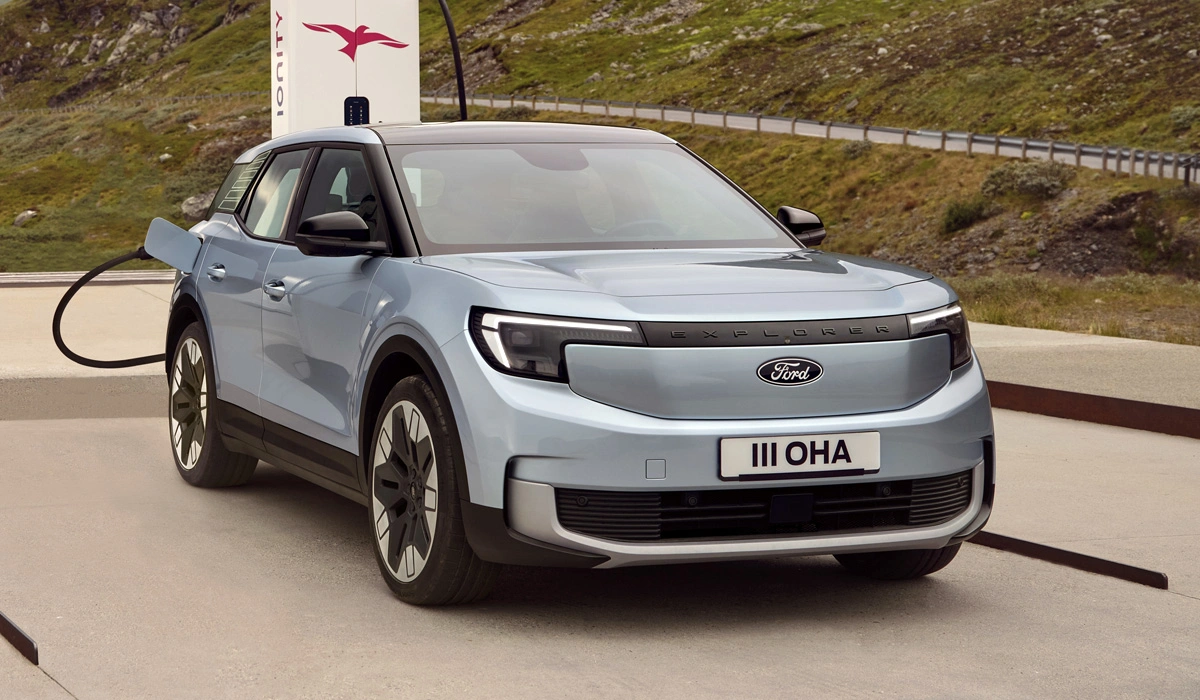
When shopping across different regional markets, checking out detailed driver feedback helps set realistic expectations for repair budgets and ownership satisfaction.
Asian vs. Domestic vs. European Comparison
Asian manufacturers generally lead in low ownership costs and high resale value. American vehicles excel in towing capacity, cabin passenger volume, and affordable replacement parts. European models deliver unmatched highway driving dynamics, whisper-quiet road noise, and top-of-the-line cabin finishes.
What The Data Shows
Based on aggregated market data, buyers who keep vehicles past seven years save the most money by leaning toward high-rated Japanese option lineups. Lease buyers often prefer European luxury badges because factory maintenance programs cover early ownership years entirely.
Understanding Long-Term Ownership Costs
Buying a car is never just about the sticker price you sign for at the dealership floor. To make sure your household budget stays happy over time, you have to think about what happens two, four, or six years down the road.
Here are five key factors to consider before choosing your next vehicle:
- Depreciation Rates: Some vehicles lose 40% of their value in three years, while others retain over 60%.
- Fuel Efficiency: Choosing a hybrid model can save you thousands at the gas pump over a few years.
- Insurance Costs: Performance cars and high-end luxury models cost significantly more to insure each month.
- Parts Availability: Popular mainstream models use common parts that any local mechanic can fix quickly.
- Warranty Coverage: Brands offering 10-year factory warranties offer great peace of mind against mechanical surprises.
Electric Vehicles & The Hybrid Revolution
The automotive world is shifting faster than ever toward electric battery power and advanced hybrid efficiency. Knowing where each manufacturer stands today can help you make a future-proof vehicle purchase.
EV Pioneers & Mainstream Innovators
Tesla transformed how we think about electric driving with instant battery acceleration, minimalist software interfaces, and a massive charging infrastructure network. Meanwhile, legacy automakers like Hyundai, Kia, and Ford are catching up quickly with highly practical everyday EVs.
If you want a detailed look into modern luxury mobility, exploring the PraviCeler automotive guides provides great insights on how electric supercars and premium SUVs fit into everyday life.
Car Brands: Complete List with Ratings & Reviews for Pre-Owned Buyers
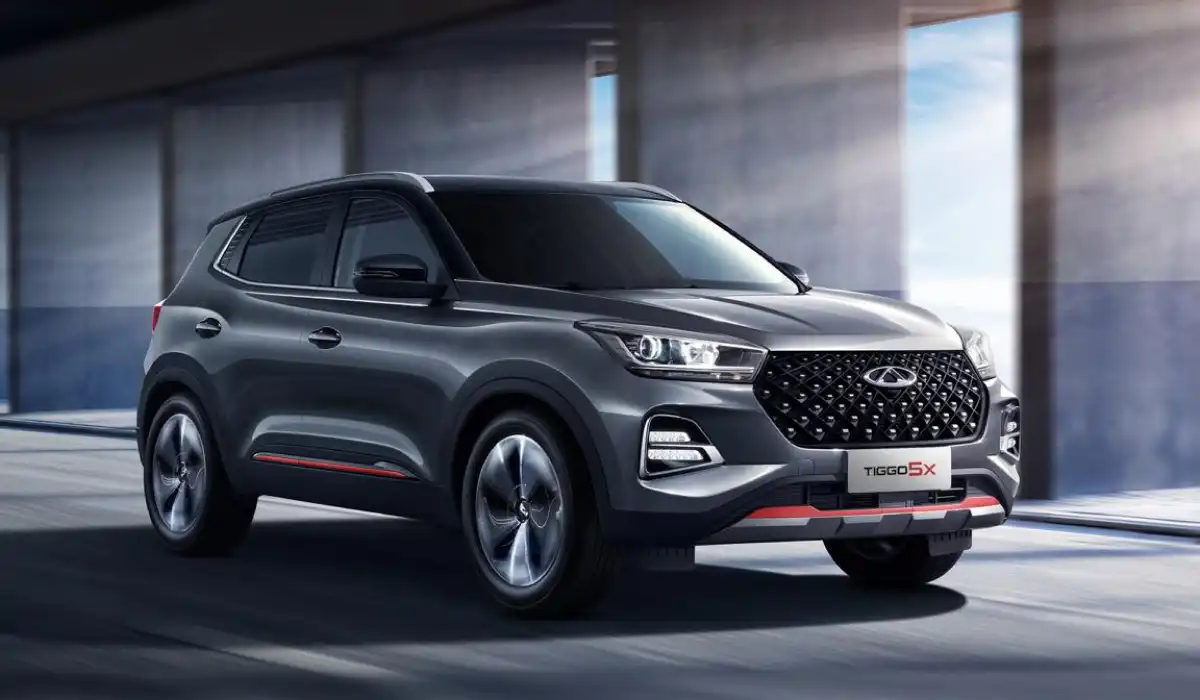
Navigating the pre-owned market requires balancing original build quality with past owner maintenance habits. Some badges age far better on the secondary market than others.
High-Value Used Picks
Certified pre-owned Toyotas, Hondas, and Mazdas routinely top owner satisfaction charts even after reaching six-figure odometer mileage readings. Their engines suffer fewer oil leaks and electrical glitches over time compared to complex luxury alternatives.
Used Vehicles to Inspect Carefully
High-end European luxury sedans often suffer dramatic price drops on the used market for a reason. Complex air suspensions, turbocharger oil lines, and intricate sensors can require expensive repairs once factory warranties expire. Always budget for an extended warranty if buying used luxury!
Smart Tips for Evaluating Used Vehicles
Shopping on the pre-owned market is a fantastic way to stretch your hard-earned dollar further. However, evaluating pre-owned inventory requires a careful eye to make sure you do not buy someone else’s hidden mechanical headache.
Check out these essential steps when inspecting a pre-owned vehicle on the lot:
- Pull a Vehicle History Report: Always verify past accident history, title status, and service records.
- Inspect the Tires & Brakes: Uneven tire wear often signals alignment or suspension issues.
- Test All Cabin Electronics: Check air conditioning, infotainment screens, and power windows thoroughly.
- Get a Pre-Purchase Inspection: Spend a little money to have an independent mechanic check the engine and chassis.
- Take an Extended Test Drive: Drive on both bumpy city streets and high-speed highways to listen for unusual noises.
How to Choose Your Ideal Vehicle Step-by-Step
Ready to make a final choice on your next car purchase? Finding your dream car comes down to asking the right practical questions about your lifestyle.
- Set a firm monthly budget including taxes, insurance rates, and routine maintenance costs.
- List your non-negotiable features, such as all-wheel drive, seating capacity, or towing power.
- Compare safety ratings and real owner reviews online across multiple motoring sites.
- Schedule test drives across at least two competing models to feel the dynamic differences yourself.
At PraviCeler, we always suggest taking your time during the test drive step; never let anyone rush your buying decision!
Conclusion
At the end of the day, picking between different vehicle options comes down to what you value most in a daily vehicle. If you want hassle-free driving for the next decade, standard Japanese commuters are nearly impossible to beat. If you crave cutting-edge technology, smooth performance, or high-end cabin luxury, European and premium American models are well worth a look. Take your time, weigh your daily needs against your budget, and enjoy the fun process of finding your next ride!
FAQs
What is the most reliable car brand available today?
Based on industry reliability studies, Toyota and Lexus consistently rank at the top for long-term mechanical dependability and minimal repair needs.
Are luxury car brands significantly more expensive to maintain?
Yes, premium European vehicles generally cost more to repair due to specialized parts, complex technology systems, and higher labor costs at certified service shops.
How often should I check expert car reviews before buying?
You should consult multiple independent review sources during your initial research phase to compare real-world mileage, owner complaints, and safety ratings before test driving.
Do hybrid cars hold their value well on the used market?
In most cases, popular hybrid models hold their resale value extremely well due to rising fuel prices and proven battery longevity over time.