Key Takeaways
-
Routine Checks Save Cash: Simple monthly lookovers stop massive mechanical headaches before they start.
-
Fluid Levels Are King: Keeping your oil, coolant, and brake fluids fresh is the easiest way to prevent engine failures.
-
Tire Care Saves Fuel: Correct tire pressure and regular rotations keep you safe and improve your gas mileage.
-
DIY Meets Pro Service: Knowing what you can handle at home versus when to call a mechanic keeps your wallet happy.
Ever sat in your car, turned the key, and felt a tiny wave of anxiety hoping it starts? We have all been there. Our cars get us to work, take us on road trips, and carry our families safely every single day.
Yet, it is incredibly easy to ignore that little dashboard light or skip a service when life gets busy. Taking care of your vehicle does not have to be a confusing, expensive chore.
By following these 30 Essential Car Maintenance Tips, you can easily keep your ride running beautifully, avoid sudden breakdowns, and keep more money in your pocket. Staying on top of a regular car maintenance checklist makes all the difference in how your car handles.
Let us walk through exactly what you need to do to keep your vehicle in peak shape, whether you are a complete beginner or a seasoned driver.
AI Overview
This complete guide shares 30 Essential Car Maintenance Tips designed to help everyday drivers protect their vehicle and extend car lifespan. By combining easy DIY car care tips with structured seasonal car maintenance, you can easily keep your vehicle running smoothly. Learn about optimal oil change frequency, tire safety, fluid checks, and simple habits that prevent expensive mechanic visits.
Why Regular Care Matters
We often treat our vehicles like they are invincible, driving them through harsh weather and rough roads without a second thought. But just like anything else, a car needs regular attention to perform its best.
Ignoring basic upkeep does not just lead to inconvenient breakdowns; it also destroys your vehicle’s resale value. When you make routine inspections a habit, you are actively working to extend car lifespan and save yourself from astronomical repair bills down the road.
At Pravi Celer, we believe that vehicle care should be straightforward and stress-free. You do not need to be a professional mechanic to master a basic car maintenance checklist. Many of the most crucial upkeep tasks take less than fifteen minutes of your time. Let us dive into the thirty simple habits that will transform how your vehicle runs.
1. The Fluid Essentials
Fluids are the absolute lifeblood of your vehicle. They cool, lubricate, and clean the moving parts that keep you moving.
Check Your Engine Oil Monthly
Your engine has hundreds of fast-moving metal parts that rub together at incredibly high speeds. Without clean oil, that friction creates intense heat that can literally melt your engine.
Pull out your dipstick, wipe it clean on a rag, insert it back in, and pull it out again to see the level. If the oil looks pitch black or feels gritty, it is definitely time for a fresh change.
Track Your Oil Change Frequency
How often should you actually swap out your oil? The old rule was every 3,000 miles, but modern engineering has changed the game entirely.
| Oil Type | Generally Estimated Interval | Best For |
| Conventional Oil | 3,000 to 5,000 miles | Older engines, budget-conscious drivers |
| Synthetic Blend | 5,000 to 7,500 miles | Modern daily drivers, moderate climates |
| Full Synthetic | 7,500 to 15,000 miles | High-performance cars, extreme temperatures |
Always consult your owner’s manual to find the perfect oil change frequency for your specific make and model.
Maintain Coolant Levels
Your engine generates massive amounts of heat. The coolant system sweeps that heat away to keep things running at a safe temperature.
Regularly check the plastic overflow bottle under your hood. Make sure the liquid sits between the minimum and maximum lines so your car does not overheat on hot summer days.
Inspect Brake Fluid
Have you noticed your brake pedal feeling a little soft or spongy when you step on it? That is a classic sign of low or contaminated brake fluid.
Brake fluid absorbs moisture over time, which can seriously reduce your stopping power. Keep the reservoir topped up with clean, golden-colored fluid.
Keep Windshield Washer Fluid Full
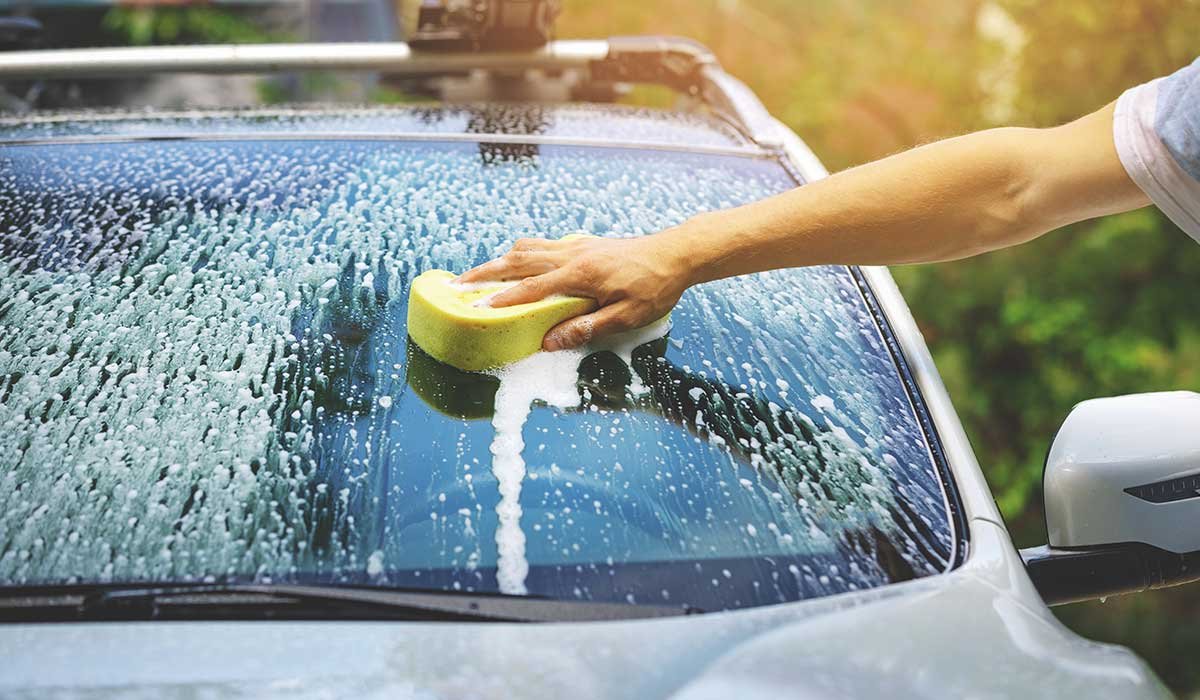
It is incredibly dangerous to drive with a dirty, smeared windshield when the sun hits it. Keep a bottle of washer fluid in your trunk and top off your reservoir regularly.
2. Tire and Wheel Care
Your tires are the only part of your car that actually touches the road. Keeping them in good shape is vital for your safety and your fuel economy.
Monitor Tire Pressure Weekly
Tires naturally lose a little bit of air over time, especially when the weather changes quickly. Underinflated tires create extra drag, which ruins your gas mileage and causes your tires to wear out much faster.
Use a simple pocket gauge to check your tire pressure against the sticker inside your driver’s door. Do not use the maximum pressure listed on the tire itself!
Rotate Your Tires Regularly
Because your front tires do all the steering and bear the weight of the engine, they wear down much faster than the rear ones. Rotating them helps them wear down evenly.
Pro Tip: Rotating your tires every 6,000 to 8,000 miles is an incredibly easy way to extend car lifespan for your tread set.
Check Tread Depth with the Penny Test
Want a super simple way to check if you need new tires? Take a standard penny and insert it upside down into your tire tread.
If you can see the top of Lincoln’s head, your tread is worn down past safe levels. It is time to start shopping for a new set of tires to maintain proper grip.
Get a Wheel Alignment
If your car pulls hard to one side when you let go of the steering wheel, your alignment is likely out of whack. Misaligned wheels scrub your tires away rapidly and make your drive feel unstable.
Have a shop align your wheels once a year, or immediately after you hit a nasty pothole.
3. Battery and Electrical Maintenance
Your battery is the heart of your car’s electrical system. Without it, you are not going anywhere.
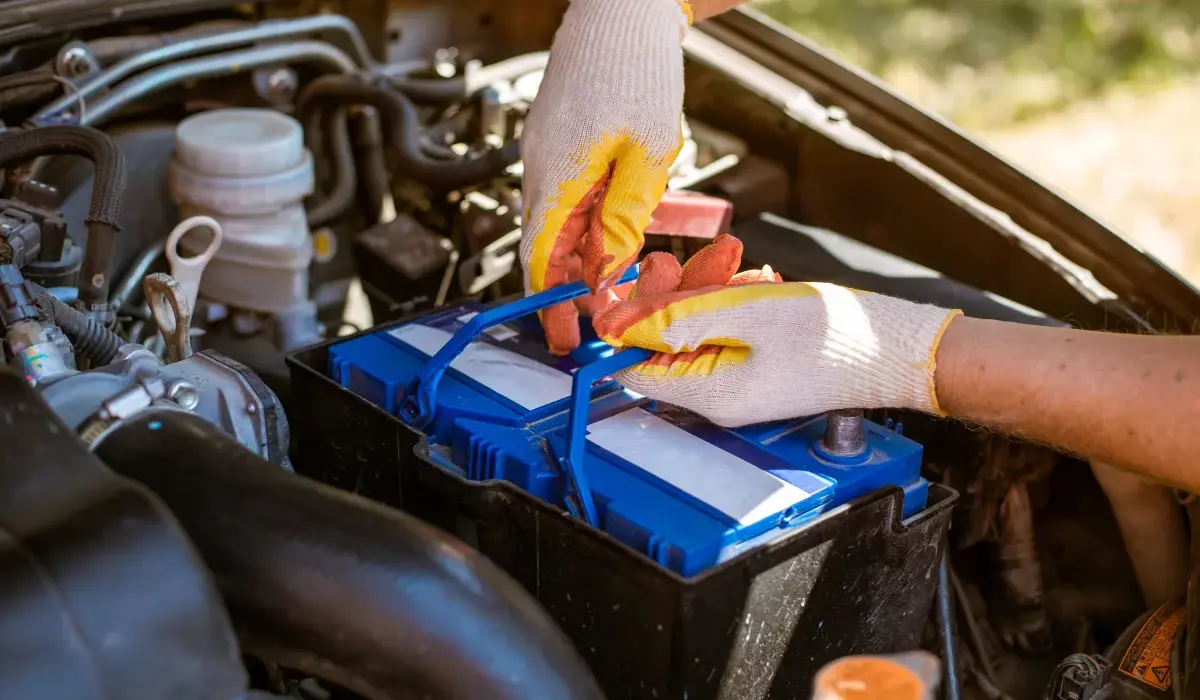
Clean Battery Terminals
Over time, a crusty white or green powder can build up on your battery terminals. This corrosion blocks the flow of electricity and can stop your car from starting.
You can easily clean this off using a stiff brush and a simple paste made of baking soda and water. Just make sure the engine is off first!
Test Battery Voltage Annually
Car batteries generally last between three to five years before they start to fail. Do not wait until you are stranded in a dark parking lot to find out your battery is dying.
Ask your local auto parts store to run a quick, free diagnostic test on your battery health every autumn.
Inspect All Exterior Lights
Walk around your vehicle with your headlights, hazards, and brake lights switched on. Having a burnt-out bulb is an easy way to get an expensive ticket or cause an accident.
Replacing a headlight or taillight bulb is one of the easiest DIY car care tips you can master on a weekend.
4. Under the Hood Inspections
Getting comfortable with looking under the hood is the ultimate way to catch small issues before they become disasters.
Inspect Drive Belts
Your engine uses rubber belts to run the alternator, water pump, and air conditioning. If one of these belts snaps while you are driving, your car will stop instantly.
Look closely for cracks, fraying, or chunks missing from the rubber. If you hear a loud squealing sound when you start your car, that is your belt telling you it is loose or worn.
Check Engine Hoses
The rubber hoses under your hood carry hot coolant under high pressure. Over time, they can get soft and mushy, or brittle and hard.
Give them a gentle squeeze when the engine is completely cool. If they feel overly soft or have visible cracks, replace them before they burst.
Replace the Engine Air Filter
Your engine needs to breathe clean air to burn fuel efficiently. A clogged, dusty air filter chokes your engine and robs you of power and gas mileage.
Holding your air filter up to a bright light is an easy test. If no light shines through the paper folds, it is time for a new one.
5. Brake and Suspension Health
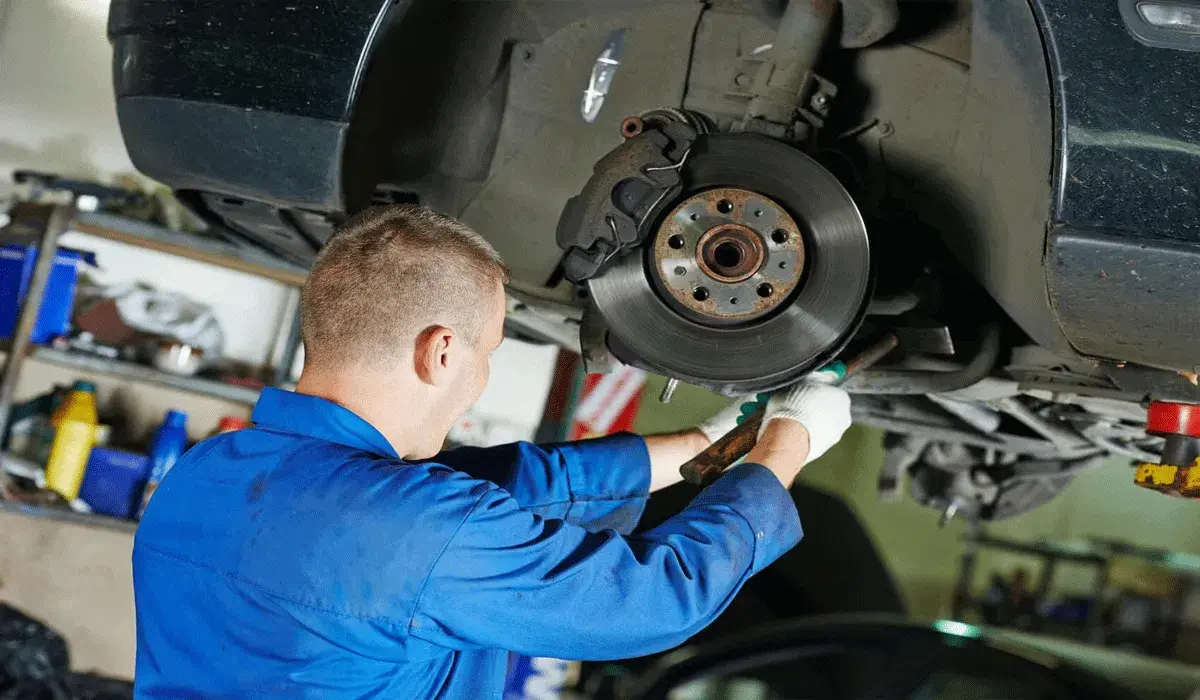
Your brakes do not just stop your car; they protect your life. Never ignore the early warning signs of brake wear.
Listen for Brake Noises
Brake pads are designed with a tiny metal wear indicator that makes a high-pitched squeal when the pads get thin. If you hear squealing or grinding, get your brakes inspected immediately.
Replacing pads is cheap; replacing damaged rotors because you waited too long is not.
Inspect Brake Rotors
If your steering wheel vibrates or shakes when you step on the brakes at highway speeds, your rotors might be warped. A professional can smooth them out or replace them to restore smooth stopping.
Check Shock Absorbers
Do you notice your car bouncing repeatedly after hitting a bump, or dipping hard when you brake? Your shocks or struts might be worn out.
Good suspension keeps your tires firmly planted on the road, which keeps you in control during emergency maneuvers.
6. Seasonal Car Maintenance Adjustments
The changing seasons bring completely different challenges for your vehicle. Preparing ahead of time prevents winter freezes and summer boil-overs.
For a clear breakdown of what to focus on throughout the year, refer to our seasonal checklist below:
| Season | Critical Focus Areas | Why It Matters |
| Spring | Underbody wash, cabin air filter replacement | Cleans off corrosive road salt, clears out pollen |
| Summer | Coolant level check, AC system test, battery check | Prevents overheating and battery failure from extreme heat |
| Autumn | Heater test, wiper blade replacement, tire tread check | Prepares for rainy, dark drives and falling temperatures |
| Winter | Windshield washer fluid swap, tire pressure check | Prevents frozen fluid lines and accounts for pressure drops |
By staying dedicated to seasonal car maintenance, you ensure your vehicle is never caught off guard by extreme weather.
7. Simple DIY Car Care Tips for Exterior and Interior
Keeping your car clean is about more than just looking good. Dirt, salt, and grime actively damage your paint and rot your chassis.
Wash and Wax Regularly
Road grime and bird droppings contain acids that eat right through your paint’s clear coat. Washing your car every two weeks keeps these contaminants away.
Applying a quality wax twice a year seals your paint and protects it from harsh UV rays.
Clean the Undercarriage
If you live in an area with snowy winters, road salt is your car’s absolute worst enemy. It gets trapped in the cracks underneath your car and causes severe rust.
Use a hose to thoroughly spray down the underside of your vehicle every spring to wash that salt away.
Replace Windshield Wipers
Wiper blades are made of soft rubber that degrades quickly under the hot sun. If your wipers leave streaks or chatter across the glass, replace them immediately.
We recommend changing your wiper blades every six months for clear, safe visibility during downpours.
Keep Interior Seals Clean
The rubber seals around your doors and trunk keep water and wind noise out of the cabin. Clean them with a damp cloth and apply a silicone protectant to keep them soft and pliable.
8. Smart Driving Habits

How you drive has a massive impact on how long your car’s mechanical parts will last.
Avoid Short Trips
Starting your car and driving for less than five minutes does not allow your engine to reach its optimal operating temperature. This causes water to condense inside your oil, which can degrade it quickly.
Try to combine your short errands into one longer trip so your engine can heat up fully and burn off that harmful moisture.
Drive Gently
Stomping on the gas pedal and slamming on the brakes places immense stress on your engine, transmission, and brakes.
Smooth, gradual acceleration and coasting to a stop are much easier on your vehicle’s mechanical components. Plus, it will save you a ton of money on gas!
9. Professional Maintenance Habits
While DIY car care tips are fantastic, some things are best left to the professionals who have the right tools and training.
Keep a Detailed Log
Whenever you change your oil, rotate your tires, or get a repair, write it down in a notebook or keep the receipts in your glovebox.
Having a complete service history dramatically increases your car’s resale value when it is time to sell.
Never Ignore Dashboard Warning Lights
Your dashboard lights are not suggestions. If your “Check Engine” light starts flashing, it means a serious issue is occurring that could damage your engine permanently.
At PraviCeler, we always tell our community that scanning a code early is infinitely cheaper than ignoring a warning light until your engine stalls.
10. Checklist for Peace of Mind
Keeping your car running beautifully does not require a degree in engineering. By breaking these tasks down into manageable intervals, you can easily protect your investment.
Monthly Maintenance Checklist
This section outlines the basic checks you should perform yourself every single month to keep your car healthy:
-
Check engine oil level and top off if necessary.
-
Inspect tire pressure on all four wheels and the spare.
-
Test all exterior lights, including turn signals and brake lights.
-
Check windshield washer fluid level.
-
Inspect windshield wiper blades for cracks or wear.
Performing these quick steps keeps you ahead of potential road hazards.
Annual Professional Checkups
These are the major items you should have a trusted professional look over at least once a year:
-
Complete brake system inspection (pads, rotors, and lines).
-
Wheel alignment and suspension check.
-
Car battery voltage and charging system test.
-
Coolant system flush and pressure test.
-
Air conditioning and heating system check.
Conclusion
Taking care of your vehicle does not have to feel like a second job. By integrating these simple habits into your regular routine, you can easily protect your investment, stay safe on the highway, and extend car lifespan significantly.
Remember, the keys to keeping your car happy are consistency and paying attention to the small details. Keep your fluids topped up, listen to what your brakes are telling you, and address small issues before they snowball into major repairs.
Next time you get behind the wheel, you can drive with absolute confidence, knowing your car is in the best shape possible. Safe travels out there!
Frequently Asked Questions
How can I make my car engine last longer?
To extend your engine’s life, prioritize regular oil changes at the correct intervals, avoid aggressive driving, and never ignore warning lights. Keeping your cooling system in perfect working order also prevents catastrophic overheating.
Is it safe to drive with a check engine light on?
If the light is steady, you can generally drive to a service station, but you should have it scanned as soon as possible. If the check engine light is flashing, pull over safely and turn off the engine immediately to avoid severe damage.
What happens if I never rotate my tires?
If you skip tire rotations, your front tires will wear out significantly faster than your rear ones. This uneven wear reduces your overall traction, shortens the lifespan of your tire set, and ruins your fuel efficiency.
Can I mix different brands of engine oil?
Yes, in most cases, mixing brands is safe as long as they have the exact same viscosity grade. However, for maximum engine protection, it is always best to stick with a single high-quality brand during a complete oil change.