The decision to buy a first helicopter arrives in one of two ways. Either you have flown enough as a passenger or renter to know that ownership fits your mission, or you have run the charter arithmetic once too often and watched the invoices exceed what a used machine would cost.
Both paths are legitimate. Both lead to the same table: a market of roughly three families of light turbine helicopters, a set of financial rules that aviation applies with no exceptions, and a series of decisions that must be made in the right order or not at all.
Here is the guide in the order the decisions actually happen.
1. Define the Mission Before the Machine
The first helicopter is always bought for the mission you fly most, not the mission you dream about. Ninety percent of first owners need one thing: two to six seats, 300 to 400 miles of practical range, and the ability to land on grass, water docks, and unimproved pads.
The light turbine category serves that mission. Buying above it on the first purchase is a classic mistake. It fills the resale market with underused machines.
Write down the mission statement using real passenger counts and distances. This eliminates half the market before you view a single listing.
2. Know the Three Families
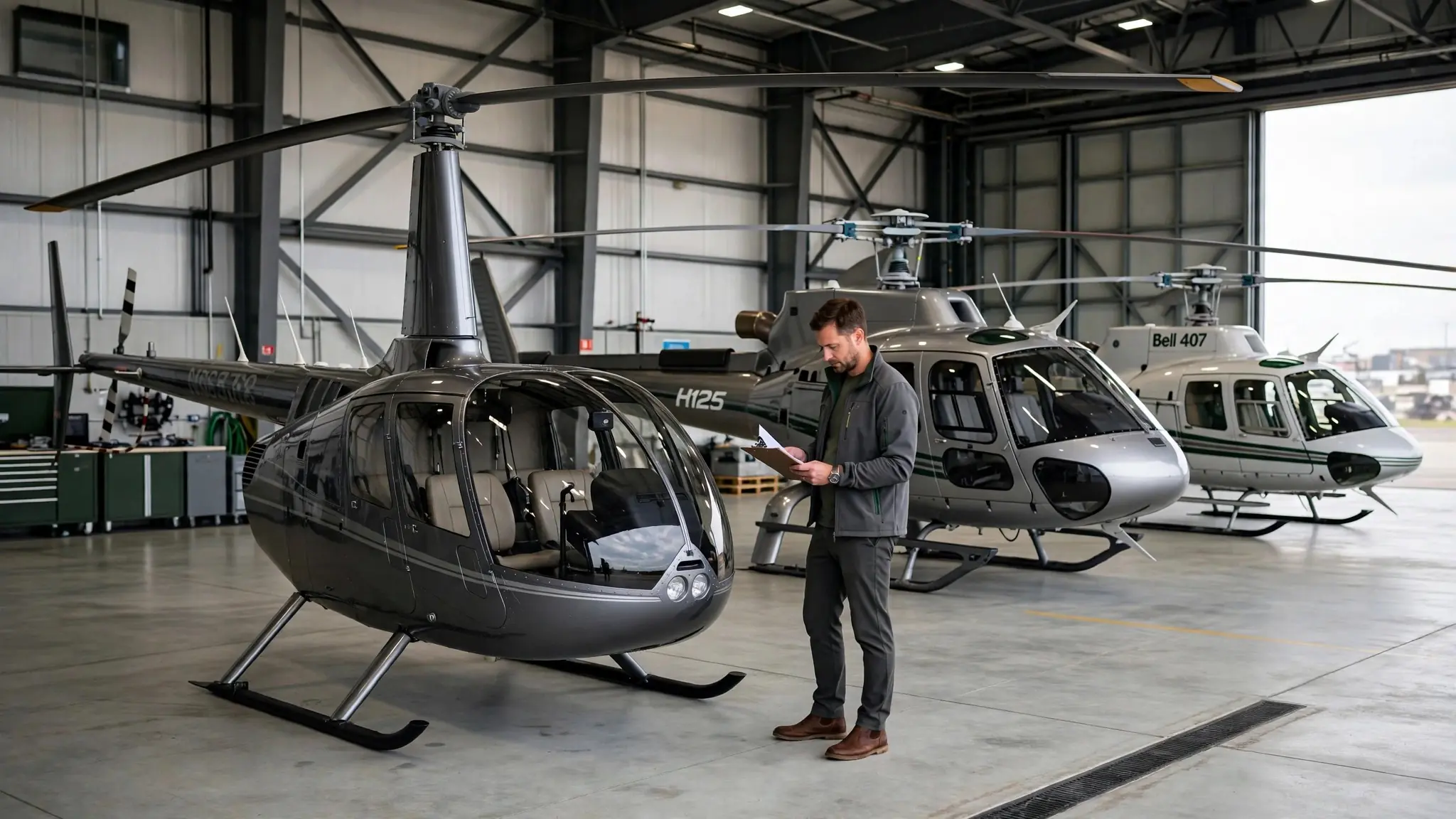
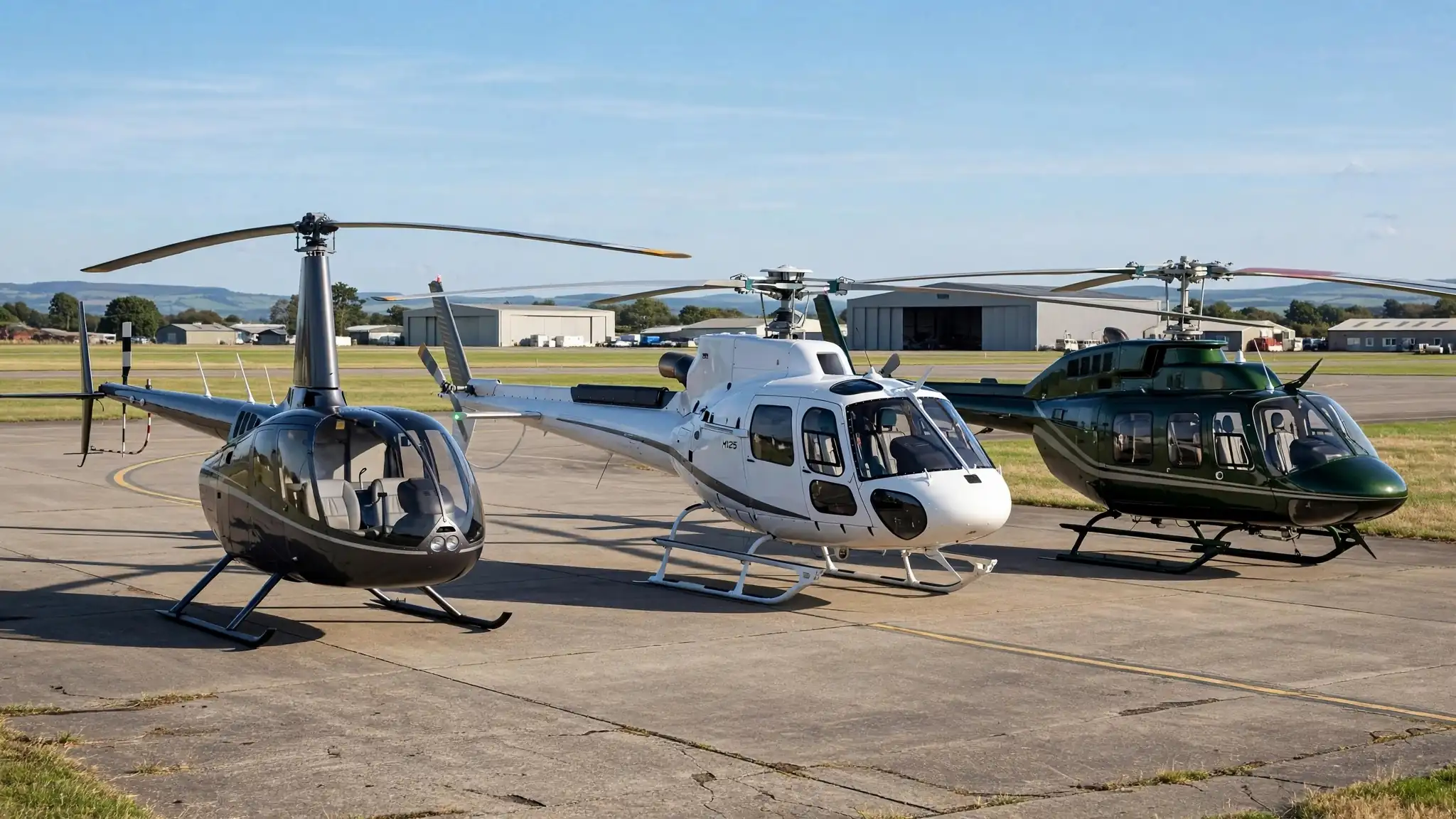
The first-time buyer’s market has three serious choices.
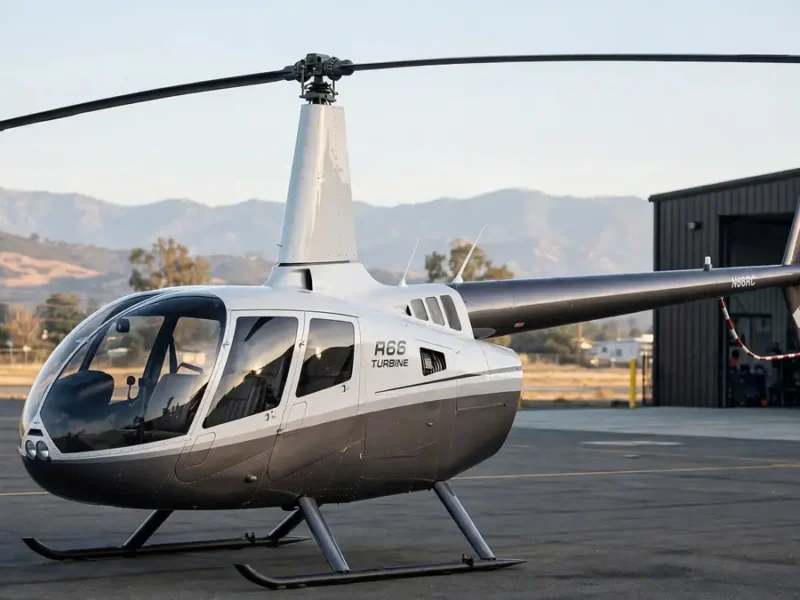
The Robinson R66 is the five-seat turbine evolution of the world’s most produced helicopter family. It offers the lowest operating costs and a vast support network. The trade-off is lighter payload margins.
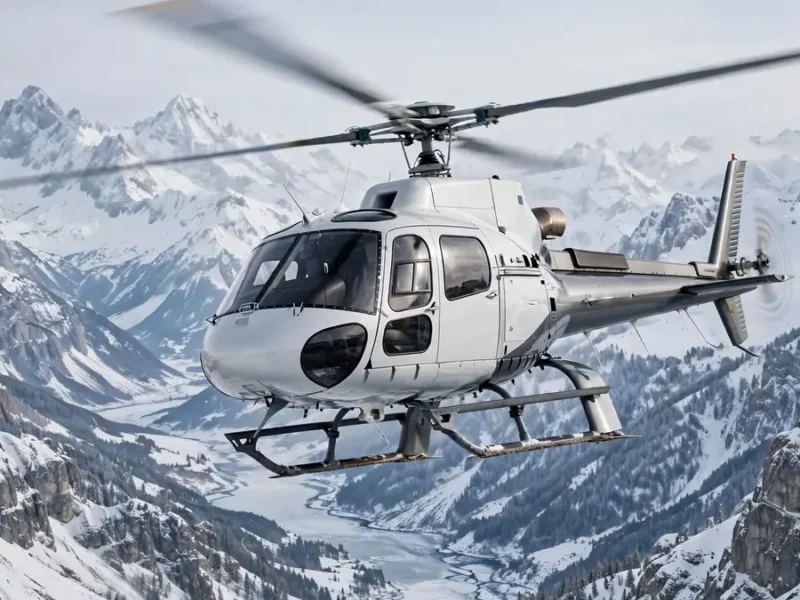
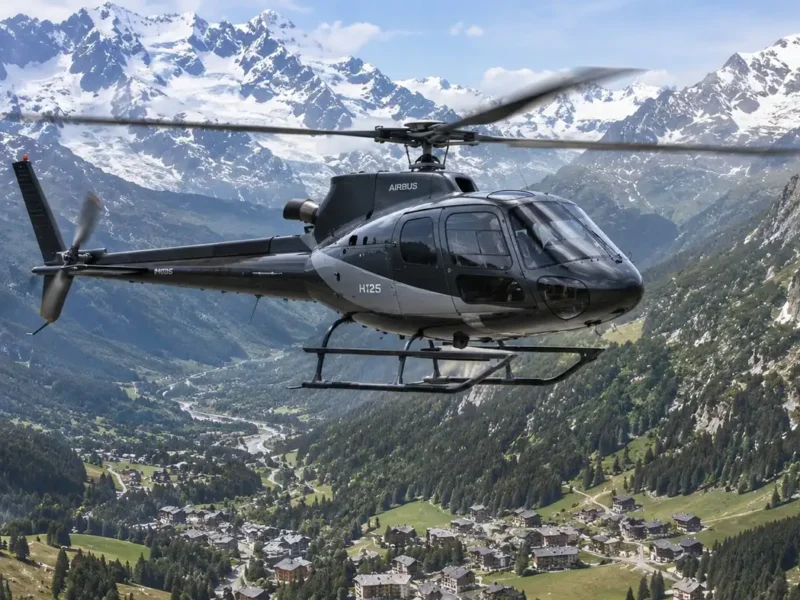
The Airbus H125 family, formerly known as the AStar, delivers serious high-altitude performance. It has a wide cabin and lifting power that accommodates ambitious missions. Its hourly costs are higher.
The Bell 407 has a two-blade rotor system and a lineage of legendary reliability. It splits the difference, with the broadest utility pedigree of the three.
Each family has decades of operational history. All have deep parts support and training infrastructure. The choice depends on the mission. Renting each model for a weekend before deciding is the cheapest education in aviation.
3. Budget the Real Numbers
The purchase price is the entry fee, not the cost. The real ownership budget, detailed in our ownership cost breakdown, runs from roughly $300,000 to $700,000 annually for a light turbine helicopter flown 200 hours: insurance from $30,000 to $60,000, hangar from $12,000 to $50,000 depending on market, maintenance reserves, fuel, and the crew or training costs if you fly as an owner pilot.
The machine itself, $1.5 million to $3.5 million used for the three families in good condition, depreciates on a schedule the aviation market publishes and no seller disputes. The test of readiness is not affording the purchase. It is affording the tenth year as easily as the first.
4. The Pre Buy Inspection Is Non Negotiable
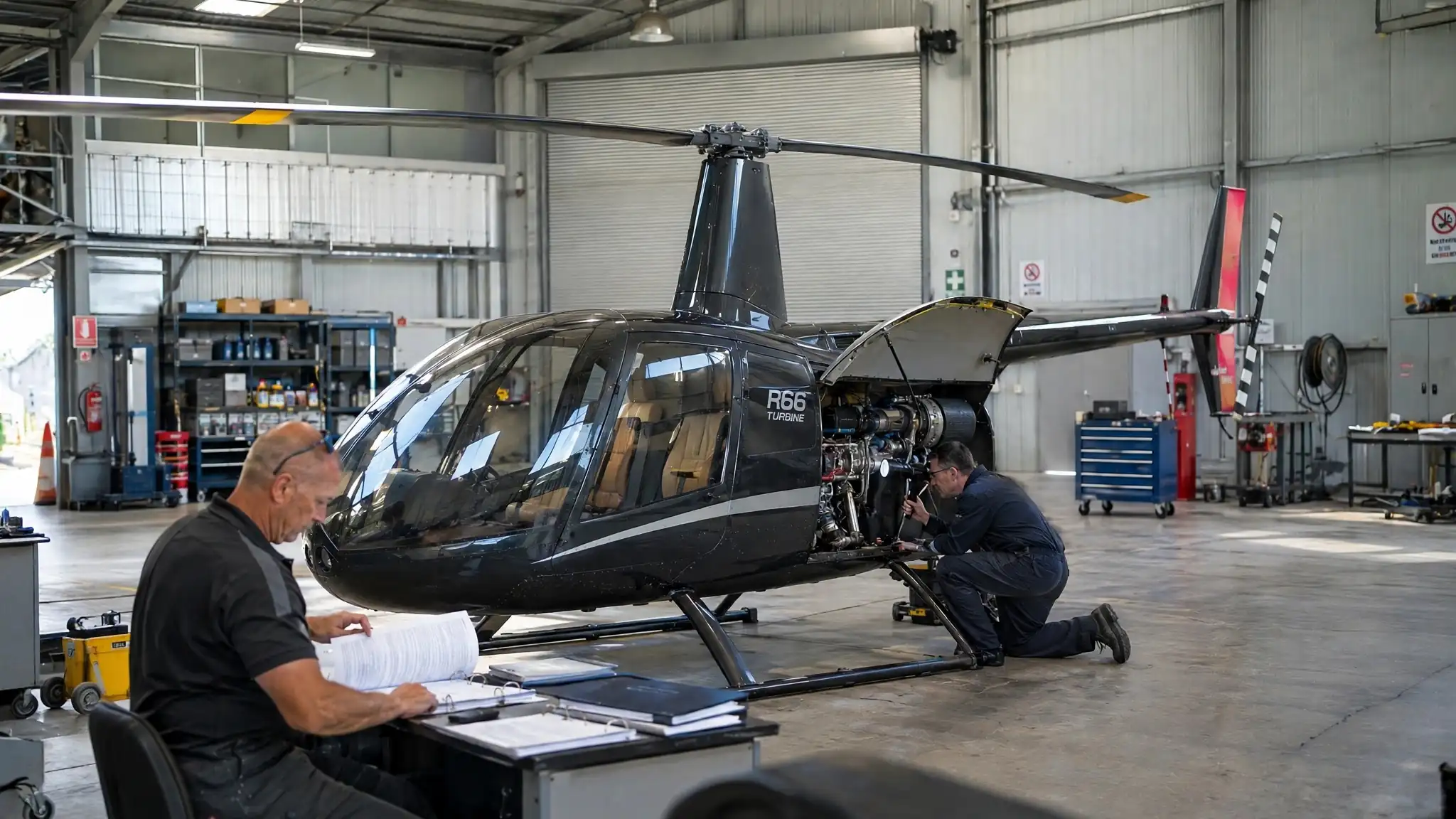
No first purchase should close without a pre buy inspection by an independent, factory authorized facility of the seller’s type, the PPI that the used jet market treats with the same reverence.
The inspection, typically $15,000 to $40,000 for a light turbine helicopter, reviews the aircraft and its records with the skepticism you cannot afford to bring to a machine you have already fallen in love with.
It routinely returns negotiation leverage in squawks and occasionally returns the entire deposit when records inconsistencies surface. The buyers who waive the PPI to save money are the sellers’ favorite customers, and the future source of every war story.
5. Programs, Pedigree, and the Resale Lens
Three factors swing a light helicopter’s value by 30 percent or more. Program enrollment: engines and critical components on hourly programs transfer enormous maintenance risk and resale value. Pedigree: one owner, hangared, corporate or professional operation histories command premiums over high cycle training or utility backgrounds.
And the resale lens: the first helicopter is almost certainly not the last, and buying the configuration, colors, and options the next buyer will want is worth more than the discount on the oddball. Aviation’s rule is absolute: you will sell this machine, and the market decides when, not you.
6. The Team
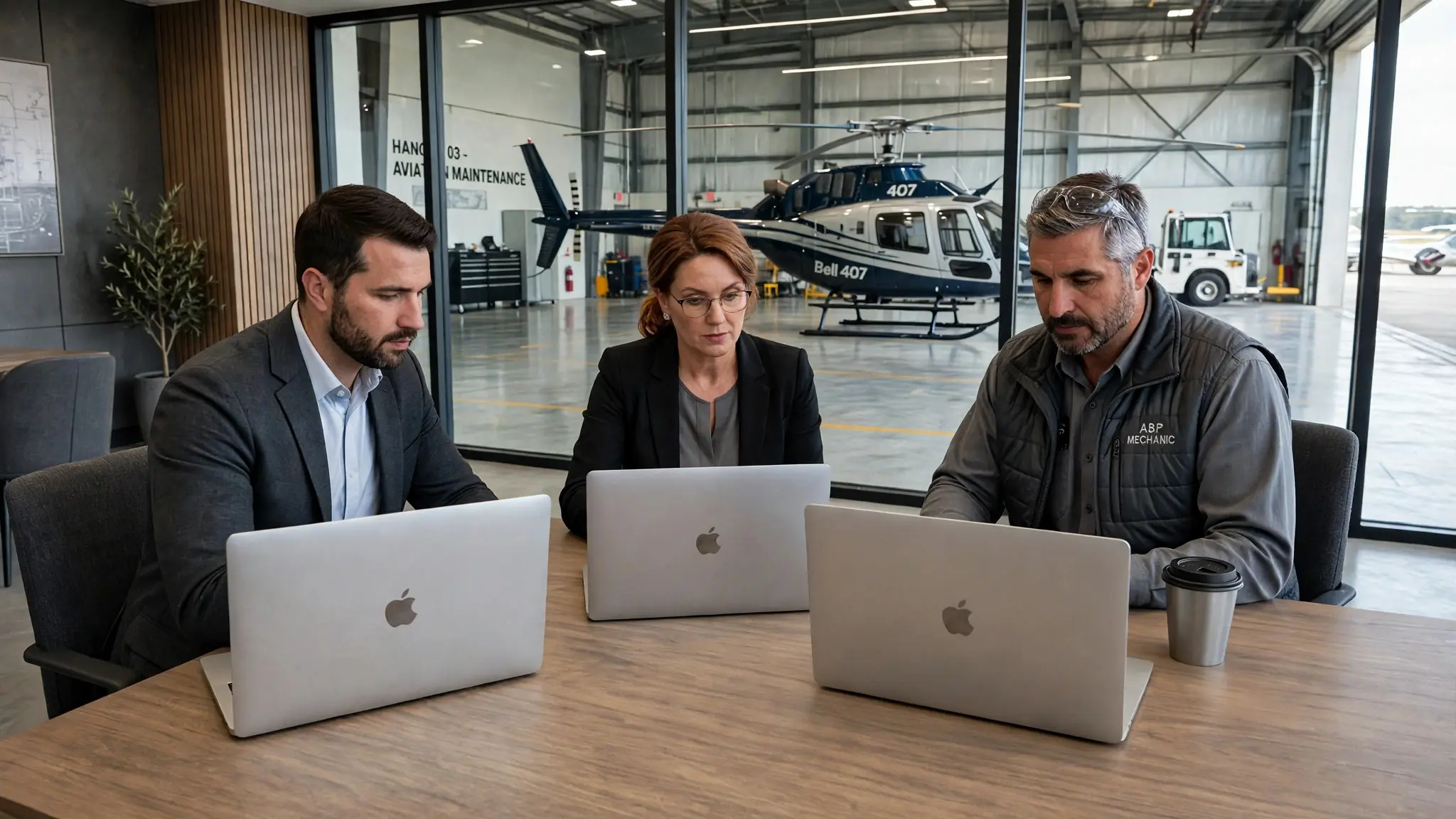
As in every aviation transaction, the team earns its fees. A buyer’s broker or consultant who represents you alone, an aviation attorney for the purchase agreement, escrow, and title, and a mechanic you trust who is independent of the seller.
The sequence, deposit into escrow, inspection, technical acceptance, simultaneous document and fund exchange, protects every party, and deviation from it is how first buyers learn what the protections were for.
FAQs
How much does a first helicopter cost?
The light turbine category, Robinson R66, Airbus H125, or Bell 407, runs $1.5 million to $3.5 million used in good condition, with annual operating costs of $300,000 to $700,000 depending on usage, insurance, and home base. New aircraft add 30 to 50 percent.
Robinson, Airbus, or Bell for a first helicopter?
Robinson for lowest operating costs and the largest training network, Airbus for high altitude performance and payload, Bell for utility pedigree and rotor system simplicity. Rent each before deciding; the mission and the feel will choose for you.
Should a first helicopter be new or used?
Used, almost always: the steepest depreciation is behind a five to ten year old machine with known history, programs, and records, and the savings fund the first years of operation. New purchases suit high utilization commercial operations, not first owners.
What is a pre buy inspection and what does it cost?
An independent evaluation of the aircraft and its full records by a factory authorized facility, costing $15,000 to $40,000 for light turbines. It is the single best money in the transaction and should be treated as non negotiable regardless of the seller’s urgency.
Do I need a hangar?
Insurance and maintenance economics strongly favor it: a hangared helicopter ages in years, a tied down one in weather. Hangar costs run from $12,000 annually in modest markets to $50,000 or more at congested metropolitan fields, and availability should be secured before the purchase closes.
Can I fly my own first helicopter?
Yes, and many owners do, after earning the private certificate and instrument rating and completing a factory transition course. The owner pilot path is well established, though insurers and safety advisors encourage recurrent training regardless of experience.
How fast do helicopters depreciate?
Light turbines depreciate most steeply in their first five years, then flatten; expect 40 to 50 percent depreciation over ten years for typical usage, with program enrollment, pedigree, and condition driving variation around that curve.
What is the single biggest first buyer mistake?
Buying for the dream mission instead of the actual one, in size, range, or capability. The second biggest is waiving the pre buy inspection. Both mistakes are visible from the seller’s side of the table, and both are avoidable with the discipline this guide describes.