A helicopter in winter is a different machine. The air it breathes is denser and hungrier, giving the rotor more grip and the engine more oxygen than any summer day, so the performance charts smile in January.
But the same season surrounds that gift with traps that summer never sets: ice on the blades that changes their aerodynamics in seconds, snow that erases the horizon between ground and sky, fuel that gels, batteries that weaken, and light so flat that the entire world becomes a white coin with no up and down.
Winter flying separates the pilots who prepare from the pilots who improvise, and the season is unforgiving about which is which.
Here is the complete guide to helicopters in the cold, for the pilot, the owner, and the passenger who wants to understand why the winter rules exist.
The Performance Paradox
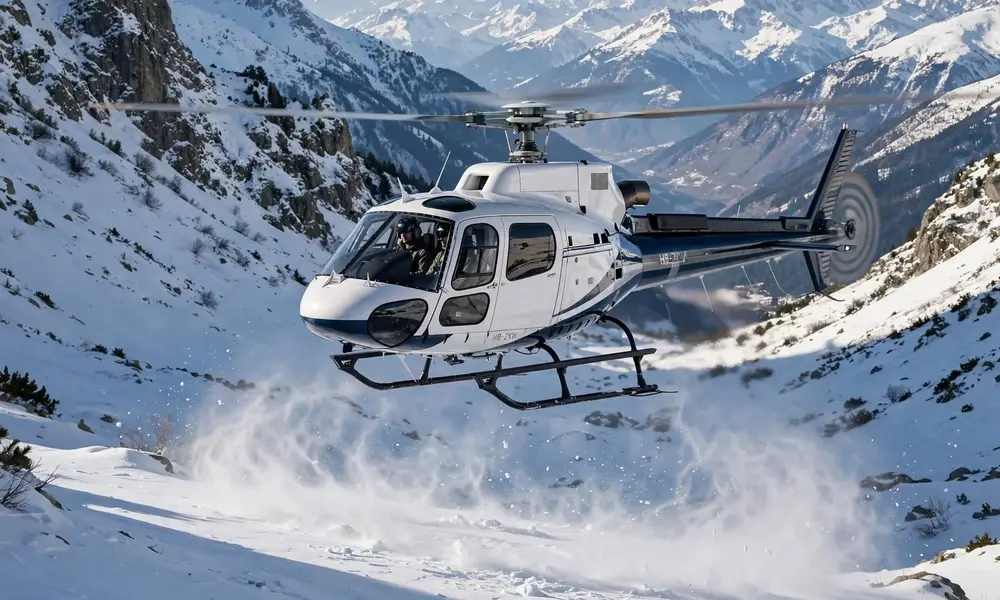
Cold air is dense air, and density is the helicopter’s friend: more air mass over the rotor blades means more lift at the same power, and turbine engines, breathing that denser air, produce more horsepower than their ratings assume.
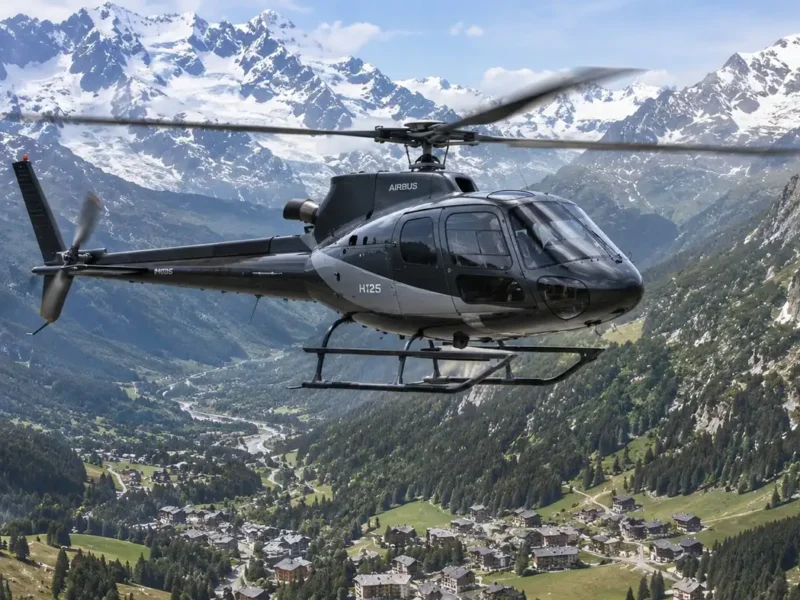
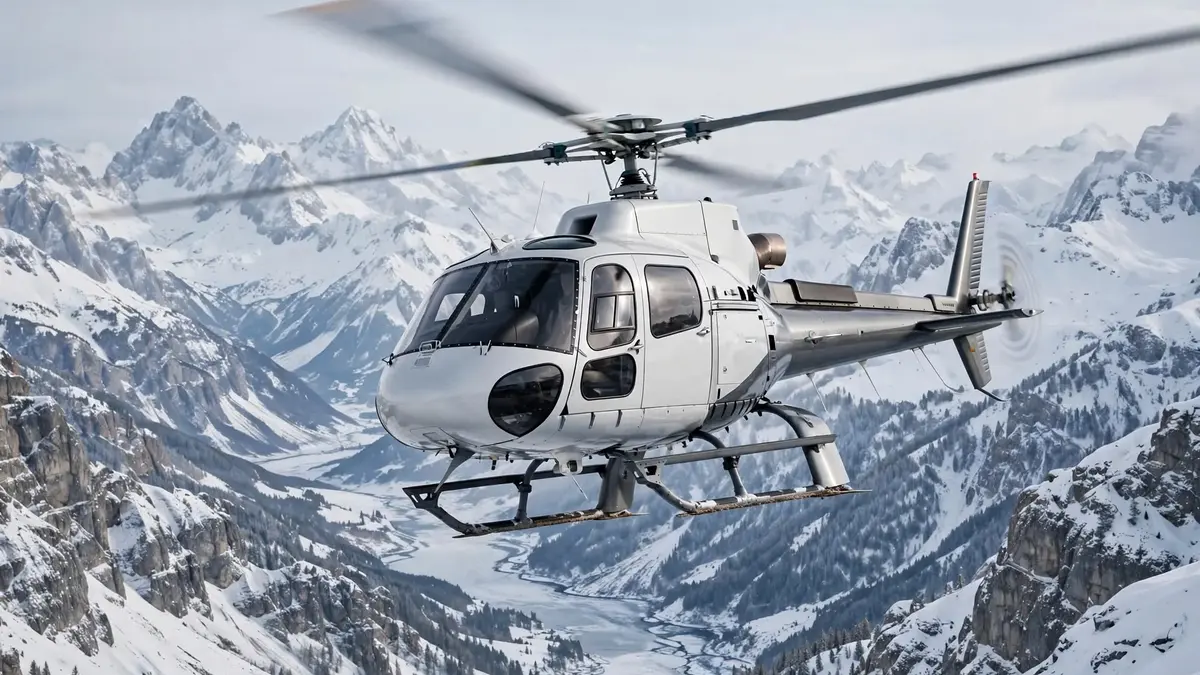
A hot and high summer departure that strains the machine becomes a January takeoff with margins to spare, which is why mountain operations prefer the cold months and why the Alpine scene schedules its glacier season around them.
The paradox is that the same conditions that flatter the performance charts generate the season’s hazards, and the margin the charts give is the margin the hazards intend to take.
The Three Enemies
Icing is the first and the one that ends flights most decisively. Airframe ice destroys the rotor’s lift and the tail rotor’s authority within moments of encounter, and the regulations treat it accordingly: most light helicopters are certified for flight into known icing only with specific equipment, and most private operations simply avoid visible moisture near freezing with the absolutism the physics demands.
Whiteout is the second: blowing snow, or falling snow, or a low overcast above an unbroken field erases the visual references a helicopter’s pilot uses to judge height and attitude, and the resulting spatial disorientation has ended more winter flights than any mechanical failure. The third is the flat light of the low arctic sun, which removes shadows and with them the world’s texture, the same disorientation by gentler means.
The Machine in Winter
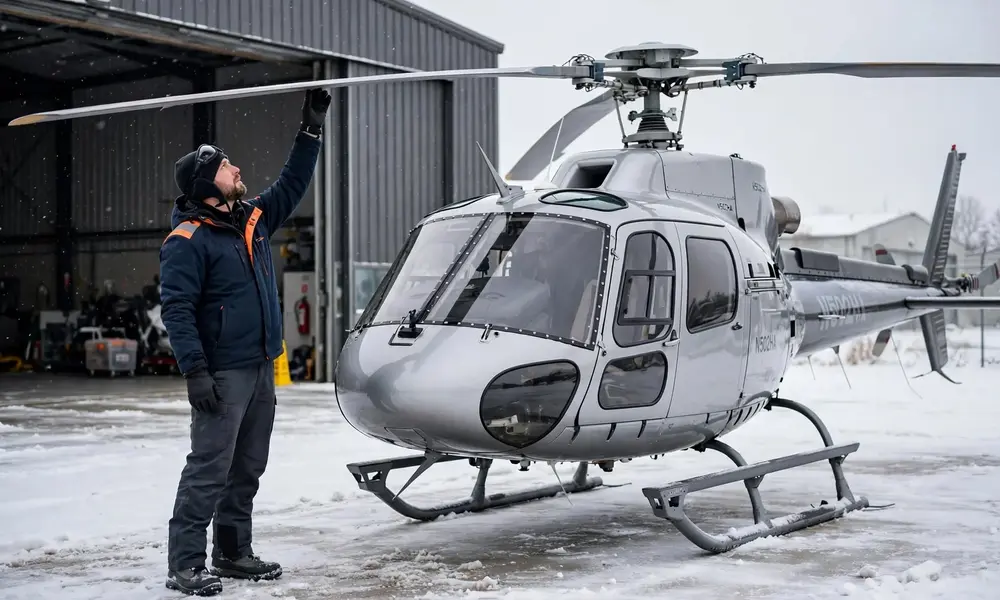
Winter preparation is a ritual, and the rituals are specific. Fuel: Jet A handles cold well, but hydration and icing inhibitors follow the climate. Batteries: cold cranking power drops sharply, and preheats or hangars preserve the margins starting demands. Blades: frost must be fully removed, a wiped blade is a lied to blade. Engines: turbine heat soaks before start, and the patience the checklist demands is the cheapest insurance in aviation.
The cabin heater and its carbon monoxide risk, the pitot heat, the freest control movements through their full travel, each item a small treaty with the season, and the pilots who keep winter flying boring are the ones who negotiate every treaty, every time.
The Passenger’s View
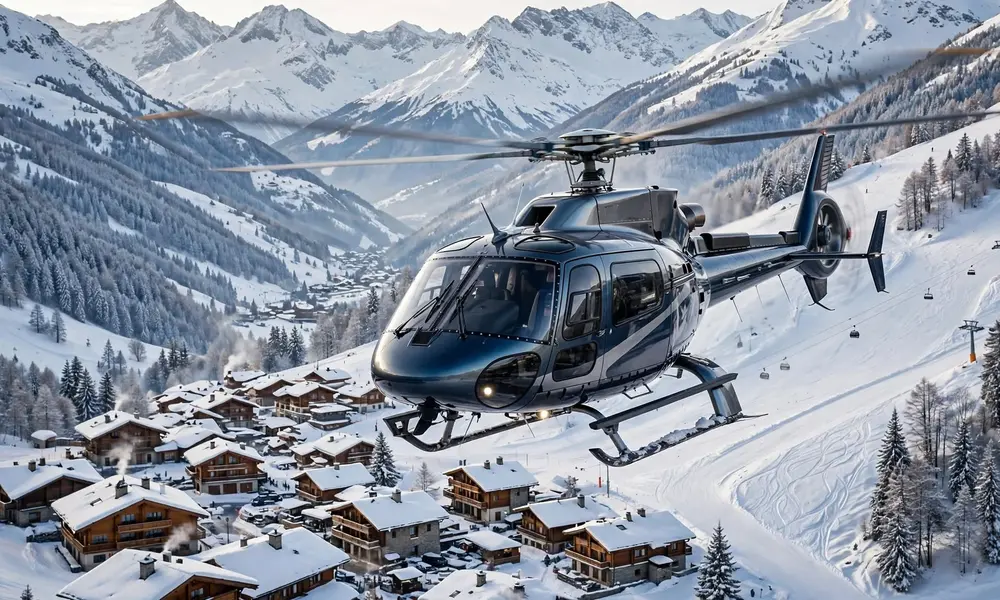
For those flying as guests, winter adds one etiquette and one comfort: the etiquette is honesty about the flight’s purpose, because winter scheduling is conservative and a pleasure flight in marginal weather is a different risk than a necessary one; the comfort is that winter flying, done properly, is among the most beautiful experiences in aviation, the air crystalline, the ground a geometry of white, the machine performing at its generous best.
The ski resort transfers and winter Hamptons corridors run through these months on the strength of that beauty, and the operators who fly them are the season’s most disciplined professionals.
FAQs
1. Is it safe to fly a helicopter in winter?
Yes, with preparation and discipline: winter performance is actually better in cold dense air, and the hazards, icing, whiteout, flat light, are avoidable through conservative decision making. Winter commercial operations run throughout the cold regions with strong safety records.
2. Can helicopters fly in snow?
In falling or blowing snow, visibility and whiteout risk govern the decision, and many winter operations proceed safely in light snow with good references. Heavy snow, blowing snow near the ground, or whiteout conditions ground the flight.
3. What is the biggest winter flying hazard?
Airframe icing, which degrades rotor performance within moments and has no safe continuation. Most private helicopter operations avoid visible moisture near freezing entirely, a conservatism the accident record endorses.
4. Do helicopters need to be hangared in winter?
Strongly preferred: preheating a hangared aircraft preserves batteries, engines, and hydraulic systems, and removes the frost and snow removal burden. Winter operations in harsh climates are built around hangars as infrastructure.
5. Are winter helicopter tours safe?
Commercial winter tours operate under conservative weather minimums and experienced local pilots, and their safety records reflect the discipline. The passenger’s role is honesty about tolerance and flexibility about rescheduling, which the good operators encourage.
6. Why is winter performance better?
Cold air is denser, giving rotor blades more mass to accelerate and turbine engines more oxygen, producing more lift and power at the same throttle. The performance charts for a cold day exceed those of a hot one by wide margins.
7. What is flat light?
Low angle winter sunlight that removes shadows and surface contrast, erasing the visual cues pilots use to judge height and attitude over snow. It produces the same disorientation as whiteout by gentler means, and the defense is the same: references or altitude.
8. How do pilots prepare a helicopter for winter flight?
Through preheats, battery care, full blade frost removal, fuel system attention, and the patient completion of every checklist item the cold complicates. The rituals are specific, unglamorous, and the entire foundation of the season’s safety.
Disclaimer: This content is for informational purposes only and reflects our personal opinions and experiences. We just love to write and share what we know and research.