It’s Friday evening, and someone in the family has a brilliant idea.
“Why don’t we take the boat out tomorrow?”
Within minutes, everybody has an opinion.
The kids want to swim. Your friends are already discussing where to stop for lunch. Someone suggests a beautiful little cove they discovered last summer, and another person wants to bring fishing equipment.
The plan sounds wonderful.
Then comes the less exciting part.
Checking the weather. Making sure the boat is ready. Finding somewhere to launch. Worrying about docking. And wondering whether the batteries, fuel, and onboard equipment are going to cooperate.
By the time you’ve finished organizing everything, Saturday’s adventure has started to feel suspiciously like work.
But imagine a different experience in 2027.
You check the boat’s battery and bilge status from your phone. Your navigation system helps plan the route. Docking assistance makes maneuvering less stressful, and a modern stabilization system helps smooth the ride.
The seats can be rearranged for fishing in the morning and a family picnic in the afternoon.
And instead of spending half your weekend preparing the boat, you spend more of it enjoying the water.
That’s the direction modern recreational boating is moving.
The biggest boating trends for 2027 include smarter onboard technology, assisted docking, advanced stabilization, electric and hybrid propulsion, flexible family boat designs, remote vessel monitoring, and new ways to enjoy boating without traditional ownership.
But there’s a larger shift underneath all these innovations.
Boating is becoming less about owning the most impressive machine and more about making time on the water easier, more comfortable, and more enjoyable.
And for anyone who loves sunshine, beautiful coastlines, memorable adventures, and weekends with family or friends, that’s a wonderful prospect.
Is Boating Becoming More Popular in 2027?
The answer is more complicated than the beautiful photographs in boating advertisements might suggest.
People still love spending time on the water.
But buying a new boat has become a more considered financial decision.
According to the National Marine Manufacturers Association, total US recreational marine retail spending reached approximately $54 billion in 2025.
That includes spending on new and pre-owned vessels, engines, equipment, fuel, maintenance, and related services.
Yet new powerboat demand has faced pressure from higher borrowing costs and cautious consumer spending.
In September 2026, NMMA reported that boating-industry executives had become more cautious about short-term growth expectations.
That doesn’t mean interest in boating has disappeared.
It means buyers are asking better questions.
Do I need a larger boat?
Could a smaller vessel offer the same enjoyment?
Would a boat club work for my family?
Can technology make ownership easier?
Those questions are helping shape the industry’s next chapter.
Here are the ten developments worth watching.
1. Smaller Boats Are Getting Some Seriously Impressive Technology
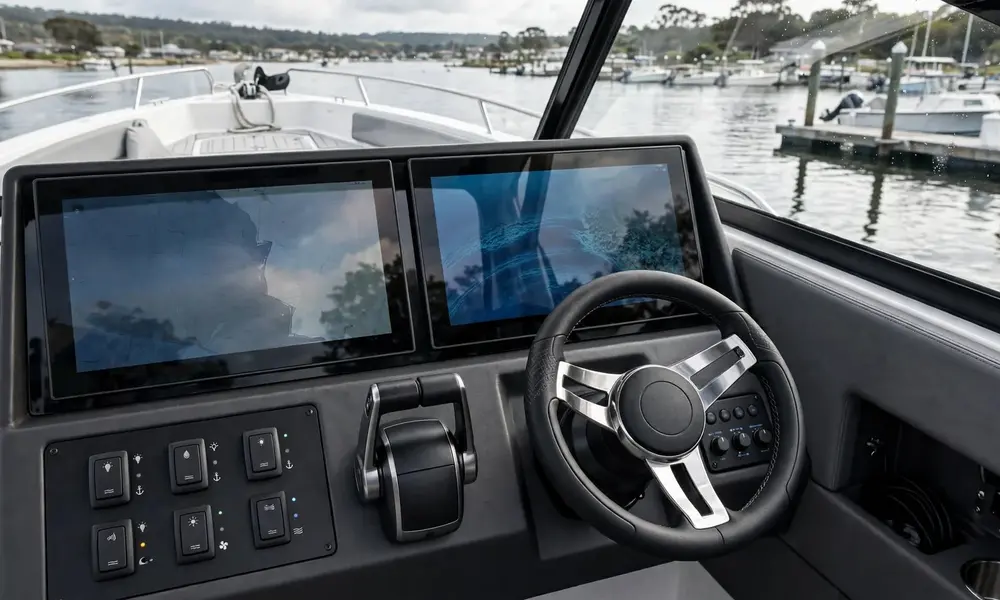
There was a time when sophisticated marine electronics seemed reserved for enormous yachts.
Today, some of the most interesting improvements are appearing on boats that ordinary families use for weekend adventures.
Think of a 25-foot or 35-foot boat equipped with integrated navigation displays, engine monitoring, advanced lighting controls, and assisted maneuvering features.
The appeal is easy to understand.
You can enjoy useful technology without necessarily moving into a vessel that’s much larger, harder to store, or more expensive to operate.
For model year 2027, manufacturers are expanding features across different recreational categories, including pontoons, center consoles, cruisers, and fishing boats.
What makes this exciting? A smaller boat can increasingly deliver a sophisticated experience without losing the convenience that made it attractive in the first place.
The important consideration is whether the technology actually improves your boating routine.
A perfectly integrated navigation system is useful.
A complicated screen that takes fifteen minutes to understand before every trip is considerably less appealing.
2. Docking Assistance Is Taking Away Some of the Stress
Let’s talk about the moment that makes many new boat owners nervous.
Returning to a busy marina.
The wind is pushing from one direction. The current is moving from another. Someone on the dock is watching, and your friends have suddenly become very interested in how confidently you handle the controls.
It’s not always the most relaxing part of boating.
That’s why assisted docking technology matters.
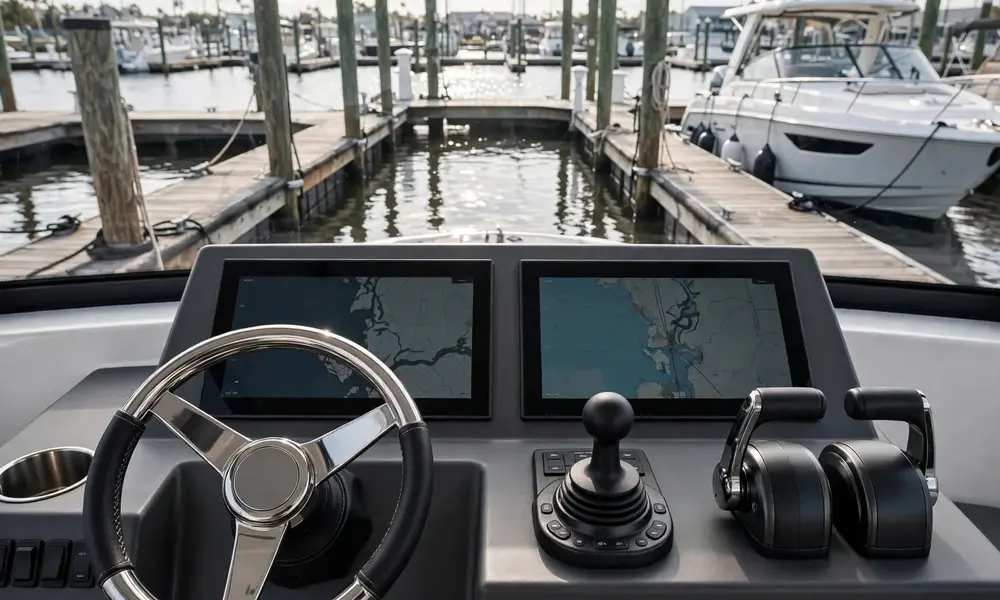
Volvo Penta’s Assisted Docking system combines joystick control with technology designed to compensate for wind and current.
The operator can command movement and adjust the boat’s position with greater precision.
But here’s a distinction worth remembering.
Assisted docking isn’t the same as a fully autonomous boat.
The captain must remain at the helm, maintain awareness, and retain control.
By 2027, systems like these are likely to remain an important part of how manufacturers make boating more approachable.
And their greatest benefit may not be technical at all.
It may simply be helping more people feel confident enough to enjoy taking the boat out.
3. Smoother Rides Are Becoming a Bigger Priority
Imagine inviting friends for a beautiful afternoon cruise.
Everything looks perfect when you leave the marina.
Then the water becomes choppy.
Drinks begin moving around, passengers become uncomfortable, and the conversation gets quieter.
Suddenly, the boat’s beautifully upholstered seating doesn’t seem quite as important.
Ride comfort changes everything.
Seakeeper Ride is one technology attracting significant attention.
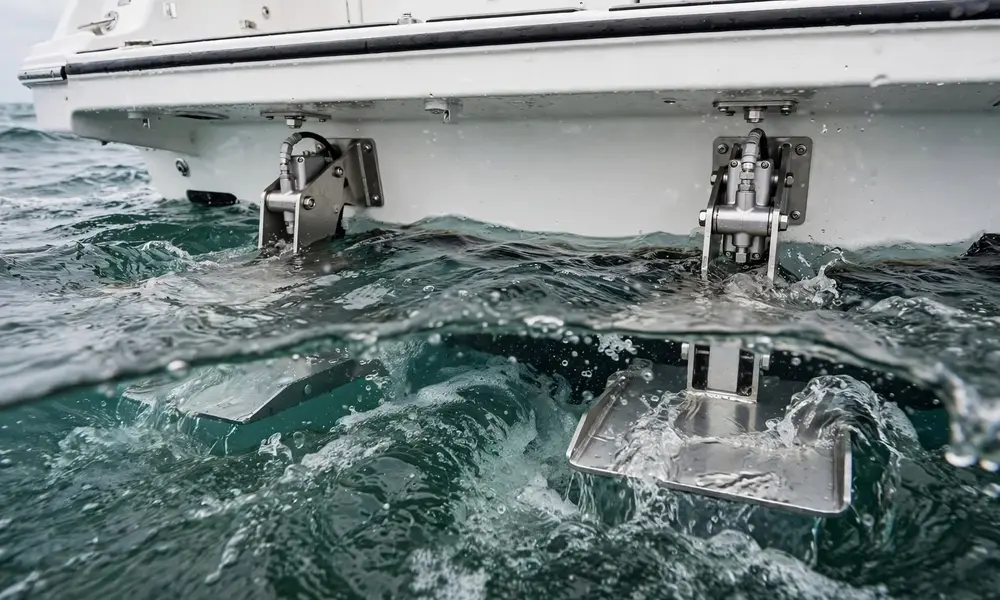
The system uses sensors and automatically controlled transom-mounted devices to help reduce a boat’s pitch and roll while underway.
According to Seakeeper, the technology can reduce these motions by up to 70% under suitable conditions.
And here’s a particularly relevant development for 2027.
In August 2026, the company announced that an additional 148 models across 37 boat brands would integrate Seakeeper Ride for model year 2027.
That brings the system’s reported availability to more than 600 boat models across approximately 120 manufacturers.
Those figures represent manufacturer-reported integrations, not proof of identical performance on every boat.
Still, they reveal how comfort technology is moving into more types of vessels.
The overlooked question: Would you rather have a larger boat with an uncomfortable ride or a smaller one that your family genuinely enjoys spending time aboard?
For many people, the answer may be surprisingly simple.
4. Electric Boats Are Becoming More Practical, but They’re Not for Every Adventure
There’s something beautiful about the idea of gliding across a quiet lake with electric propulsion.
No conventional engine exhaust at the point of operation.
Less engine noise.
A peaceful afternoon spent enjoying the surroundings.
But electric boating needs to be understood realistically.
Battery capacity, charging arrangements, vessel weight, speed, weather, and intended range all matter.
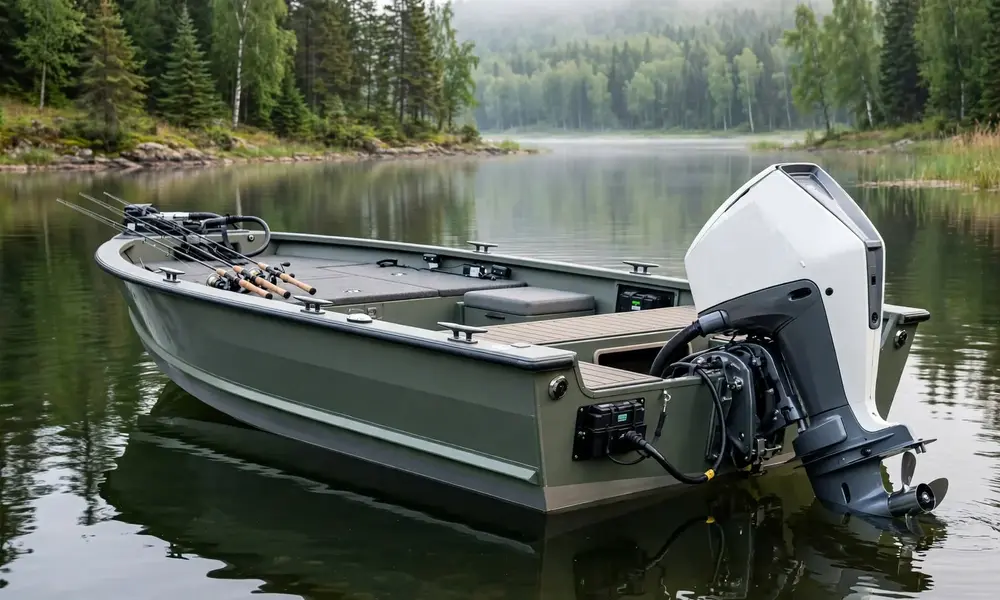
Mercury Marine’s Avator electric outboard range now includes models from the 7.5e through the 110e.
These systems are designed for different types of smaller boats, including tenders, pontoons, fishing boats, and runabouts.
The growing selection is encouraging.
But an electric outboard that works beautifully for a short afternoon trip won’t necessarily suit someone planning long offshore passages.
Charging access is just as important as the engine itself.
And electric propulsion isn’t automatically environmentally impact-free; battery production and the source of charging electricity also matter.
Our 2027 outlook: Electric boating will become increasingly attractive where the vessel’s operating pattern matches available battery capacity and charging infrastructure.
The smartest purchase won’t be the newest propulsion technology.
It will be the one that fits your adventures.
5. Boats Are Being Designed for More Than One Kind of Weekend
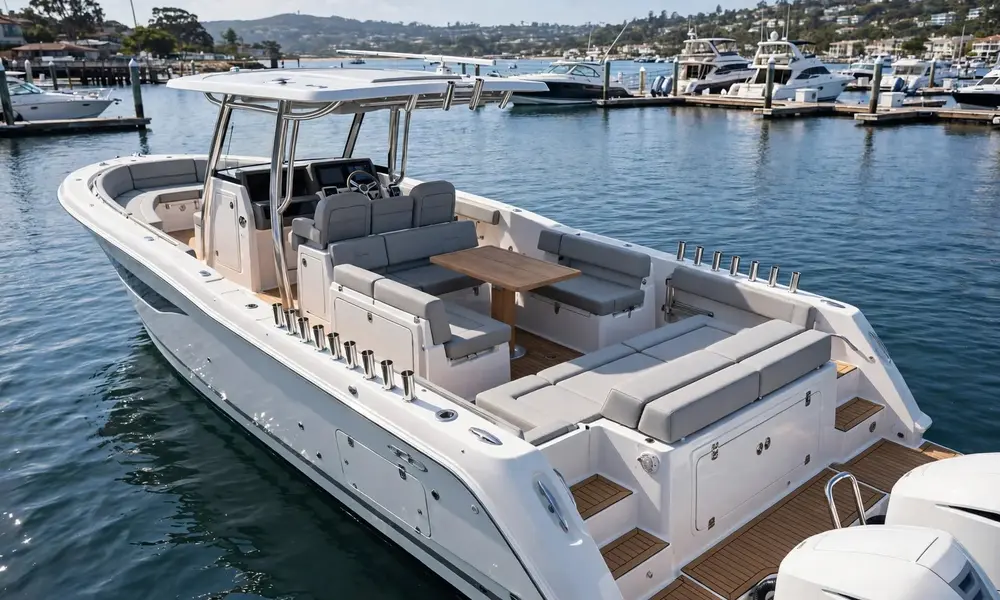
Here’s something I particularly love about modern recreational boating.
A good boat doesn’t have to be built around one activity.
Imagine fishing early in the morning.
By lunchtime, everyone has gathered around a table for sandwiches.
Later, the children want to swim, while the adults settle into comfortable seating and enjoy the afternoon sunshine.
A flexible deck arrangement makes that kind of day much easier.
And builders are responding.
In October 2026, Tiara Yachts announced its new 35 LX, a luxury crossover boat scheduled to make its public debut at the Miami International Boat Show in February 2027.
The design emphasizes social entertaining, family activities, and flexible outdoor living.
Barletta’s model-year 2027 pontoon lineup also introduces updated interiors, enhanced helm technology, and improved boarding and docking features.
These are two different examples of the same broader idea.
Owners want boats that adapt to how people actually spend their days.
What should you look for? Flexible seating, useful storage, safe access to the water, adequate shade, and a layout that doesn’t require moving half the furniture whenever plans change.
A boat should make spontaneous adventures easier.
Not require an elaborate rearrangement every time someone gets hungry.
6. Boat Clubs Are Giving More People a Way Onto the Water
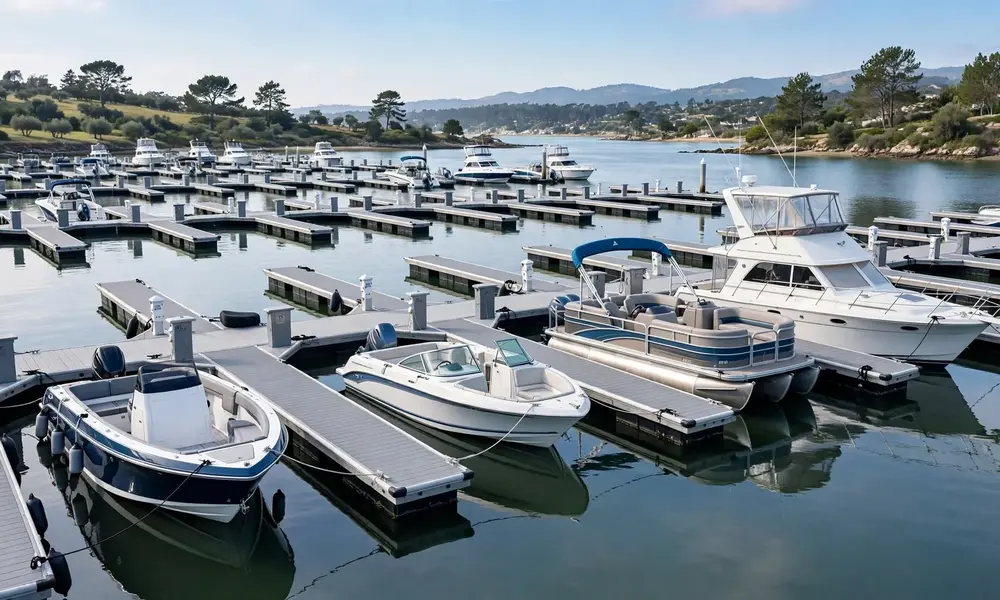
Here’s a question that deserves more attention.
What if you love boating but don’t particularly want to own a boat?
Perhaps you enjoy spending a few weekends each month on the water.
But you’re less enthusiastic about marina fees, maintenance, insurance, winter storage, and the other responsibilities that accompany ownership.
Boat clubs offer another approach.
Members generally pay fees in exchange for access to a fleet, subject to reservation systems and club rules.
The precise costs and benefits vary by operator and location.
According to NMMA’s January 2026 industry outlook, demand for shared boating access—including clubs, rentals, and charters—continues to provide alternatives to traditional ownership.
And this matters for 2027.
The future of recreational boating isn’t necessarily about persuading everyone to purchase a vessel.
It may be about helping more people enjoy the experience in a way that matches their lifestyle.
The important question: How often would you realistically use your own boat?
Not how often you imagine using it during an enthusiastic shopping appointment.
How often would you actually take it out?
That answer can change the entire financial decision.
7. Your Boat May Tell You Something Is Wrong Before You Arrive
Imagine planning a Saturday trip.
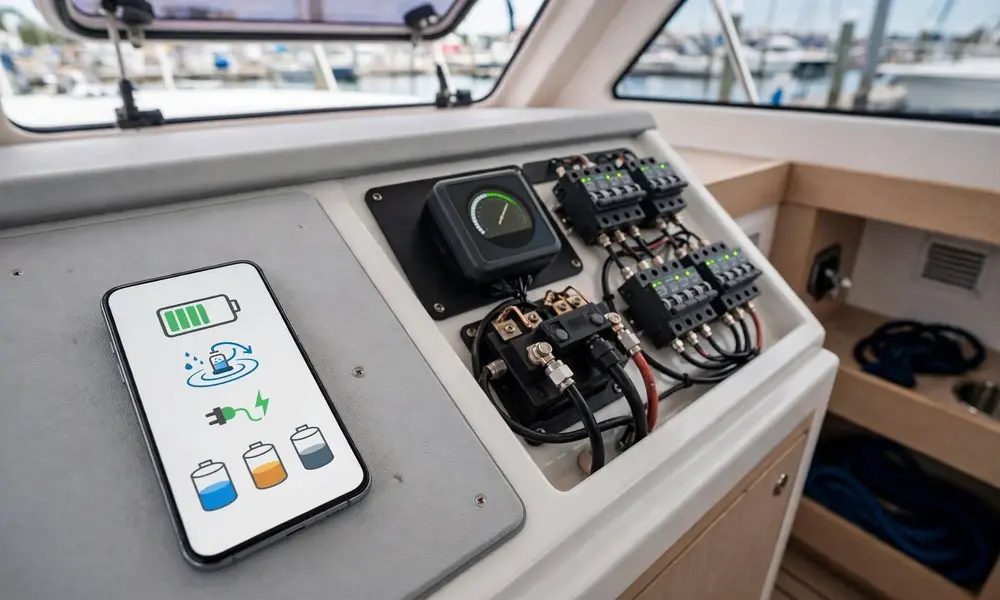
You’re getting ready at home when your phone alerts you that the boat’s battery voltage has dropped.
Instead of reaching the marina and discovering the problem when you’re about to depart, you have time to investigate.
That’s the appeal of connected boat monitoring.
Garmin’s OnDeck system, for example, allows compatible installations to monitor battery status, shore-power connections, bilge activity, tank levels, and certain security conditions remotely.
It can send alerts through a connected service.
The system requires suitable equipment, configuration, cellular coverage, and an active subscription.
It isn’t a substitute for physical inspections or responsible maintenance.
But the possibilities are useful.
For owners who leave their boats unattended at a marina, remote information can provide another layer of awareness.
The 2027 opportunity: Connected technology may make routine ownership less reactive and more manageable.
Not because every problem can be predicted.
But because some problems become easier to notice before they interrupt a wonderful day.
8. Staying Connected at Sea Will Become More Personal
Not everyone wants to disconnect completely while boating.
Some people love the idea of spending the day without checking their phone.
Others need occasional internet access for work, navigation information, communication, or entertainment.
Both approaches are perfectly reasonable.
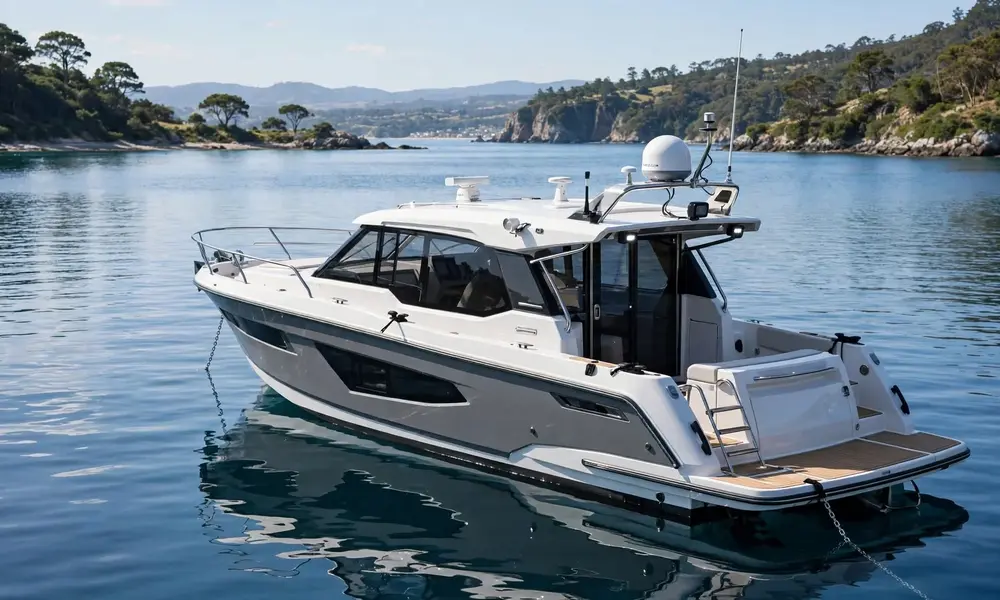
Marine connectivity now includes cellular routers, Wi-Fi systems, and satellite services.
But connection quality depends on location, equipment, coverage, service plans, and environmental conditions.
A satellite system that performs well in one cruising area may require a different plan or installation for another.
And a family streaming films at anchor doesn’t have the same requirements as a vessel relying on connectivity for operational communications.
For 2027, I expect more emphasis on integrated connectivity rather than installing unrelated devices throughout the boat.
The goal should be convenience.
Not having to become your own onboard IT department.
And perhaps the greatest luxury will be having the choice to switch everything off.
9. Luxury Boating Is Becoming Less About Size and More About Comfort
A large yacht can be extraordinary.
The interiors, professional service, and beautiful private spaces create a kind of luxury that few other travel experiences can offer.
But bigger isn’t automatically better for every owner.
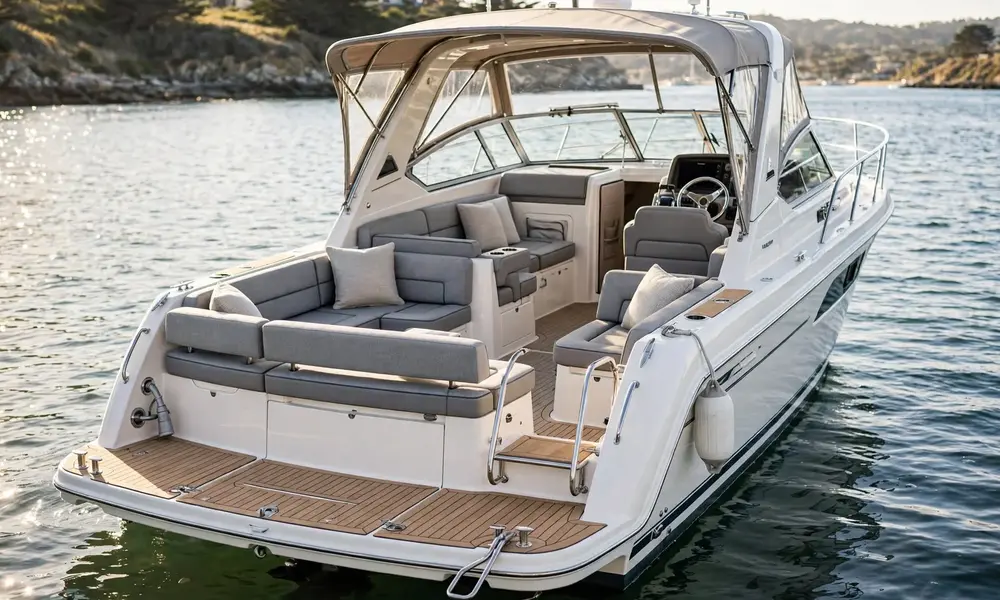
A thoughtfully designed 35-foot boat may provide everything a family needs for memorable weekends.
A comfortable pontoon may make the perfect setting for relaxed afternoons.
A luxury center console might suit someone who loves fishing and quick coastal adventures.
Meanwhile, a superyacht remains an entirely different proposition involving professional crew, complex engineering, and substantial operating costs.
For a closer look at that end of the market, explore our guide to the luxury yacht experience.
What I find especially interesting is how the definition of luxury is changing.
A beautiful onboard bathroom matters.
So does a comfortable ride.
But easy boarding, practical storage, good shade, and enough room for the people you love can be just as meaningful.
The finest boat isn’t necessarily the one everyone notices at the marina. It’s the one your family keeps asking to use.
10. The Best Boating Upgrade May Be a Better Ownership Experience
It’s tempting to assume that the most exciting boating trend must involve a new engine, advanced navigation system, or spectacular design feature.
But what about everything surrounding the boat?
The booking process at the marina.
The availability of qualified technicians.
Training for new owners.
Access to spare parts.
Better maintenance scheduling.
And the ability to understand operating costs before purchasing.
Those details influence whether boating remains enjoyable over time.
ICOMIA, the international marine industry association, identifies changing ownership expectations, digital systems, sustainable operations, and access to waterways as important factors shaping recreational boating’s future.
NMMA has also identified limited marina capacity and boating access as challenges.
For 2027, I expect these practical concerns to remain just as important as the equipment installed aboard new vessels.
A wonderful yacht becomes frustrating when essential services are difficult to arrange.
And a modest boat can provide extraordinary pleasure when ownership feels manageable.
That’s why the next generation of premium boating may be judged as much by the complete customer experience as by the vessel itself.
Boating Trends 2027: Which Changes Are Already Confirmed?
Not every future-looking claim deserves equal confidence.
Some technologies are already available.
Others have confirmed model-year 2027 integrations or announcements.
And some broader developments remain editorial expectations.
| Trend | Evidence available by November 2026 | 2027 outlook |
| Assisted docking | Commercial systems already offered | Continued adoption |
| Underway stabilization | 148 additional MY2027 integrations announced by Seakeeper | Broader availability across boat categories |
| Electric outboards | Mercury Avator lineup on the market | More choices for suitable boating uses |
| Flexible boat layouts | Tiara 35 LX announced for February 2027 debut | More adaptable family designs |
| Premium pontoons | Barletta MY2027 lineup announced and available | Greater emphasis on comfort |
| Remote monitoring | Garmin OnDeck and other systems available | More integrated ownership tools |
| Boat clubs | Established alternatives to ownership | Continued relevance for occasional boaters |
| Satellite connectivity | Available through commercial marine services | Greater integration and choice |
The 2027 outlook column contains reasoned expectations, not confirmed industry-wide outcomes.
The Pravi Celer Weekend Freedom Test: An Original Way to Choose Your Next Boat
Here’s the question I would ask before buying any new boat in 2027.
Will this boat give you more wonderful weekends—or more things to manage?
That may sound simple, but it’s surprisingly revealing.
For Pravi Celer, I’ve developed the Weekend Freedom Test, an original editorial decision framework built around five questions.
1. The Friday Question: Is It Ready When You Are?
Can you easily check its condition, prepare essential supplies, and know whether maintenance is due?
2. The Saturday Morning Question: Is It Easy to Get Going?
Think about launching, boarding, docking, and preparing the boat.
A beautiful vessel isn’t particularly convenient if every outing requires hours of preparation.
3. The Family Question: Does It Fit Your Real Life?
Can everyone sit comfortably?
Is there enough shade?
Does the layout accommodate the activities you genuinely enjoy?
4. The Surprise Question: What Happens When Something Goes Wrong?
Can you access reliable service and support?
Do you understand the boat’s systems?
Are essential safety arrangements straightforward?
5. The Sunday Question: Are You Already Looking Forward to Next Weekend?
This may be the most revealing question of all.
After cleaning, docking, and returning home, do you feel excited to use the boat again?
Or relieved that the work is finally over?
Give each question a personal score of zero to two.
A maximum of ten suggests the boat is a promising fit for your lifestyle.
This isn’t a scientific boating assessment.
It’s a practical editorial method for keeping real enjoyment at the center of a significant purchasing decision.
What Should You Look for Before Buying a 2027 Boat?
Technology is exciting.
But buying well still requires practical thinking.
Begin with the type of boating you’ll actually do.
A family cruising on protected lakes needs different capabilities from an owner making offshore passages.
Then compare the complete ownership experience.
Consider storage, maintenance access, local service availability, warranty conditions, fuel or charging requirements, and available marina facilities.
When viewing a new boat, ask for a demonstration of the features you’re most likely to use.
Try the seating arrangements.
Check storage access.
Examine boarding areas.
And make sure you understand what the electronic systems can and cannot do.
If you’re considering a larger vessel, our feature on superyacht engineering explains why technical design and onboard comfort need to work together.
The aim is to choose a boat that makes your adventures easier rather than simply impressive on paper.
Five Questions Boaters Are Really Asking About 2027
Will boats become fully autonomous in 2027?
Some assisted systems are becoming more sophisticated, but that doesn’t mean ordinary recreational boats can safely operate without a responsible human operator. Assisted docking and navigation tools still require appropriate supervision.
Are electric boats worth buying in 2027?
They can be suitable for shorter or predictable outings where charging infrastructure is available. Range, battery capacity, weight, speed, and intended use should determine the decision.
Are smaller boats becoming more luxurious?
Yes, some manufacturers are bringing advanced electronics, stabilization, adaptable layouts, and premium finishes into smaller boats. But features vary considerably by model and price.
Is joining a boat club cheaper than owning?
It can be for some users, especially those who boat occasionally. Compare initiation fees, recurring membership costs, fuel, reservations, geographic access, and your expected number of outings.
What is the most important boating technology for families?
There is no single answer. Depending on the vessel, effective safety equipment, reliable navigation, easier maneuvering, ride comfort, and useful onboard monitoring may matter more than elaborate entertainment systems.
Final Thoughts: The Best Boating Trend of 2027 Is More Time Doing What You Love
I think the most wonderful thing about boating has very little to do with technology.
It’s that moment when everyone finally settles into the day.
Someone is laughing at the back of the boat.
The children are deciding who gets to jump into the water first.
Your friends are choosing music.
And the coastline slowly disappears behind you.
For a few beautiful hours, nobody seems particularly interested in what’s happening back on land.
That’s the feeling all this technology should help protect.
Smarter systems.
More comfortable rides.
Easier ownership.
Better-designed spaces.
And new ways for more people to enjoy time on the water.
The future of boating isn’t simply about building faster, larger, or more expensive vessels.
It’s about making the experience more rewarding.
So whether your ideal boat is a compact electric runabout, a luxurious family cruiser, a beautiful sailing yacht, or something you access through a club, the question worth asking is wonderfully simple.
Will it help you create more days that you don’t want to end?
Because the best boat of 2027 won’t necessarily be the one with the most extraordinary technology. It will be the one that makes you say, every Friday evening, “Where should we go tomorrow?”