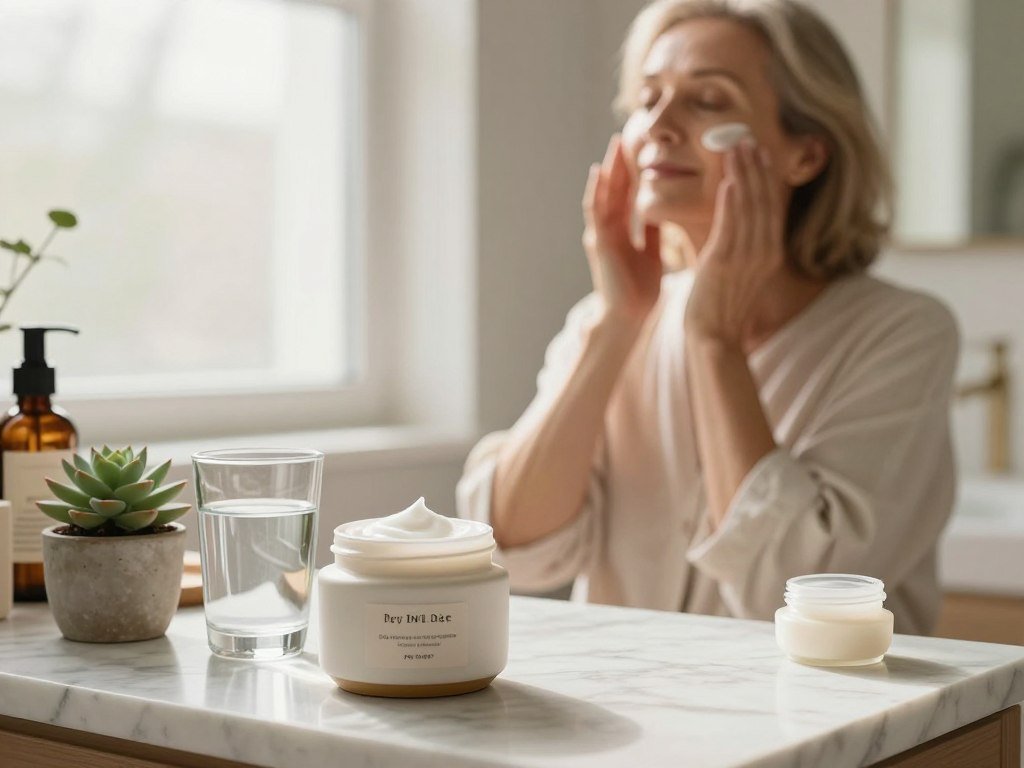
A moisturizer that feels right for your skin and fits your routine is a more useful starting point than choosing a cream by age alone. Dryness and visible changes can make a familiar daily routine feel less effective, especially in dry air. A humectant is an ingredient that draws water into the outer layers of skin.
The best fit depends on your skin type, sensitivity, and whether you want daytime SPF or an active ingredient. You can choose a lighter gel, a richer cream, or a formula aimed at a specific concern. The best fit is the formula you can use consistently without aggravating your skin.
Key Takeaways
- Start with hydration and support for your skin barrier.
- Match texture to your dryness and comfort needs.
- Choose actives based on your main concern and tolerance.
- Use a separate daytime SPF step when your moisturizer lacks sunscreen.
- Introduce retinol with care and keep your routine simple.
Best Moisturizer for Aging Skin: What Should You Look For?
A useful moisturizer for mature skin hydrates first, supports the barrier, and adds actives only when they match the concern. Look for water-binding and barrier-supporting ingredients, then consider a targeted active. Richer hydration is not automatically better for every skin type.
Skin naturally produces less collagen and elastin over time. That change can affect firmness and fine lines, while dryness can make the skin feel tight or rough. Your moisturizer should fit how your skin feels, not just your age.
Humectants and lipids for lasting hydration
Humectants such as hyaluronic acid and glycerin attract water to the outer layers of skin. They can help skin feel more hydrated, especially when paired with a moisture-sealing lipid. Ceramides are lipids that help seal moisture in and support the skin barrier.
Some formulas also use occlusives, which slow water loss from the skin surface. Petrolatum is one example. A lighter lotion may feel more comfortable on oily or combination skin, while a richer cream may suit dry skin better.
Actives for fine lines, tone, and firmness
Retinol can help soften the look of fine lines and uneven tone. Peptides support the appearance of firmness, while vitamin C offers antioxidant support and may improve the look of dark spots. Each active has a different job, so choose based on your main concern.
Use this short checklist when you compare ingredients:
- A humectant, such as hyaluronic acid or glycerin.
- A barrier-supporting lipid, such as ceramides.
- One active ingredient matched to your concern.
- SPF in a separate daytime step if the moisturizer lacks it.
Choose one main active at a time if your skin is easily irritated.
A simple formula can be enough when dryness is your main concern. If you want to add a serum, keep the rest of your routine familiar while you see how your skin responds.
Which Face Moisturizers Fit Different Needs?
Alastin Ultra Nourishing Moisturizer is the overall pick for readers who want hydration with peptides and barrier support. It suits a comfort-focused routine with peptides, oat kernel extract, linoleic acid, phospholipids, and rosemary. For aging skin over 70, choose by dryness, sensitivity, and texture rather than age alone.
Olay Regenerist Micro-Sculpting Cream pairs niacinamide, peptides, and hyaluronic acid for a twice-daily routine. La Roche-Posay Toleriane Double Repair has ceramide-3 and niacinamide, making it a sensitive-skin option.
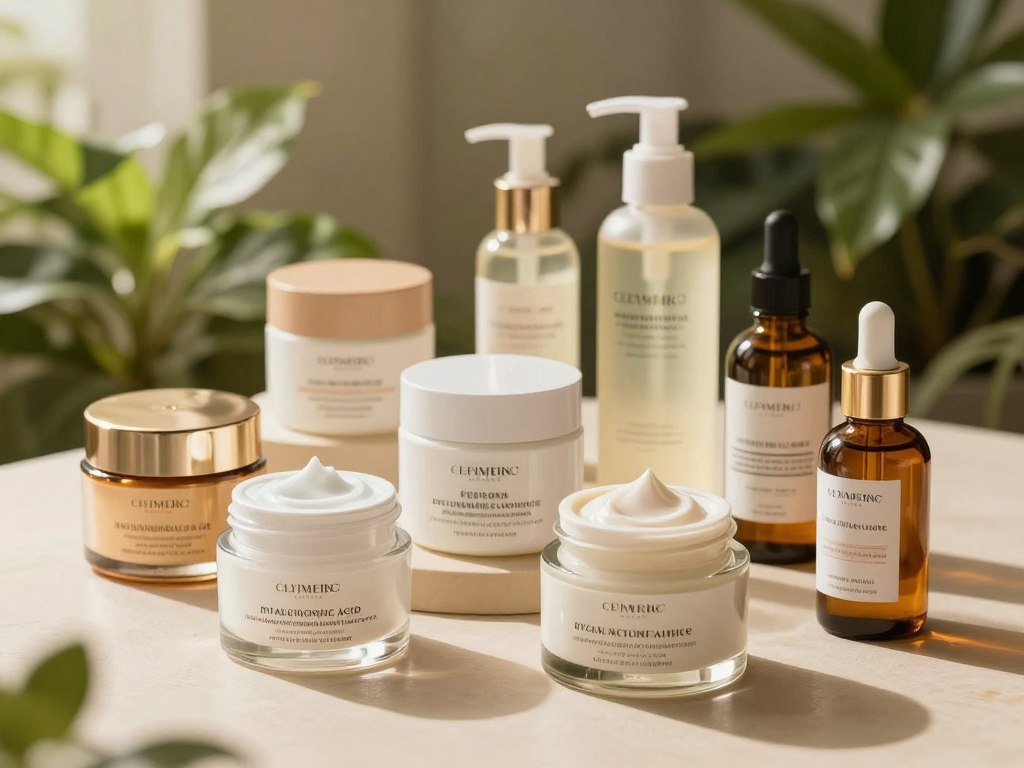
For an oil-free, non-comedogenic gel cream, consider Neutrogena Hydro Boost Gel Cream. It combines hyaluronic acid and glycerin. Its 4.6 out of 5 average came from nearly 88,240 Amazon reviews in 2026 product coverage.
Readers looking for the best face moisturizer for aging skin dermatologist recommended can start by comparing formulas with clear ingredient roles. A dermatologist can also help you match a product to a skin condition or sensitivity.
| Product | Formula highlights | Best fit |
|---|---|---|
| Alastin Ultra Nourishing Moisturizer | Peptides, oat kernel extract, linoleic acid, phospholipids, rosemary | Hydration with peptides and barrier support |
| Olay Regenerist Micro-Sculpting Cream | Niacinamide, peptides, hyaluronic acid | A twice-daily routine |
| La Roche-Posay Toleriane Double Repair | Ceramide-3, niacinamide | Sensitive skin |
| Neutrogena Hydro Boost Gel Cream | Hyaluronic acid, glycerin; oil-free and non-comedogenic | People who prefer a gel cream |
Check the current label if you need to avoid a particular ingredient.
Which Moisturizers Work Best During the Day?
For a simple daytime step, choose a moisturizer that provides broad-spectrum SPF 30 or higher. SPF 30 or above is the daily sunscreen threshold recommended by the AAD. Pick a formula that feels comfortable enough to apply across exposed skin.
Olay Complete Daily Moisturizer is a non-retinol daytime option with SPF 30. La Roche-Posay Toleriane Double Repair Facial Moisturizer SPF 30 combines ceramides, niacinamide, and glycerin.
CeraVe AM Facial Moisturizing Lotion costs $20 and includes SPF 30, hyaluronic acid, ceramides, and niacinamide. Revision Intellishade Original SPF 45 combines moisturizer and sunscreen.
| Product | SPF | Formula highlights |
|---|---|---|
| Olay Complete Daily Moisturizer | 30 | Non-retinol daytime moisturizer |
| La Roche-Posay Toleriane Double Repair Facial Moisturizer | 30 | Ceramides, niacinamide, glycerin |
| CeraVe AM Facial Moisturizing Lotion | 30 | Hyaluronic acid, ceramides, niacinamide; $20 |
| Revision Intellishade Original | 45 | Moisturizer with sunscreen |
The best moisturizer for aging skin over 70 with SPF follows the same SPF threshold. Dryness, sensitivity, and preferred texture guide the product choice, not age alone.
Apply enough sunscreen product to cover all exposed skin, including the neck.
How Should You Use Retinol Moisturizer Safely?
A cautious start is more useful than applying a retinol moisturizer every night from the beginning. Go slowly so you can notice dryness or irritation before it builds. Use sunscreen during the day because retinol can increase photosensitivity.
RoC Retinol Correxion Deep Wrinkle Night Cream is one option to introduce gradually. Start it two to three nights per week for the first month, then increase as tolerated.
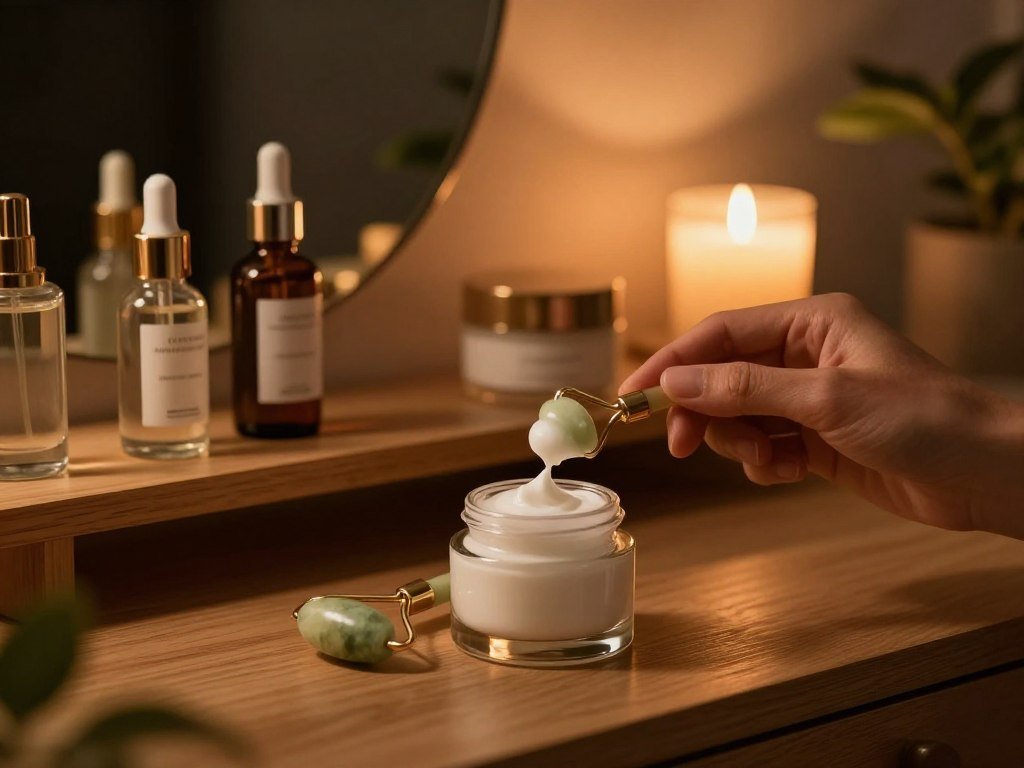
Try these steps when starting an over-the-counter retinol moisturizer:
- Begin with a low-strength OTC retinol. A 0.01% formula is one low-dose example for beginners.
- Use RoC Retinol Correxion Deep Wrinkle Night Cream two to three nights per week for its first month.
- Increase use only as tolerated, and pause if irritation develops.
Retinol can cause irritation when you use it too often or combine it with strong actives. Do not layer a retinol moisturizer over prescription tretinoin. Combining retinoids can irritate skin without adding benefit.
If you want to pair retinol with a hydrating ingredient, hyaluronic acid with retinol may help address dryness. Keep your routine steady so you can tell which product causes a reaction.
RoC Retinol Correxion Deep Wrinkle Rich Cream costs $28 and pairs retinol with bio-ceramides, squalane, allantoin, and shea butter. Its exact retinol concentration is not specified in the product information used here.
Stop using the retinol product and seek medical advice if irritation is severe or persistent.
What Works for Dry, Sensitive, or Eczema-Prone Skin?
For dry or reactive skin, a gentle, fragrance-free formula is a safer place to start than a strong active. Look for a simple, soothing texture that does not leave skin feeling tight. People with eczema often need to moisturize more often because their skin barrier works less effectively.
Vanicream Daily Facial Moisturizer is described as a non-irritating option for sensitive, mature skin. A fragrance-free formula can be a sensible first choice when scented products bother your skin.
Choose a texture that suits dryness and sensitivity
Dry skin may feel more comfortable with a cream than a thin lotion. If your face feels oily or gets clogged easily, a lighter texture may suit you better. Your moisturizer should feel comfortable through the day, not just right after you apply it.
For more help with products for dry skin, consider the whole routine, including cleanser and sunscreen. Harsh cleansing can leave dry skin feeling worse, so a gentle wash can make a difference.
Match the routine to age and barrier needs
The best moisturizer for aging skin over 40, 50, or 60 depends on dryness, sensitivity, and your main concern. There is no fixed age cutoff that means you need a stronger active. Some people focus on comfort, while others choose an active for tone or fine lines.
Eczema-prone skin may need moisturizing more often than a typical routine. If the skin is inflamed, itchy, or cracked, a basic moisturizer may not address every need.
If eczema symptoms persist or worsen, ask a dermatologist about a care plan.
How Much Moisturizer Should You Use, and How Often?
Most people can start with moisturizer twice daily, after cleansing in the morning and at night. Use a small amount first, then add more only if your skin still feels dry. A pea-size amount for each side of the face is a practical starting point.
Apply it after washing with a gentle cleanser. A thin layer can cover the face without leaving a heavy feel, though your preferred amount may change with the formula.
Follow this simple application order:
- Wash with a gentle cleanser.
- Apply a pea-size amount of moisturizer to each side of your face.
- Repeat in the morning and at night.
| Format | Relative hydration |
|---|---|
| Ointments | Most hydrating |
| Creams | Between ointments and gels |
| Gels | Least hydrating |
Ointments can feel heavy, while gels often suit people who prefer a light finish. Creams fall between them as a general format choice.
If a gel leaves dry skin uncomfortable, try a richer cream or ointment.
What Are the Best Body Moisturizers for Aging Skin?
U Beauty The Super Hydrator Body is the pick for smoothing the look of crepey skin. It contains shea butter, hyaluronic acid, collagen, peptides, and niacinamide. Choose a retinol body treatment for an active option, not as a default for sensitive skin.
Paula’s Choice Skin-Smoothing Retinol Body Treatment contains 0.1% retinol, shea butter, vitamins C and E, and evening primrose oil. La Roche-Posay Lipikar AP Triple Repair Moisturizing Cream is a body moisturizer for sensitive skin.
| Product | Formula highlights | Best fit |
|---|---|---|
| Paula’s Choice Skin-Smoothing Retinol Body Treatment | 0.1% retinol, shea butter, vitamins C and E, evening primrose oil | Readers seeking an active body treatment |
| U Beauty The Super Hydrator Body | Shea butter, hyaluronic acid, collagen, peptides, niacinamide | Smoothing the look of crepey skin |
| La Roche-Posay Lipikar AP Triple Repair Moisturizing Cream | Body moisturizer for sensitive skin | Sensitive skin |
Apply body moisturizer while your skin is still slightly damp after a shower. This can help the product spread across the skin without tugging.
Texture can affect how often you reach for a body product. A richer cream may feel useful on dry areas, while a lighter lotion may suit larger areas.
Patch-test a retinol body product on a small area before using it more widely.
Which Night Cream Fits Your Routine?
For peptide-focused nighttime hydration, Medik8 Advanced Pro-Collagen+ Peptide Cream is the clearest fit. It combines peptides, ceramides, squalane, and hyaluronic acid. Use it as the final step in your nighttime routine.
Night creams can add a richer feel at the end of the day. Choose one that works with the rest of your routine instead of layering several new products at once.
Peptide-focused hydration for nighttime
Medik8 Advanced Pro-Collagen+ Peptide Cream suits a routine centered on peptides and hydration. Ceramides support the skin barrier, while squalane and hyaluronic acid add moisture. Its place is after lighter products, as the last nighttime step.
If you prefer a few simple skincare steps, a simple nighttime routine can help you keep the order clear. Avoid adding extra layers just because a cream feels rich.
A richer cream for a comfort-first routine
Caudalie Premier Cru Cream is a richer night cream option with hyaluronic acid, resveratrol, and Viniferine. It costs $119. The formula may appeal if a plush cream texture feels more comfortable than a light gel.
Caudalie Premier Cru Cream is the night cream choice for someone prioritizing a richer cream, while Medik8 suits a peptide-focused routine.
Keep nighttime layers simple if your skin becomes uncomfortable.
What Should You Check on the Label Before Buying?
A long ingredient list does not prove that a finished moisturizer will work as intended. Look at the whole formula, not just one featured ingredient. Testing a finished moisturizer can show how the complete formula performs.
Ingredient supplier data applies to individual ingredients, while finished-product testing looks at the moisturizer as a whole. A benefit reported for one ingredient does not prove the same result in every formula.
Look for evidence on the finished formula
Check whether claims relate to the finished product or only to an ingredient. The amount of an ingredient, the other parts of the formula, and the product texture all matter to how it feels on your skin.
Check the full ingredient list
Read beyond the front label for ingredients that may irritate you. Fragrance and essential oils can raise the risk of irritation for some people. Also check whether the texture and active ingredients suit your routine.
Use this quick label checklist:
- Testing of the finished formula.
- Fragrance in the ingredient list.
- Essential oils in the ingredient list.
- Fit with your existing routine.
Compare the complete formula with your own sensitivities, not just the headline ingredient.
When Should You Expect Visible Changes?
Give a retinol moisturizer consistent use for 8 to 12 weeks before judging fine-line changes. That range is an estimate, not a guaranteed result for every person or formula. Visible fine-line improvement may take 8 to 12 weeks.
RoC Retinol Correxion Deep Wrinkle Night Cream is one example of an over-the-counter retinol moisturizer. Results depend on the product and how your skin responds, so track your own experience.
Check comfort and appearance under similar lighting each time. A photo in the same place can make small changes easier to compare than memory alone.
Avoid changing several products at once, since that makes it harder to tell which one helped or caused irritation. Give your routine room to show how your skin responds.
Stop and reassess sooner if the product causes ongoing irritation.
Write down how your skin feels alongside what you see, since comfort is part of a routine that works.
Conclusion
A comfortable, barrier-supporting moisturizer is a dependable starting point for a mature-skin routine. Hydration can ease tightness, while barrier support helps skin feel less dry. Your main concern can then guide the texture or active you add.
Give a new formula a fair trial, while paying attention to how your skin feels. If a product causes irritation, it may not be the right match, even if its ingredients sound appealing.
Choose one formula that fits your main concern, patch-test it, and use it consistently before adding another active.
FAQ
How often should you moisturize?
What is the best night cream?
What do dermatologists recommend for mature skin?
What is the best face lotion I can buy at a drugstore?
What is the best store-bought moisturizer for aging skin?
What is the most highly rated face moisturizer?
What is the #1 recommended face moisturizer?
What is the best moisturizer for face in 2026?