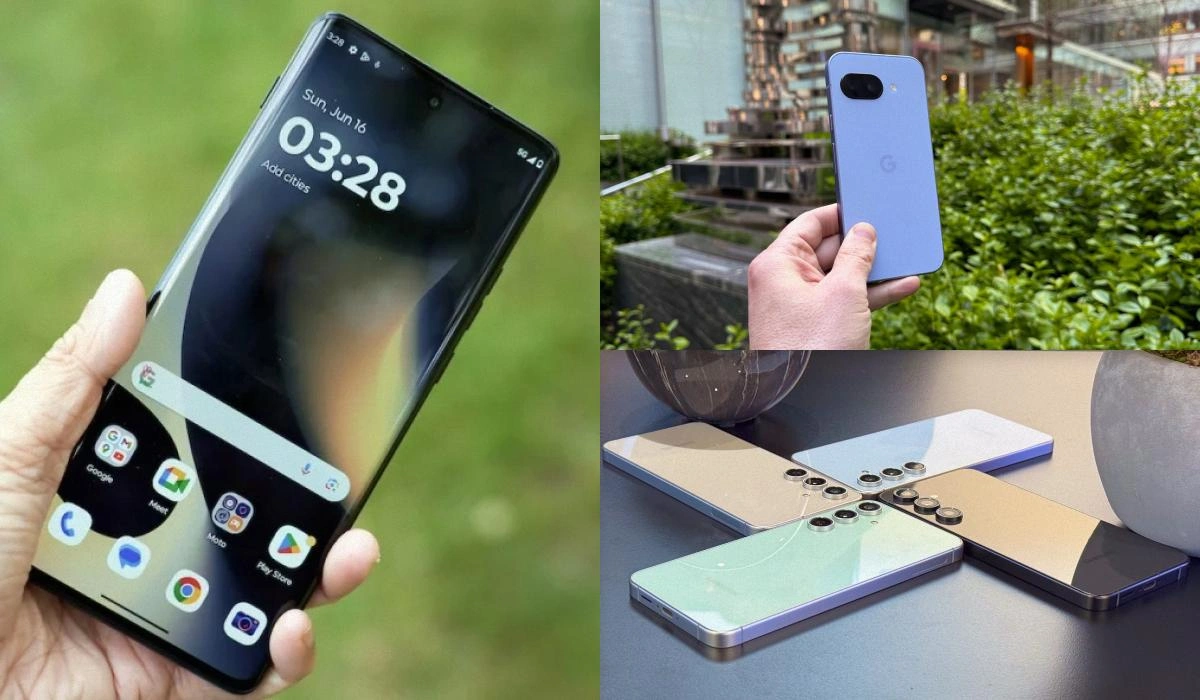
You don’t need to spend $1,000 on a phone anymore. Some of the best budget phones now have good cameras, smooth displays, long battery life, and enough processing power for everyday apps without making you feel like you’re using a cheap device.
The trick is knowing where to spend your money.
A phone that looks like a great deal because it has a huge battery might have a mediocre camera. Another might have a beautiful display but limited software support. And some phones that look impressive on a specification sheet simply aren’t as pleasant to use every day.
I’ve rounded up the budget phones worth considering right now, along with what each one does best and where you may want to compromise.
The best budget phones at a glance
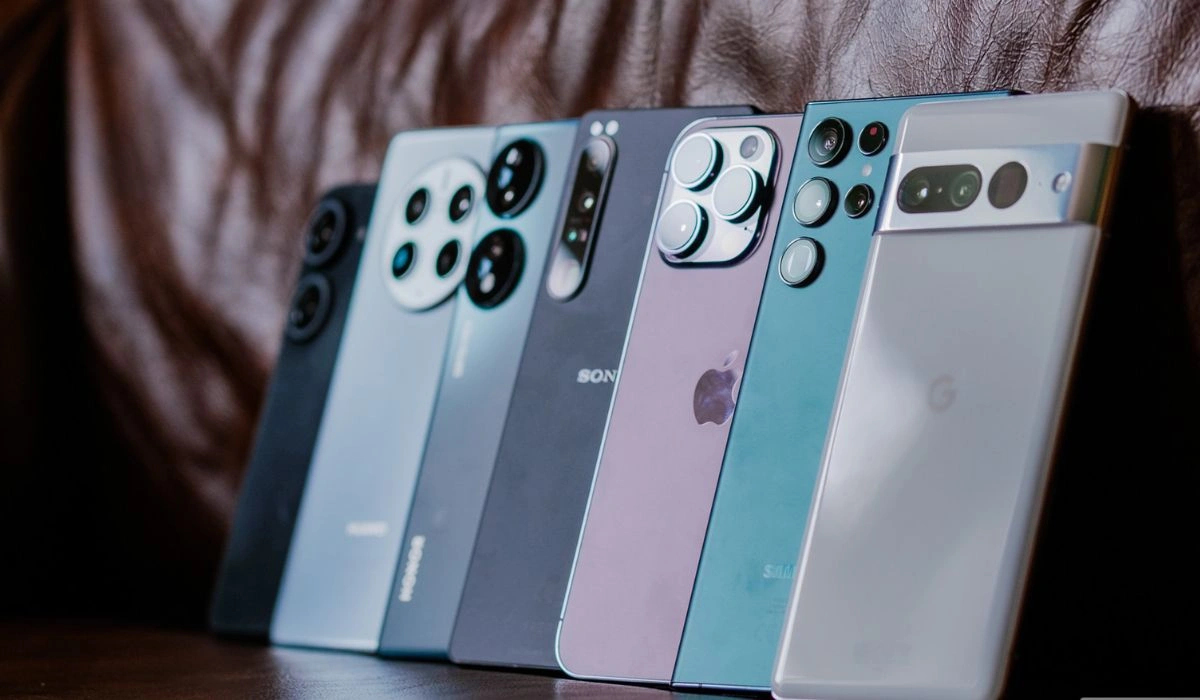
- Google Pixel 10a: Best overall budget phone
- Nothing Phone (4a) Pro: Best for design and features
- Samsung Galaxy A56: Best Samsung budget option
- Motorola Moto G 2026: Best for a very tight budget
- Motorola Moto G Power (2026): Best for battery life
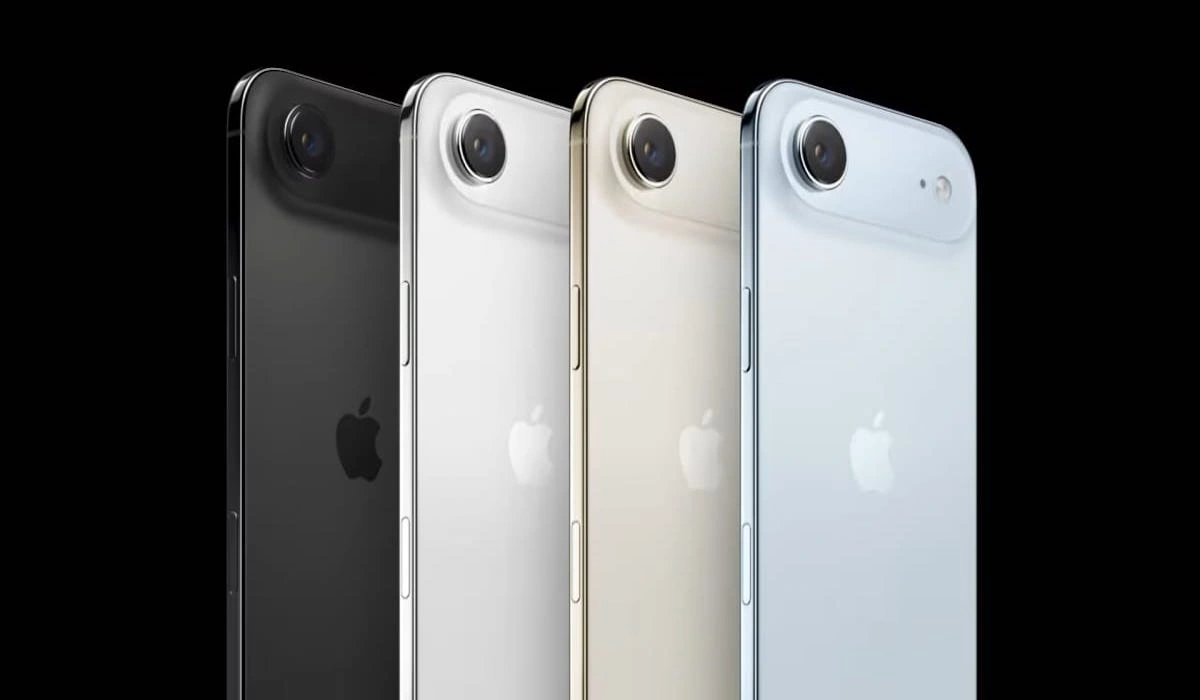
- iPhone 17e: Best budget iPhone
The best budget phone overall
Google Pixel 10a
If you want a phone that gets the important things right without costing flagship money, the Google Pixel 10a is one of the easiest budget phones to recommend.
The phone combines a 6.3-inch 120Hz display with Google’s Tensor G4 processor, an 8GB RAM configuration, and a 5,100mAh battery. It also gets a major advantage from Google’s software and camera processing.
The camera is particularly useful if you don’t want to spend time adjusting settings before taking a picture. Google’s computational photography does much of the work for you.
The Pixel 10a also benefits from long-term software support, which is something you shouldn’t overlook when buying an inexpensive phone. Recent testing has placed it at the top of several 2026 cheap-phone rankings, with Tom’s Guide calling it its best cheap phone overall.
Best for: People who want a balanced phone with a good camera and long software support.
The catch: Charging isn’t particularly fast, and it isn’t the phone I’d choose primarily for demanding gaming.
The best budget phone for design and features
Nothing Phone (4a) Pro
Budget phones don’t have to look boring.
The Nothing Phone (4a) Pro is aimed at people who want something a little different from the usual Samsung, Motorola, or Xiaomi design.
Its large display and distinctive styling make it stand out, while the hardware provides enough performance for normal daily use.
It’s also a good example of why buying a budget phone isn’t simply about finding the cheapest model. If you’re going to use the phone for several hours every day, the screen, design, software and overall experience matter just as much as the processor.
The Phone (4a) Pro has been highlighted by recent budget-phone testing for its large, bright display and unusual design.
Best for: Anyone who wants a budget phone that doesn’t look like every other phone in the price range.
The catch: Camera performance and battery life aren’t necessarily the strongest reasons to buy it.
The best budget Samsung phone
Samsung Galaxy A56
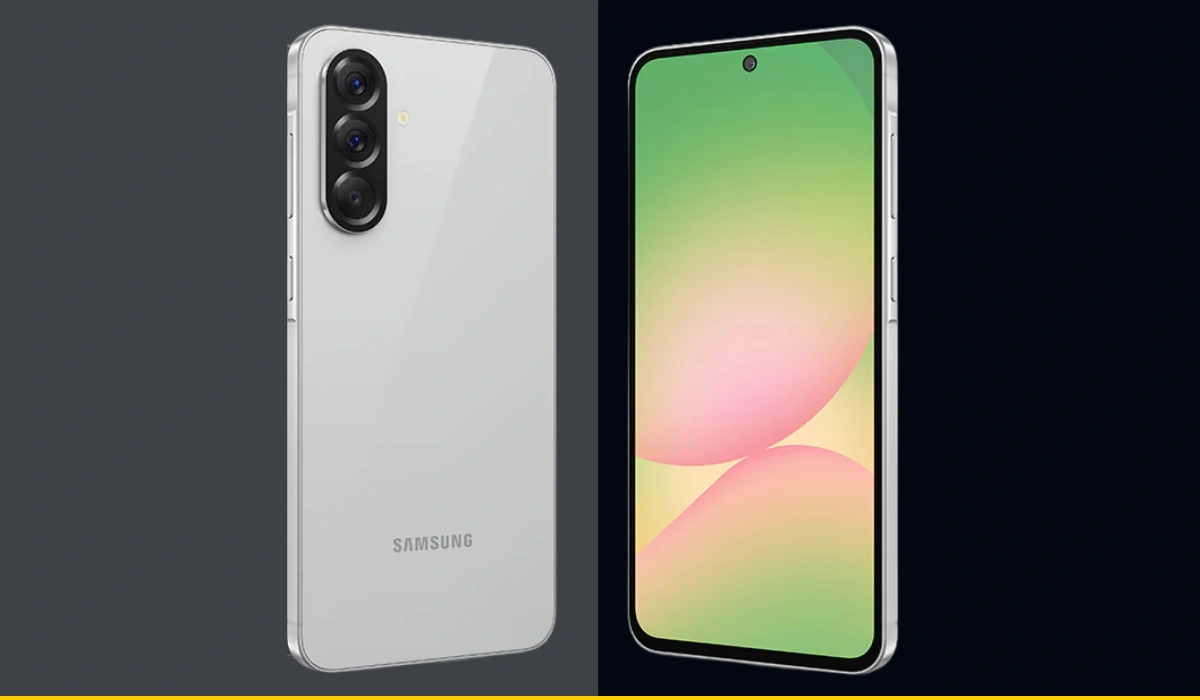
If you’re more comfortable buying from an established brand, Samsung’s Galaxy A-series remains worth considering.
The Galaxy A56 gives you the familiar Samsung software experience, a large AMOLED display, good everyday performance, and a design that looks considerably more expensive than its price suggests.
That’s important if you’re planning to keep your phone for several years.
Samsung also has an advantage in software support and the broader ecosystem. Recent budget-phone roundups continue to highlight the A-series for its combination of display quality, software experience and long-term support.
Best for: Buyers who want a dependable Android phone from a major brand.
The catch: Some cheaper competitors offer more impressive specifications for the money.
The best budget phone under $200
Motorola Moto G 2026
If your budget is genuinely tight, the Moto G 2026 is where things get interesting.
This isn’t a phone designed to compete with a flagship. That’s not the point.
It’s designed to handle the things most people actually do with an inexpensive phone: messaging, browsing, social media, video streaming, navigation and occasional photography.
The 2026 model uses a MediaTek Dimensity 6300 processor and offers a large battery. Testing has also found surprisingly strong battery endurance for a phone at this price.
The camera system is usable, although you shouldn’t expect flagship-level results.
Best for: Students, secondary phones and anyone who simply doesn’t want to spend much.
The catch: Performance can struggle with demanding games, and software support is shorter than what you’ll get from Google or Samsung.
The best budget phone for battery life
Motorola Moto G Power (2026)
If there’s one feature you absolutely don’t want to compromise on, make it battery life.
The Moto G Power is built around that idea.
A large battery makes it particularly useful for people who spend a lot of time away from a charger. It’s a sensible choice for travel, long workdays or anyone who routinely ends the day wondering where their battery went.
The important thing is that you aren’t getting battery life at the expense of basic usability. The phone still has enough performance for everyday apps and a large display for watching videos and browsing.
Best for: Heavy phone users who care more about battery life than having the fastest processor.
The catch: It isn’t the best choice if gaming performance or premium cameras are your priorities.
The best budget iPhone
iPhone 17e
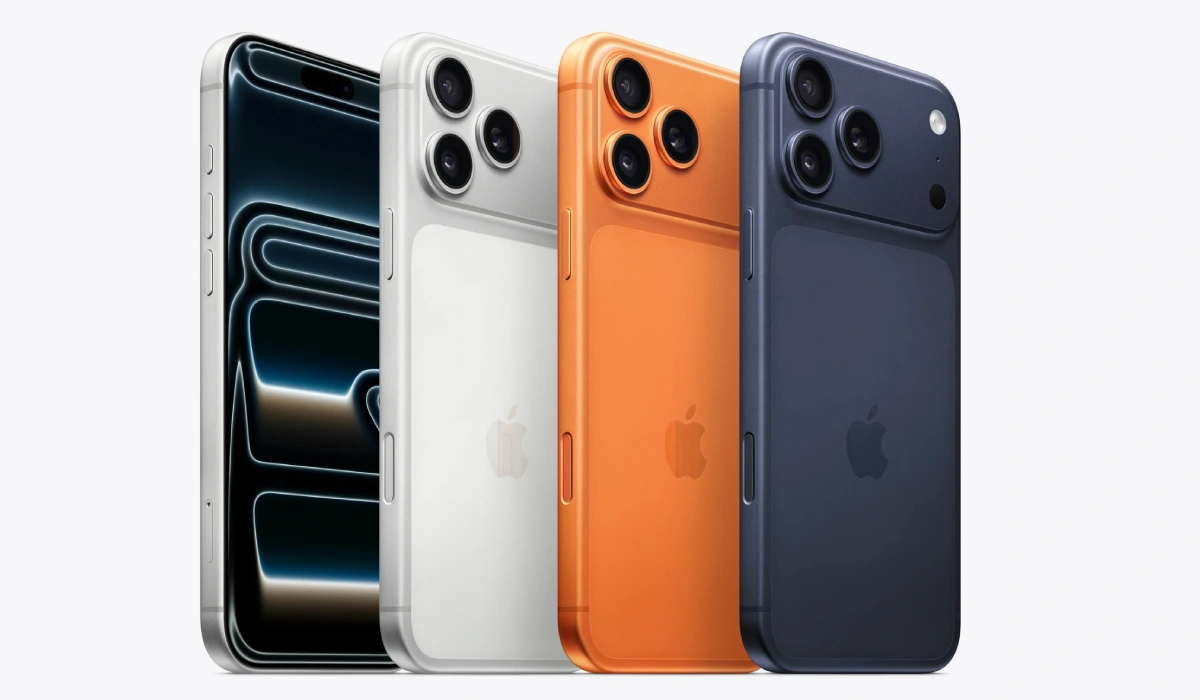
If you want iOS but don’t want to pay flagship iPhone prices, the iPhone 17e is the obvious place to look.
It uses Apple’s A19 chip and includes MagSafe support, giving it some features that make it feel closer to Apple’s more expensive phones than the price might suggest.
There are compromises, though. The 17e has a single rear camera and a 60Hz display, so Android phones in the same general price range can offer more hardware features.
Still, if you’re already invested in Apple’s ecosystem, those compromises may not matter much.
Recent 2026 testing and reviews have positioned the iPhone 17e as Apple’s main budget-oriented iPhone option.
Best for: Existing iPhone users who want to spend less on their next phone.
The catch: The display and camera setup aren’t as ambitious as some Android competitors.
What should you actually look for in a budget phone?
You don’t need to understand every specification before buying a phone.
Start with the things you’ll notice every day.
The display
A good screen can make an inexpensive phone feel much more premium.
Look for an AMOLED or OLED panel if possible, particularly if you watch a lot of video. A higher refresh rate, such as 90Hz or 120Hz, can also make scrolling feel smoother.
But don’t buy a phone solely because it has a 120Hz display. A good 60Hz screen with better software and battery life can still provide a better overall experience.
The processor
The processor matters most if you multitask heavily or play games.
For messaging, browsing, YouTube, Instagram and similar apps, you don’t need the fastest chip available.
Gaming is different.
If you regularly play demanding games such as PUBG Mobile or Genshin Impact, spend more of your budget on performance rather than cameras or design.
The camera
Don’t be fooled by huge megapixel numbers.
A 108MP camera isn’t automatically better than a 50MP camera.
Image processing, sensor quality, stabilization and the software behind the camera all matter.
This is one reason Pixel phones tend to perform well in budget-phone comparisons despite not always having the most impressive camera specifications on paper.
Battery life
For most people, battery life matters more than a few extra points in a benchmark.
A phone that comfortably survives a full day is much more useful than one that is technically faster but needs to be charged before dinner.
If you’re a heavy user, look for a large battery and fast charging.
Software support
This is one of the easiest things to ignore when buying a cheap phone.
A budget phone may save you money today but become frustrating if it stops receiving meaningful software updates after a couple of years.
Google and Samsung have made long-term software support a stronger selling point, while some inexpensive models from other manufacturers can have shorter support periods.
If you’re planning to keep your phone for four or five years, this should be part of your buying decision.
How much should you spend?
You don’t necessarily need to spend $500.
If all you need is a phone for calls, messaging, social media and streaming, there are perfectly usable options below $200.
Around $300 is where things start getting more interesting. You can find phones with better displays, cameras and processors without moving into flagship pricing.
Around $400–$500, you can start finding phones that genuinely feel like premium devices in everyday use.
Recent 2026 budget-phone guides generally define the category as devices below about $500, with several models offering surprisingly strong performance at that price.
Don’t buy a budget phone based on one specification
This is probably the most important thing to remember.
A phone with 12GB of RAM isn’t automatically better than one with 8GB.
A 200MP camera isn’t automatically better than a 50MP camera.
A 7,000mAh battery doesn’t automatically make a phone better.
And a 120Hz display doesn’t compensate for poor software.
Look at the entire phone.
Ask yourself what you actually do every day, then spend your money on the things you’ll notice.
So, which budget phone should you buy?
For most people, the Google Pixel 10a is the safest all-around recommendation if it’s available at a price that fits your budget.
If you want something more distinctive, the Nothing Phone (4a) Pro is worth a look.
If you prefer Samsung, the Galaxy A56 makes more sense than chasing a lesser-known phone with a longer specification sheet.
If money is the main concern, the Moto G 2026 gives you a surprisingly capable everyday phone without pushing you toward flagship prices.
And if battery life is your biggest concern, look at the Moto G Power (2026).
The best budget phone isn’t necessarily the cheapest one you can find. It’s the one that gives you the features you actually care about without making you pay for things you don’t need.