A dependable everyday body lotion should leave skin comfortable without making the routine feel like work. In a 2026 test, five testers tried 15 formulas over three weeks, showing how much choice shoppers face. The right fit can make daily care feel simple, while the wrong texture or scent may send a bottle to the back of a shelf.
Skin needs, texture, fragrance, and budget all shape the best pick. Nivea Shea Nourish earned the overall test win, with practical alternatives for dry, sensitive, mature, and fragrance-loving shoppers. The recommendations below separate test results from ingredient facts and brand claims, so you can compare what matters to your routine. The best starting point is a formula you can comfortably use every day.
Key Takeaways
- Nivea Shea Nourish was the top overall pick in a 2026 test.
- Eucerin Advanced Repair has the strongest test support for persistent dryness.
- Fragrance-free choices can suit shoppers who prefer to avoid scent.
- Choose texture and formula weight based on comfort and skin needs.
- Regular use matters more than buying a costly product you avoid.
Best Body Lotion for Everyday Hydration
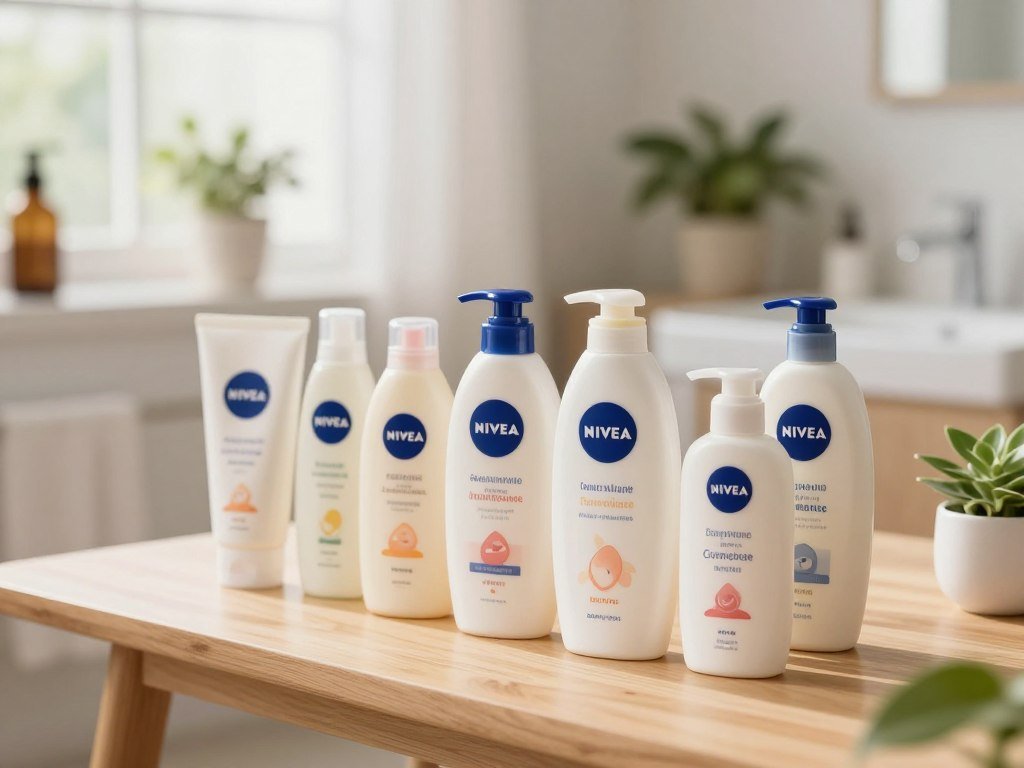
Nivea Shea Nourish is the clearest all-around starting point for shoppers who want hydration and value. It won the top spot in a 2026 test of 15 body lotions, where five testers used the products for three weeks. Value and comfort helped it stand out.
The brand says its shea butter and hyaluronic acid formula provides 48 hours of moisture. Most testers felt moisturized for 12 hours or longer, and most said they planned to buy it. One tester found its floral fragrance too strong for daily use. That difference makes scent a real part of the decision, not a small detail.
| Product | Key ingredients | Practical fit |
|---|---|---|
| Nivea Shea Nourish | Shea butter, hyaluronic acid | 2026 test winner for hydration and value |
| CeraVe Daily Moisturizing Lotion | Ceramides, hyaluronic acid | Fragrance-free basic for everyday use |
| Aveeno Daily Moisturizing Body Lotion | Prebiotic oat | Thicker texture that may suit dry skin |
A humectant is an ingredient that attracts and holds moisture in the skin. CeraVe Daily Moisturizing Lotion is a simple daily moisturizing lotion without fragrance. Aveeno Daily Moisturizing Body Lotion has a thicker feel and uses prebiotic oat.
The best body lotion for women can be any of these formulas if it fits her preferences. For anyone, the best body lotion for everyday use is the one they will apply consistently. A pleasant feel can make that habit easier to keep.
The best everyday formula is the one you will use consistently, even when your routine is busy.
Nivea’s test results make it a strong drugstore pick, though the scent may not suit everyone. If fragrance is a concern, choose a fragrance-free option rather than relying on a pleasant first impression.
Which Lotion Works Best for Dry Skin?
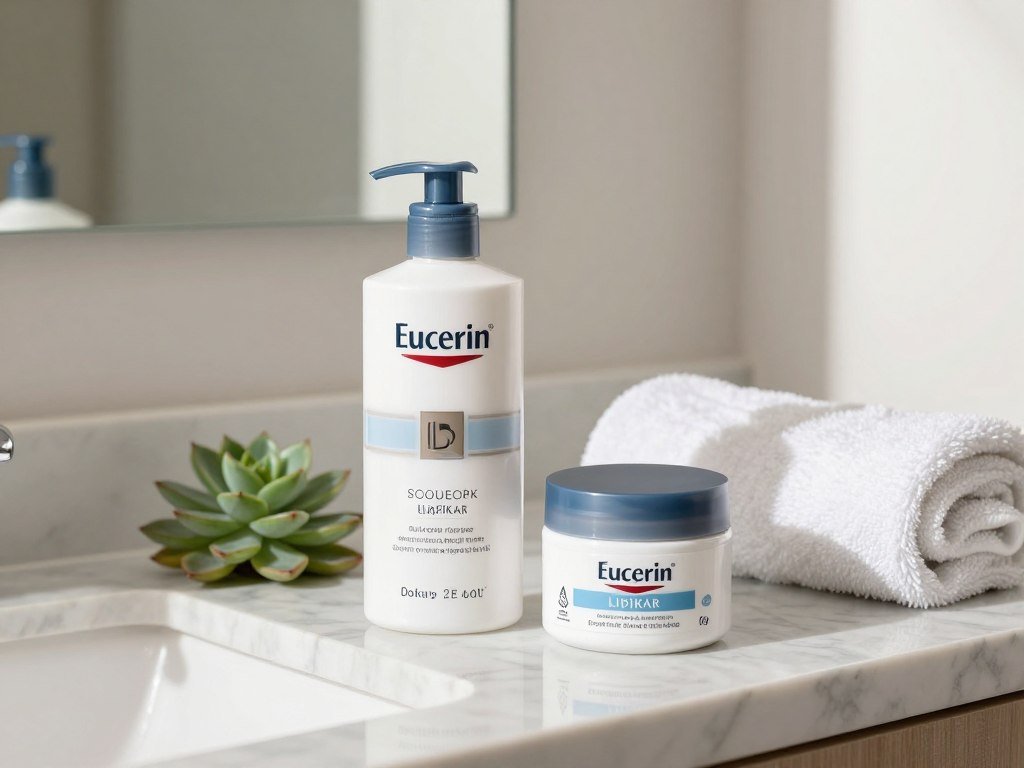
For persistent dryness, Eucerin Advanced Repair is the most directly supported pick among these options. Testers reported at least eight hours of moisturized skin, with results lasting up to 12 hours. That test result makes it the strongest test-backed choice for dry skin.
Eucerin Advanced Repair Body Lotion contains ceramide 3, alpha-hydroxy acid, and urea. Its 48-hour moisture-retention claim comes from the brand, while tester feedback reflects what people felt during the test. The best body lotion for dry skin depends on how much richness feels comfortable, not just on a long-duration claim.
| Product | Listed key ingredients | Distinction for dry skin |
|---|---|---|
| Eucerin Advanced Repair | Ceramide 3, alpha-hydroxy acid, urea | Strongest test-backed choice for persistent dryness |
| La Roche-Posay Lipikar Daily Repair Lotion | Thermal water, glycerin, shea butter, niacinamide | A lotion for shoppers who prefer a spreadable feel |
| La Roche-Posay Lipikar AP+Max Triple Repair Body Cream | Shea butter, glycerin, niacinamide | Richer-feeling cream for sensitive skin and rough patches |
Eucerin Advanced Repair for persistent dryness
Eucerin contains urea and alpha-hydroxy acid alongside ceramide 3. The formula offers a combination suited to shoppers whose skin feels dry soon after applying a lighter product. Its long moisture claim is not a promise that every person will feel comfortable for the same length of time.
For help matching texture to dry skin, the guide to skin care for dry skin also covers moisturizers and signs that may need medical advice. It can help you compare a light gel with a richer option.
La Roche-Posay Lipikar for a richer feel
Lipikar Daily Repair is a lotion, while Lipikar AP+Max is a body cream. The cream’s richer feel may work better on rough patches or areas that need more coverage. The lotion may suit you if you prefer a less dense texture across larger areas.
If a light lotion is not enough, consider a cream rather than applying repeated layers of a formula that feels too thin.
What Should Sensitive Skin Look For?
A fragrance-free formula with fewer potential irritants is a sensible first place to start when skin reacts easily. Simple formulas can make it easier to avoid ingredients you already know cause trouble. No formula can suit everyone with sensitive skin.
Look for a clear fragrance label and review the full ingredient list for personal triggers. The National Eczema Association Seal of Acceptance on Vanicream Moisturizing Cream gives shoppers another point to consider, but it does not guarantee a personal fit.
| Formula | Useful formula details | Fragrance or sensitivity detail |
|---|---|---|
| Lubriderm Advanced Therapy Lotion | Pro-ceramide, panthenol | Made without fragrance and dyes |
| Vanicream Moisturizing Cream | Avoids common irritants | National Eczema Association Seal of Acceptance |
| Illiyoon Ceramide Ato Lotion | Glycerin, soybean oil | Fragrance-free formula |
Fragrance-free, simple formulas
Lubriderm Advanced Therapy Lotion contains pro-ceramide and panthenol. The formula leaves out fragrance and dyes, which may help shoppers who already avoid those ingredients. A label cannot predict every skin reaction, so personal history matters.
Vanicream Moisturizing Cream costs $14 and is made to avoid common irritants. Its Seal of Acceptance offers a helpful screening point, while the richer cream format may feel different from a lotion.
Barrier-supporting alternatives
Illiyoon Ceramide Ato Lotion costs $30 and contains glycerin and soybean oil. It is fragrance-free, but botanical oils may still be a poor match for some individuals. Read the label rather than treating a sensitivity claim as a guarantee.
Try a new formula on a small area first, and stop using it if it causes irritation.
Which Lightweight Lotion Absorbs Fast?
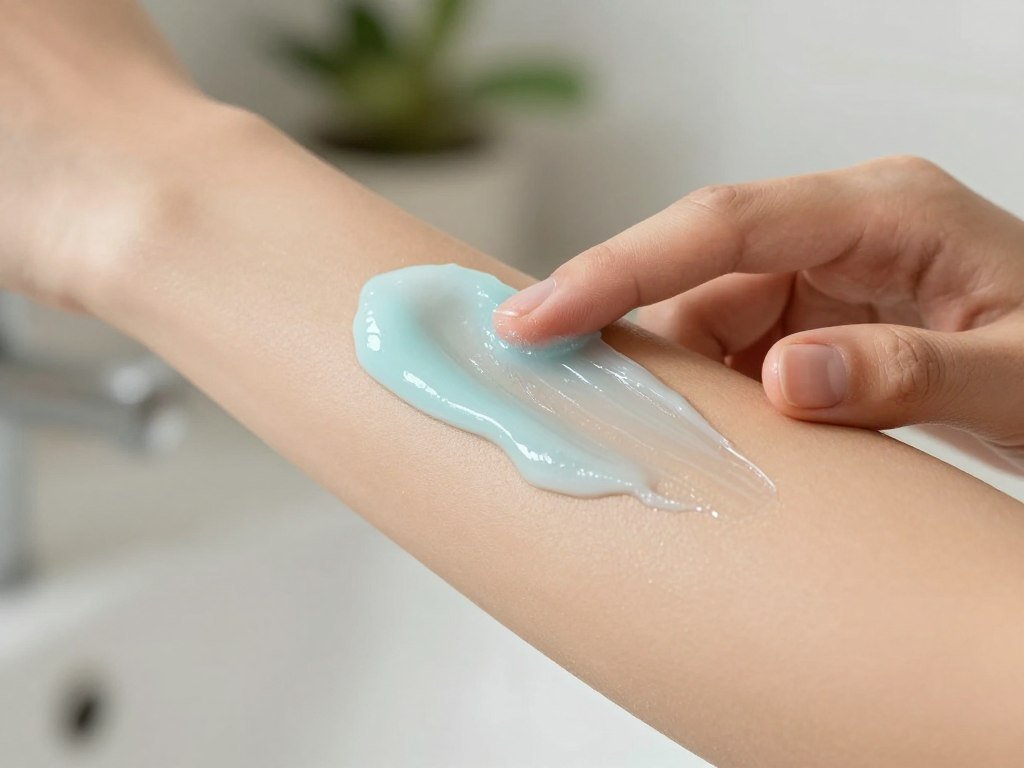
Neutrogena Hydro Boost Body Lotion Gel Cream is a practical pick for anyone who prefers a weightless finish. It contains glycerin and hyaluronic acid, and costs $10 at Amazon or Ulta. Its gel-cream texture may feel easier to wear in warm weather.
Light textures can also suit people who dislike a heavy or sticky finish. Very dry skin may need a richer formula instead, especially when a thin layer leaves skin feeling tight again. Fast absorption is a comfort feature, not proof of lasting relief.
To judge the texture, notice whether the product leaves residue or tackiness after you spread it. See how quickly you can put on clothes without feeling that fabric clings to your skin. Those small details often matter more in daily use than a product’s first swipe.
Neutrogena Hydro Boost Body Lotion Gel Cream may fit a warm-weather routine or a quick morning application. If a formula disappears quickly but your skin still feels dry, move to a richer texture rather than adding layers by habit. Comfort and moisture are related, but they are not the same measure.
Hydro Boost Body combines the feel of a gel with the spread of a cream. That can make it a useful middle choice for people who want less weight than a traditional moisturizing cream. Glycerin and hyaluronic acid are both common moisture-supporting ingredients.
Choose a light texture for comfort, but do not mistake fast absorption alone for lasting relief.
Which Body Lotion Smells Good?
EOS Shea Better pairs a light, fast-absorbing feel with a fragrance range that testers enjoyed. The formula contains shea butter and shea oil. Personal scent preference matters because a fragrance you enjoy can make daily use feel more pleasant.
Testers described EOS Shea Better as lightweight and non-greasy, but their moisture results ranged from less than four hours to more than 12 hours. The branded 24-hour claim should not be treated as a personal result. Moisture duration varied widely among testers.
The best body lotion that smells good is one whose scent you enjoy and whose performance suits your skin. A strong fragrance is not automatically a better choice. Consider whether the scent remains comfortable through the day, especially if you apply the formula often.
EOS Shea Better is a scented option for shoppers who like a fragranced body lotion. Testers liked its scents and quick-drying feel, yet the hydration results were not consistent. That makes it sensible to judge the scent and moisture separately.
Fragrance can be part of the appeal, but the product still needs to leave skin feeling comfortable. If the scent becomes distracting or causes discomfort, enjoyment at the first application is not enough reason to keep using it.
If fragrance triggers discomfort, switch to an unscented formula rather than trying to tolerate the scent.
What Helps Mature Skin Feel Smoother?
Mature skin often benefits from dependable hydration, with targeted ingredients added only for a specific concern. Hyaluronic acid can help hydrate, while retinol can support collagen production and cell turnover. Different ingredients do different jobs.
Peptides may support firmness and elasticity, but a moisturizer should not promise a dramatic change in skin texture. The American Academy of Dermatology advice on anti-aging products recommends choosing products for a clear concern and skin type. Moisturizer alone is not a guaranteed brightening treatment.
Hydration and barrier support
Hyaluronic acid is a moisture-focused choice when skin feels dry or less supple. Retinol and peptides target different concerns, so adding every active ingredient at once can complicate a routine. Start with the need you want to address.
The best body lotion for glowing skin may help skin look smoother when dryness makes it appear dull. Hydration can improve the look and feel of the surface, but it does not guarantee brighter skin. Sunscreen and a routine built for your skin type remain useful parts of skin care.
Exfoliating ingredients for rough texture
AmLactin Daily 12% Lactic Acid Moisturizing Body Lotion contains ammonium lactate, glycerin, and cetearyl alcohol. Lactic acid helps exfoliate rough skin, and AmLactin is recommended for keratosis pilaris. Its role differs from a simple hydrating formula.
Introduce lactic acid cautiously if your skin is easily irritated. Use it for rough patches rather than treating it as an all-purpose glow product. A new exfoliating lotion may feel different from your usual moisturizer.
Stop an exfoliating formula if it causes persistent irritation and ask a dermatologist about recurring rough or inflamed areas.
Which Natural Body Lotions Are Worth Considering?
Natural-leaning formulas can offer different textures and oils, but the label alone does not guarantee suitability for sensitive skin. Natural is not a safety rating, and no lotion is literally chemical-free. Compare the ingredients with your needs instead.
These three options offer different formula styles, from a lightweight lotion to a thicker body butter. Choose by texture, fragrance, and personal sensitivities rather than by the word natural alone.
- CV Skinlabs Body Repair Lotion is described as 99.4% natural and 58.5% organic. It includes turmeric, alpha-bisabolol, and reishi mushroom in its Tri-Rescue Skin Complex.
- Weleda Calendula Comforting Body Lotion contains sweet almond and sesame oils. It is a lightweight lotion formulated for babies.
- Andalou Natural Body Butter has an aloe vera base and a thicker, fast-absorbing feel. It may suit winter or drier seasons.
Natural lotions can still contain fragrance, botanical extracts, or oils that do not suit every person. The CV Skinlabs percentages are product descriptions, not a promise that the formula will work for all skin types. A baby-formulated product can also contain ingredients that an adult prefers to avoid.
For shoppers seeking the best body lotion without chemicals, the direct answer is that no lotion is chemical-free. Water and plant oils are chemicals too, so the phrase does not help you judge a formula. The full ingredient list gives more useful detail than a broad label.
Andalou Natural Body Butter may feel more comfortable during a dry season than a lighter lotion. Weleda is the more lightweight option, while CV Skinlabs lists a complex of botanical ingredients. Their different formats make them options for distinct preferences, not interchangeable choices.
Check the full ingredient list for known personal triggers, especially in products that use botanical oils or extracts.
Is Body Lotion Better Than Body Cream?
Lotion is often easier to spread over a large area, while cream and ointment provide progressively richer coverage. The right format depends on how dry the skin feels and the finish you want. Body lotion is not universally better than body cream.
Lotions generally contain more water than creams, so they tend to feel lighter and easier to absorb. Creams are thicker and richer. Ointments are the thickest and can form a protective barrier on skin.
When a lighter lotion makes sense
Body lotion is a convenient choice for everyday coverage across arms, legs, or the torso. A lighter texture may feel better when you want to get dressed soon after applying moisturizer. It can also be easier to spread over a large area.
The American Academy of Dermatology moisturizer guide explains how to match lotion, cream, or ointment to skin type and dryness. This can help you choose a format without relying on price or a product’s name.
When cream or ointment is the better fit
A body cream may suit dry or mature skin, or seasonal winter dryness, when a lighter feel does not provide enough comfort. An ointment can temporarily protect very dry, chafed, chapped, or cracked skin. Its thick texture may feel too heavy for broad daily use.
If a small area needs extra protection, ointment can offer a barrier where a lotion would feel too light. Cream can work across a wider area when you want richer coverage without the thickest finish. For related body-care ideas, see practical body care products for a simple routine.
Match the format to the area and severity of dryness instead of assuming one texture works everywhere.
Which Ingredients Support the Skin Barrier?
The most useful ingredient list is one whose components address the skin concern you actually have. Humectants attract and hold moisture, while emollients soften and smooth skin. Each group has a different job.
Occlusives such as petrolatum help prevent water from evaporating from skin. Ceramides are skin lipids that help maintain the skin barrier, and ceramide moisturizers can hydrate dry or irritated skin. A longer ingredient list does not prove better performance.
Moisture-attracting and softening ingredients
Hyaluronic acid and glycerin are humectants that help hold moisture. Emollients give skin a softer, smoother feel, which can make a moisturizing lotion more comfortable to spread. The full formula affects how those ingredients feel together.
Native Hand & Body Lotion contains glycerin, shea butter, and niacinamide. That mix pairs a humectant with a softening oil and another skin-care ingredient. A list of ingredients alone cannot show how the product will feel on your skin.
Barrier-supporting ingredients and richer oils
Summer Fridays Body Butter Balm Pink Guava contains shea, murumuru, and illipe butters, along with ceramides, squalane, hyaluronic acid, and vitamin C. Its ingredient mix combines moisture-attracting and softening components with barrier-supporting ingredients.
Shea butter appears in many moisturizing products, but it is only one part of a formula. Ceramides may support barrier function, while occlusives help slow water loss. Individual tolerance matters as much as the ingredient name.
Look for a useful combination of moisture-attracting, softening, or water-sealing ingredients rather than a single hero ingredient.
How Should You Apply Body Lotion?
Applying moisturizer soon after bathing is a simple way to help keep water from escaping the skin. Clean, slightly damp skin gives you a good moment to spread it. Timing can stay simple.
Long, hot showers can strip skin of moisture. Applying a product while your skin remains slightly damp can help limit water loss. You do not need a complicated routine to moisturize well.
- Finish bathing.
- Gently pat your skin with a towel so it remains slightly damp.
- Smooth moisturizer over your body.
- Pay extra attention to areas that become dry.
Patting instead of rubbing hard keeps some water on the skin. Spread the product over one area at a time, using enough to cover it comfortably. The goal is an even layer, not a thick coating that feels sticky.
This routine can fit after a shower or bath, whichever you already take. A moisturizer that spreads easily may help you cover your arms and legs without adding much time. If you prefer a richer texture, focus it on the areas that need more care.
Shorten very hot showers if dryness persists, then apply moisturizer while the skin is still slightly damp.
How Often Should You Moisturize?
Once or twice a day is a practical moisturizing routine, and twice daily is a common recommendation for maintaining hydration. A board-certified dermatologist recommends body moisturizing twice a day to help prevent dryness. Consistency is the useful goal.
Daily use once or twice a day can help support the skin barrier and retain moisture. Applying after a shower while skin is slightly damp can fit naturally into that routine. Choose a frequency you can keep up.
- Start with once daily if that is sustainable.
- Use twice daily when dryness returns or a clinician recommends it.
- Adjust based on comfort and the product’s directions.
Skin that feels comfortable may need less frequent care than skin that dries out again during the day. Your routine can also change with the weather or with how often you bathe. Follow the label if a product gives specific directions.
For an easy habit, keep the bottle where you usually get dressed or prepare for bed. That small choice can make regular care easier without adding more steps. If dryness continues despite regular use, ask a dermatologist whether an underlying condition or a different formula needs attention.
When Does Itchy Skin Need More Than Lotion?
Lotion may help ordinary dryness, but persistent itching or visible inflammation deserves more than another product trial. Watch for changes that last or spread. Moisturizer cannot diagnose eczema, an allergy, or another skin condition.
Use this quick check to decide whether the problem needs closer attention:
- Is the itching persistent or getting worse?
- Do you see a rash, cracks, or swelling?
- Did a routine change or new product come before the problem?
Dry skin can feel itchy, and a moisturizer may ease that discomfort. A rash, cracked skin, or swelling may point to a problem that needs more than a product change. The National Eczema Association offers guidance on eczema and skin irritation.
Note when symptoms started and whether they changed after a new product or routine. That detail can help you explain the problem during a medical visit. Avoid treating repeated irritation as a sign that you simply need a stronger lotion.
Seek a dermatologist’s advice when symptoms persist, spread, or interfere with sleep and daily comfort.
Are Premium Body Lotions Worth the Price?
A higher price is most defensible when the formula delivers a texture or ingredient combination you genuinely prefer. Personal fit can matter more than a luxury label. Premium does not automatically mean better hydration for every person.
Some shoppers value a particular scent, package, or blend of ingredients. Others may get the same comfort from a basic formula. These products illustrate different options rather than a ranking of performance.
| Product | Listed ingredients | Texture or format detail |
|---|---|---|
| Nécessaire The Body Lotion | Niacinamide, five peptides, marula oil | Fragrance-free and relatively thick |
| Kiehl’s Creme de Corps | Cocoa butter, sesame oil | Body moisturizer with rich oils |
| Josie Maran Bite-Sized Butters Mini Whipped Body Butter | Argan oil, avocado oil, shea butter | Small-format whipped body butter |
Fragrance-free, peptide-rich formulas
Nécessaire The Body Lotion combines niacinamide, five peptides, and marula oil. It is fragrance-free and relatively thick, which may appeal if you want those ingredients in a richer-feeling lotion. A preferred formula is a personal reason to spend more, not proof of better results.
Ingredient combinations can help you narrow choices, though a product’s feel comes from the full formula. A package that is easy to use may also matter if you apply moisturizer often. The best value is tied to what you will actually use.
Rich oils and small-format body butter
Kiehl’s Creme de Corps contains cocoa butter and sesame oil. Josie Maran Bite-Sized Butters Mini Whipped Body Butter uses argan oil, avocado oil, and shea butter in a small format. Those oils and formats may suit different texture preferences.
Try to separate useful features from branding. If you prefer a richer feel, a premium product may be enjoyable, while a basic lotion can still meet your needs. If a basic formula already keeps skin comfortable, spending more is a preference rather than a requirement.
How Do You Choose a Lotion for Your Skin Type?
Start with your skin’s main concern, then narrow the choices by feel, fragrance, and routine. A useful match should fit both your skin and your day. No single formula works for all skin types.
Use this checklist to compare options:
- Skin’s main concern: dryness, sensitivity, rough texture, or everyday comfort.
- Preferred texture: light and quick-spreading, or richer and more coating.
- Fragrance preference: scented, mild-smelling, or fragrance-free.
- Routine and budget: how often you will apply it and what you can spend.
The best body lotion for all skin types is not one formula, since sensitivity, dryness, and texture preferences differ. Men can choose a body lotion by skin needs and feel instead of assuming they need a gender-specific formula. A product’s label does not decide what will feel right on your skin.
Consumer Reports tested 12 body lotions in 2026 for hydration, ease of use, and fragrance when scented. Its nonprofit partner MadeSafe deemed the tested products environmentally friendly. Those criteria help you compare products, but they do not prove that one formula suits everyone.
Choose by your main concern first, then use texture, fragrance, and budget to narrow the field.
Pick the formula you can use comfortably and consistently, and reassess if your skin reacts or remains dry.
How Much Do These Body Lotions Cost?
The listed prices range from a single drugstore bottle to higher-priced specialty formulas. These 2026 listings pair prices with different sizes and pack options. Prices can change, so the bottle size matters when comparing value.
| Product | Listed size or pack | Listed price | Retailer |
|---|---|---|---|
| Nivea Shea Nourish | One bottle | $4.99 | CVS |
| Nivea Shea Nourish | Six-pack | $21.20 | Amazon |
| EOS Shea Better | Not listed | $9.97 or $10.99 | Amazon or EOS |
| Eucerin Advanced Repair | Not listed | $13.69 or $14.19 | Amazon or CVS |
| Aveeno Daily Moisturizing Body Lotion | 18 fl. oz. | $10 | Retailer not specified |
La Roche-Posay Lipikar Daily Repair Lotion was listed at $26.99 for 13.52 ounces. The price and size give you a useful comparison point for a lotion with a richer feel.
Native Hand & Body Lotion was listed at $15 for 16.5 ounces. Josie Maran Bite-Sized Butters Mini Whipped Body Butter was $16 for 2 ounces. Kiehl’s Creme de Corps was $45 for 16.9 ounces.
Summer Fridays Body Butter Balm Pink Guava was listed at $32 for 6.7 fluid ounces. Nécessaire The Body Lotion was $52 for 15.2 ounces. These are 2026 listings, not permanent prices.
Compare the listed size as well as the price, since a small-format product can cost more per ounce.
Check the current bottle size and retailer listing before making a purchase.
Conclusion
For a straightforward everyday pick, start with Nivea Shea Nourish; for persistent dryness, consider Eucerin Advanced Repair. Nivea led the 2026 test, while Eucerin has stronger test support for longer-lasting comfort on dry skin.
Your fragrance and texture preferences can change which one feels right. A formula that smells too strong or feels too heavy may not suit your daily routine, even if its ingredients look appealing.
Choose one formula that fits your skin and routine, then give it a consistent trial while paying attention to comfort.
FAQ
Who is the no. 1 moisturizer for dry skin?
What are the best natural lotions?
Is body lotion better than body cream?
Which type of body lotion is best?
What is the #1 dermatologist recommended lotion?
What is the highest rated body lotion?
Which body lotion is best for older skin?
What is the best body lotion in 2026?