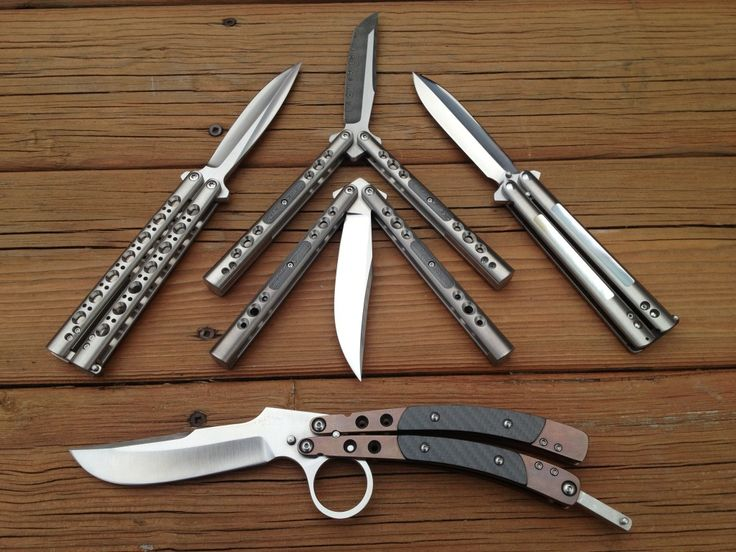
Few knife designs are as immediately recognizable as the butterfly knife.
With two handles that fold around a blade, the design has developed a distinctive place in knife history, collecting culture and popular entertainment. Its unusual construction makes it different from conventional folding knives, while its appearance has helped turn it into a recognizable cultural object far beyond its practical origins.
But there is more to the butterfly knife than its visual identity.
Its construction, terminology, craftsmanship, history and legal status all contribute to why the design continues to attract attention.
1. A Butterfly Knife Is Defined by Its Distinctive Handles
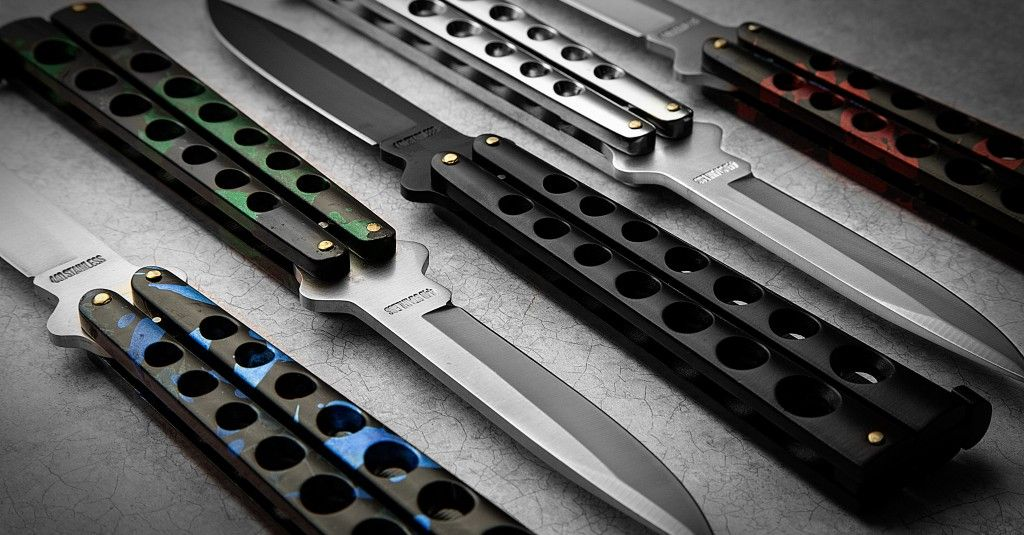
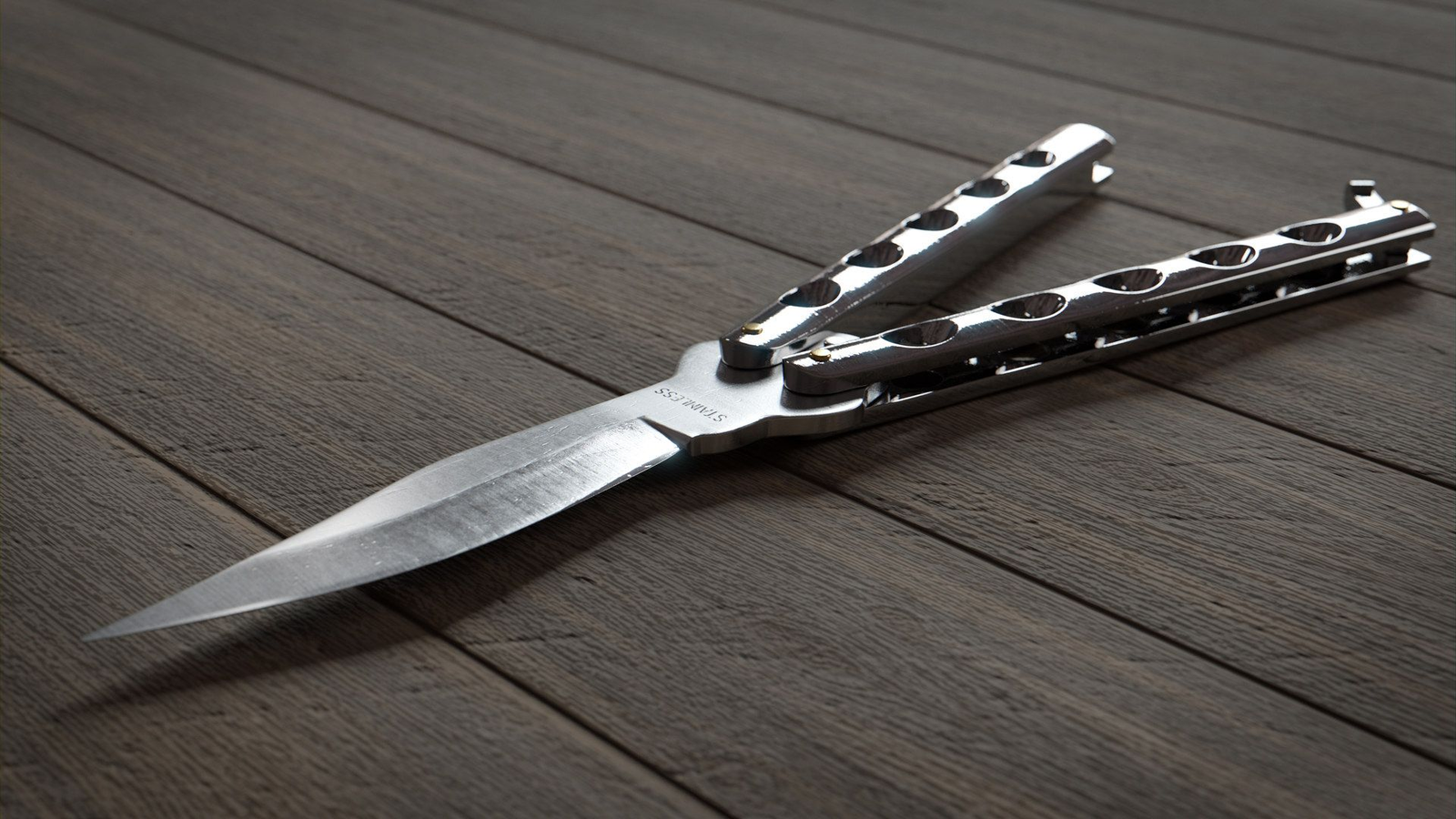
The defining feature is the pair of handles that rotate around the blade’s pivot points.
When closed, the handles sit around the blade and protect it. When opened, they move into position to form a conventional-looking knife handle.
This basic architecture distinguishes a butterfly knife from more familiar folding designs, which typically use a single handle that folds over the blade.
The name comes from the visual movement of the two handles, although the term is not necessarily the only name used for this style of knife.
2. The Design Has More Than One Name
“Butterfly knife” is the name most people recognize, particularly in popular culture.
Another widely used term is balisong, a word strongly associated with Filipino examples of the design.
Terminology can vary depending on the historical, geographic and collecting context.
That distinction is useful because not every discussion of butterfly knives is necessarily referring to exactly the same traditions, manufacturers or historical examples.
3. Filipino Craftsmanship Is Central to the Modern Story
The butterfly knife is particularly associated with the Philippines, where the balisong became an important part of local knife-making traditions.
The town of Taal in Batangas is especially associated with balisong production and craftsmanship.
Over time, Filipino makers developed recognizable approaches to construction, materials and finishing, helping establish the balisong as an important part of the country’s knife-making heritage.
Today, the Philippine connection remains an important part of the cultural identity surrounding the design.
4. Its Construction Is More Complex Than It Looks
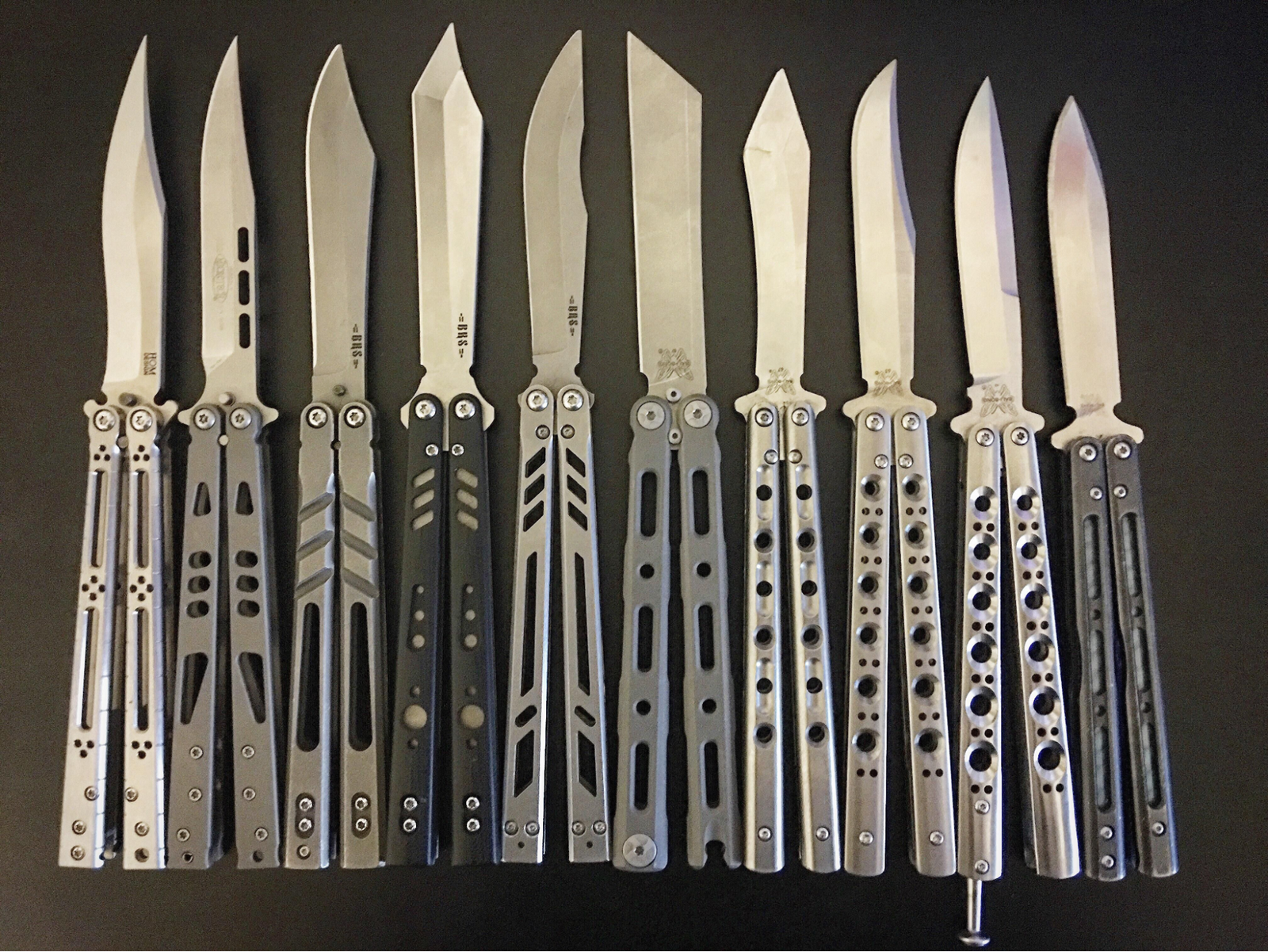
A butterfly knife may appear relatively simple when viewed from the outside, but its construction involves several moving components.
Depending on the design, these can include:
- Blade
- Two handles
- Pivot hardware
- Washers or bearings
- Spacers or liners
- Latch components
- Fasteners
The relationship between these parts affects how the knife feels and operates.
For collectors and enthusiasts interested in craftsmanship, details such as machining, handle construction, blade finishing and hardware quality can be more significant than appearance alone.
5. Materials Have Changed Over Time
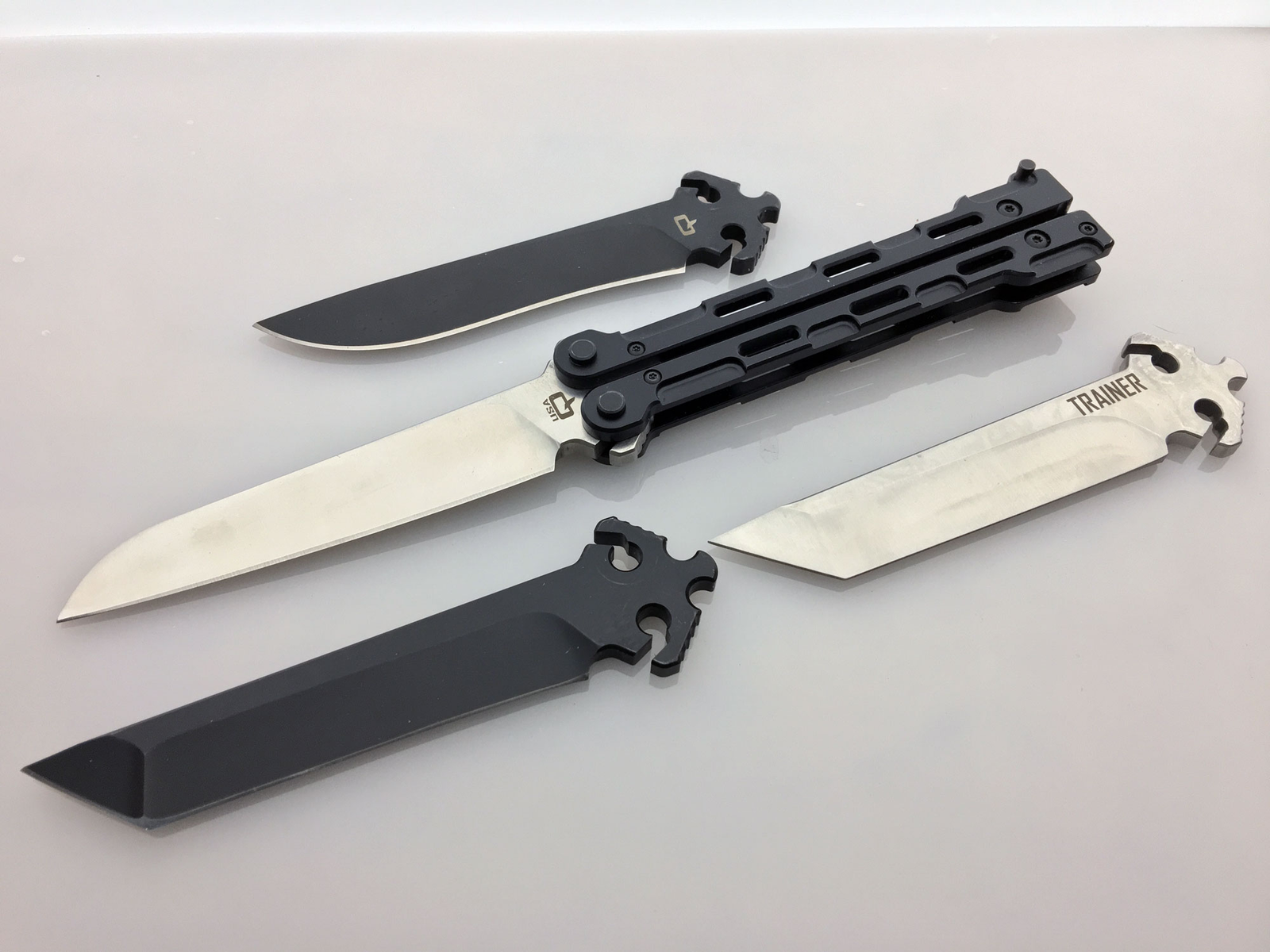
Traditional and modern butterfly knives can look dramatically different because manufacturers have experimented with a wide range of materials.
Handles may be made from metals such as stainless steel, aluminum or titanium, while some designs incorporate composites or other engineered materials.
Blade construction has evolved as well, with modern knife makers using a variety of stainless and specialty steels.
Material selection influences characteristics such as weight, durability, corrosion resistance and appearance.
That makes materials an important part of understanding the evolution of the design.
6. Craftsmanship Can Be Seen in the Small Details
Two knives can share the same basic architecture and still feel completely different in terms of construction quality.
Collectors often pay attention to details such as:
- Handle symmetry
- Blade finishing
- Hardware quality
- Surface machining
- Fit and finish
- Overall balance
- Consistency of construction
These details help explain why some examples are treated primarily as manufactured tools while others become objects of collecting and design appreciation.
The distinction is similar to many other areas of craftsmanship: the underlying concept may be simple, but execution can vary considerably.
7. Butterfly Knives Have Become Part of Popular Culture
The design has developed an unmistakable visual identity through movies, television, video games and other forms of entertainment.
Its unusual silhouette makes it easy to recognize on screen, while the moving handles have contributed to its dramatic image.
That representation does not always reflect the historical or practical reality of the object.
Popular culture frequently exaggerates distinctive characteristics because they make visually memorable storytelling.
As a result, the modern image of the butterfly knife is partly a product of knife history and partly a product of entertainment culture.
8. Collectors Often Focus on Design and Craftsmanship
For some enthusiasts, the attraction is less about practical use and more about the object itself.
Vintage examples, unusual materials, limited-production models and carefully finished pieces can attract collectors interested in manufacturing history and design.
The appeal can come from many different directions: the engineering of the mechanism, the craftsmanship of the handles, the history of a particular maker or simply the aesthetics of the finished object.
As with other collectible objects, provenance and condition can also matter.
9. Laws Can Vary Significantly by Location
One of the most important things to understand about butterfly knives is that their legal status is not universal.
Different countries, states and municipalities can regulate possession, carrying, sale or importation differently.
Some jurisdictions treat butterfly knives under specific knife laws, while others impose broader restrictions based on blade design or opening mechanism.
Because legislation can change and local rules can differ considerably, anyone considering ownership should check the current laws that apply specifically to their location rather than relying on information from another country or state.
10. The Butterfly Knife Is as Much a Design Object as a Knife
Perhaps the most interesting aspect of the butterfly knife is how far its identity has moved beyond its basic function.
It represents several overlapping worlds: traditional craftsmanship, mechanical design, collecting, Filipino cultural heritage, popular entertainment and modern knife culture.
That combination explains its enduring visibility.
The design is instantly recognizable, mechanically distinctive and historically layered. For some people, its appeal lies in craftsmanship; for others, it is the history or cultural significance that makes it interesting.
Understanding those different dimensions gives a more complete picture than its pop-culture reputation alone.
A Design With an Unusually Long Cultural Shadow
The butterfly knife is an interesting example of how an everyday object can acquire a cultural identity of its own.
Its two-handle construction made it mechanically distinctive. Filipino craftsmanship gave the balisong an important historical association. Collectors elevated certain examples into objects of design and craftsmanship, while popular culture gave the silhouette a global visual language.
That combination is what makes the butterfly knife worth studying.
Not simply as a knife, but as a small piece of industrial design, cultural history and modern collecting culture.
Frequently Asked Questions
Why is it called a butterfly knife?
The name is commonly associated with the movement and appearance of its two folding handles, which open around the blade in a way that can resemble wings.
What is a balisong?
Balisong is a term strongly associated with butterfly knives from the Philippines and with the country’s distinctive knife-making tradition.
Where are butterfly knives historically associated with?
The modern butterfly knife is particularly associated with the Philippines, especially the Batangas town of Taal and its long-standing balisong-making tradition.
Are butterfly knives legal?
Their legality depends on the jurisdiction. Rules can cover possession, carrying, sale or importation, so local laws should always be checked before acquiring one.
Why do collectors value butterfly knives?
Collectors may be interested in craftsmanship, materials, historical significance, unusual designs, maker reputation, condition or cultural provenance.
What makes a butterfly knife different from a regular folding knife?
Its defining characteristic is its two-part handle system, with the handles rotating around the blade rather than a single conventional handle folding over it.