There is something unusually satisfying about a Japanese sweet potato.
Its rough, understated exterior gives little away. Cut one open after roasting, however, and the character changes completely: the flesh becomes dense, creamy and naturally sweet, with a flavor that can feel closer to a dessert than a conventional side dish.
Known widely as Japanese sweet potato, this group of varieties has become increasingly familiar outside Japan, appearing in restaurants, specialty markets, home kitchens and modern desserts.
But its appeal isn’t simply that it is sweet.
It is the texture, the aroma, the way heat transforms it and the long-standing place of roasted sweet potatoes in Japanese food culture that makes the ingredient particularly interesting.
What Is a Japanese Sweet Potato?
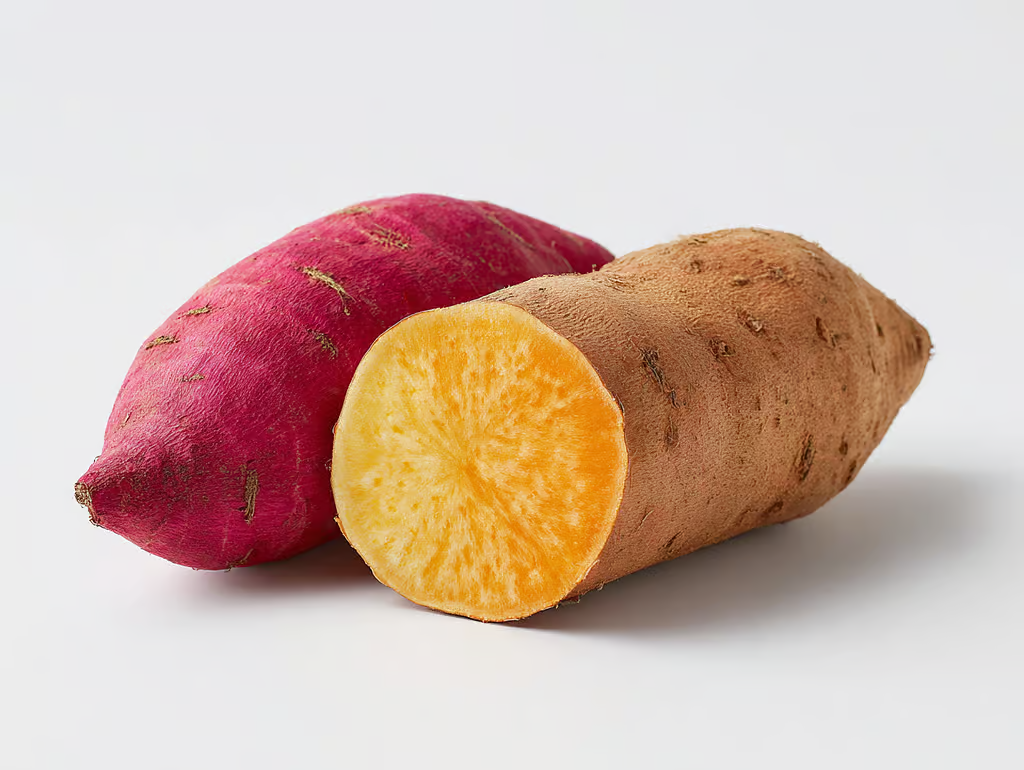
Japanese sweet potato generally refers to sweet potato varieties associated with Japan, particularly those with pale yellow to creamy flesh and reddish-purple or purple skin.
One of the varieties most commonly encountered is Satsuma Imo, a name associated with sweet potatoes from the Satsuma region of southern Japan.
Compared with the orange-fleshed sweet potatoes familiar in many Western kitchens, Japanese varieties are typically denser and starchier when cooked.
Roasting changes that character dramatically.
The starches gradually transform as the potato heats, producing a softer interior and a noticeably sweeter flavor.
What Does Japanese Sweet Potato Taste Like?
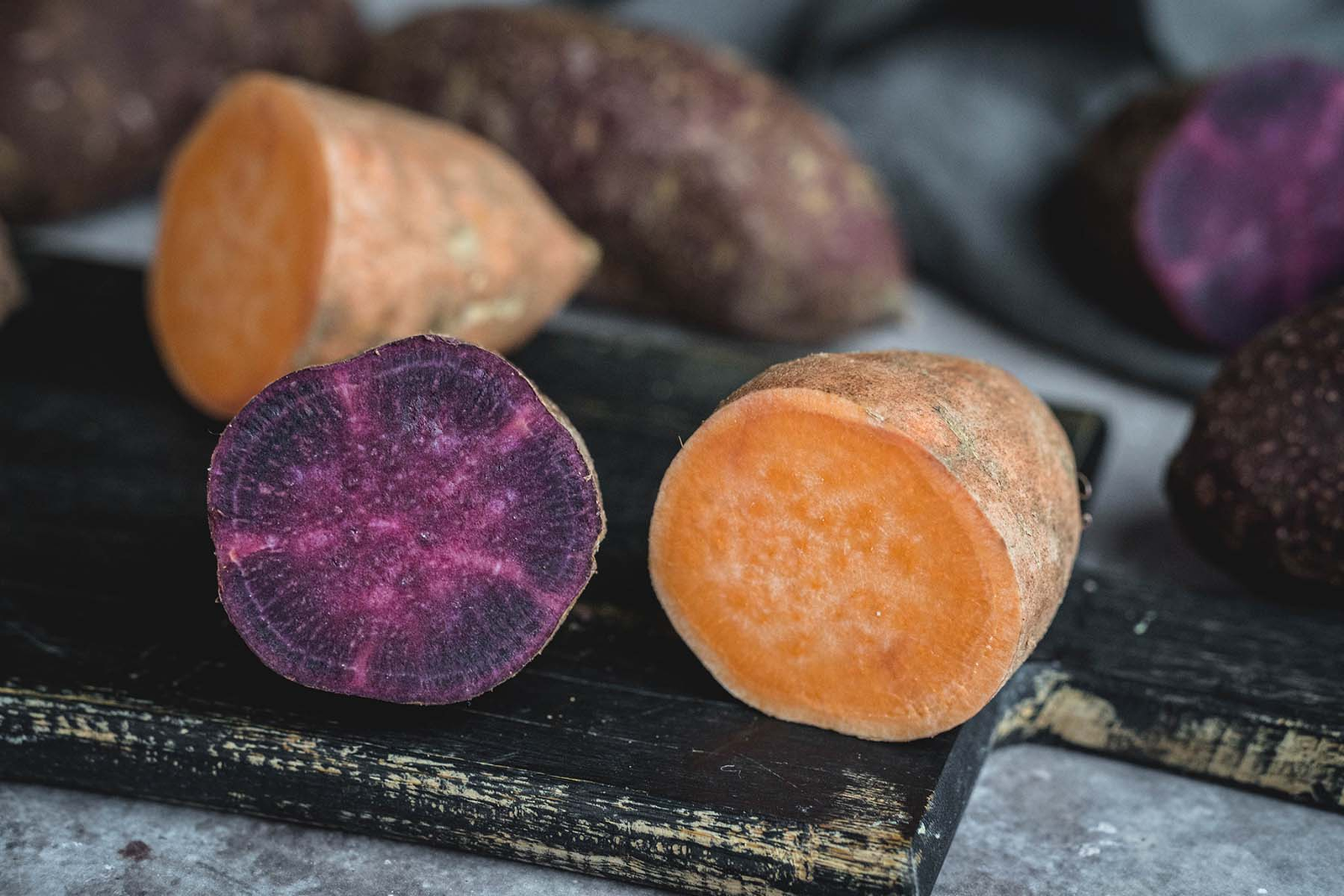
The easiest way to describe it is nutty, creamy and naturally sweet.
A roasted Japanese sweet potato can have notes reminiscent of chestnut or caramel, particularly when cooked slowly enough for the interior to soften thoroughly.
The texture is also distinctive.
Rather than being particularly watery or loose, the flesh tends to be dense and almost creamy. Freshly roasted, it can be eaten with little more than a spoon.
That combination of sweetness and texture is one reason the ingredient works equally well as a simple snack and as part of more elaborate dishes.
Why Does It Become So Sweet When Roasted?
Heat changes the chemistry of the sweet potato.
As it cooks, enzymes inside the potato can help convert starches into simpler sugars. Slow cooking gives this process more opportunity to develop, contributing to the characteristic sweetness of a roasted Japanese sweet potato.
This is one reason roasting at a moderate temperature can produce a noticeably different result from quickly cooking the potato at very high heat.
It is nutritious enough to appear in everyday meals, naturally sweet enough to work in desserts and distinctive enough to attract food enthusiasts interested in Japanese food culture.
The goal isn’t simply to cook it.
It is to give the interior enough time to develop its flavor and texture.
Japanese Sweet Potato vs. Orange Sweet Potato
The two are related, but they don’t necessarily offer the same eating experience.
| Characteristic | Japanese Sweet Potato | Orange Sweet Potato |
| Skin | Often reddish-purple | Usually copper or brown |
| Flesh | Pale yellow to creamy | Orange |
| Texture | Dense and relatively dry | Softer and more moist |
| Flavor | Nutty and naturally sweet | Sweet and earthy |
| Roasted texture | Creamy, dense and rich | Softer and more yielding |
| Common use | Roasting, snacks, desserts and side dishes | Baking, mashing, roasting and soups |
Neither is inherently better.
They simply bring different qualities to the table.
Satsuma Imo and Other Japanese Varieties
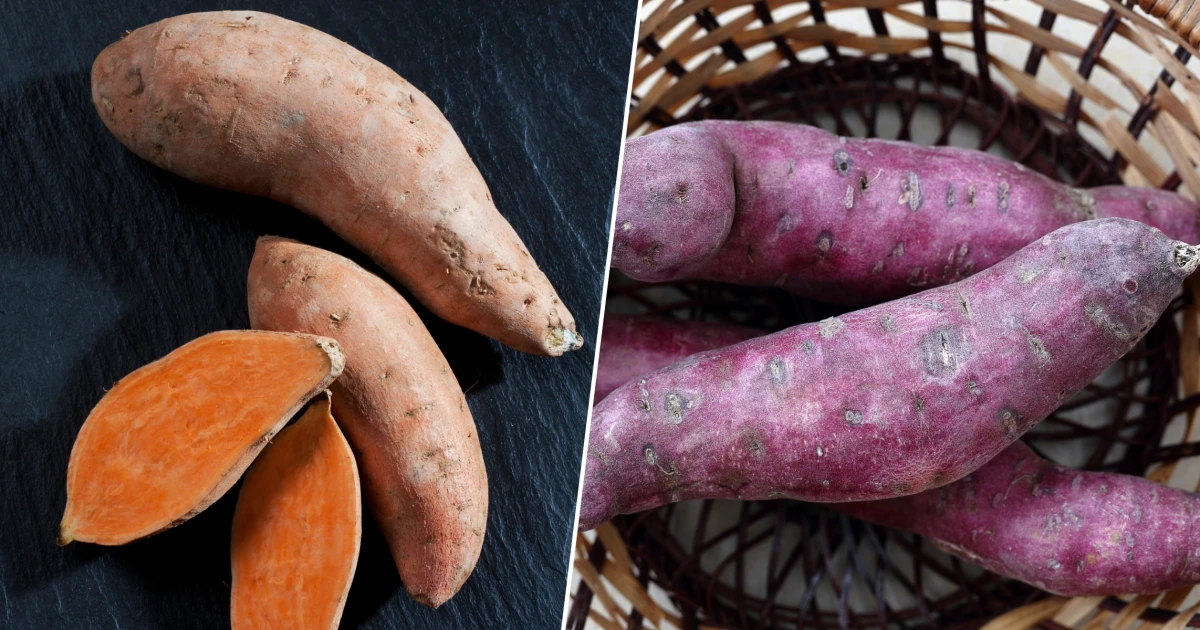
Japanese sweet potatoes are not one single variety.
Satsuma Imo is perhaps the most recognizable name internationally, but Japan has developed numerous varieties with differences in sweetness, texture and appearance.
Some are particularly suited to roasting, while others are valued for their texture or use in processed foods and desserts.
The distinction matters because two potatoes labeled broadly as Japanese sweet potatoes can produce noticeably different results in the kitchen.
How Japanese Sweet Potatoes Are Traditionally Enjoyed
One of the simplest preparations remains one of the most appealing: yaki imo, or roasted sweet potato.
Traditionally associated with street vendors and seasonal eating, yaki imo is essentially sweet potato cooked slowly until the interior becomes tender and sweet.
There is something particularly elegant about the simplicity.
No complicated sauce is required.
No elaborate presentation is necessary.
The potato itself does the work.
Today, Japanese sweet potatoes are also used in desserts, pastries, snacks and contemporary dishes.
If you’d rather taste one before cooking your own, food places near you are a good place to start looking for roasted sweet potato and other Japanese-inspired dishes.
How to Roast Japanese Sweet Potatoes at Home
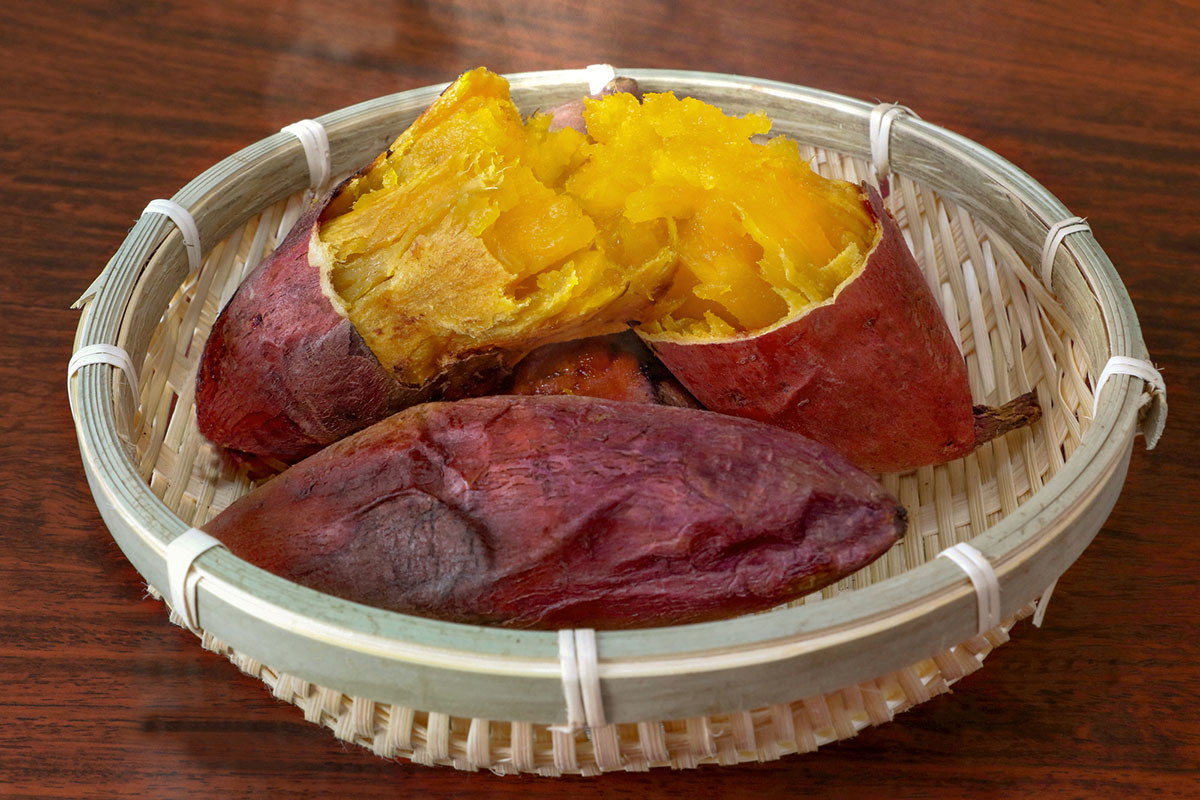
Roasting is arguably the easiest way to appreciate their natural character.
1. Choose firm potatoes
Look for sweet potatoes that feel firm and heavy for their size, without obvious soft spots or significant damage.
2. Wash the skin
Rinse and gently scrub away visible dirt. The skin can be left intact during roasting.
3. Roast slowly
Place the sweet potatoes on a baking tray and cook them in a moderate oven until the center is completely tender.
The exact cooking time depends on their size and your oven.
4. Test the center
A thin knife or skewer should pass easily through the thickest part.
5. Let them rest briefly
Allowing the potato to cool for a few minutes makes it easier to handle and gives the interior time to settle.
For a first taste, try it plain.
That is where the ingredient makes the strongest impression.
Can You Eat the Skin?
Yes, the skin of a properly washed sweet potato is generally edible.
Whether you enjoy it is largely a matter of texture and preference.
Roasting can make the exterior pleasantly firm while the interior becomes soft and creamy.
Japanese Sweet Potato in Desserts
At PraviCeler, the natural sweetness of these potatoes makes them particularly versatile in desserts.
They can be incorporated into:
- Sweet potato cakes
- Custards
- Ice cream
- Pastries
- Purées
- Puddings
- Japanese-style confectionery
The ingredient is particularly interesting because it can provide sweetness and body without requiring the flavor to be dominated by refined sugar.
Japanese Sweet Potato Nutrition
Japanese sweet potatoes provide carbohydrates, fiber and a range of vitamins and minerals.
Their exact nutritional profile varies according to variety, size and preparation.
Roasting also changes the weight and concentration of nutrients because water is lost during cooking.
For that reason, nutrition information should be considered alongside the specific variety and serving size rather than treated as a universal number for every Japanese sweet potato.
How to Choose Japanese Sweet Potatoes
When shopping, look for potatoes that are:
- Firm to the touch
- Relatively heavy for their size
- Free from large soft spots
- Free from significant mold
- Evenly shaped when possible
Small imperfections in the skin aren’t necessarily a problem.
What matters more is the condition of the potato underneath.
How Should Japanese Sweet Potatoes Be Stored?
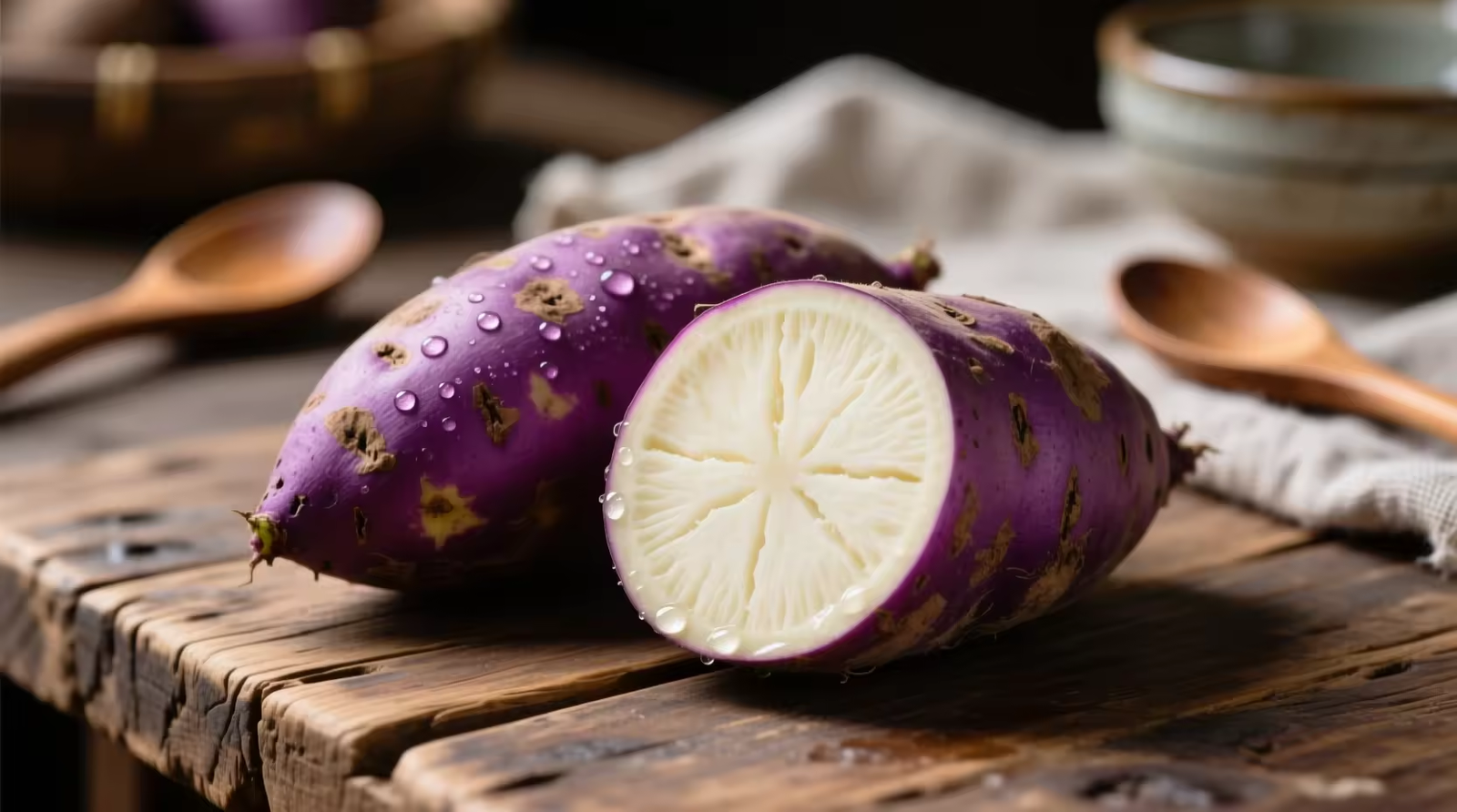
Keep uncooked sweet potatoes in a cool, dry and well-ventilated place rather than storing them like refrigerated vegetables.
Avoid excessive moisture and prolonged exposure to very cold temperatures.
Once cooked, they can be refrigerated and consumed within an appropriate food-safety timeframe.
Why Japanese Sweet Potatoes Have Become So Popular
Part of the fascination is that the ingredient sits comfortably between several worlds.
It is nutritious enough to appear in everyday meals, naturally sweet enough to work in desserts and distinctive enough to attract food enthusiasts interested in Japanese ingredients.
It also fits neatly into the modern interest in foods that require relatively little intervention.
A good Japanese sweet potato doesn’t need much.
Heat it properly and its flavor develops on its own.
Frequently Asked Questions
Is Japanese sweet potato actually sweet?
Yes. Japanese sweet potato varieties are known for their naturally sweet flavor, particularly after roasting.
Is Japanese sweet potato healthier than regular sweet potato?
There isn’t a simple universal answer. Different varieties have different nutritional profiles, and preparation affects the final nutritional composition.
What is the difference between Japanese sweet potato and Satsuma Imo?
Satsuma Imo is a specific Japanese sweet potato type, while “Japanese sweet potato” can be used more broadly for several varieties associated with Japan.
What is the best way to cook Japanese sweet potato?
Slow roasting is one of the simplest ways to experience its natural sweetness and dense, creamy texture.
Can you eat Japanese sweet potato raw?
Although sweet potato can technically be eaten raw, cooking significantly improves its texture, flavor and digestibility. Roasting is particularly well suited to Japanese varieties.
Why are Japanese sweet potatoes so popular in Japan?
Their sweetness, texture and versatility have made them a familiar seasonal food, particularly in roasted preparations such as yaki imo.
Can Japanese sweet potato be used in desserts?
Yes. Its natural sweetness and dense texture make it suitable for cakes, pastries, purées, ice cream and other desserts.
The Beauty of an Ingredient That Doesn’t Need Much
Some foods reveal their character through complexity.
Japanese sweet potato does almost the opposite.
Give it time, gentle heat and little else, and it becomes something remarkably rich: sweet without being confectionery, creamy without being heavy and comforting without needing elaborate preparation.
That simplicity is perhaps its greatest luxury.
In a food culture increasingly fascinated by unusual ingredients and elaborate techniques, the Japanese sweet potato offers a quieter pleasure an ingredient that becomes extraordinary simply by being cooked well.