Key Takeaways
- Completely natural skeleton structure
- Inward curves below hip bones
- Workouts build surrounding muscles
- Styling highlights high-waisted fits
- Zero medical need to change
Have you ever looked in the mirror and noticed small inward curves on the sides of your hips? If so, you are definitely not alone! These high-waisted inward indentations are known as hip dips, and they are a completely normal part of human anatomy that millions of people have.
Many people wonder if they can simply erase these curves, but the short answer is no. Hip dips are formed by your skeleton, specifically the distance between your pelvis and your femur. While a targeted hip dips workout can build the surrounding muscles, your underlying bone structure stays the same regardless of your fitness level.
At PraviCeler, we believe that understanding your body shape is the first step toward feeling confident every single day. Whether you want to dress to flatter your frame or build functional lower-body strength, learning about your hip dip body shape gives you total control over your personal style and wardrobe choices.
AI Overview
Hip dips are natural inward indentations located just below the hip bones. Caused by bone structure and pelvic alignment, they are a normal feature of many body types. While targeted hip dips exercises can build side muscles, styling choices offer the easiest way to complement your shape. Understanding this structure helps you choose clothes that build daily confidence.
What Are Hip Dips and Why Do You Have Them?
Ever wonder why your hips do not form a smooth, round line from your waist down to your thighs? The answer lies right under your skin in the way your bones are put together.
Hip dips sometimes called violin hips are simple depressions where your skin hitches to the trochanter of your thigh bone. They sit right between your upper hip bone and the top of your leg.
| Structural Factor | How It Affects Your Hips |
| Pelvis Width | A wider high hip creates a more visible inward gap. |
| Vertical Distance | Larger spacing between pelvis and hip socket deepens the dip. |
| Fat Distribution | How your body naturally stores fat changes overall surface appearance. |
| Muscle Mass | Larger gluteus medius muscles fill in the upper area. |
It helps to realize this is about bones, not your weight or how hard you work out in the gym. Based on available data, almost everyone has some level of inward curve on their side profile.
Whether your dips are barely noticeable or very pronounced simply comes down to your personal genetics and skeletal design. Accepting this natural shape makes it much easier to feel great in your clothes.
The Anatomy Behind the Hip Dip Body Shape
To really get what is happening with your body, let us look at how your upper leg meets your pelvic bone. The top of your pelvis sits higher up near your waist, while the greater trochanter of your thigh bone sits a bit lower down on your leg.
The space in between these two bone structures is where your skin and muscle naturally curve inward. When you look at a classic hip dip body shape, you are just seeing this anatomical gap showing through your skin.
People with wider pelvic bones usually have more noticeable indentations because the distance between the bones is greater. In most cases, having a higher hip socket makes the curve dip inward more sharply than a low hip socket would.
It is an estimated reality that millions of active athletes, dancers, and models have these exact same high-waisted lines. It has nothing to do with body fat percentages or low muscle tone; it is simply human architecture at work.
Can You Get Rid of Hip Dips with Exercise?
This is easily the most common question people ask when they start researching their body shape online. The simple truth is that you cannot change your underlying skeleton without surgery.
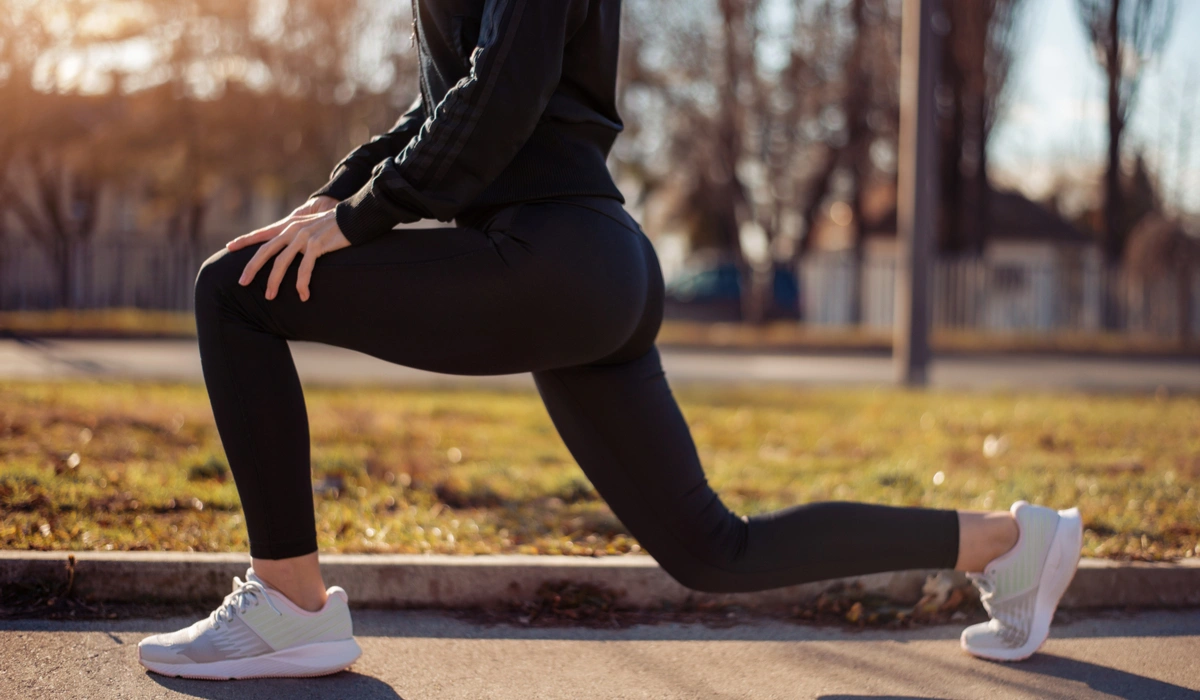
However, doing a focused hip dips workout can strengthen the gluteus medius, gluteus minimus, and tensor fasciae latae muscles that surround your pelvis. Building these lower-body muscles adds muscle volume around the upper hips, which generally smooths out the overall area over time.
| Aspect | Structural Bones | Muscle Development |
| Changeability | Cannot be changed naturally | Can grow with resistance training |
| Impact on Shape | Defines the depth of the dip | Fills out surrounding area |
| Best Exercises | None | Side leg raises, clamshells, squats |
| Primary Goal | Provides body framework | Builds strength and stability |
Consistent lower body training improves your balance, hip stability, and overall athletic strength for daily activities. Even if the inward curve remains visible, training those lateral leg muscles creates a strong, functional, and powerful lower body.
At PraviCeler, we encourage focusing on what your body can do rather than stressing over immovable bones. Building muscle around your hips gives you a firm foundation while improving your posture and movement.
Effective Hip Dips Exercises for Strength
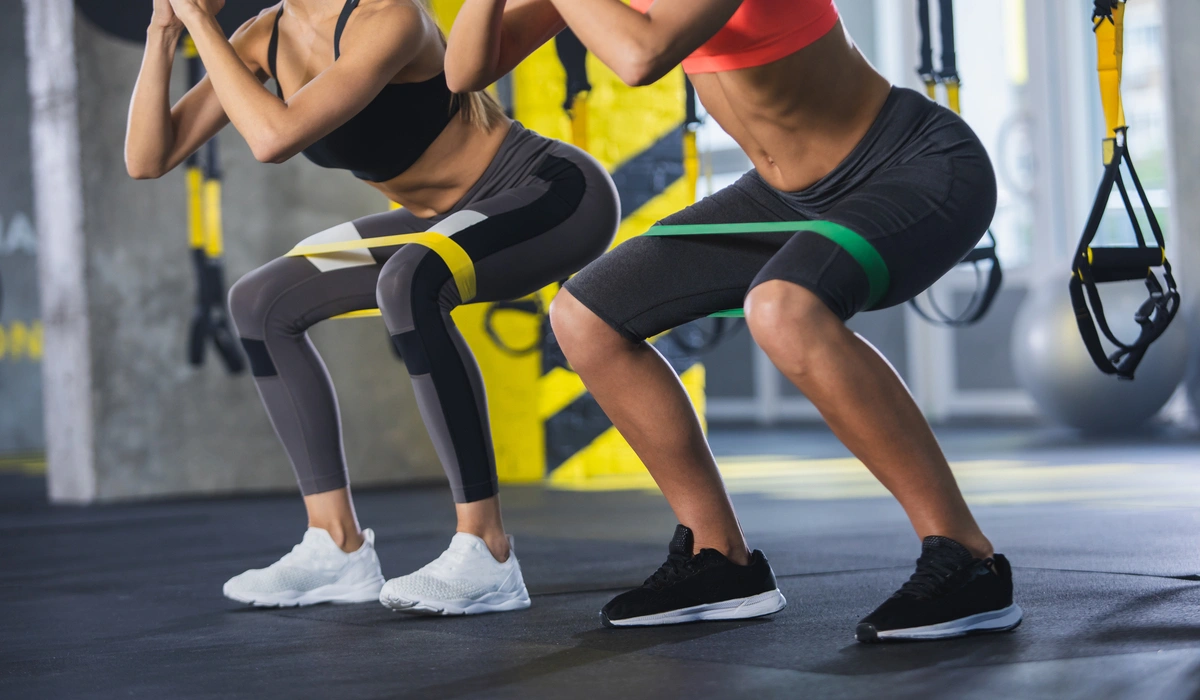
If you want to train your lower body, focusing on the gluteus medius is your absolute best bet for results. This muscle sits on the outer side of your hips and helps stabilize your pelvis whenever you walk, run, or balance on one leg.
- Side-Lying Leg Lifts: Lie on your side and raise your top leg toward the ceiling while keeping your core tight and toes pointed forward.
- Clamshells: Keep your feet together, bend your knees at a 90-degree angle, and open your top knee like a shell to engage side glutes.
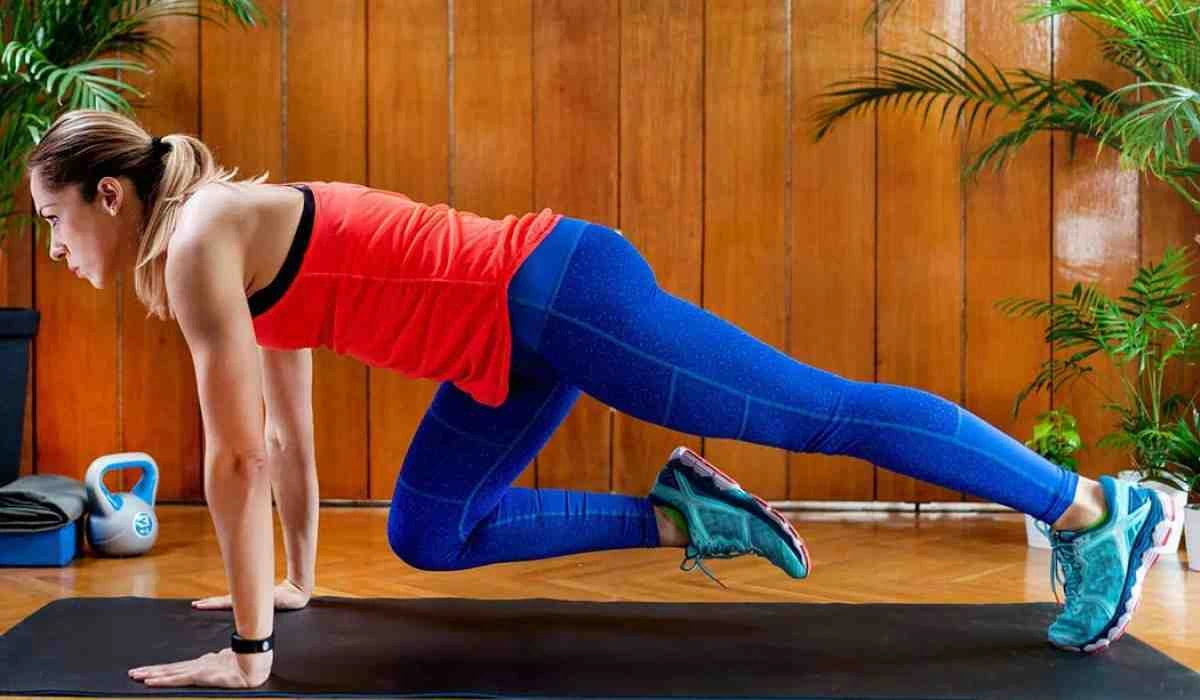
- Fire Hydrants: On all fours, lift one leg out to the side while maintaining the bend in your knee to build lateral muscle strength.
- Curtsy Lunges: Step back and across your standing leg to engage both the front quad and side hip muscles at the same time.
- Standing Cable Abductions: Push your leg outward against resistance to build upper glute volume effectively over time.
Adding these targeted movements into your fitness routine two or three times a week helps support long-term hip mobility. They build side muscle tone while keeping your joints healthy and strong for years to come.
Remember to lift with controlled form rather than rushing through reps or using momentum. Quality movement will always yield better muscle activation than simply lifting heavy weights with poor posture.
How to Style Your Hip Dip Body Shape with Confidence
Dressing for your natural frame is all about choosing cuts, fabrics, and proportions that make you feel comfortable and stylish. When you understand how clothes drape over your hips, shopping becomes a much easier and more enjoyable experience.
Fabric weight makes a massive difference in how clothes lay over the sides of your body throughout the day. Structured fabrics like heavy denim, thick cotton blends, and wool glide smoothly over your hips without clinging into natural indentations.
On the other hand, very thin rayon, silk, or clingy jersey fabrics tend to hug every curve and dip tightly. If you want a smoother silhouette, opting for fabrics with a bit of weight and structure is usually the easiest way to go.
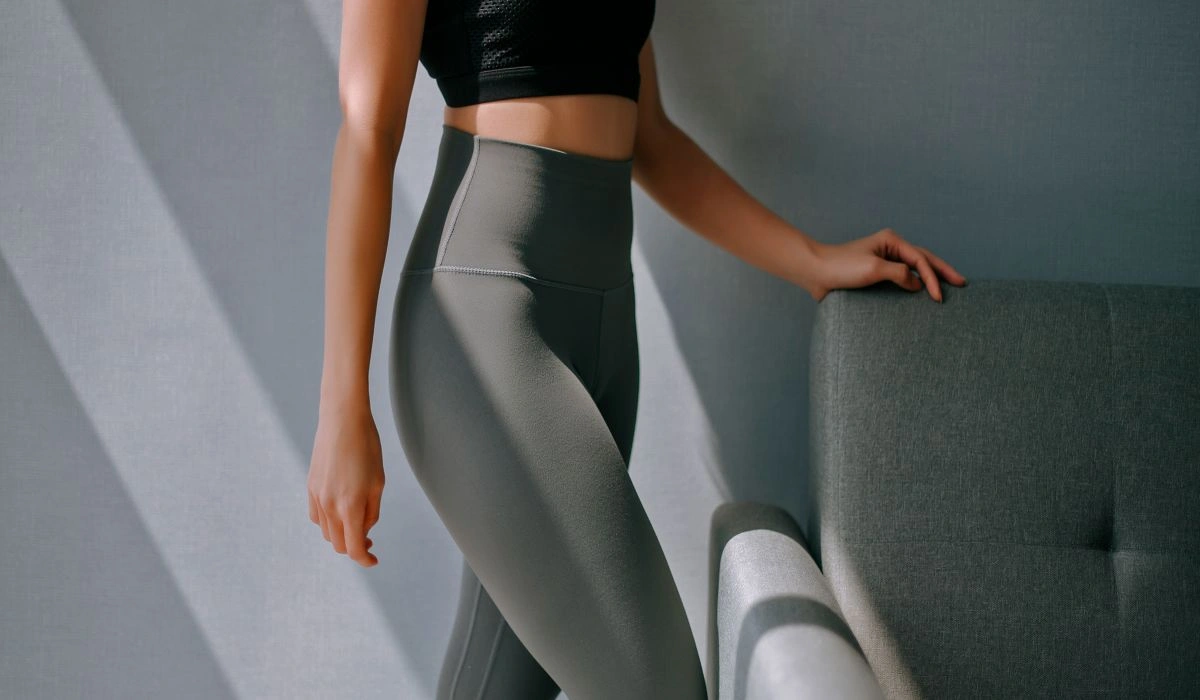
High-waisted bottoms are fantastic because they sit right at the narrowest part of your waistline. This allows pants, shorts, and skirts to flow naturally outward over your hips rather than cutting across the dip.
An A-line skirt or a flared dress creates a classic hourglass silhouette that bypasses side indentations completely. Meanwhile, layering pieces like oversized blazers, long cardigans, and structured jackets add polish to any casual daily outfit.
At PraviCeler, we always suggest experimenting with different proportions until you find the combinations that make you feel best. Fashion should be fun, comfortable, and tailored to your personal preferences.
Top Wardrobe Choices for Flattering Your Natural Frame
Selecting the right clothing items makes everyday styling effortless, whether you are dressing for work, workouts, or weekend outings.
- A-Line Skirts: These sit comfortably at the waist and gently flare outward, completely skimming over side hip gaps with ease.
- High-Waisted Wide-Leg Jeans: Hold your waist firmly while dropping straight down from the hip to create a long, sleek silhouette.
- Peplum Tops: Flare out right at the waistline, adding volume exactly where your natural inward side curves begin.
- Structured Blazers: Add crisp horizontal lines across your upper body that balance out lower body proportions instantly.
- Fit-and-Flare Dresses: Cinch at the narrowest point of your waist and flow comfortably over your hips for an easy, classic look.
Focusing on how clothes feel on your body is way more important than forcing yourself into uncomfortable trends. When your clothes fit well and support your natural shape, your confidence shines through automatically.
Building a capsule wardrobe with these key pieces ensures you always have something great to wear. Mix and match structured tops with flowing bottoms to create balanced, flattering looks effortlessly.
Common Myths About Hips and Body Shape
There is so much confusing and inaccurate information circulating online about lower body shapes and fitness. Let us clear up a few popular myths so you can approach your body with clarity and confidence.
Myth 1: Hip dips are a sign of being out of shape or unhealthy.
This is totally false. Highly fit athletes, fitness competitors, and active people have them because it comes down to bone structure rather than fat levels.
Myth 2: You can erase dips entirely in one week with a special workout.
No workout routine or diet can move your bones or eliminate a natural skeletal gap in a matter of days.
Myth 3: Having side curves means you need to gain or lose weight.
Your hip structure has zero connection to your health status or weight. Changing your body fat percentage may alter soft tissue, but the underlying bone gap remains.
Embracing Your Natural Body Architecture

It is easy to get caught up in social media images, but remember that lighting, angles, and posing change everything online. What looks like a perfectly round hip in a photo is often just a clever stance or digital editing.
Posing tricks like stepping one leg forward, twisting at the waist, or wearing extra-thick shapewear create smooth lines that rarely exist in motion. Real bodies move, flex, and have natural skeletal gaps that are completely healthy.
Your frame carries you through daily workouts, long walks, workdays, and fun times with friends. Learning to appreciate what your body does every day is far more rewarding than stressing over a completely normal anatomical feature.
By using practical styling tips from PraviCeler and keeping up with balanced fitness routines, you can highlight your favorite features. Embrace your unique architecture and wear what makes you feel fantastic every time you leave the house.
Conclusion
Understanding your natural frame takes the stress out of daily dressing and planning your workouts. These inward curves are simply a reflection of your unique skeleton, pelvic width, and natural fat distribution.
While targeted hip dips exercises build side glute strength and stability, your underlying bone structure is set for life. Embracing your natural curves, choosing structured outfits, and building functional lower-body strength allows you to step out with total confidence every single day.
Frequently Asked Questions
Are hip dips natural?
Yes, they are a completely normal skeletal feature caused by your pelvic bone structure.
Can a hip dips workout completely eliminate side curves?
No, workouts build muscle but cannot alter your underlying pelvis and femur bones.
What causes a hip dip body shape?
It is caused by the vertical distance between your pelvic bone and thigh socket.
Which clothes best flatter side hip indentations?
High-waisted bottoms, A-line skirts, and structured fabrics gently skim over side curves.