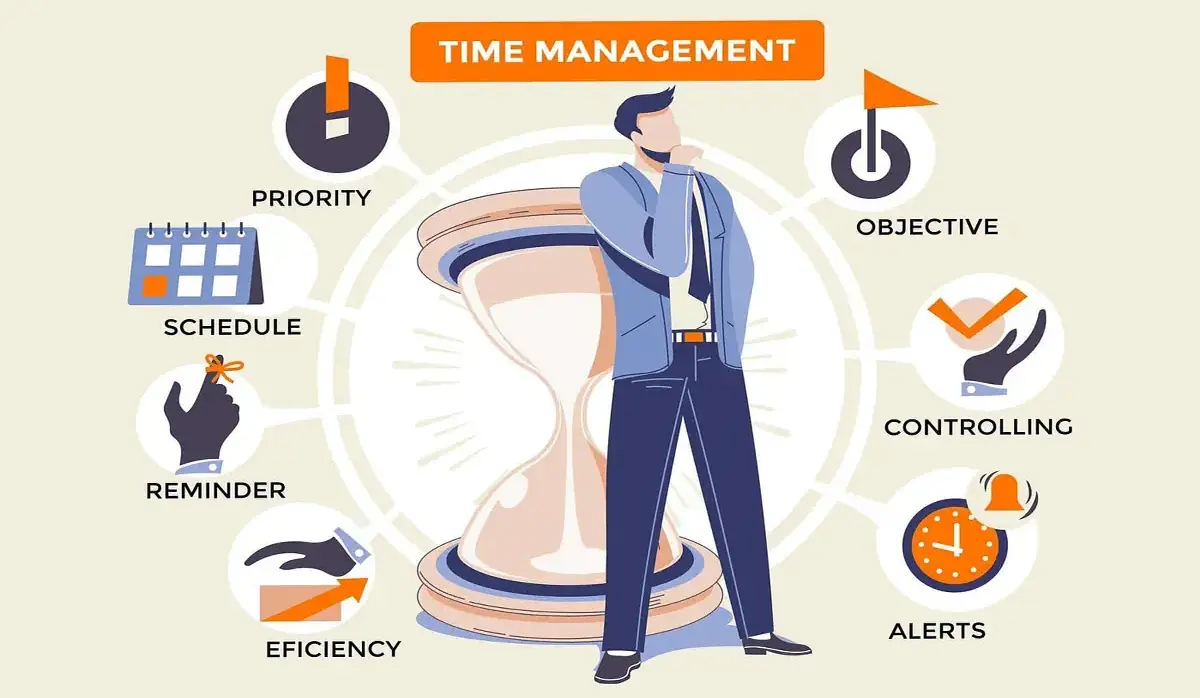
Key Takeaways
- Prioritize tasks before starting your workday.
- Block specific time slots for deep focus.
- Group similar small tasks together to cut distractions.
- Say no to low-priority requests without feeling guilty.
- Rest intentionally to prevent burnout and boost energy.
Ever feel like the clock is actively plotting against you?
You sit down at your desk with coffee in hand, ready to tackle the world, and suddenly it is 5:00 PM with nothing checked off your list.
We have all been there, staring at a massive to-do list while wondering where all those hours went.
Mastering a few practical time management hacks is the absolute fastest way to regain control of your schedule, ditch stress, and actually finish your day on time.
At PraviCeler, we believe productivity should feel simple, personal, and sustainable rather than overwhelming.
Let’s dive into fifteen real-world strategies that actually work in real life.
AI Overview
Struggling to stay on top of your daily schedule? Finding effective time management hacks can turn chaotic workdays into clear, structured wins. By focusing on smart task prioritization, setting strict boundary limits, and using focused work blocks, you can easily protect your time. Discover how PraviCeler helps you streamline workflows, cut through digital noise, and build sustainable daily habits that actually last.
Why Traditional Productivity Tricks Often Fail
Have you ever downloaded a shiny new planner app only to abandon it three days later?
That usually happens because most productivity advice tries to turn humans into rigid robots.
Real life is unpredictable, messy, and full of sudden interruptions.
When your system is too strict, one single unexpected meeting can ruin your entire afternoon.
Instead of fighting your natural energy levels, you need flexible methods that adapt to how you actually live and work.
| Feature | Rigid Productivity Systems | Flexible Time Management Hacks |
| Adaptability | Breaks instantly when plans change | Flexes around unexpected delays |
| Focus Area | Mindless task execution | High-impact prioritization |
| Burnout Risk | Extremely high over time | Low, emphasizes natural rest |
| Energy Match | Ignores natural focus peaks | Aligns heavy work with peak focus |
15 Time Management Hacks to Reclaim Your Day
1. Eat the Frog First Thing in the Morning

Mark Twain famously noted that if you eat a live frog first thing in the morning, nothing worse will happen to you all day.
Your “frog” is that heavy, scary task you keep pushing off until tomorrow.
Do it right after grabbing your morning coffee before checking emails or social feeds.
Once that heavy weight is lifted, the rest of your daily schedule feels surprisingly effortless.
2. Practice Rigid Time Blocking
Leaving your day wide open is a direct invitation for constant distraction.
Instead, divide your day into distinct blocks assigned to specific tasks or project types.
Treat these focus blocks as non-negotiable appointments with yourself.
When you know exactly what you should be doing every hour, your mind stops wandering toward random tasks.
3. Use the Pomodoro Technique for Fast Momentum
If starting a massive report feels terrifying, commit to working on it for just twenty-five minutes.
Set a simple timer, close every extra tab, and work hard until it rings.
Then, take a mandatory five-minute break to stretch, grab water, or look out the window.
Repeating this cycle builds incredible momentum while keeping mental fatigue completely at bay.
4. Batch Similar Micro-Tasks Together
Context switching is a quiet productivity killer that slowly drains your brain power.
Shifting back and forth between answering emails, making phone calls, and writing code wastes precious mental energy.
Group all your small, administrative tasks into one dedicated hour in the afternoon.
You will finish them twice as fast because your brain stays in one single operating mode.
5. Create a “Not-To-Do” List
Knowing what to ignore is just as crucial as knowing what to build.
Write down habits that consistently derail your morning focus, like opening social media during deep work.
Keep this list visible right beside your monitor as a gentle reality check.
Cutting out low-value activities creates instant space for high-impact creative tasks.
6. The 2-Minute Rule for Quick Wins
If a task takes less than two minutes to finish, do it right now instead of putting it on a list.
Replying to a quick confirmation, filing a document, or cleaning your mug takes minimal effort.
Leaving dozens of minor chores pending creates mental clutter that subtly weighs on your mind.
Clear them out instantly so your mental workspace stays clean and light.
7. Delegate and Automate Daily Workflows
You do not have to personally execute every tiny operational detail that crosses your desk.
Identify repetitive, manual chores and look for simple ways to delegate or automate them.
Modern teams rely on solutions like PraviCeler to streamline recurring workflows and simplify tracking.
Freeing yourself from repetitive administrative overhead opens up huge blocks of focus time for actual growth.
8. Set Up a Strict “Shutdown Routine”

How often do you close your laptop only to keep worrying about work all evening long?
Build a simple ten-minute routine at the end of every workday to review what you accomplished.
Tidy up your physical desk, outline your top three priorities for tomorrow, and formally close your computer.
This clear mental boundary signals to your brain that it is safe to rest and recharge.
9. Say No to Low-Value Commitments
Every time you say yes to a non-essential meeting, you are saying no to your core priorities.
Protecting your calendar requires learning how to decline polite requests without feeling guilty.
A simple “I’m currently at capacity with critical deadlines” works wonders in professional environments.
Your time is a finite resource, so guard it with the exact same care as your financial budget.
10. Audit Your Time for One Full Week
We are generally terrible at estimating how long our daily activities actually take.
For five workdays, track your time in thirty-minute increments to see where your hours vanish.
You might be shocked to discover how much time leaks into casual browsing or endless chat threads.
Having raw, objective data is the absolute best starting point for fixing broken habits.
11. Limit Your Work-in-Progress (WIP)
Juggling five complex projects at once means none of them get your best energy.
Cap your active focus to just one or two major deliverables at any given moment.
Finish an active project completely before pulling a brand-new initiative off your backburner.
Completing tasks sequentially yields far better speed and quality than partial multitasking ever can.
12. Turn Off Non-Essential Digital Notifications
Every ping, banner, and pop-up breaks your deep focus state instantly.
Research indicates it can take over twenty minutes to regain deep focus after a minor interruption.
Silence all non-critical notifications on your phone and laptop during deep work blocks.
Check your messages on your own schedule rather than letting random alerts dictate your focus.
13. Leverage Your Personal Energy Peaks
Are you a bright morning lark or a quiet night owl?
Pay close attention to when your natural mental energy peaks and crashes throughout the day.
Schedule your hardest, most creative tasks during your peak energy hours.
Save easy administrative chores, like sorting inbox messages, for times when your brain feels sluggish.
14. Optimize Your Physical Workspace

A messy workspace creates a cluttered mind, making simple tasks feel surprisingly exhausting.
Keep only the tools you need for your current project directly on your main desktop surface.
Invest in a comfortable chair, ensure proper lighting, and keep a clean water bottle nearby.
Designing an intentional, distraction-free environment makes staying focused almost effortless.
15. Schedule Deliberate Downtime
Working continuously without adequate rest is a guaranteed path straight to severe burnout.
True productivity is not about working every single awake hour; it is about working with high intensity.
Build mandatory rest, brief walks, and healthy meals into your calendar just like crucial business meetings.
A well-rested mind generates better ideas and solves tough problems in a fraction of the time.
Simple Tools to Keep Your Schedule on Track
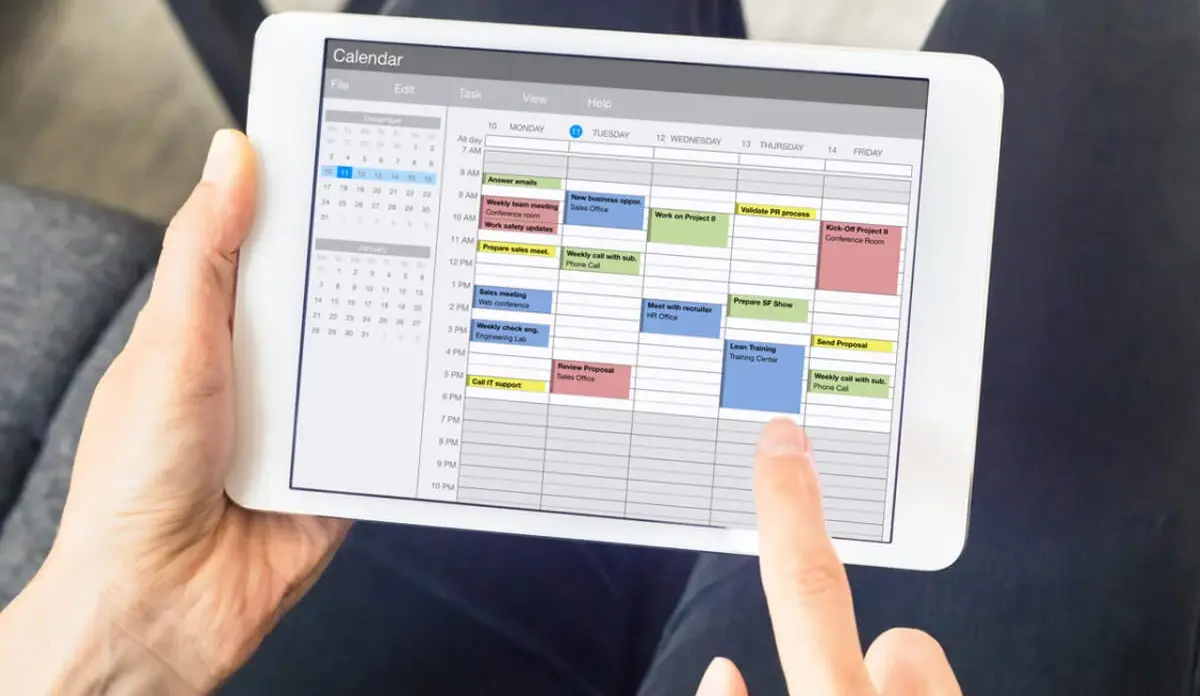
Implementing these time management hacks becomes infinitely easier when you use simple, reliable tools.
You do not need an overly complicated stack of twenty software programs to stay organized.
Focus on lightweight options that integrate smoothly into your everyday routine.
Here is a quick snapshot of tool categories that deliver massive daily clarity:
- Task Trackers: Keep track of major deliverables and daily action items without losing context.
- Focus Timers: Simple countdown clocks that enforce dedicated focus sessions and short breaks.
- Workflow Platforms: Integrated tools like PraviCeler that organize team projects and cut administrative overhead.
- Calendar Apps: Visual scheduling spaces to map out time blocks and guard focus hours.
Final Thoughts on Building Lasting Productivity
Transforming your daily schedule does not require overhauling your entire life overnight.
Pick just one or two time management hacks from this list and practice them consistently for a week.
Once those small changes feel completely natural, layer in another habit to keep your momentum growing.
Consistency beats intensity every single time, and small daily adjustments accumulate into massive long-term results.
Frequently Asked Questions
How do I choose the best time management hacks for my specific routine?
Start by identifying your biggest daily friction points, such as constant digital interruptions or difficulty prioritizing tasks. Test one or two simple techniques, like time blocking or the Pomodoro method, for a full week before making adjustments.
Can simple time management hacks really help reduce daily work stress?
Yes, structured time management creates clear mental boundaries around your work. Knowing exactly what needs your immediate attention eliminates the panic of missed deadlines and allows you to disconnect fully at the end of the day.
What is the single biggest mistake people make when managing their schedule?
The most common mistake is overbooking every hour without leaving buffer time for unexpected delays. Always leave short gaps between major focus blocks so urgent requests do not throw off your entire day.