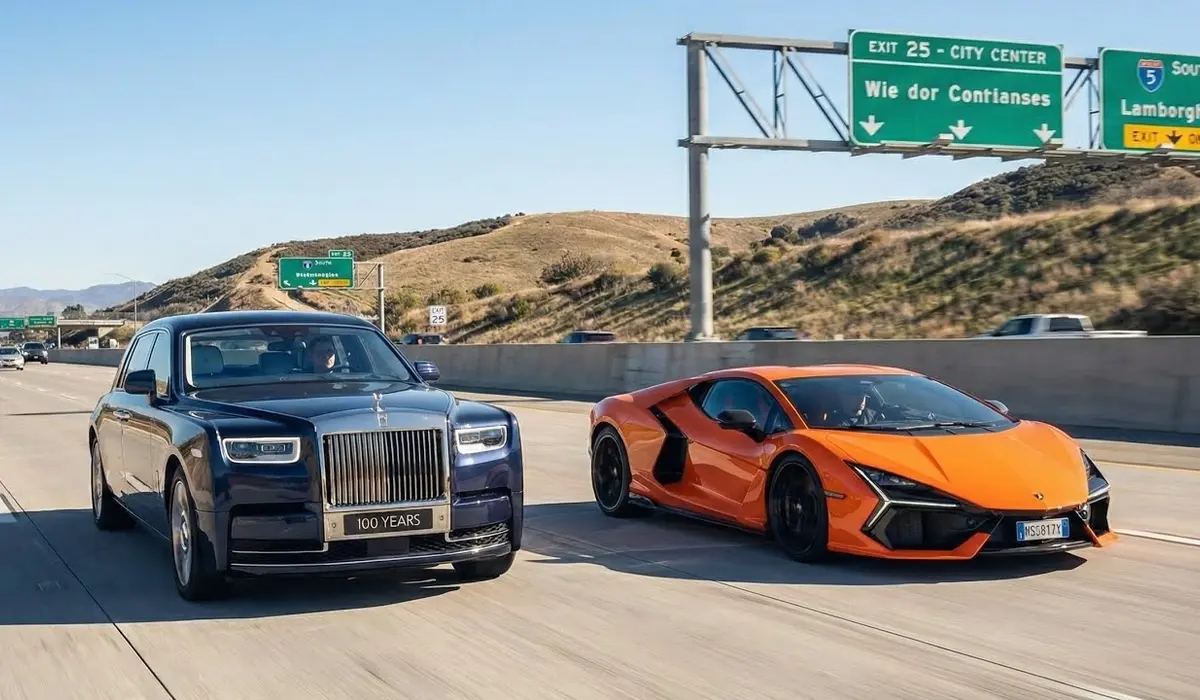
Key Takeaways
- Sedans prioritize cabin isolation and complete noise reduction
- Supercars trade supple suspension for razor-sharp track handling
- Long highway stints reveal the physical limits of stiff racing seats
- Advanced adaptive air suspensions blend both worlds beautifully
Imagine you are planning an epic weekend road trip out of the city. The route ahead covers a mix of open, flat interstates and winding mountain asphalt. You have the keys to two incredible machines hanging on the wall.
One belongs to a low-slung, jaw-dropping exotic built to shatter lap times. The other belongs to a whisper-quiet executive cruiser packed with massage chairs and acoustic glass.
When stacking up supercars vs luxury sedans for long-distance road trips, luxury sedans easily offer superior travel comfort. While exotic sports cars deliver unmatched driving thrills, their stiff chassis and loud engines cause physical fatigue over long distances. A premium sedan, however, is specifically engineered to insulate passengers from highway stress.
In this deep-dive guide, we will break down the physical reality of driving both vehicle types over long distances. We will analyze seating, cabin insulation, suspension tech, and storage capacity to help you pick the perfect tool for your next grand adventure.
AI Overview
The choice between supercars vs luxury sedans centers on the classic tradeoff between raw mechanical performance and serene passenger isolation. A flagship luxury sedan vs sports car comparison shows that sedans use soft air suspensions and thick acoustic insulation to shield passengers from road vibrations. This makes them the ultimate comfortable luxury car option, while a dedicated supercar review typically highlights firm tracking over long-distance highway comfort.
Seating and Cabin Ergonomics
The moment you climb inside a vehicle dictates your entire relationship with a long trip. How your spine rests and how much room you have to move your legs directly influences how tired you feel when you finally arrive at your destination resort.
The Low-Slung Race Cockpit
Climbing into a premium exotic often feels like getting into a fighter jet. The seats are typically made of ultra-light carbon fiber shells lined with thin padding.
- The Grip Factor: These aggressive bucket seats are built to hold your hips firmly in place during intense, high-speed cornering.
- The Long-Trip Reality: After roughly two hours of sitting in a fixed, upright position, the lack of lumbar adjustment can feel incredibly taxing on your lower back.
Furthermore, the entry and exit process requires a fair bit of flexibility. You have to lower yourself past wide door sills and sit inches off the actual pavement.
It is an exhilarating feeling for an afternoon sprint, but less than ideal when running casual road trip errands.
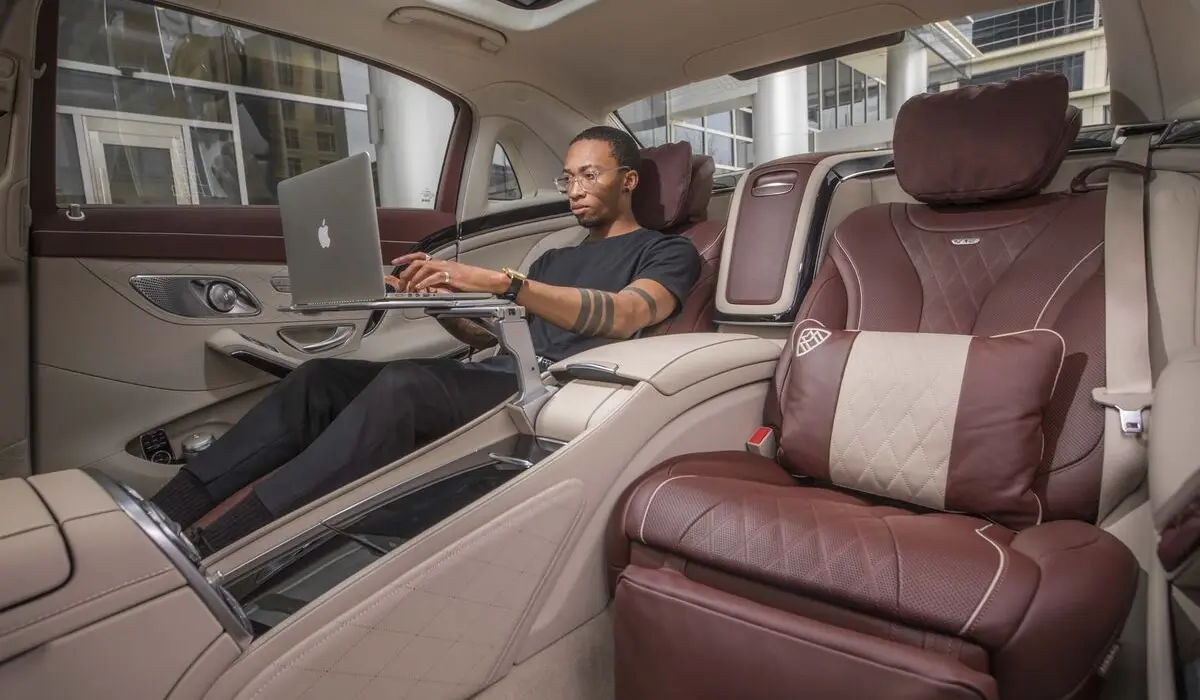
The Rolling Executive Lounge
Step inside the best luxury sedan vs sports car options, and you are greeted by an entirely different world of design. The seating profiles look and feel like premium first-class airline lounges.
The chairs feature complex pneumatic systems that allow you to adjust the bolster support, seat base length, and shoulder angles down to the millimeter.
At PraviCeler, we always note that having a heated massage system running while cruising the highway prevents muscle stiffness completely.
Suspension Engineering and Road Isolation
The quality of a trip depends heavily on what is happening beneath the tires. Road surfaces are rarely perfect, and how a vehicle handles potholes, expansion joints, and loose gravel shapes your overall comfort.
Reading Every Ripple on the Asphalt
Supercars are designed to create a direct, unedited communication loop between the front tires and the driver’s hands. To achieve this level of precision, they use incredibly stiff springs, solid bushings, and low-profile tires with minimal sidewall cushions.
If you read any modern supercar review, testers will tell you that you can feel every single pebble on the road surface. On a smooth race track, this engineering is absolute magic.
But when you are driving across bumpy state highways, that constant vibration travels right up the steering column and into your seat, leaving you feeling physically drained after a few hundred miles.
Floated on a Cushion of Air
The finest executive cruisers take the opposite approach to material dampening. They utilize active air suspension setups that constantly scan the road ahead using stereo cameras mounted behind the rearview mirror.
If the car spots a dip or a pothole coming up, it adjusts the air pressure inside the individual dampers in milliseconds.
In most cases, the chassis simply glides over the obstacle, keeping the passenger cabin perfectly level. It turns a rough road surface into a completely smooth, glassy experience.
| Vehicle Characteristic | Dedicated High-End Supercar | Flagship Executive Luxury Sedan |
| Primary Design Goal | Lap times, downforce, raw speed | Passenger serenity, status, isolation |
| Suspension Type | Firm, track-tuned coilovers | Adaptive multi-chamber air systems |
| Cabin Noise Level | Loud mechanical roar (80+ dB) | Muted library hush (under 60 dB) |
| Cargo Versatility | Tiny front trunk (frunk) | Massive rear trunk for multi-week bags |
Acoustic Isolation and Audio Serenity
Noise pollution is a silent contributor to travel fatigue. Your brain expends a significant amount of energy processing background sounds, even if you aren’t actively paying attention to them.

The Mechanical Symphony
Engineers design exotics to sing. The intake honks, the exhaust crackles, and the mechanical cooling fans whine right behind your head. Many mid-engine configurations place the power plant directly behind the cabin glass.
While that mechanical symphony is addictive when you are accelerating hard, it can become incredibly tiring during a five-hour highway cruise.
The constant drone of wide performance tires slapping against concrete can easily drown out normal conversation or quiet audio books.
The Library Hush
The best luxury cars treat cabin quietness as a non-negotiable metric of engineering success. Manufacturers pack these doors with layers of specialized sound-deadening foam and install double-paned acoustic glass across every window frame.
Based on available data from interior sound testing, high-end sedans keep ambient highway noise levels well under 60 decibels. This creates an incredibly peaceful, quiet environment.
You can easily listen to delicate classical music or enjoy a crystal-clear phone call while traveling at rapid highway speeds.
Practicality, Cargo, and Everyday Usability
A great long-distance vacation usually requires a decent amount of gear. Whether you are packing golf clubs, fine evening wear, or heavy luggage sets, storage space dictates how flexible your trip can be.
Packing Light is a Requirement
If you choose to take an exotic sports car across the country, you have to adopt a minimalist mindset. Because the engine occupies the rear half of the chassis, storage is generally limited to a small compartment up front.
- Space Limits: These front trunks are estimated to hold around 4 to 5 cubic feet of space.
- Shape Restraints: The compartments are often awkwardly shaped, forcing you to buy custom, brand-specific soft luggage rather than standard hard suitcases.
Room for Everything
Luxury sedans offer cavernous trunks that can effortlessly swallowed several full-sized bags, garment carriers, and recreational gear.
You never have to compromise on what you bring along for the weekend. At PraviCeler, we love the freedom of knowing you can pick up souvenirs or antique finds along your route without worrying about how to fit them inside the car.
The Hybrid Bridge: Super-Sedans
If you find yourself torn down the middle of this debate, there is a brilliant middle ground that has mastered both sides of the equation.
Automotive brands build high-performance “super-sedans” that attempt to combine the heart of an exotic with the body of a cruiser.
Best of Both Worlds
Vehicles like the Porsche Panamera Turbo, the BMW M8 Gran Coupe, and the Mercedes-AMG S63 are phenomenal achievements in luxury transportation.
- The Commute: Leave the driving mode select toggle in “Comfort,” and the air suspension softens, the exhaust valves close, and the car glides quietly along the highway.
- The Canyon: Twist the dial into “Sport Plus,” and the suspension firms up instantly, the throttle sharpens, and the car transforms into an absolute canyon carver.
While they may not have the exotic curb appeal of a mid-engine supercar, their ability to deliver real-world utility alongside track-level speed makes them an incredibly compelling choice for a high-end road trip.
Conclusion
Ultimately, declaring a winner in the battle of supercars vs luxury sedans depends entirely on how you define the perfect journey.
If your goal is to experience a raw, visceral connection with mechanical engineering and you don’t mind a firm ride, an exotic car offers an unforgettable adventure.
However, if your target is a true comfortable luxury car experience, where you can cross three state lines in a single afternoon and step out feeling completely rejuvenated, the luxury sedan remains the undisputed champion of the open highway.
Frequently Asked Questions
Why do luxury sedans offer better travel comfort than supercars?
Luxury sedans provide superior travel comfort because they are engineered to isolate passengers from the harsh realities of the road. They utilize longer wheelbases, adaptive air suspensions, extensive soundproofing foam, and multi-way adjustable seats. Supercars, conversely, sacrifice this isolation to maximize cornering grip, raw speed, and aerodynamic downforce.
Can a supercar be used comfortably for a cross-country road trip?
While it is entirely possible to take a supercar on a cross-country trip, it is generally considered a demanding physical experience. The low seating positions, stiff suspensions, loud cabin drones, and highly restricted luggage space mean you will need to take frequent rest stops to stretch and recover compared to traveling in a sedan.
What are some of the most comfortable luxury car models available today?
Based on available data, the absolute benchmarks for highway comfort include the Mercedes-Benz S-Class, the BMW 7 Series, and the Audi A8. In the ultra-luxury tier, models like the Rolls-Royce Ghost and the Bentley Flying Spur are estimated to offer the highest levels of cabin serenity and ride quality on the market.
How does tire selection impact a luxury sedan vs sports car comparison?
Tire design plays a massive role in overall ride quality. Luxury sedans use tires with taller sidewalls and softer rubber compounds designed to absorb minor pavement imperfections and suppress road noise. Sports cars require wide, low-profile performance tires that provide intense track grip but transmit significantly more vibration and noise into the cabin.