Introduction
Some furniture trends disappear within a few years.
Others quietly survive generations.
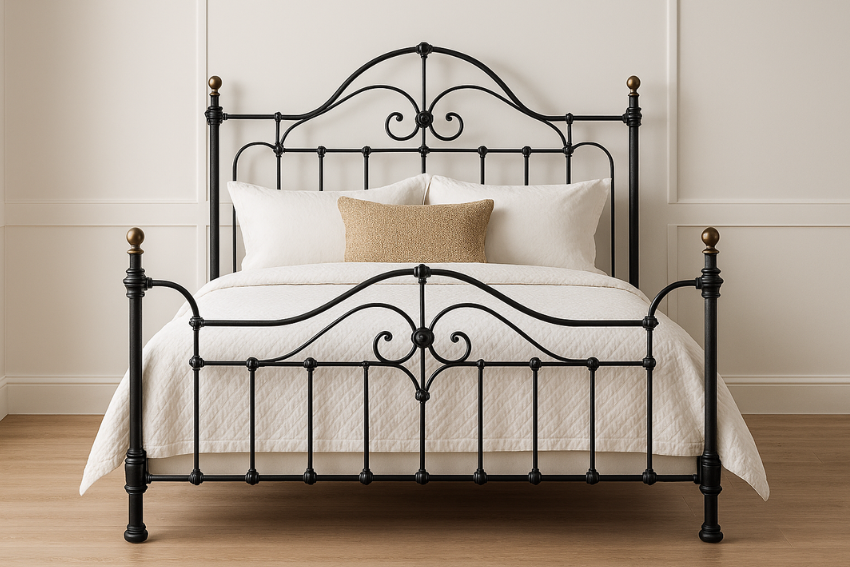
Few pieces represent timeless design better than jernsenger, the traditional Nordic iron bed frame that has recently found renewed popularity among interior design enthusiasts around the world.
Minimalist in structure yet incredibly durable, jernsenger reflects something deeper than simple furniture design.
It represents the philosophy that beautiful living spaces do not require excess.
In Scandinavian homes, functionality and elegance have always existed together.
The growing interest in Nordic interiors has brought jernsenger back into modern design conversations.
But what exactly is a jernsenger, and why are designers paying attention again?
What Does Jernsenger Mean?
Jernsenger is a Norwegian and Danish term that literally translates to iron beds.
The singular form is jernseng.
Historically, the term refers to bed frames made from cast iron or wrought iron that became increasingly popular across Europe during the Industrial Revolution.
Unlike traditional wooden frames, iron beds offered several practical advantages.
They were stronger, longer lasting, and far more resistant to structural damage over time.
Today, the word carries both historical and design significance.
Beyond furniture, it has become associated with Scandinavian minimalism and heritage craftsmanship.
The History Behind Traditional Iron Beds
Iron bed frames first gained popularity during the nineteenth century.
As industrial manufacturing expanded across Europe, iron became increasingly affordable for household furniture production.
Throughout Nordic countries such as:
Norway
Denmark
Sweden
iron beds quickly became valued for their practicality.
Unlike older wooden beds, they offered major benefits.
They were durable.
Easy to clean.
Less vulnerable to insects and pests.
They also fit beautifully within the restrained design language common throughout Scandinavian homes.
Functionality always came first.
Why Jernsenger Represents Scandinavian Minimalism
Scandinavian design has always focused on simplicity.
Rather than decorative excess, Nordic interiors emphasize:
- Clean lines
- Practical functionality
- Neutral color palettes
- Natural light
- Long-lasting materials
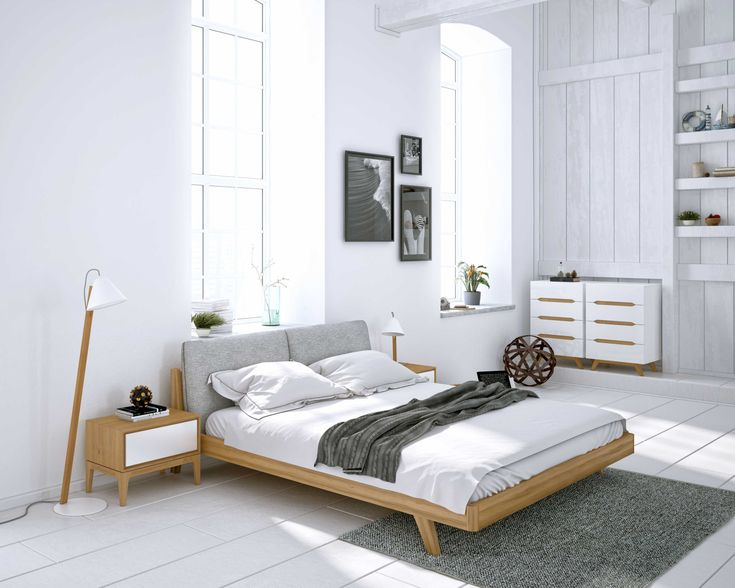
A traditional jernsenger fits these principles perfectly.
Its slim frame creates visual openness without making a room feel crowded.
Unlike oversized furniture, iron bed frames contribute to a lighter, cleaner atmosphere.
This design philosophy remains highly influential globally today.
Key Characteristics of Jernsenger
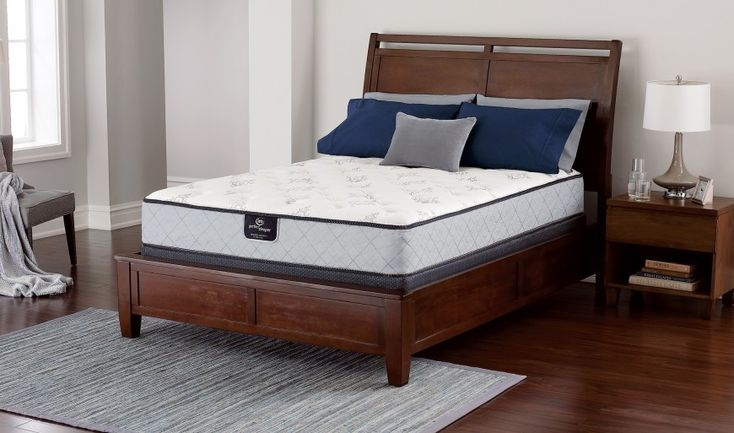
Several qualities explain why these bed frames remain so respected.
Exceptional Durability
Iron naturally resists warping far better than many wooden materials.
Well-made frames often last decades.
Some survive generations.
Long-lasting furniture remains central to sustainable living.
Space-Saving Design
Most traditional jernsenger designs feature slim open structures.
This makes smaller bedrooms feel larger and less visually heavy.
Minimalist furniture often improves spatial balance significantly.
Timeless Visual Appeal
Iron beds adapt surprisingly well to different interior styles.
They complement:
- Vintage bedrooms
- Industrial lofts
- Scandinavian interiors
- Modern minimalist homes
- Boutique hotel aesthetics
This flexibility makes them remarkably versatile.
Why Iron Beds Are Becoming Popular Again
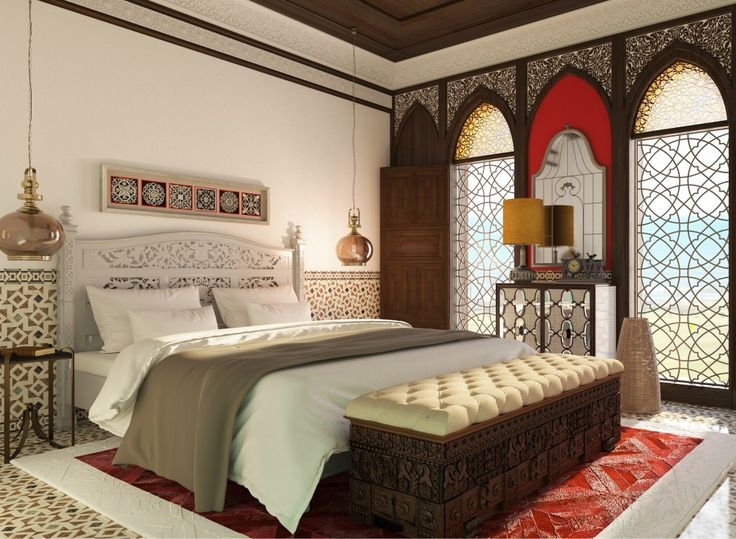
Interior design trends increasingly favor quality over disposable furniture.
Consumers now care more about:
- Longevity
- Sustainable materials
- Timeless aesthetics
- Functional simplicity
- Better craftsmanship
Jernsenger naturally aligns with these preferences.
Many homeowners now reject fast furniture in favor of pieces built to last.
Iron beds represent that shift beautifully.
How Designers Style Jernsenger Today
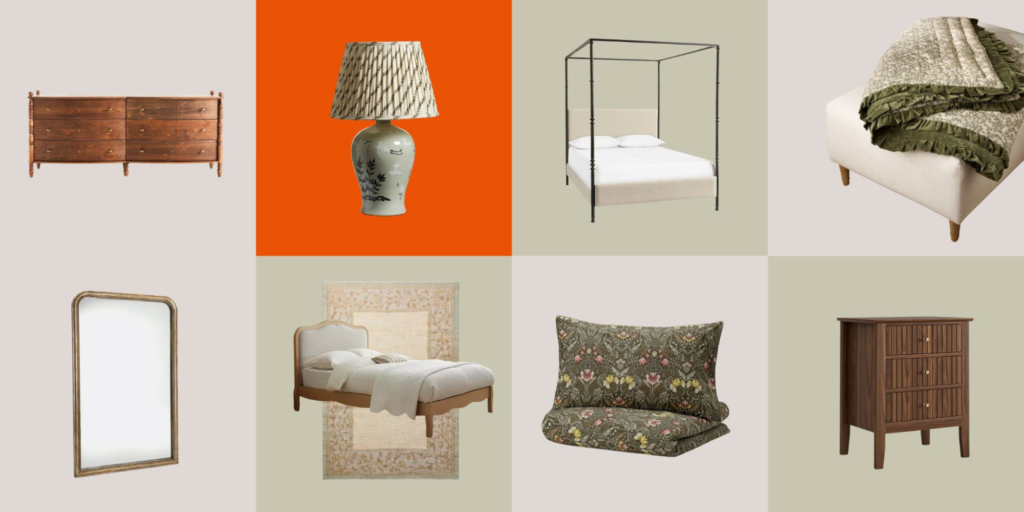
Modern designers frequently combine traditional iron bed frames with softer materials to create balance.
Popular combinations include:
- Linen bedding
- Neutral wool throws
- Minimal wooden nightstands
- Warm ambient lighting
- Soft beige and white palettes
This contrast between industrial strength and soft natural textures creates elegant harmony.
Luxury boutique hotels increasingly use this aesthetic.
The look feels both modern and timeless.
Why Heritage Furniture Still Matters
Furniture is rarely just functional.
Well-designed furniture reflects cultural values.
The growing popularity of Scandinavian design reminds people that simplicity often ages better than trends.
Jernsenger represents more than an iron frame.
It reflects an older philosophy.
Buy fewer things.
Choose better things.
Keep them longer.
This mindset increasingly resonates in modern interiors.
Final Thoughts
Jernsenger may sound like a niche Scandinavian term, but its growing popularity reveals a broader design movement.
People increasingly value furniture built around longevity, craftsmanship, and timeless aesthetics.
Traditional Nordic iron beds embody all three.
In a world filled with disposable furniture and fast-changing trends, pieces like the jernsenger remind us that true design rarely depends on excess.
Sometimes the strongest statement in a room is the simplest one.
And Scandinavian design has understood that for generations.
Frequently Asked Questions
Q. What does jernsenger mean?
A: Jernsenger is a Norwegian and Danish term that literally translates to “iron beds”. It refers to durable bed frames made from cast or wrought iron.
Q. Why are traditional iron beds becoming popular again?
A: Homeowners are moving away from disposable “fast furniture”. They now prefer long-lasting materials, sustainable quality, and timeless craftsmanship.
Q. How does a jernsenger fit into Scandinavian design?
A: It embodies Nordic minimalism through its slim, open structure and clean lines. It creates visual space without crowding a bedroom.
Q. What are the main benefits of an iron bed frame?
A: They offer exceptional durability, resist warping better than wood, save space in smaller rooms, and easily complement multiple interior styles.
Q. How do modern designers style a jernsenger today?
A: Designers balance the strong industrial iron frame by layering it with soft, natural textures like linen bedding, wool throws, and warm lighting.