The sustainable luxury fashion brands industry generates around 92 million tonnes of waste every year. Roughly 85% of textiles get incinerated or buried. One cotton T-shirt uses up to 2,700 liters of water before it reaches a single customer. And for years, brands responded by printing “conscious collection” on landfill-bound polyester blends and acting like that counted for something.
It didn’t. Most people know that now.
The sustainable luxury fashion brands market was worth $12.4 billion in 2025. Projections put it past $53 billion by 2032. What’s more interesting than the money is who’s driving it. Close to 67% of shoppers say sustainable materials factor into what they buy, and a growing portion of them actually check. They’re pulling up certifications, cross-referencing factory lists, reading the small print. Harder to fool than they used to be.
The 15 brands below aren’t flawless , some would say that openly. But they’ve done real, documented work to change how their part of the industry runs. That puts them in a different category.
1. Stella McCartney
McCartney launched in 2001 with a rule that seemed strange at the time: no leather, no fur, no feathers, no exotic skins. Ever. Not in a limited run, not as a carve-out for heritage pieces. Nothing. For a luxury house that was an eccentric position. In hindsight she just saw where the industry was going before it got there.
The material work her studio is doing right now is legitimately interesting. MIRUM is a leather alternative made without any petroleum inputs. Pure.Tech denim is designed to pull CO2 and pollutants out of the air while someone’s wearing it , sounds far-fetched, less so when you look at the science. Mushroom leather, ECONYL recycled nylon, a seaweed yarn line that somehow doesn’t look like a craft project.
B Corp certified. She publishes an environmental profit-and-loss statement every year, which means the company actually assigns financial figures to its ecological footprint rather than using vague language about it. One recent season, 92% of the collection came from certified organic, lower-impact, or recycled sources. Most brands won’t even try to calculate that number, let alone put it out publicly. She does.
2. Brunello Cucinelli
Solomeo is a small medieval village in Umbria, population not large, and it’s where Cucinelli runs his entire operation. He didn’t just relocate a business there. He restored the historic architecture at personal expense, funded a theater, built schools.
Artisans are paid above market. Work ends at a reasonable hour. His position is that treating people badly is bad for the soul and therefore bad for whatever they’re making , and the clothes back him up.
“Humanistic capitalism” is what he calls it. The phrase sounds invented for a rebrand. The numbers don’t lie, though. Revenue went from 608 million euros in 2019 to 1.28 billion in 2024. Q1 2025 was up 10.5% year-on-year across three continents simultaneously. LVMH was having a difficult quarter. Cucinelli wasn’t.
Over 90% of production stays in Solomeo. Natural cashmere and fibers built to last decades, not seasons. Greenhouse gas reduction commitments by 2028. He personally funded the Himalayan Regenerative Fashion Living Lab, which works directly with Himalayan textile producers on regenerative farming. Whether you can afford the cashmere or not, the model is worth studying.
3. Patagonia
Yvon Chouinard gave his company away in 2022. Not in a family trust arrangement, not to a holding company with his name on it. He transferred ownership to a nonprofit and a separately managed trust built so that profits permanently fund environmental causes , regardless of who runs the company later or what the market does. For a consumer goods business that was a remarkable thing to do.
None of it came from nowhere. The Worn Wear program had been operating long before the transfer. Break a jacket, they fix it. Done with it? They take it back, repair it, resell it. Large portions of the supply chain carry Fair Trade certification with documentation most apparel brands actively avoid maintaining.
It isn’t traditional luxury fashion. But the quality is serious and the accountability is genuine. For clothes that actually last and a company that stands behind them after the sale, there’s nothing else like it.
4. Chloé
Gabriela Hearst made Chloé the first major luxury maison to earn B Corp certification. That wasn’t a branding exercise. It required years of supply chain documentation, independent factory audits, labor assessments, and governance changes throughout the organization.
You don’t get B Corp by writing a good mission statement. Outside verifiers check the actual work, the standards are high, and recertification means proving it again.
Hearst left in late 2023. There was a legitimate question about whether the commitment would outlast her. It did. Chemena Kamali recertified B Corp status in 2024 and has publicly committed to continuing the work. Targets to eliminate virgin petroleum-based materials remain in place. Annual sustainability reporting continues.
Chloé matters as a case study because sustainability commitments almost never survive creative director transitions in fashion. This one did. That’s harder to pull off than it looks.
5. Gabriela Hearst
Before she reshaped Chloé, Hearst built her own label into something remarkable on a quieter scale. Her most recent runway had 97% of woven pieces cut from deadstock fabric. That figure doesn’t exist anywhere else at this tier. Carbon-negative manufacturing runs across a significant portion of her collections.
The clothes reflect the work behind them without making a show of it. Tailoring is careful. Silhouettes don’t track seasonal trends. A coat from this label is built with the assumption you’ll still want it in twenty years.
She works with mushroom leather, algae fibers, and lab-grown textiles because the material science interests her , not because it generates coverage. That comes through in what actually gets made.
6. PANGAIA
PANGAIA started as a materials science company, not a fashion brand. That distinction produces meaningfully different results than a legacy label adding a sustainable capsule to an existing lineup.
FLWRDWN is their goose-down alternative, made from wildflowers and biopolymers. Seaweed fiber runs through the knitwear. Recycled cotton gets treated with peppermint oil as a natural antimicrobial , no synthetic chemical finishes needed. Dyes are natural or carbon-capturing. This isn’t in a lab or a roadmap. It’s in the products on the site right now.
B Corp certified. The aesthetic runs clean and minimal, not experimental-looking. And for anyone who wants to actually understand what’s in their clothing, PANGAIA publishes more technical material detail than nearly anyone else in this category.
7. Eileen Fisher
Fisher has been doing this longer than anyone else on this list. Organic cotton, linen, and Tencel were in her supply chain before most luxury brands understood what organic certification actually required. Her design ethos has always matched the sourcing: simple shapes, quiet palettes, built to wear across years rather than trends.
The Renew program is her most tangible contribution to circular fashion. Customers bring in old pieces. The brand cleans them, repairs what needs it, resells what holds up, upcycles what doesn’t. Millions of garments have gone through this system. It isn’t flashy. It has just worked consistently for a long time.
8. Veja
No advertising. No campaigns, no celebrity partnerships, nothing. In the sneaker industry that’s practically a political act. Money that would go to marketing goes toward fair producer pay and materials that are actually what they claim to be.
Wild-harvested Amazon rubber. Organic cotton from cooperatives in Brazil and Peru. Chrome-free leather. Recycled plastic bottles. Every material is traceable, and the documentation is public. Anyone can go to their website and read exactly where the cotton came from and how the rubber was harvested.
The price is premium. It earns it , not through branding but through a supply chain that is among the most transparent in the whole industry, not just the sustainable section of it.
9. Reformation
Reformation built RefScale, an internal accounting tool that tracks the carbon footprint, water usage, and waste impact of individual products. Open a dress on their website and the environmental numbers are right there on the page. That level of product-specific transparency is genuinely rare.
Fabrics are TENCEL Lyocell, recycled polyester, deadstock, and linen. Climate Neutral and B Corp certified. There’s a growing resale and rental operation for buyers who don’t want to purchase new. And the clothes look like things people want to wear , which has always been Reformation’s distinct skill. Sustainable fashion without style appeal has a limited market. They sorted that out early.
10. Marine Serre
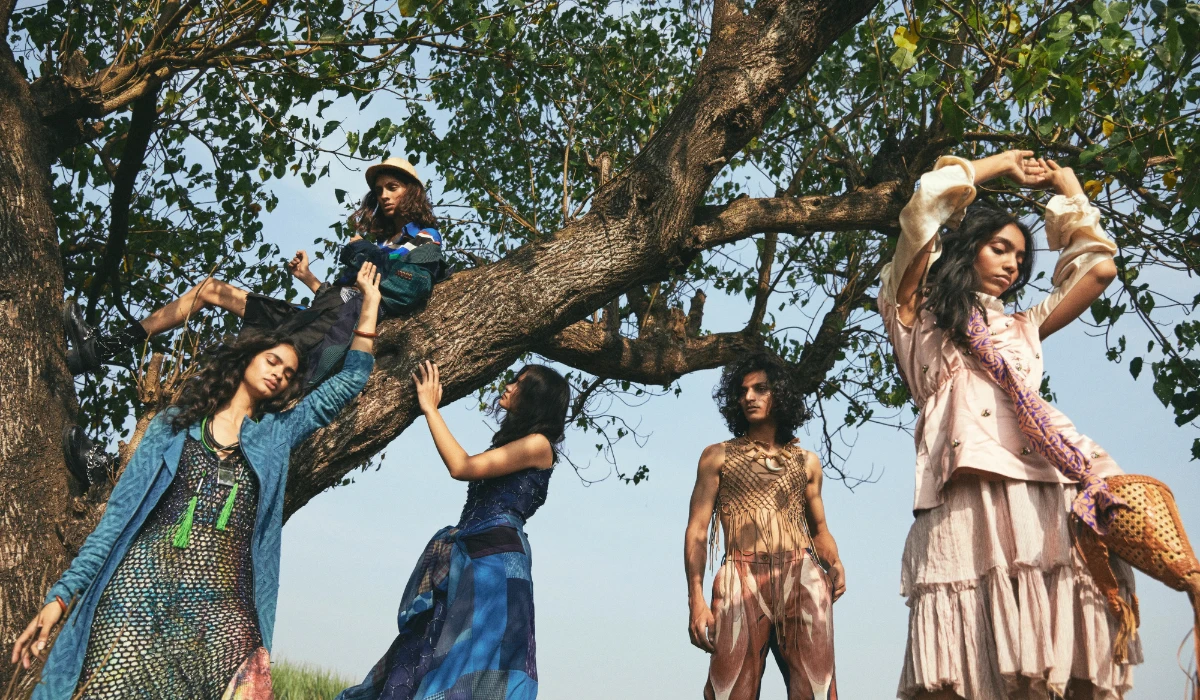
Serre built her whole aesthetic around upcycling before upcycling became a talking point. Around 80% of materials across multiple collections come from reclaimed or deadstock sources. Her signature crescent moon print has appeared on repurposed tablecloths, vintage scarves, and salvaged jersey as often as it appears on anything new.
The Future Wear line takes this further , couture-level construction, zero-waste principles. The clothes look nothing like what most people picture when they hear “sustainable fashion.” They’re unusual and deliberate and sometimes demanding in ways that feel intentional. Serre makes a compelling argument that working within tight material constraints produces more original design than working without any.
11. Gucci
Gucci is the biggest name here, and that’s exactly the point. Even modest changes at a house this size move through supply chains involving hundreds of thousands of workers and tens of millions of products. Scale matters.
The Gucci Equilibrium framework covers environmental and social commitments across the brand. Off The Grid was their first fully circular collection , recycled, organic, bio-based, and sustainably sourced materials throughout.
Renewable energy adoption, plastic-free operations, sustainable leather alternatives are all in progress. Gucci isn’t the most rigorous name on this list. But when a house of this size makes structural commitments, the industry watches. Sometimes it follows. That has real value.
12. Another Tomorrow
Every garment from Another Tomorrow comes with a QR code. Scan it and get the full supply chain: fiber origin, certifications, factory name, the standards that factory is held to. It’s not buried in a report. It’s on the label.
Certified organic and recycled materials throughout. Collections designed in New York with longevity as the primary brief, not trend relevance. For shoppers who’ve grown cynical about sustainability claims and want to verify things themselves, this brand was built specifically with that person in mind.
13. Mara Hoffman
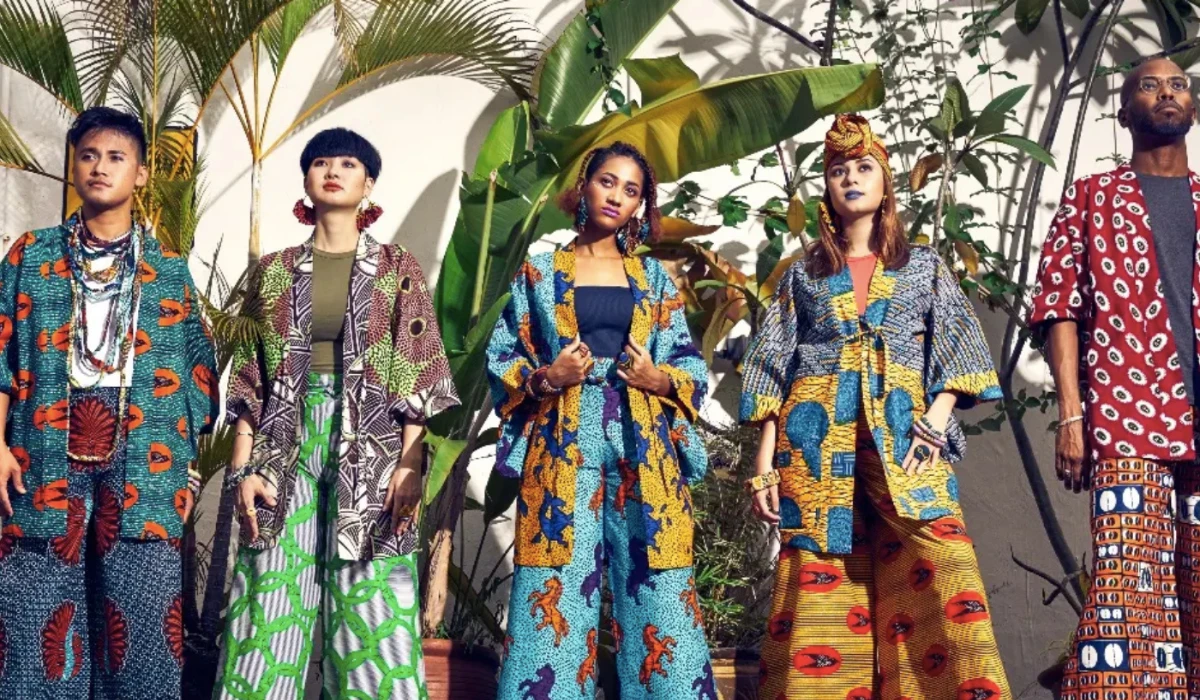
The prints get your attention first , bold, graphic, tropical. Look more closely and they’re printed on TENCEL, organic cotton, recycled nylon, and deadstock. Collections release in limited runs from factories she’s personally visited.
What makes Hoffman stand apart from many of her peers isn’t the materials or even the design. It’s how candidly she talks about the difficulty of the work. She’ll publish something about a supply chain problem that isn’t solved yet or a material that didn’t perform as expected.
That kind of honesty is uncommon enough in fashion that it functions almost as a credibility signal. Shoppers who’ve grown tired of polished sustainability messaging find it refreshing. Reasonably so.
14. Mother of Pearl
Amy Powney spent two years tracing every material in Mother of Pearl’s No Frills collection back to its raw source. Two full years. The process was complicated enough that they turned it into a documentary. What she found changed not just that collection but how the brand approaches sourcing across the board.
Responsible Wool Standard certified wool, organic cotton, organic linen. And a genuine willingness to say publicly when something still isn’t right. Powney describes sustainability as a process that never finishes and is frequently frustrating. That’s accurate, and it’s more useful to actual buyers than the polished narrative most brands produce.
15. Cuyana
Cuyana’s core pitch is simple and slightly strange for a fashion brand: buy less. “Fewer, better things” isn’t a slogan layered over a high-volume operation. Small collections, on purpose. Pima cotton, Italian wool, Spanish leather, recycled cashmere. Customers are actively encouraged to think about building a wardrobe rather than adding to one.
Most fashion business models require volume. Cuyana’s doesn’t, and they’ve built around that honestly. The fact that customers actually hold onto the pieces for years says something real about how well they’re made.
How to Tell Who’s Actually Doing This vs. Who Isn’t
“Sustainable” appears on everything now. That’s precisely how it stopped meaning anything. A few things actually cut through.
Third-party certification is the starting point. B Corp, GOTS, Fair Trade, OEKO-TEX, the Responsible Wool Standard. These require independent verification , not just internal self-reporting. Any brand can call itself sustainable with no certification at all. With one of these, an outside organization has actually checked.
Published supply chain data comes next. Does the brand name its factories? Identify material suppliers? Can you trace the fiber back? Veja and Another Tomorrow do this better than nearly anyone. Most brands don’t bother, because the process is difficult and often reveals things they’d prefer to leave undiscussed.
Circular infrastructure tells you whether a brand thinks past the sale. Take-back, repair, resale, rental. Eileen Fisher has run one for years. Patagonia made it central to their identity. Building that kind of infrastructure is a different level of commitment than sourcing one recycled fabric.
Honest reporting , including failures , is the hardest thing to fake. Brands that publish only wins are probably burying the losses. Mara Hoffman and Amy Powney of Mother of Pearl both speak openly about what isn’t resolved yet. That’s worth more than a well-designed impact PDF.

Frequently Asked Questions
What are sustainable luxury fashion brands?
High-end sustainable luxury fashion brands where sustainability isn’t a marketing sub-category. It’s built into how the whole operation runs , sourcing, manufacturing, end of life. The difference between these and greenwashers is documentation. Real sustainable luxury brands can show their work.
Which ones are B Corp certified?
Stella McCartney, Chloé, PANGAIA, Eileen Fisher, Reformation, and Patagonia. Not the only meaningful certification, but one of the more comprehensive because it covers environmental performance, labor conditions, and governance together rather than separately.
Are sustainable luxury brands more expensive?
Not always by as much as people expect. Research puts the average sustainability premium around 9.7%. The more honest comparison is cost per wear , a piece that holds up for ten years costs less over its life than something cheaper that falls apart in two, even with a higher starting price.
How do I spot greenwashing?
Look for third-party certifications, not self-descriptions. Check whether the brand names its factories and suppliers. See if there’s a repair or take-back program. Read the sustainability report if they publish one, and notice whether it mentions failures alongside wins. Good On You is a reliable independent tool for vetting brands quickly.
What materials do these brands actually use?
Organic cotton, TENCEL Lyocell, deadstock fabric, recycled nylon and polyester, Responsible Wool Standard wool, linen, recycled cashmere, mushroom leather, grape-waste leather. On the frontier end: algae fiber, seaweed yarn, and FLWRDWN, a wildflower-based alternative to goose down.
Is greenwashing still a problem in luxury fashion?
Significantly. Legislation in several markets now requires brands to substantiate environmental claims, which raises the cost of false advertising. Enforcement is still catching up. Until it does, independent certification and detailed supply chain documentation are the most reliable things to look for.
What is circular fashion?
A model designed to keep garments in use as long as possible through repair, resale, rental, and take-back programs rather than the standard path from factory to closet to landfill. Eileen Fisher’s Renew program, Patagonia’s Worn Wear, and Reformation’s resale operation are all working examples.
Can luxury fashion ever be fully sustainable?
Most brands on this list would say not yet, possibly not ever. That isn’t a reason to stop trying. The goal isn’t a perfect system , it’s a consistent, documented movement in the right direction with honest accounting of how far there is still to go.
To Close
None of the 15 sustainable luxury fashion brands here have arrived at a finished answer. What they’ve done is make structural commitments that hold up to independent scrutiny, build operations that can be held accountable in concrete terms, and kept going when the work got expensive or inconvenient.
That’s worth supporting. It funds the operations doing genuine work. It sends market signals the industry is still reading carefully. And a coat made well, by people paid fairly, from materials that didn’t cost a watershed to produce, is a better thing to own. Not just ethically , actually better.
The green revolution in luxury fashion isn’t arriving. For these 15 sustainable luxury fashion brands, it’s already the job.
Stay tuned with Praviceler for further info!