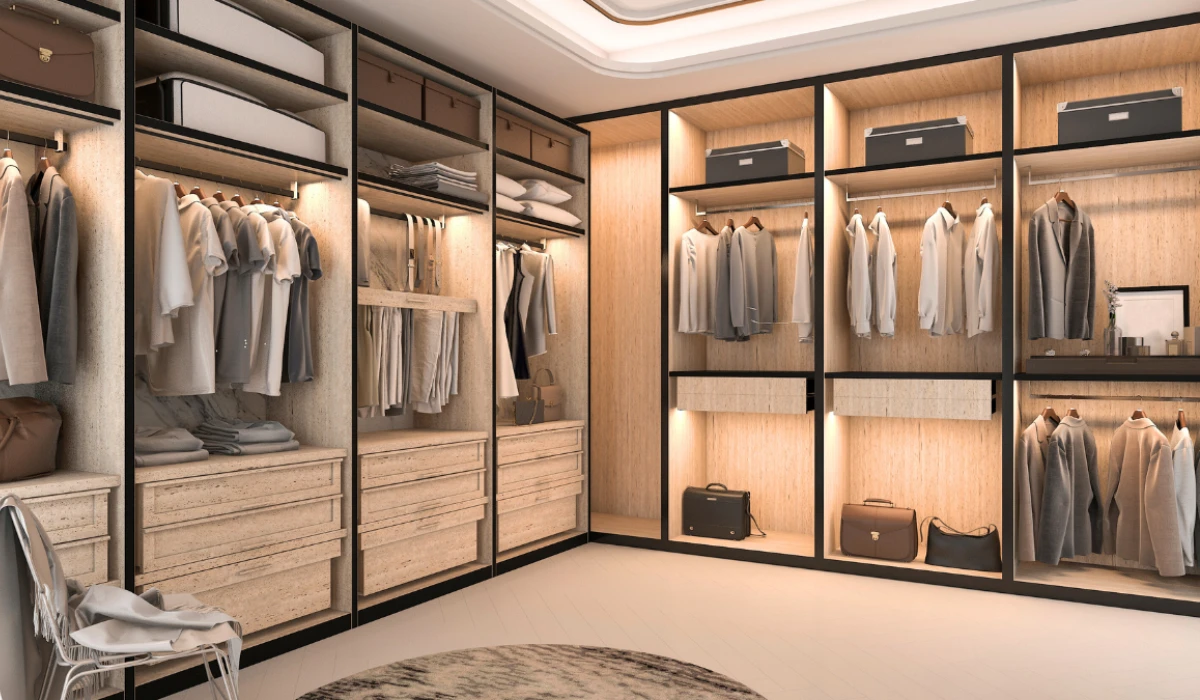
Look. I cleared my wardrobe last March and binned 60% of it. Sixty. Not exaggerating. Three bin bags to the charity shop on Roman Road, two to textile recycling, one straight in the skip because the moths had got to it. What stayed? About 28 pieces. And I get dressed faster now than I ever did with a stuffed rail.
So when people ask me about luxury capsule wardrobe essentials, my honest answer is that fewer pieces feels richer. Weird but true. You’ll see.
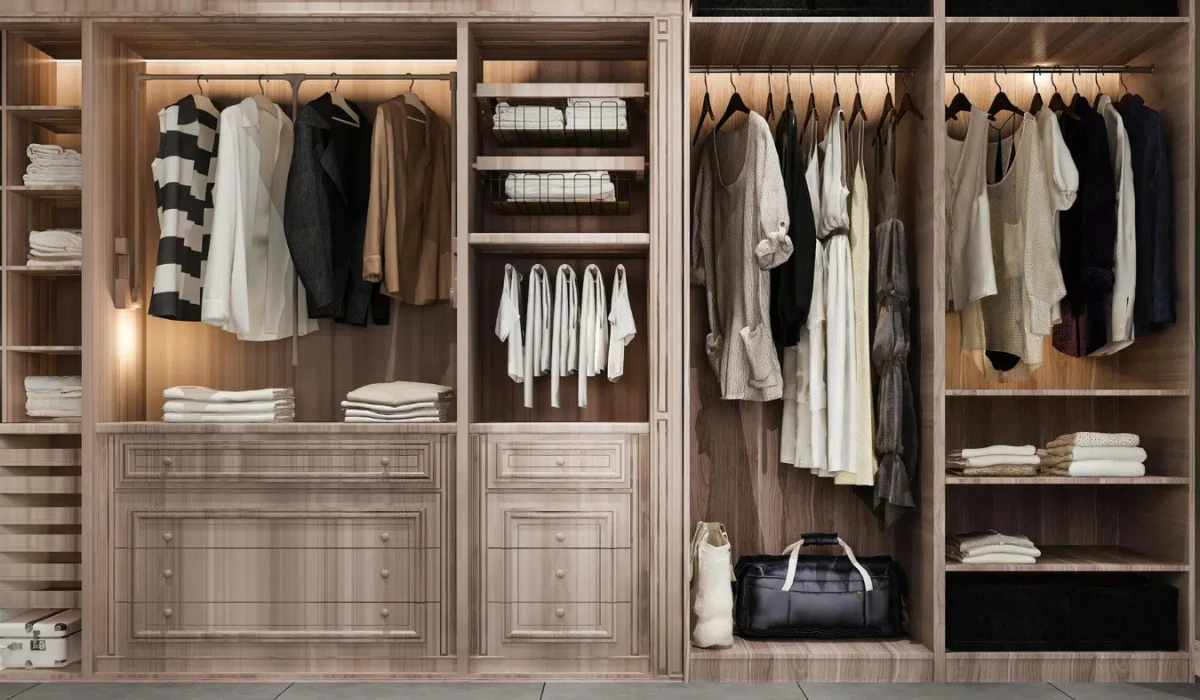
Luxury capsule wardrobes run 10 to 30 quality items. Mix-and-match across seasons is the whole point. The core list: tailored blazer, white cotton shirt, cashmere knit, wool trousers, silk slip dress, trench, dark denim, leather loafers, structured bag, solid gold jewellery. Fit and fabric beat logos every time.
What Actually Makes Clothes Look Expensive
One word answer: fit.
Three word answer: fit, fabric, finish.
The £900 jacket bunching at your shoulders looks worse than an £85 Cos blazer Marta has tweaked for you. Marta being my tailor. Behind the chicken shop on Bethnal Green Road, third door on the left, charges £12 for hems, £35 for shoulder reset. I bring her biscuits at Christmas. She is the actual reason my wardrobe looks the way it does, and I will fight anyone who suggests otherwise.
Fabric you can clock by hand. Pick a jumper off the rail. Just hold it for two seconds before you even look at the price. Wool has weight to it. A bit of pull. Polyester feels weirdly warm in your palm, slightly plasticky, almost sticky. Your hand knows before your eyes do. Trust it.
Stitching. Turn the seam inside out. Tight even rows = someone took the time. Wobbly gappy stitches = factory pumping out 800 units an hour. Twelve stitches per inch is the floor. Eight? Forget it. The seam splits before Christmas.
The Ten. Going.
1. A Blazer That Actually Fits
Navy. Or black. Doesn’t massively matter, just pick one and get it right.
Half-canvas construction at the bare minimum. Full canvas if your budget stretches. Fused blazers (where the inner layer is glued on rather than stitched) bubble after a few cleans. They look fine for maybe six months then start going lumpy across the chest. You’ll spot it. Everyone does.
Shoulders sitting flat. No little peaked dome where the sleeve meets the shoulder seam. Sleeves stopping right at the wrist bone, that knobbly bit on the side of your wrist. Working buttons on the cuff are a small detail but they whisper “this cost something.”
Mine is a Joseph navy blazer from a sample sale in 2021. Cost £180 down from £680. Wear it weekly, basically. Worth every penny.
2. The White Shirt. Cotton. Properly Crisp.
Egyptian or Sea Island cotton. Long-staple fibres mean it doesn’t go bobbly after washing. Mother of pearl buttons over plastic, please, this matters more than you think it does.
Check the placket lying flat on the hanger. That vertical strip down the front with the buttons. If it’s already buckling or wrinkling on the rail before you’ve even tried it on? Walk away. Genuinely. The shirt is poorly made and no amount of ironing fixes it.
Tucked into your wool trousers? Polished. Knotted at the hip over linen shorts in August? Easy. Half-unbuttoned over a swimsuit at, I don’t know, some beach club you’ve blagged your way into? Done. Layered under cashmere when the weather turns? Sorted.
3. Cashmere Jumper. Two-Ply. Tight Knit.
Loro Piana sits at the absolute top. Brunello Cucinelli a fraction below. Both eyewatering. Quince and Naadam under £100 and genuinely good (I own both, no notes).
Gauge matters. The tighter the knit, the longer it lasts. Loose chunky cashmere pills within four wears. Tight gauge stays beautiful for years.
Camel first. Oatmeal next. Charcoal in year two. Soft navy in year three. Black last because (sigh) it shows lint, deodorant marks, dog hair if you’ve got a dog, white wine if you’re me on a Friday.
4. Wool Trousers, Straight Cut
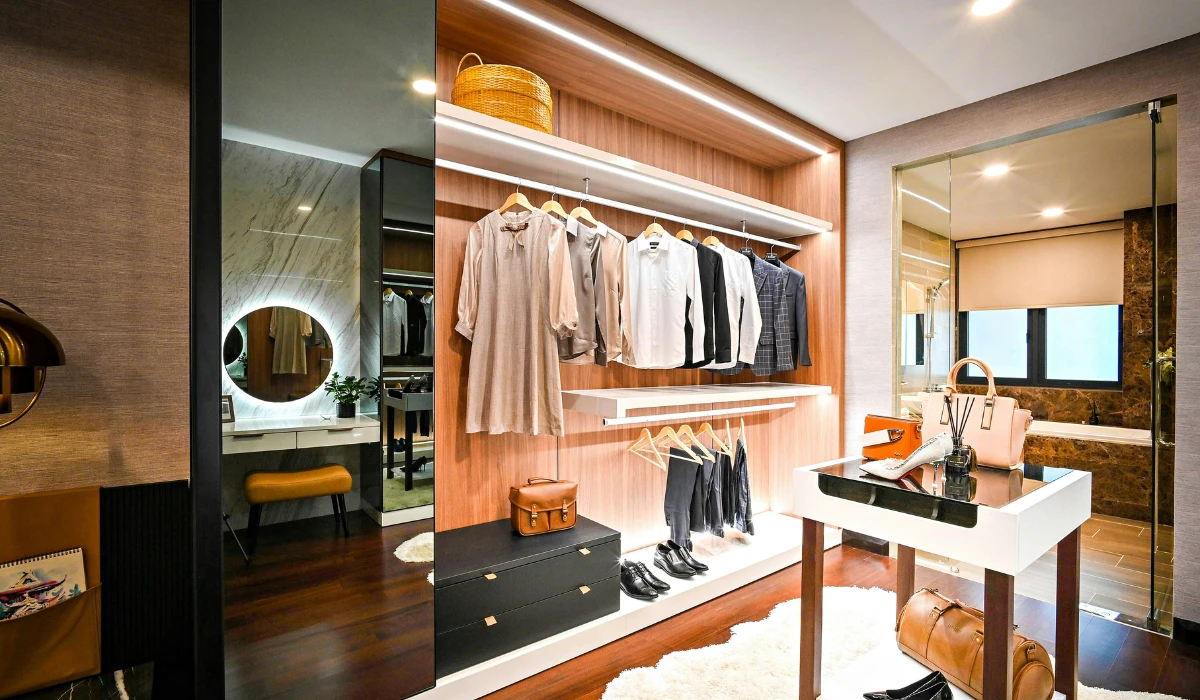
Hanging from the hip bones. Skimming the thigh. Not strangling, not flapping. Hem brushing the top of your shoe. Not pooling round your ankle looking like a sad balloon. Not riding up your shin like you’ve outgrown them.
Italian wool flannel for winter. Tropical wool (lighter, more breathable, less itchy) for summer.
Charcoal pairs with everything. Cream looks lovely until the espresso splatter hits, which it will, within roughly 20 minutes of leaving your flat. Get cream second. Charcoal first.
5. Silk Slip Dress on the Bias
Mulberry silk. 19 momme weight as the absolute floor (momme is how silk weight is measured, higher number = denser fabric). Anything thinner feels like polyester pretending to be silk.
Bias-cut means the fabric is cut diagonally across the grain. So it drapes, doesn’t cling. Sounds technical, just hold one and you’ll feel the difference immediately. It sort of falls through your fingers.
Neckline naturally sitting where it should. Straps staying put on your shoulders.
Wear it under the blazer. Throw a chunky knit on top. Add loafers, swap to heels, walk barefoot at a garden thing in June. Three-season piece, easy.
6. The Trench Coat
Cotton gabardine. Not polyester, not “trench-style.” The real thing.
Storm flap intact across the chest. D-rings on the belt (those little metal rings, originally for hanging grenades, no joke, the trench is a military coat). Raglan sleeves, the ones cut diagonally from collar to underarm rather than dropped from the shoulder.
Burberry invented it in 1914-ish. Mackintosh still nails the construction. Sandro does a perfectly fine version for under £400 if you don’t want to remortgage. Aquascutum if you can find a vintage one.
Sand, stone, khaki, all timeless. Black trenches feel costume-y unless you’re 6’1″ and called Tilda Swinton.
7. Dark Jeans. Cut Straight.
Japanese selvedge if budget allows (£250+). 13oz weight floor, otherwise the knees bag out within a month. Genuinely a month, sometimes three weeks.
Waistband flat against your lower back when sitting. Test this in the changing room. Sit down. Stand up. Bend over to grab your bag. No gaping at the back, no muffin-topping at the front.
Skinny jeans? Era’s over, sorry. Mega-wide skater jeans? Big right now, look dated by next September I’d bet money on it. Straight or slim-straight, indigo or proper black, no washed-out faded weirdness.
Citizens of Humanity, AGOLDE, Frame all do brilliant ones around £200. Levi’s Made & Crafted under £150 if you’re on a budget. M&S Magic Shaping for £39 are genuinely fine, I’m not above it.
8. Leather Loafers
Pennies. The classic shape with the little strap and slot across the top. Alden if you’re going American heritage. G.H. Bass Weejuns are the original (since 1936, fun fact). Crockett & Jones for British craftsmanship.
Hand-stitched soles. This bit matters. Means you can resole them rather than chuck the whole pair. My burgundy Alden pennies are seven years old. Resoled twice. Cost £580 originally. Cost-per-wear now sits at maybe 80p. Maths checks out.
Burgundy ages into this gorgeous patina. Black stays sharp and goes with everything. Skip chunky lug soles unless you specifically want them looking dated by autumn 2027.
9. One Brilliant Handbag
ONE.
I know. I know. The temptation is to have a small one, medium one, big one, work one, evening one, weekend one. Stop. Pick one excellent bag and let it do everything for two years before you even think about adding a second.
Full-grain leather. Not “genuine leather” (that’s the worst grade, plastic-coated split leather). Brass hardware with proper weight. Top handle, medium size, in cognac or black or oxblood.
Polène for value (Numéro Un Nano at £350). The Row if money’s no object (£3,000+). Mark Cross for that old-money look. Cuyana around £400.
No giant logos shouting across the room. Just lovely leather doing the job.
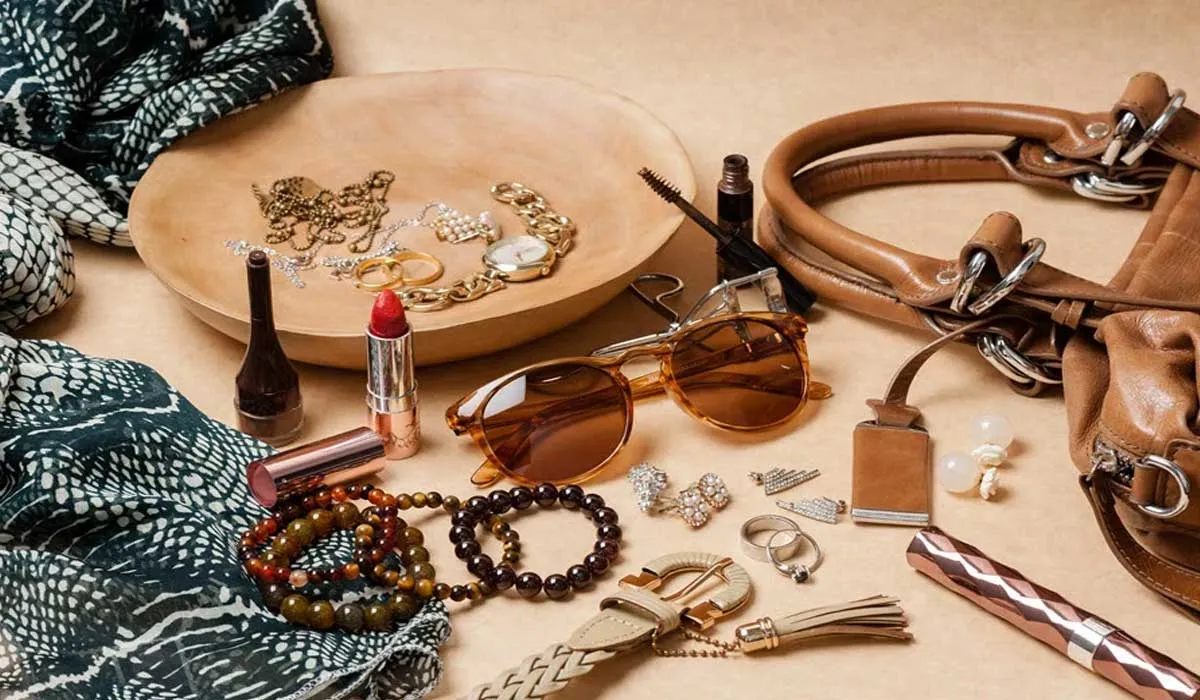
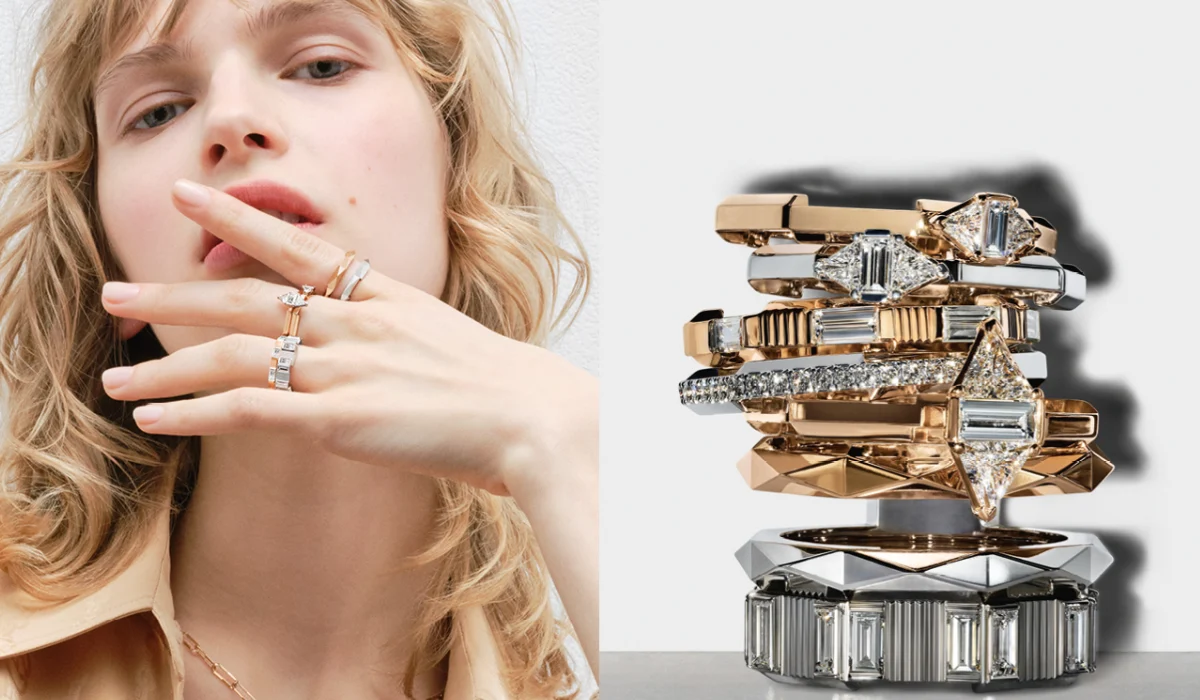
10. Real Gold. Worn Daily.
14k floor. 18k better. Plated stuff turns your finger green by week three, fact.
Small hoops. One or two delicate chains layered. Signet pinky ring if you fancy. Maybe a chunky cuff if you’re feeling brave.
Mejuri Fine, Catbird, Foundrae, Missoma’s solid gold line. £180 to £700-ish covers most of it.
Wear them in the shower. Wear them in the sea. Wear them in bed. Wear them at spin class. Real gold welcomes the wear. Builds character. Picks up little marks and dings that make it feel like yours, not just another shiny new thing.
How to Build This Without Going Skint
Don’t buy all ten at once. Please. Nobody does this, not even women whose husbands play Premier League football.
Audit first. Lay literally everything on the bed. Be brutal. Most of us own three or four of these in some form already, just in slightly wrong colour, slightly wrong cut, slightly wrong fit. Fix those first before adding new.
I do a yearly budget thing. £1,800 spread across 12 months. Sounds bonkers written down. Then I remember the £130 I used to drop at Zara every single month on stuff pilling after six wears, and actually it’s the same money. Just better directed.
Sample sales happen four times yearly in London (sign up for The Outnet’s mailing list, Browns’ too). Vestiaire Collective for second-hand Loro Piana cashmere at 60% off. The RealReal for handbags. Hardly Ever Worn It for nearly-new designer. Sign up to all of them, set alerts, wait.
Patience over cash, every single time.
Making Them Last 15+ Years
Cedar hangers. Always. Moths hate them. Shoulders keep their shape. £30 for ten on Amazon. Just do it.
Rotate. Don’t wear the same wool blazer three days running. The fibres need 24 hours between wears to spring back. Sounds mad. True though.
Steam over iron when possible. Direct heat damages natural fibres faster than people think. £45 handheld steamer from Argos, takes 90 seconds to heat up, lasts years.
Green dry cleaner only. CO2 or Green Earth solvent. The old perchloroethylene-based ones are harsh on wool, harsh on silk, harsh on your lungs. Worth Googling who locally uses what.
Questions People Actually Ask Me
How many pieces do I actually need?
Honest answer: between 25 and 35 including shoes and coats. But your number depends on where you live and what you do. London needs more layers and a proper coat collection.
Lisbon needs linen and not much else. Office job needs more tailoring than freelance-from-home life does. Build for your actual existence, not the fantasy version you scroll past on Instagram at 11pm.
Are these pieces genuinely worth the money?
Right, run the numbers yourself. £600 cashmere worn twice a week for ten years = roughly £2.90 per wear. £60 acrylic jumper worn twenty times before pilling beyond saving = £3 per wear, and you’ve felt rubbish in it every single one of those twenty wears. The cost-per-wear maths favours quality. Almost always.
Which colours mix the easiest in a luxury capsule wardrobe?
Navy, camel, cream, charcoal, black. Mix without thinking. Then add one or two accent shades suiting YOUR skin tone, not whatever is trending. Cool-toned people, try burgundy, forest, slate. Warm-toned, try olive, rust, chocolate, mustard. Skip beige if it drains your face, which it does for about 40% of people I’d guess.
Can I build this on a smaller budget?
Yeah. Slower, but absolutely. Quince, Cuyana, Massimo Dutti, Arket, COS, all sit in the £80 to £250 zone for proper basics. Second-hand designer through Vestiaire and The RealReal opens up premium brands you couldn’t otherwise touch. Two pieces a year is fine. Five years from now you’ve got it sorted.
How often should I refresh the whole thing?
You don’t, really. That’s sort of the point. Genuine classics last a decade or two if you look after them. Replace pieces when they wear out, not when some magazine decides the lapel width has shifted by 2mm this season. One or two new investments yearly, maximum.
Final Thoughts
Honestly?
A wardrobe like this builds itself one piece at a time. Blazer this autumn. Cashmere round Christmas. Right jeans by spring. Two years in, you get dressed in four minutes and look better than you did when your rail was groaning under 80 things.
The luxury capsule wardrobe essentials I’ve listed are the spine of it. Trends carry on doing their trend thing around you. Yours just keeps working. Quietly. Without ever needing to make a fuss.
That’s the whole point, really.