A luxury hotel is easy to recognise and surprisingly hard to choose. The photographs all look beautiful, the descriptions all promise the same things, and the prices, at the top end, stop telling you very much. Two hotels can charge similar rates and offer entirely different stays: one memorable for the right reasons, the other merely expensive.
The difference is rarely a single feature. It is the sum of small decisions where the hotel sits, how the room is put together, how the staff respond when something goes wrong and most of those decisions are visible before you book, if you know where to look.
This guide is about that looking. It covers how to match a hotel to the trip you are actually taking, how to judge a room from photographs and reviews, what service really means at this level, and how to tell the difference between genuine quality and expensive decoration. The aim is simple: a stay that feels worth what it cost, not because of the price on the confirmation, but because of the days you spent there.
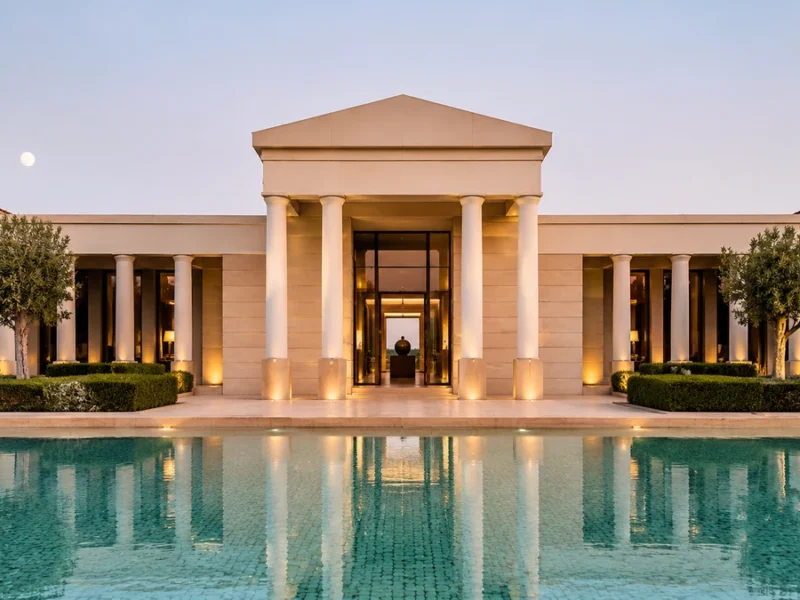
A grand luxury hotel with a classical stone facade, balconies and warm lights, photographed at dusk beneath a deep blue sky.
Start With the Trip, Not the Hotel
Every good hotel choice begins before any hotel is considered. Ask first what the trip is for. A hotel that is perfect for a slow anniversary weekend can be entirely wrong for a working trip, and a resort built around long days by the pool will frustrate a traveller who plans to be out from breakfast until dinner. Luxury is not a fixed set of features; it is the right features, in the right proportion, for the days ahead.
Think about how you will actually spend your time. If the purpose is rest, the room matters more than the address, and quiet matters more than a fashionable postcode.
If the purpose is a city museums, restaurants, meetings then location and a good bed matter more than a spa you will never visit. Write down, in a few lines, what a good day on this trip looks like. Then judge every hotel against that day, not against its own marketing.
Location Is the First Luxury
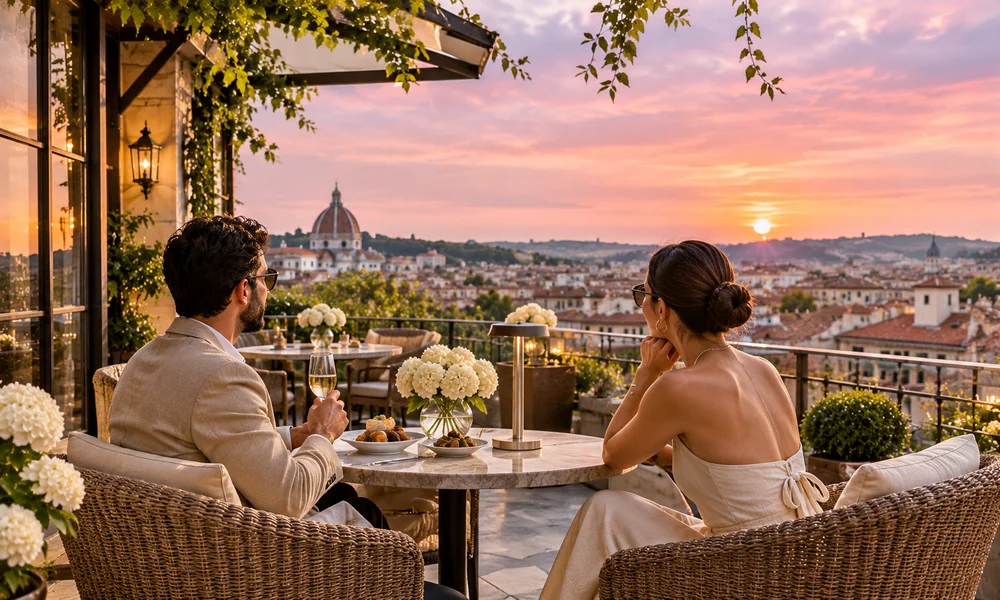
Of all the things a hotel cannot change, location is the most important. A beautiful hotel in the wrong place will cost you time every day time in cars, time planning around traffic, time arriving tired at the things you came to enjoy.
A well-placed hotel gives that time back. It lets you walk to dinner, return to your room in the afternoon without a plan, and treat the city or the coast as an extension of the stay rather than a destination to be reached.
Look at a map, not just the hotel’s description of its neighbourhood. Descriptions are generous by nature; a map is not.
Check how far the places you care about really are, and how you would get there on foot. A hotel that describes itself as central may sit on the edge of the district you want, and a hotel that calls itself a short drive from the beach may be a twenty-minute walk along a road with no pavement.
The Room Is Where the Money Goes
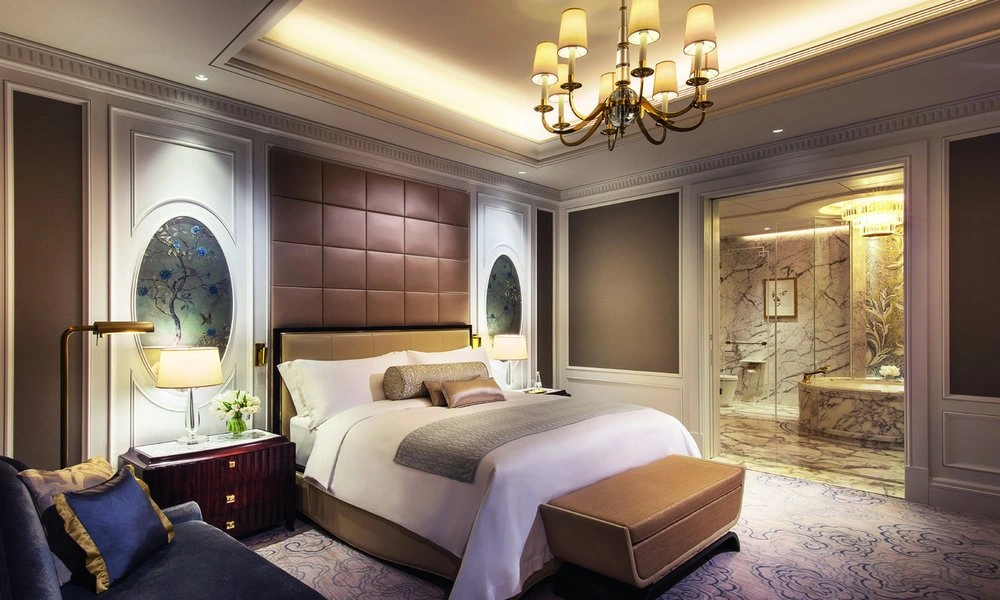
Most of a hotel stay happens in one room, so the room deserves the closest attention. Start with size, and be careful with the words hotels use. Room categories vary wildly between properties and countries, and a “deluxe” room in one hotel can be smaller than a standard room in another.
Where the hotel publishes measurements, use them. Where it does not, look at the photographs with a sceptical eye: a wide-angle lens can make a small room look generous, and a photograph taken from the doorway always flatters the space.
Then look at the bed, because it is where the stay is won or lost. A good luxury hotel invests in its mattresses, its pillows and its linen, and it is usually happy to say so. Read recent reviews specifically for mentions of sleep: guests complain quickly about a bad mattress and praise a good one just as readily.
If you sleep lightly, ask about the quietest rooms before you book away from the lift, away from the street, away from the bar.
Pay attention to light and air. A room with generous daylight feels different from one lit entirely by lamps, however elegant they may be. Check whether the bathroom has natural light and whether the shower has proper pressure both are mentioned in honest reviews far more often than in hotel descriptions.
And look at the storage: a room designed for a real stay has somewhere to put a suitcase that is not the floor and somewhere to hang clothes properly. These unglamorous details separate a room designed by people who stay in hotels from one designed only to be photographed.
How to Read Hotel Photographs and Reviews
Hotel photographs are not lies, exactly, but they are arguments and they are made by people whose job is to persuade you. Learn to read them as such. A hotel that shows only its best suite and its restaurant is telling you something by omission.
Look for photographs of the standard rooms, the corridors, the view from an ordinary window. If the hotel does not publish them, guest photographs will. The gap between professional photography and guest photography is where the truth of a hotel usually sits.
Reviews deserve the same careful reading. Ignore the overall score and read the words instead, particularly the recent ones. Look for patterns rather than single complaints: if several guests in different months mention slow service, thin walls or a tired bathroom, believe them. A single angry review may be an exception; five calm ones saying the same thing are a fact.
Pay particular attention to how the hotel responds to criticism. A thoughtful, specific reply one that names what will change suggests a management that reads its reviews and acts on them. A defensive reply, or a copied reply pasted under every complaint, suggests the opposite.
The same applies to praise: reviews that mention staff by name, describe small kindnesses, or say the guest will return are worth far more than a string of five-star ratings with no words attached. What you are looking for, in the end, is consistency a hotel that delivers the same standard on a quiet Tuesday in February as it does on a busy Saturday in June.
Service Is the Difference You Feel
If the room is where the money goes, service is where the value is decided. Anyone can buy beautiful furniture; far fewer hotels employ people who notice what a guest needs before being asked, and fewer still keep that standard when the hotel is full. The test of a luxury hotel is rarely the check-in, which every good hotel has rehearsed.
It is the small, unscripted moments: the request made at midnight, the problem with a booking, the guest who arrives exhausted and needs, above all, to be looked after without fuss.
There are signs to look for before you arrive. A concierge who answers a question properly with a specific recommendation rather than a list is a good sign. So is a hotel that asks, when you book, whether there is an occasion, an allergy, or a preference worth knowing about.
These are small things, but they indicate a hotel that treats guests as individuals rather than room numbers. The great hotels of the past understood this as a matter of craft: the story of how the Ritz-Carlton set the modern hotel standard is, at its heart, a story about service treated as a discipline, not a department.
Once you are there, notice how the hotel handles the ordinary. Does housekeeping respect the do-not-disturb sign, and when you ask for something, does it arrive when promised? Luxury service is not about grand gestures. It is about reliability repeated dozens of times a day, so quietly that you only notice it when it is missing. A hotel that gets the ordinary right will almost always get the extraordinary right too.
The Details That Separate Good From Great
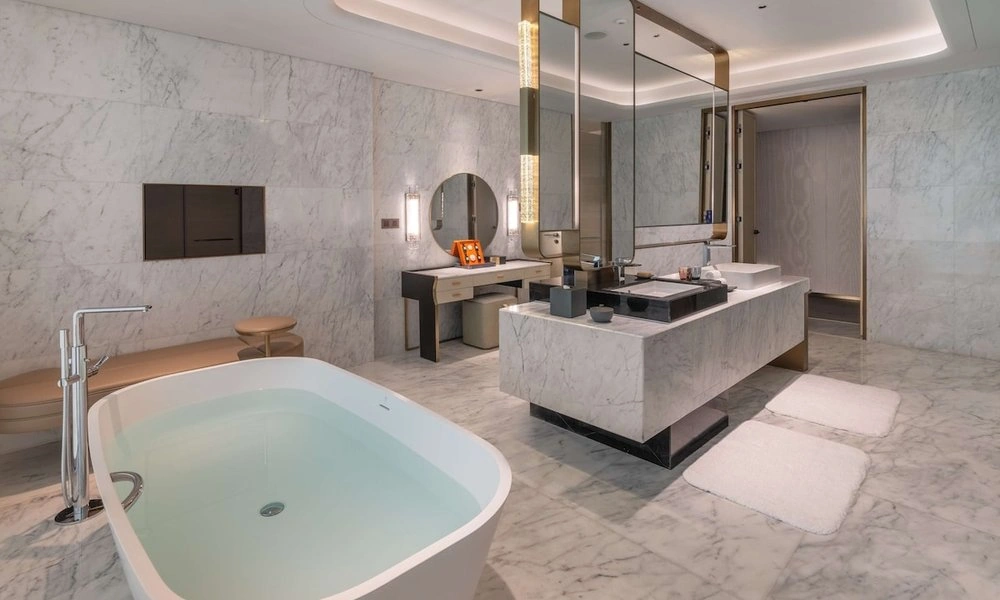
Beyond the room and the service, luxury lives in details that are easy to miss on a first visit and impossible to forget once you have noticed them. The bathroom is one of the best places to look. A great hotel bathroom has generous light, a mirror you can actually use, proper storage for toiletries, and a shower that works without a manual.
It is cleaned to a standard where nothing needs to be overlooked. If the bathroom feels like an afterthought, the rest of the hotel usually is one too.
Look, too, at the quality of the materials under your hands: the feel of the linen, the sound the room makes when it is quiet. Good hotels invest in things guests touch and hear rather than things they merely see. Soundproofing is one of the most telling of these investments a room where you cannot hear the corridor, the neighbours or the street is a room someone thought carefully about.
Finally, notice what is not there. A luxury hotel does not fill its rooms with clutter, branded clutter included.
The best rooms feel calm, with space to think and somewhere to put your own things. A minibar priced to punish, a television that greets you with advertising, a bathroom full of single-use plastic each is a small sign that the hotel is thinking about its margins rather than your stay. None of them, alone, ruins a hotel. Together, they tell you where its attention really goes.
Dining, the Spa and the Spaces Between
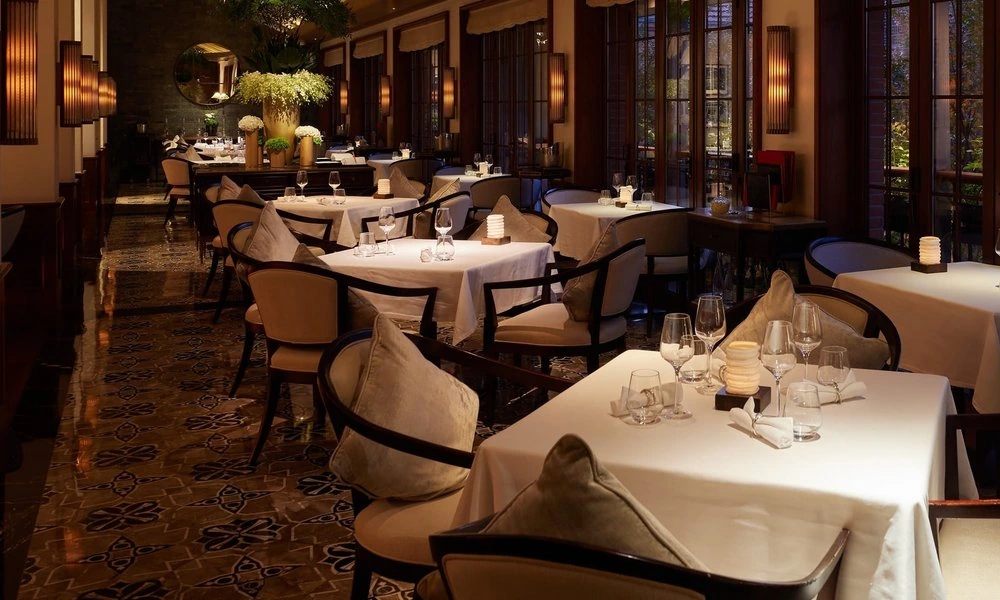
A hotel’s restaurants and spa deserve the same honest assessment as its rooms, because they are where much of the stay is spent and where much of the bill is run up. A restaurant inside a hotel should be judged as a restaurant, not as an amenity. Would you eat there if it were not in your hotel? If the answer is yes, it is a genuine asset. If the answer is no, it is a convenience at best, and you should plan your evenings elsewhere.
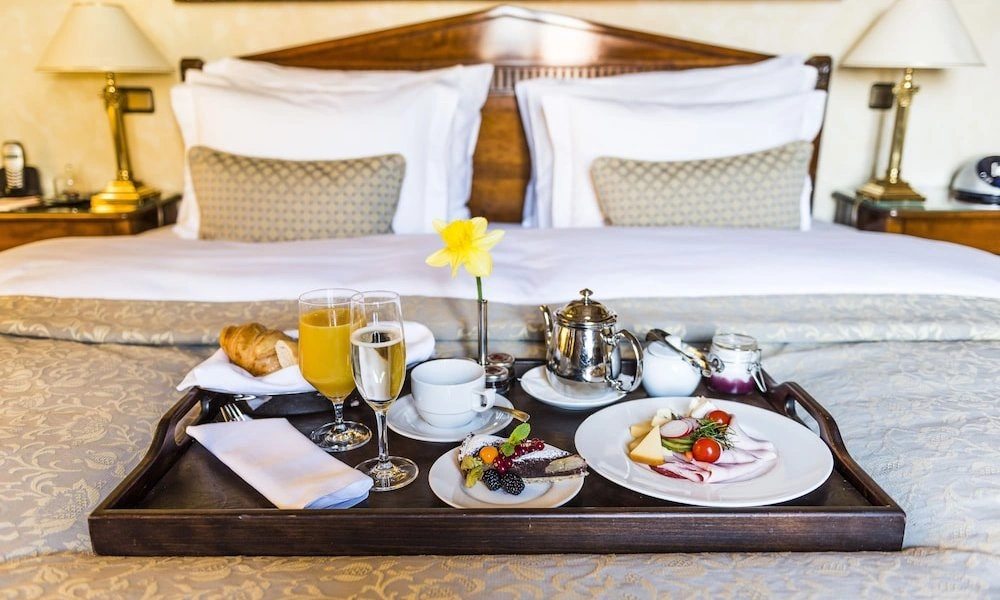
Breakfast deserves special attention, because it is the meal you are most likely to eat in the hotel, and the one where quality is hardest to hide. Fresh bread, properly cooked eggs, good coffee and unhurried service are the marks of a kitchen that cares; a buffet of tired food under heat lamps is the opposite. A beautiful breakfast in a beautiful room is one of the quiet pleasures of a good hotel, and it sets the tone for the whole day.
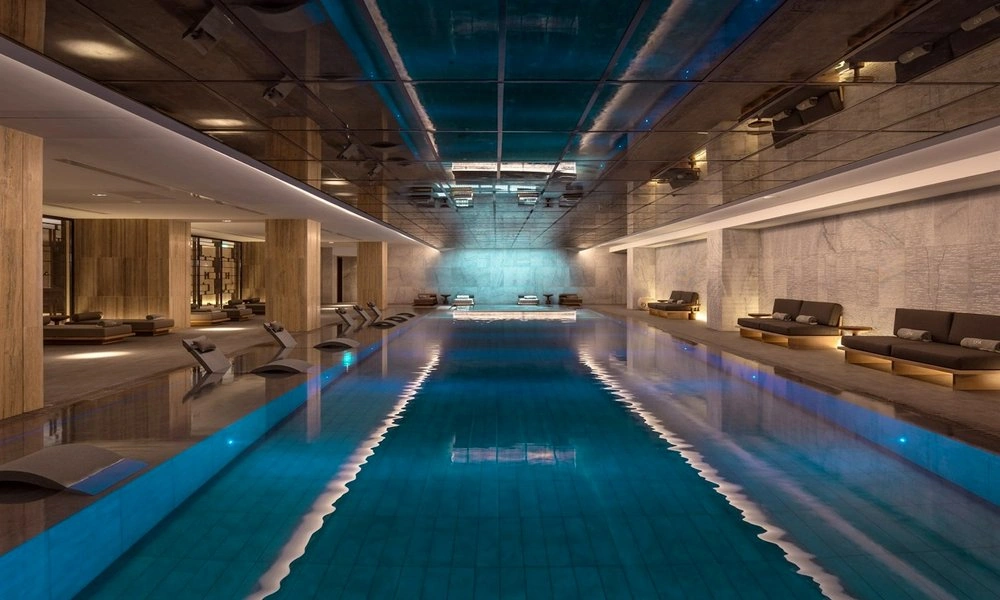
The spa and pool follow the same rule as everything else: judge them by how you will use them. A spa with a short treatment menu, well-trained therapists and calm spaces is worth more than a vast facility that feels like a leisure centre.
A pool that is heated properly, cleaned properly and open at hours that suit adults as well as children is worth more than a spectacular one that is always crowded. And do not overlook the spaces between the facilities the garden, the library, the terrace, the quiet corner with an armchair. These in-between places are often where a stay is actually enjoyed, in the hours when nothing is scheduled.
Heritage and Character
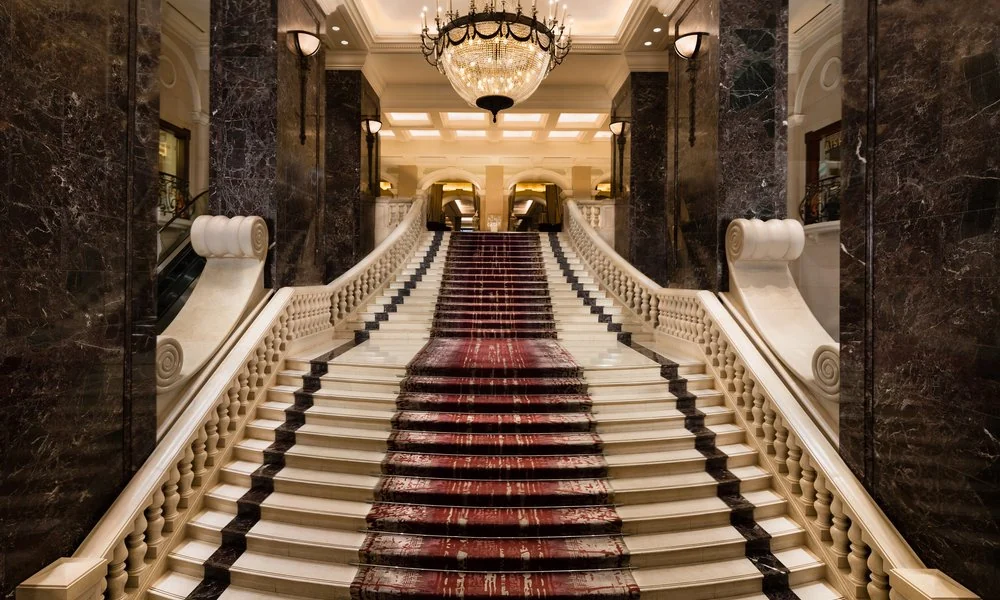
Some hotels are worth choosing for their history alone not as museums, but as places where the past is still part of the daily experience.
A grand hotel that has been welcoming guests for more than a century carries a kind of confidence a new building cannot buy: proportions settled long ago, a dining room that has hosted generations, staff who understand that they are keepers of something rather than merely employees. The Savoy in London, in business on the Strand since the late nineteenth century, is the classic example.
Heritage is not only European, and it is not only about age. The historic grand hotels of America show the same idea in a different key: great railway and resort hotels built for a country that was still inventing its idea of luxury, many of them still operating with their original grandeur intact.
What these hotels share is not a style but a standard the sense that the building, the service and the setting were conceived together, and have been maintained together, for a very long time.
Character, though, does not require a century. A small, independent hotel with a clear point of view a family that knows its regulars, a building that suits its place, a restaurant that cooks what the region grows can offer a stay no large hotel can match.
The question is not how old the hotel is, but whether it knows what it is: when the art, the food and the service all belong to the same idea, the stay adds up. When a hotel borrows its identity from its marketing, the borrowing shows the moment you arrive.
Resorts, Seasons and the Question of Value
Resorts ask a different question from city hotels, because the hotel is the destination rather than a base for one. Here the grounds matter as much as the rooms: the distance from your room to the pool, the shade at midday, the quality of the beach or the garden, the choice of places to eat without leaving the property.
A resort that photographs beautifully from the air can still disappoint on foot, so look for guest photographs of the ordinary spaces the paths, the pool at a normal hour, the restaurant terraces and ask how the resort feels when it is full.
Season changes everything, and it changes the value of a stay more than any other factor. The same hotel in high season and low season can feel like two different properties: different crowds, different weather, different prices, and sometimes a different level of attention from staff who are stretched thin or, conversely, delighted to have time for you.
The best value in luxury travel is rarely the cheapest rate. It is the rate paid for the week when the hotel is at its best the weather settled, the property full enough to feel alive but not so full that service strains.
When you come to judge value, compare the whole stay rather than the nightly rate. A hotel that includes breakfast, parking, spa access and airport transfers may cost less in total than a cheaper room that charges for each of them separately. Ask what is included before you compare, and ask what is not.
The most expensive mistake is paying a great deal for a stay that leaves you wishing you had chosen differently and an hour of careful reading before you book almost always prevents it.
Before You Book: A Short Checklist
A few minutes with this list will catch most of the mistakes that spoil a luxury stay. First, confirm the practical things: the exact room type and floor you have booked, the cancellation terms, what breakfast and taxes include, and whether the rate you have found is refundable or not.
Second, write to the hotel. A short message before booking asking about a quiet room, a special occasion, an early check-in will tell you more about the hotel than any review. The quality of the reply, its speed and its specificity, is a preview of the service you will receive. A hotel that answers well before you have paid will almost certainly look after you once you have.
Third, book directly when you can, and compare honestly when you cannot. Direct bookings often bring small advantages a better room, a later check-out that are worth more than a small saving elsewhere. Finally, read your confirmation twice: the room type, the dates, the names, the total. The time to find an error is before you travel, not at the desk after a long journey.
Frequently Asked Questions
Is a five-star hotel always the best choice?
Not necessarily. Star ratings measure facilities and services against a standard, and different countries apply them differently. A five-star hotel can be formal and impersonal, while a well-run four-star hotel with a good location and a caring staff can be the better stay. Judge the hotel on its own merits the room, the service, the setting rather than on its stars.
How far in advance should I book a luxury hotel?
For popular hotels in high season, several months ahead is sensible, and suites and the best rooms are usually the first to go. Outside peak periods, a few weeks is often enough, and it leaves room to watch for better rates. Whatever the timing, book the room you actually want rather than hoping for an upgrade.
Are hotel reviews trustworthy?
Mostly, yes if you read them properly. Trust recent reviews, look for patterns across many guests, and give the most weight to detailed reviews that mention specific staff, rooms or meals. Be cautious with reviews that are entirely vague, whether glowing or furious, and remember that a hotel’s replies to criticism are often as revealing as the criticism itself.
What is the single most important thing to check before booking?
The room you will actually sleep in. Check its size, its bed, its quiet and its light through guest photographs and recent reviews, and confirm the exact room type on your booking. A beautiful lobby and a famous restaurant matter, but you will spend most of your stay in one room and that room decides whether the trip feels worth it.
Wherever your next journey takes you, we hope the room you return to each evening feels less like a booking and more like a small, well-kept pause in the day a place where the light is kind, the bed is made properly, and someone has thought, quietly and in advance, about what would make your stay a little easier. Choose slowly, ask the questions that matter, and may the hotel you choose turn out to be the one you find yourself recommending for years afterwards.