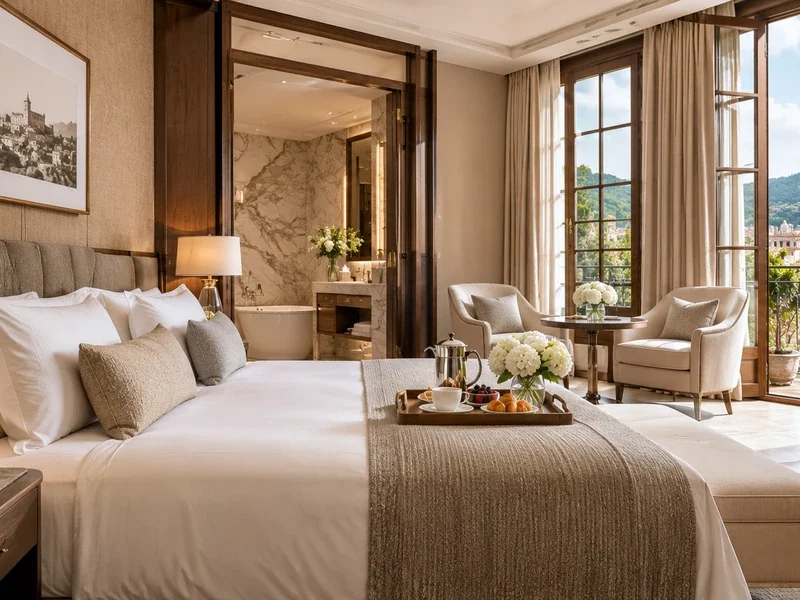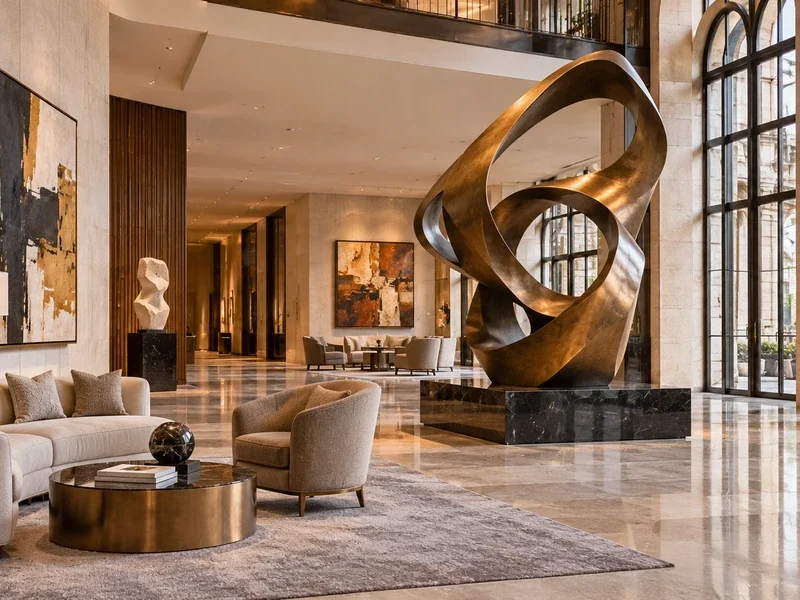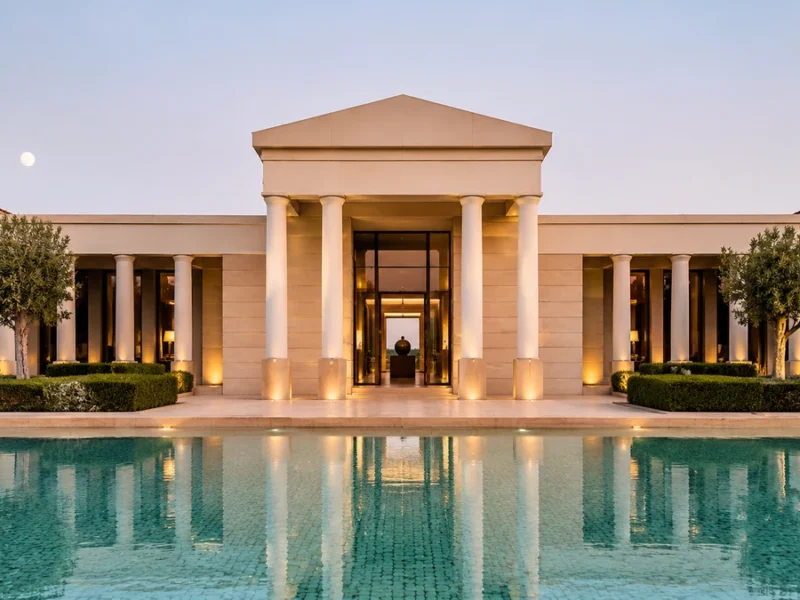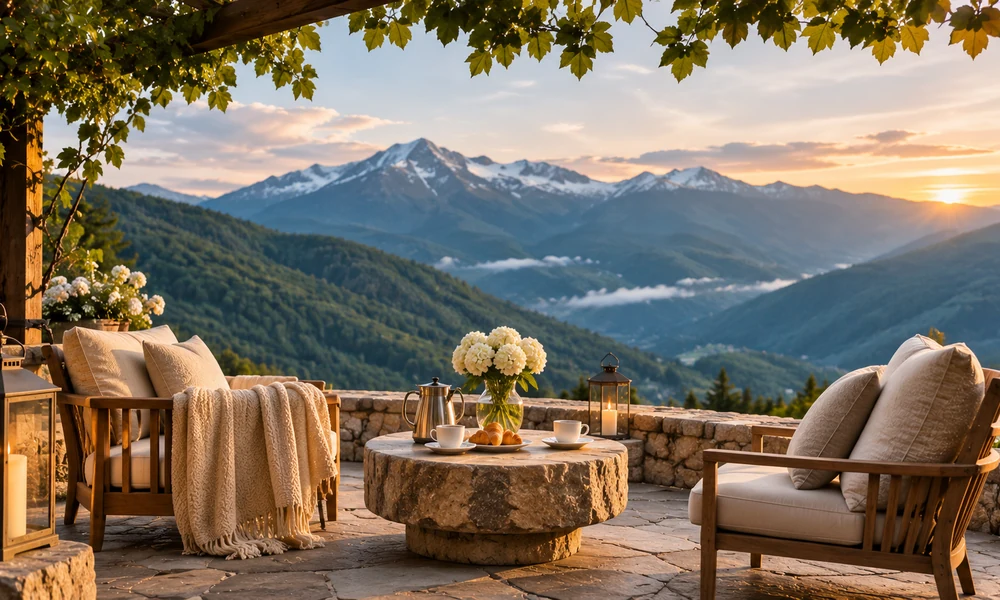
A boutique hotel is not simply a small hotel. It is a place with a point of view: a building with a past, rooms that were decorated one by one rather than ordered in bulk, and a host who knows your name by the second morning. Europe has more of these places than anywhere else on earth, because it has more old houses, old palaces and old farmsteads waiting to be turned into something generous.
For 2027, the best of them share a quality that has nothing to do with size or price. They feel personal. You arrive as a guest and leave feeling, briefly, like a resident.
This list gathers ten of them, from a villa above Lake Como to a townhouse in Stockholm. They are spread across seven countries and several very different kinds of landscape, but they have the same instinct in common: fewer rooms, more attention, and a sense that the building itself is part of the stay. None of them tries to be everything. Each of them is very good at being itself.
What Makes a Boutique Hotel Worth Booking
The word boutique is used loosely, and it helps to know what to look for. A genuine boutique hotel is usually small often fewer than fifty rooms, sometimes fewer than twenty and independently run, or run by a small group with a clear identity.
The rooms differ from one another. The restaurant, if there is one, serves the neighbourhood as well as the guests. And the service is personal rather than procedural: someone remembers how you take your coffee, or which room you liked last time.
Scale matters because it changes the atmosphere. In a hotel of twenty rooms, the garden is quiet, the breakfast room is calm, and the staff have time. That is the thread running through every hotel on this list. They are not the grandest hotels in Europe, and they do not try to be. They are the ones guests return to, and the ones they recommend by name.
1. Passalacqua, Lake Como, Italy
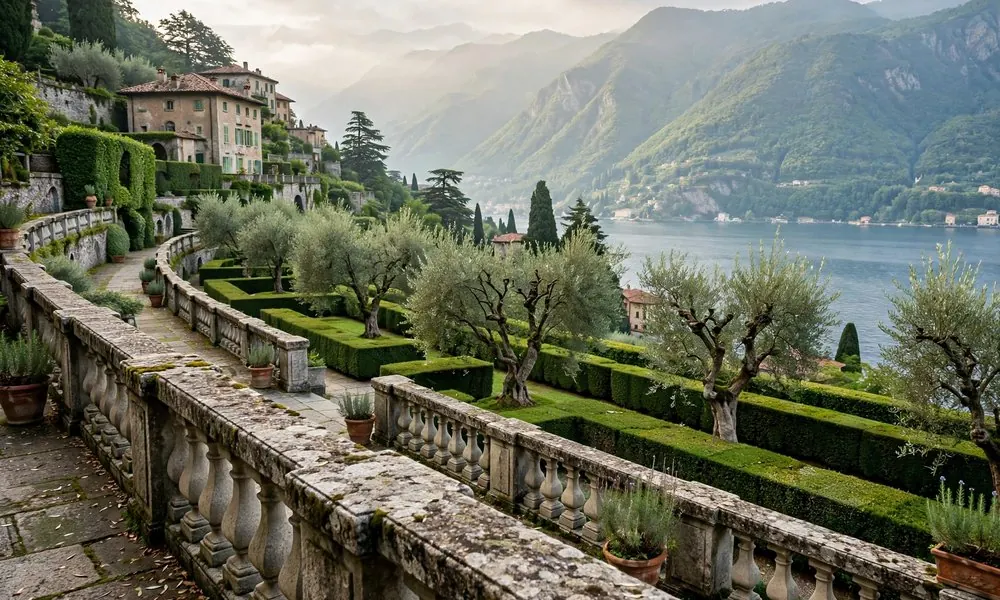
Passalacqua is an eighteenth-century villa above the village of Moltrasio, on the western shore of Lake Como, and it is the most quietly confident hotel on this list. The De Santis family, who also own the Grand Hotel Tremezzo across the lake, bought the house in 2018, spent three years restoring it, and opened it as a hotel in June 2022 with just twenty-four rooms.
A year later it was named the best hotel in the world in the first edition of The World’s 50 Best Hotels, an extraordinary rise for a house that had spent two centuries as a private home.
The rooms are spread across three buildings the villa itself, the former stables known as the Palazz, and Casa al Lago, a cottage at the water’s edge and they are furnished largely with antiques the family found themselves.
The gardens run down seven acres of terraces to a private jetty, and the restaurant and gardens are reserved for guests, so the whole place keeps the feeling of a private house rather than a hotel. It is a stay for a couple marking something that matters, or for anyone who would rather have twenty-four rooms and a family on site than a grand lobby and a ballroom.
For a wider sense of how the world’s finest hotels are judged, see our guide to the best hotels in the world for 2026.
2. Le Sirenuse, Positano, Italy
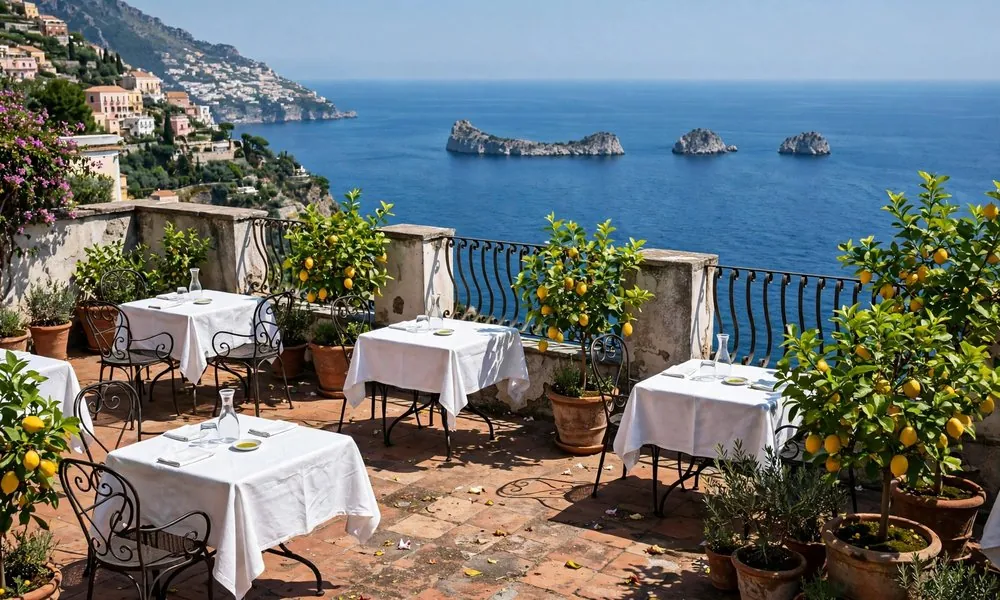
Le Sirenuse has been the Sersale family’s house since 1951, when four siblings turned their eighteenth-century summer villa above Positano into a small hotel of eight rooms. Three generations later it has grown to fifty-eight rooms, yet it is still run by the family Antonio Sersale and his wife Carla and it still feels like a home that happens to take guests.
The deep red facade, the terraces stepping down the cliff, and the view across the bay to the Li Galli islands, the rocks of the sirens that gave the hotel its name, are part of Positano itself.
The writer John Steinbeck stayed in 1953 and described it as a dream place; the hotel has quoted him ever since, and the description has held up. La Sponda, the candlelit restaurant, remains one of the coast’s great rooms, and the hotel’s programme of commissioned contemporary art and its Emporio Sirenuse boutique give it a cultural life that most seaside hotels never attempt.
The season runs roughly from spring to autumn, and the house is at its best in the quieter weeks at either end of it. A stay here pairs naturally with a slow journey along the coast, and with the kind of trip our guide to the best cruise destinations in the world describes the Mediterranean taken at walking pace.
3. Borgo Santo Pietro, Tuscany, Italy
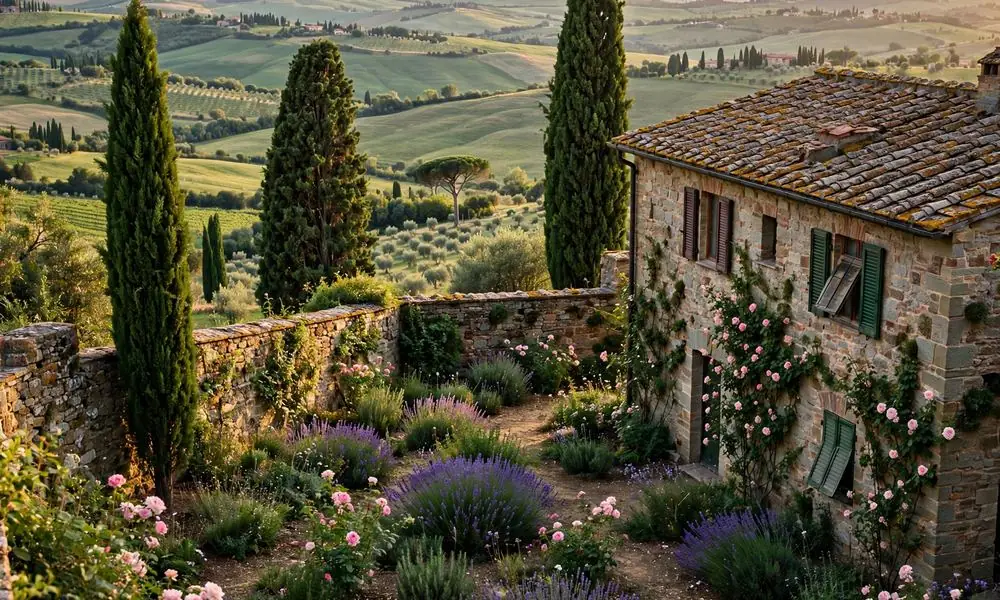
Borgo Santo Pietro is a restored medieval estate in the hills near Siena, and it is the most garden-minded hotel on this list. The property was rebuilt over many years by its owners, who restored the thirteenth-century buildings, planted extensive organic gardens, and built a farm that supplies the kitchen.
The result is a small village of stone houses, courtyards and terraces set in rolling Tuscan countryside, with a spa, a pool and a restaurant that cooks largely from what the gardens produce.
What sets it apart is the sense of completeness. Nothing here feels added for effect: the gardens are worked every day, the food comes from the estate, and the rooms are decorated with the same care as the grounds.
It suits a long, unhurried stay a week rather than a weekend and travellers who would rather walk the estate in the morning and eat well in the evening than tick off sights. For anyone planning a Tuscan journey, it is also a good base: Siena is close, the Val d’Orcia is within easy reach, and the hotel’s own grounds are reason enough to stay put.
4. La Réserve Paris, France
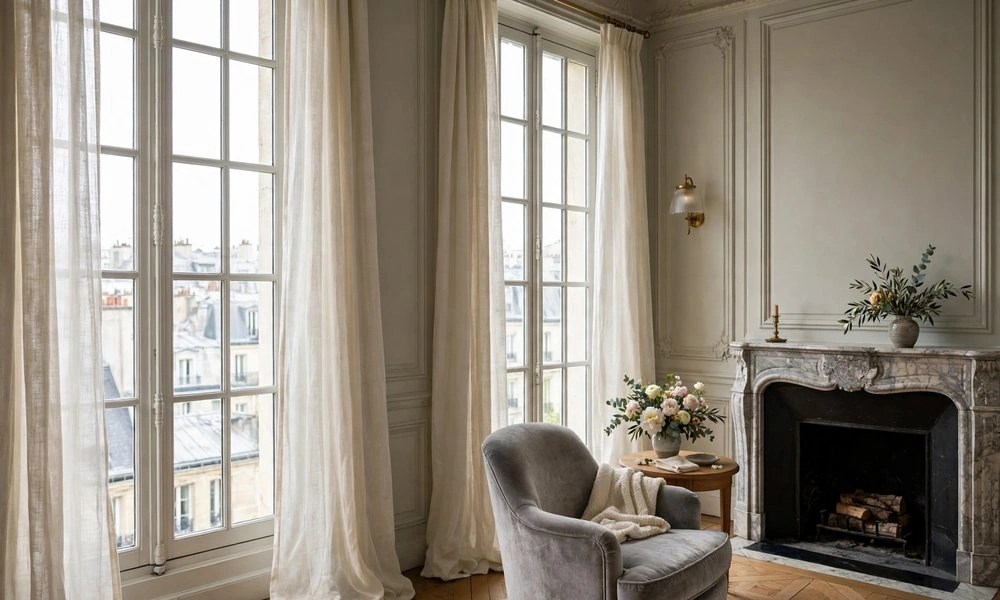
La Réserve Paris is the smallest of the capital’s palace hotels, and the one that most resembles a private house still in use. It occupies an 1854 mansion at 42 Avenue Gabriel, a quiet lane running beside the gardens of the Champs-Élysées, and it opened in January 2015 under Michel Reybier, the entrepreneur behind the La Réserve group.
There are forty rooms and suites, most of them suites, designed by Jacques Garcia in the manner of a Second Empire apartment velvet, mahogany, antiques, and a butler on every floor.
The discretion is the point. There is no grand lobby display and no name in gold letters on the facade; guests arrive through what feels like a front door.
The restaurant, Le Gabriel, holds three Michelin stars, and the spa, with its long indoor pool, is one of the calmest in the city. It is the hotel to choose for a Paris stay that is about privacy rather than display an anniversary, a proposal, or simply a few days in which the city is enjoyed from a quiet room rather than a busy one.
5. Château de la Chèvre d’Or, Èze, France
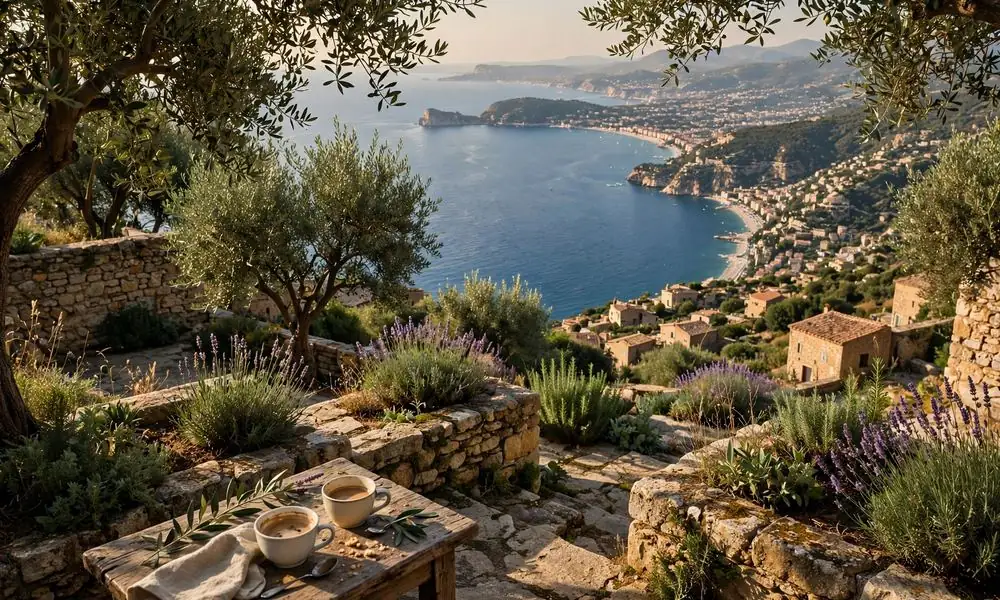
Èze is a medieval village perched on a rock between Nice and Monaco, more than four hundred metres above the sea, and the Château de la Chèvre d’Or is its most storied address. The hotel is a cluster of stone houses linked by terraced gardens, with views that run the length of the Riviera coast, and its restaurant has long been one of the region’s most celebrated tables.
The name, the golden goat comes from the village’s own history, and the hotel has kept that sense of being part of the place rather than imposed on it.
The pleasure here is the setting itself: breakfast on a terrace above the Mediterranean, an afternoon among the exotic garden’s cacti and stone paths, and an evening when the coast below lights up.
It is a small hotel, and it books far ahead in the summer months, so the best plan is to come in spring or autumn, when the village is quiet and the light is at its finest. For a Riviera journey, it pairs well with a few days in Nice or a slow drive along the coast road.
6. Can Bordoy Grand House & Garden, Palma de Mallorca, Spain
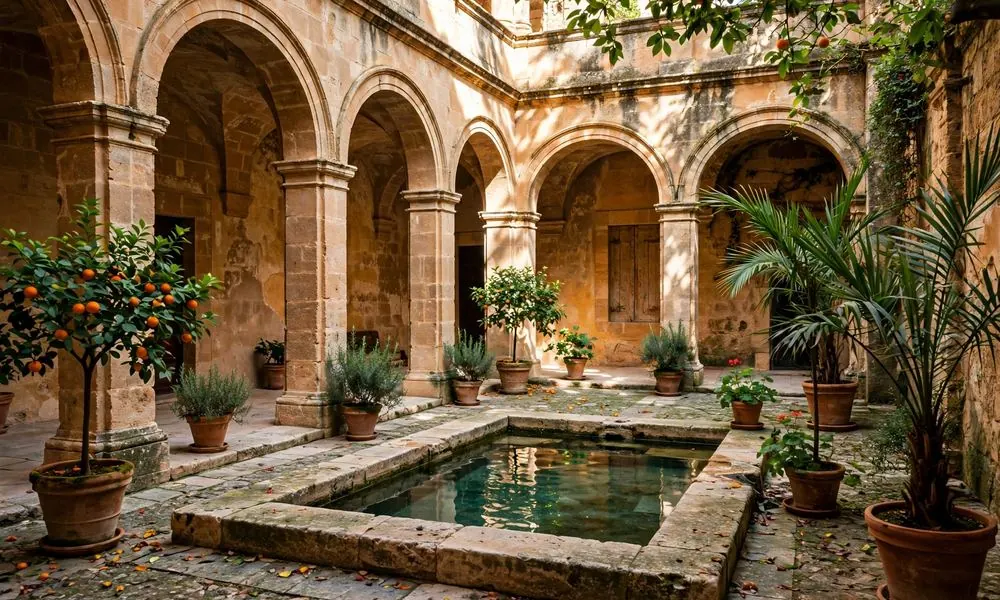
Can Bordoy is a sixteenth-century palace in the old town of Palma de Mallorca, a few minutes’ walk from the cathedral, and it is the most intimate city hotel on this list. Behind a discreet facade it holds a garden courtyard, a small pool, and a collection of suites that were decorated one by one with antiques, art and pieces gathered over years.
The building’s history is visible everywhere in the stone arches, the old wood, the quiet proportions of the rooms and the hotel has been careful to keep it that way.
Palma itself is the draw for many guests: a walkable old town, a food scene that has grown far beyond its resort reputation, and the rest of the island within an hour’s drive. Can Bordoy works best as a base for a slow exploration of the city, with the garden as a place to return to in the afternoon. It is a hotel for travellers who like their luxury quiet and their history close at hand.
7. Sublime Comporta, Alentejo Coast, Portugal
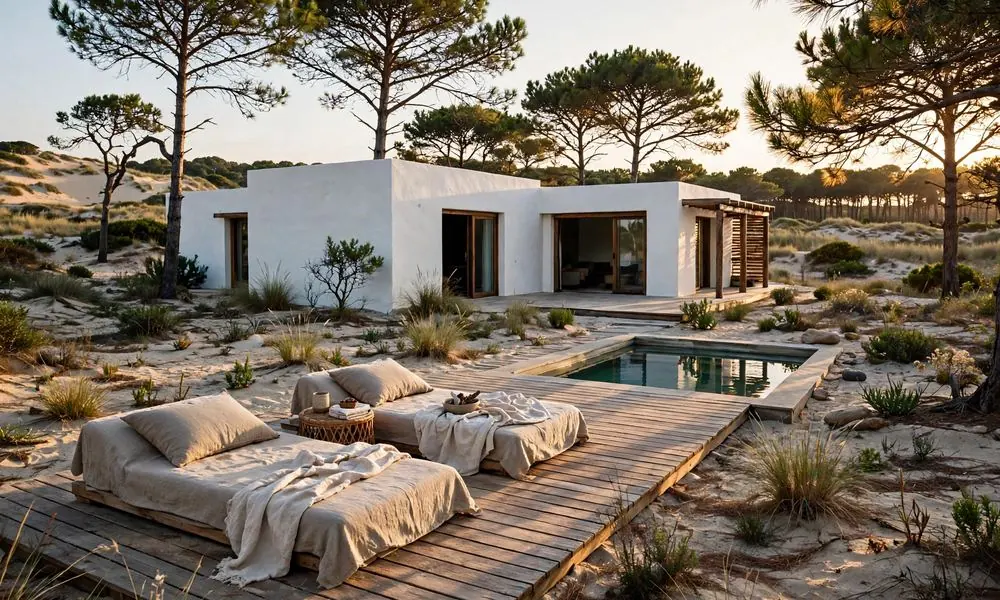
Comporta, an hour south of Lisbon, has become the Alentejo coast’s quiet answer to the Algarve: long beaches, pine forest, rice fields, and a low, whitewashed architecture that belongs to the landscape. Sublime Comporta was one of the first hotels to see the place clearly. It is a small resort of rooms, suites and villas set among dunes and pine trees, with a spa, a pool, and a restaurant that leans on the region’s produce and the Atlantic catch.
The appeal is the pace. Days here are built around the beach, the pine forest and long lunches, and the hotel is designed to make that easy rather than to fill the hours with activity.
It is also a good choice for families who want a boutique atmosphere without formality: the villas give space, the beach is a short walk away, and the whole place has a relaxed, barefoot quality that is rare at this level. Come in late spring or early autumn, when the light is soft and the beaches are nearly empty.
8. Istoria, Santorini, Greece
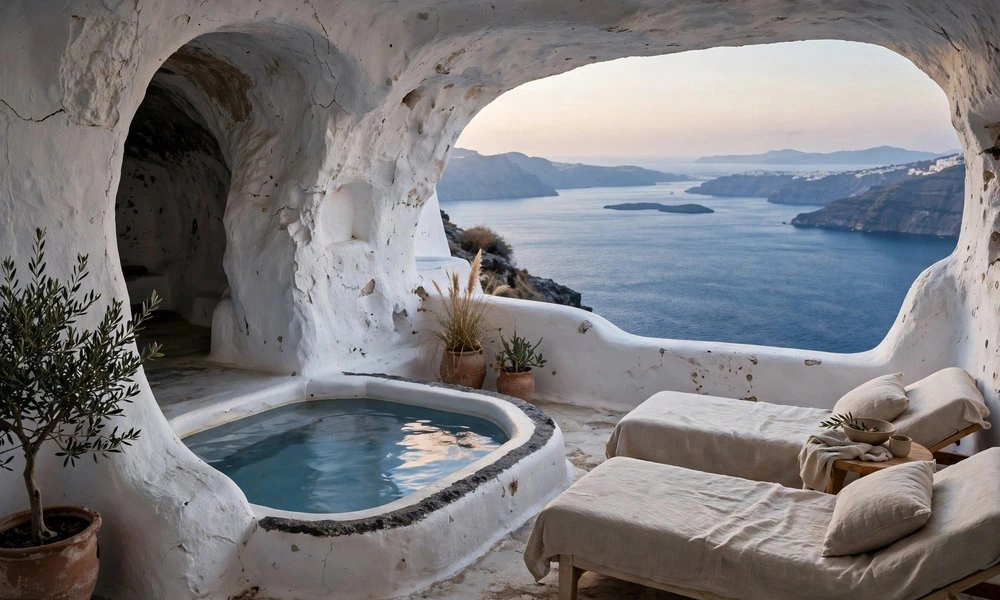
Istoria is a small, adults-only hotel on Perivolos beach, on the quieter south-eastern side of Santorini, and it is the calmest way to experience the island. The suites are built in the Cycladic manner whitewashed curves, shaded terraces, small plunge pools and the whole property is arranged around a sense of stillness that the busier caldera villages cannot offer. The beach is dark volcanic sand, the sea is close, and the hotel’s restaurant and spa are deliberately low-key.
Santorini in high summer can be crowded, and Istoria’s distance from the caldera crowds is part of its value. It suits couples who want the island’s light and architecture without the queues, and who are happy to spend their days between the beach and the terrace. A car makes the island easy to explore, and the caldera villages are a short drive away for an evening, after which the quiet of Perivolos feels like a relief.
9. Ett Hem, Stockholm, Sweden
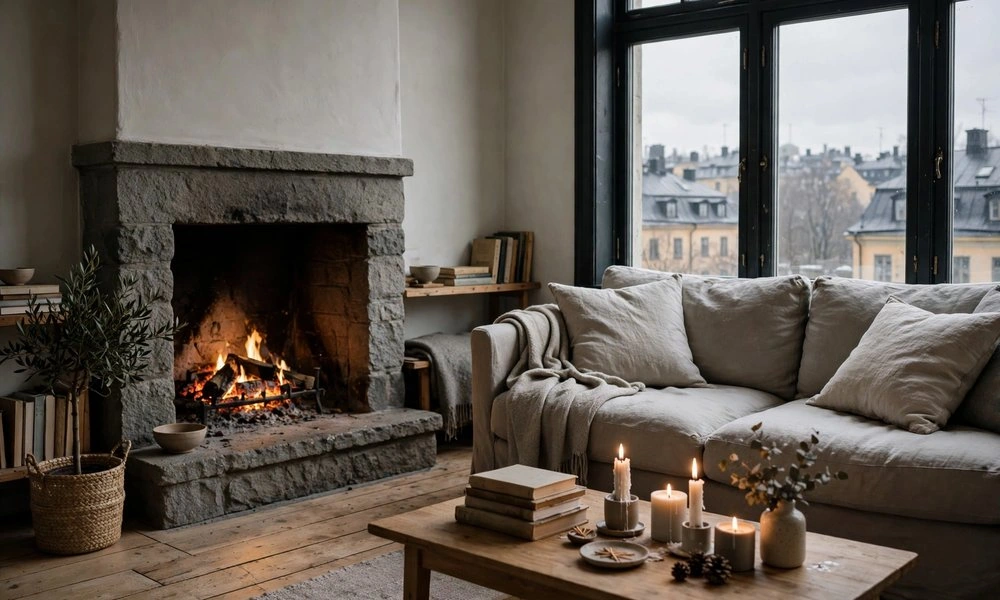
Ett Hem means “a home” in Swedish, and the name is the whole idea. The hotel began with twelve rooms in a 1910 Arts and Crafts townhouse in Lärkstaden, a quiet embassy district a short walk from the centre of Stockholm, and it was designed by the British designer Ilse Crawford to feel like staying in a friend’s house rather than a hotel. There is no front desk; guests are met in the library and walked to their rooms, which are named rather than numbered, and the kitchen is open to guests as if it were their own.
It is the most residential hotel on this list, and the most personal. Breakfast is whatever you want, whenever you want it; the walled garden is a quiet place in summer; and the staff know every guest by name, because there are so few of them. The house has grown since it opened in 2012, with rooms added in the neighbouring building, but the feeling has not changed. If winter is your season, it is also one of the most atmospheric cold-weather stays in Europe firelight, candles, and a city that wears the snow well and a natural companion to a winter journey of the kind our guide to luxury ski resorts for the winter season describes.
10. Nimb Hotel, Copenhagen, Denmark
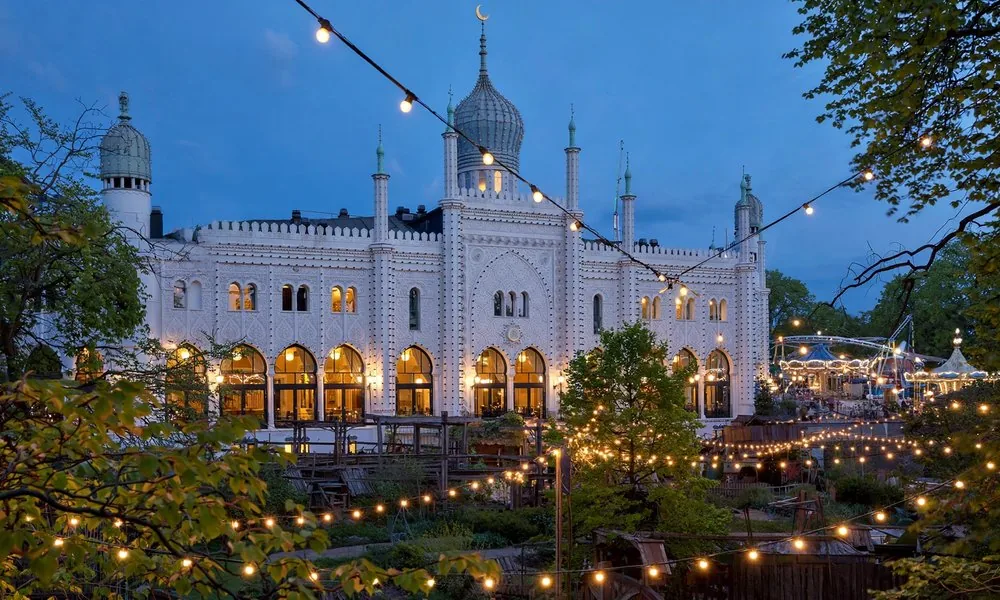
Nimb is the most theatrical hotel on this list, and the most surprising. It occupies a white Moorish palace built in 1909 inside Tivoli Gardens, Copenhagen’s old amusement park, and it opened as a hotel in 2008 with thirty-eight individually decorated rooms and suites. From the outside it is all domes, arches and minarets; inside, the rooms mix Nordic design with antiques and art, and many of them look out over the gardens themselves.
The setting does most of the work. In summer the gardens are full of light and music; in winter they are lit for Christmas, and the hotel’s rooftop pool and terrace take on a different kind of charm. The restaurants the brasserie, the bar and the patisserie are destinations in their own right, and the spa sits quietly below the bustle.
It is a hotel for travellers who want a city stay with a sense of occasion, and for anyone who has ever wanted to sleep inside a fairground. Few hotels in Europe offer anything quite like it.
How to Choose the Right One for 2027
The ten hotels above are very different, and the right choice depends less on ranking than on the kind of journey you have in mind. A few simple questions help. First, what is the trip for? A honeymoon or an anniversary suits the small houses Passalacqua, Le Sirenuse, Istoria where privacy is built in. A city break suits the townhouses and palaces La Réserve, Can Bordoy, Nimb where the streets are part of the stay. A long, slow week suits the estates Borgo Santo Pietro, Sublime Comporta where there is room to settle.
Second, when are you travelling? The Mediterranean hotels are at their best in the shoulder seasons, when the light is soft and the crowds have thinned; the northern hotels Ett Hem, Nimb are at their most atmospheric in winter. And third, book early. Small hotels have few rooms, and the best of them fill months ahead for the popular weeks.
A boutique hotel rewards the traveller who plans ahead, and it repays that planning with a stay that feels made for one guest at a time.
May the door you open at the end of the day feel like it was waiting for you. The best boutique hotels do their work quietly no fuss, no spectacle, just a room that fits and a host who remembers. We hope one of these ten is the place you think of first when the next journey begins, and that the stay is every bit as good as the imagining.