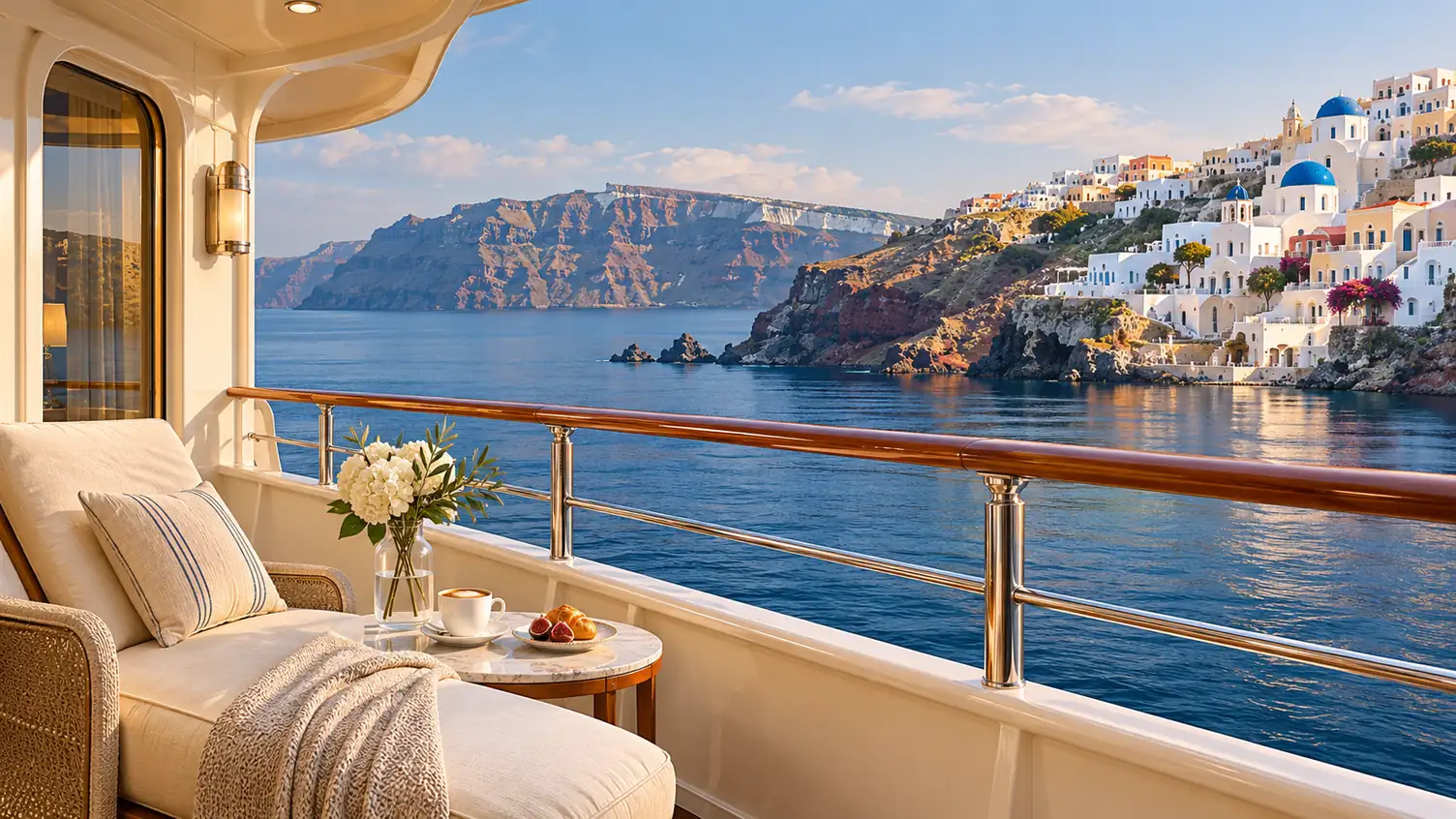
There’s a certain kind of morning that only happens on a cruise. You wake up before everyone else. The cabin is quiet. Your shoes are still beside the bed, and the sea outside your balcony looks almost impossibly peaceful.
You step outside with a cup of coffee. And there it is. An entirely new world waiting beyond the railing.
Perhaps you’re approaching a small Greek island where white houses spill down a hillside.
Maybe enormous Alaskan mountains are rising above the water.
Or perhaps you’re somewhere in the Caribbean, where the sea is such an extraordinary shade of blue that everybody will spend the afternoon trying to photograph it.
That’s what makes cruising so wonderful.
You go to sleep in one place and wake up somewhere completely different.
But choosing where to sail matters just as much as choosing the ship.
A beautiful suite can’t make up for an itinerary that doesn’t interest you. And an enormous swimming pool means surprisingly little when you realize your ship is passing through one of the most extraordinary landscapes on Earth.
The best cruise destinations in the world for 2027 include the Greek Islands, the Italian Mediterranean, Caribbean, Alaska, Norwegian fjords, Antarctica, Galápagos Islands, Japan, French Polynesia, and Europe’s great rivers.
Each offers a different kind of luxury.
Some are made for sunshine, swimming, and beautiful lunches.
Others invite you to watch wildlife, explore ancient cities, or travel through landscapes that seem almost too extraordinary to be real.
For Pravi Celer, we’ve researched 20 exceptional cruise regions, considering their natural beauty, cultural experiences, established cruise routes, seasonal conditions, and the type of vessel best suited to each destination.
This is an independent editorial selection rather than an official ranking based on popularity.
Because the most beautiful place to cruise isn’t necessarily the place everybody else is visiting.
It’s the destination that gives you a story you’ll never get tired of telling.
What Are the World’s Top Cruise Destinations?
| Cruise destination | Ideal travel window | Best experience |
| Greek Islands | May–June, September | Island hopping and beautiful villages |
| Italian Mediterranean | May–June, September | Food, culture, coastal glamour |
| Croatia & Montenegro | May–June, September | Historic ports and Adriatic scenery |
| French Riviera & Balearics | May–September | Luxury marinas and beach clubs |
| Eastern Caribbean & Bahamas | December–April | Beaches and family holidays |
| Southern Caribbean | December–April | Colorful islands and quieter routes |
| Alaska | May–September | Glaciers and wildlife |
| Norwegian Fjords | May–September | Spectacular mountains and waterfalls |
| Iceland & Greenland | June–September | Arctic landscapes and exploration |
| Antarctica | November–March | Polar expedition adventures |
| Galápagos Islands | Year-round | Wildlife and guided exploration |
| French Polynesia | April–October | Lagoons and romantic islands |
| Japan | Spring and autumn | Culture, cities, and coastal scenery |
| Southeast Asia | Region-dependent | Temples, islands, and tropical cities |
| Australia & New Zealand | November–March | Natural beauty and coastal culture |
| Chilean Patagonia | October–March | Remote fjords and glaciers |
| Panama Canal | October–May | An extraordinary engineering passage |
| Nile River, Egypt | October–April | Ancient temples and history |
| Danube River | April–October, December | European capitals and culture |
| Rhine River | April–October, December | Castles, villages, and vineyards |
These are broad seasonal planning windows, not guarantees of weather, sailing availability, or particular port visits.
1. Greek Islands: For the Days You Never Want to End
Best for: Romance, island hopping, Mediterranean culture
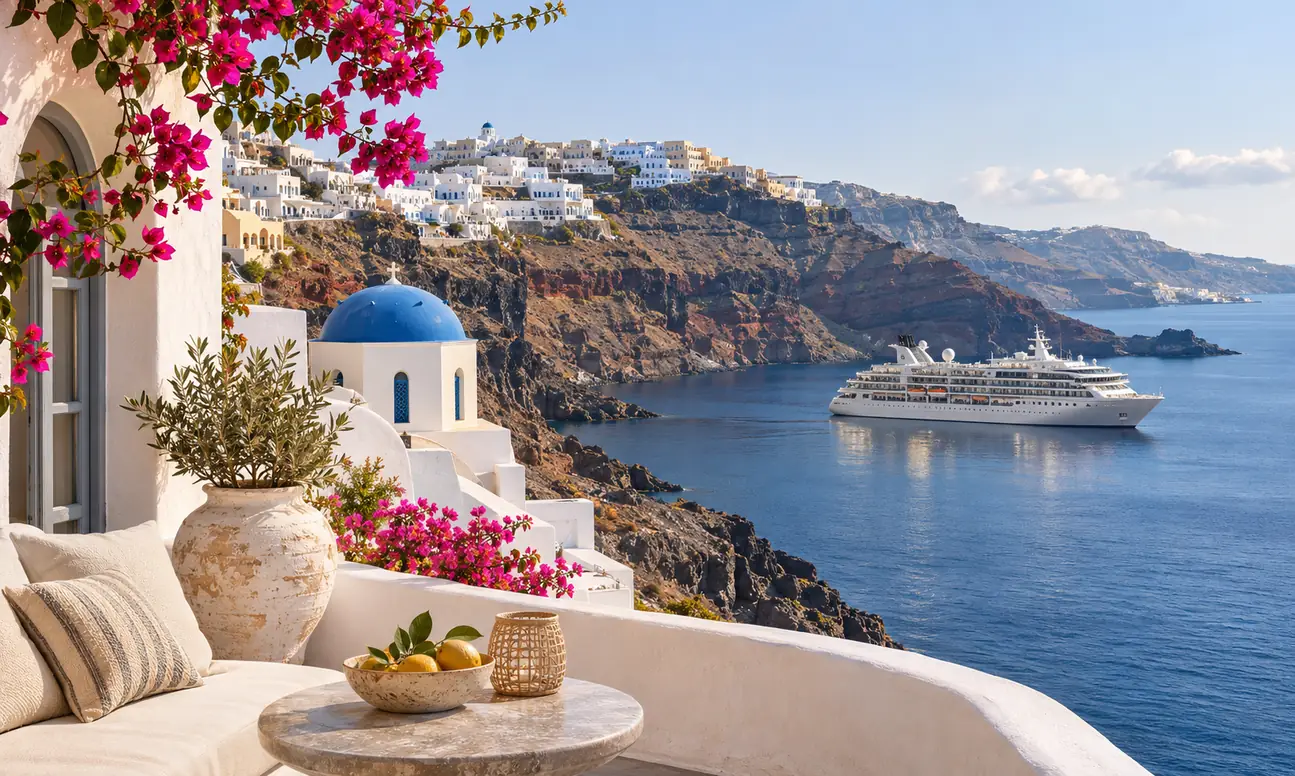
Imagine arriving in Santorini just as the morning sunshine begins illuminating the white buildings above the caldera.
Your friends are already discussing where to have lunch.
Someone wants to explore the village.
Someone else is convinced that the perfect afternoon involves absolutely nothing more complicated than finding a beautiful seaside terrace.
That’s the joy of cruising the Greek Islands.
Santorini, Mykonos, Rhodes, Crete, and the smaller islands offer a wonderful combination of history, scenery, and Mediterranean hospitality.
But here’s something important.
Not every Greek island is best experienced from an enormous cruise ship.
Popular ports can become crowded, and tender transfers may take time.
The overlooked question: Would you rather visit five islands quickly or spend two beautiful days exploring one?
For travelers who appreciate slower journeys, a small-ship cruise may offer a more intimate experience.
2. The Italian Mediterranean: Where Every Port Feels Like a Beautiful Film
Best for: Italian food, history, architecture, and coastal luxury
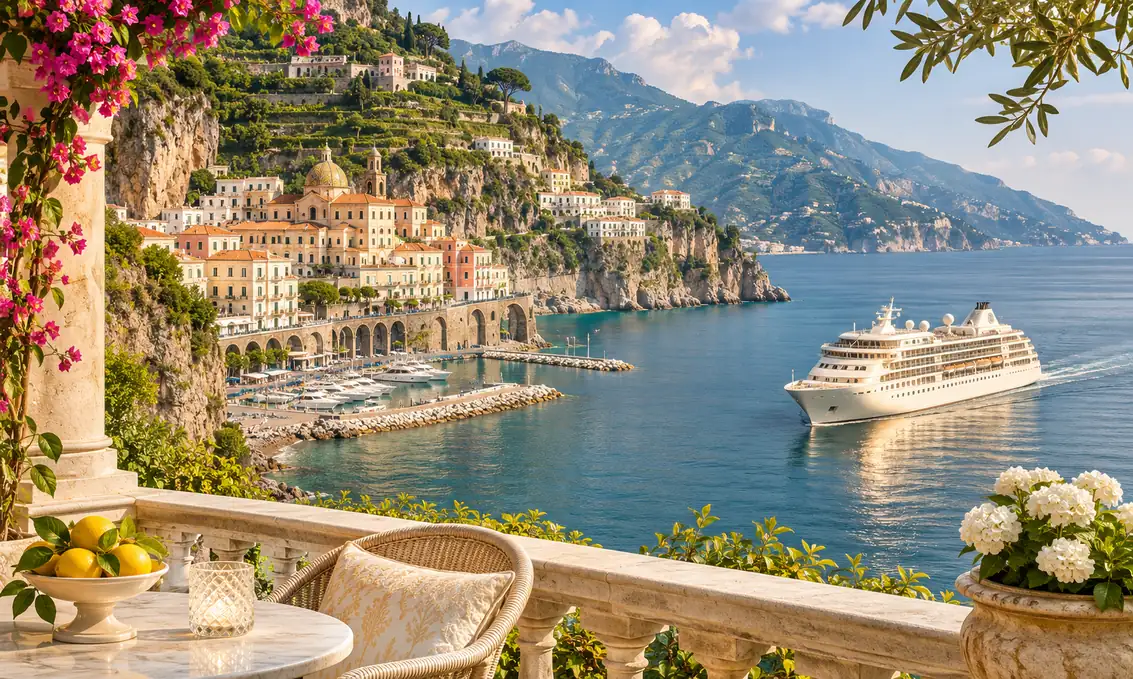
There’s something almost unfair about how beautiful the Italian coast can be.
One morning you’re enjoying breakfast near Naples.
The next day you’re exploring the colorful villages of the Ligurian coast.
And somewhere between those experiences, you’ve discovered a restaurant that makes you wonder why you ever eat lunch in a hurry.
Italy’s Mediterranean routes can include Naples, Sicily, the Amalfi Coast region, Liguria, and ports serving Rome.
But read the itinerary carefully.
A ship advertised as visiting Rome may actually dock at Civitavecchia, some distance from the city.
Similarly, Naples may be the gateway to Pompeii, Sorrento, or the Amalfi Coast rather than an overnight stay in those destinations.
What makes an Italian cruise genuinely luxurious?
Having enough time to enjoy the places you came to see.
A beautiful port becomes much less romantic when you’re spending most of the visit worrying about returning to the ship.
3. Croatia and Montenegro: The Adriatic at Its Most Charming
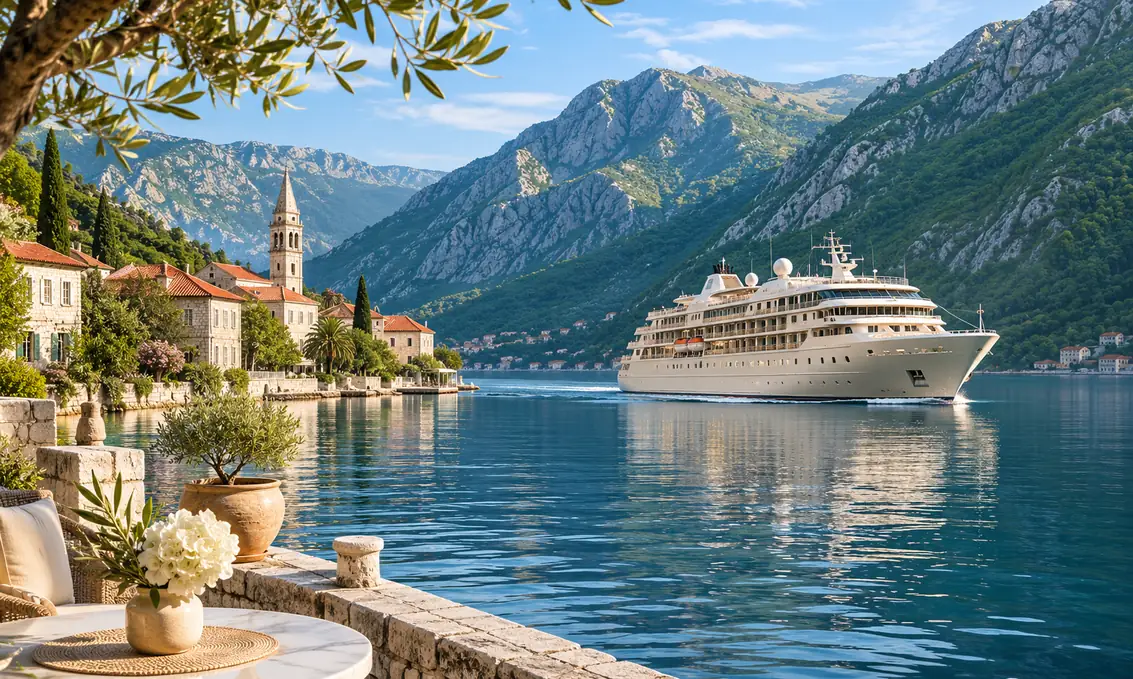
Best for: Historic harbors, coastal villages, and boutique cruising
Picture a little harbor filled with beautiful stone buildings.
The water is calm, the afternoon is warm, and the streets seem to invite you to explore without any particular plan.
Welcome to the Adriatic.
Dubrovnik, Split, Hvar, Kotor, and other coastal destinations offer an extraordinary combination of history and natural beauty.
Larger cruise ships regularly visit major ports.
But smaller vessels may be able to visit quieter places and offer a more flexible style of coastal travel.
The question worth asking: Do you want to see famous old towns, or spend time discovering the smaller islands between them?
For the second experience, consider a more intimate itinerary.
Croatia is particularly rewarding when the journey isn’t rushed.
4. French Riviera and Balearic Islands: The Glamorous Mediterranean
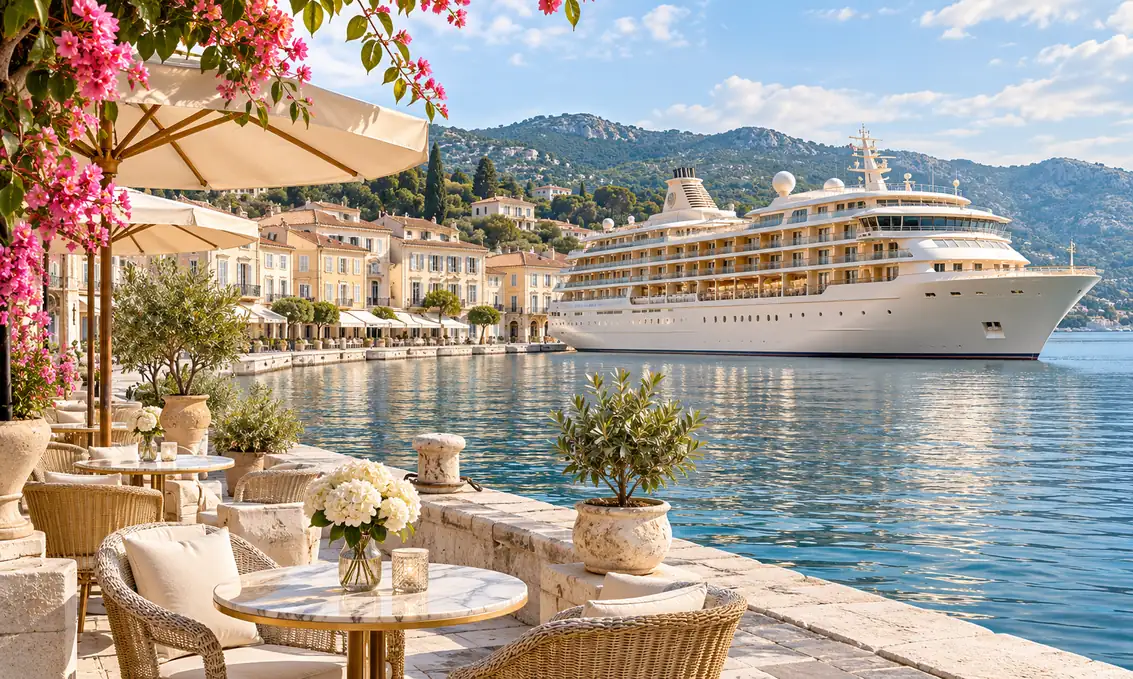
Best for: Luxury shopping, beautiful beach clubs, and sophisticated coastal travel
Some destinations practically seem to arrive with their own soundtrack.
The French Riviera is one of them.
Imagine sailing near Cannes, exploring Monaco, or enjoying a late afternoon in a beautiful harbor along the Côte d’Azur.
Then continue toward the Balearic Islands, where Mallorca and Ibiza offer a different combination of Mediterranean scenery and lively coastal culture.
This is a region where the distinction between a private yacht and a conventional cruise ship becomes particularly interesting.
Large ships offer access to major destinations.
Smaller luxury ships and private charters can provide a different relationship with the coast, depending on port and anchorage restrictions.
What should you prioritize?
If dining, shopping, and local atmosphere are the highlights, choose itineraries with generous time ashore.
A spectacular view from the deck is wonderful.
But so is having time to enjoy a beautiful place properly.
5. Eastern Caribbean and Bahamas: Sunshine With the People You Love
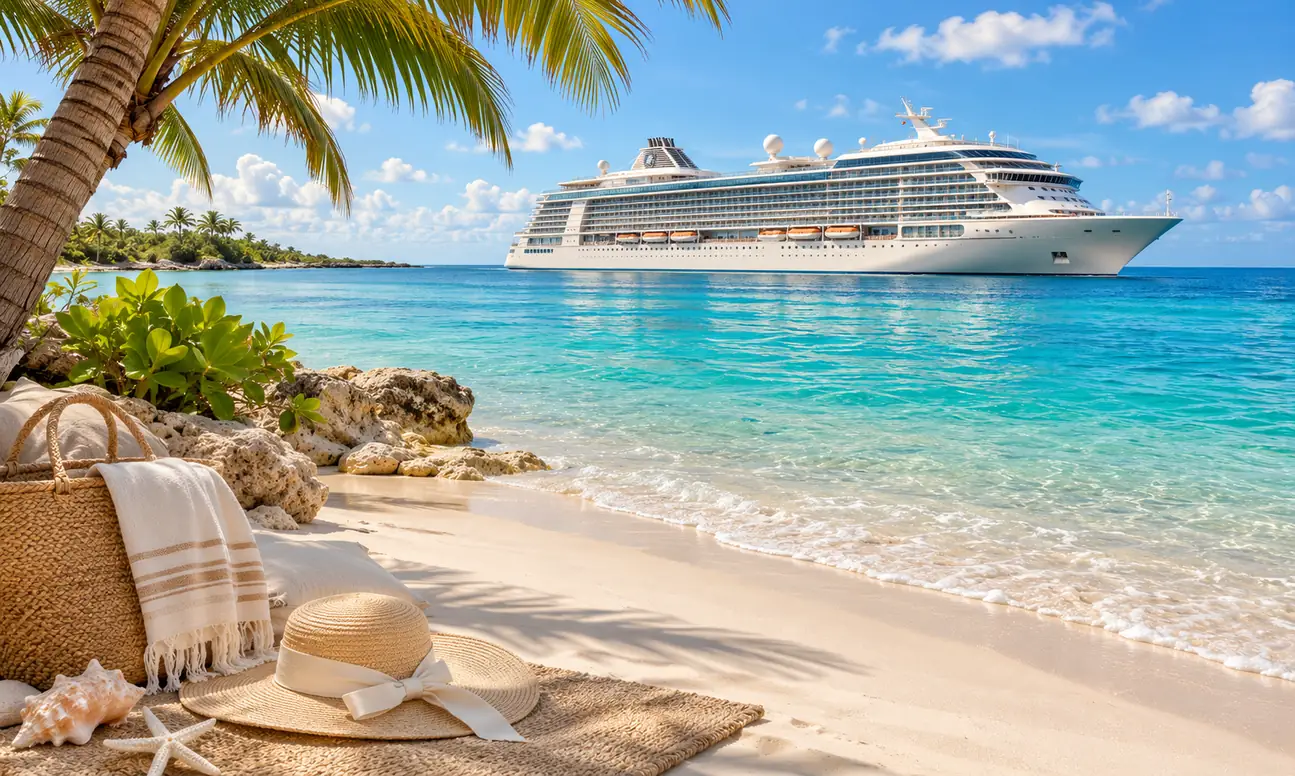
Best for: Families, first-time cruisers, beaches, and resort-style ships
There’s a special kind of happiness that appears when everyone realizes they’re on holiday.
The children are asking about swimming pools.
Your friends want to explore the beach.
And nobody seems particularly concerned about tomorrow’s schedule.
The Caribbean is made for these moments.
Eastern Caribbean itineraries often include destinations such as St. Thomas, St. Maarten, Puerto Rico, and nearby island groups.
Bahamas itineraries may feature Nassau, private cruise-line destinations, and shorter voyages from Florida.
This is also where some of the world’s largest cruise ships operate.
The Caribbean remains the world’s most popular cruise region by passenger volume, according to CLIA’s 2025 global destination reporting.
One thing to know: Atlantic hurricane season officially runs from June through November.
Cruises still operate during that period, but itineraries can change because of storms.
For travelers who prefer the usual drier winter-season conditions, December through April is a popular window.
6. Southern Caribbean: For Travelers Who Want Something a Little Different
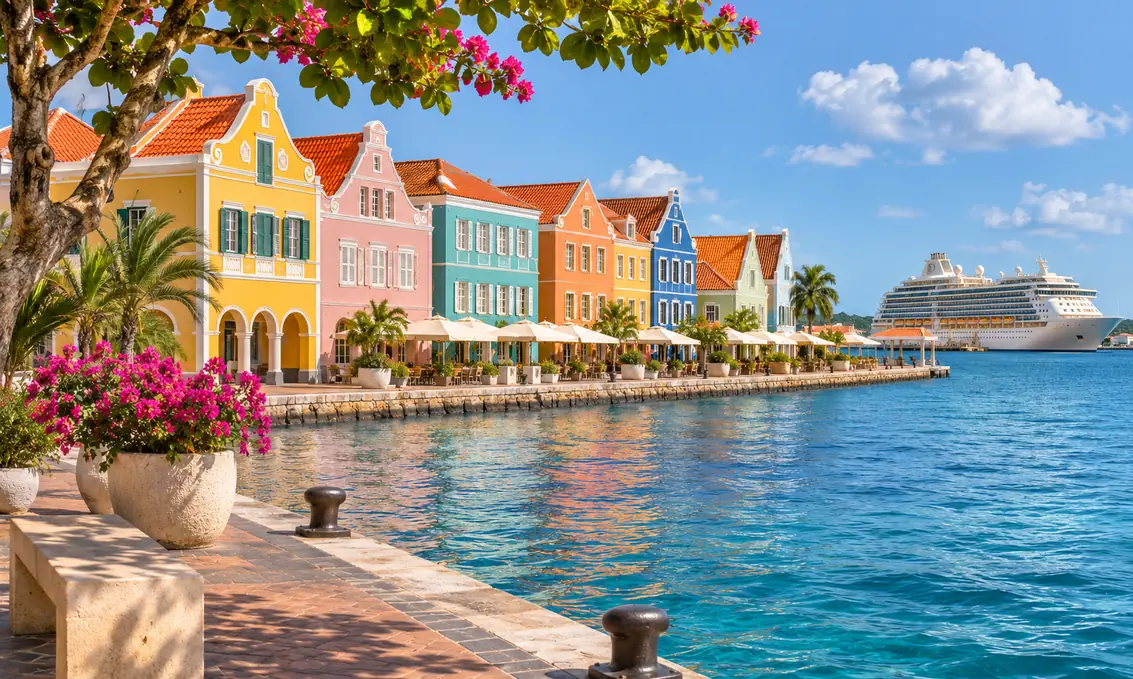
Best for: Colorful islands, distinctive cultures, and longer Caribbean itineraries
Not every Caribbean holiday needs to follow the same route.
The southern islands offer wonderful variety.
Aruba is famous for its beaches and dry landscapes.
Curaçao combines colorful Dutch-Caribbean architecture with beautiful coastal scenery.
Bonaire is particularly appealing to travelers interested in snorkeling and diving.
Other itineraries may include Barbados, Grenada, or St. Lucia.
And that’s what makes this part of the Caribbean interesting.
The islands have distinct cultures, landscapes, and experiences.
What should you ask before booking?
Does the cruise give you enough time to explore beyond the port shopping area?
Some of the most memorable moments happen when you leave the immediate terminal and discover what makes the island special.
7. Alaska: Where the Scenery Becomes the Main Attraction
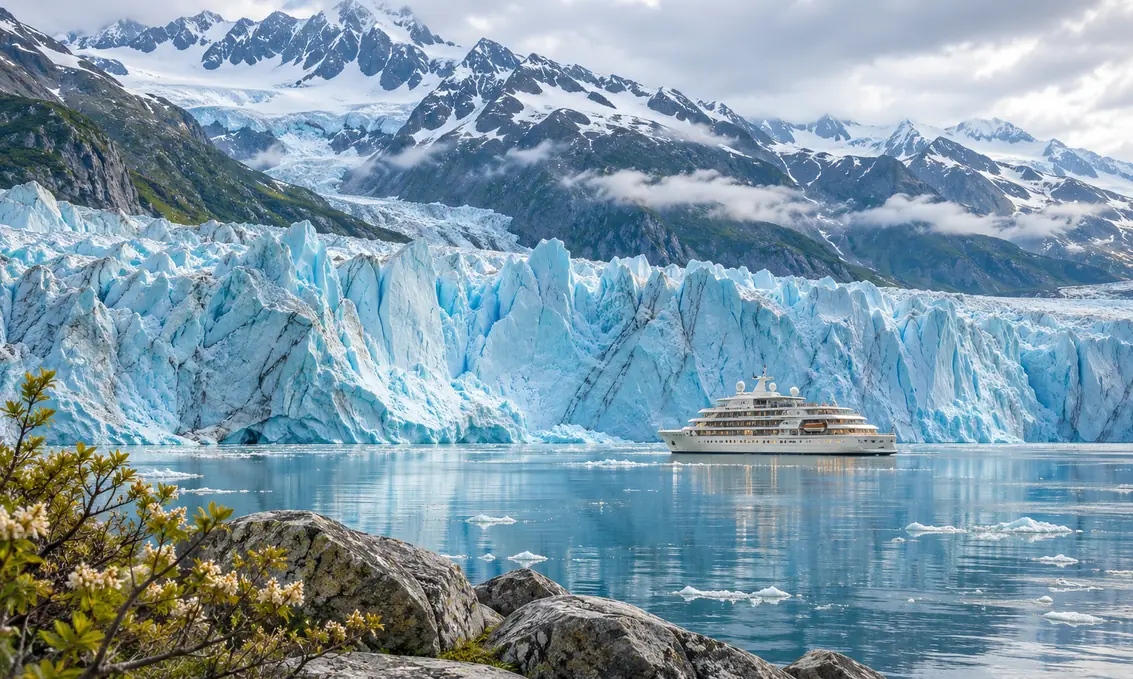
Best for: Glaciers, whales, mountains, and nature-loving families
Imagine standing on the deck just after breakfast.
The air is cool.
A towering glacier stretches across the landscape, and everyone aboard has fallen unusually quiet.
Then, somewhere in the distance, the ice cracks.
It’s the kind of moment that stays with you.
Alaska’s Inside Passage is one of the world’s most memorable cruise routes.
Itineraries may include Juneau, Ketchikan, Skagway, Glacier Bay, and other scenic locations.
But pay attention to which glacier experiences are actually included.
Not every Alaska cruise visits Glacier Bay National Park.
And some routes focus on other glacier areas.
Is a balcony worth having in Alaska?
It can be wonderful for spontaneous viewing.
But don’t assume that booking a balcony means you’ll see everything from your cabin.
Wildlife can appear on either side of the vessel, and public observation decks offer different viewpoints.
The main Alaska season runs from May through September, with occasional sailings outside that window.
For long daylight hours, June and July are particularly attractive.
8. Norwegian Fjords: The Cruise That Makes You Forget Your Phone
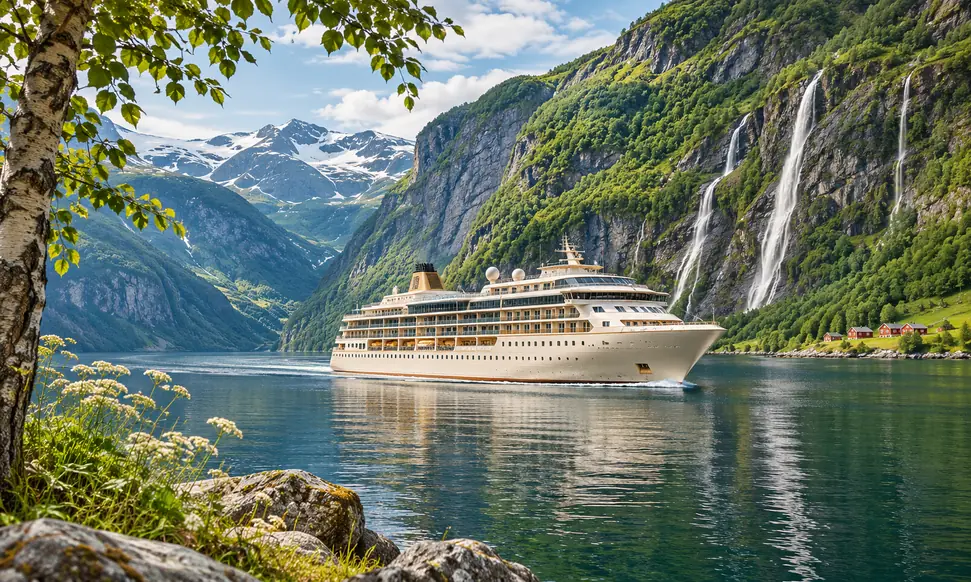
Best for: Dramatic landscapes, waterfalls, and peaceful scenic cruising
There’s something extraordinary about entering a Norwegian fjord.
The mountains seem to rise directly from the sea.
Waterfalls appear along enormous cliffs.
And even the biggest cruise ship can look remarkably small against the landscape.
Destinations such as Geiranger, Flåm, and the wider fjord region are among Northern Europe’s most celebrated cruise attractions.
Spring and early summer can offer powerful waterfalls as snow melts.
Summer generally provides more open tourism facilities and longer days.
Autumn brings a different palette of colors.
But here’s an important update for travelers planning ahead to 2027.
Norway introduced zero-emission requirements in its World Heritage fjords from January 2026 for passenger vessels below 10,000 gross tonnage.
For vessels of 10,000 GT and above, the implementation date is January 2032, subject to the regulatory framework and permitted alternatives.
What does this mean for you?
Don’t assume every ship can visit every fjord.
Check the exact itinerary and port arrangements before booking.
9. Iceland and Greenland: The Adventure Beyond Ordinary Cruising
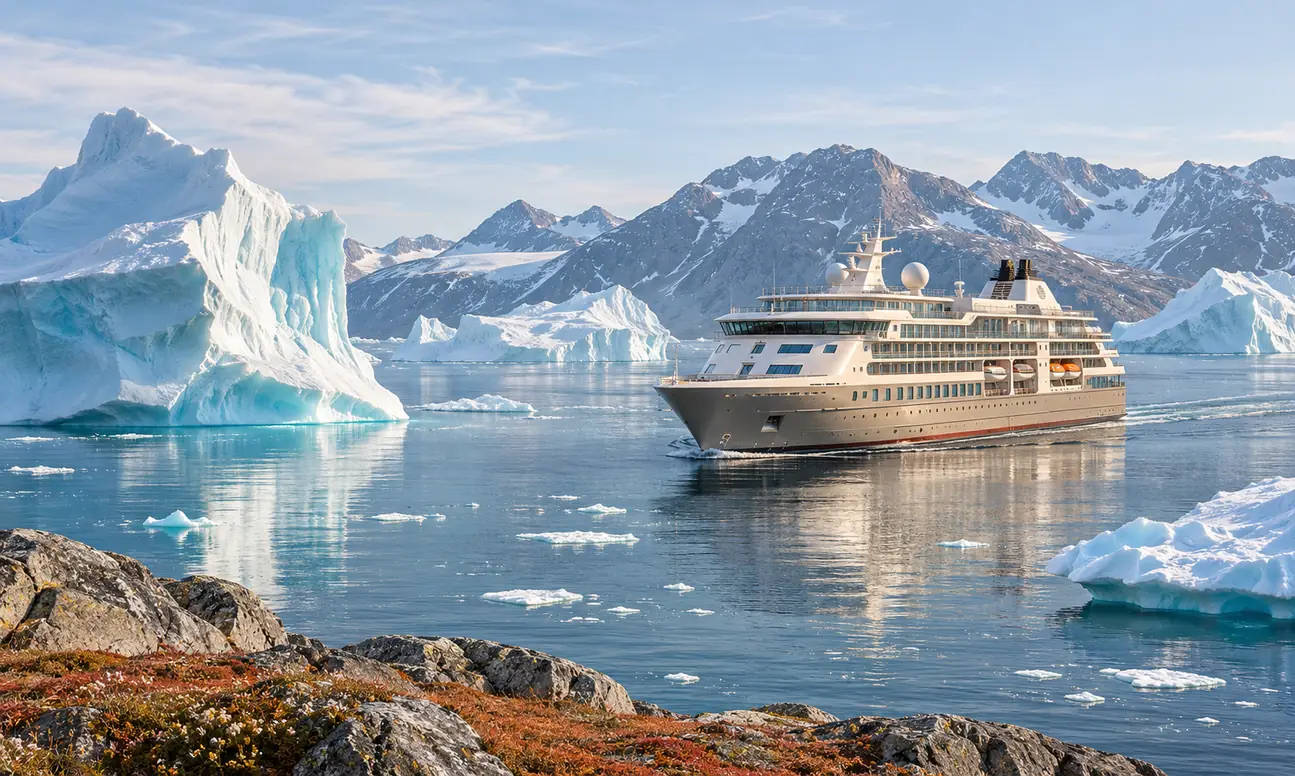
Best for: Arctic exploration, dramatic scenery, and unusual destinations
Some travelers love sunshine.
Others dream of dramatic landscapes and places that feel a little mysterious.
Iceland and Greenland belong to the second category.
Imagine sailing past Iceland’s volcanic coastline, visiting small northern towns, and exploring an extraordinary world of waterfalls and geological formations.
Then picture Greenland’s towering icebergs and remote coastal communities.
These are journeys where the ship becomes an important part of the experience.
Smaller expedition vessels may offer specialized activities and access to places unavailable to conventional large ships.
But Arctic weather can be unpredictable.
And conditions may affect planned landings or route choices.
What makes this voyage worthwhile?
The feeling of being somewhere genuinely different.
Not necessarily somewhere difficult to reach.
But somewhere that changes how you understand the world.
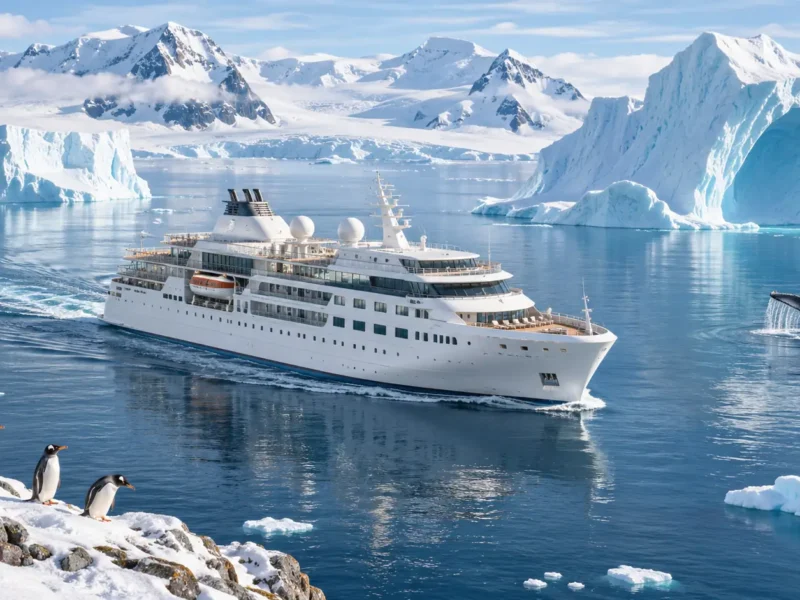
10. Antarctica: The Journey That Makes Everything Else Feel Far Away
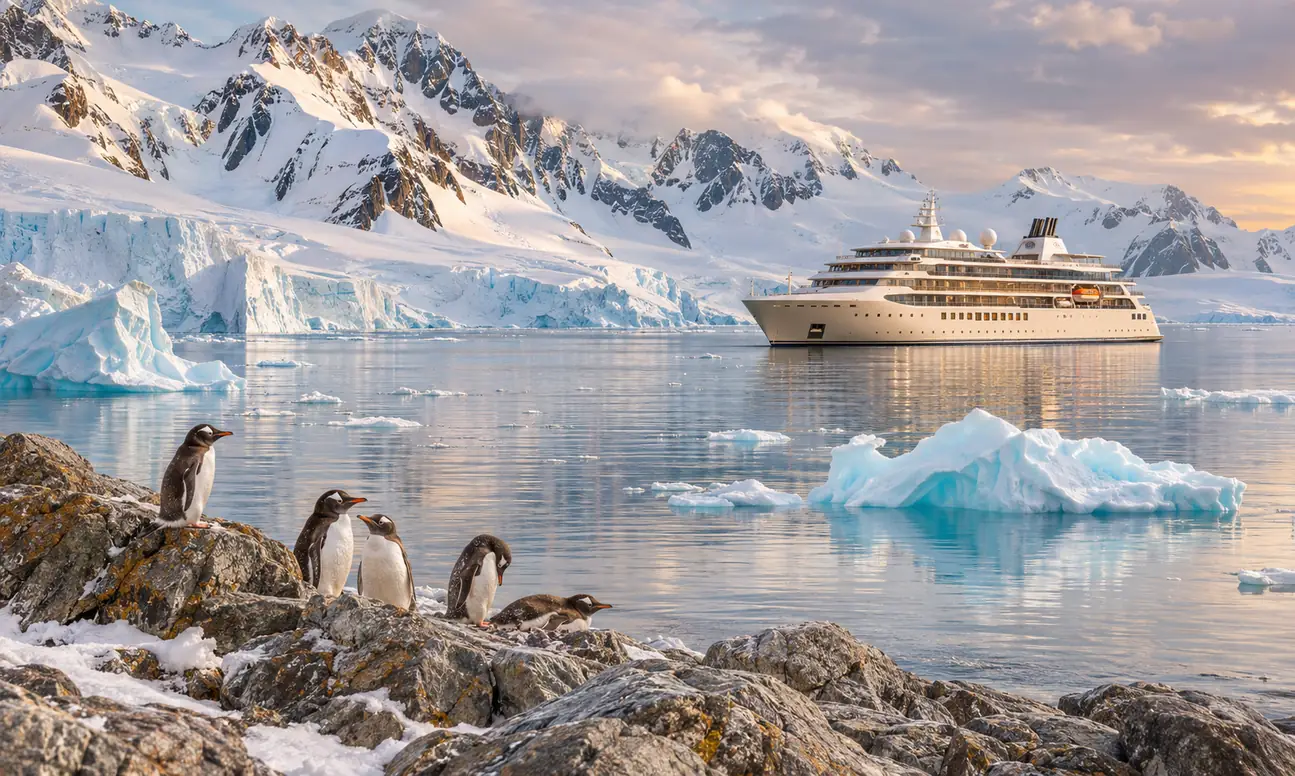
Best for: Once-in-a-lifetime expeditions and extraordinary wildlife
Imagine waking up to a landscape with no cities, no busy roads, and almost no ordinary signs of human life.
Just ice.
Mountains.
Ocean.
And wildlife adapted to one of the most demanding environments on Earth.
Antarctica is unlike any other destination on this list.
But travelers need to understand a crucial distinction.
Not every Antarctic cruise allows passengers to step ashore.
The International Association of Antarctica Tour Operators distinguishes landing-capable expedition ships from larger cruise-only vessels.
Ships carrying more than 500 passengers cannot conduct Antarctic passenger landings.
So if your dream involves standing on an Antarctic shore, choose an appropriately operated expedition itinerary.
The overlooked question: Do you want to see Antarctica, or experience a landing there?
Both can be extraordinary.
But the difference should shape your entire booking decision.
The main tourist expedition season generally runs from November through March.
11. Galápagos Islands: The Cruise Where Wildlife Is the Celebrity
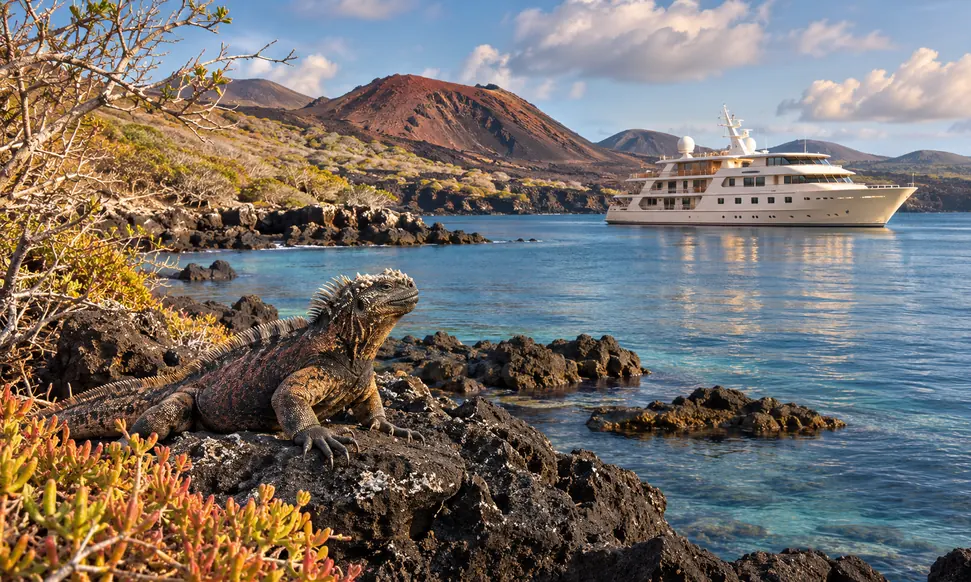
Best for: Nature, photography, and guided exploration
Imagine a sea lion resting comfortably near the shore.
A marine iguana moves across the rocks.
And your guide is explaining how life developed on islands that feel almost entirely different from the rest of the world.
That’s the Galápagos experience.
The Ecuadorian archipelago is famous for its remarkable wildlife and conservation history.
But it isn’t a place where visitors should wander freely wherever they please.
The national park requires visitors at protected sites to be accompanied by authorized naturalist guides.
Visitors must follow designated routes and maintain appropriate distances from wildlife.
Why choose a small expedition cruise?
Because a carefully planned voyage can take you between different islands and habitats while providing knowledgeable interpretation.
The Galápagos can be visited year-round.
The warmer season generally runs from December through May, while the cooler season brings different marine conditions.
The best month depends on the wildlife and activities you’re most interested in.
12. French Polynesia: The Most Beautiful Kind of Doing Nothing
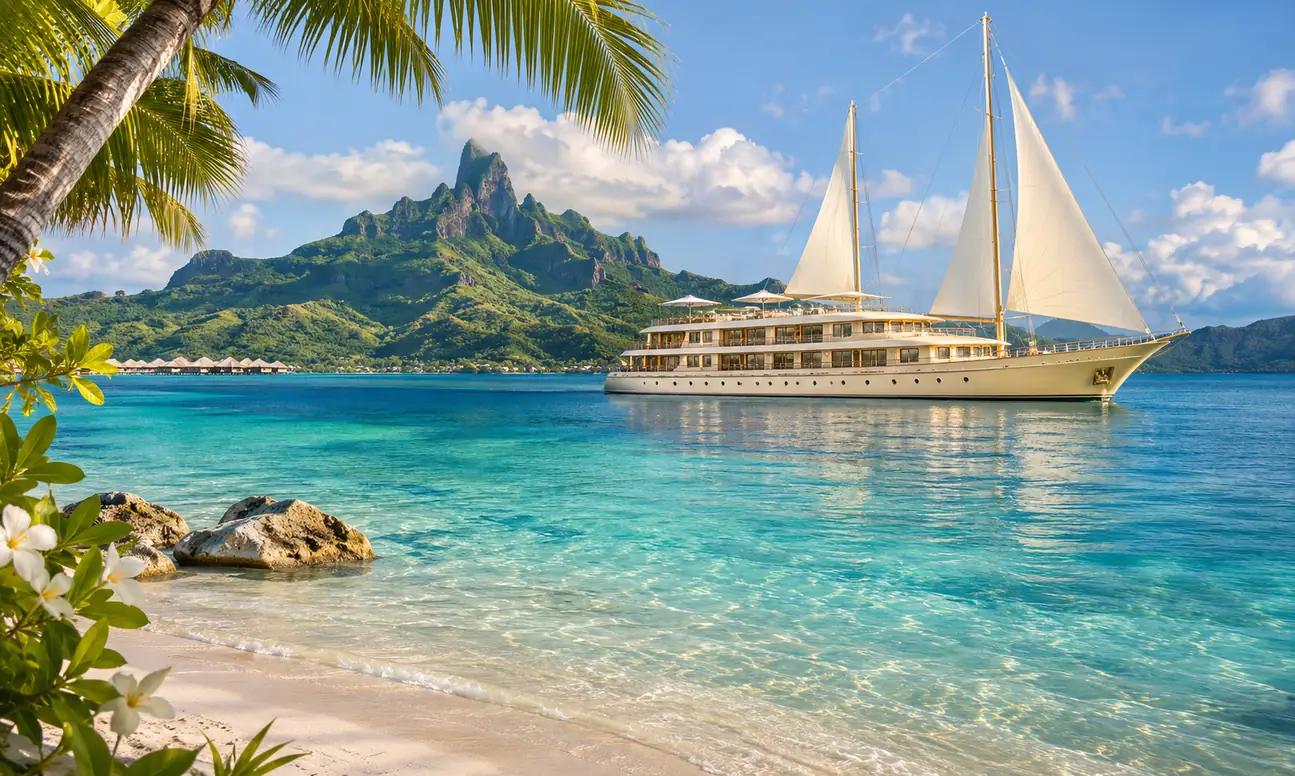
Best for: Romance, lagoons, and relaxed luxury
Somewhere near Bora Bora, the water is almost impossibly clear.
The mountains rise above the lagoon, and a beautiful sailing vessel is moving slowly toward its next anchorage.
There’s no particular reason to rush.
And that is exactly the point.
French Polynesia offers some of the most beautiful tropical cruising in the world.
Tahiti, Moorea, Bora Bora, and other islands combine spectacular scenery with Polynesian culture.
The smaller-ship experience can be especially attractive here.
Rather than visiting an enormous port terminal, the holiday may revolve around lagoons, swimming, snorkeling, and relaxed island exploration.
Is Bora Bora better by ship or from a resort?
That depends on whether you want to stay in one extraordinary location or experience several islands.
Cruising gives you movement and variety.
A resort offers a more stationary escape.
Tahiti Tourisme identifies April through October as the generally drier, more popular period.
13. Japan: A Cruise Through Culture, Food, and Extraordinary Contrasts
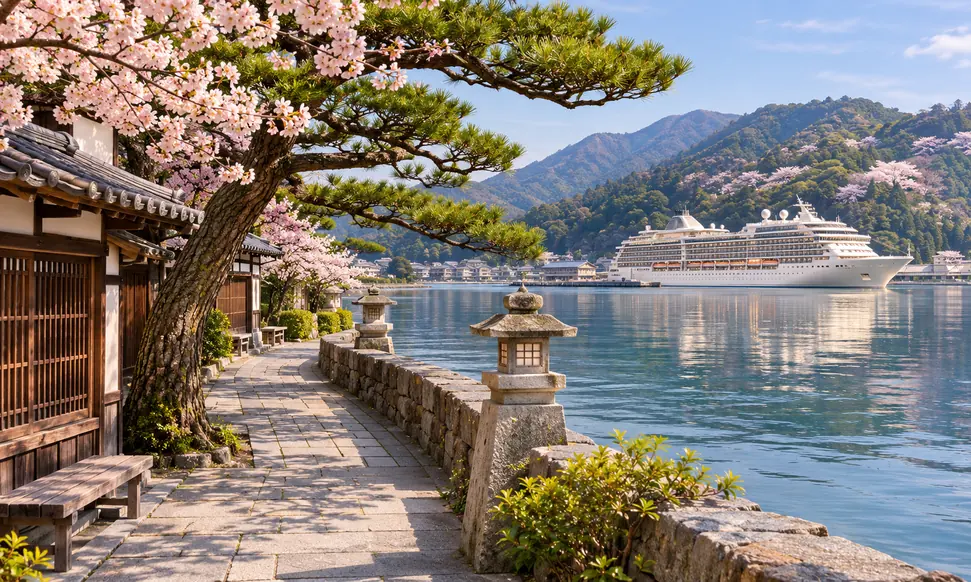
Best for: Cities, history, cuisine, and sophisticated travel
Imagine arriving at a Japanese port in the morning.
You begin with a beautifully prepared breakfast aboard.
A few hours later, you’re exploring a historic neighborhood, discovering a remarkable little shop, or enjoying a meal that becomes one of the highlights of your holiday.
Japan is particularly appealing because its destinations can feel so different.
Cruise itineraries may include ports serving Tokyo, Osaka, Kyoto, Nagasaki, Hiroshima, and northern or southern regions.
But remember that cities such as Kyoto may require an overland transfer from the ship’s port.
And timing matters.
Spring can coincide with cherry blossom season, although exact bloom dates vary from year to year.
Autumn offers another attractive period for sightseeing.
What should you prioritize when choosing a Japan cruise?
Time ashore.
Japan rewards curiosity.
A beautiful city is worth considerably more than a rushed photo stop.
14. Southeast Asia: Temples, Tropical Islands, and Wonderful Surprises
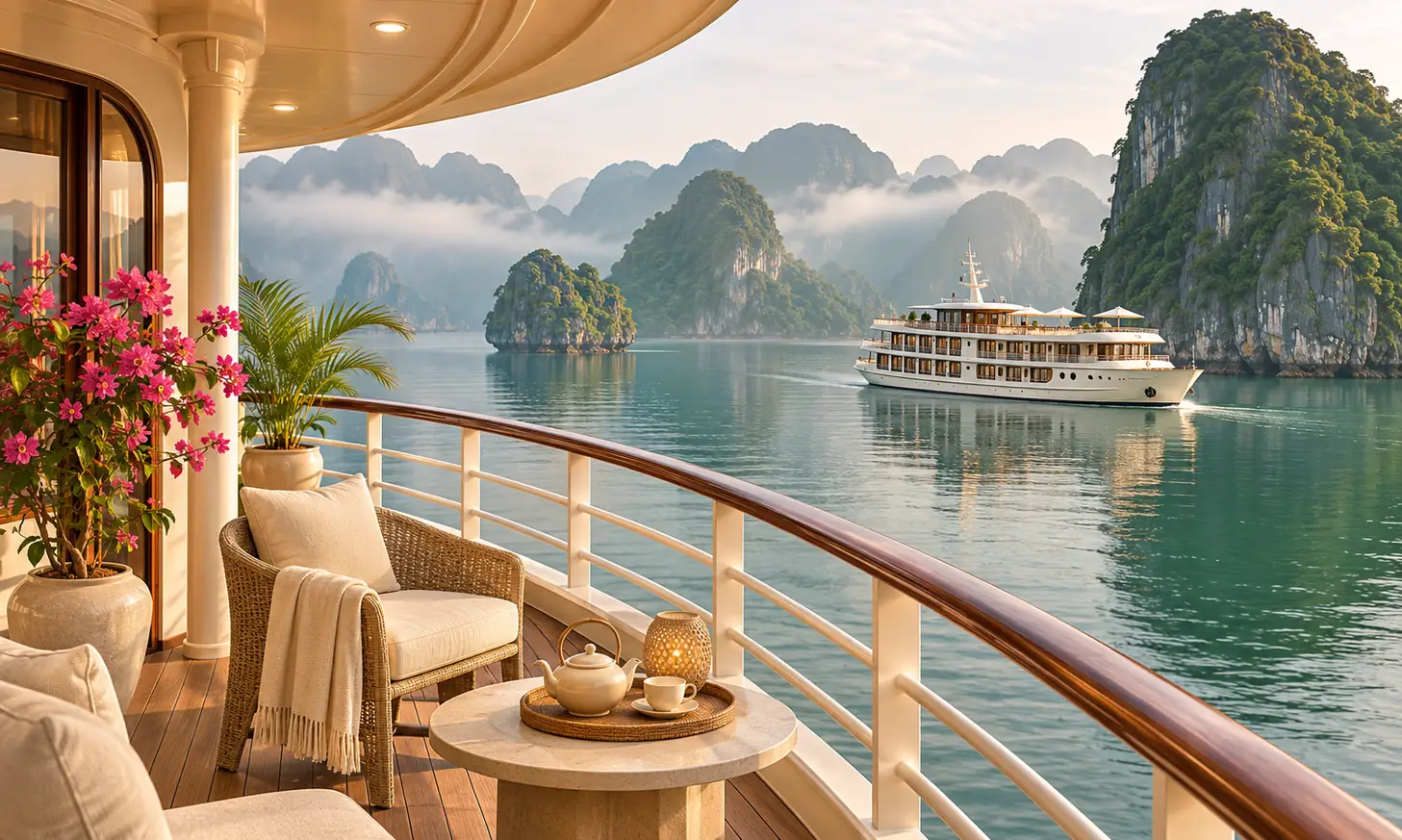
Best for: Culture, regional cuisine, and varied coastal journeys
Southeast Asia may be one of the most diverse cruising regions in the world.
Imagine one day exploring Singapore’s extraordinary urban architecture.
Another day discovering a beautiful Vietnamese coastal destination.
And later enjoying the tropical scenery of Thailand or Malaysia.
There isn’t one universal Southeast Asian cruise season.
Weather patterns vary considerably between the Andaman Sea, Gulf of Thailand, South China Sea, and Indonesian archipelago.
So a route that offers pleasant weather in one destination may have different conditions elsewhere.
The important question: Are you booking the ship, or booking the cultures you want to experience?
For travelers whose greatest pleasure comes from exploring food, architecture, markets, and local history, longer port visits can be more valuable than additional onboard entertainment.
15. Australia and New Zealand: Two Countries, Extraordinary Coastlines
Best for: Natural beauty, sophisticated cities, and extended journeys
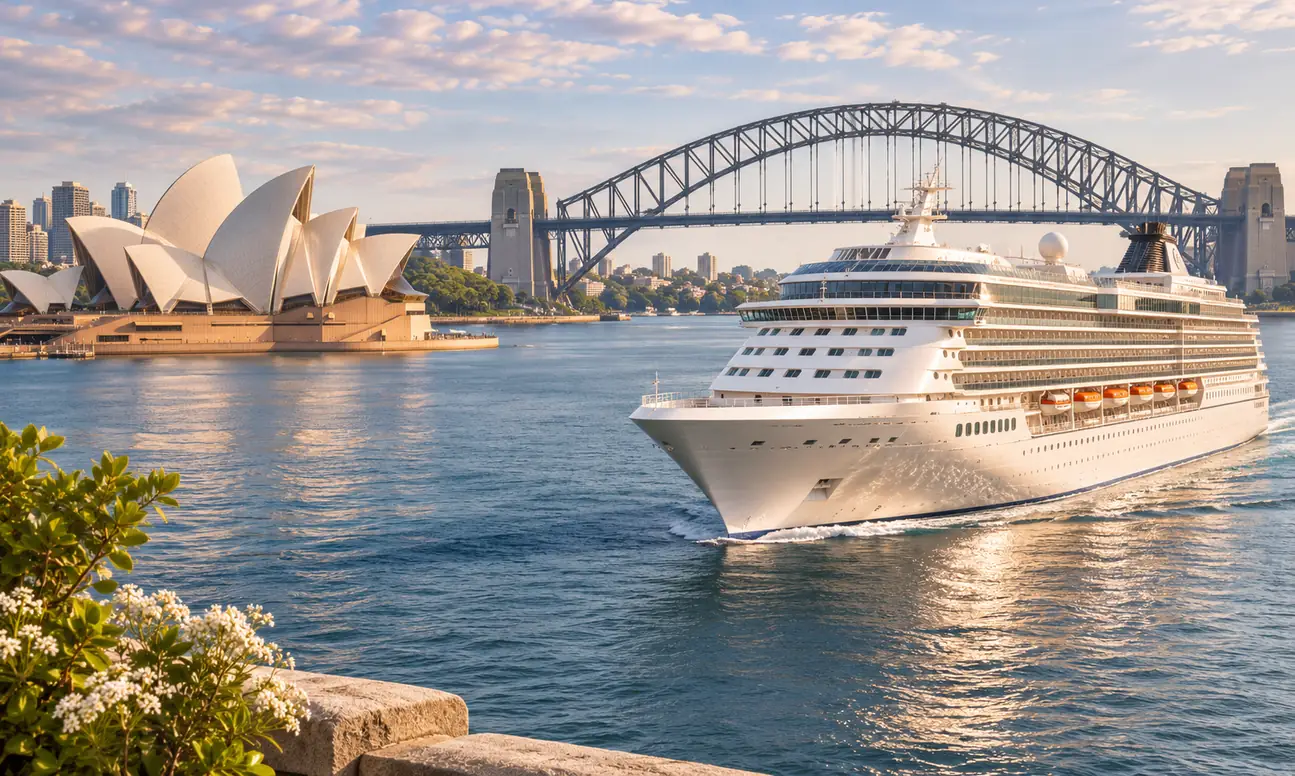
Imagine approaching Sydney Harbour aboard a cruise ship.
The famous Opera House appears.
The Harbour Bridge stretches across the water.
And the entire city seems to be welcoming you.
Now imagine that your journey continues toward New Zealand.
The landscapes change dramatically.
You encounter beautiful coastal towns, mountains, and the remarkable scenery of Fiordland.
A voyage between Australia and New Zealand can offer a wonderful combination of city experiences and natural beauty.
But don’t assume every itinerary includes scenic cruising through Milford Sound or other Fiordland locations.
Weather and route planning can affect access.
How much time should you allow?
Enough to appreciate the distances.
Australia and New Zealand are much larger than many first-time visitors imagine.
The southern summer, broadly November through March, is a popular period for these voyages.
16. Chilean Patagonia: For People Who Love the Wild Side of Luxury
Best for: Glaciers, wilderness, and intimate expedition cruising
There’s a special kind of beauty in Patagonia.
It isn’t polished or predictable.
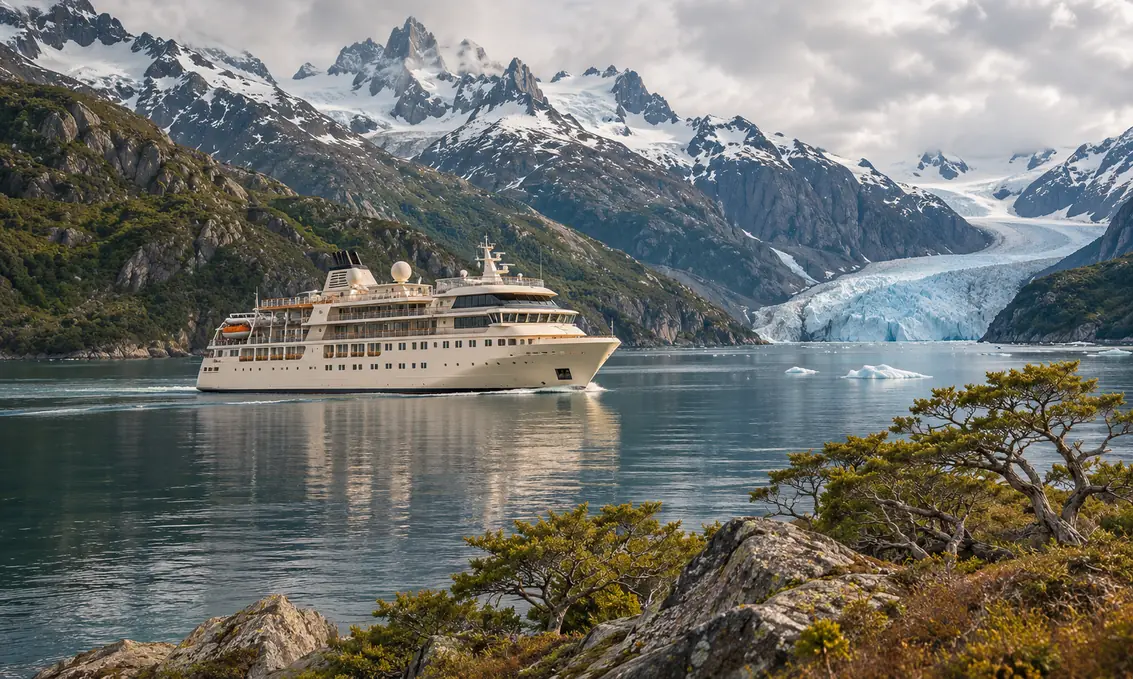
Mountains rise above deep waterways.
Glaciers stretch toward the sea.
And the landscape can change character completely when clouds move across the sky.
Expedition cruises through the Chilean fjords offer access to parts of the region that are difficult to experience by road.
Routes may involve Puerto Natales, glacier areas, and channels leading toward Tierra del Fuego and Cape Horn.
Specialist operator Skorpios publishes 2026–2027 journeys through the Chonos and Kaweskar regions.
What makes Patagonia different from Alaska?
Both offer dramatic glacial landscapes.
But their geography, wildlife, culture, and voyage logistics create different experiences.
The best choice depends on which wilderness you’re most curious to explore.
October through March is a useful broad planning window, with specialist voyages extending into shoulder months.
17. Panama Canal: The Cruise Where Engineering Becomes Entertainment
Best for: Maritime history and unusual ocean journeys
Here’s one of the most surprising cruise experiences in the world.
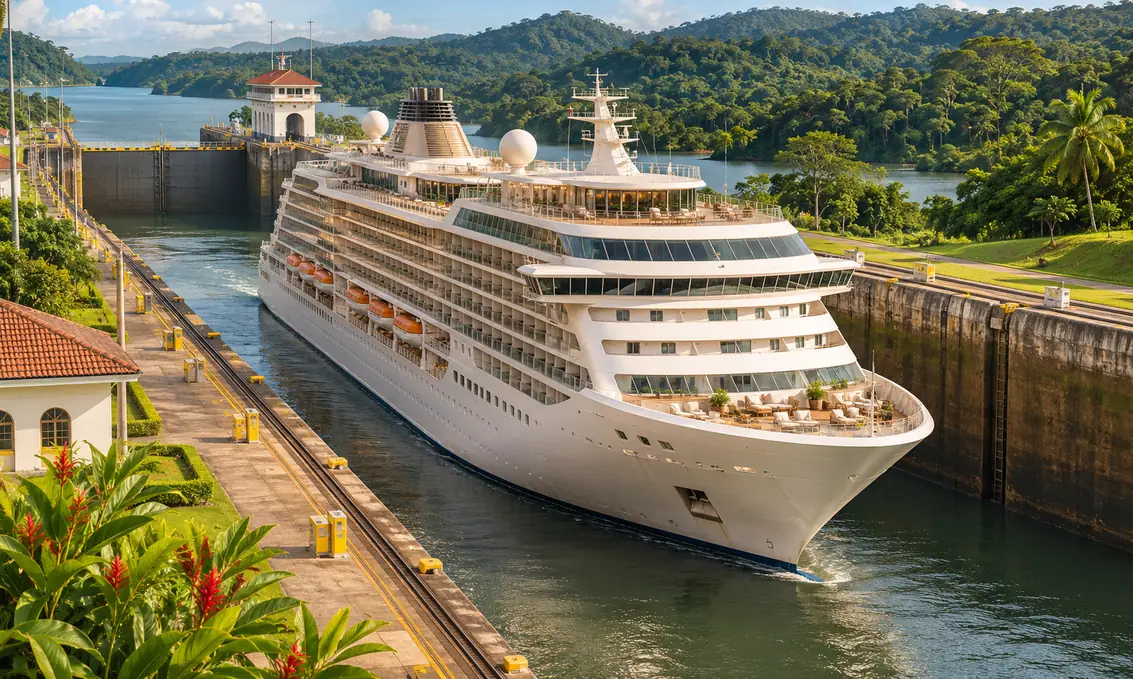
You spend hours watching enormous locks, engineering infrastructure, and ship movements.
And somehow, it’s completely fascinating.
A Panama Canal transit allows passengers to experience one of the world’s most important maritime routes.
The canal connects the Atlantic and Pacific Oceans through a carefully managed system of waterways and locks.
But not every Panama Canal cruise offers the same experience.
Some itineraries complete a full ocean-to-ocean transit.
Others travel through part of the canal and return.
The overlooked question: Are you booking a full transit or a partial transit?
If experiencing the entire route is important, check the itinerary carefully.
The Panama Canal Authority expects more than 220 cruise transits during its 2026–2027 season, which runs from October through May.
That makes it a particularly relevant destination for 2027 cruise planning.
18. Nile River, Egypt: Where History Travels Beside You
Best for: Ancient temples, cultural exploration, and intimate river cruising
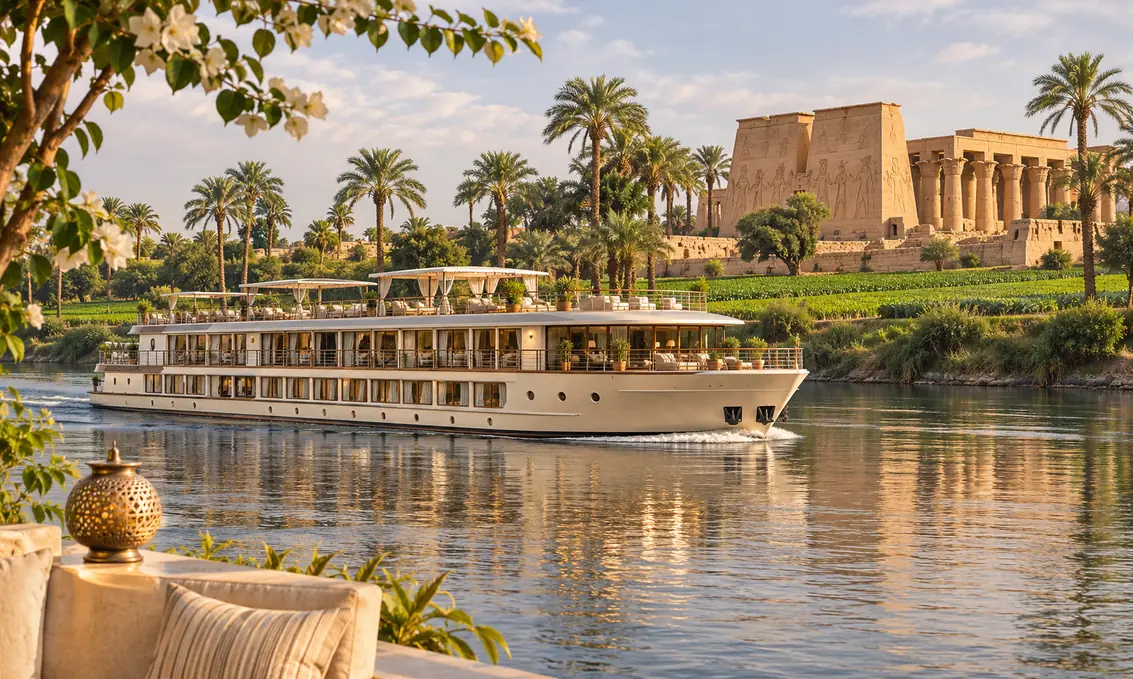
Imagine sitting on the deck of a beautiful riverboat as the afternoon sun begins to soften.
The Nile moves slowly beside green fields and palm trees.
A little boat passes nearby.
And somewhere ahead, extraordinary temples that have stood for thousands of years are waiting.
This is a different kind of cruise.
Most popular Nile itineraries travel between Luxor and Aswan, visiting places such as Edfu and Kom Ombo along the way.
The real luxury often comes from the convenience of moving between historic sites without repeatedly packing and changing hotels.
But river cruising also has limitations.
A typical Luxor–Aswan route doesn’t automatically include Cairo or the Pyramids of Giza.
Those may require a separate extension.
What should you ask before booking?
Which ancient sites are included, how many guided visits are planned, and whether entrance fees and specialist guides are part of the fare.
October through April is generally more comfortable for sightseeing than the hottest summer months.
19. Danube River: Europe’s Most Beautiful Cultural Journey
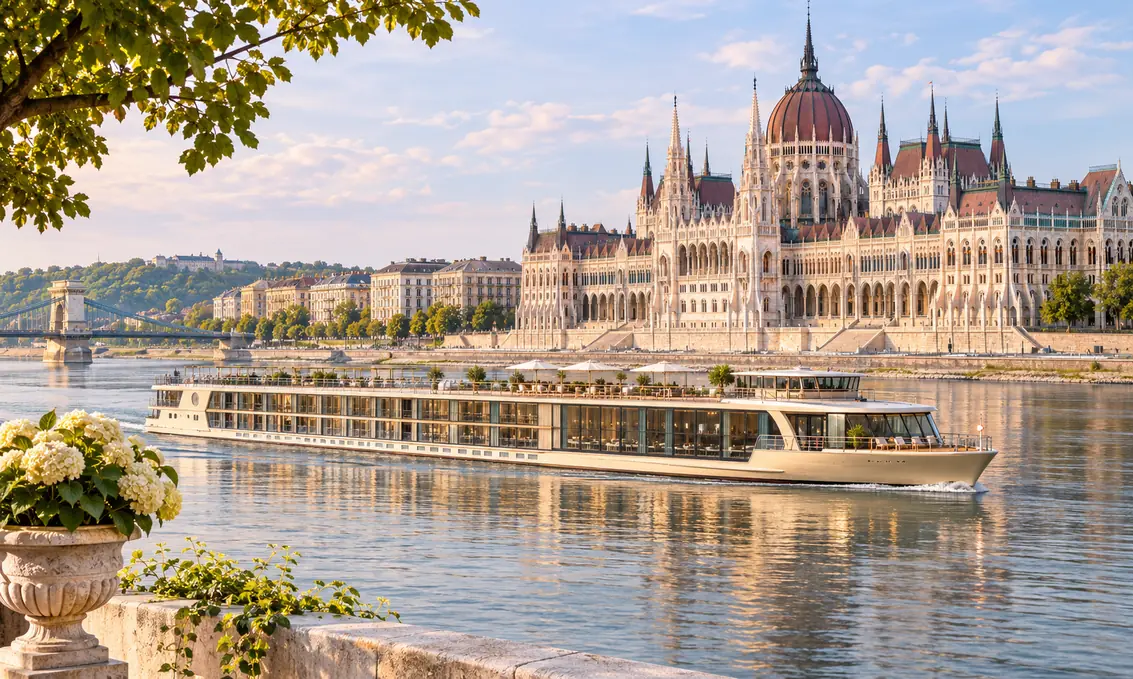
Best for: Historic cities, music, architecture, and elegant river cruising
Some cruises are about dramatic landscapes.
Others are about the wonderful places that human beings have built.
The Danube belongs to the second category.
Imagine waking up in Vienna, walking through Budapest the following day, and enjoying the elegant riverfront scenery along the way.
Popular routes connect cities such as Budapest, Vienna, Bratislava, and other destinations across Central Europe.
And this is where river cruising feels especially luxurious.
You can explore multiple cultural capitals while unpacking only once.
But there’s something important to remember.
River ships operate within much tighter physical limitations than ocean-going vessels.
Water levels can affect navigation.
High water may reduce bridge clearance, while low water can restrict passage through shallow sections.
The overlooked question: What happens if the river is too high or too low?
Ask the operator how alternative transport, vessel changes, or itinerary adjustments are handled.
That practical information may matter more than the size of the cabin balcony.
20. Rhine River: Castles, Vineyards, and the Romance of Old Europe
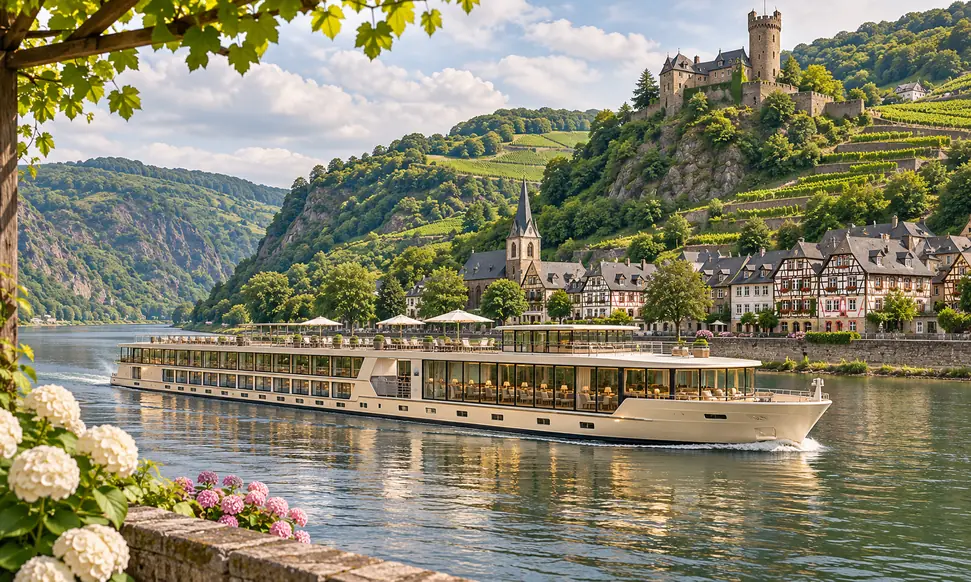
Best for: Scenic river cruising and charming European towns
Let’s finish somewhere wonderfully romantic.
Imagine a beautiful riverboat moving past vineyards and medieval castles.
The hills rise on either side.
A little village appears beside the water.
And the afternoon seems to belong to another century.
The Rhine offers exactly that atmosphere.
Popular river itineraries connect parts of the Netherlands, Germany, France, and Switzerland.
Travelers may visit Cologne, the Rhine Gorge, Strasbourg-area destinations, and Basel, depending on the route.
It’s particularly appealing for people who enjoy exploring European towns without constantly changing hotels.
And here’s a lovely detail.
The Rhine can offer an entirely different experience in December, when some itineraries focus on Christmas markets.
Which is better: the Rhine or the Danube?
Choose the Rhine for castles, vineyards, and romantic river scenery.
Choose the Danube when historic capitals and cultural sightseeing are your strongest interests.
Both can be extraordinary.
The important thing is choosing the experience you’ll personally enjoy.
Which Cruise Destination Should You Choose for Your Next Holiday?
After exploring these twenty destinations, here’s what becomes clear.
The world’s most popular cruise destination isn’t necessarily the one that will make you happiest.
A family dreaming of warm beaches has very different priorities from a couple interested in European history.
And neither experience resembles an expedition through Antarctica.
Here’s a practical way to narrow your choices.
| Your dream holiday | Best destinations to investigate |
| Beautiful beaches and family fun | Eastern Caribbean, Bahamas |
| Romance and Mediterranean dining | Greek Islands, Italian coast |
| Luxury marinas and coastal glamour | French Riviera, Balearics |
| Dramatic mountain scenery | Alaska, Norwegian fjords |
| Extraordinary wildlife | Galápagos, Antarctica |
| Remote adventures | Greenland, Patagonia |
| Tropical romance | French Polynesia |
| Culture and cuisine | Japan, Southeast Asia |
| Ancient history | Nile River |
| European cities and architecture | Danube |
| Castles and villages | Rhine |
| Remarkable maritime engineering | Panama Canal |
This is an experience-based editorial comparison, not a measured customer-satisfaction ranking.
The Pravi Celer Destination-to-Deck Test: A Better Way to Choose a Cruise
Here’s something I think too many cruise guides forget.
The same destination can feel completely different depending on the ship.
Imagine visiting Santorini aboard a 5,000-passenger vessel.
Now imagine arriving aboard a much smaller luxury ship.
The island itself hasn’t changed.
But your arrival, tender arrangements, onboard atmosphere, and the rhythm of your day could be very different.
For Pravi Celer, I’ve developed the Destination-to-Deck Test, an original way to evaluate whether a cruise genuinely suits your travel priorities.
1. Is the Journey Part of the Attraction?
In Alaska or Norway, the scenery often begins long before you reach a port.
Choose a ship with good observation areas.
For Mediterranean city itineraries, the time spent ashore may matter more.
2. How Much Time Will You Actually Have at the Destination?
A port listed on an itinerary isn’t a guarantee of a full day exploring.
Consider arrival and departure times, tender transfers, and distances to the attractions you want to visit.
3. Does the Ship Match the Experience?
A large resort ship may be perfect for a Caribbean family holiday.
A smaller expedition vessel may be more appropriate for wildlife-focused travel.
And a riverboat is an entirely different product from an ocean cruise ship.
4. What Could Interrupt the Experience?
Think about hurricane season in the Caribbean.
Ice and weather conditions in Antarctica.
River levels in Europe.
And the possibility of rough seas in certain ocean passages.
These aren’t reasons to avoid beautiful destinations.
They’re reasons to choose thoughtfully.
5. What Will You Remember?
Will it be the extraordinary suite?
The beautiful dinner?
The glacier?
The penguins?
Or the quiet little village you discovered unexpectedly?
The answer tells you something important about which cruise deserves your time.
The Pravi Celer principle: Choose the destination for the memory you want, and the ship for the way you want to experience it.
This is an editorial decision-making framework rather than a scientifically validated ranking.
What Is the Best Time to Book a World Cruise Destination for 2027?
The answer depends on where you’re traveling.
Mediterranean cruises are particularly appealing in late spring and early autumn for travelers who prefer milder conditions than peak summer.
Alaska’s main season runs through the northern summer.
Antarctica is visited primarily during the southern summer.
And the Nile is generally more comfortable during Egypt’s cooler months.
The important point is that there is no universal “best month” for cruising.
A July holiday may be perfect in Norway.
The same month brings very different conditions to the Caribbean or Egypt.
When comparing prices, remember that the published fare is rarely the entire holiday cost.
Consider flights, transfers, accommodation before or after sailing, shore excursions, gratuities, drinks, insurance, and any special activities.
For a completely different approach to travel at sea, our guide to the luxury yacht experience explains how private charter itineraries can offer greater flexibility than conventional cruises, subject to weather, safety, and local restrictions.
Five Questions Travelers Rarely Ask Before Booking a Cruise
Is a cruise with more destinations automatically better?
No. More ports may mean shorter visits and a faster schedule. A voyage with fewer, longer stops can offer a richer experience.
Should you always choose a balcony cabin?
Not necessarily. Balconies can be delightful in scenic destinations, but public decks may offer wider views. Your budget and time spent in the cabin should influence the choice.
Which cruise destination is best for a first-time traveler?
The Caribbean and Mediterranean are popular starting points because they offer many established routes and ship options. The best fit still depends on preferred weather, travel distance, and interests.
Are expedition cruises more luxurious than regular cruises?
Not automatically. Expedition ships prioritize destination access and specialized operations, while mainstream luxury ships may offer different dining, entertainment, and accommodation experiences.
Can a cruise itinerary change after booking?
Yes. Weather, port restrictions, safety considerations, technical issues, or local conditions may require changes. Review the operator’s terms and insurance coverage.
Final Thoughts: The World Is Too Beautiful to Cruise Through in a Hurry
There’s a lovely moment at the end of almost every memorable voyage.
You’ve returned to the ship after an extraordinary day.
Your shoes are beside the door.
The sun is beginning to set.
And someone asks what your favorite part of the trip has been so far.
Nobody agrees.
One person remembers a beautiful little restaurant in Greece.
Another talks about the glacier that seemed to stretch forever.
Someone else is still thinking about the wildlife they saw that morning.
And perhaps your favorite moment was something nobody planned at all.
A quiet afternoon.
A conversation on the balcony.
Or the simple pleasure of watching an unfamiliar coastline appear on the horizon.
That’s why cruising can be so wonderful.
It brings together extraordinary places and the people we love sharing them with.
The ship provides the journey.
But the destination gives that journey meaning.
So whether 2027 takes you to a tropical island, an ancient European city, the icy wilderness of Antarctica, or a peaceful river surrounded by vineyards, choose somewhere that genuinely excites you.
A place you’re curious about.
Somewhere you’ve dreamed of visiting.
Or somewhere that feels wonderfully different from ordinary life.
Because the best cruise destination in the world isn’t simply the place with the most beautiful photographs. It’s the place that makes you wish you had just one more day before sailing away.