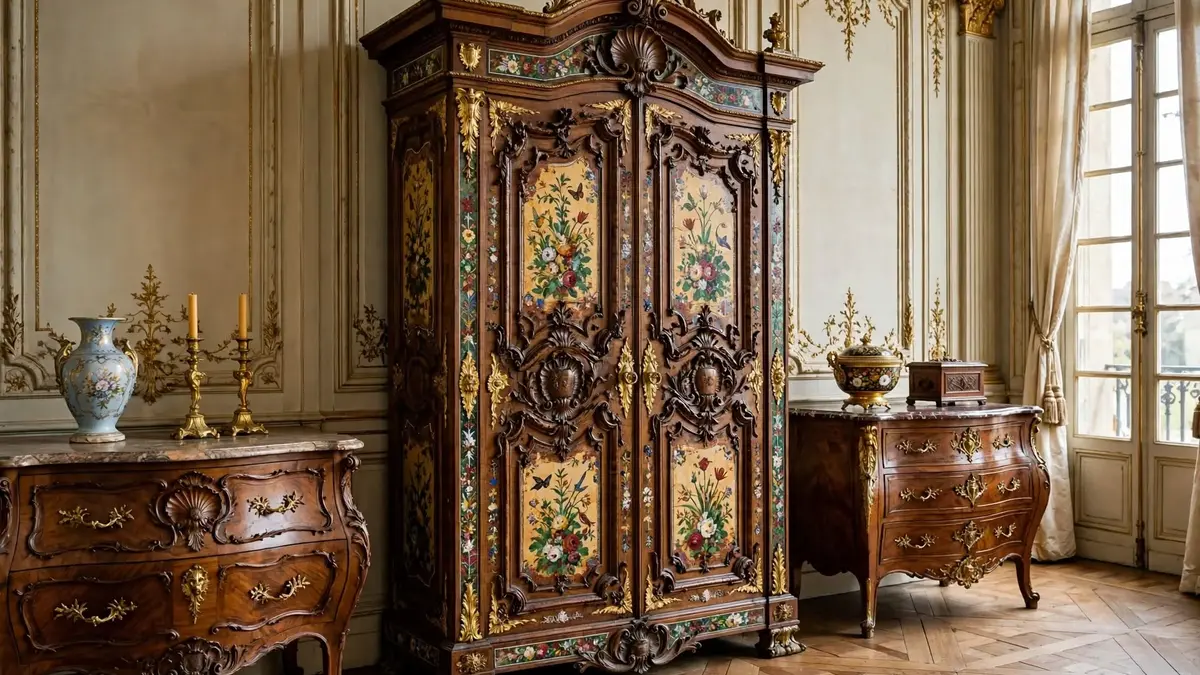
Furniture is the quiet giant of the decorative arts market. It lacks the wine’s headlines and the watches’ velocity, yet the category’s record prices have held for decades against every trend, and the pieces that set them were made by the same hands, the Parisian ébénistes of the ancien régime, whose work defines the summit of the applied arts. Here are the six that built the ceiling.
1. The Badminton Cabinet: $36.7 Million
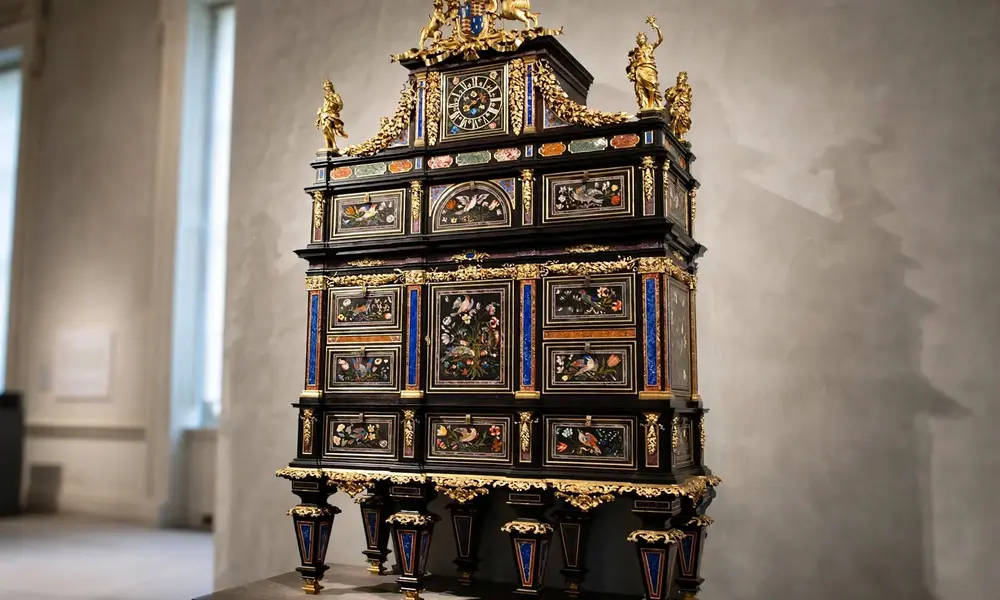
The most expensive piece of furniture ever sold: the Florentine pietre dure cabinet of the 1720s, made for the third Duke of Beaufort at a cost reported as equivalent to a stately home, sold at Christie’s in 2004 for $36.7 million to the Liechtenstein museum that treasures it today.
The cabinet’s surfaces of semiprecious stone marquetry required years of the grand ducal workshops’ labor, and its price, held across two decades of subsequent auctions, remains the category’s Everest, the record no piece has approached since.
2. The Riesener Commode of the Roi: $23 Million (Reported)
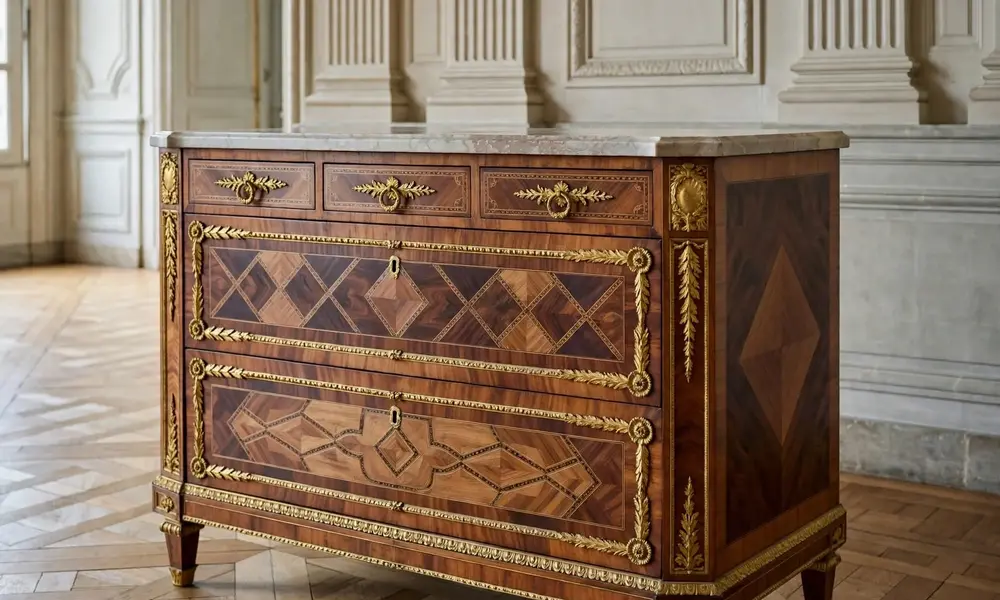
The pieces of Jean Henri Riesener, ébéniste to Louis XVI and Marie Antoinette, dominate the category’s upper history, and his royal commissions have traded at reported figures around $23 million in private placements the houses confirm by rumor more than catalogue.
Riesener’s secret drawers, his ormolu of chased perfection, and his provenance to the guillotined court give his work the double weight of supreme craft and supreme story, and the category’s valuations have always priced the story at half the object.
3. The Goddard Townsend Newport Desk: $12.1 Million
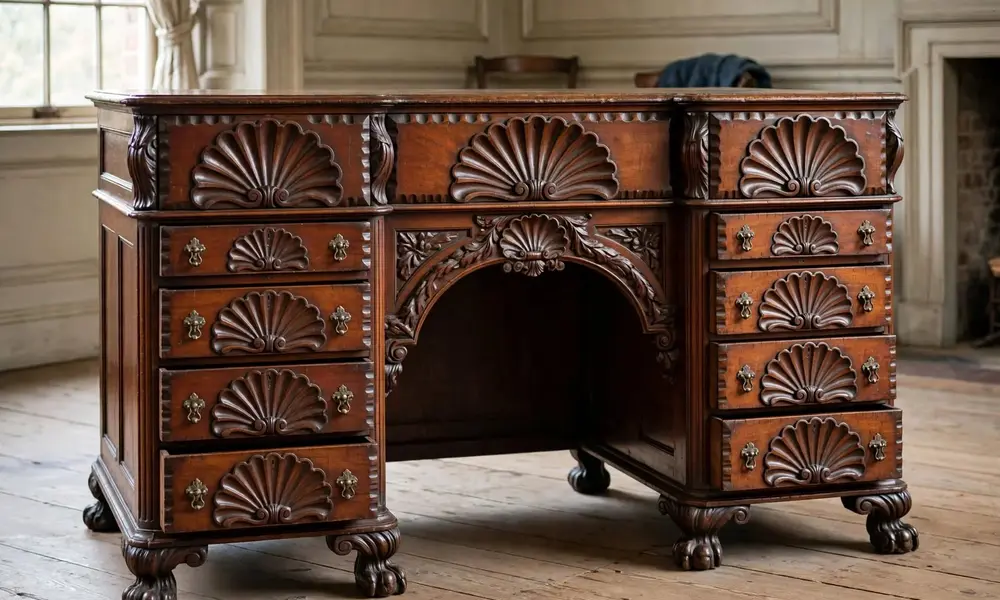
The most expensive American furniture ever sold: the block and shell carved kneehole desk attributed to the Goddard Townsend workshop of Newport, made in the 1760s for the Brown family of Providence, auctioned at Christie’s in 1989 for $12.1 million, a record that stood for fifteen years and still anchors the American category.
The desk’s perfect proportions, its documented commission, and the mystique of the tiny Rhode Island school whose makers signed almost nothing combine into the provenance the American market measures itself against.
4. The Dragon Cressent Commode: $7 Million (Reported)
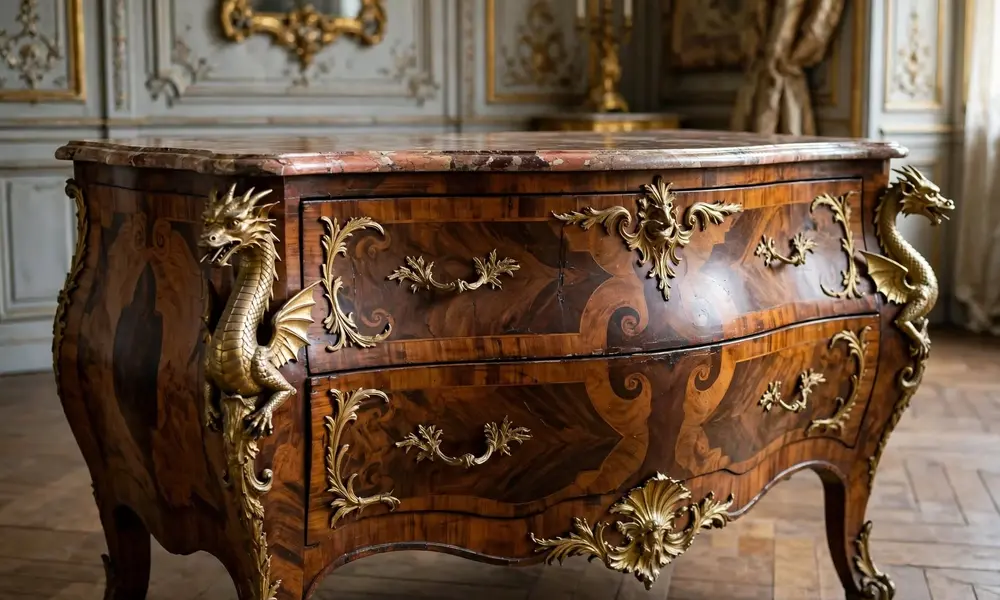
The commodes of Charles Cressent, the eighteenth century Parisian ébéniste who defied the guilds to set his own bronzes, have traded at reported figures approaching $7 million, with the dragon mounted examples the most coveted.
Cressent’s work carries the Rococo at its most sculptural, furniture as bronze mounted architecture, and the market’s preference for his signed pieces over the period’s unattributed excellence shows the provenance discipline operating at the category’s founding.
5. The Harrington Commode: $5 Million (Reported)
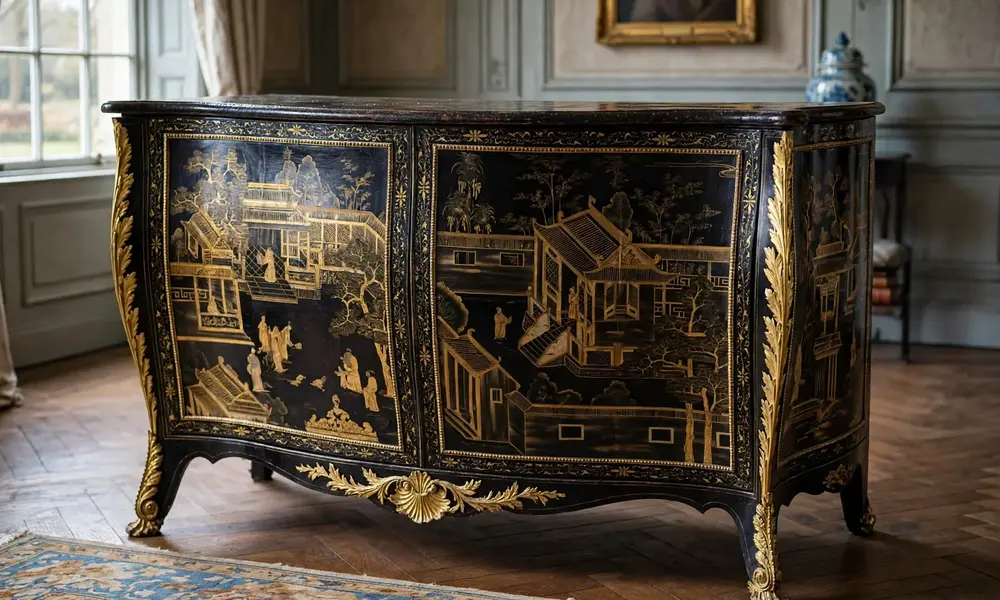
The chinoiserie lacquer commode of the 1770s, attributed to the workshop of Pierre Langlois and sold by the Earl of Harrington’s collection at reported figures around $5 million, demonstrated that the category’s demand survived even the softer markets, its price set in 2010 when the decorative arts were supposed to be unfashionable.
The piece’s survival in original condition, its documented English grand tour provenance, and the sheer survival of its lacquer made the price the market’s quiet rebuttal to the furniture category’s cyclical obituaries.
6. The Pipes Family Goddard Secretary: $8.4 Million
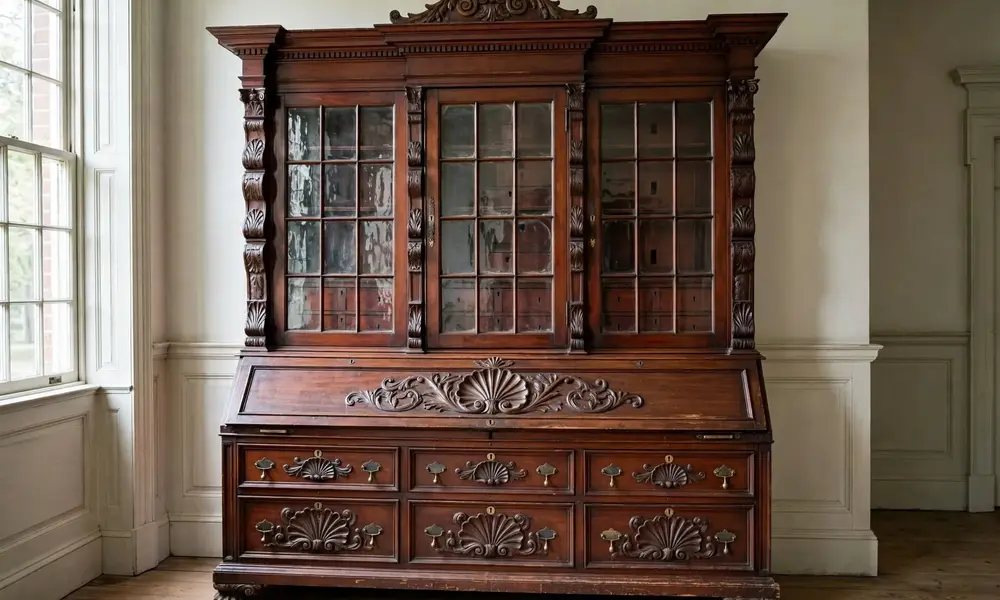
The secretary bookcase of the Goddard school, made for the Pipes family of Portsmouth and auctioned in 2018 for $8.4 million, reset the American furniture record in the modern market and certified that the category’s appetite had survived the generation that set the earlier benchmarks.
The piece’s shell carving, its untouched provenance through two centuries of a single family’s keeping, and the Newport school’s mystique combined into the arithmetic that the American collecting world has always rewarded: the object, the story, and the survival, inseparable.
What the Market Teaches
The six sales compress into the category’s own grammar. The ancien régime Paris workshop dominates the global ceiling, and the record pieces were luxury goods when made, commissioned at costs that bankrupted dukes, so their modern prices restore rather than exceed their original station.
Provenance operates at maximum discipline: documented commission, continuous ownership, and the survival of original condition outrank beauty alone, and the unattributed masterpiece languishes where the papered piece triumphs.
And the category’s patience is its lesson to every other market: the furniture records hold for decades because the objects’ constituencies, the museums and the dynastic collectors, buy to keep, which is the definition of depth.
For the collectors who furnish at this level, the same discipline governs the watch and the jewelry cabinets that hold the smaller objects: provenance priced from the first bid, condition never negotiable, and the horizon measured in generations.
FAQs
1. What is the most expensive piece of furniture ever sold?
The Badminton Cabinet of the 1720s, the Florentine pietre dure masterwork made for the Duke of Beaufort, sold at Christie’s in 2004 for $36.7 million and held by the Liechtenstein collections.
2. Who made the most expensive furniture?
The Parisian ébénistes of the eighteenth century, Jean Henri Riesener above all, dominate the global records, with the American school of Goddard and Townsend setting the New World ceiling.
3. Why is the Badminton Cabinet so expensive?
Pietre dure marquetry of semiprecious stones requiring years of grand ducal workshop labor, documented commission by one of England’s greatest dukes, and survival in museum quality condition: the three weights that price the category’s summit.
4. Is furniture a good investment?
The record tier holds value across decades because its buyers, museums and dynastic collectors, purchase to keep. The middle market is cyclical, and the discipline of provenance and condition applies with full force.
5. What is the most expensive American furniture?
The Goddard Townsend kneehole desk of the 1760s at $12.1 million (1989) and the Pipes family secretary at $8.4 million (2018), both of the Newport school, anchor the category.
6. What should a collector look for?
Documented commission or early provenance, original condition including finish and mounts, and the maker’s documented oeuvre, with the unattributed beautiful piece priced accordingly and the papered piece given its full weight.
7. Where is this furniture sold?
Christie’s and Sotheby’s conduct the record sales in the London and New York day and evening auctions, with the private placements handling the pieces whose owners prefer the price unprinted.
8. Can modern furniture reach these prices?
The modern and contemporary decorative records stand far below the ancien régime ceiling; the market’s verdict, so far, is that the eighteenth century’s combination of vanished craft and dynastic story is unreplicable, whatever the design world’s later revolutions.