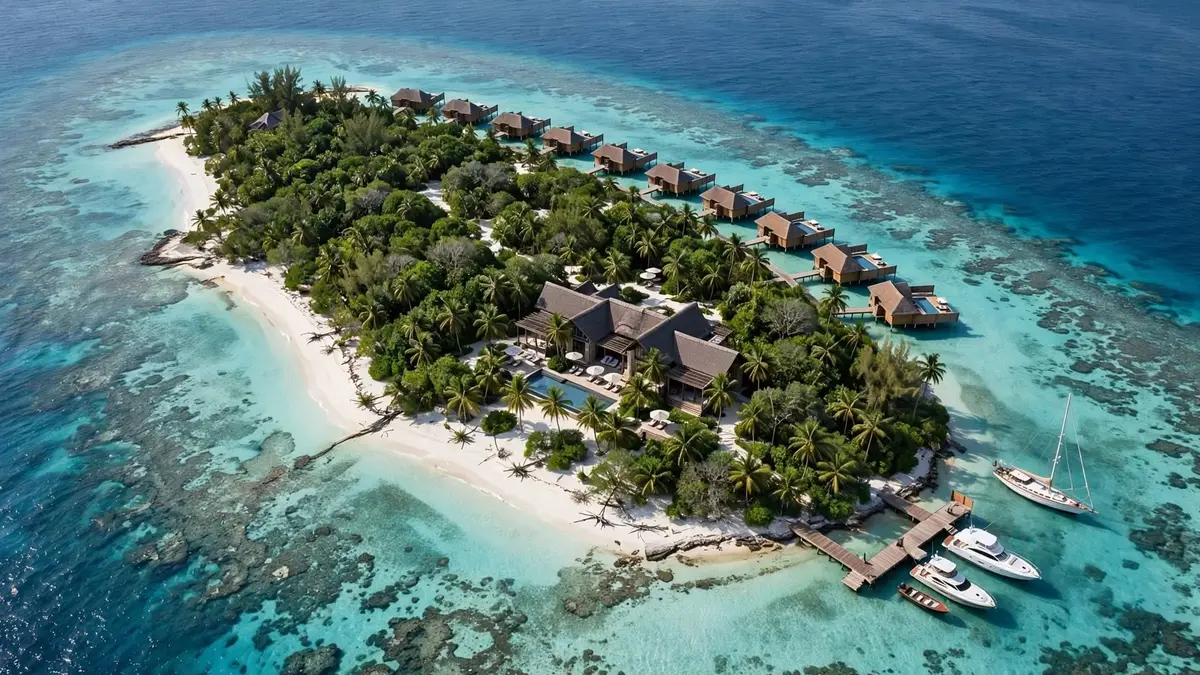
The ultimate luxury has never been the house, the yacht, or the jet, but the horizon that answers to no neighbor.
The private island market is the smallest and least liquid of the luxury real estate categories, its comparables few and its prices as much negotiation as valuation, yet the record transactions define the ceiling of the fantasy: an entire world, with its own beaches, moorings, and weather, held in one name.
Here are the nine sales that set the market’s benchmarks.
1. The Maldivian Resort Islands: $200 Million and Beyond
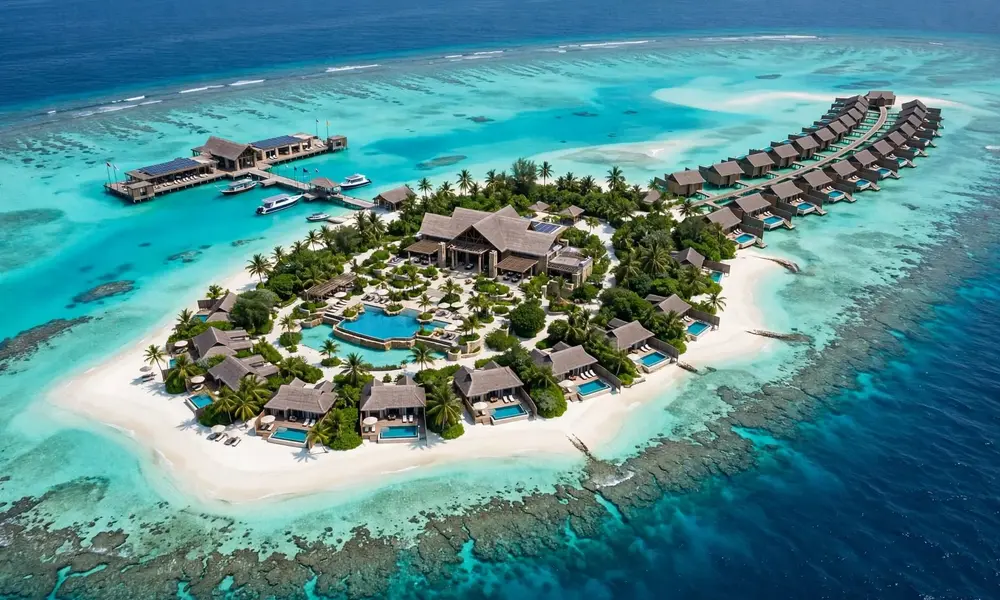
The upper records of the island market belong to the Maldives, where functioning resort islands with operating licenses, guest villas, and dive infrastructure have changed hands at figures reported between $200 and $300 million.
The prices value the licenses and operations as much as the land, in a nation where foreign freehold is effectively unavailable and the value concentrates in the concession, and they establish that the island market’s summit is a hospitality business wearing paradise as its uniform.
2. Necker Island, British Virgin Islands
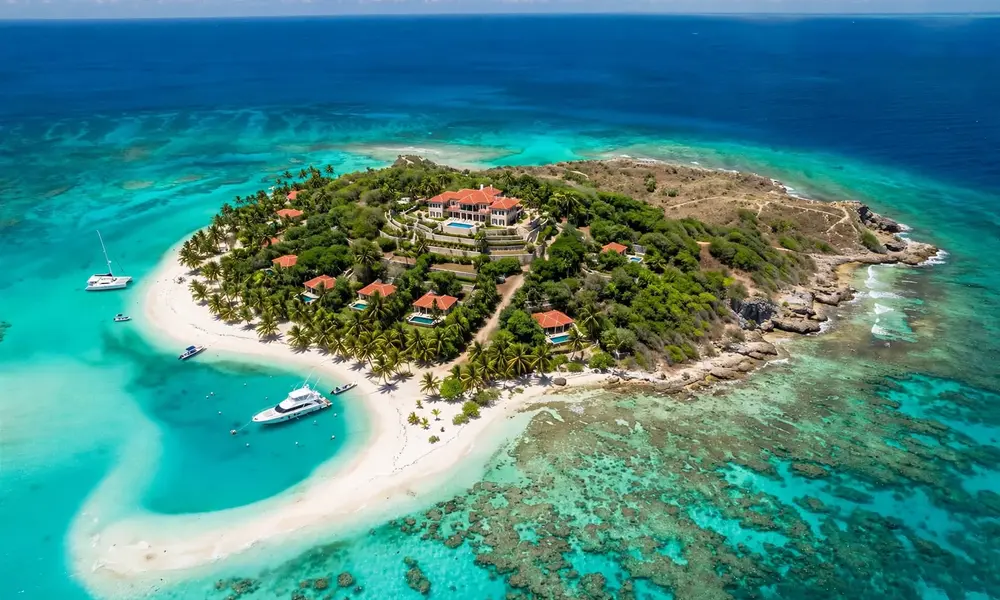
Richard Branson’s famous acquisition of 1978, purchased reportedly for around $180,000 as a ruin and now valued in the tens of millions, remains the market’s most instructive case study: decades of development, the famous great house, and the resort rental operation transformed a bargain into a brand asset whose value the owner has stated only in the context of the fires and rebuilds it survived.
Necker’s lesson, that the island’s price is the least of its costs, is the one every broker leads with.
3. Rangyai Island, Thailand
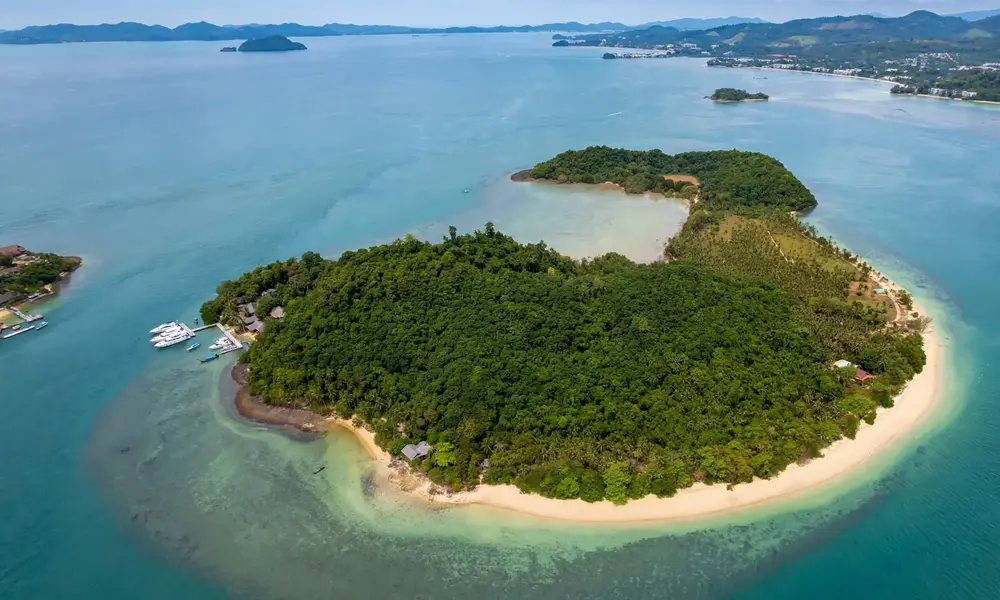
The 110 acre freehold island offered in the mid 2010s at around $160 million, marketed as the largest freehold island for sale in the region with infrastructure, marina access, and resort approvals in place.
The listing established the Southeast Asian ceiling and demonstrated the market’s structural truth: Asia’s islands trade on freehold scarcity, as the region’s laws rarely permit outright foreign ownership of land, and the few that do price accordingly.
4. The Greek Island Transactions
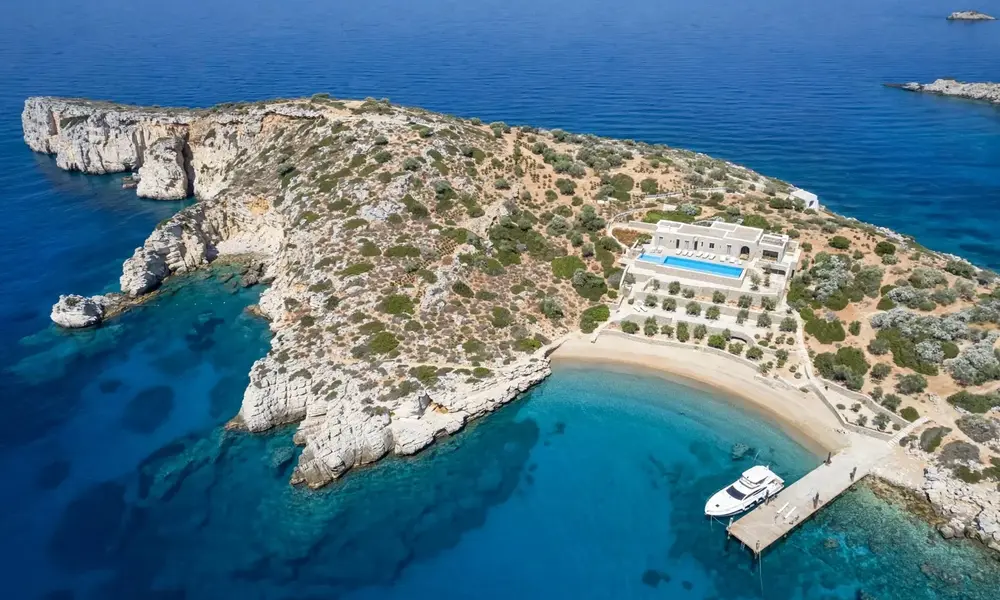
Private islands in the Aegean have traded across a wide band, from modest eight figure sums for the smaller islets to reported figures approaching $200 million for islands of scale with buildable positions near the cruising grounds.
The Greek market, the world’s most developed island brokerage, prices three variables above all: proximity to the ports, the water and power question, and the build permit, the last of which can be worth more than the land it governs.
5. The Exuma Cays, Bahamas
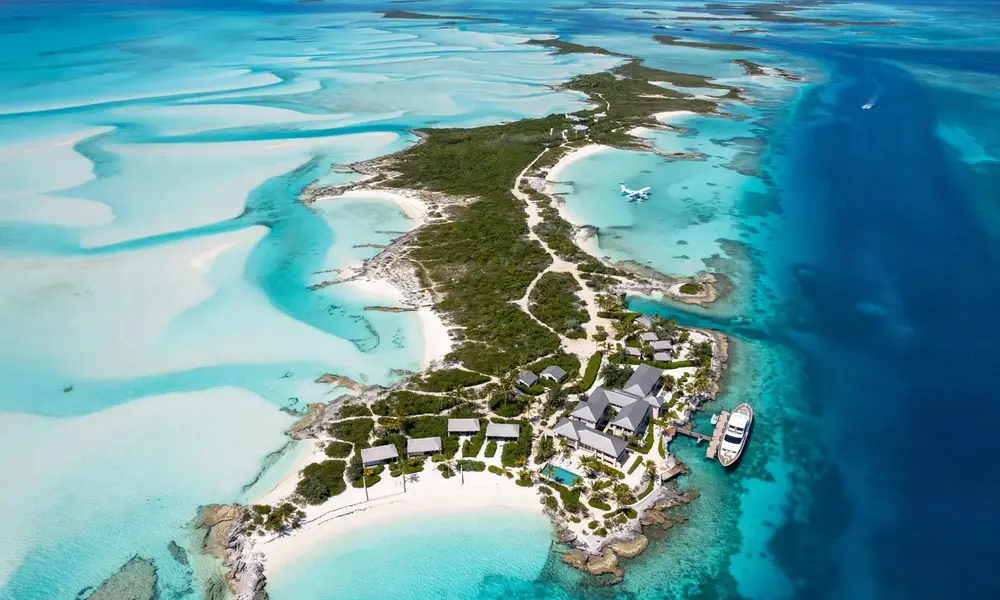
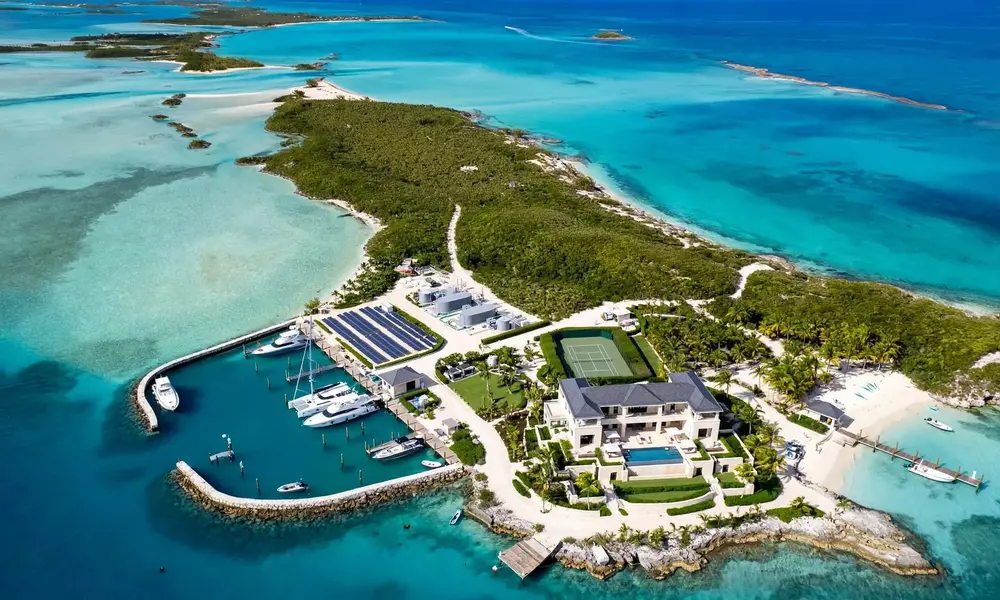
The Bahamian island belt, an hour’s flight from Miami and therefore the natural habitat of the American market, has seen its flagship islands, pieces of a hundred acres with deep water and existing estates, trade and list at figures between $30 and $80 million depending on improvements.
The Exumas’ liquidity, unusual for the category, derives from the proximity: the island that can receive its owner for a weekend by private jet and seaplane commands the premium that remoteness elsewhere discounts.
6. The Great Barrier Reef Islands, Australia
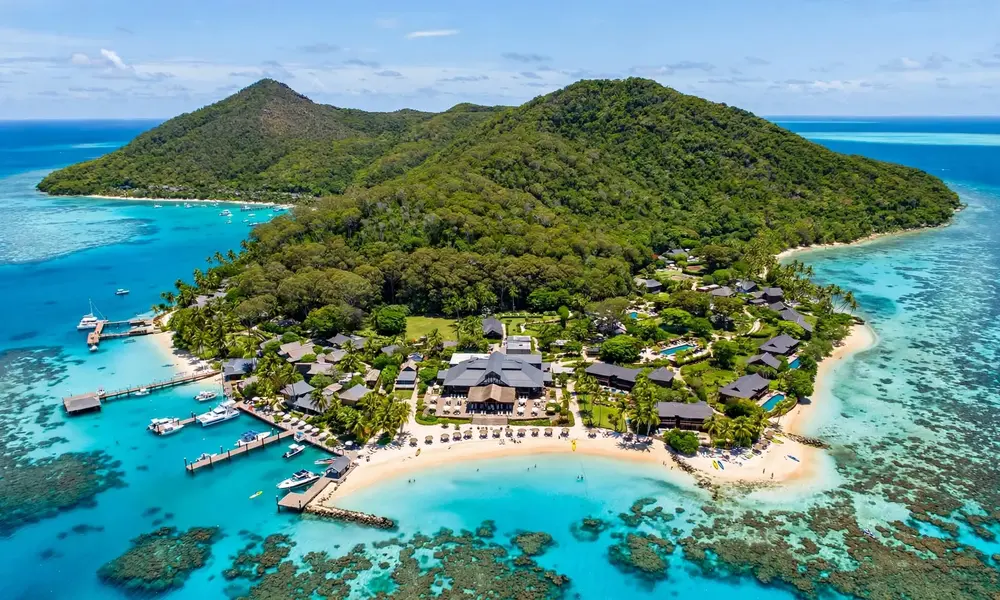
Queensland’s resort islands, with their leases and operating businesses, have changed hands at reported figures between $20 and $60 million, the market valuing the tourism concessions beneath the paradise. Australia’s foreign investment screening adds a governance layer that prices into every negotiation, and the category’s sales demonstrate that even at the fantasy’s extreme, the paperwork keeps its authority.
7. The Caribbean Development Islands
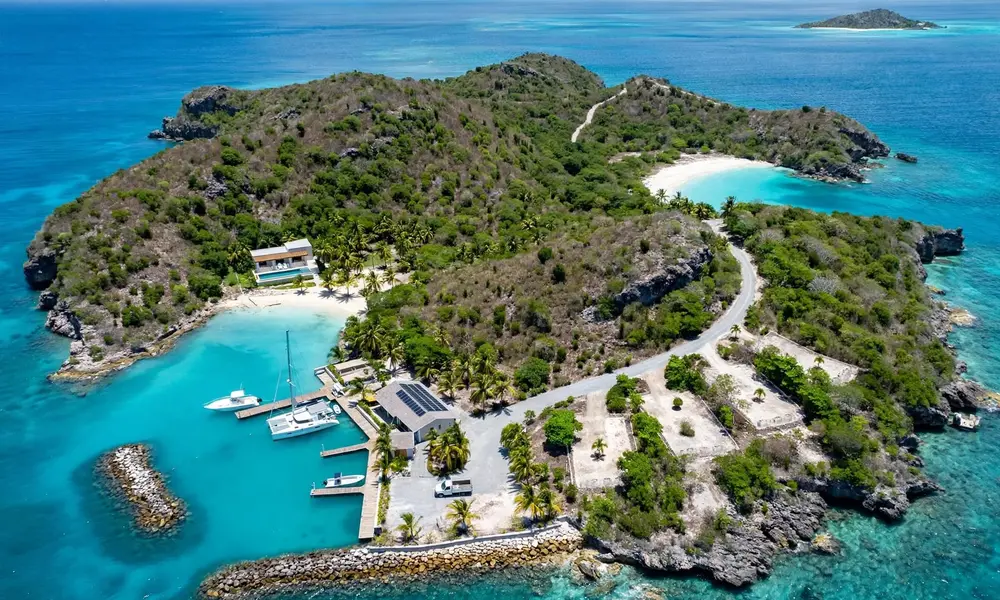
The development ready islands, with approvals, roads, and power in place across the BVI, St. Vincent, and their neighbors, have traded in the $10 to $40 million band, the prices expressing the cost of the infrastructure already solved. The market distinguishes sharply between the raw island, a lifestyle commitment with seven figure carrying costs, and the developed island, a business wearing a lifestyle’s clothes, and prices the difference at multiples.
8. The Scottish Islands
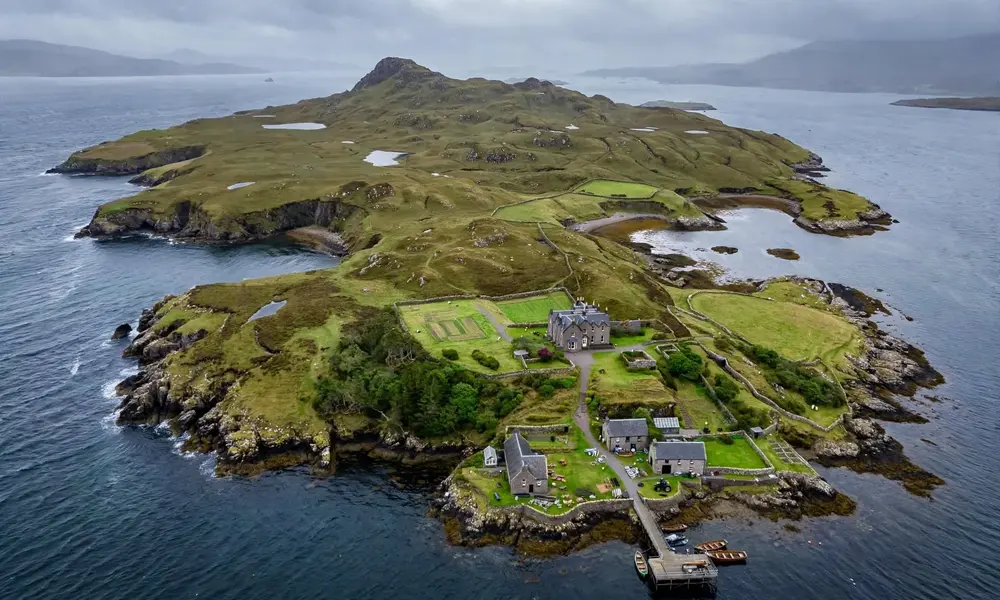
Scotland’s private islands, Hebridean and otherwise, trade at figures that read as misprints against the tropical market, major islands with castles and thousands of acres having changed hands between $5 and $10 million. The discount prices the weather, the access, and the logistics; the buyers price the privacy, the salmon, and the particular sublimity of a northern sea, and the market’s two logics rarely argue.
9. The Fantasy Tier: $1 Million and Below
The entry of the category deserves its own honesty: the market’s bottom, islands in Canada, Scotland, and the developing world at $1 to $5 million, frequently costs more to hold than the purchase suggests, with access, water, and power unsolved. The brokers’ standing advice applies at every price: the island’s acquisition is the least of its expenses, and the fantasy’s true price is the carrying, in money, in patience, and in the weather’s indifference to the deed.
The Market’s Logic
The nine sales compress into the category’s arithmetic. Location prices the weekend test: the island an owner can reach from the office commands multiples of the island that requires expeditions. Infrastructure prices the solved problems: water, power, and moorings are worth more than beaches.
Legal structure prices the permission: freehold, leasehold, and concession trade at different multiples of the same sand.
And everywhere the carrying costs, the staff, the boats, and the weather’s maintenance schedule, remind that the fantasy’s truest luxury is the organization that keeps paradise habitable, the same discipline that runs the superyachts and the grand estates, applied to an entire horizon.
FAQs
1. What is the most expensive private island ever sold?
Functioning Maldivian resort islands have traded at reported figures of $200 to $300 million, the category’s ceiling, driven by the value of the operating concessions as much as the land.
2. Can foreigners own islands?
It depends on the jurisdiction: the Bahamas and parts of the Caribbean permit foreign freehold, Thailand’s freehold is rare and prized, Greece restricts coastal positions, and the Maldives offers concessions rather than ownership, each structure pricing differently.
3. How much does it cost to run a private island?
Annual carrying costs typically run 5 to 15 percent of the island’s value, covering staff, boats, water, and power systems, with the brokers’ rule holding that acquisition is the least of the expenses.
4. What is the cheapest private island?
Entry islands in Canada, Scotland, and the developing world trade from $1 to $5 million, though the unsolved infrastructure at these prices often costs more to remedy than the purchase.
5. Is a private island a good investment?
The category is illiquid and carrying costs are heavy; the Necker case shows value created by decades of development, not by the land alone. Buy for the life, not the ledger.
6. How are islands valued?
By location and access, the solved infrastructure, the build permissions, and the legal structure of tenure, with the liquidity of the local brokerage as the final multiplier, and comparables few enough that every sale is partly negotiation.
7. Who buys private islands?
Fortunes seeking privacy and control beyond what the penthouse or the estate can offer, resort operators, and the occasional romantic who has run the carrying costs honestly and proceeds anyway.
8. What should a buyer check first?
Water, power, access, and tenure: the four questions whose answers price everything else, and the reason the category’s best advisors are engineers and lawyers before they are brokers.
Disclaimer: This content is for informational purposes only and reflects our personal opinions and experiences. We just love to write and share what we know and research.

