When a hundred-metre yacht changes hands, photographs show the new owner’s helicopter on the aft deck. The price appears in the trade press as a whispered range.
What the photographs never show is the machinery behind the transaction. A broker, or more often a small team of brokers, found the buyer, qualified the seller, and structured the deal. They also managed the eighteen months of paperwork, sea trials, and diplomacy between the first inquiry and the closing handshake.
Yacht brokerage is the industry’s invisible infrastructure. Understanding how it works is the difference between buying well and being sold.
Here is how the world’s great yachts actually change hands.
The Central Agency
The system begins with the central agency agreement. The seller engages one brokerage to represent the yacht exclusively, typically for a year. That firm then becomes the clearinghouse for every inquiry.
The central agent controls the listing’s information, photography, pricing strategy, and confidentiality. It also decides which qualified buyers around the world learn that the yacht is available.
At the summit, this role carries extraordinary power. The central agent on a major yacht knows more about its condition, its owner’s expectations, and the market’s appetite than anyone else.
The great brokerage houses built their positions through the accumulation of central agencies. These are the names that dominate the show stands at Monaco.
The Co Brokerage Split
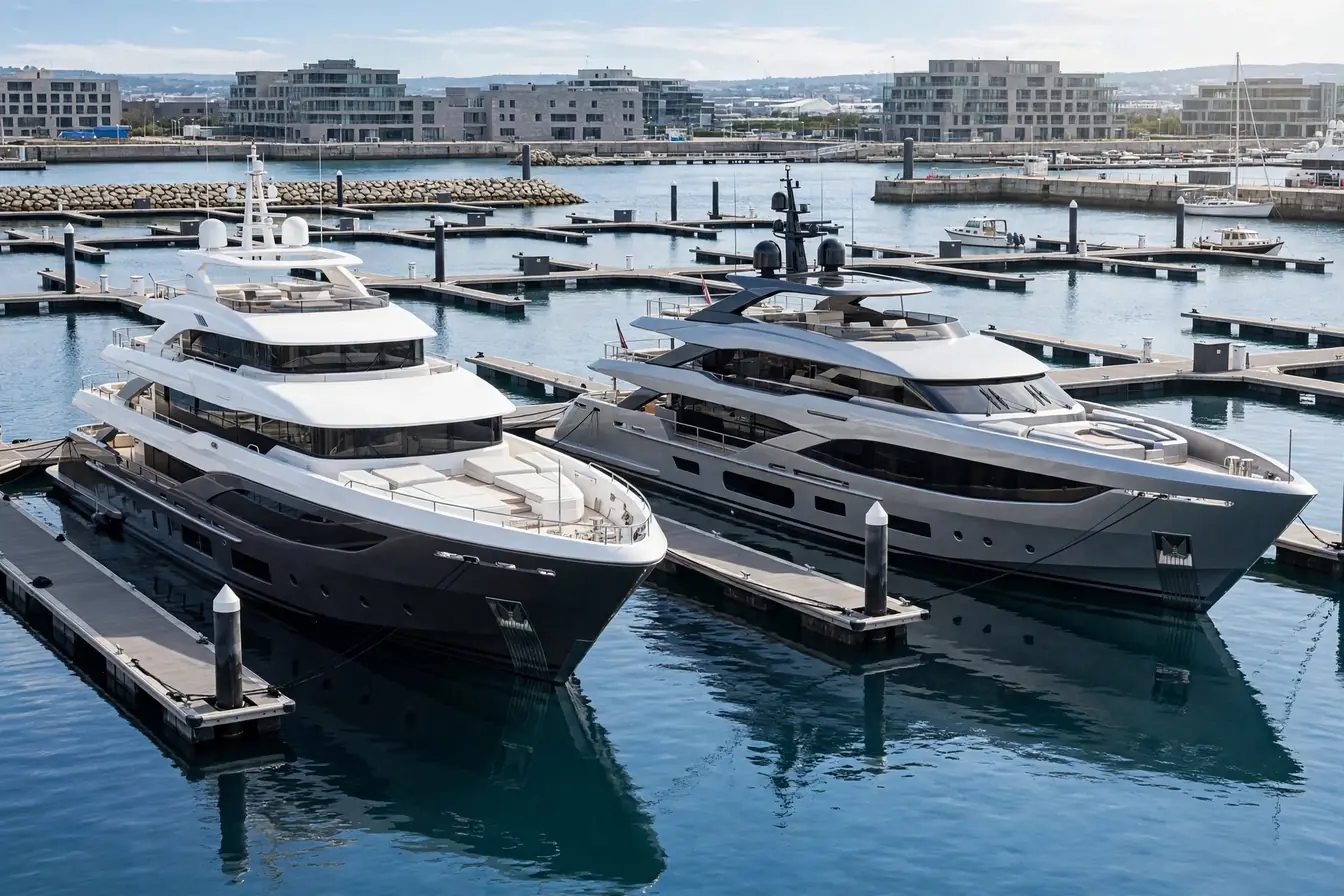
The industry’s elegant mechanism is co-brokerage. Any licensed broker may bring a buyer to any listed yacht. The commission, conventionally ten percent of the sale price, is split between the selling broker and the central agent.
The system rewards cooperation over hoarding. It ensures that every buyer’s broker has access to every yacht and concentrates marketing efforts on the listings themselves.
For buyers, the lesson is essential: engage your own broker. They are paid from the transaction’s existing commission and therefore represent you at no additional cost.
The buyer who walks into a central agent’s office without representation has only one broker in the room. That broker works for the seller.
The Commission Math
Ten percent is the industry convention, and at the summit, the numbers become architectural. A $50 million yacht generates $5 million in commission, split between the houses involved. Complex deals involving part exchanges of yachts, aircraft, or real estate often require bespoke structures.
The commission buys far more than an introduction. It provides pricing intelligence accumulated across dozens of comparable transactions. It also covers negotiations between principals who speak weekly and the management of the transaction’s machinery.
This includes the sea trial, survey, flag and registry work, escrow, and the closing itself.
The Best Brokers Are Invisible
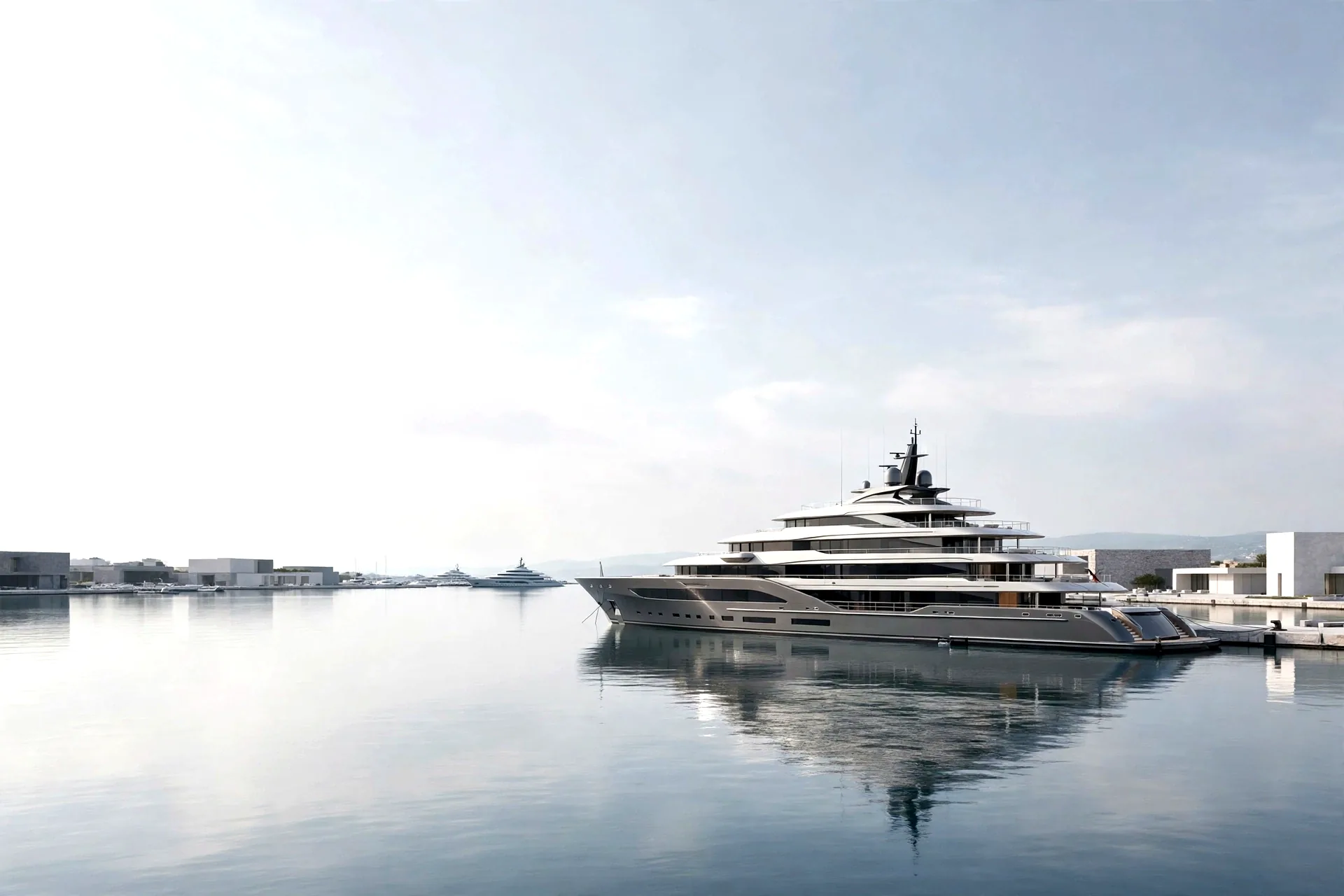
The summit of the profession operates through reputation rather than advertising. The brokers whose phones ring when a major owner decides to sell are known to only a few hundred people on earth. Their names rarely appear in listings.
Their value comes from years of accumulated relationships. They have earned the trust of owners, protected the discretion of buyers, and learned the schedules of shipyards.
When a Koru or a Bravo Eugenia changes hands, the transaction is often a whisper between principals. As our coverage of the great builders chronicles the industry’s icons, the broker who carries that whisper represents the industry’s true aristocracy.
FAQs
1. What is a yacht broker?
A licensed professional who represents buyers or sellers in yacht transactions, managing pricing, marketing, negotiation, and the closing process for a commission, conventionally ten percent of the sale price.
2. What is a central agency?
The exclusive listing agreement through which one brokerage represents a yacht for sale, controlling its information, marketing, and confidentiality, and splitting the commission with any buyer’s broker who produces the sale.
3. Who pays the yacht broker?
The seller, through the commission, which conventionally splits between the central agent and the buyer’s broker. A buyer engaging their own broker therefore pays nothing extra for representation.
4. Why use a buyer’s broker?
Because the central agent represents the seller. A buyer’s broker provides comparable sales intelligence, negotiation leverage, and transaction management at no marginal cost, and at the summit, the best buy side brokers are the market’s true insiders.
5. How are superyacht prices set?
Through comparable sales, the broker’s accumulated intelligence, the yacht’s condition and refit history, and the negotiation’s choreography, with asking prices functioning as opening positions in a conversation that the serious parties conduct privately.
6. How long does a superyacht sale take?
From several months for straightforward transactions to eighteen months or more for complex deals involving surveys, sea trials, flag changes, and financing, with the documentation phases consuming as much time as the negotiation.
7. Are superyacht prices public?
Rarely at the summit: confidentiality agreements govern most significant transactions, and the market’s prices circulate as informed ranges through the brokerage community rather than published records, unlike the auction markets in other luxury categories.
8. How does one become a client of the top brokers?
Through referral, reputation, and the gradual accumulation of the broker’s confidence, the summit brokers take clients whose discretion matches their own, and the relationship, like the transactions it produces, begins as a whisper.