The best Eiffel Tower facts give you something to notice when you finally stand beneath it. The rivets become evidence of human work. The antenna becomes part of the reason the monument survived. Even its familiar outline becomes a little less familiar.
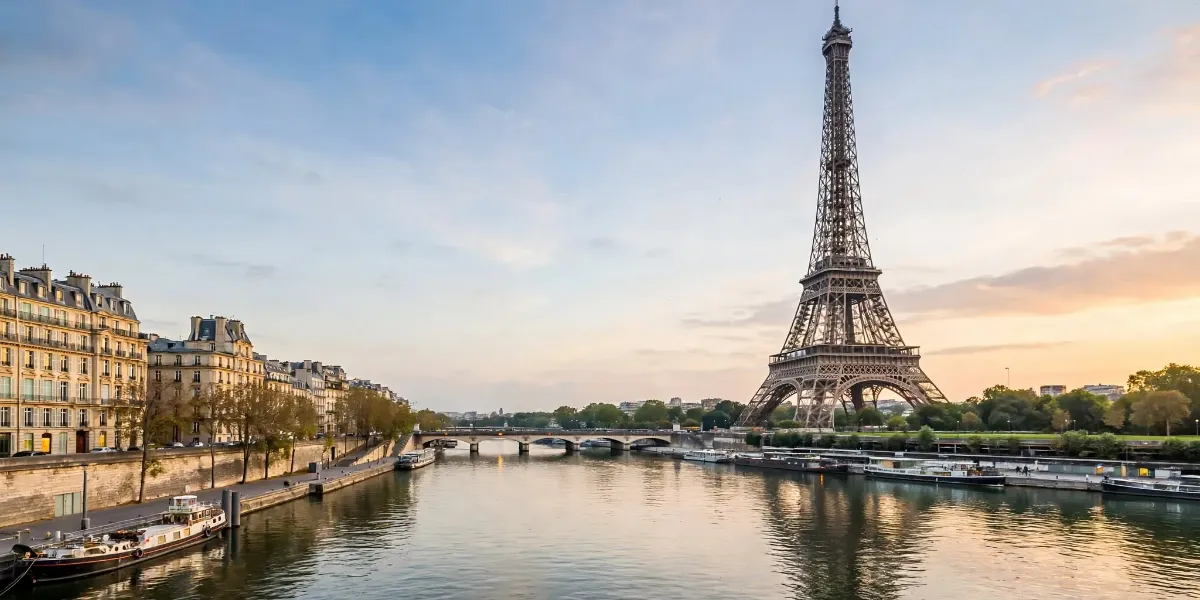
Built for the 1889 Paris World’s Fair, the tower now reaches 330 metres, including its antennas. But its appeal goes well beyond height.
It is an engineering achievement, a working broadcasting structure, and a place where a long-imagined Paris moment becomes real. Knowing a little of its story makes that moment richer.
Here are 12 facts worth taking with you, followed by a practical guide to choosing your visit.
1. Gustave Eiffel did not design the tower alone
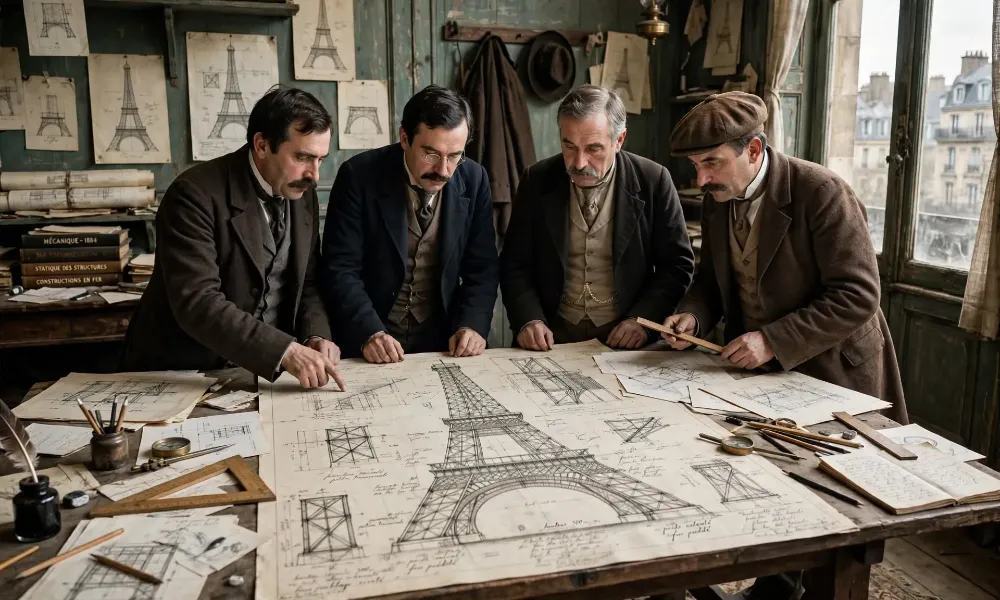
The monument carries Eiffel’s name, but the accepted project involved engineers Maurice Koechlin and Émile Nouguier, architect Stephen Sauvestre, and Eiffel himself.
That distinction restores the team behind the landmark. Its development involved structural thinking, architectural refinement, and the ability to bring an ambitious project into being.
When you look at the tower, try separating those tasks in your imagination. Someone had to calculate the structure; someone had to consider its appearance; many people had to turn drawings into ironwork.
A famous name can open a story without containing everyone who belongs in it.
2. It was built for an exhibition marking the French Revolution’s centenary
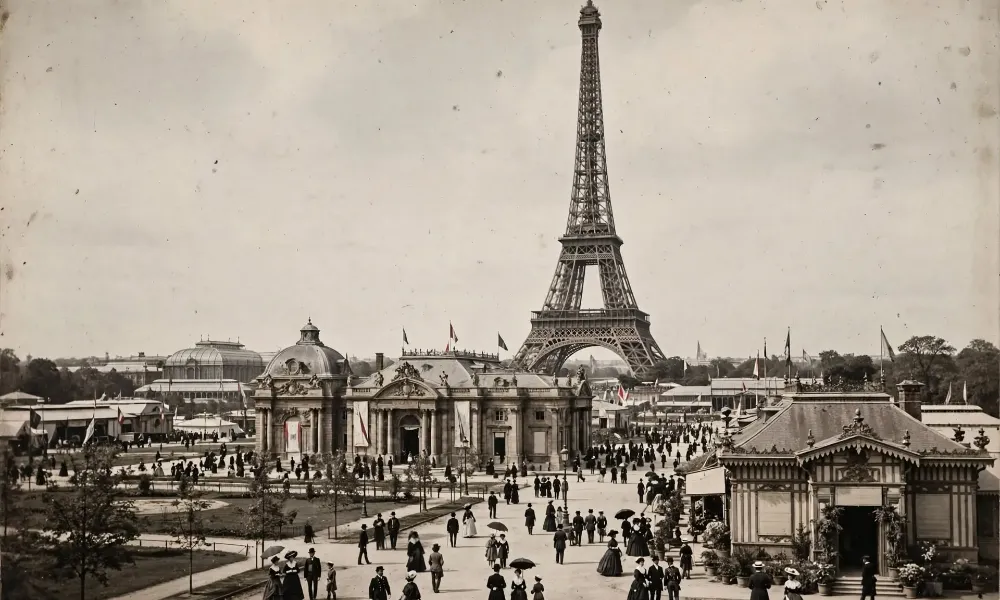
The tower’s project was selected for the 1889 Exposition Universelle, held a century after the French Revolution. It was chosen from 107 proposals.
That setting changes how you read the building. It was intended to make an impression in a world exhibition, where innovation and national ambition were part of the occasion.
Today, it can feel impossible to imagine Paris without it. Its origins remind us that even a beloved landmark begins as a proposal someone must persuade others to build.
3. Construction took just over two years
The official history records a construction period of two years, two months, and five days, ending on March 31, 1889.
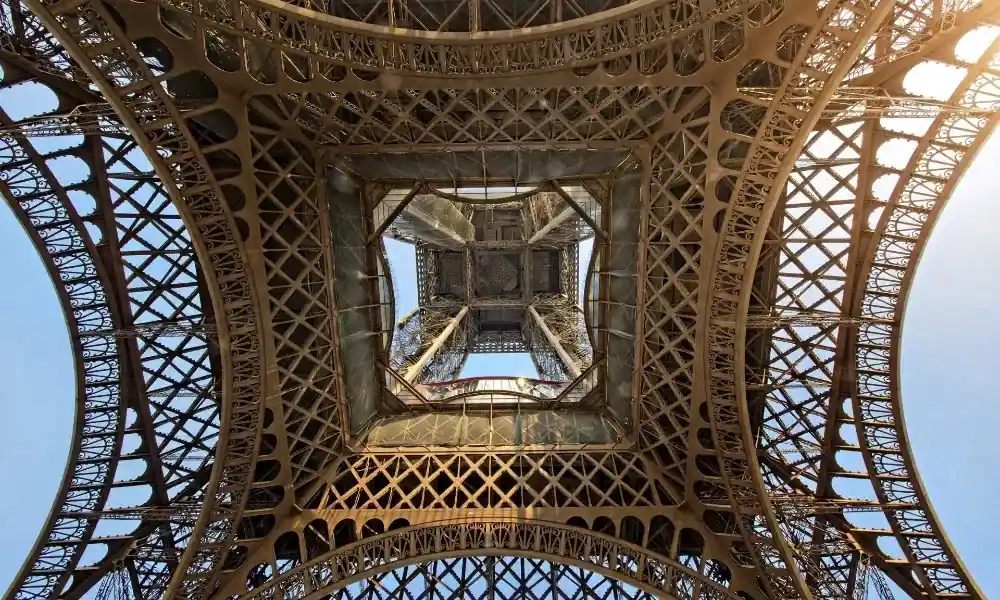
The structure used 18,038 metal parts and approximately 2.5 million rivets. Much of the preparation happened before the pieces reached their final positions.
Those figures are most interesting when you stop treating them as a quiz answer. Look closely at the repeated connections and consider the planning needed to make so many separate parts behave as one structure.
Our suggestion is to spend a little time looking upward from below before joining the journey to an observation level. The view through the ironwork deserves its own attention.
4. Its current height includes an addition made in 2022
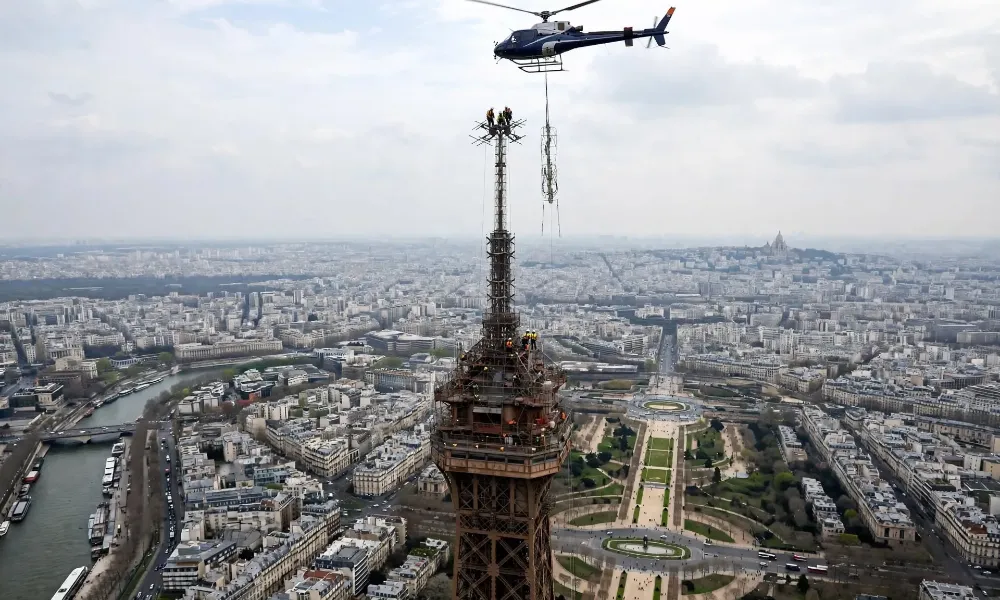
The Eiffel Tower measures 330 metres, or approximately 1,083 feet, including its antennas.
On March 15, 2022, a new six-metre antenna for digital terrestrial radio increased its height from 324 metres. The installation was carried out by helicopter.
An older book may therefore give a different height without having been careless when it was published.
The tower is a useful reminder that a historic monument can continue to change. Preservation does not mean that every part of its working life stopped in the nineteenth century.
5. Temperature changes affect the iron structure
The tower’s puddled iron responds to temperature. Thermal expansion can also cause the summit to lean slightly away from the sun as different parts warm unevenly.
The operator describes the top tracing a roughly circular movement of about 15 centimetres in diameter over a clear day.
That is different from casually repeating that the whole tower “grows 15 centimetres every summer.” Vertical expansion and the summit’s sideways movement should not be turned into the same claim.
You are looking at a structure that responds to its environment, rather than a perfectly motionless outline.
6. Radio helped save it from being dismantled
The tower’s original concession lasted 20 years. Its usefulness for radio communication helped secure its future.
The official history records an extension of Eiffel’s concession for another 70 years, beginning on January 1, 1910.
That makes the antenna more than an addition above the sightseeing experience. Broadcasting belongs to the story of why the tower is still here.
It also offers a different way to think about heritage. A structure may survive because it finds a useful role, alongside the affection people develop for it.
7. Painting is part of its protection
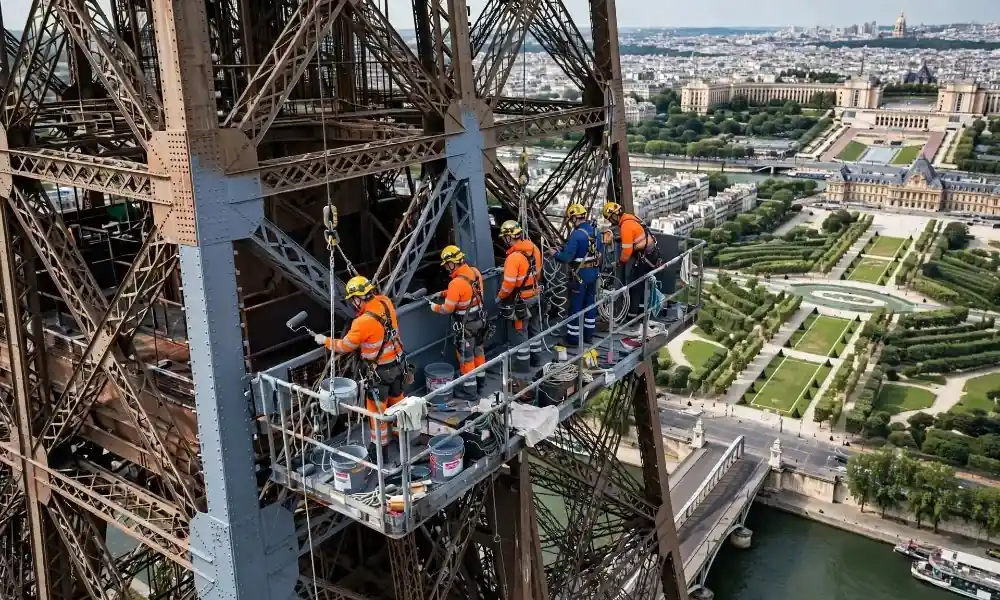
Paint does more than determine the tower’s appearance. The operator identifies it as essential protection for the iron.
Painting campaigns include examining corroded areas, preparing surfaces, and carrying out necessary work before protective coats are applied.
The colour you admire therefore belongs to a maintenance system as well as a visual identity.
For visitors who love design, this is a detail worth remembering. The continued beauty of a familiar object often depends on work that receives far less attention than its silhouette.
8. Gustave Eiffel’s summit office is a reconstruction
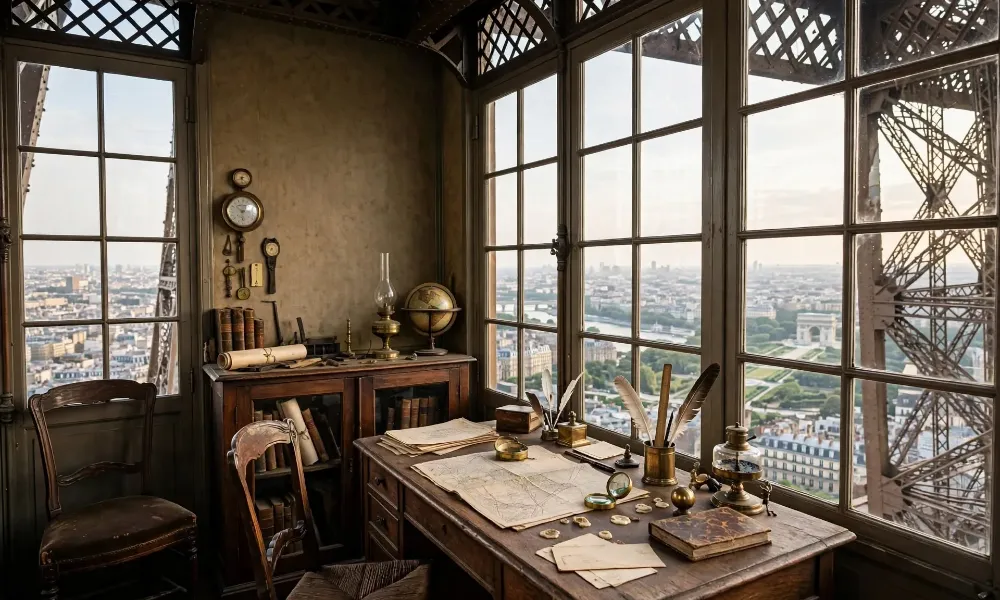
At the top, visitors can see a reconstruction of Eiffel’s office. The operator explains that it occupies only a small part of the apartment he once used.
It is a historic display, rather than an accommodation you can book.
Knowing that helps you appreciate it on its own terms. The interest is the contrast between a human-scale interior and the extraordinary structure around it.
If the office is important to you, make sure your planned visit includes summit access, subject to operating conditions.
9. You can climb 674 steps to the second floor
The public stair route from the ground to the second floor contains 674 steps. The visitor journey to the summit continues by elevator, not by a public stair climb all the way up.
Choose the stairs because you want that experience and can comfortably manage it, rather than treating it as a compulsory achievement.
Our editorial view is that the route and the destination deserve separate decisions. Some visitors will enjoy moving through the structure; others will prefer to conserve their energy for the rest of Paris.
Either can be a well-chosen visit.
10. A second-floor ticket cannot simply be upgraded at the tower
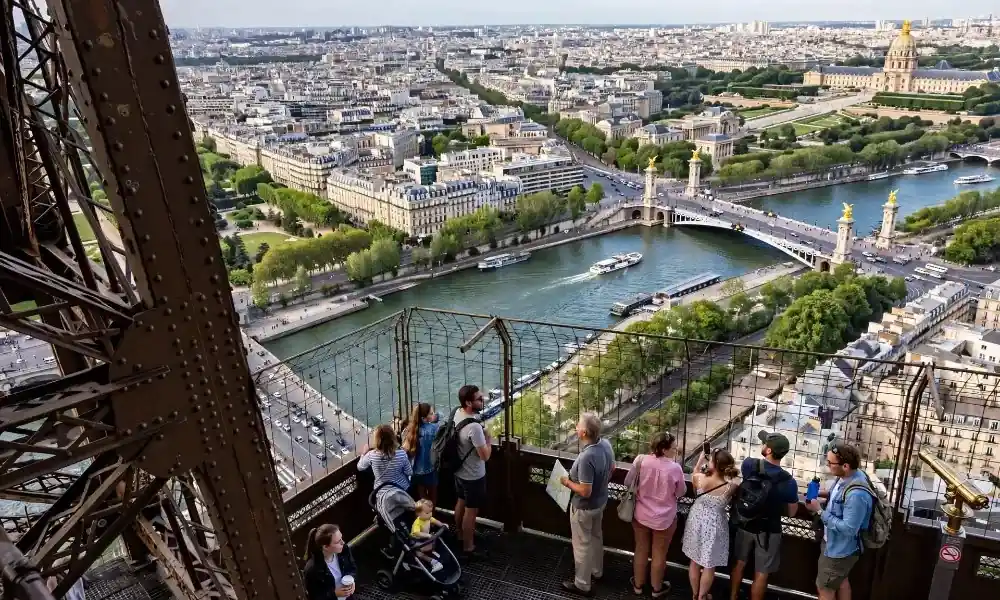
The official ticket guidance states that second-floor ticket holders cannot purchase an additional summit ticket on site.
Decide what you want before paying. A second-floor visit and a summit visit are different products, rather than stages you can assume will remain interchangeable.
If you want stairs followed by the summit elevator, select the appropriate combined ticket when available.
This is one fact that can spare you genuine disappointment. A beautiful view is easier to enjoy when you are not discovering that your reservation excludes the place you hoped to reach.
11. The sparkle is a separate lighting effect
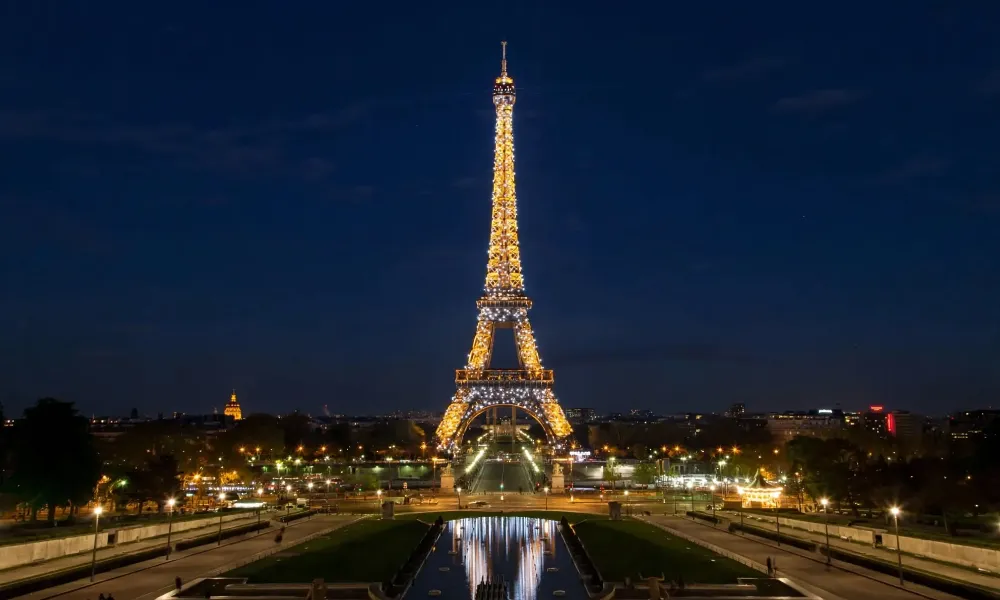
The tower’s golden illumination and its sparkling display are different elements.
The operator describes the sparkle as a five-minute effect at the beginning of each hour after nightfall, using 20,000 lights. The final display depends on the seasonal closing schedule.
Check the current programme rather than planning around a universal midnight or 1 a.m. rule.
You may prefer watching from outside so the whole structure remains in view. That is a different pleasure from looking out across Paris while standing on it.
12. The highest view is not automatically the right visit for everyone
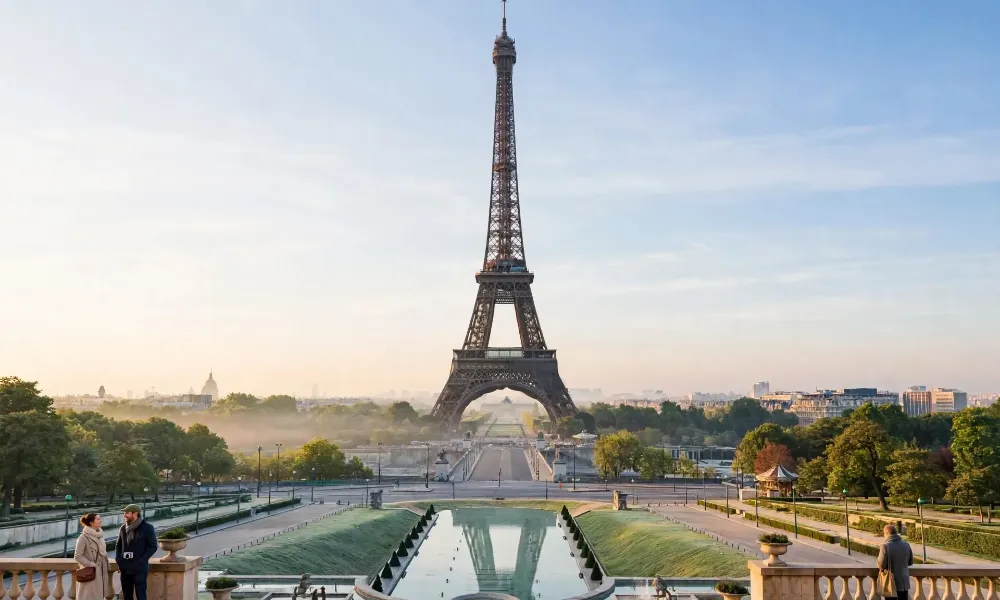
This is an editorial conclusion drawn from the tower’s distinct ticket options, rather than a claim that one level is objectively superior.
The summit offers the experience of going higher and access to the office reconstruction. A second-floor ticket offers a different destination. Stairs change the journey again.
Choose around what matters to you: height, history, the structure, photography, energy, or time with the people accompanying you.
A visit is not less meaningful because you have chosen a lower level. The point is to enjoy the experience you actually booked.
Which Eiffel Tower visit should you choose?
Use the comparison below to identify your priorities before checking availability.
| Option | What it includes | Best question to ask yourself |
| Second floor by elevator | Elevator access to the second floor | Is this the destination I want? |
| Second floor by stairs | The 674-step public stair climb | Will I enjoy the climb as part of my day? |
| Summit by elevator | Elevator journey to the top via the second floor | Is reaching the summit central to my plans? |
| Stairs plus summit elevator | Stairs to the second floor, then elevator to the summit | Do I want both the stair experience and summit access? |
| An exterior view | Watching the tower from a suitable public viewpoint | Would I rather see the complete structure than go up it? |
The paid options depend on ticket availability and operations. An exterior view is an alternative experience, not admission to the monument.
How can you make the visit feel less rushed?
Choose one main purpose for going. Perhaps you want to study the structure, reach the summit, or see the evening lighting.
Then build enough room around that purpose. Do not place a difficult-to-move dinner reservation immediately after a tightly planned tower visit.
Check the official booking page for your date, ticket type, access instructions, and current opening information. Recheck operating updates before leaving your hotel.
Our guide to modern luxury travel explores this approach: let the itinerary support the experience, rather than making the experience serve the timetable.
For a trip that also includes meals you are particularly excited about, our guide to luxury travel destinations for food lovers offers another planning perspective.
Your Eiffel Tower visit checklist
Before reserving, confirm:
- The ticket reaches the level you want.
- You understand whether the route uses stairs, elevators, or both.
- Everyone in the group is comfortable with the chosen route.
- You have checked current access and opening information.
- You understand any conditions attached to the reservation.
- Your onward plans allow breathing room.
- You have checked the current lighting schedule if that is your priority.
- You are buying the experience you want, rather than assuming an upgrade later.
Frequently asked questions
How tall is the Eiffel Tower?
It is 330 metres tall, including its antennas, following the addition made in March 2022.
Who designed the Eiffel Tower?
The project involved Gustave Eiffel, engineers Maurice Koechlin and Émile Nouguier, and architect Stephen Sauvestre.
Can you walk to the summit?
The public stair route reaches the second floor. Summit access continues by elevator with the appropriate ticket.
Can you stay in Eiffel’s apartment?
The summit office is presented as a historic reconstruction. It is not visitor accommodation.
Should you visit during the day or at night?
Choose the experience you prefer. Daylight and evening illumination offer different reasons to visit; neither is a universal best choice.
The editorial read
You may have seen the Eiffel Tower hundreds of times before arriving in Paris. Familiarity does not have to make the encounter ordinary.
Look for the connections, remember the people behind the drawings, and notice the working antenna above the landmark. The tower becomes more interesting when its story has room for engineering as well as romance.
Then put the facts aside for a moment. Let yourself enjoy being there.