In the summer of 1997, a small plane descended toward Martha’s Vineyard in haze and darkness, and America learned, in the worst possible way, what happens when an owner’s confidence outruns an owner’s training. John F. Kennedy Jr., piloting his own Saratoga with his wife and her sister aboard, lost control on final approach and crashed into the Atlantic.
The tragedy became the cautionary tale every flight instructor cites when a successful student arrives in a new aircraft with a famous name and an assumption that money substitutes for hours. And yet, nearly three decades later, the phenomenon the tragedy warned against has not faded. It has grown.
Across America, the owner pilot, the wealthy individual who buys a helicopter or an airplane and flies it personally, has become one of private aviation’s most important customer classes. Celebrities, founders, surgeons, and heirs are completing instrument ratings in their fifties, keeping aircraft at their ranches, and logging the same circuits their paid pilots once flew for them.
The reasons are not thrill seeking, or not only thrill seeking. They are control, time, and a peculiar hunger that only becomes explainable once you understand what these people surrender everywhere else in their lives.
Here is why the wealthiest flyers in the sky increasingly insist on holding the controls, what it takes to join them, and what the training really costs beyond the invoice.
The Economics Nobody Mentions
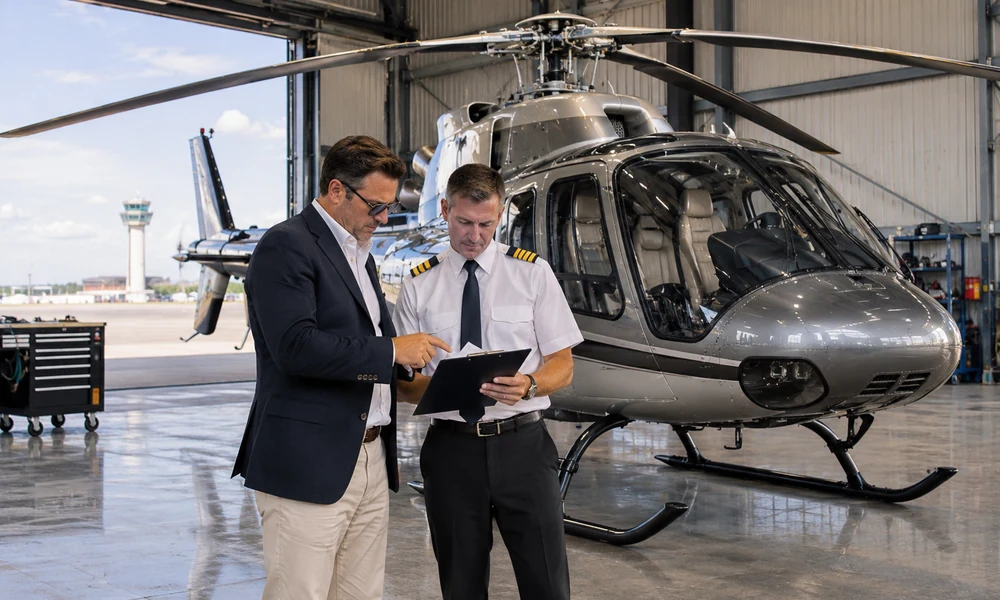
Start with the math, because the math surprises people. A certified flight instructor in a turbine helicopter costs roughly $100 to $200 per hour, and a private pilot certificate for helicopters requires a minimum of 40 hours, though the national average runs between 50 and 70 hours before the examiner signs the temporary certificate.
Add ground school, the medical certificate, the written exam, the checkride fees, and the training aircraft, and the honest all in figure for a helicopter private certificate lands between $20,000 and $35,000. An instrument rating, which any serious owner pilot adds, roughly doubles the investment and the hours.
Now place that against the cost of the audience it attracts. A new light turbine helicopter, the category most owner pilots buy, runs $2.5 to $4 million, and operating it costs six figures annually even before the mortgage on the hangar. The training, in other words, is not the barrier. The training is the rounding error.
What the training demands instead is the one resource this demographic genuinely lacks: time measured in weeks of calendar, hours in the pattern, and the repeated, public experience of being bad at something while a 30 year old instructor corrects your radio calls. That, more than money, is the true initiation.
The Real Motive: The Last Unoutsourced Act
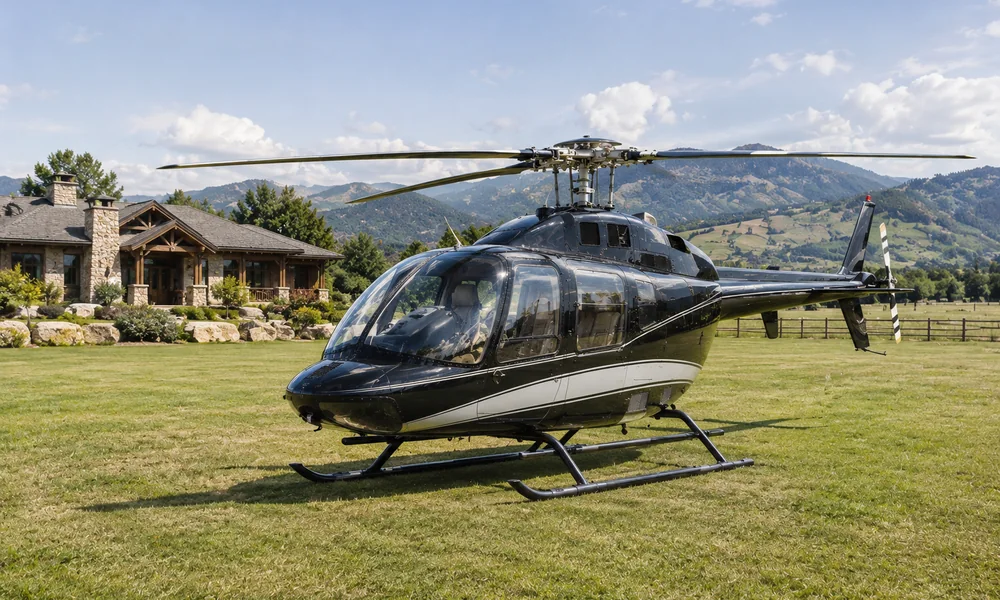
Spend an hour with owner pilots and a pattern emerges in how they describe the appeal. One, a tech founder who sold his company and now flies his Bell 407 to his Wyoming ranch, put it with unusual precision: everything else in his life, he said, is a decision he makes through other people.
The helicopter is the last activity where the consequence of the decision is his alone, instantly, and physical. He cannot delegate a hover. He cannot board meeting a autorotation.
This is the argument that recurs, and it explains the demographics. Owner pilots skew toward people whose professional lives run on abstraction, code, capital, negotiations. Flying is adversarially concrete. The machine does not care about your net worth, your exits, or your reputation; it responds only to inputs, and it punishes inattention with physics rather than with a market.
In a life of infinite optionality, the cockpit offers the rare constraint of immutable rules, and wealthy people, counterintuitively, often find constraint luxurious. It is the same psychology that sends hedge fund principals to golf clubs that cost more than houses: a bounded game with objective scoring.
The Training Reality: From Zero to Turbine
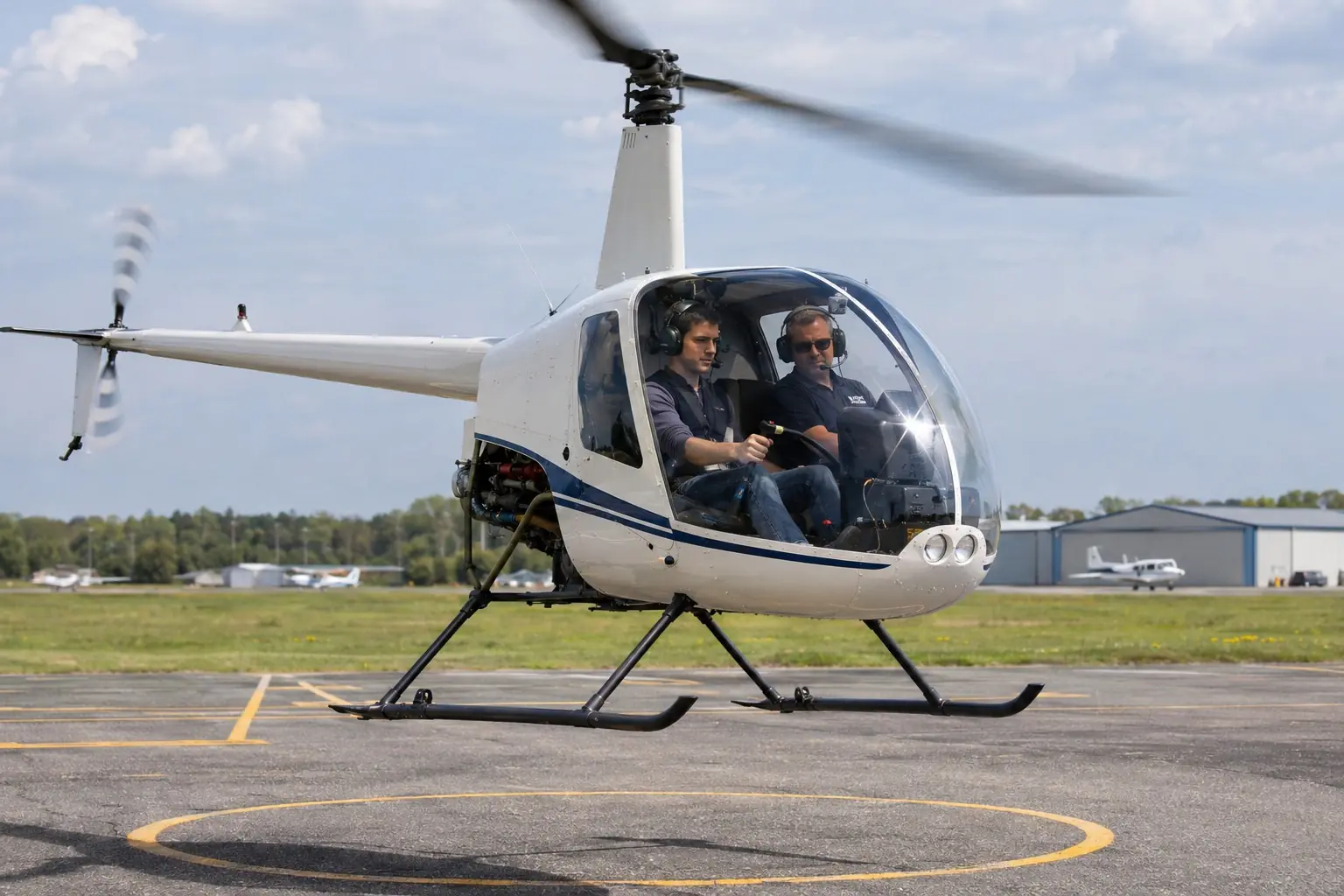
The honest path looks like this. Most owner pilots begin in a two seat piston trainer, commonly a Robinson R22 or R44, because turbine time is too expensive for learning and piston ships forgive more slowly, which builds skill. The private certificate arrives in three to six months of part time training.
The serious ones proceed directly to an instrument rating, then a commercial certificate, not to fly for hire but because commercial training standardizes the skills to a professional bar. Only then does the owner transition into the turbine helicopter he or she actually bought, typically a Bell 407, an Airbus H125, or an AW109, on a type specific course with a factory instructor.
The maintenance of the skill is the part the Kennedy tragedy illuminated. Instrument currency lapses, decision making atrophies, and the margin between a competent owner pilot and a dangerous one is measured in recurrent training, not in logbook totals.
The modern culture has absorbed the lesson: serious owner pilots fly with instructors quarterly, join safety organizations, and treat the annual insurance requirement of recurrent training as a floor rather than a ceiling. Insurers, for their part, price the risk ruthlessly, which disciplines the market from the outside. Our helicopter ownership cost breakdown details how insurance and training line items behave in a real operating budget.
The Aircraft They Choose
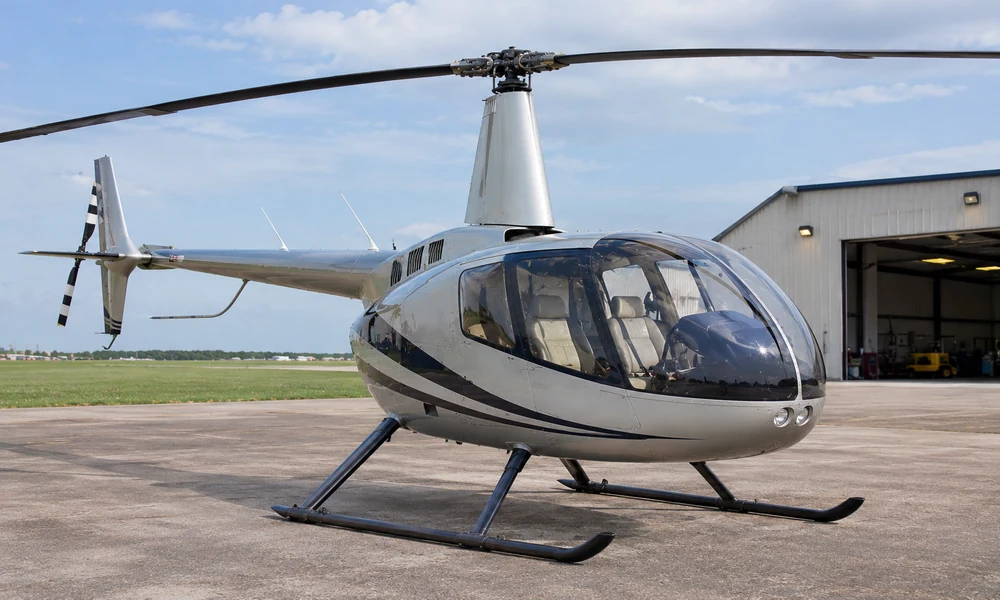
The owner pilot market has a clear pecking order. At the entry point sit the Robinson R66, a five seat turbine with a loyal following and operating costs that make it the default first turbine for owner pilots. Above it, the Airbus H125, the descendant of the AStar lineage, offers high altitude performance and a glass cockpit.
The Bell 407, with its two blade simplicity and the cachet of the Bell name, is the ranch country favorite. Higher still, owner pilots with cross country ambitions choose twins, the Sikorsky S-76 class or the AW109, trading operating economy for payload and all weather capability.
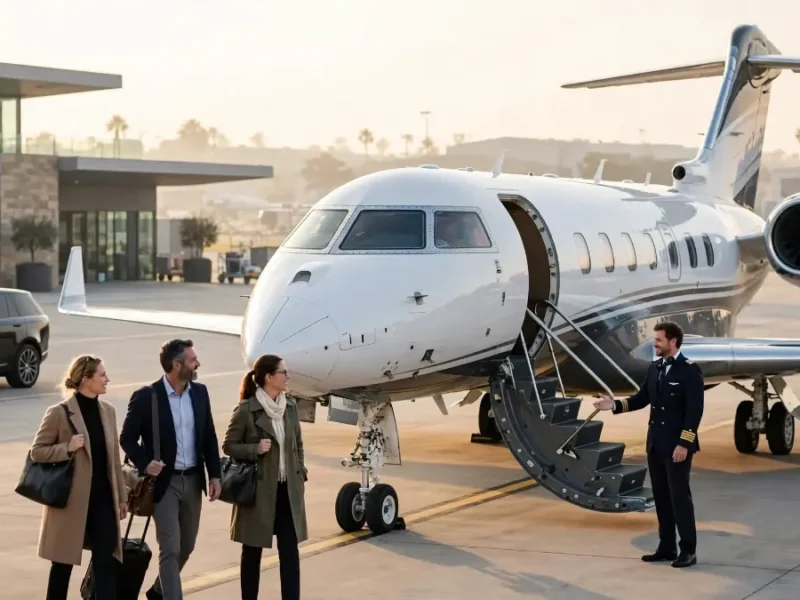
A distinct and growing category is the owner pilot who pairs the helicopter with a fixed wing aircraft, using the plane for the three hundred mile legs and the helicopter for the last thirty, the ranch, the island, the marina.
For those weighing whether ownership of either type makes sense at all, our comparison of owning versus chartering versus jet cards sets the break even logic, and our guide to private aviation experiences without ownership covers the middle ground for those who want the cockpit without the capital commitment.
The New Golden Age
What has changed in the 2020s is the machinery of learning. Glass cockpits have made turbine transitions gentler. Flight schools catering to executives now structure training around calendar blocks, compressing the private certificate into immersive two week programs at residential facilities.
And the social permission has shifted: where an earlier generation of wealth hid its hobbies, the current one publicizes them, and the owner pilot, photographed at the controls of his own helicopter on the way to the Hamptons, has become a legible status language, a statement of competence rather than merely of purchase.
The risks remain real, and the culture that minimizes them, the quarterly instructor ride, the conservative weather minimums, the willingness to leave the aircraft parked, is the culture that separates the owner pilot from the cautionary tale. Done properly,
it is among the most complete skills a person can acquire: part sport, part engineering, part discipline, and wholly immune to delegation. In a world where everything else can be bought, that last quality is the entire point.
FAQs
What is an owner pilot?
An owner pilot is a private individual who owns an aircraft and holds at least a private pilot certificate to fly it personally, rather than employing a pilot or flying only as a passenger. In helicopters, the category typically involves owners of turbine aircraft such as the Bell 407, Airbus H125, or Robinson R66 who transitioned into their own aircraft after earning their certificates.
How much does it cost to become a helicopter owner pilot?
The private helicopter certificate typically costs $20,000 to $35,000 including training, exams, and aircraft rental, with an instrument rating roughly doubling that figure. The aircraft itself is the major expense, starting around $2.5 to $4 million for a new light turbine helicopter, plus six figure annual operating costs.
How long does helicopter pilot training take?
Part time students typically earn the private certificate in three to six months. Immersive executive programs compress the same curriculum into roughly two weeks. An instrument rating adds several months, and transition into a personal turbine helicopter requires an additional factory type course of one to two weeks.
Do celebrity owner pilots really fly themselves?
Many do, and more train than the public realizes. The pattern crosses industries, entertainment, technology, finance, medicine, and the common thread is not thrill seeking but the appeal of a skill with objective standards that cannot be outsourced or negotiated.
Is it safe for wealthy amateurs to fly their own helicopters?
It can be, when the owner pilot treats recurrent training as non negotiable, maintains genuine instrument currency, and accepts conservative personal weather minimums. The accident record disciplines the careless, and insurers price accordingly, which tends to align economic incentives with safe practice for aircraft owners.
What helicopter do most owner pilots buy first?
The Robinson R66 dominates the entry point as a five seat single engine turbine, followed by the Airbus H125 and Bell 407 for performance and brand preference. Twin engine choices such as the AW109 appeal to owners with frequent over water or night flying missions.
Can an owner pilot fly commercially or carry paying passengers?
A private certificate permits carrying passengers without compensation. Commercial operations, including charging for flights or certain cost sharing arrangements, require a commercial certificate and typically an air carrier or operating certificate, which is why owner pilots fly themselves and their guests, not charter customers.
What happened to John F. Kennedy Jr.’s piloting?
Kennedy Jr. held a private certificate with limited instrument experience and was flying at night over water in hazy conditions when he became spatially disoriented on approach to Martha’s Vineyard in July 1999, crashing into the Atlantic. The accident remains the defining case study in owner pilot risk, particularly the gap between legal certification and actual proficiency.