There is a small club in aviation whose membership requirements are written on a single dial. The Mach meter, the instrument that measures speed as a fraction of the speed of sound, governs the top of the business jet world the way horsepower governs supercars, and the numbers at the summit have barely moved in thirty years.
No business jet in history has officially flown faster than Mach 0.998. The jet that holds that figure, the Bombardier Global 8000, cruises at Mach 0.95, a sustained velocity that lets it overtake airliners flying the same routes, and it arrived only after a generation of jets pushed against the same ceiling without breaking it.
The reason the ceiling exists is not engineering timidity. It is physics married to regulation: the sound barrier punishes design with heat and drag, the rules punish it with sonic booms over land, and the market punishes it with economics that have buried every supersonic business jet program ever launched. Here are the members of the Mach Speed Club, the jets that flew fastest, the one that broke the record, and the supersonic ghosts that almost made it to the ramp.
The Record Holder: Bombardier Global 8000, Mach 0.998
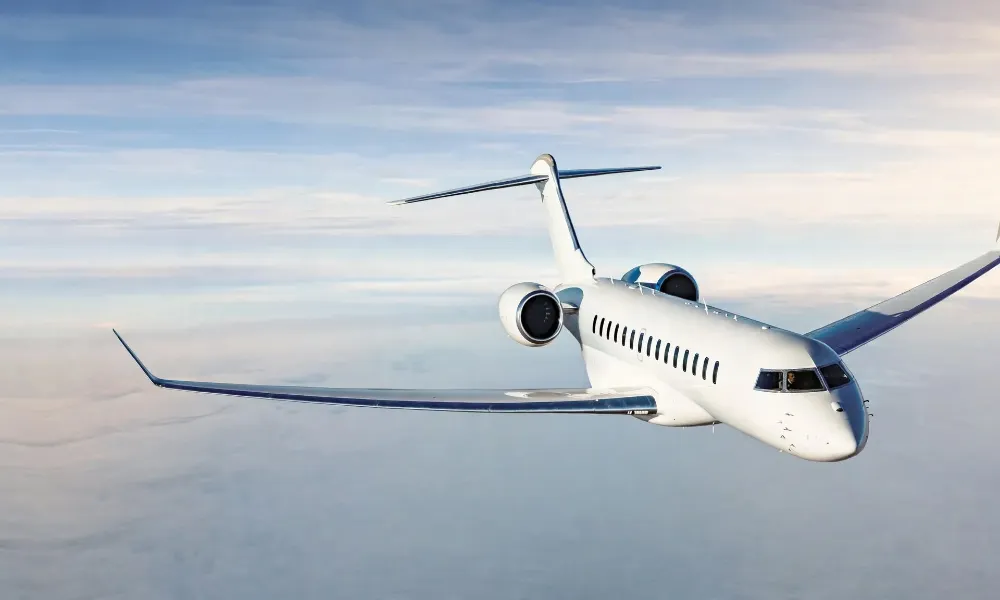
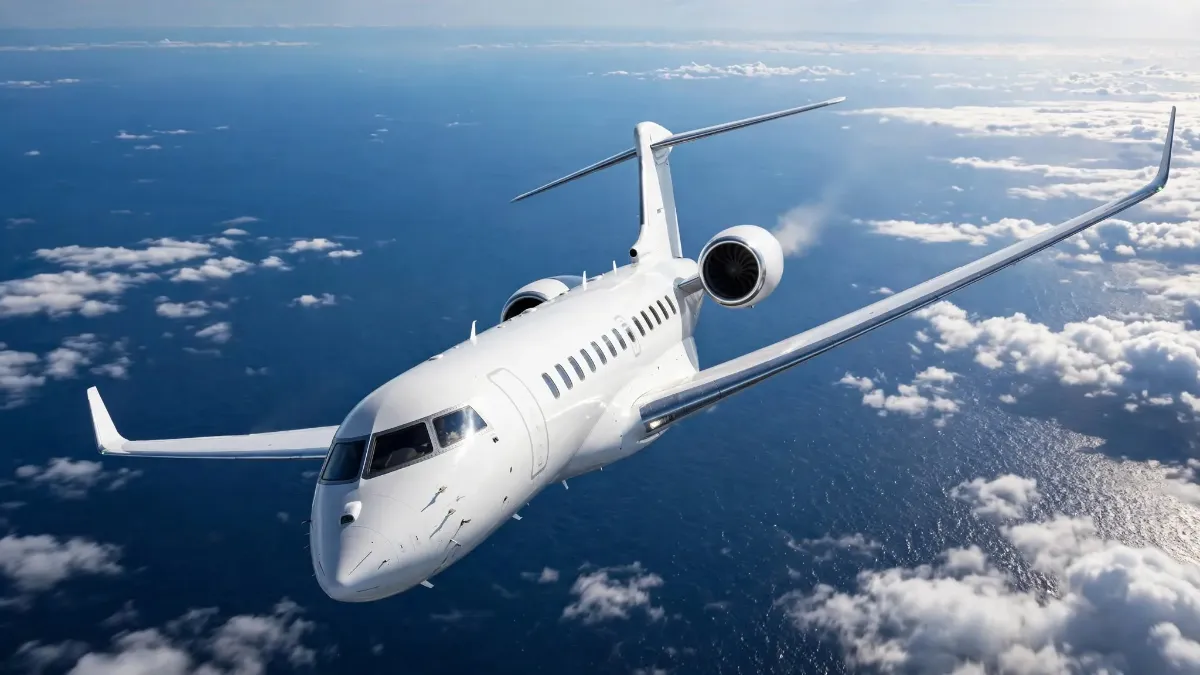
The Global 8000, which entered service in late 2025, ended a quarter century of debate by posting the highest speeds ever certified in a business jet: a maximum operating Mach of 0.998, effectively the sound barrier itself, and a high speed cruise of Mach 0.95 that no rival matches.
At those numbers, the 8000 flies New York to Los Angeles roughly half an hour faster than the airliners beneath it, and its high speed cruise burns the advantage across every long mission in a way that reshapes route planning for its owners.
The achievement is aerodynamic as much as raw power, a wing and engine combination refined through the Global 7500’s development and then pushed past every prior limit. We told the full story of its record setting arrival in our Global 8000 feature, and its position at the top of this list is now the simple statement of record.
The Longest Reign: Cessna Citation X, Mach 0.935
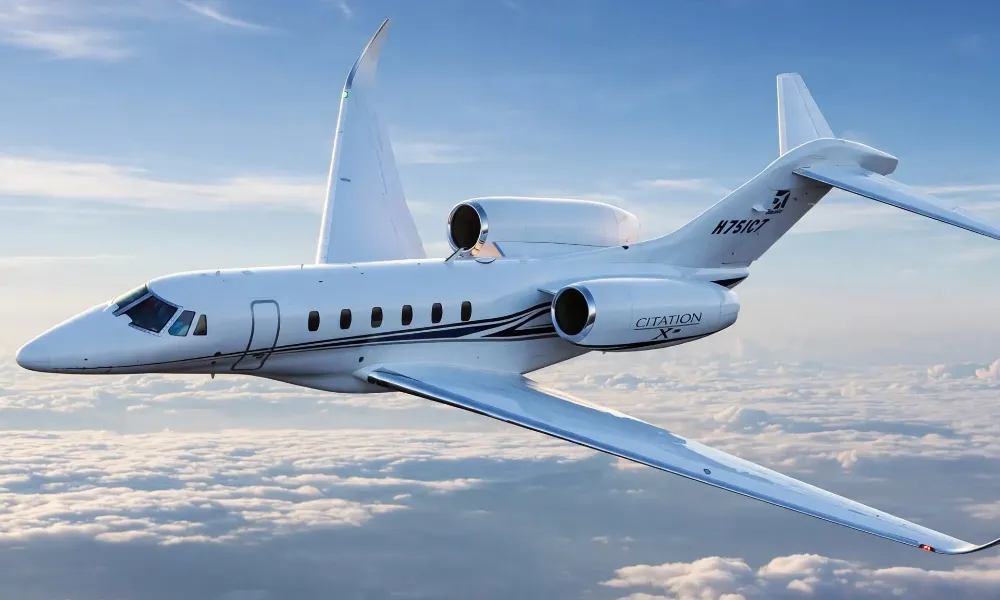
For sixteen years, from 1996 until the Gulfstream G650 displaced it, the Citation X was the fastest business jet in the world, and it remains the most instructive member of the club.
The X was not the biggest or the longest ranged jet of its era; it was simply the fastest, a deliberate choice by Cessna to build a mid size jet that outran everything else in the sky. Its Mach 0.935 maximum and its transcontinental mission profile, crossing the country in under four hours, made it the time machine of choice for principals whose schedules valued every minute, and its instantly recognizable aft swept wings announced its purpose from any ramp.
The improved Citation X+ carried the banner into the 2010s before the super long range category, jets that fly far and fast rather than fast alone, absorbed the market’s attention. The X’s lesson endures: in business aviation, speed is the luxury that never goes out of style.
The Cabin Kings: Gulfstream G700 and G800, Mach 0.935
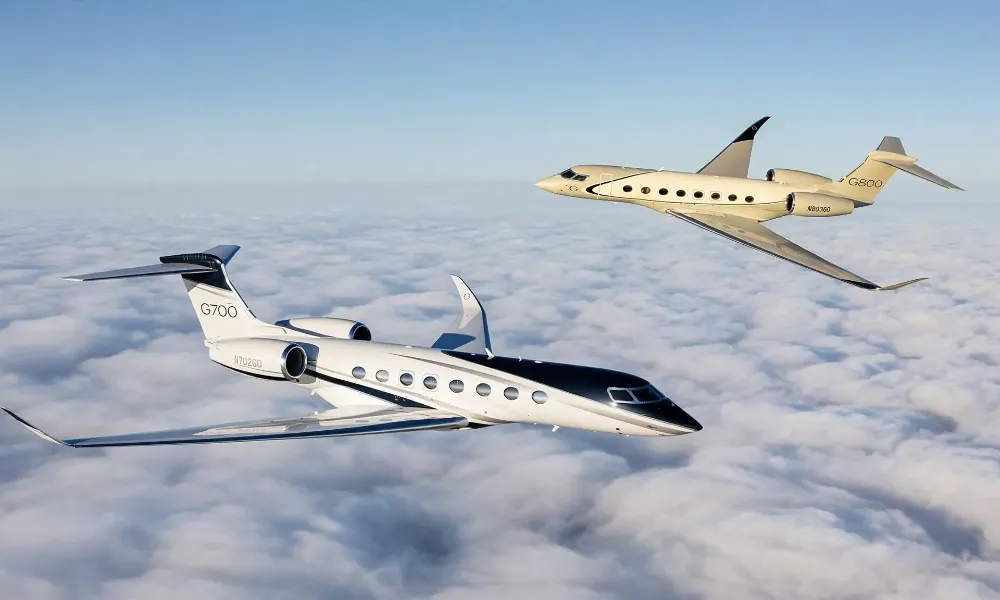
The Gulfstream entries in the club trade the Citation X’s purity for scale: the largest cabins in the class at the same Mach 0.935 maximum, with the G800 adding the longest range. A G700 crossing the Atlantic at Mach 0.90 shaves an hour from the airline schedule while its passengers sleep in a cabin altitude lower than a mountain cabin, the combination that defines the modern flagship category.
The G800’s high speed cruise, sustained at Mach 0.90 across 8,000 nautical miles, matches speed with distance in a way that makes it the most complete long range machine in the sky, and its sibling’s arrival established the cabin architecture the whole industry now imitates, as covered in our G700 story. In the club’s terms, Gulfstream proved that the Mach number and the master suite are not a trade.
The Establishment: Gulfstream G650 and G650ER, Mach 0.925
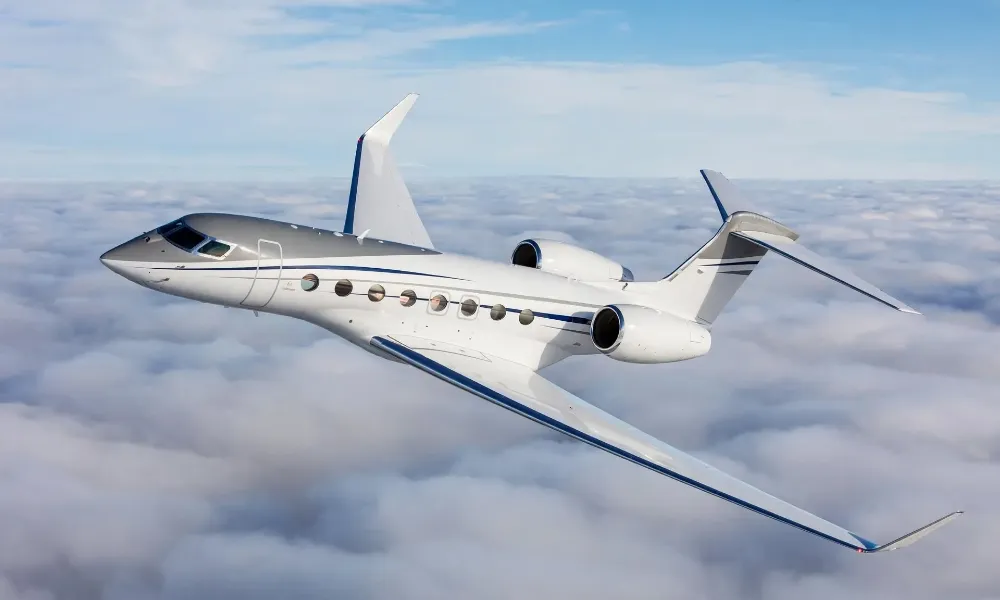
The G650 entered service in 2012 as the first of the modern super long range era, and its Mach 0.925 maximum, with a 6,500 nautical mile range that the ER stretched past 7,500, set the template the Global 8000 would eventually outrun. For a decade it was the jet against which all others were measured, the machine that proved the market would pay a premium for speed and distance in the same airframe, and its delivery backlog became the industry’s favorite proxy for the health of the top of the market.
The G650’s place in the club is secure: it made Mach 0.92 the baseline expectation for any serious flagship, a standard every rival now builds to meet.
The Supersonic Ancestor: Concorde, Mach 2.04
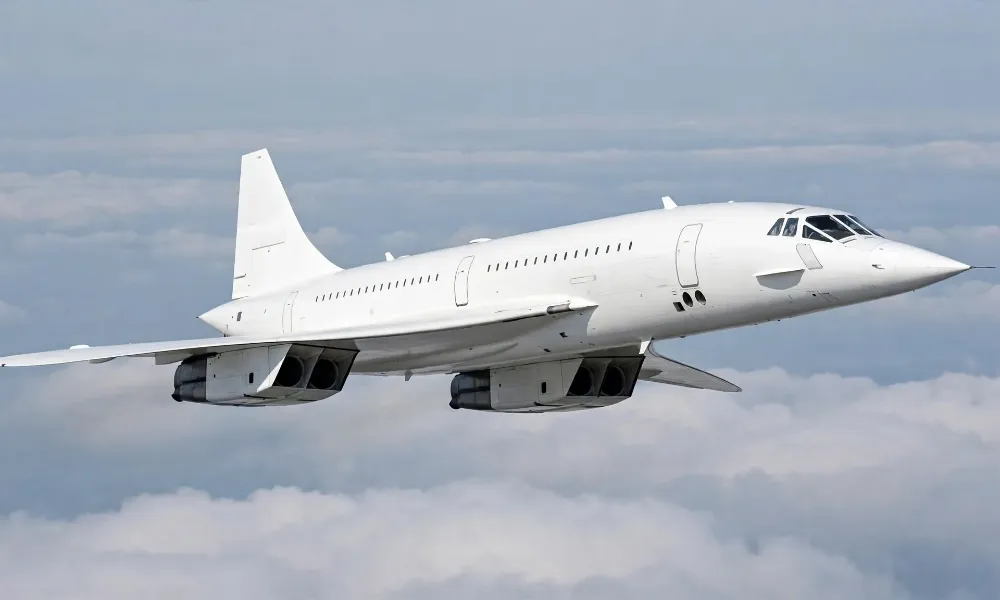
Concorde was never a business jet, but no account of fast corporate travel is honest without it. From 1976 to 2003, the Anglo French airliner flew the Atlantic at Mach 2.04, twice the speed of sound, crossing in under three and a half hours and shaving an entire day from the schedules of the executives and celebrities who filled its 100 seats.
Concorde proved that supersonic passenger travel was not fantasy; it was economics that killed it, fuel costs and a post crash market that never returned. Its retirement left a vacuum at the top of the speed hierarchy that the entire Mach Speed Club, every jet on this list, has been filling with subsonic increments ever since.
The Ghosts: Aerion and the Supersonic Business Jets That Never Were
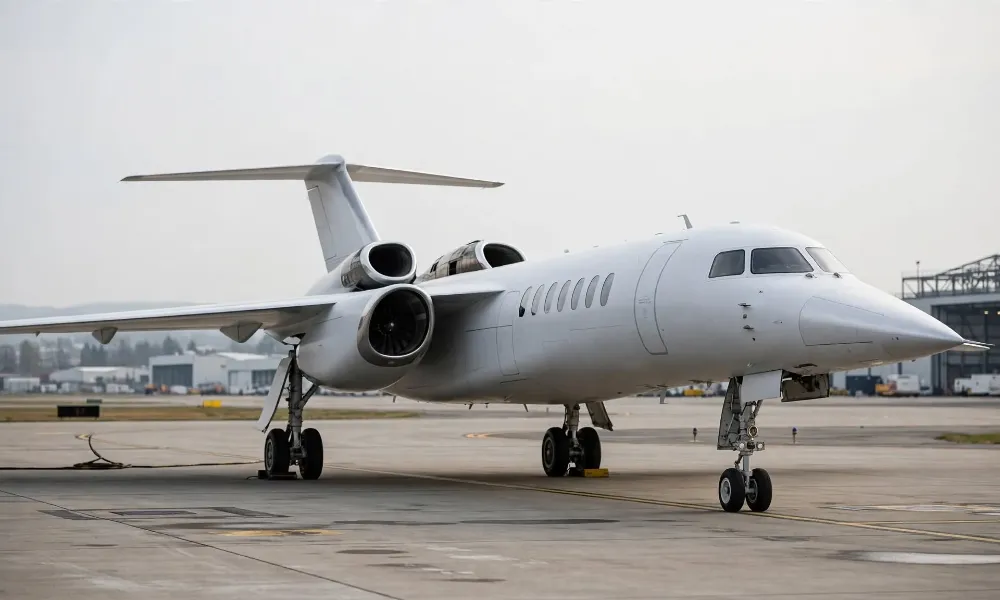
The most instructive entries in the club are the members that never flew. Aerion Corporation spent two decades and hundreds of millions developing a supersonic business jet, the AS2, a Mach 1.4 trijet that promised New York to London in three hours, and signed partnerships with Boeing and Lockheed Martin before running out of money and shutting down in 2021. Spike Aerospace’s S-512, a Mach 1.6 design with a windowless panoramic cabin, continues in development at a smaller scale.
The pattern is consistent across fifty years of attempts, from the Soviet Tu-144’s brief Concorde rivalry to every quiet supersonic startup of the past decade: the physics is solvable, the boom can be muffled, the market never materializes at the price the physics demands. The subsonic club endures because it delivers nine tenths of the benefit at a fraction of the risk.
The Next Frontier: Boom and the Return of the Boom
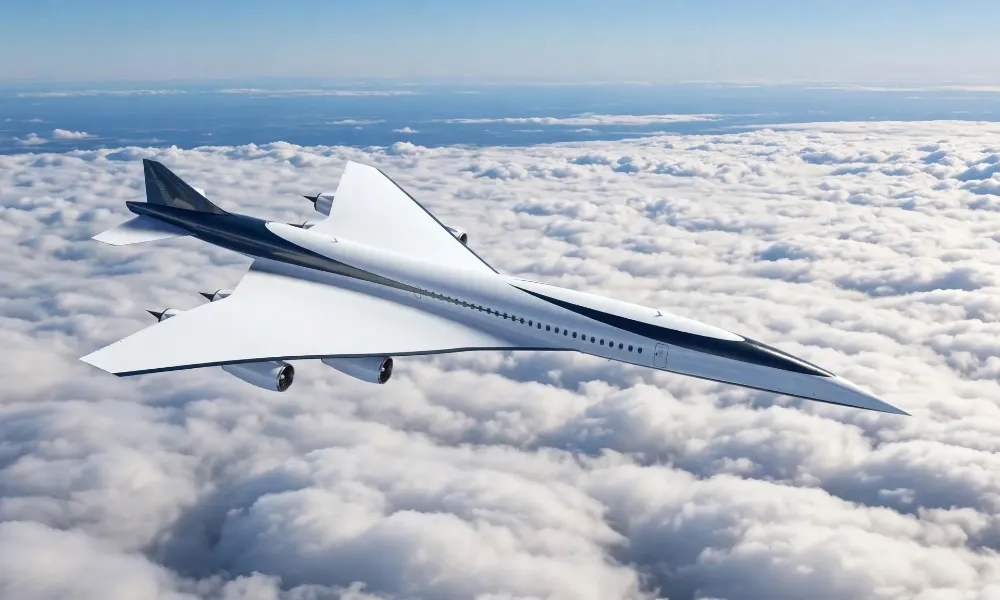
The supersonic dream now rests with Boom Supersonure’s Overture, an airliner designed for Mach 1.7 with orders from United and American and a flight test program aimed at the late 2020s. Overture is an airline project, not a business jet, but its success or failure will determine whether the top of the Mach Speed Club ever gains a supersonic member.
If the Overture flies as promised, a business jet derivative becomes conceivable within a decade; if it fails, the club’s ceiling will remain just below the sound barrier, where it has stood since the Global 8000’s arrival, and the fastest cabins in the sky will keep their record at Mach 0.998, a number that rhymes with the limit itself.
FAQs
What is the fastest business jet ever built?
The Bombardier Global 8000, with a maximum operating speed of Mach 0.998, effectively the speed of sound, and a high speed cruise of Mach 0.95. It entered service in late 2025, setting the records that define the current top of the market.
Why can’t business jets fly supersonic?
Physics and regulation both oppose it. Supersonic flight creates intense heat and drag, multiplying fuel burn and design cost, while regulations prohibit sonic booms over most land, confining supersonic flight to oceanic routes. Every supersonic business jet program to date, most recently Aerion’s AS2, has failed on these economics.
What was the Citation X’s record?
The Cessna Citation X held the title of fastest business jet in the world from 1996 to 2012, with a maximum speed of Mach 0.935. The improved Citation X+ extended the design’s life, and the model remains famous for its transcontinental speed in a mid size package.
How fast does the Gulfstream G700 fly?
The G700 has a maximum operating speed of Mach 0.935, matching the Citation X’s record while carrying the largest cabin in the class. Its high speed cruise is typically flown at Mach 0.90 on long missions.
Was Concorde a business jet?
No. Concorde was a supersonic airliner operating scheduled transatlantic service from 1976 to 2003 at Mach 2.04. It appears in the business aviation conversation because it carried the executives and celebrities whose time made supersonic economics work at airline scale, and its retirement left the speed hierarchy to subsonic business jets.
What happened to Aerion’s supersonic jet?
Aerion Corporation ceased operations in 2021 after two decades of development and partnerships with major aerospace companies. Its AS2 design, a Mach 1.4 business jet, never reached prototype flight, joining a long list of supersonic business projects undone by development costs and market economics.
Will supersonic business jets ever return?
Possibly, but the path runs through the airline market first. Boom Supersonic’s Overture airliner, targeting Mach 1.7 with major airline orders, is the current test case. Its success could make a supersonic business derivative viable within a decade; its failure would likely close the question for a generation.
What Mach number should a buyer prioritize?
For most missions, cruise speed matters more than maximum speed: a jet’s high speed cruise, typically Mach 0.90 to 0.95 on current flagships, determines real schedule savings. Maximum Mach is a bragging right; sustained cruise is where the minutes are won.